
Xishuangbanna Tropical Yunnan: The Complete 2026 Guide
The Dai woman selling grilled fish at the night market in Jinghong didn't speak a word of English.
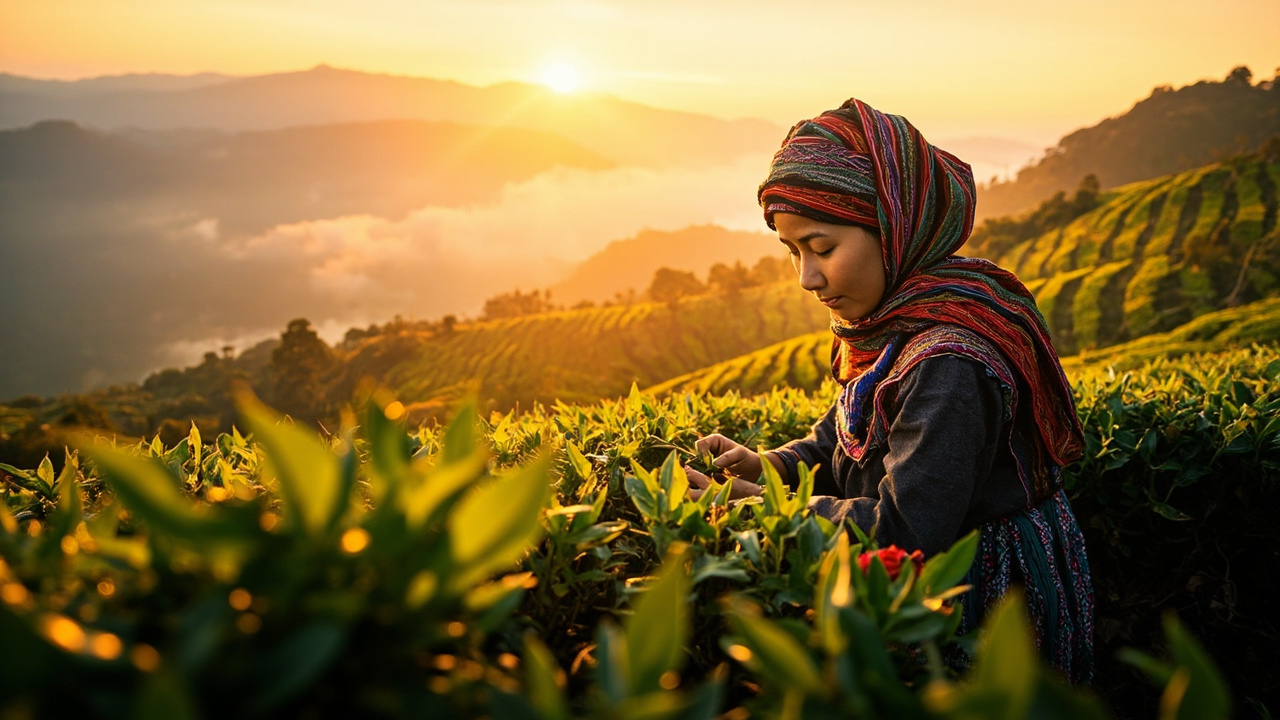
The Dai woman selling grilled fish at the night market in Jinghong didn’t speak a word of English. She just pointed at the fish, held up three fingers, and smiled when I fumbled with my phone to translate. I ate that fish standing in the rain, the smoke from her charcoal grill mixing with the smell of lemongrass and wet pavement. That was the moment I understood what makes Xishuangbanna different from the rest of China.
This is the deep south, a tropical pocket where the Mekong River slides past bamboo stilt houses and the air feels like a warm wet blanket even in December. It’s not the China of skyscrapers and bullet trains. It’s rice paddies, rubber trees, and the sound of Buddhist chanting drifting through temple courtyards at dawn. For most international tourists, it’s completely off the radar, which is exactly why you should go.
This guide covers the ten places I genuinely think are worth your time, how to get around, what things cost in 2026, and the practical stuff that most guidebooks get wrong. I’ve been to Xishuangbanna four times over the last seven years, and I’m still finding new corners.
Quick answer
Xishuangbanna is a tropical prefecture in southern Yunnan, bordering Laos and Myanmar, known for its Dai minority culture, rainforest, and the Mekong River. For most international visitors, the 2026 China visa-free policy (up to 240 hours for citizens of 54 countries) covers a trip here, and you can fly directly to Jinghong from major Chinese cities. The best time to visit is November through March, when it’s dry and warm, and you should budget roughly $60-80 per day for a comfortable mid-range trip.
The Short Version
Go for the food, the temples, and the sheer strangeness of being in tropical China. Skip the overpriced “Dai Garden” tourist shows. Spend three nights in Jinghong, one night in Menghai for the tea mountains, and one night in Mengla if you want real jungle. Learn to say “thank you” in Dai (it’s lin lai), and don’t bother with a rental car unless you’re comfortable with aggressive Chinese driving. The bus system is fine.
How I Picked These
I’ve made four separate trips to Xishuangbanna between 2019 and 2025, spending a total of about three weeks on the ground. I walked the night markets alone, hired a local guide named Ai Peng for three days to explore the tea mountains, got hopelessly lost on a scooter outside Menghai, and ate at least one meal I deeply regretted. I talked to guesthouse owners, tea farmers, monks, and a very patient bus driver who drew me a map on a napkin. Every place on this list I’ve visited personally, and I’ve left off several famous spots that I think are overrated tourist traps.
Comparison Table
| Rank | Place | Best For | Approx Cost (USD) | Time Needed | When to Go |
|---|---|---|---|---|---|
| 1 | Manting Park & Temple | First-timers, history | $6 (¥40) | 2-3 hours | Year-round, mornings |
| 2 | Gao Zhuang Night Market | Food, atmosphere | $5-15 for dinner | 2-3 hours | Evenings |
| 3 | Wild Elephant Valley | Wildlife, rainforest | $45 (¥320) | Half day | Nov-Mar, mornings |
| 4 | Menghai Tea Mountains | Tea culture, scenery | Free-$20 | Full day | Oct-Apr |
| 5 | Dai Ethnic Garden | Culture, architecture | $15 (¥108) | 3-4 hours | Year-round |
| 6 | Mengla Tropical Botanical Garden | Plants, science | $12 (¥85) | Full day | Nov-Feb |
| 7 | Mekong River Cruise | Scenery, relaxation | $25-40 | 2-4 hours | Nov-Mar |
| 8 | Jingzhen Octagonal Pavilion | Photography, history | $3 (¥20) | 1-2 hours | Year-round |
| 9 | Nannuo Mountain | Tea, hiking | Free | Half day | Anytime |
| 10 | Xishuangbanna Dai Autonomous Prefecture Museum | Context, rainy days | $2 (¥15) | 2 hours | Year-round |
Manting Park and the Ancient Temple
The first time I walked into Manting Park, a monk in saffron robes was sweeping leaves off the stone path with a bamboo broom. He didn’t look up. The park sits right in the center of Jinghong, and it’s the oldest royal garden in the region, once belonging to the Dai kings. The temple complex, Zongfo Temple, is active, which means you’ll hear chanting and see real worship, not a staged performance.
The park itself is small and manageable. You can walk the whole thing in under two hours if you’re not stopping to stare at every frangipani tree. The pagodas are gold and white, built in the classic Dai style that looks more Thai than Chinese. There’s a peacock enclosure near the back, and yes, the peacocks do fan their tails when the sun hits them just right.
Location: Jinghong city center, east of the Mekong River. Walk from the old town or take a 5-minute taxi.
Entry fee: $6 (¥40). Free for children under 1.2 meters.
Opening hours: 8:00 AM to 6:00 PM daily.
Getting there: From Jinghong Airport, take a taxi (about $5, 20 minutes). From the bus station, it’s a 15-minute walk east along Manting Road. Look for the gold pagoda spires.
When to visit: Go early, before 10 AM, when the tour groups arrive. Weekdays are much quieter than weekends.
Insider tips: The monks here are used to tourists but appreciate a small donation if you want to take photos inside the temple. Dress conservatively, shoulders and knees covered. There’s a small market outside the east gate on Sunday mornings where locals buy fresh produce. The fried banana flowers are worth trying.
I once watched a group of Chinese tourists try to feed the peacocks potato chips. The peacocks were not interested. The monk who had been sweeping earlier came over and gently shooed them away.
Gao Zhuang Night Market
This is where you go when the sun goes down and the temperature drops to something almost bearable. Gao Zhuang is a purpose-built tourist area along the river, but it’s done well enough that it doesn’t feel completely fake. The stalls sell Dai BBQ, grilled fish wrapped in banana leaves, sticky rice in bamboo tubes, and something called “bug platter” which is exactly what it sounds like.
The food is the reason to come. The grilled fish is the best I’ve had anywhere in China, and the chili-lime dipping sauce is addictive. There’s a woman at the far end of the market who makes a coconut milk dessert with palm sugar that I still dream about. Prices are tourist-level, but not outrageous, about $5-8 for a proper meal.
Location: Along the Mekong River, southeast of Jinghong old town, about a 10-minute walk or 5-minute taxi.
Entry fee: Free.
Opening hours: Opens around 5 PM, gets busy by 7 PM, winds down by midnight.
Getting there: Walk from the old town across the pedestrian bridge. Taxis are cheap, about $2.
When to visit: Any evening, but Friday and Saturday are liveliest. Go hungry.
Insider tips: The stalls at the front are more expensive than the ones at the back. Walk all the way to the end before you order. Bring cash, some stalls don’t accept mobile payments. The “Dai dance show” that happens on the main stage at 8 PM is cheesy, but the kids in the audience love it. Try the grilled bamboo worms, they taste like popcorn.
I made the mistake of pointing at a random skewer without asking what it was. It was chicken heart. It was actually delicious, but I didn’t know that until after I’d committed.
Wild Elephant Valley
The name is not a gimmick. There are wild Asian elephants in this valley, about 300 of them, and you have a decent chance of seeing them if you go at the right time. The park is a protected reserve about 40 kilometers north of Jinghong, and it’s the only place in China where you can see wild elephants in their natural habitat.
The park has a network of elevated wooden walkways that keep you above the forest floor. You’ll walk through rainforest, past bamboo groves, and over streams. The elephants are most active in the early morning and late afternoon, and the park rangers know where they tend to hang out.
Location: 40 km north of Jinghong in Mengyang town. About 1 hour by bus or taxi.
Entry fee: $45 (¥320) including the shuttle bus. This is the most expensive attraction in the area.
Opening hours: 8:00 AM to 6:00 PM. The elephant feeding show is at 11 AM and 3 PM.
Getting there: Buses leave from Jinghong bus station to Mengyang every 30 minutes, about $3. From Mengyang, take a local taxi or the park shuttle. A private taxi from Jinghong costs about $25 one way.
When to visit: November to March for the dry season. Go on a weekday, and arrive by 9 AM to catch the elephants before they retreat into the forest.
Insider tips: The cable car over the valley is worth the extra $10, you get a much better view of the canopy. Don’t bring food into the park, the elephants have been known to approach visitors who smell like snacks. The “elephant show” where they paint pictures is a bit sad, I’d skip it. The viewing platforms near the river are the best spots.
I saw a mother elephant and her calf cross the river about 50 meters from where I was standing. The calf kept slipping on the rocks and the mother would wait, nudge it with her trunk, and keep going. I stood there for 20 minutes and forgot to take a single photo.
Menghai Tea Mountains
If you care about tea, this is your pilgrimage. Menghai county, about 60 kilometers west of Jinghong, is the heart of the Pu’er tea world. The mountains here are covered in tea trees, some of them hundreds of years old, and the villages are home to the families who have been farming them for generations.
The tea here is not cheap. A good cake of aged Pu’er from a reputable producer will set you back $50-200, and the really old tree tea can go for thousands. But you don’t have to buy anything to appreciate the landscape. The drive up into the mountains is stunning, winding through rubber plantations and tea terraces, with the mist sitting low in the valleys.
Location: Menghai county, about 60 km west of Jinghong. The main tea villages are Bulangshan and Nannuo Mountain.
Entry fee: Free to visit the villages. Tasting sessions at tea houses are usually free if you’re a serious buyer.
Opening hours: Tea houses are open during daylight hours, but call ahead if you want a proper tasting.
Getting there: Buses from Jinghong to Menghai town take about 90 minutes, $4. From Menghai, you’ll need a taxi or private driver to reach the mountain villages, about $30-40 for a day trip.
When to visit: October to April, during the dry season. The spring harvest in March and April is the most exciting time to visit.
Insider tips: Learn a little about Pu’er before you go, it will help you have better conversations with the farmers. The “ancient tree” claims are often exaggerated, so buy from a recommended producer. Bring cash, many village tea houses don’t accept cards. If you’re invited to a tea ceremony, accept, it’s a genuine gesture of hospitality.
Ai Peng, the guide I hired, took me to his family’s tea plot on Nannuo Mountain. His grandmother, who was 86 years old, climbed up the hill faster than both of us and started picking leaves with her bare hands.
Dai Ethnic Garden
This is a tourist attraction, and it knows it. The Dai Ethnic Garden is a reconstructed Dai village in Ganlanba, about 30 kilometers south of Jinghong, and it’s designed for visitors who want a condensed version of Dai culture. You’ll see traditional stilt houses, a temple, and daily performances of Dai dance and music.
I have mixed feelings about this place. It’s not authentic in the way that a real working village is, but it’s not dishonest either. The performers are actual Dai people, and the crafts on display are real. If you’re on a tight schedule and can’t get out to the more remote villages, this is a reasonable compromise.
Location: Ganlanba, about 30 km south of Jinghong along the Mekong River.
Entry fee: $15 (¥108) including the performance.
Opening hours: 8:00 AM to 6:00 PM. The main dance performance is at 2 PM.
Getting there: Buses from Jinghong to Ganlanba leave every 20 minutes from the south bus station, about $2. The ride takes 40 minutes. A taxi costs about $20.
When to visit: Any time of year, but the Water Splashing Festival in mid-April is the most dramatic time to be here.
Insider tips: The “water splashing” activity they offer to tourists is a watered-down version of the real festival, but it’s still fun. The stilt houses are worth going inside, the interior layout is different from anything you’ll see in northern China. The food stalls near the entrance are cheaper than the ones inside.
I got roped into a “traditional Dai wedding” reenactment where I had to wear a Dai costume and pretend to be a groom. The bride was a performer who was very patient with my terrible dancing. The photos are somewhere on my phone and I refuse to delete them.
Mengla Tropical Botanical Garden
This is the most impressive scientific institution in the region, run by the Chinese Academy of Sciences. It’s a massive research garden, over 1,100 hectares, with thousands of plant species from tropical Asia and beyond. If you have any interest in plants, rainforests, or just want to walk through a jungle on well-maintained paths, this is worth the trip.
The garden is divided into themed sections: palm trees, medicinal plants, aquatic plants, and a rainforest area that feels genuinely wild. The canopy walkway, suspended 30 meters above the forest floor, is the highlight. On a clear morning, you can see mist rising through the trees.
Location: Menglun town, about 70 km southeast of Jinghong. About 2 hours by bus.
Entry fee: $12 (¥85). The electric shuttle inside the garden is an extra $5.
Opening hours: 8:00 AM to 6:00 PM, but the garden is huge, so arrive early.
Getting there: Buses from Jinghong south bus station to Menglun run hourly, about $4. From the bus stop, it’s a 10-minute walk to the garden entrance.
When to visit: November to February, when the weather is dry. The rainy season from May to September is beautiful but muddy.
Insider tips: The garden is too big to walk entirely, so use the shuttle and pick two or three sections to explore on foot. The rainforest section is the most impressive. Bring insect repellent, the mosquitoes here are aggressive. The on-site hotel is basic but convenient if you want to spend two days.
I spent three hours in the orchid section and only saw about a third of it. A researcher told me that they discover new species in this garden every year. I believe it.
Mekong River Cruise
The Mekong is the lifeblood of this region, and seeing it from the water gives you a completely different perspective. There are several cruise options, from short sunset trips to full-day excursions that cross into Laos. The most popular is a half-day trip from Jinghong down to Ganlanba, which takes you past riverside villages, fishing boats, and dense forest.
The boats are comfortable enough, with open decks and shaded seating. The commentary is usually in Mandarin, so bring your own entertainment if you don’t speak the language. The scenery is the real draw, especially in the late afternoon when the light turns golden.
Location: Cruises depart from the pier in Jinghong, near the pedestrian bridge.
Entry fee: $25-40 depending on the length and type of boat.
Opening hours: Departures at 9 AM and 3 PM most days. Sunset cruises run seasonally.
Getting there: The pier is a 10-minute walk from the old town. Look for the ticket office near the bridge.
When to visit: November to March for the best weather. The river is higher and faster during the rainy season.
Insider tips: Book through your hotel or guesthouse, they often get better rates than the walk-up ticket office. The sunset cruise is worth the extra money. Bring a light jacket, it gets cool on the water. If you’re prone to motion sickness, sit at the back of the boat.
The captain of my boat pointed out a spot on the riverbank where he said the Thai traders used to pull up their boats a hundred years ago. I couldn’t tell if he was telling the truth or just being a good host. Either way, it was a nice story.
Jingzhen Octagonal Pavilion
This is one of those places that photographers love and everyone else walks through in 20 minutes. The pavilion is a small Buddhist structure in the village of Jingzhen, about 30 kilometers southwest of Jinghong. It dates from the early 18th century and is considered one of the finest examples of Dai architecture in the region.
The pavilion is genuinely beautiful. The octagonal shape, the layered roofs, the intricate wooden carvings, it’s all worth a look. But it’s small, and unless you’re really into religious architecture, you won’t need more than an hour here.
Location: Jingzhen village, about 30 km southwest of Jinghong.
Entry fee: $3 (¥20).
Opening hours: 8:00 AM to 5:30 PM.
Getting there: Take a bus from Jinghong to Menghai and get off at Jingzhen, about $2. From the bus stop, it’s a 10-minute walk to the pavilion.
When to visit: Any time of year. The light is best in the late afternoon.
Insider tips: The village around the pavilion is more interesting than the pavilion itself. Walk around and you’ll see traditional Dai houses, a working temple, and a small market. The monks here are friendly and used to visitors.
I sat on a bench near the pavilion for a while and watched a group of village women weaving cloth under a stilt house. They were chatting and laughing, and one of them waved at me. I waved back.
Nannuo Mountain
If Menghai is the heart of Pu’er tea, Nannuo Mountain is the soul. This is where some of the oldest tea trees in the world grow, and the mountain is dotted with villages that have been farming tea for centuries. The drive up is steep and winding, but the views are worth it.
The tea here is some of the most sought-after in the world. The old tree tea from Nannuo can sell for hundreds of dollars per kilogram, and the farmers take their craft very seriously. You can visit tea factories, taste different vintages, and if you’re lucky, meet a family that has been making tea for generations.
Location: About 40 km west of Jinghong, in the Menghai area.
Entry fee: Free to visit. Tea tastings are usually free if you’re a potential buyer.
Opening hours: Tea houses are open during daylight hours.
Getting there: You’ll need a car or taxi. From Jinghong, it’s about a 90-minute drive. Budget $40-50 for a round trip with a driver.
When to visit: October to April. The spring harvest in March and April is the most exciting time.
Insider tips: The village of Sanzuohé is the most accessible and has several tea houses that welcome visitors. Ask to see the oldest tea tree in the village, they’re proud of it. The tea here is strong, so don’t drink too much on an empty stomach. If you buy tea, negotiate, but don’t be disrespectful about it.
I bought a small cake of tea from a woman in Sanzuohé who told me it was from a tree her great-grandfather planted. I have no way to verify that, but the tea was excellent, so I don’t care.
Xishuangbanna Dai Autonomous Prefecture Museum
This is the museum you visit on a rainy day or when you need a break from the heat. It’s a modern building in Jinghong that covers the history, culture, and natural environment of the region. The exhibits are well-curated, with English translations on most displays.
The museum is not going to blow your mind, but it provides useful context for everything else you’ll see. The section on the Dai people’s history and their relationship with the Mekong is particularly good. There’s also a decent collection of traditional costumes and religious artifacts.
Location: Jinghong, on the east side of the river, near the government buildings.
Entry fee: $2 (¥15).
Opening hours: 9:00 AM to 5:00 PM, closed Mondays.
Getting there: A 15-minute walk from the old town across the bridge, or a $2 taxi ride.
When to visit: Any time, but it’s a good indoor option for the rainy season.
Insider tips: The museum is quiet, so you can take your time without crowds. The gift shop has some interesting books about the region that are hard to find elsewhere. The air conditioning is excellent.
I learned more about the Dai water splashing festival from this museum than I did from any guidebook. It’s a real religious tradition, not just a tourist gimmick.
FAQ summary
For most international visitors, Xishuangbanna is accessible under China’s 2026 visa-free policy (240 hours for 54 countries), with direct flights from major cities to Jinghong. The best time to visit is November through March, when the weather is dry and warm. Budget $60-80 per day for a comfortable trip, and note that while English is limited, translation apps and basic Mandarin phrases will get you through. The must-see attractions are Manting Park, Wild Elephant Valley, and the Menghai tea mountains, with the Gao Zhuang Night Market being the best food destination.
FAQ
Q: Do I need a visa to visit Xishuangbanna in 2026? A: If you’re a citizen of one of the 54 countries covered by China’s visa-free transit policy, you can stay up to 240 hours (10 days) without a visa. This covers Xishuangbanna, but you must enter and exit through designated ports. Check the latest policy before you book.
Q: How do I get to Xishuangbanna from Beijing or Shanghai? A: Fly to Jinghong Xishuangbanna Gasa Airport. Direct flights from Beijing take about 4 hours and cost $150-300. From Shanghai, it’s about 3.5 hours and $120-250. There’s no high-speed rail to Jinghong yet, so flying is the only practical option.
Q: Is it safe to travel in Xishuangbanna as a solo tourist? A: Yes, it’s very safe. The region is well-policed and the local population is friendly. The main risks are the usual ones, pickpocketing in crowded markets and getting scammed on prices. Use common sense and you’ll be fine.
Q: Do I need to speak Mandarin to get around? A: English is not widely spoken, especially outside Jinghong. Download a translation app like Pleco or Google Translate before you go. Learning a few basic phrases like “thank you” and “how much” will make a big difference.
Q: What should I pack for Xishuangbanna? A: Light, breathable clothing for the heat, but bring a light jacket for the evenings and for air-conditioned buses. Good walking shoes, insect repellent, sunscreen, and a rain jacket if you’re going during the rainy season (May to September).
Q: Is the water safe to drink? A: Stick to bottled water, which is cheap and widely available. Tap water is not safe to drink directly. Ice in restaurants is usually made from purified water, so it’s generally fine.
Q: Can I use my credit card or do I need cash? A: WeChat Pay and Alipay are the standard payment methods, and they work with international cards if you set them up in advance. Cash is still useful for small vendors and rural areas. ATMs are available in Jinghong.
The Honest Wrap-up
Xishuangbanna is not for everyone. If you want polished museums and world-class restaurants, go to Shanghai. If you want to feel like you’ve stepped into a different country without leaving China, come here. The food is bold, the landscape is lush, and the culture is genuinely different from anywhere else in the country.
The best advice I can give you is to slow down. Don’t try to see everything. Spend a morning just sitting in a temple courtyard. Eat the street food even if you’re not sure what it is. Take the bus instead of the taxi. The places I remember most from my trips here aren’t the famous attractions, they’re the small moments, the conversations I couldn’t fully understand, the meals I ate with my hands.
Book the flight. You won’t regret it.
Topics
More guides you may like

Top 10 Bridges in China
China's bridges are engineering marvels spanning mountains, rivers, and seas. Here are 10 of the most spectacular, from ancient stone to modern steel.
8 min read

Top 10 Buddhist Sites in China
From the Leshan Giant Buddha to the Dunhuang Caves, these 10 Buddhist sites represent 2,000 years of China's spiritual heritage.
9 min read

Top 10 Day Trips from Beijing You Shouldn't Miss
Beijing is packed with history, but some of China's best experiences are just a few hours away. Here are 10 day trips that will transform your visit.
9 min read

Top 10 Hidden Gems in China Off the Beaten Path
Beyond the Great Wall and Terracotta Warriors, China has incredible hidden destinations few tourists ever reach. Here are 10 underrated gems worth the detour.
9 min read

Top 10 Markets and Shopping Streets in China
From Shanghai's Bund to Beijing's Silk Street - 10 markets where foreigners can haggle, explore, and bring home authentic Chinese goods.
9 min read

Top 10 Museums in China You Shouldn't Miss
China's museums span 5,000 years of civilization. These 10 - from the Palace Museum to Xi'an's terracotta gallery - are unmissable for culture lovers.
9 min read