
Tengchong Hot Springs Yunnan: The Complete 2026 Guide
The rain came down in sheets over the volcanic peaks, and I was standing in a steaming outdoor pool while cold droplets hit my face.
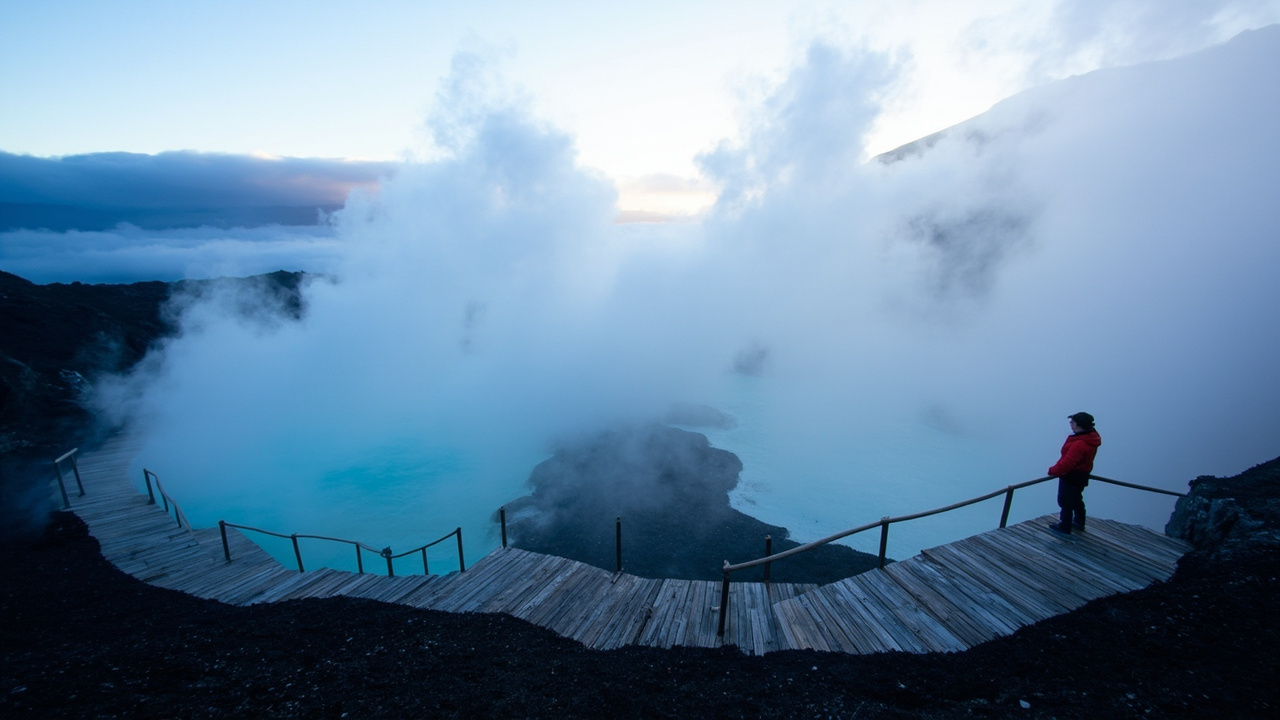
The rain came down in sheets over the volcanic peaks, and I was standing in a steaming outdoor pool while cold droplets hit my face. Steam rose off the water in thick clouds, mixing with the mist coming off the mountains. An elderly Chinese man in the pool next to me nodded, smiled, and gestured at the rain as if to say “this is the best part.” He was right. There is something about soaking in naturally heated mineral water while the weather does its thing around you that makes you understand why people have been coming to Tengchong for centuries.
Tengchong sits in western Yunnan, closer to Myanmar than to Kunming, and it is not on the typical first-timer China itinerary. That is exactly why you should go. This is a place where you can experience the hot springs that China has been famous for since the Tang Dynasty, without the crowds of a place like Jiuzhaigou or the commercial polish of a resort town. The town itself is small, the surrounding countryside is dramatic, and the hot springs range from basic local bathhouses to luxury resort experiences.
This guide covers the ten best hot spring experiences in the Tengchong area, with real prices, actual transport details, and the kind of practical advice that took me multiple trips to figure out. I have been to Tengchong four times over the past seven years, and I have soaked in nearly every pool in the valley. Here is what you need to know.
Quick answer
Tengchong is Yunnan’s hot spring capital, with over 80 geothermal sites scattered across a volcanic valley near the Myanmar border. The two must-visit spots are Rehai (Hot Sea) Scenic Area for the dramatic boiling pools and volcanic landscapes, and Heshun Ancient Town for its quieter, more traditional bathhouses. Budget roughly $50-100 (CNY 350-700) per day for a comfortable visit including entry fees, transport, and food. The best time to go is October through April, when the weather is dry and the temperature difference between the cool air and hot water feels perfect. China’s 240-hour visa-free transit policy applies to most Western passport holders arriving in Kunming, so you can visit Tengchong without a full tourist visa if you are transiting through a Chinese city.
The Short Version
If you have 90 seconds, here is the deal. Fly into Tengchong Airport from Kunming (about 1 hour, $60-100 or CNY 420-700 one way). Stay in Heshun Ancient Town if you want charm, or in Tengchong city if you want convenience. Spend one full day at Rehai Scenic Area - it is the crown jewel. Spend another day at a proper soaking resort like Hot Springs Village or Mingguang Hot Spring. Skip the touristy “volcano balloon ride” unless you really love paying for a ten-minute float. Eat the local wild mushroom hotpot. Bring a waterproof phone pouch. Go in November.
How I Picked These
I have lived in Beijing for seven years and have made four dedicated trips to Tengchong, each time spending four to six days in the area. I visited every hot spring I could find, including several that do not show up in English-language search results. I talked to local bathhouse owners, resort managers, taxi drivers, and a retired geology professor who explained the difference between the various spring types. I soaked in pools that cost $2 and pools that cost $60. I made mistakes - I paid tourist prices at Rehai when I could have walked in through a side gate, I showed up at one spring on its weekly rest day, and I once spent an hour on a bus going the wrong direction because I trusted a map app over a local’s advice. This guide reflects what I learned the hard way.
Comparison Table
| Rank | Place | Best For | Approx Cost (USD) | Time Needed | When to Go |
|---|---|---|---|---|---|
| 1 | Rehai Scenic Area | Dramatic geothermal landscapes | $15 (CNY 105) | Half day | Oct-Apr, weekday mornings |
| 2 | Heshun Ancient Town Bathhouses | Traditional soaking experience | $5-10 (CNY 35-70) | 2-3 hours | Any season, late afternoon |
| 3 | Hot Springs Village (Resort) | Luxury resort experience | $40-80 (CNY 280-560) | Full day | Nov-Mar |
| 4 | Mingguang Hot Spring | Rural, undeveloped springs | $3-8 (CNY 20-55) | Half day | Dry season (Nov-Apr) |
| 5 | Dieshuihe Waterfall Spring | Waterfall + hot pool combo | $8 (CNY 55) | 2 hours | After rain, summer |
| 6 | Beihai Wetland Hot Springs | Bird watching + soaking | $12 (CNY 85) | 3 hours | Early morning, winter |
| 7 | Lianghe Hot Spring | Local everyday experience | $2-5 (CNY 15-35) | 1-2 hours | Evening, locals’ hours |
| 8 | Gudong Hot Spring | Family-friendly pools | $10 (CNY 70) | Half day | Weekends, summer |
| 9 | Yunfeng Mountain Spring | Hiking + hot spring combo | $6 (CNY 40) | 4-5 hours | Nov-Mar, clear days |
| 10 | Jietou Hot Spring | Off-the-beaten-path adventure | $4 (CNY 28) | Full day | Dry season only |
Rehai Scenic Area - The crown jewel of Tengchong’s geothermal zone
The first thing you notice at Rehai is the smell. Sulfur hits you like a wall, sharp and metallic, and you wonder if you have made a terrible mistake. Then you see the steam rising from the valley floor, dozens of vents hissing and spitting, and you realize this is not a mistake at all. The main trail takes you past boiling pools with names like “Lotus Flower” and “Drum Well,” each one a different color - turquoise, milky white, rust orange - depending on the minerals dissolved in the water.
The centerpiece is the Big Boiling Pot, a massive pool of churning water that stays at a steady 97 degrees Celsius (207 degrees Fahrenheit). Locals will tell you they used to cook eggs in it, and you can still buy a bag of eggs steamed in the geothermal vents near the entrance. They taste like regular eggs, but the experience of eating an egg cooked by a volcano is worth the $1 (CNY 7).
The entry fee is $15 (CNY 105) for the scenic area, which includes access to the main trail and all the viewing platforms. There is also a separate fee of about $8 (CNY 55) if you want to use the bathing pools at the far end of the valley, which are fed by cooler spring water and are much more pleasant than they sound.
Location: Rehai is about 12 kilometers (7.5 miles) southwest of Tengchong city center. Entry fee: $15 (CNY 105) for the scenic area; additional $8 (CNY 55) for bathing pools. Opening hours: 8:00 AM to 6:00 PM daily, year-round. How to get there: From Tengchong city, take bus line 2 from the main bus station to the Rehai stop (about 40 minutes, $0.50 or CNY 3.50). The bus drops you at the entrance. A taxi costs about $8-10 (CNY 55-70) each way. If you are staying in Heshun, it is a 20-minute taxi ride. When to visit: Go on a weekday morning, ideally before 10 AM. The crowds arrive around 11 AM, and the narrow boardwalks get congested. October through April offers the clearest views. Insider tips: Buy the combined ticket that includes the bathing pools even if you are not sure you will use them - the individual pool ticket is almost the same price. Bring a small towel; the free ones at the bathing area are thin and rough. The eggs sold at the entrance are cooked in the geothermal steam, not boiled - they have a slightly sulfurous taste that some people love and others find off-putting. Do not touch the water in any of the boiling pools. It is genuinely boiling.
I watched a German tourist try to dip his finger into the Big Boiling Pot to “test the temperature.” The local guide grabbed his arm before he got within a foot. The guide then explained, in broken English, that the water would remove his skin. The German looked genuinely surprised.
Heshun Ancient Town Bathhouses - Soaking where the locals have soaked for 600 years
Heshun is the kind of town that makes you want to cancel the rest of your itinerary and just stay. It is a 600-year-old trading town with cobblestone streets, traditional courtyard houses, and a canal system that still works. The bathhouses here are not fancy - they are stone rooms with wooden benches and pools of mineral water that have been piped in from the surrounding hills for centuries.
The main bathhouse is easy to miss. It is a low stone building near the eastern edge of the old town, with a small sign in Chinese that says “hot water pool” (re shui tang). Inside, there are two pools - one hot, one very hot. The changing rooms are basic, the water is not filtered, and the experience is entirely authentic. This is where the old men of Heshun come every evening to soak and gossip.
Entry costs about $3 (CNY 20) for a soak. There is also a slightly more modern bathhouse near the town’s main square that charges $5 (CNY 35) and has private rooms if you are not comfortable with the communal experience. Both are worth trying.
Location: Heshun Ancient Town, about 4 kilometers (2.5 miles) west of Tengchong city center. Entry fee: $3-5 (CNY 20-35) depending on which bathhouse you choose. Opening hours: The traditional bathhouse is open from about 2 PM to 9 PM daily. The modern one is open 10 AM to 10 PM. How to get there: From Tengchong city, take bus line 6 to the Heshun stop (20 minutes, $0.30 or CNY 2). The town entrance fee is $8 (CNY 55), which includes access to the main museums and the bathhouses. If you are staying in Heshun, your accommodation can arrange entry at a discount. When to visit: Go in the late afternoon, around 4 PM, when the tour groups have left and the local men start arriving for their evening soak. Insider tips: The traditional bathhouse does not have separate men’s and women’s sections on certain days - check the schedule on the door. Bring your own towel and soap; neither is provided. The water is genuinely hot, so ease in slowly. Do not wear swimwear in the traditional bathhouse - locals go naked, and wearing a swimsuit will mark you as a tourist. The modern bathhouse is more accommodating if you are not comfortable with that.
I spent an hour in the traditional bathhouse with a retired farmer named Mr. Chen who had been coming to the same pool for 47 years. He did not speak English, and I did not speak much Chinese, but we communicated through gestures and shared appreciation for the perfect temperature of the water. When I left, he shook my hand and said “zai lai” - come again. I plan to.
Hot Springs Village (Resort) - The luxury option that is actually worth it
If you want the resort experience, Hot Springs Village is the one. It is a sprawling complex of outdoor pools, private villas, and landscaped gardens built around a natural hot spring source. The pools range from 35 to 42 degrees Celsius (95 to 108 degrees Fahrenheit), and each one has a different mineral composition. The staff hand you a cold towel and a glass of herbal tea the moment you arrive, which sets the tone for the rest of the afternoon.
The day pass costs $40 (CNY 280) and includes access to all the public pools, a locker, towels, and a light meal. If you want a private pool for two, it is $80 (CNY 560) for two hours. The private pools are worth the upgrade if you are traveling with a partner - they are set in individual garden courtyards with bamboo screens for privacy.
The resort is popular with Chinese tourists, especially on weekends, so try to go on a weekday. The pools are cleaned every morning, so the water is freshest before 11 AM.
Location: Hot Springs Village is about 8 kilometers (5 miles) north of Tengchong city center, near the village of Mazhan. Entry fee: $40 (CNY 280) for a day pass; $80 (CNY 560) for a private pool for two hours. Opening hours: 9 AM to 11 PM daily. How to get there: From Tengchong city, take a taxi (about $6 or CNY 40). There is no public bus that goes directly to the resort. If you are staying in Heshun, the resort offers a free shuttle that departs at 10 AM and 2 PM - ask your hotel to book it. When to visit: Weekday mornings, before the weekend crowds arrive. November through March is ideal. Insider tips: The resort provides flip-flops, but they are the cheap plastic kind that will give you blisters if you walk much. Bring your own. The “herbal tea” they serve at check-in is actually a local medicinal blend that is supposed to help with circulation - drink it, it is good. The food at the on-site restaurant is overpriced and mediocre; eat before you come or bring snacks. The highest pool, near the back of the complex, has the best views of the surrounding mountains and is usually the least crowded.
I met a honeymooning couple from Chengdu who had booked a private pool for the afternoon. They had brought their own champagne and a bluetooth speaker, and they were having a genuinely lovely time. The staff did not seem to mind the music, which surprised me given how strict Chinese resorts can be about rules.
Mingguang Hot Spring - The one the guidebooks do not mention
Mingguang is a small village about 30 kilometers (19 miles) north of Tengchong, and it has one of the most authentic hot spring experiences I have found anywhere in China. There is no resort here, no entrance gate, no ticket booth. There is just a concrete pool built over a natural spring, with a small changing shed next to it, and a sign in Chinese that says “hot spring, use at your own risk.”
The water is perfect - about 40 degrees Celsius (104 degrees Fahrenheit), clear, and with a slight mineral taste. The pool is fed by a pipe that runs directly from the spring source, and the overflow drains into a small stream that runs through the village. On any given afternoon, you will find a handful of local farmers soaking after a day in the fields, and they will almost certainly invite you to join them.
There is no official fee, but the village has set up a small donation box near the changing shed. Most visitors leave $1-2 (CNY 7-14). The changing shed is basic - a wooden bench and a hook for your clothes. Bring your own towel.
Location: Mingguang village, about 30 kilometers (19 miles) north of Tengchong city. Entry fee: Donation of $1-2 (CNY 7-14) suggested. Opening hours: The pool is open 24 hours, but it is best visited during daylight hours. How to get there: From Tengchong’s main bus station, take the bus to Mingguang (about 1 hour, $1.50 or CNY 10). The bus drops you at the village entrance, and the pool is a 10-minute walk through the village. Ask anyone for “re shui tang” and they will point you in the right direction. When to visit: Go on a weekday afternoon, around 3 PM, when the farmers are finishing their work. The pool is busiest in the early evening. Insider tips: The pool has no lifeguard and no safety equipment. If you cannot swim, stay in the shallow end. The water is not filtered, so it is not recommended for people with open wounds or sensitive skin. Do not wear swimwear if you are the only foreigner there - you will stand out enough as it is. The villagers are curious about foreigners and will likely ask where you are from, but their English is limited, so bring a translation app.
I made the mistake of going on a rainy day and found the path to the pool turned into a mud slide. I slipped and landed on my back, covering myself in red clay that took two soaks to wash off. The villagers found this hilarious, and one of them gave me a cup of local rice wine to “help with the pain.” It did.
Dieshuihe Waterfall Spring - Where the water falls and the water heats
Dieshuihe is a waterfall that has a hot spring at its base, which sounds like a geological contradiction until you see it. The waterfall drops about 20 meters (65 feet) into a deep pool, and right next to it, a separate stream of hot mineral water flows into a series of small bathing pools that have been carved into the rock. The contrast is striking - cold water falling from above, hot water bubbling up from below.
The bathing pools are free to use, though you need to pay the entrance fee for the scenic area, which is $8 (CNY 55). The pools are shallow, only about waist-deep, and the water temperature varies depending on how close you are to the spring source. The pool closest to the source is almost too hot to enter, while the pool near the waterfall is barely warm.
The best time to visit is after a rainstorm, when the waterfall is at its most dramatic. The downside is that the path to the pools can be slippery, and the spray from the waterfall makes the rocks treacherous.
Location: Dieshuihe is about 15 kilometers (9 miles) southeast of Tengchong city. Entry fee: $8 (CNY 55) for the scenic area; bathing pools are free. Opening hours: 8 AM to 6 PM daily. How to get there: From Tengchong city, take a taxi (about $7 or CNY 50). There is no public bus. Alternatively, many of the guesthouses in Heshun offer day trips to Dieshuihe as part of a package. When to visit: Go after a rainstorm in the summer months (June-August) when the waterfall is at full force. In the dry season, the waterfall is reduced to a trickle, and the experience is less impressive. Insider tips: The pools are not maintained, so check for algae before you enter. The water is shallow enough that you can sit on the rock bottom, which is smoother than it looks. Bring water shoes - the rocks are sharp. The scenic area also has a small cave that you can explore, which is worth the extra 10 minutes.
A local guide told me that the waterfall was once considered sacred, and that local people would come here to wash away bad luck before important events like weddings and harvests. I am not sure if that is historically accurate, but it made the experience feel more meaningful.
Beihai Wetland Hot Springs - Soak and watch the birds
Beihai Wetland is a protected area about 10 kilometers (6 miles) north of Tengchong, and it is one of the best places in Yunnan for bird watching. The wetland is home to over 200 species of birds, including several rare migratory species that winter here. The hot springs are on the edge of the wetland, and you can soak in a warm pool while watching egrets and herons fish in the shallow water.
The hot spring facility is modest - a series of outdoor pools surrounded by reeds and marsh grass. The water is not as hot as some of the other springs in the area, sitting at around 38 degrees Celsius (100 degrees Fahrenheit), but the setting more than makes up for it. There is a wooden boardwalk that runs through the wetland, and you can combine a soak with a bird-watching walk.
The entry fee for the wetland is $12 (CNY 85), which includes access to the boardwalk and the hot spring pools. There is a small cafe near the entrance that serves decent coffee and simple meals.
Location: Beihai Wetland, about 10 kilometers (6 miles) north of Tengchong city. Entry fee: $12 (CNY 85) for the wetland and hot springs. Opening hours: 8 AM to 6 PM daily. How to get there: From Tengchong city, take bus line 4 to the Beihai stop (30 minutes, $0.50 or CNY 3.50). The bus stops at the wetland entrance. When to visit: Go early in the morning, around 7 AM, when the birds are most active. Winter months (November-February) are best for migratory species. Insider tips: Bring binoculars if you have them - the bird watching is genuinely good, but the birds keep their distance. The hot spring pools are not as clean as the resort pools, so shower before and after. The cafe closes at 4 PM, so do not plan on an evening meal here. The boardwalk gets slippery in the morning dew, so wear shoes with good grip.
I spent a morning here with a retired British couple who had been traveling through China for three months. They had seen the pandas in Chengdu, the Terracotta Warriors in Xi’an, and the Great Wall in Beijing, but they told me this was the most peaceful place they had visited. I understood what they meant.
Lianghe Hot Spring - The everyday spring the locals use
Lianghe is a small town about 20 kilometers (12 miles) northeast of Tengchong, and it has a hot spring that is used almost exclusively by locals. This is not a tourist attraction - it is a community bathhouse where people come to wash, socialize, and relax. The facility is a simple concrete building with separate men’s and women’s sections, each with a large pool and a few private bathing stalls.
The water is hot - about 42 degrees Celsius (108 degrees Fahrenheit) - and it is not diluted or cooled. The locals say the hot water is good for your skin and your joints, and they come here several times a week. The atmosphere is friendly and relaxed, and the regulars are curious about foreigners but respectful of your space.
The entry fee is $2 (CNY 15), which includes a towel and a bar of soap. The facility is open from 2 PM to 10 PM daily, and it is busiest in the early evening when people come after work.
Location: Lianghe town, about 20 kilometers (12 miles) northeast of Tengchong city. Entry fee: $2 (CNY 15). Opening hours: 2 PM to 10 PM daily. How to get there: From Tengchong’s main bus station, take the bus to Lianghe (about 40 minutes, $1 or CNY 7). The bathhouse is a 5-minute walk from the bus stop. When to visit: Go in the early evening, around 6 PM, when the locals are arriving. The pool is quieter in the mid-afternoon. Insider tips: This is a working-class bathhouse, so do not expect any luxury. The changing rooms are basic, and there is no place to store your valuables - leave them at your hotel. The water is genuinely hot, so enter slowly and give your body time to adjust. The locals will likely try to communicate with you, but do not be surprised if they just nod and smile. Do not take photos inside the bathhouse - it is considered rude.
I went to Lianghe on a Tuesday evening and found myself in a pool with about a dozen local men, all of whom seemed to know each other. They were discussing something animatedly, and I assumed it was about politics or sports. When one of them finally asked me (through a translation app) what I thought, I learned they were arguing about which local restaurant made the best noodles. The debate went on for another hour.
Gudong Hot Spring - The family-friendly option
Gudong is a hot spring complex that has been developed for family visits, with several pools of varying temperatures, a children’s play area, and a small restaurant. It is not as dramatic as Rehai or as authentic as Lianghe, but it is a solid option if you are traveling with kids or if you want a more relaxed, less touristy experience.
The complex has about 15 pools, ranging from a cool 28 degrees Celsius (82 degrees Fahrenheit) to a hot 45 degrees Celsius (113 degrees Fahrenheit). The pools are spread across a hillside, connected by stone paths and wooden bridges. There is also a large indoor pool that is popular in the winter months.
The entry fee is $10 (CNY 70) for adults and $5 (CNY 35) for children under 12. The complex is open from 9 AM to 9 PM daily.
Location: Gudong is about 12 kilometers (7.5 miles) east of Tengchong city. Entry fee: $10 (CNY 70) for adults, $5 (CNY 35) for children. Opening hours: 9 AM to 9 PM daily. How to get there: From Tengchong city, take a taxi (about $5 or CNY 35). There is no public bus. When to visit: Weekends are busy with local families, so go on a weekday if you can. Summer is the most popular season, but the pools are just as good in winter. Insider tips: The children’s pool is shallow and warm, but it is also the most crowded - expect to share it with a lot of loud kids. The restaurant serves decent local food at reasonable prices; the stir-fried vegetables are the best bet. The complex rents swimsuits for $2 (CNY 15) if you did not bring your own, but they are the kind of swimsuits that have been worn by many people before you. Bring your own.
I came here with a Chinese friend and her two children, and I was struck by how different the experience was from the more touristy springs. The kids spent two hours in the water, and the adults spent two hours chatting on the pool deck. It felt like a community gathering more than a tourist attraction.
Yunfeng Mountain Spring - The hike and soak combo
Yunfeng Mountain is a sacred Taoist site about 25 kilometers (15.5 miles) north of Tengchong, and it has a hot spring at its base that is the perfect reward for the hike up. The mountain itself is not particularly tall - about 2,500 meters (8,200 feet) - but the trail is steep and takes about two hours to climb. The views from the top are worth it, especially on a clear day when you can see all the way to Myanmar.
The hot spring at the base is a simple affair - a concrete pool fed by a natural spring, with a small changing room and a few benches. The water is about 39 degrees Celsius (102 degrees Fahrenheit), and it is the perfect temperature for soaking tired muscles after the hike.
The entry fee for the mountain is $6 (CNY 40), which includes access to the trail and the hot spring. The mountain is open from 8 AM to 5 PM daily.
Location: Yunfeng Mountain, about 25 kilometers (15.5 miles) north of Tengchong city. Entry fee: $6 (CNY 40). Opening hours: 8 AM to 5 PM daily. How to get there: From Tengchong city, take a taxi (about $10 or CNY 70). There is no public bus. Alternatively, you can hire a driver for the day for about $30 (CNY 210) and combine Yunfeng with Mingguang and other nearby springs. When to visit: Go on a clear day, ideally in November or March. The trail is slippery after rain, and the views are obscured by clouds in the summer. Insider tips: The trail is steep and uneven, so wear proper hiking shoes. There are no facilities on the mountain, so bring water and snacks. The hot spring at the base is not as clean as the resort pools, so shower before and after. The Taoist temple at the top is worth a visit, and the monks there are friendly to foreigners.
I hiked up with a group of Chinese students who were on a school trip. They were all carrying selfie sticks and taking photos of everything, and they insisted on taking a group photo with me at the summit. One of them asked me, in English, “Why did you come to this small mountain when you could go to a big mountain?” I did not have a good answer.
Jietou Hot Spring - The one that requires effort
Jietou is the most remote hot spring on this list, and it is not for everyone. It is about 40 kilometers (25 miles) northwest of Tengchong, near the border with Myanmar, and the road there is rough and winding. But if you are willing to make the journey, you will be rewarded with one of the most unspoiled hot spring experiences in Yunnan.
The spring itself is a series of natural pools along a stream, with no facilities of any kind. There is no changing room, no entrance fee, no sign. You simply find a spot that looks good, strip down, and get in. The water is hot - about 41 degrees Celsius (106 degrees Fahrenheit) - and the pools are deep enough to swim in some places.
The journey takes about two hours each way from Tengchong, and you will need to hire a driver or rent a car. The road is unpaved for the last 10 kilometers (6 miles), and it is not suitable for regular cars in the rainy season.
Location: Jietou, about 40 kilometers (25 miles) northwest of Tengchong. Entry fee: Free. Opening hours: Always open, but best visited during daylight hours. How to get there: Hire a driver from Tengchong for the day (about $40 or CNY 280). The driver will wait while you soak. Alternatively, take the bus to Jietou town (about 1.5 hours, $2 or CNY 14) and walk the last 3 kilometers (2 miles) to the spring. When to visit: Only go in the dry season (November-April). The road is impassable in the rainy season. Insider tips: Bring everything you need - water, food, towel, and a change of clothes. There is nothing at the spring. The water is hot enough to cause burns if you stay in too long, so limit your soak to 20 minutes at a time. Do not go alone - the area is remote, and if something happens, there is no one to help. The locals in Jietou town are friendly and can point you in the right direction, but they do not speak English.
I went with a Chinese friend who had grown up in the area, and he told me that he used to come here as a teenager with his friends. They would spend the whole day swimming in the hot pools and then jump into the cold stream to cool off. I tried it, and I understand why he has such fond memories.
FAQ summary
Tengchong’s hot springs are the main reason to visit this corner of western Yunnan, and the experience ranges from the dramatic geothermal landscapes of Rehai Scenic Area to the authentic local bathhouses of Heshun and Lianghe. The best overall experience for first-time visitors is Rehai, which costs $15 (CNY 105) and takes about half a day. For a more traditional soaking experience, the bathhouses in Heshun Ancient Town cost $3-5 (CNY 20-35) and are best visited in the late afternoon. The dry season from October through April offers the best weather, and most visitors should budget $50-100 (CNY 350-700) per day. China’s 240-hour visa-free transit policy covers most Western passport holders arriving in Kunming, making Tengchong accessible without a full tourist visa for transit travelers.
FAQ
Q: Do I need a visa to visit Tengchong as a tourist in 2026? A: Most Western passport holders can enter China visa-free for up to 240 hours (10 days) if they are transiting through a Chinese city like Kunming to a third country. If you are entering China directly from your home country and returning home, you will need a standard tourist visa. Check with your local Chinese embassy for the latest policy, as rules change frequently.
Q: How do I get to Tengchong from Kunming? A: The fastest way is to fly from Kunming Changshui International Airport to Tengchong Airport (about 1 hour, $60-100 or CNY 420-700 one way). There is also a high-speed train from Kunming to Baoshan (about 3.5 hours, $30-50 or CNY 210-350), followed by a 1.5-hour bus or taxi ride to Tengchong.
Q: What is the best time of year to visit Tengchong’s hot springs? A: The dry season from October through April is the best time. The weather is clear and mild, with daytime temperatures around 15-20 degrees Celsius (59-68 degrees Fahrenheit). The temperature contrast between the cool air and the hot spring water is perfect. Avoid the rainy season from June to August, when the roads can be slippery and the views are often obscured by clouds.
Q: Is English widely spoken in Tengchong? A: No. English is not widely spoken in Tengchong, especially outside of the major hotels and tourist attractions. You will need a translation app like Google Translate or Pleco to communicate with taxi drivers, restaurant staff, and locals. Download the Chinese language pack before you arrive, as internet access can be unreliable in rural areas.
Q: Do I need a VPN for my phone in China? A: Yes. Google, WhatsApp, Instagram, and most Western social media and messaging apps are blocked in China. You will need to install a VPN on your phone before you arrive. Popular options include ExpressVPN, NordVPN, and Astrill. Some hotels in Tengchong have their own VPN services, but do not rely on them.
Q: How do I pay for things in Tengchong? A: Cash is accepted everywhere, but many places - especially smaller shops and restaurants - prefer mobile payment. WeChat Pay and Alipay are the two main options, and both can be set up with an international credit card. You will need to link your passport to verify your identity. The process takes about 10 minutes and is worth doing before you arrive.
Q: What should I pack for a hot spring visit in Tengchong? A: Bring a swimsuit, a towel, water shoes (the rocks can be sharp), and a waterproof phone pouch. If you plan to visit the traditional bathhouses in Heshun or Lianghe, bring your own soap and shampoo, as they are not provided. A small daypack is useful for carrying your stuff between pools.
The Honest Wrap-up
Tengchong is not for everyone. If you want luxury resorts, polished attractions, and English-speaking staff, you will find better options in places like Hangzhou or Chengdu. But if you want to experience hot springs the way the Chinese have experienced them for centuries - as a daily ritual, a community gathering, a way to wash away the day’s work - then Tengchong is the place.
This list is for travelers who are willing to put up with rough roads, basic facilities, and the occasional language barrier in exchange for authenticity. It is for people who understand that the best experiences in China are often the ones that require the most effort.
My final advice is this: go to Rehai, because it is genuinely spectacular. Go to Heshun, because it is genuinely charming. And then pick one of the more remote springs - Mingguang, Lianghe, or Jietou - and just sit in the water with the locals. You will not understand what they are saying, and they will not understand you, but you will both understand the water. That is enough.
Topics
More guides you may like
Top 10 Bridges in China
China's bridges are engineering marvels spanning mountains, rivers, and seas. Here are 10 of the most spectacular, from ancient stone to modern steel.
8 min read

Top 10 Buddhist Sites in China
From the Leshan Giant Buddha to the Dunhuang Caves, these 10 Buddhist sites represent 2,000 years of China's spiritual heritage.
9 min read
Top 10 Day Trips from Beijing You Shouldn't Miss
Beijing is packed with history, but some of China's best experiences are just a few hours away. Here are 10 day trips that will transform your visit.
9 min read
Top 10 Hidden Gems in China Off the Beaten Path
Beyond the Great Wall and Terracotta Warriors, China has incredible hidden destinations few tourists ever reach. Here are 10 underrated gems worth the detour.
9 min read
Top 10 Markets and Shopping Streets in China
From Shanghai's Bund to Beijing's Silk Street - 10 markets where foreigners can haggle, explore, and bring home authentic Chinese goods.
9 min read
Top 10 Museums in China You Shouldn't Miss
China's museums span 5,000 years of civilization. These 10 - from the Palace Museum to Xi'an's terracotta gallery - are unmissable for culture lovers.
9 min read