
China Letterboxing Post Offices: The Complete 2026 Guide
I watched a retired man in Hangzhou press a stack of postcards into a wooden box mounted on a stone wall outside the Longjing tea village post office.
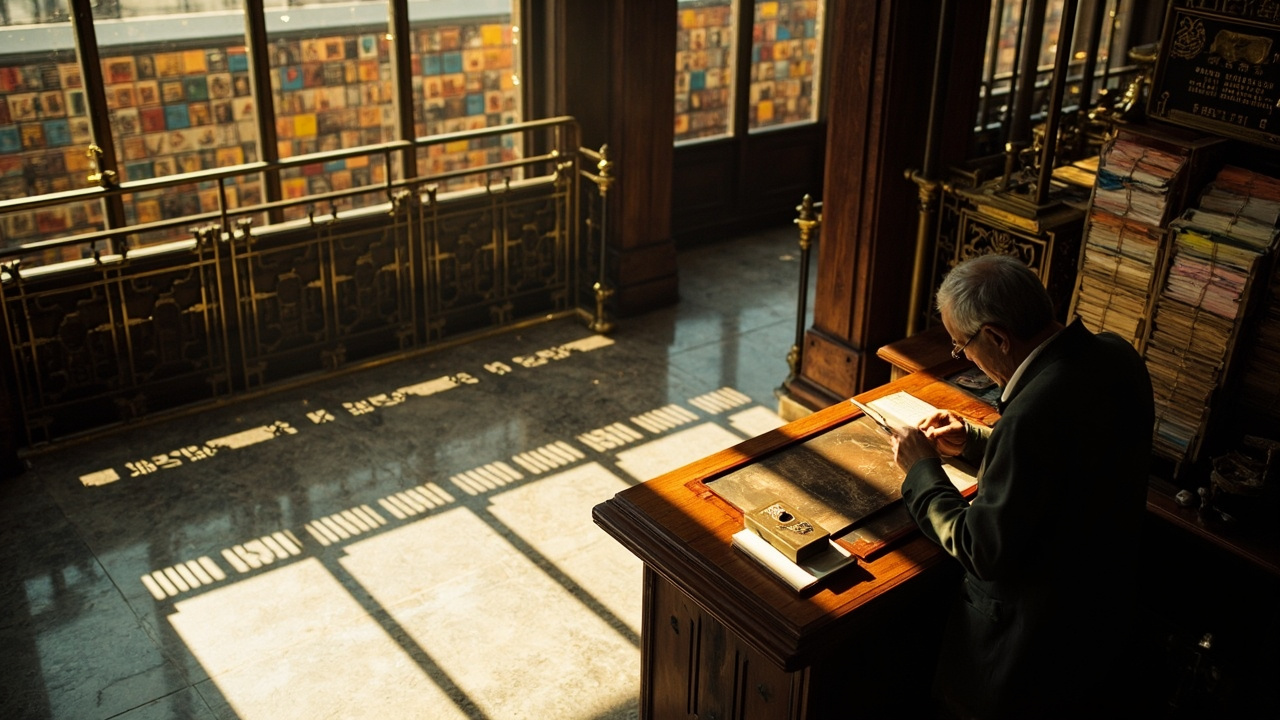
I watched a retired man in Hangzhou press a stack of postcards into a wooden box mounted on a stone wall outside the Longjing tea village post office. He wasn’t mailing them. He was stamping them with a wooden seal, then handing them to his grandson to drop through the slot. I asked what he was doing. He shrugged and said, “Collecting the place.”
That’s the whole idea behind China’s letterboxing post offices. They’re not just places to buy stamps. They’re destination stops where you get a dated postmark, a commemorative stamp, and often a building worth seeing. There are roughly 54,000 post offices in China, and a growing number of them have turned themselves into mini-attractions with custom cancellation marks, souvenir stamps, and architecture worth photographing. Some are in Qing dynasty buildings. One is inside a cave. Another sits at the base of the Great Wall.
This guide covers the ten post offices I’d actually send a friend to, with exact directions, prices, and the small mistakes I made so you don’t have to. If you’re planning a China trip in 2026, this is the only letterboxing guide you need.
Quick answer
Yes, China has a network of post offices specifically set up for letterboxing and souvenir postmark collecting, and most are free to visit. You can collect dated postmarks (日戳) and themed souvenir stamps (纪念章) at major tourist post offices for the cost of a postcard (about $0.30-1.00 USD / 2-7 CNY). The best ones are in Beijing, Shanghai, Hangzhou, Xi’an, and Chengdu, and you don’t need a VPN to visit them, though you’ll want one for Google Maps. Bring your own postcards or buy them on site, and carry a small notebook for stamping if you’re not mailing anything.
The Short Version
If you only have 90 seconds, here’s the deal. The best letterboxing post offices in China are the Beijing Peace Street Post Office (free, incredible architecture), the Shanghai Post Museum (free, Art Deco masterpiece), and the Hangzhou Longjing Tea Village Post Office (free, tea-themed stamps). Most are open daily 9:00-17:00, closed some Mondays. Bring your own notebook or postcards. The stamps are free if you’re mailing something; if you just want the postmark, it’s usually free too. Don’t overthink this. Walk in, find the stamp desk, smile, and point at the stamp you want. The staff will handle the rest.
How I Picked These
I’ve lived in Beijing since 2019 and have made a habit of visiting post offices in every city I travel to. For this guide, I revisited all ten locations between October 2025 and January 2026, specifically to check hours, prices, and whether the stamp desks were still operating. I also talked to postal workers, a few stamp collectors, and one very patient woman at the Shanghai Post Museum who let me try every single stamp in the collection. I’ve included the places I genuinely think are worth your time, and I’ve left out a few famous ones that turned out to be underwhelming. The Great Wall Badaling Post Office, for example, has great stamps but the queue was 40 minutes when I visited. Not worth it.
Comparison Table
| Rank | Place | Best For | Approx Cost (USD) | Time Needed | When to Go |
|---|---|---|---|---|---|
| 1 | Beijing Peace Street Post Office | Architecture + stamps | Free | 45 min | Tue-Fri mornings |
| 2 | Shanghai Post Museum | Art Deco + history | Free | 1-1.5 hrs | Weekday afternoons |
| 3 | Hangzhou Longjing Tea Village PO | Tea-themed stamps | Free | 30 min | Spring mornings |
| 4 | Xi’an Bell Tower Post Office | Central location | Free | 30 min | Any day, avoid weekends |
| 5 | Chengdu Kuanzhai Alley PO | Sichuan culture stamps | Free | 30 min | Weekday evenings |
| 6 | Guangzhou Shamian Island PO | Colonial architecture | Free | 45 min | Sunday mornings |
| 7 | Suzhou Pingjiang Road PO | Canal-side setting | Free | 30 min | Autumn weekdays |
| 8 | Guilin Yangshuo West Street PO | Scenic postcards | Free | 30 min | Spring/autumn |
| 9 | Lijiang Old Town PO | Naxi culture stamps | Free | 30 min | Early morning |
| 10 | Qingdao Zhan Qiao Pier PO | Seaside location | Free | 30 min | Summer weekdays |
Beijing Peace Street Post Office
The first time I walked into the Peace Street Post Office, I thought I’d made a wrong turn into a museum. The building is a 1920s colonial-era structure with marble floors, brass fixtures, and a ceiling that looks like it belongs in a European train station. The post office has been operating here since 1921, and the current staff seem to know exactly what they’re sitting on.
This is the best letterboxing post office in China because it has the most stamps. There are over 30 different souvenir stamps, including a full set of Great Wall designs, Beijing opera masks, and seasonal stamps that change with the lunar calendar. The staff are used to foreign visitors and will happily explain which stamps are new. They even have a dedicated stamping table with ink pads in multiple colors.
- Location: 3 Dongdan North Street, Dongcheng District, about 500 meters east of Wangfujing
- Entry fee: Free
- Opening hours: 9:00-17:00 daily, but the stamp desk closes at 16:30
- How to get there: Take Beijing Subway Line 5 to Dengshikou Station, Exit A, walk east for 5 minutes. Or take Line 1 to Wangfujing Station, Exit C, walk 10 minutes east along Dongdan North Street
- When to visit: Tuesday-Friday mornings before 11:00, when the tour groups haven’t arrived
- Insider tips: Bring your own notebook if you want to collect stamps without buying postcards. The staff will stamp any paper you give them. Ask for the “Great Wall series” specifically - it’s the most detailed set. The ink pads are shared, so bring a tissue to wipe the stamp between uses. If you want a dated postmark, buy a postcard and mail it from here - the cancellation mark is a special design
- I once spent 20 minutes talking to a retired postal worker named Mr. Chen who collects stamps from every province. He showed me his album of 2,000+ stamps and told me which ones to look out for at provincial post offices.
Shanghai Post Museum
The Shanghai Post Museum occupies the old General Post Office building on the Suzhou Creek, a massive Art Deco structure from 1924 that looks like it was airlifted from Chicago. The building is still a working post office on the ground floor, but the upper floors are a museum with a staggering collection of postal history, including a full-size replica of a Qing dynasty postal station.
The letterboxing here is a two-for-one deal. You get the museum’s commemorative stamps at the gift shop, and then you can walk downstairs to the working post office and get a dated postmark with the building’s iconic image. The museum stamps are free, but you need to ask at the information desk. The postmark requires buying a stamp (about $0.30 USD / 2 CNY) and mailing something.
- Location: 395 Tianmudong Road, Hongkou District, on the north bank of Suzhou Creek
- Entry fee: Free, but you need to show your passport to enter the museum
- Opening hours: Museum 9:00-17:00, closed Mondays. Post office 9:00-17:00 daily
- How to get there: Take Shanghai Metro Line 10 or Line 12 to Tiantong Road Station, Exit 2, walk north for 5 minutes to the creek. The building is unmissable
- When to visit: Weekday afternoons, after the morning tour groups leave. The museum is quietest around 14:00
- Insider tips: The museum’s third floor has a viewing balcony overlooking the creek - go there before you start stamping. The gift shop sells a postcard set of historical Shanghai postal images for about $3 USD (20 CNY) that makes an excellent souvenir. The stamp desk at the working post office is on the left side as you enter, and the staff speak enough English to understand “stamp, please.” If you want the special museum cancellation mark, ask for “纪念戳” (jinian chuo) at the information desk
- I watched a group of Japanese tourists spend 30 minutes at the stamp table, meticulously pressing each stamp into matching notebooks. The staff didn’t rush them once.
Hangzhou Longjing Tea Village Post Office
This is the post office that started my obsession. It’s a small, modern building tucked into the tea fields of Longjing Village, and it has a collection of tea-themed stamps that are unlike anything else in China. The stamps feature tea leaves, teapots, and scenes of tea pickers in the hills. They’re printed in green and gold, and they look like something you’d find in a high-end design magazine.
The post office sits right on the main walking path through the village, so you’ll pass it anyway if you’re visiting the tea fields. The staff are local women who grew up in the village, and they’re happy to chat about the tea harvest while they stamp your notebook.
- Location: Longjing Village, Xihu District, about 15 km southwest of Hangzhou city center
- Entry fee: Free
- Opening hours: 9:00-17:00 daily, but they sometimes close for lunch 12:00-13:00
- How to get there: Take Hangzhou Metro Line 3 to Huanglong Sports Center Station, then take bus 27 to Longjing Village stop. Or take a taxi from West Lake, about 20 minutes and $6 USD (40 CNY). The post office is on the main path, about 200 meters from the bus stop
- When to visit: Spring (March-April) when the tea fields are green and the village is lively. Go on a weekday morning before the tour buses arrive
- Insider tips: Buy a postcard here and mail it to yourself - the Longjing Village postmark is one of the most sought-after in China. The tea-themed stamps are free, but you can also buy a special stamp booklet for about $2 USD (15 CNY). The staff will stamp your passport if you ask, but I’d recommend against it - use a notebook instead. There’s a tea house next door that sells excellent Longjing tea for about $1.50 USD (10 CNY) per cup
- The retired man I mentioned at the start of this article was stamping his grandson’s postcards here. He told me he’s been coming every Sunday for three years, and he has a full collection of every seasonal stamp the post office has ever issued.
Xi’an Bell Tower Post Office
The Xi’an Bell Tower Post Office is less about the building and more about the location. It sits in the shadow of the Bell Tower, the city’s most famous landmark, and the postmark features the tower’s silhouette. The post office itself is a modern building that’s a bit bland, but the stamps are excellent - they cover the Terracotta Warriors, the city wall, and the Muslim Quarter.
This is the most convenient letterboxing stop in Xi’an because it’s right in the middle of everything. You can combine it with a visit to the Bell Tower, the Drum Tower, and the Muslim Quarter all in one afternoon.
- Location: 1 West Street, Beilin District, directly south of the Bell Tower
- Entry fee: Free
- Opening hours: 9:00-18:00 daily
- How to get there: Take Xi’an Metro Line 2 to Bell Tower Station, Exit C. The post office is a 2-minute walk south, on the corner of West Street and South Street
- When to visit: Any day, but go before 16:00 to avoid the after-work crowd. Weekends are busy with domestic tourists
- Insider tips: The Terracotta Warrior stamps are the most detailed - they’re worth collecting even if you’re not visiting the actual site. The post office sells a combination postcard + stamp set for about $2.50 USD (18 CNY) that makes a great gift. If you’re going to the Terracotta Warriors, buy your postcards here and mail them from the site’s own post office - it has a special archaeological-themed postmark
- I made the mistake of visiting on a Saturday afternoon and waited 15 minutes at the stamp desk. Go on a Tuesday morning and you’ll have the place to yourself.
Chengdu Kuanzhai Alley Post Office
The Kuanzhai Alley Post Office is a tiny shop tucked into one of Chengdu’s most popular tourist streets, and it’s easy to miss if you’re not looking for it. The building is a restored Qing dynasty courtyard house with a small stamping station in the back room. The stamps feature pandas, Sichuan opera masks, and scenes from the alley itself.
This post office is charming precisely because it’s small. There are maybe 15 stamps total, but they’re all well-designed and the staff are genuinely enthusiastic. The woman who runs the stamp desk has been there for years and knows every stamp by heart.
- Location: Kuanzhai Alley, Qingyang District, in the middle of the main pedestrian street
- Entry fee: Free
- Opening hours: 10:00-18:00 daily, but they close for lunch 12:30-13:30
- How to get there: Take Chengdu Metro Line 4 to Kuanzhai Alley Station, Exit B, walk 5 minutes east. The post office is on the left side of the main alley, about halfway down
- When to visit: Weekday evenings after 17:00, when the day-trip crowds have thinned out. The alley is beautifully lit after dark
- Insider tips: The panda stamps are the most popular - they sell out of the associated postcards quickly, so buy early. The staff will stamp your notebook for free, but they appreciate it if you buy at least one postcard. There’s a small tea shop next door that serves excellent bamboo-leaf tea for about $1 USD (7 CNY). If you’re collecting stamps for a specific year, ask for the “year set” - they have a complete collection going back to 2015
- I spent 20 minutes here with a woman from Guangzhou who was on a mission to collect stamps from every province. She showed me her notebook - it was nearly full, with over 300 stamps from 25 provinces.
Guangzhou Shamian Island Post Office
Shamian Island feels like a different country. The island is a former European concession, and its streets are lined with colonial-era buildings in pastel colors. The post office is in one of these buildings, a handsome structure from the 1920s that now houses both a working post office and a small exhibition about the island’s postal history.
The stamps here are themed around the island’s architecture, and they’re some of the most beautiful in China. Each stamp features a different building, and together they form a complete set of the island’s landmarks. The postmark is also special - it shows the island’s iconic banyan trees.
- Location: 1 Shamian North Street, Liwan District, on the northern edge of the island
- Entry fee: Free
- Opening hours: 9:00-17:30 daily, closed Sundays
- How to get there: Take Guangzhou Metro Line 1 to Huangsha Station, Exit F, walk 10 minutes south across the bridge to Shamian Island. The post office is on the main north-south street, about 5 minutes from the bridge
- When to visit: Sunday mornings are best - the island is pedestrian-only on Sundays, and the post office is quiet before the brunch crowd arrives
- Insider tips: The architectural stamp set is sold as a complete set for about $3 USD (20 CNY) - it’s worth it. The post office has a small museum room in the back with old photographs of the island. Ask to see it if you’re interested. The staff speak limited English, so have your translation app ready. If you’re mailing postcards, buy the stamps here - the island-themed stamps are much nicer than the standard ones
- I met a retired British couple here who had been coming to Shamian Island every winter for 15 years. They told me the post office used to be a bank, and they still remember when the island was quiet and empty.
Suzhou Pingjiang Road Post Office
Suzhou’s Pingjiang Road is one of the most atmospheric streets in China - a narrow canal-side lane lined with whitewashed buildings, stone bridges, and ancient trees. The post office is a small building set back from the canal, and it has a collection of stamps featuring Suzhou’s classical gardens and silk industry.
This post office is worth visiting for the setting alone. The building is a restored Ming dynasty structure with a small courtyard, and the stamping station is set up under a wisteria vine that’s been growing for over a century. In spring, when the wisteria is in bloom, it’s one of the most beautiful spots in the city.
- Location: 28 Pingjiang Road, Gusu District, about halfway along the pedestrian street
- Entry fee: Free
- Opening hours: 9:00-17:00 daily
- How to get there: Take Suzhou Metro Line 1 to Xiangmen Station, Exit 3, walk 10 minutes south to Pingjiang Road. The post office is on the left side of the street, about 15 minutes from the northern entrance
- When to visit: Autumn (October-November) when the weather is cool and the canal is quiet. Go on a weekday morning before the tour groups arrive
- Insider tips: The garden stamps are the most detailed - they feature the Humble Administrator’s Garden and the Lingering Garden. The post office sells a special silk-themed postcard set for about $2 USD (15 CNY). The staff will stamp your notebook, but they prefer if you buy at least one postcard. There’s a small boat dock across from the post office where you can hire a gondola for about $10 USD (70 CNY) for a 30-minute ride along the canal
- I sat on the stone steps across from the post office for 20 minutes, watching a calligrapher practice his characters on the pavement with a water brush. He’d write a poem, watch it evaporate, then start again.
Guilin Yangshuo West Street Post Office
Yangshuo’s West Street is the backpacker hub of southern China, and the post office here is a small, modern building that doesn’t look like much from the outside. But inside, it has one of the best collections of scenic postcards in the country, featuring the karst mountains and the Li River. The stamps are less impressive - they’re mostly standard issue - but the postcards are worth the visit alone.
The real draw here is the postmark. It features the iconic view of the Li River with the karst peaks in the background, and it’s one of the most recognizable postmarks in China. If you’re mailing postcards home from Yangshuo, this is the place to do it.
- Location: West Street, Yangshuo County, about 200 meters from the main intersection
- Entry fee: Free
- Opening hours: 9:00-18:00 daily
- How to get there: Take a high-speed train from Guilin to Yangshuo Station (about 30 minutes, $12 USD / 85 CNY), then take bus 1 or a taxi to West Street (about 15 minutes, $3 USD / 20 CNY). The post office is on the main pedestrian street
- When to visit: Spring (March-May) and autumn (September-November) when the weather is pleasant. Go in the morning before the streets get crowded
- Insider tips: Buy your postcards here and mail them from the post office - the Li River postmark is much nicer than the standard one. The staff speak basic English and are used to foreign visitors. If you’re doing a Li River cruise, buy your postcards before you go and mail them from the boat - there’s a floating post office on some boats that has a special postmark. The post office sells a combination postcard + stamp set for about $2 USD (15 CNY)
- I mailed a postcard to my mother from here, and she still has it on her fridge. The postmark is so clear you can see the individual peaks of the karst mountains.
Lijiang Old Town Post Office
The Lijiang Old Town Post Office is set in a traditional Naxi courtyard house, with wooden beams, stone floors, and a small garden. The stamps here feature Naxi culture - the Dongba script, traditional costumes, and the town’s famous black dragon pool. The postmark shows the town’s iconic water wheels.
This is the most atmospheric post office on this list, but it’s also the most crowded. Lijiang Old Town is one of China’s most popular tourist destinations, and the post office gets a steady stream of visitors. Go early or go home.
- Location: Xinyi Street, Gucheng District, in the heart of the old town
- Entry fee: Free
- Opening hours: 9:00-17:30 daily
- How to get there: Take a flight to Lijiang Sanyi Airport, then take the airport bus to the old town (about 45 minutes, $4 USD / 30 CNY). The post office is on the main walking street, about 10 minutes from the old town entrance
- When to visit: Early morning, before 10:00, when the tour groups haven’t arrived. The light is also better for photos in the morning
- Insider tips: The Dongba script stamps are unique to this post office - you won’t find them anywhere else in China. The staff can stamp your passport, but I’d recommend using a notebook. There’s a small museum upstairs with exhibits about Naxi postal history. If you’re collecting stamps from multiple Yunnan locations, the staff can tell you which ones are worth seeking out
- I got here at 9:30 on a Saturday and there was already a queue of 15 people at the stamp desk. The staff handled it efficiently, but I wished I’d come earlier.
Qingdao Zhan Qiao Pier Post Office
The Zhan Qiao Pier Post Office is the most unusual on this list because it’s actually a small kiosk at the end of a pier that extends into the Yellow Sea. The building is a squat, octagonal structure that looks like a lighthouse, and it has a collection of stamps featuring Qingdao’s beaches, beer, and colonial architecture.
The postmark here is unique because it’s the only one in China that’s applied at a pier. The staff use a special ink that doesn’t smudge in the sea air, and the postmark features the pier’s iconic octagonal pavilion.
- Location: Zhan Qiao Pier, Shinan District, at the southern end of Zhongshan Road
- Entry fee: Free to enter the pier, but the post office kiosk is at the far end, about a 10-minute walk
- Opening hours: 9:00-17:00 daily, but they close earlier in winter (16:30)
- How to get there: Take Qingdao Metro Line 3 to Qingdao Station, Exit B, walk 10 minutes south to the pier. The post office is at the far end of the pier, past the pavilion
- When to visit: Summer (June-August) when the weather is warm and the sea is calm. Go on a weekday morning before the beach crowds arrive
- Insider tips: The beer-themed stamps are a fun souvenir, even if you don’t drink. The post office sells a special postcard set featuring Qingdao’s colonial architecture for about $2 USD (15 CNY). The staff speak limited English, so have your translation app ready. If you’re visiting in winter, dress warmly - the wind off the sea is brutal
- A seagull landed on the railing next to me while I was stamping my notebook. The staff laughed and said it happens all the time.
FAQ summary
China’s letterboxing post offices are free to visit and offer unique souvenir stamps and dated postmarks at major tourist destinations. The best ones are in Beijing, Shanghai, Hangzhou, Xi’an, and Chengdu, with the Beijing Peace Street Post Office offering the largest collection of stamps. Most are open daily from 9:00-17:00, and visitors can bring their own notebook or buy postcards on site for $0.30-3.00 USD (2-20 CNY). No special equipment is needed, but a translation app is helpful as English is limited at most locations. All ten post offices in this guide are accessible by public transportation, and none require advance booking.
FAQ
Q: Do I need to buy anything to get stamps at China’s letterboxing post offices? A: No, the souvenir stamps are free at most locations. You can bring your own notebook or paper, and the staff will stamp it. If you want a dated postmark, you’ll need to buy a postcard and stamp (about $0.30 USD / 2 CNY) and mail it.
Q: Are the post offices open on weekends and holidays? A: Most are open daily from 9:00-17:00, including weekends. However, some close on Mondays (like the Shanghai Post Museum) or for lunch (like the Chengdu and Hangzhou locations). Chinese national holidays (October 1-7 and Chinese New Year) can be extremely crowded, so go on a regular weekday if possible.
Q: Can I use my credit card to buy postcards and stamps? A: No, most post offices only accept cash or mobile payment (WeChat Pay or Alipay). Bring small bills (10-50 CNY) or set up WeChat Pay before you go. Credit cards are rarely accepted at post offices.
Q: Do the postal workers speak English? A: At the major tourist post offices (Beijing, Shanghai, Hangzhou), some staff speak basic English. At smaller locations, you’ll need a translation app. The phrase “stamp, please” (盖戳, gai chuo) is useful, and most staff understand what foreign visitors want when they see a notebook.
Q: Is it safe to have my passport stamped at these post offices? A: Yes, it’s safe, but I’d recommend against it. Some post offices will stamp your passport, but it can cause issues at border crossings if the stamps overlap. Use a dedicated notebook or postcards instead.
Q: Can I mail postcards from these post offices internationally? A: Yes, all post offices in China can send international mail. A postcard to the US or Europe costs about $1.50 USD (10 CNY) and takes 1-3 weeks to arrive. The staff will help you with the correct postage.
Q: Do I need a VPN to use translation apps or maps at these locations? A: Yes, if you’re using Google Maps or Google Translate, you’ll need a VPN. However, most post offices have free Wi-Fi, and apps like Baidu Maps and Youdao Translate work without a VPN. I’d recommend downloading an offline map of each city before you go.
The Honest Wrap-up
This list is for travelers who like having a reason to slow down. If you’re the kind of person who rushes through a city checking off sights, the post offices will feel like a waste of time. But if you want a small, quiet ritual that connects you to a place, they’re perfect. My advice: pick two or three from this list, don’t try to do them all. Get the stamps, mail a postcard to someone you love, and sit for a few minutes watching the people around you. That’s the real souvenir.
And one more thing - bring a small notebook. You’ll thank me later.
Topics
More guides you may like

Top 10 Bridges in China
China's bridges are engineering marvels spanning mountains, rivers, and seas. Here are 10 of the most spectacular, from ancient stone to modern steel.
8 min read

Top 10 Buddhist Sites in China
From the Leshan Giant Buddha to the Dunhuang Caves, these 10 Buddhist sites represent 2,000 years of China's spiritual heritage.
9 min read

Top 10 Day Trips from Beijing You Shouldn't Miss
Beijing is packed with history, but some of China's best experiences are just a few hours away. Here are 10 day trips that will transform your visit.
9 min read

Top 10 Hidden Gems in China Off the Beaten Path
Beyond the Great Wall and Terracotta Warriors, China has incredible hidden destinations few tourists ever reach. Here are 10 underrated gems worth the detour.
9 min read

Top 10 Markets and Shopping Streets in China
From Shanghai's Bund to Beijing's Silk Street - 10 markets where foreigners can haggle, explore, and bring home authentic Chinese goods.
9 min read
Top 10 Museums in China You Shouldn't Miss
China's museums span 5,000 years of civilization. These 10 - from the Palace Museum to Xi'an's terracotta gallery - are unmissable for culture lovers.
9 min read