
China Bamboo Sea Forest: The Complete 2026 Guide
The rain had stopped about twenty minutes before I reached the bamboo, but the air was still heavy with it.
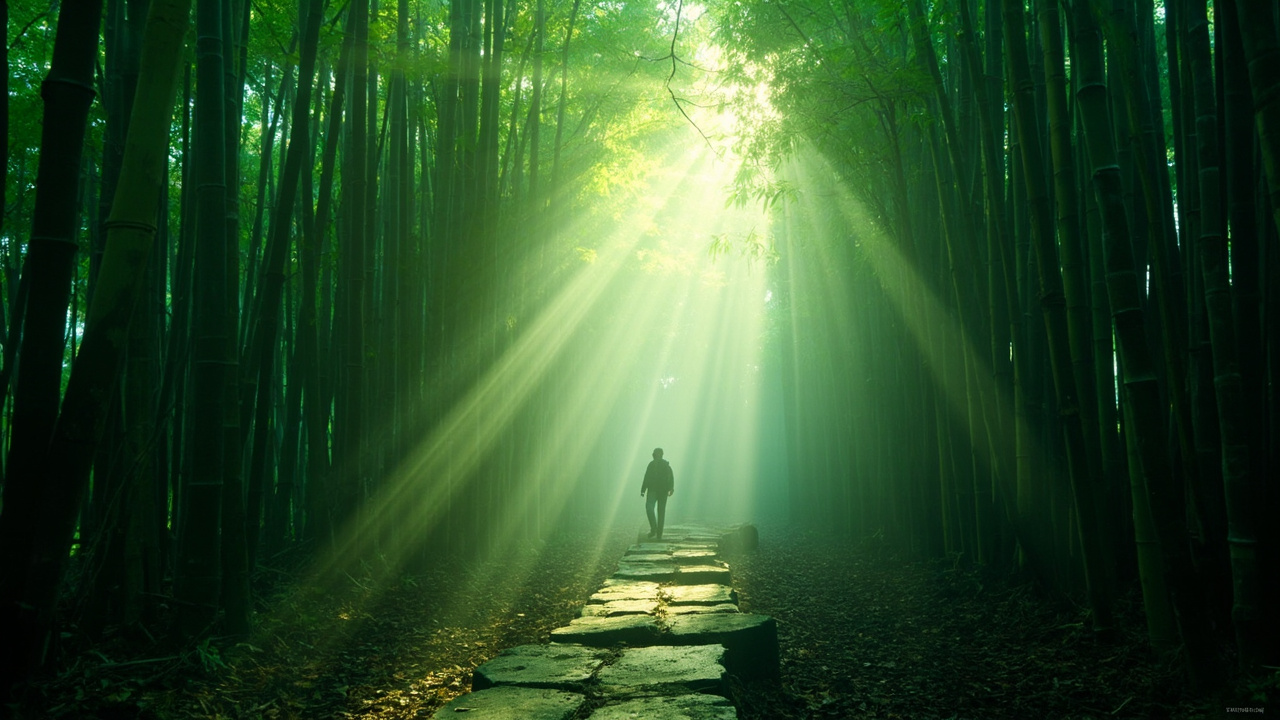
The rain had stopped about twenty minutes before I reached the bamboo, but the air was still heavy with it. I remember standing at the edge of the trail, watching water drip off the leaves in slow, deliberate drops. The stalks rose around me like columns in some vast green cathedral, and the light came through in shafts that seemed almost solid. A woman passed me carrying a basket of fresh bamboo shoots on her back, her straw hat shedding water with every step. She nodded at me, smiled, and kept walking into the green.
That was my first visit to a bamboo sea in China, and I’ve been back to more than a dozen since. These forests are not like the bamboo groves you might see in a botanical garden back home. They are landscapes, entire mountainsides of bamboo that stretch further than you can see, and they have a strange effect on you. The sound of wind moving through millions of stalks is unlike anything else. It’s a kind of creaking, whispering rush that makes you feel very small, and very calm.
I’ve spent seven years living in Beijing and traveled through China more times than I can count. This guide covers the bamboo forests I think are actually worth your time, with the practical details that took me years to figure out. You’ll get specific directions, honest opinions on which places are overrated, and the kind of advice I’d give a friend over dinner.
Quick answer
China’s best bamboo sea forests are in Sichuan, Zhejiang, and Anhui provinces. The most famous is Shunan Bamboo Sea in Sichuan, which costs about $12 (CNY 88) and is best visited in spring or autumn. Most international tourists visit as a day trip from Chengdu, Yibin, or Hangzhou. If you’re a US, UK, Australian, or most European passport holder, you can enter China visa-free for up to 30 days through 2026, which makes adding a bamboo forest to your itinerary much easier than it used to be.
The Short Version
If you only have time for one bamboo forest, go to Shunan in Sichuan. It’s the biggest, the most developed, and the easiest to reach from Chengdu. If you want something quieter and more atmospheric, pick Moganshan in Zhejiang. Skip the Bamboo Forest at the base of Mount Emei unless you’re already there for the mountain. And whatever you do, don’t try to “do” a bamboo forest in two hours. These places need a full day, ideally overnight.
How I Picked These
I’ve visited every bamboo forest on this list at least once, and most of them multiple times across different seasons. I’ve gotten lost in Shunan’s trail network, been caught in a downpour on Moganshan, and eaten more bamboo shoot dishes than I can count. I talked to local farmers, guesthouse owners, and the occasional confused fellow traveler. I also checked current prices and opening hours against local sources in late 2025, so the details here reflect what you’ll actually find in 2026. Some places I’ve included because they’re genuinely spectacular. One or two are here because they’re convenient even if they’re not the best. I’ll tell you which is which.
Comparison Table
| Rank | Place | Best For | Approx Cost (USD) | Time Needed | When to Go |
|---|---|---|---|---|---|
| 1 | Shunan Bamboo Sea | The full experience | $12 (CNY 88) entry | 1-2 days | Apr-May, Sep-Oct |
| 2 | Moganshan | Quiet retreats, hiking | Free entry, $50+ lodging | 2-3 days | Mar-May, Oct-Nov |
| 3 | Anji Bamboo Forest | Day trip from Hangzhou | $10 (CNY 75) | Half day | Apr-Oct |
| 4 | Mount Qiyun Bamboo | Photography, Taoist sites | $12 (CNY 88) | 1 day | Mar-May, Sep-Nov |
| 5 | Chishui Bamboo Sea | Remote, uncrowded | $10 (CNY 70) | 1 day | May-Oct |
| 6 | Nanshan Bamboo Forest | Easy from Shanghai | $8 (CNY 60) | Half day | Apr-Oct |
| 7 | Tianmu Lake Bamboo | Family-friendly | $8 (CNY 55) | Half day | Apr-Nov |
| 8 | Bamboo Forest at Emei | Combining with Emei | $10 (CNY 70) | 2-3 hours | Mar-Nov |
| 9 | Jiulong Bamboo Sea | Off the beaten path | $7 (CNY 50) | 1 day | Apr-Oct |
| 10 | Bamboo Sea at Wuyi Mountain | Southern scenery | $10 (CNY 70) | Half day | Oct-Nov |
1. Shunan Bamboo Sea - The One That Started It All
I stood at the overlook called “Sea of Clouds” and watched the bamboo roll down the hills like waves frozen mid-motion. The fog was doing something strange with the light, and for a moment I genuinely couldn’t tell where the bamboo ended and the sky began. A Chinese tourist next to me, a retired man from Chengdu, pointed at the view and said something I didn’t catch. His wife translated: “He says this is what heaven looks like if heaven is green.”
Shunan is the largest bamboo forest in China, covering about 120 square kilometers in southern Sichuan. It’s a developed tourist area with paved paths, cable cars, and plenty of guesthouses, which means it’s easy to navigate but not exactly wild. That’s fine. The scale is what gets you. You can walk for hours and never leave the bamboo.
The forest has a network of trails that connect various scenic spots, and the cable car ride across the canopy is worth doing at least once. The “Sea of Clouds” viewpoint is best in the morning when the fog is still low. There’s also a small lake, a few temples, and a museum about bamboo culture that’s more interesting than it sounds.
- Location: Changning County, Yibin, Sichuan Province
- Entry fee: $12 (CNY 88), cable car extra $8 (CNY 60) one way
- Opening hours: 8:00 AM - 6:00 PM daily
- Getting there: High-speed train from Chengdu East to Yibin West (about 1.5 hours, $20/CNY 150), then a local bus or taxi to the forest (about 1 hour, $15/CNY 100). Alternatively, join a day tour from Chengdu.
- When to visit: April-May or September-October. Weekdays are much quieter. Go early, before 9 AM, to beat the tour groups.
- Insider tips: Stay overnight in one of the guesthouses inside the forest. The place empties out after 5 PM and you’ll have the trails almost to yourself. The bamboo shoot hotpot at the guesthouses is a local specialty and worth trying. Bring insect repellent in summer. The cable car is worth it for the view, but the walk down is beautiful too. If you’re on a budget, skip the cable car and just hike.
I ate bamboo shoot hotpot at a small guesthouse run by a woman named Auntie Wang, who insisted I try her homemade chili oil. It was the best thing I ate in Sichuan that year.
2. Moganshan - Where the Bamboo Gets Quiet
The first thing I noticed about Moganshan was the silence. Not the kind of silence you get in a city at night, but the kind that comes from a mountain covered in bamboo, where the wind sounds like it’s breathing. I sat on the porch of my guesthouse for an hour just listening to it.
Moganshan is different from Shunan. It’s not a single forest but a whole mountain area in northern Zhejiang, dotted with historic stone villas built by European colonists in the early 1900s. The bamboo here is more scattered, growing between the villas and along the hiking trails, which makes it feel more intimate. It’s also become something of a weekend retreat for Shanghai’s creative class, so there are excellent cafes and restaurants hidden among the bamboo.
The hiking here is the main draw. Trails wind through the bamboo, past waterfalls and old stone bridges, and you can easily spend a full day just walking. The views from the higher points are spectacular, especially in autumn when the bamboo is still green but the other trees have turned gold and red.
- Location: Deqing County, Huzhou, Zhejiang Province
- Entry fee: Free to enter the area, but some attractions charge small fees. Guesthouses range from $50 (CNY 360) to $200+ (CNY 1400+).
- Opening hours: The mountain is open 24 hours, but most guesthouses and restaurants operate 8 AM - 9 PM.
- Getting there: High-speed train from Shanghai Hongqiao to Deqing (about 1 hour, $15/CNY 110), then a taxi or local bus to the mountain (about 30 minutes, $10/CNY 70). Alternatively, drive from Shanghai in about 2.5 hours.
- When to visit: March-May for spring greenery, October-November for autumn colors. Weekends are busy with Shanghai day-trippers, so go midweek if you can.
- Insider tips: Book your guesthouse in advance, especially on weekends. The best trails are the ones that connect the old villas, so pick up a map at your guesthouse. Try the local bamboo shoot dishes - they’re different from Sichuan’s version, lighter and sweeter. The “Chiang Kai-shek Villa” is interesting historically, but the smaller, less famous villas are more atmospheric. Bring good walking shoes; the trails can be steep and slippery after rain.
I got caught in a sudden downpour on the trail to the waterfall and had to shelter under a bamboo grove with a German couple who were also soaked. We ended up sharing a bottle of local rice wine at a tiny shop when the rain stopped.
3. Anji Bamboo Forest - The One You’ve Seen in Movies
You’ve probably seen this place without knowing it. Anji Bamboo Forest is where parts of “Crouching Tiger, Hidden Dragon” were filmed, and the bamboo grove where the famous fight scene happens is still there, looking exactly like it does in the movie. I stood in that grove and tried to do a little jump-kick. I did not look like Michelle Yeoh.
Anji is in northern Zhejiang, about a two-hour drive from Hangzhou, and it’s the easiest bamboo forest to visit as a day trip from the city. It’s smaller than Shunan, but the bamboo here is older and taller, which makes it feel more dramatic. The main trail takes you through the grove and up to a viewpoint, and there’s also a small museum about bamboo and a panda center nearby (yes, actual pandas).
The forest is popular with domestic tourists, so it can get crowded on weekends. Go early or late in the day to avoid the worst of it. The light in the late afternoon is beautiful, with the sun filtering through the tall stalks in a way that makes everything look golden.
- Location: Anji County, Huzhou, Zhejiang Province
- Entry fee: $10 (CNY 75), panda center extra $5 (CNY 35)
- Opening hours: 8:00 AM - 5:30 PM daily
- Getting there: From Hangzhou, take a bus from Hangzhou West Bus Station to Anji (about 1.5 hours, $8/CNY 60), then a taxi to the forest (about 20 minutes, $6/CNY 40). Or join a day tour from Hangzhou.
- When to visit: April-October. Weekdays are much quieter. The forest is at its best in the morning when the light is soft.
- Insider tips: The bamboo grove from the movie is near the entrance, so see it first before the crowds arrive. The panda center is worth a quick visit, but don’t plan your whole day around it. There’s a tea house at the top of the trail with good views and surprisingly good tea. Bring water; there aren’t many shops inside the forest. If you’re a photographer, the best shots are from the higher trails looking down into the grove.
I met a French couple at the entrance who were on their honeymoon and had come specifically because of the movie. They asked me to take their photo in the grove, and I could tell they were a little disappointed it wasn’t as empty as it looks in the film.
4. Mount Qiyun Bamboo - The Taoist Mountain of Green
I climbed Mount Qiyun on a foggy morning, and the bamboo seemed to appear and disappear with the mist like it was playing a game with me. Every time I thought I’d reached the top, another set of stone steps appeared, leading higher into the green. It was exhausting and beautiful in equal measure.
Mount Qiyun is one of the four sacred Taoist mountains in China, and it’s covered in bamboo forests that have been here for centuries. The combination of Taoist temples, ancient stone paths, and bamboo makes this place feel different from the other forests on this list. It’s not just about the bamboo - it’s about the atmosphere, the sense of walking through a landscape that has been sacred for a thousand years.
The mountain is in Anhui Province, about an hour from Huangshan (the famous Yellow Mountain). Most visitors come here as a side trip from Huangshan, and it’s a nice contrast - less crowded, more peaceful, and the bamboo gives it a completely different character. The hike to the top takes about two to three hours, and there are several temples along the way.
- Location: Xiuning County, Huangshan, Anhui Province
- Entry fee: $12 (CNY 88), cable car extra $6 (CNY 45) one way
- Opening hours: 7:00 AM - 5:00 PM daily
- Getting there: From Huangshan North Station, take a bus to Qiyunshan (about 40 minutes, $4/CNY 30), then a short taxi ride to the entrance. Or take a taxi directly from Huangshan city (about 1 hour, $25/CNY 180).
- When to visit: March-May or September-November. The fog is part of the experience, so don’t be put off by cloudy weather. Weekdays are quiet.
- Insider tips: Take the cable car up and walk down - the descent is easier on the knees and you’ll see more temples. The Taoist temple at the top has a small guesthouse if you want to stay overnight, but book ahead. The local specialty is bamboo shoot soup, which you’ll find at the small restaurants near the entrance. Bring a light rain jacket; the mountain gets misty even on clear days. If you’re coming from Huangshan, this is a good half-day trip that won’t exhaust you.
I sat on a stone bench near one of the temples and watched an old Taoist priest sweep the path with a bamboo broom. He worked slowly, methodically, and didn’t seem to notice me at all.
5. Chishui Bamboo Sea - The One Nobody Talks About
I almost didn’t go to Chishui. It’s out of the way, in a corner of Guizhou Province that doesn’t get many international tourists, and I wasn’t sure it was worth the effort. I’m glad I went. This is the bamboo forest for people who want to feel like they’ve discovered something.
Chishui is smaller than Shunan and much less developed. The trails are rougher, the signage is mostly in Chinese, and there are no cable cars or souvenir shops. What you get instead is a sense of being in a real forest, not a tourist attraction. The bamboo here grows so thick in places that the light barely reaches the ground, and the air smells green and damp.
The forest is part of a larger nature reserve that includes waterfalls and red sandstone cliffs, and the combination is stunning. I spent a full day here and saw maybe twenty other people, all of them Chinese. It felt like the China that existed before mass tourism.
- Location: Chishui City, Zunyi, Guizhou Province
- Entry fee: $10 (CNY 70)
- Opening hours: 8:00 AM - 6:00 PM daily
- Getting there: This is the hardest one to reach. Take a high-speed train from Guiyang to Chishui (about 2 hours, $25/CNY 180), then a taxi to the forest (about 1 hour, $20/CNY 140). It’s a long journey, but worth it if you have the time.
- When to visit: May-October. The forest is at its best after rain, when the bamboo is dripping and the air is fresh. Avoid weekends, when local tourists arrive from nearby cities.
- Insider tips: Hire a local guide at the entrance - they’re inexpensive (about $15/CNY 100 for a half day) and they know the best trails. The waterfall at the northern edge of the forest is worth the hike. Bring food and water; there are no shops inside. Learn a few basic Chinese phrases; almost nobody here speaks English. The local specialty is bamboo rice, which is sticky rice cooked inside a bamboo tube - find it at the small restaurants near the entrance.
I got lost on a trail that wasn’t marked on my map and ended up at a small farm where an old woman gave me water and pointed me back the way I came. She didn’t speak a word of English, but she was kind, and I’ll always remember her waving as I walked away.
6. Nanshan Bamboo Forest - The Easy One From Shanghai
If you’re in Shanghai and only have a day to spare, Nanshan Bamboo Forest is the practical choice. It’s not the most spectacular bamboo forest in China, but it’s accessible, pleasant, and gives you a decent taste of what bamboo country is like without requiring a long journey.
The forest is in the southern part of Jiangsu Province, about two hours from Shanghai by car or train. It’s smaller than the others on this list, but the bamboo is well-maintained and the trails are easy to walk. There’s a pagoda at the top of the main hill that offers good views over the forest, and a few small temples scattered around.
I’ll be honest: if you have time for only one bamboo forest, don’t choose this one. But if you’re in Shanghai and want a day trip that gets you out of the city and into some greenery, it does the job. The best part is the peace - even on weekends, it’s not as crowded as the more famous forests.
- Location: Liyang City, Jiangsu Province
- Entry fee: $8 (CNY 60)
- Opening hours: 8:00 AM - 5:00 PM daily
- Getting there: High-speed train from Shanghai Hongqiao to Liyang (about 1 hour, $20/CNY 145), then a taxi to the forest (about 30 minutes, $10/CNY 70). Or drive from Shanghai in about 2.5 hours.
- When to visit: April-October. The forest is pleasant year-round, but the bamboo is greenest in spring and early summer.
- Insider tips: The pagoda at the top is worth the climb for the views. There’s a tea house near the entrance that serves local green tea - take a break there before you leave. The forest is popular with local families on weekends, so go early. If you’re driving, the parking lot fills up by 10 AM on weekends. Combine this with a visit to Tianmu Lake, which is nearby.
I met a retired couple from Shanghai who came here every weekend to walk the trails. They told me it was their “secret place” and made me promise not to tell too many people about it. I’m breaking that promise now, but only because you’re reading this.
7. Tianmu Lake Bamboo - The Family-Friendly One
Tianmu Lake is a resort area in Jiangsu Province, and the bamboo forest here is part of a larger complex that includes a lake, gardens, and various family attractions. It’s not the most authentic bamboo experience, but it’s the easiest if you’re traveling with kids or want a more relaxed visit.
The bamboo itself is lovely - a large grove that covers a hillside above the lake, with well-maintained paths and several viewing platforms. The views over the lake from the higher points are beautiful, especially in the late afternoon. There’s also a bamboo maze that kids seem to love, and a small museum about bamboo products.
I found this place a bit too sanitized for my taste, but I can see why families like it. The paths are stroller-friendly, there are plenty of restrooms and food options, and the whole area is very safe and well-managed. If you’re looking for a wild bamboo adventure, this isn’t it. If you want a pleasant day out that includes bamboo, it’s fine.
- Location: Liyang City, Jiangsu Province
- Entry fee: $8 (CNY 55), includes access to the lake area
- Opening hours: 8:30 AM - 5:30 PM daily
- Getting there: Same as Nanshan - high-speed train from Shanghai Hongqiao to Liyang, then a taxi. Or drive from Shanghai in about 2.5 hours.
- When to visit: April-November. The lake area is busiest in summer, so spring and autumn are better.
- Insider tips: The bamboo maze is more fun than it sounds, even for adults. The best views are from the “Dragon Platform” viewpoint, which requires a short but steep climb. There are several restaurants near the entrance that serve local dishes - the bamboo shoot and fish soup is good. If you’re here with kids, the paddle boats on the lake are a nice break from walking. The sunset over the lake is worth staying for.
I watched a group of Chinese tourists take photos of each other in the bamboo maze, laughing and getting lost. One of them, a grandmother, got genuinely confused and her grandchildren had to come find her.
8. Bamboo Forest at Mount Emei - The Convenient One
The bamboo forest at the base of Mount Emei is not the best bamboo forest in China, and I’ll tell you that straight. But if you’re already planning to visit Emei - and you should, because it’s one of the most beautiful mountains in China - this forest is a pleasant way to spend a few hours.
The forest is small, maybe a 30-minute walk through, and it’s more of a scenic stop than a destination. The bamboo is pretty, and there’s a small stream running through it that adds to the atmosphere. The main advantage is location: it’s right at the base of Emei, so you can combine it with your mountain visit without any extra travel.
I’d recommend this only if you’re already going to Emei. If you’re choosing between this and Shunan, go to Shunan. But if you have an afternoon free in Emei, a walk through the bamboo is a nice way to spend it.
- Location: Emeishan City, Sichuan Province
- Entry fee: $10 (CNY 70), or included in some Emei combination tickets
- Opening hours: 8:00 AM - 6:00 PM daily
- Getting there: High-speed train from Chengdu East to Emeishan (about 1 hour, $15/CNY 110), then a taxi or bus to the forest (about 20 minutes, $5/CNY 35).
- When to visit: March-November. The forest is pleasant year-round, but the stream is more impressive after rain.
- Insider tips: Combine this with a visit to the Leshan Giant Buddha, which is nearby. The forest is a good warm-up for the Emei hike. There’s a small temple at the far end of the forest that most tourists miss. The local specialty is Emei tofu, which is worth trying at one of the restaurants near the entrance.
I met a monk from the nearby temple who was walking through the forest collecting bamboo shoots. He told me, in broken English, that the bamboo was “good for the soul.” I think he was right.
9. Jiulong Bamboo Sea - The One That Tests Your Legs
Jiulong Bamboo Sea in Yunnan Province is not for everyone. It’s a serious hike, with steep trails that climb over 1,000 meters through the bamboo. But if you’re willing to work for it, the views from the top are some of the best I’ve seen in China.
The forest is in the mountains near the city of Qujing, about three hours from Kunming. It’s less developed than Shunan, with rough trails and minimal facilities. The hike to the top takes about three hours, and the last section is genuinely challenging - steep stone steps that seem to go on forever. I was exhausted by the time I reached the summit, but the view of bamboo-covered mountains stretching to the horizon made it worth every step.
This is a place for experienced hikers who want to earn their scenery. If you’re not in good shape, or if you’re traveling with young children, I’d skip this one. But if you want a bamboo forest that feels like a real adventure, Jiulong is hard to beat.
- Location: Luoping County, Qujing, Yunnan Province
- Entry fee: $7 (CNY 50)
- Opening hours: 8:00 AM - 5:00 PM daily
- Getting there: From Kunming, take a high-speed train to Qujing (about 1 hour, $12/CNY 85), then a bus or taxi to the forest (about 1.5 hours, $15/CNY 100). It’s a long journey, so plan for a full day.
- When to visit: April-October. The forest is at its best in spring when the new bamboo shoots are coming up. Avoid the rainy season (June-August) when the trails get slippery.
- Insider tips: Start early - the hike takes longer than you think. Bring plenty of water and snacks; there are no shops on the trail. The views from the top are best in the morning before the clouds roll in. Consider hiring a local guide at the entrance; the trails can be confusing. If you’re not up for the full hike, the lower sections of the forest are still beautiful and much easier.
I was passed on the trail by a group of elderly Chinese hikers who were moving faster than me, chatting and laughing as they went. One of them, a woman who looked at least 70, patted me on the shoulder and said something that I’m pretty sure meant “keep going.”
10. Bamboo Sea at Wuyi Mountain - The Southern Beauty
Wuyi Mountain in Fujian Province is famous for its dramatic rock formations and tea plantations, but it also has some beautiful bamboo forests. The bamboo here grows along the riverbanks and in the valleys between the rocky peaks, creating a landscape that’s different from the pure bamboo seas of Sichuan and Zhejiang.
The best way to see this bamboo is from the river. There are bamboo raft tours that float down the Nine Bend River, passing through groves of bamboo that arch over the water. It’s a gentle, peaceful experience, and the bamboo looks magical from the water, especially in the late afternoon light.
This isn’t a place to come specifically for bamboo, but if you’re visiting Wuyi Mountain - which you should, because it’s spectacular - the bamboo is a lovely bonus. The combination of the red rock cliffs, the green bamboo, and the clear river water is unlike anything else in China.
- Location: Wuyishan City, Nanping, Fujian Province
- Entry fee: $10 (CNY 70) for the scenic area, bamboo raft tour extra $15 (CNY 110)
- Opening hours: 7:00 AM - 6:00 PM daily
- Getting there: High-speed train from Fuzhou or Xiamen to Wuyishan North (about 1.5-2 hours, $20-30/CNY 145-215), then a taxi to the scenic area (about 30 minutes, $10/CNY 70).
- When to visit: October-November is best, when the weather is mild and the tea harvest is over. Spring is also good, but can be rainy.
- Insider tips: The bamboo raft tour is worth the money - book it in advance during peak season. The best bamboo views are along the river, not on the mountain trails. Try the local Wuyi rock tea (da hong pao) at one of the tea houses - it’s some of the best in China. The sunrise from the top of the mountain is spectacular, but requires an early start. If you’re short on time, the river raft tour and a short hike are enough.
I took the bamboo raft tour in late October, and the boatman pointed out a spot where the bamboo formed a perfect arch over the river. He told me it was a popular spot for wedding photos, and sure enough, there was a bride in a red dress posing on the bank.
FAQ summary
The best bamboo sea forest in China is Shunan Bamboo Sea in Sichuan, which costs about $12 (CNY 88) and is best visited in spring or autumn. Most international tourists can visit China visa-free for up to 30 days through 2026, making these forests accessible as part of a larger trip. The easiest bamboo forest to visit from Shanghai is Anji or Nanshan, both about two hours away. For the most authentic experience, stay overnight at Shunan or hike the trails at Moganshan. All major bamboo forests require WeChat Pay or Alipay for purchases, and a VPN is recommended for accessing Google services.
FAQ
Q: Do I need a visa to visit China’s bamboo forests in 2026? A: Citizens of the US, UK, Australia, Canada, and most European countries can enter China visa-free for up to 30 days through 2026. This applies to tourism, so you can visit any bamboo forest without a visa. Just make sure your passport is valid for at least six months.
Q: What’s the best time of year to visit a bamboo forest in China? A: Spring (April-May) and autumn (September-October) are best. The bamboo is greenest in spring, and the weather is mild. Summer can be hot and humid, and winter is cold, especially in the northern forests. Autumn also has the advantage of fewer crowds.
Q: How much does it cost to visit a bamboo forest? A: Entry fees range from about $7 (CNY 50) to $12 (CNY 88) depending on the forest. Add transport costs, which vary by location. A day trip from a major city like Chengdu or Shanghai will cost about $50-80 (CNY 360-575) including transport, entry, and food.
Q: Do I need WeChat Pay or Alipay to visit bamboo forests? A: Yes, you should set up WeChat Pay or Alipay before your trip. Most ticket offices, restaurants, and shops in China don’t accept cash or foreign credit cards. Set these up with your foreign passport and bank card before you arrive.
Q: Is English spoken at the bamboo forests? A: Not much. The major forests like Shunan have some English signage, but most staff speak only Chinese. Download a translation app like Google Translate or Pleco before you go. A VPN is essential for accessing Google services in China.
Q: How long should I spend at a bamboo forest? A: At least half a day, but a full day is better. The larger forests like Shunan are worth an overnight stay. Don’t try to rush it - the whole point is to slow down and enjoy the atmosphere.
Q: Can I visit a bamboo forest as a day trip from a major city? A: Yes. From Chengdu, you can reach Shunan in about 3 hours each way. From Shanghai, Anji and Nanshan are about 2 hours away. From Hangzhou, Anji is 1.5 hours. Just start early and you’ll have plenty of time.
The Honest Wrap-up
This list is for people who want to see the real China, not just the postcard version. The bamboo forests are places where you can feel the country’s ancient soul, where the green goes on forever and the world gets quiet. They’re not for everyone - if you need constant stimulation and five-star amenities, you might be bored. But if you’re willing to slow down, to walk a little further, to sit and listen to the wind in the bamboo, you’ll be rewarded in ways that are hard to describe.
My final advice: pick one forest, not three. Give it a full day, ideally overnight. Go early, walk slowly, and don’t try to see everything. The best moments in these places are the ones you can’t plan - the shaft of light through the stalks, the sound of rain on the leaves, the old woman who smiles at you as she passes. Those are the moments you’ll remember long after you’ve forgotten the ticket prices and the train schedules.
And when you’re standing in the middle of a bamboo sea, surrounded by green on every side, take a moment to just be still. Listen. That sound - that creaking, whispering rush - is something you’ll carry with you for the rest of your life.
Topics
More guides you may like

Top 10 Bridges in China
China's bridges are engineering marvels spanning mountains, rivers, and seas. Here are 10 of the most spectacular, from ancient stone to modern steel.
8 min read

Top 10 Buddhist Sites in China
From the Leshan Giant Buddha to the Dunhuang Caves, these 10 Buddhist sites represent 2,000 years of China's spiritual heritage.
9 min read

Top 10 Day Trips from Beijing You Shouldn't Miss
Beijing is packed with history, but some of China's best experiences are just a few hours away. Here are 10 day trips that will transform your visit.
9 min read

Top 10 Hidden Gems in China Off the Beaten Path
Beyond the Great Wall and Terracotta Warriors, China has incredible hidden destinations few tourists ever reach. Here are 10 underrated gems worth the detour.
9 min read

Top 10 Markets and Shopping Streets in China
From Shanghai's Bund to Beijing's Silk Street - 10 markets where foreigners can haggle, explore, and bring home authentic Chinese goods.
9 min read

Top 10 Museums in China You Shouldn't Miss
China's museums span 5,000 years of civilization. These 10 - from the Palace Museum to Xi'an's terracotta gallery - are unmissable for culture lovers.
9 min read