
Hotpot Varieties China: The Complete 2026 Guide
The first time I really understood hotpot, I was sweating through a Sichuan summer in Chengdu, and the air was thick with the smell of chili oil and Sichuan pep.
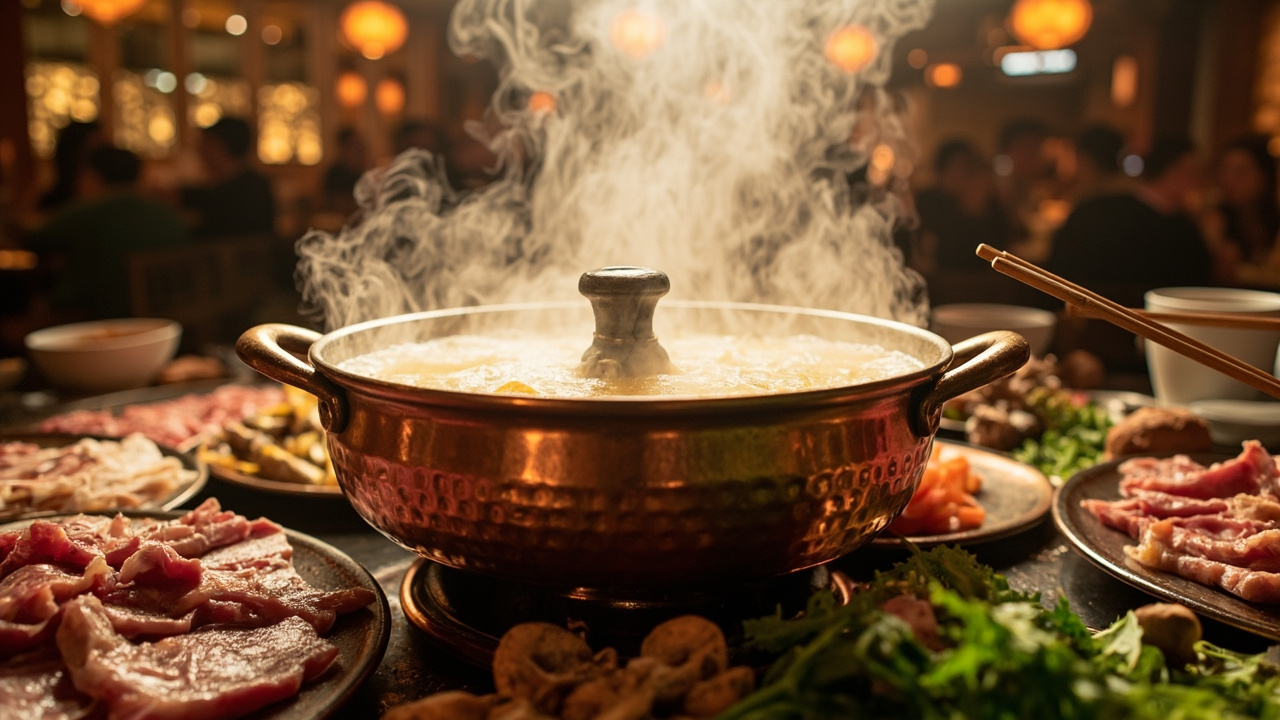
The first time I really understood hotpot, I was sweating through a Sichuan summer in Chengdu, and the air was thick with the smell of chili oil and Sichuan peppercorns. My friend, a local named Liu Wei, watched me gasp at the numbing heat of my first bite of beef tripe. He laughed, poured me a cold beer, and said, “You’re eating it wrong. You’re eating it too fast.” That moment changed how I thought about Chinese food entirely. Hotpot isn’t just a meal; it’s a social ritual, a regional identity, and a weather forecast all rolled into one bubbling pot of broth.
China’s hotpot scene is vast. The spicy, oily Sichuan style you’ve heard about is just one branch of a massive family tree. There’s the delicate, savory broth of Beijing’s lamb hotpot, the sour and spicy fish hotpot of Guizhou, the medicinal herbal pots of Yunnan, and the chaotic, delicious street-side stalls of Chongqing. For a first-time visitor, the sheer variety is overwhelming. This guide is here to fix that. I’ve eaten my way through dozens of cities, sat at countless steaming tables, and made more than a few mistakes so you don’t have to. This is the practical, honest, and delicious breakdown of China’s hotpot varieties in 2026.
Quick answer
China’s hotpot varieties are defined by regional broths, from the numbing, spicy Sichuan style to the clear, lamb-focused pots of Beijing. For a first-time visitor, the best way to experience the range is to start with a mild broth and work your way up, and you should expect to pay between $15 and $40 (CNY 110-290) per person for a solid meal. The most important practical tip is to download Alipay and link your international credit card before you arrive, as most hotpot restaurants, even small ones, are increasingly cashless.
The Short Version
If you only have 90 seconds, here’s the deal. The two big names are Sichuan (spicy, numbing, oily) and Chongqing (a spicier, more intense version of Sichuan). But don’t sleep on Beijing’s lamb hotpot, which is a completely different, more refined experience. My personal rule: if you can’t handle heat, order a “yuan yang” (mandarin duck) pot, which splits the broth into spicy and mild halves. Also, the dipping sauces are crucial. Don’t just use the sesame paste; mix in garlic, cilantro, and a splash of vinegar. Finally, never, ever drink the broth at the end. Your stomach will hate you.
How I Picked These
This isn’t a list I pulled from a travel blog. It’s a list I built over seven years of living in Beijing and traveling to every corner of this country more times than I can count. I’ve eaten hotpot in a Chongqing alleyway where the tables were on the street and the oil was so thick it stuck to my clothes for days. I’ve sat in a polished Beijing restaurant with a business crowd, carefully cooking paper-thin slices of lamb in a copper pot. I’ve asked taxi drivers, hostel owners, and grandmothers where they go for their fix. I’ve also made the rookie mistakes, like ordering “extra spicy” in Chengdu, so you don’t have to. This guide is the result of those meals, those conversations, and those lessons.
Comparison Table
| Rank | Place | Best For | Approx Cost (USD) | Time Needed | When to Go |
|---|---|---|---|---|---|
| 1 | Haidilao (Haidilao Hot Pot) | First-timers, service, and consistency | $25-$40 (CNY 180-290) | 1.5-2 hours | Any time; book ahead for dinner |
| 2 | Chongqing Local Hotpot (e.g., 珮姐老火锅) | The authentic, fiery street experience | $15-$25 (CNY 110-180) | 1.5-2 hours | Evenings, when the streets come alive |
| 3 | Beijing Lamb Hotpot (e.g., 东来顺) | A taste of imperial history and lighter flavors | $20-$35 (CNY 145-250) | 1.5 hours | Autumn and winter |
| 4 | Yunnan Mushroom Hotpot | Unique, earthy flavors and health-conscious eating | $20-$30 (CNY 145-220) | 1.5-2 hours | Summer, when wild mushrooms are in season |
| 5 | Guizhou Sour Soup Hotpot | A tangy, spicy alternative to the Sichuan standard | $15-$25 (CNY 110-180) | 1.5 hours | Year-round |
| 6 | Cantonese “Da Bian Lu” (打边炉) | Seafood, lighter broths, and a focus on fresh ingredients | $30-$50 (CNY 220-360) | 2+ hours | Winter evenings |
| 7 | Spicy Crayfish Hotpot | A messy, fun, and intensely flavorful summer treat | $20-$35 (CNY 145-250) | 2 hours | Summer (June-August) |
| 8 | Instant-Boiled Mutton (涮羊肉) | A quick, hearty, and traditional Northern meal | $15-$25 (CNY 110-180) | 1 hour | Winter |
| 9 | Tomato Hotpot | A milder, sweeter option for those who can’t handle spice | $15-$25 (CNY 110-180) | 1.5 hours | Year-round |
| 10 | Herbal/Medicinal Hotpot | A restorative, unique experience for the adventurous | $25-$40 (CNY 180-290) | 1.5-2 hours | Winter |
1. Haidilao (海底捞) - The Disneyland of Hotpot
I remember the first time I walked into a Haidilao in Beijing. I was jet-lagged, confused, and a little overwhelmed. A hostess handed me a warm towel, another offered me a free manicure while I waited, and a robot waiter rolled by with my drinks. I thought I was hallucinating. This is not a typical hotpot experience; it’s a performance. Haidilao is the most famous hotpot chain in China, and for good reason. The service is legendary, the ingredients are consistently fresh, and they have a broth for everyone.
Why is it special? It’s the safest bet for a first-timer. The menu has pictures, the staff often speak some English, and you can order a “yuan yang” pot with a mild tomato broth on one side and a spicy Sichuan broth on the other. They even have a “three-flavor” pot if you’re feeling adventurous. It’s not the most authentic experience, but it’s the most comfortable introduction to the ritual. You’ll learn how to mix sauces, how long to cook different meats, and you’ll leave with a full stomach and a smile.
- Location: Everywhere. They are in every major city. The flagship store in Beijing is in Wangfujing, but you’ll find them in most shopping malls.
- Entry fee: No entry fee. Expect to pay $25-$40 (CNY 180-290) per person, depending on what you order.
- Opening hours: Usually 10:00 AM to 7:00 AM the next day. Yes, they are open almost 24 hours.
- How to get there: Since it’s a chain, just search for the nearest one on your map app. In Beijing, the Wangfujing store is a 5-minute walk from Wangfujing Station (Line 1, Exit A).
- When to visit: Go for a late lunch (around 2 PM) to avoid the dinner rush. You can also use their app to join the queue remotely, which is a lifesaver.
- Insider tips: The free snacks and fruit at the waiting area are unlimited. The “noodle dance” where a staff member stretches a noodle in front of you is a must-see. They also provide hair ties, glasses cloths, and phone bags. Don’t be shy to ask for anything; they’ll probably do it.
- I once watched a staff member teach a group of American tourists how to use chopsticks for a full ten minutes, with a smile on her face the entire time.
2. A Chongqing Alleyway Hotpot (珮姐老火锅) - The Real Deal
Chengdu’s hotpot is famous, but Chongqing is the birthplace, and it’s a different beast. The broth here is darker, oilier, and the numbing spice hits you like a freight train. I found myself in a small, nondescript alley in the Jiefangbei area, following a local who swore this was the best spot. The tables were small, the stools were plastic, and the menu was a laminated sheet with no pictures. I pointed at random items and hoped for the best. It was the best hotpot I’ve ever had.
Why is it special? This is the anti-Haidilao. There’s no manicure, no robot waiter, and no English. The broth is a deep, dark red, bubbling with chili peppers and Sichuan peppercorns. The ingredients are simple: tripe, beef, duck blood, and vegetables. The experience is raw, loud, and utterly authentic. You’re not just eating a meal; you’re participating in a Chongqing tradition. The city’s humid, foggy climate makes the spicy broth feel like a necessity, not a choice.
- Location: The Jiefangbei area is a good start, but the best ones are in the older, more chaotic neighborhoods like Hongyadong. Look for places with plastic stools and a crowd of locals.
- Entry fee: No entry fee. Expect to pay $15-$25 (CNY 110-180) per person.
- Opening hours: Usually 11:00 AM to late, often until 2 or 3 AM.
- How to get there: Take Line 1 or Line 6 to Xiaoshizi Station (小什字), Exit 9. Walk towards Hongyadong and get lost in the side streets.
- When to visit: Go for dinner, around 7 PM, when the streets are buzzing. Be prepared to wait for a table.
- Insider tips: Order “maodu” (beef tripe) and “huanghou” (beef aorta). They are the local favorites. Ask for a “weila” (微辣) or “mild spicy” broth, even if you think you can handle it. The “standard” spicy here is what most foreigners would call “face-melting.” Don’t drink the broth. Use the oil-based dipping sauce with garlic and chopped cilantro to cool things down.
- I made the mistake of ordering “medium” spicy and spent the next hour with tears streaming down my face while my Chongqing friend laughed and said, “I told you so.”
3. Donglaishun (东来顺) - Beijing’s Imperial Lamb Hotpot
After the chili-fueled chaos of Chongqing, Beijing’s hotpot feels like a quiet, refined cousin. It’s a completely different tradition. Here, the pot is a tall, copper vessel with a chimney in the middle, fueled by charcoal. The broth is clear and simple, often just water with a few scallions and ginger slices. The star of the show is the lamb, which is sliced so thin it’s almost translucent. You dip it in the boiling broth for a few seconds, then coat it in a rich, savory sesame paste sauce.
Why is it special? This is the hotpot of the Qing Dynasty emperors, and it has a sense of history and ceremony to it. The focus is on the quality of the meat and the purity of the broth, not on heat. It’s a more delicate, subtle experience. The sesame paste sauce is the key. It’s nutty, salty, and slightly sweet, and it’s a perfect complement to the tender lamb. This is the hotpot you eat on a cold, windy Beijing night to warm your bones.
- Location: The most famous branch is on Wangfujing Street, but there are several others around the city.
- Entry fee: No entry fee. Expect to pay $20-$35 (CNY 145-250) per person.
- Opening hours: Usually 11:00 AM to 9:30 PM.
- How to get there: The Wangfujing branch is a 3-minute walk from Wangfujing Station (Line 1, Exit A). You’ll see the big sign.
- When to visit: Go in autumn or winter. The contrast between the cold air outside and the warmth of the charcoal pot is part of the experience.
- Insider tips: The “shou qie yang rou” (hand-sliced lamb) is the premium cut and worth the extra cost. Mix your sesame paste with a little bit of the broth to thin it out. Add a spoonful of fermented bean curd (furu) to your sauce for an extra layer of flavor. You can also order some vegetables like napa cabbage and glass noodles to round out the meal.
- I once sat next to an elderly Beijing man who ate his entire meal in complete silence, only pausing to pour himself a tiny cup of baijiu (Chinese liquor). He nodded at me when he finished and left.
4. Yunnan Mushroom Hotpot (野生菌火锅) - An Earthy, Forest Feast
In Yunnan province, the hotpot is all about the mushrooms. This is not a spicy dish; it’s a celebration of the forest. I went to a restaurant in Kunming that specialized in wild mushroom hotpot, and the broth was a clear, golden color, simmering with various types of fungi I had never seen before. The aroma was incredible, like the earth after a rainstorm. The waiter brought out a timer and told us we had to wait 20 minutes before we could eat, to make sure the mushrooms were cooked properly.
Why is it special? It’s a completely different flavor profile. The broth is rich and savory, but in a deep, earthy way that’s hard to describe. You taste the forest, the moss, and the soil. It’s also considered very healthy, and locals believe it has medicinal properties. The variety of mushrooms is staggering, from the prized and expensive “song rong” (matsutake) to the more common oyster and shiitake. This is a hotpot for people who appreciate subtle, complex flavors.
- Location: Kunming is the best city for this. Look for restaurants in the area around Cuihu Park (Green Lake).
- Entry fee: No entry fee. Expect to pay $20-$30 (CNY 145-220) per person, but it can be more if you order the expensive mushrooms.
- Opening hours: Usually 11:00 AM to 9:30 PM.
- How to get there: In Kunming, take Line 3 to Wuyi Lu Station (五一路), Exit B. Walk towards Cuihu Park and explore the side streets.
- When to visit: Go in the summer (June-August) when the wild mushrooms are in season. The flavor is incomparable.
- Insider tips: The broth is the star, so don’t add too many other ingredients that might overpower it. Try the “jian shou qing” (a type of local mushroom) and “niu gan jun” (a chewy, meaty mushroom). The waiter will set a timer; don’t touch the food until it goes off. It’s not a suggestion; it’s a safety rule. Also, the dipping sauce is usually a simple mix of chili, garlic, and soy sauce, which is perfect.
- I asked the waiter what the most expensive mushroom was, and he pointed to a single, small, brown mushroom in a glass case. It cost more than my entire meal.
5. Guizhou Sour Soup Hotpot (酸汤鱼火锅) - The Tangy, Spicy Rebel
Guizhou is one of China’s lesser-known provinces, but its food is a hidden gem. The signature hotpot here is the “suan tang yu” or sour soup fish hotpot. The broth is made from fermented tomatoes and chili, giving it a bright, tangy, and slightly spicy flavor that is completely different from the oily Sichuan style. I tried it in the city of Kaili, in the heart of the Miao minority region, and the sourness was so refreshing it cut through the humidity of the day.
Why is it special? It’s a flavor you won’t find anywhere else in China. The sourness is not like vinegar; it’s a fruity, fermented tang that is incredibly moreish. It’s often served with fresh river fish, which are cooked in the broth and then eaten with a dipping sauce of dried chili, salt, and a little of the broth. It’s a lighter, healthier, and more complex hotpot experience. It’s also a great way to understand the culinary traditions of China’s ethnic minorities.
- Location: Kaili is the best place for an authentic experience. In Guiyang, the provincial capital, there are also many good options.
- Entry fee: No entry fee. Expect to pay $15-$25 (CNY 110-180) per person.
- Opening hours: Usually 11:00 AM to 10:00 PM.
- How to get there: In Guiyang, take Line 1 to Zhongshan West Road Station (中山西路), Exit C. Ask your hotel to recommend a nearby sour soup restaurant.
- When to visit: Year-round. The sourness is refreshing in summer and comforting in winter.
- Insider tips: The fish will have bones, so eat carefully. The dipping sauce is key; mix the dry chili with a spoonful of the hot broth. Order some “mi pi” (rice noodles) to add to the broth at the end. It’s also customary to drink the sour soup at the end of the meal. It’s good for digestion.
- I struggled with the fish bones and ended up with a mouthful of them. My host, a Miao woman, patiently showed me how to eat it properly, piece by piece.
6. Cantonese “Da Bian Lu” (打边炉) - The Seafood Lover’s Hotpot
In Guangdong province, hotpot is called “da bian lu,” and it’s a more refined, seafood-focused affair. The broth is often a simple, clear chicken or seafood stock, designed to let the freshness of the ingredients shine. I went to a restaurant in Guangzhou that specialized in this style, and the table was filled with plates of live shrimp, fresh oysters, and thinly sliced fish. The atmosphere was more elegant and less chaotic than the hotpots of the north.
Why is it special? It’s all about the quality of the ingredients. The focus is on freshness and subtlety, not on heavy spices. The seafood is cooked quickly in the light broth, and then dipped in a simple sauce of soy sauce, chili, and garlic. It’s a lighter, cleaner, and more sophisticated hotpot experience. It’s also a great option if you’re tired of the heavy, oily flavors of the north. The “da bian lu” is a social event, but it’s a more relaxed, conversational one.
- Location: Guangzhou and other cities in the Pearl River Delta. Look for restaurants in the Fangcun area or along the Pearl River.
- Entry fee: No entry fee. Expect to pay $30-$50 (CNY 220-360) per person, depending on the seafood you order.
- Opening hours: Usually 11:00 AM to 11:00 PM.
- How to get there: In Guangzhou, take Line 1 to Fangcun Station (芳村), Exit B1. Explore the nearby streets for seafood restaurants.
- When to visit: Winter evenings are the best time, as the hotpot is a warming meal for the cooler months.
- Insider tips: Don’t overcook the seafood. Shrimp should be pink, and fish should be just opaque. The dipping sauce is usually a mix of soy sauce, minced garlic, and fresh chili. Try the “shrimp paste” (xia jiang) as a condiment. It’s a local specialty. Also, the last thing you cook is usually the rice or noodles, which absorb all the flavors of the broth.
- I was amazed when a waiter deftly peeled a shrimp with his chopsticks in one fluid motion. It took me three attempts and a lot of mess to do the same.
7. Spicy Crayfish Hotpot (麻辣小龙虾火锅) - The Messy Summer Classic
This is not a traditional hotpot, but it’s a massive summer trend that has taken over China. It’s a hotpot where the star ingredient is crayfish, cooked in a spicy, numbing broth. I found myself at a street-side stall in Changsha, the capital of Hunan province, with a bib tied around my neck and plastic gloves on my hands. The table was covered in a mountain of red, spicy crayfish shells. It was a glorious, messy, and utterly delicious mess.
Why is it special? It’s a fun, social, and intensely flavorful experience. The crayfish are small, but they’re packed with flavor, and the broth they’re cooked in is perfect for dipping. The act of peeling the crayfish is part of the fun. It’s a slow, deliberate process that forces you to slow down and talk to your companions. It’s a summer ritual, and the streets of cities like Changsha and Wuhan are filled with the aroma of chili and garlic.
- Location: Changsha and Wuhan are the best cities for this. Look for street-side stalls or restaurants that specialize in “xiao long xia” (crayfish).
- Entry fee: No entry fee. Expect to pay $20-$35 (CNY 145-250) per person.
- Opening hours: Usually 5:00 PM to late, often until 2 or 3 AM.
- How to get there: In Changsha, take Line 1 to Nanmenkou Station (南门口), Exit 1. The area is famous for its night food stalls.
- When to visit: Summer (June-August) is the only time to go. The crayfish are in season and the atmosphere is electric.
- Insider tips: Wear the gloves and the bib. It’s not a suggestion. The best way to peel a crayfish is to twist the head off, then squeeze the tail to pop the meat out. Don’t eat the “sand line” (the dark vein) on the back. The broth is perfect for dipping “mian” (noodles) at the end.
- I ended up with more chili oil on my shirt than in my stomach, but I didn’t care. It was one of the best meals of my life.
8. Instant-Boiled Mutton (涮羊肉) - The Quick and Hearty Northern Classic
This is the everyday, working-class version of the Beijing lamb hotpot. It’s less formal and often eaten at smaller, more casual restaurants. The pot is the same copper vessel, but the experience is quicker and more focused. I went to a small place in the hutongs of Beijing, and the menu was simple: mutton, vegetables, and noodles. The broth was clear and hot, and the mutton was sliced and ready to go.
Why is it special? It’s the authentic, no-frills version of the imperial dish. It’s about the quality of the meat and the simplicity of the preparation. The mutton is often a bit more gamey than the lamb at Donglaishun, and it’s served in generous portions. It’s a hearty, satisfying meal that will warm you up on a cold day. It’s also usually cheaper and faster than the more formal hotpot restaurants.
- Location: You’ll find these small restaurants all over Beijing, especially in the older neighborhoods like Gulou.
- Entry fee: No entry fee. Expect to pay $15-$25 (CNY 110-180) per person.
- Opening hours: Usually 11:00 AM to 10:00 PM.
- How to get there: In Beijing, take Line 8 to Shichahai Station (什刹海), Exit A2. Walk into the hutongs and look for small restaurants with copper pots in the window.
- When to visit: Winter is the best time. It’s the ultimate comfort food.
- Insider tips: The sesame paste sauce is essential. Add a bit of the hot broth to thin it out. Order some “suan suan” (sour garlic) as a side dish. It’s a great palate cleanser. The “mo” (a type of flatbread) is also a good addition to soak up the broth.
- I sat next to a group of construction workers who were having a loud, boisterous lunch. They offered me a glass of their baijiu. I politely declined, and they laughed and went back to their meal.
9. Tomato Hotpot (番茄火锅) - The Gateway Hotpot
This is the hotpot for people who are scared of hotpot. It’s a milder, sweeter, and more accessible option that has become incredibly popular in recent years. The broth is made from fresh tomatoes and has a rich, tangy, and slightly sweet flavor. I first tried it in a Haidilao, and I was surprised by how much I enjoyed it. It’s a great way to introduce yourself to the hotpot ritual without the fear of the chili oil.
Why is it special? It’s a great starting point. The broth is flavorful enough to be interesting, but it’s not overpowering. It’s also a good option for people who don’t eat meat, as the tomato broth pairs well with vegetables, tofu, and mushrooms. It’s a lighter, healthier option that still feels like a special meal. It’s also a great base for a “yuan yang” pot, where you can have the tomato broth on one side and a spicy broth on the other.
- Location: You’ll find tomato hotpot on the menu at most major hotpot chains, like Haidilao and Little Sheep (小肥羊).
- Entry fee: No entry fee. Expect to pay $15-$25 (CNY 110-180) per person.
- Opening hours: Varies by restaurant, but usually 11:00 AM to 10:00 PM.
- How to get there: Just search for a Haidilao or Little Sheep near you on your map app.
- When to visit: Year-round. It’s a good option for any season.
- Insider tips: The tomato broth is great for dipping “nian gao” (rice cakes) and “fen si” (glass noodles). You can also order a bowl of rice and pour some of the tomato broth over it at the end of the meal. It’s a delicious, simple way to finish.
- I once convinced a friend who was terrified of spicy food to try hotpot with a tomato broth. She now orders it on her own.
10. Herbal/Medicinal Hotpot (药膳火锅) - The Restorative Adventure
This is the most unusual hotpot on this list. It’s a hotpot where the broth is infused with various Chinese herbs and medicinal ingredients, like goji berries, dates, ginseng, and angelica root. I tried this in a slightly upscale restaurant in Guangzhou, and the broth was dark, aromatic, and had a distinct, earthy flavor. It’s not for everyone, but it’s a fascinating experience.
Why is it special? It’s a window into the world of Traditional Chinese Medicine (TCM). The broth is believed to have various health benefits, from boosting your energy to improving your circulation. The flavor is complex and slightly bitter, with a sweet aftertaste from the dates and goji berries. It’s a hotpot for the adventurous eater who wants to try something truly unique. It’s also a more expensive and refined experience.
- Location: You’ll find these in upscale restaurants in cities like Guangzhou, Beijing, and Shanghai. Look for restaurants that advertise “yao shan” (medicinal food).
- Entry fee: No entry fee. Expect to pay $25-$40 (CNY 180-290) per person.
- Opening hours: Usually 11:00 AM to 10:00 PM.
- How to get there: Search for “yao shan huo guo” (medicinal hotpot) on your map app.
- When to visit: Winter is the best time, as the warming herbs are meant to combat the cold.
- Insider tips: The broth is the main event, so don’t add too many strongly flavored ingredients. The chicken and mushroom are good choices. Be prepared for the bitter, medicinal taste. It’s not for everyone. The staff can usually explain the health benefits of the different herbs in the broth, even if it’s just via a translation app.
- I felt a little like I was drinking a very complex, savory tea. It was strange, but I felt surprisingly warm and energized afterward.
FAQ summary
For a first-time visitor, the easiest way to start is with a “yuan yang” (mandarin duck) pot, which splits the broth into a mild and a spicy half. The most common and accessible chain is Haidilao, which offers English menus and excellent service, while the most authentic experience is found in the alleyways of Chongqing. Expect to pay between $15 and $40 (CNY 110-290) per person, and always have Alipay set up on your phone, as most restaurants are cashless.
FAQ
Q: I can’t eat spicy food. Can I still enjoy hotpot? A: Absolutely. Most hotpot places offer a “yuan yang” (mandarin duck) pot, which splits the broth into a spicy and a non-spicy half. The non-spicy side is often a tomato or mushroom broth, which is delicious on its own.
Q: How do I pay for my meal? A: Almost all restaurants in China, including hotpot places, are cashless. You will need to set up Alipay or WeChat Pay and link your international credit card before you arrive. It’s a simple process and takes about 10 minutes.
Q: Do I need to know Chinese to order? A: At major chains like Haidilao, the menu has pictures and often English translations. At smaller, more authentic places, you might need to use a translation app like Google Translate or Pleco. Pointing at what others are eating is also a viable strategy.
Q: What is the dipping sauce and how do I use it? A: The dipping sauce is a crucial part of the meal. At most places, you’ll find a sauce bar with ingredients like sesame paste, garlic, cilantro, chili oil, and vinegar. Mix a small bowl of your favorites. The sesame paste is the base, and you add the rest to your taste.
Q: What is the difference between Sichuan and Chongqing hotpot? A: They are similar, but Chongqing hotpot is generally considered spicier, oilier, and more intense. Sichuan hotpot often has more of a numbing sensation from the Sichuan peppercorns. Both are delicious, but Chongqing is the more hardcore version.
Q: Is it safe to eat the street food hotpot? A: Yes, it’s generally safe, and it’s part of the fun. Look for places that are busy with locals, as that’s a sign of freshness and quality. The broth is boiled at a high temperature, which kills any bacteria. Just make sure the food is fully cooked before you eat it.
Q: What is the best time of year to eat hotpot? A: Hotpot is a winter food, and it’s most satisfying on a cold day. However, it’s eaten year-round. In the summer, people often eat spicy hotpot to sweat and cool down, believing it helps regulate body temperature.
The Honest Wrap-up
This list is for anyone who wants to understand China through its food. It’s for the traveler who is willing to be a little messy, a little confused, and a lot adventurous. It’s not for people who want a quiet, romantic dinner with a strict dress code. Hotpot is loud, chaotic, and social. It’s about sharing a pot of bubbling broth with friends, old and new. My final piece of advice? Don’t overthink it. Just go. Order the “yuan yang” pot, grab a plate of lamb, and start cooking. You’ll figure it out as you go. And if you get stuck, just watch what the locals are doing. They’ve been doing this for centuries. You’re in good hands.
Topics
More guides you may like

Top 10 Bridges in China
China's bridges are engineering marvels spanning mountains, rivers, and seas. Here are 10 of the most spectacular, from ancient stone to modern steel.
8 min read

Top 10 Buddhist Sites in China
From the Leshan Giant Buddha to the Dunhuang Caves, these 10 Buddhist sites represent 2,000 years of China's spiritual heritage.
9 min read

Top 10 Day Trips from Beijing You Shouldn't Miss
Beijing is packed with history, but some of China's best experiences are just a few hours away. Here are 10 day trips that will transform your visit.
9 min read

Top 10 Hidden Gems in China Off the Beaten Path
Beyond the Great Wall and Terracotta Warriors, China has incredible hidden destinations few tourists ever reach. Here are 10 underrated gems worth the detour.
9 min read

Top 10 Markets and Shopping Streets in China
From Shanghai's Bund to Beijing's Silk Street - 10 markets where foreigners can haggle, explore, and bring home authentic Chinese goods.
9 min read

Top 10 Museums in China You Shouldn't Miss
China's museums span 5,000 years of civilization. These 10 - from the Palace Museum to Xi'an's terracotta gallery - are unmissable for culture lovers.
9 min read