
Mogan Mountain Retreat: The Complete 2026 Guide
The rain came down in sheets, the kind of sideways rain that soaks through a jacket in about four seconds.
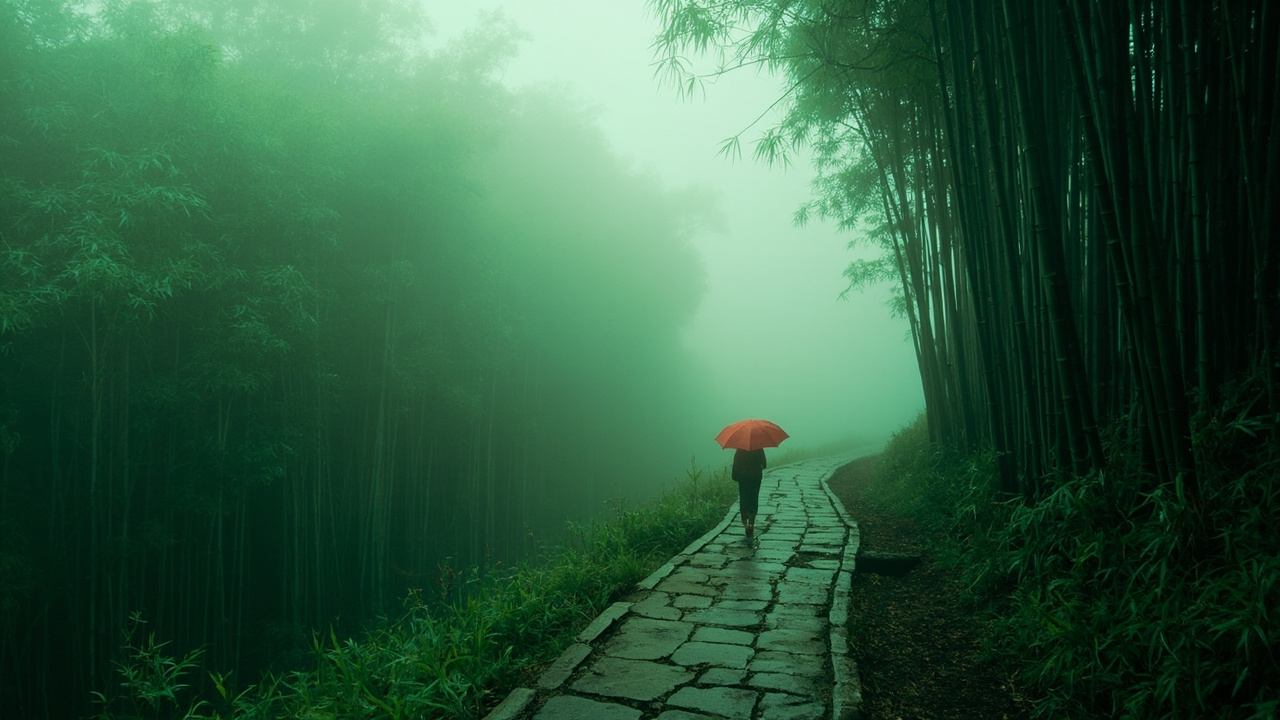
The rain came down in sheets, the kind of sideways rain that soaks through a jacket in about four seconds. I was standing at the bottom of a stone path in Mogan Mountain, water streaming off my hood, watching a bamboo forest disappear into mist. A woman selling tea from a thermos laughed at me. “You picked the wrong day,” she said in Chinese, gesturing at the sky. I bought a cup anyway. It was the best jasmine tea I’ve ever had, and the mountain looked better in the rain than it ever does in the glossy Instagram photos.
That was my third trip to Mogan Mountain. Since then I’ve been back four more times, in every season, staying in everything from a 30-yuan hostel bunk to a villa that costs more per night than my first month’s rent in Beijing. Mogan is the place Shanghai residents escape to when they need trees and quiet, and it’s become one of my favorite recommendations for first-time China visitors who want to see something beyond the cities.
This guide covers the ten places I’d actually send a friend to, with real prices, real directions, and the kind of details you only learn by getting lost a few times.
Quick answer
Mogan Mountain is a bamboo-covered mountain retreat about a 2.5-hour drive from Shanghai, best visited in spring (April-May) or autumn (October-November) when the weather is mild and the crowds are thin. A weekend trip costs roughly $150-300 per person including transport, lodging, and meals. The easiest way to get there is by high-speed train from Shanghai Hongqiao to Deqing Station (about 50 minutes, $15-20 USD / 110-145 CNY), then a 30-minute taxi to the mountain. No special permit is needed, and WeChat Pay or Alipay will cover almost everything once you’re there.
The Short Version
If you only have 90 seconds: Mogan Mountain is not a single attraction, it’s a whole hillside of bamboo forests, stone villages, old villas, and hiking trails. Skip the overpriced “resort” experiences near the main gate. Rent a scooter or hire a driver for the day, hike the bamboo trails in the morning before the tour buses arrive, and have lunch at a family-run farmhouse restaurant. The best stuff is free. The worst stuff is the commercial strip near the ticket office. Go on a weekday if you can.
How I Picked These
I’ve made nine trips to Mogan Mountain over seven years, including one memorable weekend where I got hopelessly lost on a trail and ended up at a tea farm where an old couple fed me lunch and refused to take my money. I’ve hiked most of the marked trails, stayed in six different lodgings, eaten at more farmhouse restaurants than I can count, and talked to dozens of locals, taxi drivers, and fellow travelers. I also cross-checked current prices and opening hours against local sources in early 2026, because things change fast here. This list reflects what I’d actually do with a friend visiting for the first time, not what the brochures say.
Comparison Table
| Rank | Place | Best For | Approx Cost (USD) | Time Needed | When to Go |
|---|---|---|---|---|---|
| 1 | Bamboo Sea Hiking Trails | Hiking, solitude | Free | 3-4 hours | April-May, Oct-Nov |
| 2 | Moganshan Old Villa Area | History, architecture | $14 (100 CNY) | 2-3 hours | Weekdays, any season |
| 3 | Jian Shan Lake | Photos, picnics | Free | 1-2 hours | Morning, spring/autumn |
| 4 | B&B Village (Laoshan) | Food, local life | Free | Half day | Lunch time |
| 5 | Houtou Village | Rural scenery | Free | 2-3 hours | Spring, autumn |
| 6 | Discovery Park | Families, activities | $28 (200 CNY) | Half day | Spring, autumn |
| 7 | Xi Shan Temple | Quiet reflection | $4 (30 CNY) | 1 hour | Early morning |
| 8 | Sunrise Viewing Platform | Sunrise | Free | 1 hour | 5:30-6:30 AM |
| 9 | Local Tea Farms | Tea tasting | $7-14 (50-100 CNY) | 1-2 hours | April (harvest) |
| 10 | The Old Post Office | History, photos | Free | 30 min | Any time |
Bamboo Sea Hiking Trails
The first time I hiked into the bamboo, I stopped counting steps at about two thousand and just let the green swallow me. The trails here aren’t groomed like a city park. They’re narrow, root-tangled paths that climb and drop through groves so dense the light turns mint-green at noon. You’ll hear bamboo creaking overhead, a sound like an old ship’s rigging, and occasionally a loud crack when a stalk splits.
The main trailhead is near the ticket office area, but the real magic is on the lesser-known routes that start from the villages. The trail from Houtou Village to the summit takes about two hours each way and passes through the best bamboo I’ve found on the mountain. It’s steep in places, so bring water and wear proper shoes. I made the mistake of wearing sneakers once and regretted it for days.
- Location: Multiple trailheads; main one near Moganshan Scenic Area ticket office
- Entry fee: Free (the mountain’s main gate fee of $14/100 CNY applies if you enter via the main scenic area)
- Opening hours: Always open, but don’t hike after dark
- Getting there: From Deqing Station, taxi to Moganshan Scenic Area ticket office (30 min, $12-15/85-110 CNY). Trails start from the villages beyond the gate.
- Best time: April-May for fresh bamboo shoots, October-November for clear skies
- Insider tips: Start before 8 AM to beat tour groups. Download offline maps before you go, cell signal is patchy. Buy a bamboo walking stick from a village shop for $1-2/7-14 CNY, it saves your knees on the descent. The trail to the summit has a small tea stall halfway, cash only.
- I met a retired teacher from Hangzhou on the trail who hikes here every weekend. He showed me a side path to a waterfall that isn’t on any map.
Moganshan Old Villa Area
Mogan Mountain was a summer retreat for Shanghai’s elite in the 1920s and 30s, and the old villa area is a strange, beautiful time capsule. There are over 200 villas scattered through the woods, built by British, American, French, and Russian architects in styles ranging from Swiss chalet to Spanish colonial. Some are crumbling, some have been restored into boutique hotels, and a few are still private homes where old ladies hang laundry between columns.
The most famous is the former villa of Chiang Kai-shek, now a small museum with period furniture and photographs. It’s interesting, but I actually preferred the unmarked villas you stumble upon while wandering. One afternoon I found a derelict villa with a grand piano still inside, moss growing over the keys. Nobody was around. I stood there for ten minutes, not quite believing it was real.
- Location: Central Moganshan, around the main village area
- Entry fee: $14 (100 CNY) for the scenic area; individual villas like Chiang’s are included
- Opening hours: 8:00-17:00 daily
- Getting there: From Deqing Station, taxi to the scenic area ticket office, then take the shuttle bus up the mountain ($3/20 CNY) or walk 40 minutes uphill
- Best time: Weekday mornings, before the tour groups arrive around 10 AM
- Insider tips: The “villa map” sold at the ticket office is useless, just wander. Several villas are now hotels, and you can walk into their gardens without being bothered. The Chiang Kai-shek villa has a small cafe with surprisingly good coffee. Ask locals about the “ghost villa” on the east slope, they’ll tell you stories.
- I watched a French couple photograph a crumbling villa for an hour, and the old caretaker came out and invited them in for tea. They left with his WeChat and a promise to send him the photos.
Jian Shan Lake
Jian Shan Lake is a reservoir that sits in a valley between bamboo-covered ridges, and it’s the postcard image of Mogan Mountain. The water is deep green, almost black in the shade, and on calm mornings it mirrors the mountains perfectly. There’s a walking path around part of the lake, and a few spots where you can scramble down to the water’s edge.
The best view is from the small pavilion on the north shore, which catches the morning light. I’ve sat there with a thermos of tea and watched the mist burn off the water more times than I can count. It never gets old. On weekends, local families come to picnic and fish, and there’s a small dock where you can rent paddle boats in summer.
- Location: Northern side of Mogan Mountain, about 15 minutes by car from the main village
- Entry fee: Free
- Opening hours: Always open
- Getting there: From the main village, walk 30 minutes downhill or take a local minibus ($1/7 CNY) that runs hourly
- Best time: Early morning for the mirror effect, golden hour for photos
- Insider tips: The “secret” viewpoint is a small rock ledge about 200 meters past the pavilion, look for a faded red arrow painted on a tree. Bring mosquito repellent in summer, the lake breeds them. The paddle boats cost about $4/30 CNY for 30 minutes, negotiable if you’re friendly. There’s a tiny noodle shop near the dock that serves the best fish noodle soup I’ve had outside of Shanghai.
- A fisherman at the lake taught me how to skip stones properly. I still can’t do it, but he laughed a lot watching me try.
B&B Village (Laoshan)
The village of Laoshan, about ten minutes below the main scenic area, is where the local food lives. The main street is lined with farmhouse restaurants, all competing for your attention with plastic chairs and handwritten menus taped to the windows. It looks chaotic, but this is where the real Mogan Mountain eats.
The specialty is bamboo shoot dishes, prepared a dozen different ways: stir-fried with pork, stewed with ham, pickled, dried, and served as a cold appetizer. There’s also a local chicken soup that’s so good it should be illegal, and a mountain vegetable called “mao cao” that you won’t find in any city restaurant. A meal for two with several dishes and rice costs about $15-25 (110-180 CNY).
- Location: Laoshan village, below the main Moganshan scenic area
- Entry fee: Free
- Opening hours: Restaurants open 11:00-21:00, busiest at lunch
- Getting there: From the scenic area ticket office, it’s a 10-minute walk downhill or a 2-minute taxi ride
- Best time: Lunch, when the restaurants are at their best
- Insider tips: Look for restaurants with mostly Chinese customers, not the ones with English menus and laminated photos. The place called “Auntie Wang’s” (Wang Ayi Jia) has been there for 20 years and is the local favorite. Ask for the daily special, it’s always whatever was freshest that morning. The bamboo shoot soup is the thing to order, it’s the signature dish.
- I brought a group of friends here once, and the owner came out to take our order, then came back with a bottle of homemade rice wine “on the house.” We were there for three hours.
Houtou Village
Houtou Village is the kind of place that makes you wonder if you’ve accidentally stepped into a different century. It’s a small mountain village of stone houses with tiled roofs, connected by narrow lanes that wind between vegetable gardens and drying laundry. Old women sit on doorsteps shelling beans. Chickens wander freely. The air smells of woodsmoke and earth.
The village has become popular with Chinese tourists in recent years, but it’s still quiet enough that you can wander for an hour without seeing another foreigner. The best part is the terraced fields on the village’s edge, which are planted with tea in spring and vegetables in summer. The views across the valley are spectacular.
- Location: Eastern slope of Mogan Mountain, about 20 minutes by car from the main village
- Entry fee: Free
- Opening hours: Always open
- Getting there: From the main village, take a local minibus ($1/7 CNY) or hike 40 minutes on the trail that starts near the old post office
- Best time: Spring for the tea harvest, autumn for the golden light
- Insider tips: The village has a small guesthouse that’s been run by the same family for three generations, rooms are about $25/180 CNY a night. The best photos are from the hill behind the village, look for the path that starts next to the old well. Buy some of the local tea directly from the farmers, it’s half the price of the shops in town. There’s a tiny temple at the village entrance that’s worth a look, it’s been there since the Ming dynasty.
- An old woman in the village insisted on giving me a bag of freshly picked tea leaves, waving away my money with a look that said I was being ridiculous.
Discovery Park
Discovery Park is the one place on this list that I have mixed feelings about, but I’m including it because it’s genuinely good for families and for anyone who needs a break from nature appreciation. It’s a large outdoor activity park with zip lines, rope courses, a giant swing, and various obstacle courses set in the forest. The equipment is modern and well-maintained, and the staff are professional.
It’s not my thing, honestly. I’m more of a “sit and look at the view” traveler. But I’ve brought friends with kids here twice, and both times the kids had a fantastic time. The zip line over the valley is genuinely thrilling, and the staff speak enough English to get you through the safety briefing.
- Location: Southern slope of Mogan Mountain, about 15 minutes from the main village
- Entry fee: $28 (200 CNY) for the full package, $14 (100 CNY) for individual activities
- Opening hours: 9:00-17:00, closed on rainy days
- Getting there: From the main village, taxi ($3-4/20-30 CNY) or walk 30 minutes downhill
- Best time: Weekday mornings, before the school groups arrive
- Insider tips: The zip line is the best value, it’s the longest one in the area. If you’re scared of heights, the forest walkway is a good alternative. Bring your own snacks, the food at the park cafe is overpriced and mediocre. Book ahead on weekends, especially during school holidays.
- I watched a dad on the zip line scream the entire way down while his daughter filmed him, and he bought everyone ice cream afterward to make up for it.
Xi Shan Temple
Xi Shan Temple is a small Buddhist temple tucked into the forest on the western side of the mountain. It’s not on most tourist itineraries, which is exactly why I like it. The temple has been here for over a thousand years, though the current buildings date from the Qing dynasty. The main hall is dark and incense-scented, with a large golden Buddha that catches the light from the skylight above.
The temple is still active, and you’ll often see monks going about their daily routines. There’s a small courtyard with a ginkgo tree that’s said to be 800 years old, and in autumn it turns a brilliant gold that’s worth the trip alone. The whole place has a calm that’s hard to find elsewhere on the mountain.
- Location: Western slope of Mogan Mountain, about 25 minutes by car from the main village
- Entry fee: $4 (30 CNY) donation suggested
- Opening hours: 7:00-17:00
- Getting there: From the main village, taxi ($5-6/35-45 CNY) or hike 1.5 hours on the western trail
- Best time: Early morning, before the incense smoke gets thick
- Insider tips: The temple serves a vegetarian lunch at noon for $3/20 CNY, it’s simple but good. If you’re lucky, you’ll catch the monks chanting at 5 PM. The ginkgo tree is at its best in early November. There’s a spring behind the temple where locals fill bottles, the water is said to have healing properties.
- A monk at the temple noticed me taking photos and gestured for me to follow him. He showed me a small room with faded murals that aren’t open to the public, then bowed and left without saying a word.
Sunrise Viewing Platform
The sunrise viewing platform is a simple stone platform on the eastern ridge of the mountain, built for the sole purpose of watching the sun come up over the bamboo sea. It’s a 20-minute walk from the main village, up a steep path that’s well-marked. The platform itself is nothing special, just a flat area with a few benches, but the view is the best on the mountain.
I’ve done this three times, and I’ve never been disappointed. The sun rises over the valley, and the bamboo-covered hills turn from gray to gold in about ten minutes. On clear days you can see all the way to the plains below, where the morning mist sits like a blanket. It’s cold up there before sunrise, even in summer, so bring a jacket.
- Location: Eastern ridge, 20-minute walk from the main village
- Entry fee: Free
- Opening hours: Always open, best 5:30-6:30 AM depending on season
- Getting there: From the main village, follow the signs for “Sunrise Viewing Platform” up the stone path
- Best time: Clear mornings, check the weather forecast the night before
- Insider tips: Arrive 30 minutes before sunrise to get a good spot, it gets crowded on weekends. The path is steep and slippery in the early morning dew, wear proper shoes. Bring a thermos of hot tea, it makes the wait much better. If you’re not a morning person, the sunset from the same platform is almost as good.
- I met a couple from Germany at the platform who were on their honeymoon. We shared tea and watched the sunrise in silence, which felt right.
Local Tea Farms
Mogan Mountain produces a small amount of high-quality green tea, mostly for the local market. The tea farms are scattered across the mountain’s slopes, and several welcome visitors for tastings and tours. The tea here is a variety of “Mogan Huangya” (Mogan Yellow Bud), which has a delicate, slightly sweet flavor that’s quite different from the more famous Longjing tea from nearby Hangzhou.
The best time to visit is April, during the harvest, when you can watch the picking and processing. The farmers are proud of their craft and happy to explain the process, even if it involves a lot of pointing and miming. A tasting session typically costs about $7-14 (50-100 CNY) and includes several rounds of tea with snacks.
- Location: Various farms across the mountain, most concentrated on the western slopes
- Entry fee: $7-14 (50-100 CNY) for tastings
- Opening hours: Usually 9:00-17:00, but call ahead or ask your hotel to arrange
- Getting there: From the main village, taxi to the farm of your choice ($3-5/20-35 CNY)
- Best time: April for harvest, any other time for tastings
- Insider tips: The tea sold at the farms is about half the price of the same tea in Shanghai shops. Buy the “ming qian” (before Qingming) tea if you can, it’s the highest quality. The farmers will happily show you how to brew it properly, the water temperature matters a lot. Don’t be afraid to bargain, a small discount is expected.
- A tea farmer named Chen spent an hour teaching me the difference between first and second flush tea. I still can’t tell, but I appreciated the effort.
The Old Post Office
The old post office in the main village is a small stone building from the 1930s, when Mogan Mountain had its own postal service for the foreign residents and wealthy Chinese families who summered here. It’s been preserved as a tiny museum, with old photographs, letters, and postal equipment on display.
It’s not a major attraction, and you won’t need more than 30 minutes here. But it’s a fascinating glimpse into the mountain’s history, and the old photographs of the villas and their residents are genuinely interesting. The building itself is charming, with thick stone walls and a red-tiled roof that stands out against the green.
- Location: Main village, near the central square
- Entry fee: Free
- Opening hours: 9:00-17:00, closed Mondays
- Getting there: It’s in the center of the main village, you can’t miss it
- Best time: Any time, it’s rarely crowded
- Insider tips: The old photographs are the best part, take your time with them. There’s a small gift shop selling postcards and stamps, you can send a postcard home from here. The building is a popular photo spot, so go early or late to avoid the crowds. Ask the caretaker about the “secret” letters in the back room, some of them are quite personal.
- The caretaker, a retired postman who worked here in the 1980s, told me stories about delivering mail up the mountain on foot. He showed me his old leather mailbag, and I felt like I was touching history.
FAQ summary
Mogan Mountain is a bamboo-covered retreat about 2.5 hours from Shanghai, best visited in April-May or October-November. The easiest access is the high-speed train from Shanghai Hongqiao to Deqing Station (50 minutes, $15-20/110-145 CNY), then a 30-minute taxi. The main scenic area costs $14/100 CNY, but many of the best experiences, including hiking trails, the lake, and the villages, are free. A typical weekend trip costs $150-300 per person. The mountain is safe, walkable, and increasingly tourist-friendly, with WeChat Pay and Alipay accepted almost everywhere. English is limited, so a translation app is essential.
FAQ
Q: Do I need a visa to visit Mogan Mountain? A: If you’re from one of the countries eligible for China’s visa-free transit policy (which includes most European countries, the US, and many others), you can stay for up to 10 days without a visa. This applies as of 2026. Otherwise, a standard L tourist visa is needed. Check the latest policy before you book.
Q: How do I get to Mogan Mountain from Shanghai? A: Take the high-speed train from Shanghai Hongqiao Station to Deqing Station, which takes about 50 minutes and costs $15-20 (110-145 CNY). From Deqing Station, take a taxi to the mountain, about 30 minutes and $12-15 (85-110 CNY). The entire journey is about 2.5 hours door to door.
Q: Is Mogan Mountain worth visiting in winter? A: Yes, if you don’t mind the cold. The bamboo stays green year-round, and the mountain is much quieter in winter. The main downside is that some restaurants and guesthouses close from December to February. The old villas look especially atmospheric in the mist and light snow.
Q: Can I pay with cash or do I need WeChat Pay? A: Cash works at most places, but it’s getting harder to use. WeChat Pay and Alipay are accepted everywhere, including small village shops and tea farms. Set up one of them before you arrive, it will make your life much easier. Note that foreign credit cards work at larger hotels and some restaurants, but not at small places.
Q: Is English widely spoken in Mogan Mountain? A: No. English is limited to the larger hotels and a few restaurants. The locals are friendly and helpful, but you’ll need a translation app like Google Translate or Pleco. Download the offline Chinese language pack before you go, as cell signal can be patchy on the mountain.
Q: Do I need a VPN for my phone in China? A: Yes, if you want to use Google, WhatsApp, Instagram, or any Western social media. The Chinese government blocks these services. Download a reliable VPN before you arrive and test it, because many VPNs don’t work well in China. Alternatively, use Chinese apps like WeChat for communication.
Q: How many days should I spend at Mogan Mountain? A: Two days and one night is the sweet spot. You can see the highlights in one long day, but staying overnight lets you experience the mountain after the day-trippers leave, which is when it’s at its best. Three days is nice if you want to do serious hiking or just relax.
The Honest Wrap-up
Mogan Mountain isn’t the most spectacular place in China. The bamboo forests are beautiful, but you’ll find similar ones in Sichuan and Fujian. The villas are charming, but they’re not Angkor Wat. What Mogan offers is something quieter: a chance to slow down, breathe clean air, and see a side of China that isn’t about monuments and crowds.
This guide is for the traveler who wants a break from the cities, who doesn’t need every moment to be a bucket-list experience, who’s happy to spend an hour watching mist move through a valley. It’s not for anyone who needs constant stimulation or five-star luxury. The best advice I can give is to go with low expectations and an open schedule. Skip the “must-see” list and just wander. That’s where the real Mogan Mountain is.
Topics
More guides you may like
Top 10 Bridges in China
China's bridges are engineering marvels spanning mountains, rivers, and seas. Here are 10 of the most spectacular, from ancient stone to modern steel.
8 min read

Top 10 Buddhist Sites in China
From the Leshan Giant Buddha to the Dunhuang Caves, these 10 Buddhist sites represent 2,000 years of China's spiritual heritage.
9 min read

Top 10 Day Trips from Beijing You Shouldn't Miss
Beijing is packed with history, but some of China's best experiences are just a few hours away. Here are 10 day trips that will transform your visit.
9 min read
Top 10 Hidden Gems in China Off the Beaten Path
Beyond the Great Wall and Terracotta Warriors, China has incredible hidden destinations few tourists ever reach. Here are 10 underrated gems worth the detour.
9 min read

Top 10 Markets and Shopping Streets in China
From Shanghai's Bund to Beijing's Silk Street - 10 markets where foreigners can haggle, explore, and bring home authentic Chinese goods.
9 min read
Top 10 Museums in China You Shouldn't Miss
China's museums span 5,000 years of civilization. These 10 - from the Palace Museum to Xi'an's terracotta gallery - are unmissable for culture lovers.
9 min read