
Chongli Ski Olympic: The Complete 2026 Guide
The cab driver squinted at the snow flurries hitting the windshield and laughed. "You came all the way from London to ski in China?" he asked.
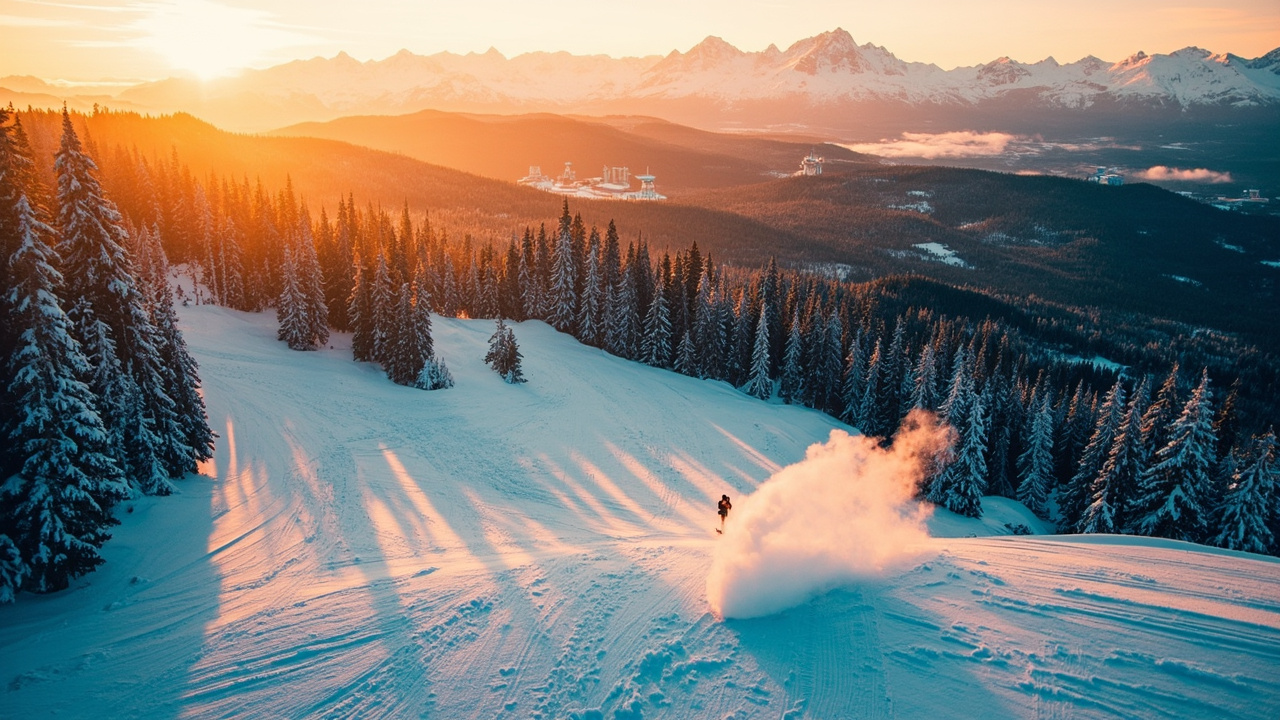
The cab driver squinted at the snow flurries hitting the windshield and laughed. “You came all the way from London to ski in China?” he asked, half in Mandarin, half in broken English. I nodded, watching the highway signs flip from Beijing suburbs to the mountains of Hebei Province. He shrugged and turned up the heater. “Smart,” he said. “Cheaper than Japan. Better snow than Korea. And nobody back home knows about it yet.”
That was my first trip to Chongli in 2021, a year before the Winter Olympics turned this sleepy county town into China’s premier ski destination. I’ve been back seven times since, watching it transform from a construction site with a few decent runs into a proper international resort town with world-class infrastructure, surprisingly good coffee, and lift lines that still don’t compare to anything in the Alps or Rockies.
This guide is for first-time visitors to China who want to ski without the chaos of figuring everything out on the ground. I’ll cover the four main resorts, how to actually get there, what things cost in 2026, and the cultural specifics that will save you from awkward moments. I’ve made every mistake so you don’t have to.
Quick answer
Chongli is China’s Olympic ski town, located about 220 kilometers (137 miles) northwest of Beijing, and it’s the best-value destination skiing in Asia for international visitors. As of 2026, citizens of 38 countries including the US, UK, Canada, Australia, and most of Europe can enter China visa-free for up to 30 days, making a ski trip here remarkably easy. Expect to spend $80-150 (CNY 580-1,090) per day all-inclusive for lift tickets, lodging, and food, and plan for a 1.5-3 hour drive or 1-hour high-speed train ride from Beijing.
The Short Version
Chongli is worth it, but go in with realistic expectations. The skiing is good, not mind-blowing. The infrastructure is excellent, the prices are fair, and the lack of international crowds means you’ll rarely queue. But it’s not Zermatt. The resorts are purpose-built, the villages feel a bit manufactured, and the terrain lacks the raw character of the Alps. Go for the combination of Olympic venues, cheap lift tickets, and the chance to experience China’s ski culture before it gets discovered. If you’re an expert skier seeking extreme terrain, look elsewhere. If you want a fun, affordable, well-organized ski holiday with a side of cultural adventure, this is your spot.
How I Picked These
I’ve skied Chongli in every condition: bluebird powder days, whiteout blizzards, and that weird week in March when the snow turns to slush by noon. I’ve stayed in five different hotels, taken the train and the car, and eaten at more hotpot restaurants than I can count. I’ve also spent time in the lift lines (when they exist) chatting with Beijing weekend warriors, local instructors, and the staff who keep these resorts running. This guide reflects what I’d tell a friend, not what the tourism board wants you to hear. I’ve focused on the four Olympic venues plus a few practical stops that make the trip work, and I’ve been honest about where I think you should skip.
Comparison Table
| Rank | Place | Best For | Approx Cost (USD) | Time Needed | When to Go |
|---|---|---|---|---|---|
| 1 | Thaiwoo Ski Resort | Overall experience, terrain variety | $60-90/day | Full day | Dec-Feb |
| 2 | Genting Secret Garden | Olympic legacy, night skiing | $55-85/day | Full day | Dec-Feb |
| 3 | Wanlong Ski Resort | Serious skiers, challenging runs | $50-80/day | Full day | Dec-Feb |
| 4 | Cuiyunshan Galaxy | Families, beginners, quiet slopes | $40-70/day | Half-full day | Dec-Feb |
| 5 | Chongli Town Center | Food, nightlife, apres-ski | $30-50/day | 2-3 hours | Any time |
| 6 | Beijing-Zhangjiakou High-Speed Rail | Getting there efficiently | $30-45 one way | 1 hour | Daily |
| 7 | The Olympic Village | Photo ops, history, museums | Free | 1-2 hours | Any time |
| 8 | Taiwu Ski Resort | Powder days, advanced terrain | $50-80/day | Full day | Jan-Feb |
| 9 | Fulong Ski Resort | Budget skiing, local vibe | $30-50/day | Half day | Dec-Feb |
| 10 | The Great Wall at Dajingmen | Culture break, photos | $10 (CNY 72) | 2-3 hours | Clear days |
1. Thaiwoo Ski Resort - The All-Rounder That Does Everything Well
The first time I skied Thaiwoo, I spent the morning getting lost between the beginner zone and the gondola, which says more about my navigation skills than the resort’s layout. By afternoon, I’d figured it out: this place is huge, with 22 runs spread across multiple peaks, and it’s the closest thing Chongli has to a complete ski resort.
Thaiwoo (太舞滑雪小镇) is my top pick because it does everything competently. The terrain ranges from gentle green runs perfect for first-timers to black diamond slopes that will keep experts honest. The snowmaking is excellent, which matters because Chongli’s natural snowfall is inconsistent. The village at the base is the most polished in the area, with a proper ski school, gear rental shops, and restaurants that serve actual food rather than just instant noodles.
The lift system is modern and efficient, and on weekdays you’ll rarely wait more than five minutes. The resort also has the best off-piste options in Chongli, though you should hire a local guide if you plan to venture beyond the marked runs.
- Location: Thaiwoo Town, Chongli District, Zhangjiakou City, Hebei Province
- Entry fee: Lift passes $60-90/day (CNY 435-650), depending on season and whether you buy online in advance
- Opening hours: 8:30 AM to 4:30 PM daily during ski season (late November to mid-March)
- Getting there: From Beijing, take the high-speed train from Beijing North Station to Taizicheng Station (1 hour), then a free shuttle bus to Thaiwoo (10 minutes). By car, it’s about 2.5 hours from central Beijing via the Jingzang Expressway.
- When to visit: Weekdays in January for the best snow and shortest lines. Avoid Chinese New Year (late January to mid-February in 2026) when domestic tourism peaks.
- Insider tips: Buy lift tickets online through the WeChat mini-program (search “太舞滑雪小镇”) to save about 15%. Rent gear in the village, not at the base, for better prices. The ski school has a few English-speaking instructors, but book ahead. Bring your own helmet, as rental quality varies. The second-floor cafeteria has the best value lunch in the resort.
- The lift operator on the main gondola, a guy named Wang who’d been there since the resort opened, told me the Olympic construction crews were the first people to ski these slopes, testing the terrain in 2020 before the world arrived.
2. Genting Secret Garden - Where the Olympics Happened
Standing at the top of Genting Secret Garden (密苑云顶乐园) on a clear day, you can see the actual Olympic ski jump towers in the distance. That’s when it hits you: this is where Eileen Gu won her gold medals. The resort has leaned hard into its Olympic legacy, and honestly, it’s earned the hype.
Genting is the most famous of the Chongli resorts because it hosted the freestyle skiing, snowboarding, and cross-country events in 2022. The main slope is genuinely impressive, a wide, steep run that hosted the slopestyle and halfpipe competitions. Even if you’re not good enough to ski it, riding the gondola up just to see the scale of it is worth the trip.
The terrain is a mix of wide, groomed cruisers and some genuinely challenging mogul fields. It’s slightly less polished than Thaiwoo but has more character. The base village is smaller and more functional than Thaiwoo’s, but it has everything you need: rental shops, restaurants, and a surprisingly good coffee stand that uses beans roasted in Beijing.
- Location: Genting Secret Garden, Chongli District, Zhangjiakou City
- Entry fee: Lift passes $55-85/day (CNY 400-620)
- Opening hours: 8:30 AM to 4:30 PM daily, with night skiing on weekends until 9 PM
- Getting there: Take the high-speed train to Taizicheng Station, then the free shuttle to Genting (15 minutes). By car, it’s about 2.5 hours from Beijing.
- When to visit: Weekdays for the best experience. The resort gets crowded on weekends with Beijing day-trippers, and the night skiing on Saturdays is popular with locals.
- Insider tips: The Olympic museum at the base is free and worth 30 minutes. The halfpipe is open to the public on weekdays, which is a surreal experience. Rent demo skis from the shop near the gondola base, they have the best equipment in Chongli. The hotpot restaurant in the village is excellent but book ahead on weekends. If you’re a snowboarder, the terrain park is the best in the area.
- I watched a group of Chinese teenagers attempt their first jumps on the Olympic halfpipe, falling spectacularly, laughing, and getting right back up. It was the most joyful thing I saw all season.
3. Wanlong Ski Resort - For People Who Actually Ski
Wanlong (万龙滑雪场) doesn’t care about being pretty. It doesn’t have a fancy village or Instagram-worthy architecture. What it has is the best skiing in Chongli, full stop. If you’re here to ski, not to take photos, this is your place.
The resort has the most challenging terrain in the area, with several black diamond runs that will test your legs and your nerve. The snow quality is consistently good because Wanlong invests heavily in snowmaking and grooming. On a powder day, the tree skiing here is genuinely excellent, something you won’t find at the other resorts.
The base is functional and a bit dated, like a ski resort from the 1990s that’s been maintained but not renovated. That’s part of its charm. The clientele is more serious, more local, and less interested in the resort experience. You’ll see Beijing ski club members here, people who’ve been skiing for decades and know exactly where the good snow is.
- Location: Wanlong Ski Resort, Chongli District, Zhangjiakou City
- Entry fee: Lift passes $50-80/day (CNY 360-580)
- Opening hours: 8:00 AM to 4:30 PM daily during ski season
- Getting there: Take the high-speed train to Taizicheng Station, then a taxi (about $10 or CNY 72) to Wanlong, which is about 15 minutes away. By car, it’s the closest resort to the highway exit.
- When to visit: January and February for the best snow. Go on weekdays if you can, the weekend crowds here are the most serious skiers in China, and they ski fast.
- Insider tips: The ski school here has the most experienced instructors in Chongli, many of whom trained in Japan or Europe. The cafeteria serves the best food of any resort in the area, including a lamb noodle soup that’s worth the trip alone. Buy your lift ticket at the hotel front desk if you’re staying on property, it’s cheaper than the window. The lockers at the base fill up fast on weekends, arrive early. Don’t bother with the rental gear here, it’s the oldest in Chongli.
- I met a retired Beijing university professor on the chairlift who’d been skiing Wanlong for 15 years, since before the Olympics were even announced. “This mountain is my temple,” he said. “The rest is just decoration.”
4. Cuiyunshan Galaxy - The Quiet One
Cuiyunshan Galaxy (翠云山银河滑雪场) is what you’d call a sleeper hit. It’s not the biggest, not the most famous, and not the most challenging. But it’s the resort I’d recommend to families, beginners, and anyone who wants to ski without the crowds and the noise.
The terrain is gentle, with wide, forgiving runs that are perfect for learning. The beginner area is separate from the main slopes, which means you won’t have expert skiers bombing past you while you’re trying to figure out how to turn. The snow is well-groomed, and the lift system, while smaller than the big resorts, is efficient and rarely crowded.
The base village is smaller and more low-key than Thaiwoo or Genting, but it has a friendly, local feel. The staff are noticeably more relaxed here, and the prices are the lowest in the area. It’s the kind of place where the lift operators remember your name by the second day.
- Location: Cuiyunshan Galaxy Ski Resort, Chongli District, Zhangjiakou City
- Entry fee: Lift passes $40-70/day (CNY 290-510)
- Opening hours: 8:30 AM to 4:30 PM daily
- Getting there: Take the high-speed train to Chongli Station (not Taizicheng), then a free shuttle to the resort (10 minutes). This is the only major resort served by Chongli Station directly.
- When to visit: Any time during the season. Weekdays are nearly empty. Even weekends are manageable here, which is rare in Chongli.
- Insider tips: This is the best place in Chongli for beginner lessons, the instructors are patient and many speak basic English. The rental shop has newer equipment than the bigger resorts. The hot chocolate at the base cafe is the best I’ve had in China. There’s a small ice rink next to the village that’s free to use. If you’re staying in Chongli town, this is the easiest resort to reach by local bus.
- The woman who runs the rental shop, a former figure skater from Harbin, spent 20 minutes helping me adjust my boot buckles even though I was clearly not her most important customer that day.
5. Chongli Town Center - Where the Locals Actually Live
Most visitors skip Chongli town itself, heading straight from the train station to their resort. That’s a mistake. The town center, rebuilt for the Olympics, is where you’ll find the real Chongli, the one that existed before the ski resorts and the international visitors.
The main street is a mix of old and new: traditional Chinese restaurants serving lamb hotpot and hand-pulled noodles next to modern cafes and gear shops. The Olympic legacy is everywhere, from the street lamps shaped like snowflakes to the bilingual signs that still bear the 2022 branding. It’s a strange, interesting mix of a Chinese county town and an Olympic host city.
The food here is the main draw. This is where you’ll find the best local restaurants, the ones serving Hebei specialties you won’t find at the resorts. The night market, which operates during ski season, is a great place to try street food and mingle with locals.
- Location: Chongli Town Center, Chongli District, Zhangjiakou City
- Entry fee: Free to explore
- Opening hours: Restaurants and shops generally open 10 AM to 10 PM, later on weekends
- Getting there: Take the high-speed train to Chongli Station, then walk or take a short taxi ride to the center. The town is compact and walkable.
- When to visit: Evenings are the best time, when the town comes alive with dinner crowds and the street lights create a festive atmosphere.
- Insider tips: The lamb hotpot at a restaurant called 老北京涮肉 (Old Beijing Shuanrou) is the best in town, look for the red sign with gold characters. The night market is cash-only, so bring some RMB. The local specialty is a type of flatbread called youbing, grab one from the street vendors for breakfast. The Olympic museum in the center is free and has some interesting exhibits about the 2022 Games. If you need a break from Chinese food, there’s a decent Italian restaurant near the main square.
- I ended up at a karaoke bar with a group of local ski instructors who insisted I sing a song in English. I chose “Take Me Home, Country Roads” and they loved it, even though they had no idea what I was saying.
6. The Beijing-Zhangjiakou High-Speed Rail - The Smart Way to Arrive
The high-speed rail line connecting Beijing to the Olympic region is genuinely world-class, and it’s the easiest way to get from the capital to the slopes. The trains are fast, clean, and reliable, and the journey takes about an hour from Beijing North Station to either Taizicheng or Chongli Station.
The trains run frequently during ski season, roughly every 30-60 minutes from early morning to evening. The tickets cost about $30-45 (CNY 220-330) one way, and you can book them through the official China Railway app or at the station. The trains have comfortable seats, WiFi (though you’ll need a VPN to access most Western sites), and plenty of space for ski bags.
The stations themselves are modern and well-organized, with clear English signage. From the stations, free shuttle buses connect to the major resorts, though the schedules can be irregular, so it’s worth checking with your hotel.
- Location: Beijing North Station (Beijing) to Taizicheng Station or Chongli Station (Chongli)
- Entry fee: $30-45 (CNY 220-330) one way
- Opening hours: Trains run from approximately 6 AM to 10 PM daily
- Getting there: From Beijing North Station, which is accessible via Beijing Metro Line 2 (Xizhimen Station) or Line 4. The station is well-signposted and has English signage.
- When to visit: Book morning trains to maximize your ski time. The last train back to Beijing departs around 8 PM, which gives you time for a full day of skiing.
- Insider tips: Book your return ticket as soon as you arrive, trains on Sunday evenings sell out. The train stations have luggage storage if you want to ski for the day without staying overnight. Bring your passport to buy tickets, it’s required. The seats are comfortable enough to nap, which is useful if you’re heading back after a full day of skiing. Download the China Railway app before you arrive, it’s the easiest way to manage bookings.
- I once shared a train car with the Chinese national ski team, who were heading back to Beijing after a training camp. They spent the entire hour playing cards and laughing, looking like any group of college students.
7. The Olympic Village - A Strange, Quiet Memorial
The Olympic Village, where the athletes stayed during the 2022 Games, is now a strange, mostly empty monument to a moment that’s already fading from memory. The buildings are still there, pristine and well-maintained, but the energy is gone. It’s worth a visit, but manage your expectations.
The village is a collection of apartment buildings, a few restaurants, and some Olympic-themed installations. The most interesting part is the small museum, which has exhibits about the Games, including some of the actual equipment used by the athletes. There’s also a large plaza where you can see the Olympic rings and take the obligatory photos.
The atmosphere is melancholic, in a way. You can feel the absence of the crowds and the excitement. But there’s something compelling about walking through a place that was at the center of the world’s attention just a few years ago, now quiet and still.
- Location: Olympic Village, Chongli District, Zhangjiakou City
- Entry fee: Free
- Opening hours: The village is open 24/7, but the museum is open 9 AM to 5 PM daily
- Getting there: Take the high-speed train to Taizicheng Station, then walk about 15 minutes or take a short taxi ride. The village is between the station and the main resort area.
- When to visit: Visit on a clear day for the best views of the surrounding mountains. The museum is quietest in the morning.
- Insider tips: The Olympic rings installation is best photographed at sunset, when the light hits the mountains behind it. The restaurants in the village are cheaper than the resort restaurants and serve decent food. There’s a small shop selling Olympic merchandise, including pins and clothing, that’s worth a look. The village is a good place to take a break from skiing, it’s quiet and easy to walk around. If you’re staying in one of the resort hotels, check if they offer a shuttle to the village.
- I stood in the plaza where the medal ceremonies happened, trying to imagine the crowds and the cameras. It was just me and a few stray cats, and the wind blowing snow across the empty square.
8. Taiwu Ski Resort - The Powder Hound’s Choice
Taiwu (太舞滑雪场) is the resort that serious skiers in Beijing talk about in hushed tones. It’s not the biggest or the most polished, but it has the best natural snow in Chongli and the most challenging terrain. If you’re chasing powder, this is where you want to be.
The resort is located at a higher elevation than the others, which means colder temperatures and better snow preservation. The terrain is steep and varied, with a good mix of groomed runs and off-piste opportunities. The tree skiing here is particularly good, with glades that hold powder for days after a storm.
The base is basic, with a small lodge, a rental shop, and a cafeteria. There’s no village to speak of, which keeps the crowds down. This is a place for people who care about the skiing, not the après.
- Location: Taiwu Ski Resort, Chongli District, Zhangjiakou City
- Entry fee: Lift passes $50-80/day (CNY 360-580)
- Opening hours: 8:30 AM to 4:00 PM daily
- Getting there: Take the high-speed train to Taizicheng Station, then a taxi (about $15 or CNY 110) to the resort. By car, it’s about 2.5 hours from Beijing.
- When to visit: Go after a snowstorm. The resort gets the most natural snow in Chongli, and the powder days here are special. Check the forecast and be ready to move.
- Insider tips: Hire a local guide for off-piste skiing, the terrain is unmarked and can be dangerous. The cafeteria serves a surprisingly good beef noodle soup. The rental shop has a limited selection, so bring your own gear if you can. The resort is closed on Tuesdays during the early and late season, check before you go. The parking lot fills up on powder days, arrive early.
- I spent a powder day here with a group of Beijing skiers who’d driven up at 4 AM to catch first chair. By noon, we’d found a stash of untouched snow in the trees that they swore was their secret spot. I’ve never told anyone the exact location.
9. Fulong Ski Resort - The Budget Option With Local Charm
Fulong (富龙滑雪场) is the resort that most international visitors don’t know about, and that’s exactly why I like it. It’s smaller, cheaper, and more local than the Olympic venues, but it offers a genuine ski experience without the crowds and the premium prices.
The terrain is modest, with a mix of beginner and intermediate runs that are well-maintained and rarely crowded. The snowmaking is decent, though not as extensive as the bigger resorts. The base has a small village with a few restaurants and shops, all at prices that are noticeably lower than the competition.
What Fulong lacks in size and polish, it makes up for in character. This is where local families come to ski, where kids take their first lessons, and where the atmosphere is friendly and unpretentious. It’s the kind of place where you’ll end up sharing a table with a group of locals who insist you try their food.
- Location: Fulong Ski Resort, Chongli District, Zhangjiakou City
- Entry fee: Lift passes $30-50/day (CNY 220-360)
- Opening hours: 8:30 AM to 4:30 PM daily
- Getting there: Take the high-speed train to Chongli Station, then a short taxi ride (about $5 or CNY 36) to the resort. It’s the closest resort to the town center.
- When to visit: Weekdays for the quietest experience. The resort is popular with local families on weekends, which is actually part of the charm.
- Insider tips: The ski school here is the cheapest in Chongli and the instructors are patient with beginners. The cafeteria serves excellent dumplings, get the pork and chive ones. The rental gear is basic but well-maintained. If you’re a confident skier, you can ski the entire resort in half a day, then spend the afternoon exploring the town. The night skiing on Fridays and Saturdays is a fun, low-key experience.
- I ended up having lunch with a retired couple from Tianjin who came to Fulong every week during the season. They showed me how to eat the local lamb soup properly, which apparently involves adding a specific amount of chili oil and vinegar.
10. The Great Wall at Dajingmen - A Cultural Detour Worth Taking
Most people don’t associate Chongli with the Great Wall, but the Dajingmen section, about 30 minutes from the ski resorts, is worth a visit if you have a clear day and want a break from skiing. This isn’t the touristy Badaling section, it’s a quieter, more atmospheric stretch of wall that feels genuinely ancient.
The wall here dates from the Ming Dynasty and has been partially restored, but it retains a sense of authenticity that the more famous sections have lost. The views from the top are spectacular, with the wall snaking across the hills toward the mountains. On a clear day, you can see the ski slopes in the distance, a strange juxtaposition of ancient and modern China.
The site is small, and you can explore it in a couple of hours. There’s a small museum at the base that explains the history of this section, which was an important pass on the trade route between China and Mongolia.
- Location: Dajingmen, Zhangjiakou City, about 30 minutes from Chongli
- Entry fee: $10 (CNY 72) for the main section, free for the surrounding area
- Opening hours: 8 AM to 6 PM daily
- Getting there: Take a taxi from Chongli (about $25 or CNY 180), or arrange a driver through your hotel. There’s no public transport directly to the site.
- When to visit: Go on a clear day for the best views. The site is quiet in the morning and gets busier with tour groups in the afternoon.
- Insider tips: The walk along the wall to the east is less restored but more atmospheric, and you’ll likely have it to yourself. Bring cash for the entrance fee, the ticket office doesn’t accept cards. The museum has English signage, which is rare in this area. The local specialty is a type of grilled lamb skewer, available from vendors near the entrance. If you’re visiting on a weekend, book a taxi in advance, they’re in high demand.
- A local guide, a retired history teacher named Mr. Chen, spent an hour telling me about the trade caravans that used to pass through this gate. “The skiers think they’re the first adventurers here,” he said. “But this pass has seen more travelers than all of them combined.”
FAQ summary
Chongli is China’s Olympic ski destination, reachable in about 1 hour from Beijing via high-speed rail (Beijing North Station to Taizicheng or Chongli Station, $30-45 or CNY 220-330 one way). The best resorts are Thaiwoo, Genting Secret Garden, and Wanlong, with lift tickets ranging from $40-90 per day (CNY 290-650). Ski season runs from late November to mid-March, with January and February offering the best snow. As of 2026, citizens of 38 countries can visit China visa-free for up to 30 days, and payments are primarily made via WeChat Pay or Alipay, which can be set up with a foreign credit card. English is limited outside the main resorts, so download a translation app before you go.
FAQ
Q: Do I need a visa to ski in Chongli as an American or European tourist in 2026? A: No, as of 2026, citizens of 38 countries including the US, UK, Canada, Australia, and most European nations can enter China visa-free for up to 30 days for tourism. This policy was expanded in 2024 and remains in effect. Check the latest regulations before you book, as policies can change.
Q: How do I get from Beijing to Chongli? A: The easiest way is the high-speed rail from Beijing North Station to either Taizicheng Station or Chongli Station, which takes about 1 hour and costs $30-45 (CNY 220-330) one way. Free shuttle buses connect the stations to the major resorts. Alternatively, you can hire a car or driver for about $100-150 (CNY 720-1,090) for the 2.5-hour drive.
Q: How much does a ski trip to Chongli cost per day? A: Budget about $80-150 (CNY 580-1,090) per day all-inclusive. This covers lift tickets ($40-90 or CNY 290-650), mid-range lodging ($50-100 or CNY 360-720 per night), and food ($15-30 or CNY 110-220 per day). You can go cheaper by staying in Chongli town and eating at local restaurants, or spend more at the luxury hotels.
Q: Is the skiing in Chongli good enough for experienced skiers? A: Yes, but with caveats. Wanlong and Taiwu offer genuinely challenging terrain, including black diamond runs and off-piste opportunities. However, the overall vertical drop is modest compared to the Alps or Rockies, and the resorts are more suited to intermediate skiers. If you’re an expert seeking extreme terrain, consider combining Chongli with a trip to Japan or Korea.
Q: Do I need to speak Chinese to ski in Chongli? A: No, but it helps. The main resorts have English signage and some English-speaking staff, but outside the resorts, English is limited. Download a translation app like Pleco or Google Translate (with a VPN) before you go. Learning a few basic phrases like “xie xie” (thank you) and “duo shao qian” (how much) will go a long way.
Q: How do I pay for things in Chongli? A: China is essentially cashless, and most places accept WeChat Pay or Alipay. Both apps can be set up with a foreign credit card, but do this before you arrive. Some places, especially smaller restaurants and markets, are cash-only, so carry some RMB as backup. Credit cards are rarely accepted outside major hotels.
Q: Do I need a VPN for internet access in China? A: Yes, if you want to use Google, Instagram, Facebook, WhatsApp, or most Western websites and apps. Download a VPN before you arrive, as the app stores in China don’t have them. The high-speed rail and most hotels have WiFi, but it’s filtered. A VPN is essential for staying connected.
The Honest Wrap-up
Chongli is not the best skiing in the world. It’s not even the best skiing in Asia, Japan has that title. But it’s a genuinely good ski destination that offers something increasingly rare: value, convenience, and a sense of discovery. The resorts are well-run, the infrastructure is excellent, and the lack of international crowds means you’ll spend more time skiing and less time queuing.
This guide is for first-time visitors to China who want a ski trip without the logistical headaches. It’s not for hardcore powder chasers or people who need five-star luxury at every turn. If you fall into the first category, book the flight. If you’re in the second, maybe look at Niseko instead.
One final piece of advice: don’t try to do too much. Pick one resort, stay for at least four or five days, and give yourself time to explore the town and the surrounding area. The best moments of my trips to Chongli weren’t on the slopes, they were the unexpected ones: sharing hotpot with strangers, watching the sunset from the Olympic Village, and hearing a retired professor call a mountain his temple. That’s what you’re really paying for.
Topics
More guides you may like

Top 10 Bridges in China
China's bridges are engineering marvels spanning mountains, rivers, and seas. Here are 10 of the most spectacular, from ancient stone to modern steel.
8 min read

Top 10 Buddhist Sites in China
From the Leshan Giant Buddha to the Dunhuang Caves, these 10 Buddhist sites represent 2,000 years of China's spiritual heritage.
9 min read

Top 10 Day Trips from Beijing You Shouldn't Miss
Beijing is packed with history, but some of China's best experiences are just a few hours away. Here are 10 day trips that will transform your visit.
9 min read

Top 10 Hidden Gems in China Off the Beaten Path
Beyond the Great Wall and Terracotta Warriors, China has incredible hidden destinations few tourists ever reach. Here are 10 underrated gems worth the detour.
9 min read

Top 10 Markets and Shopping Streets in China
From Shanghai's Bund to Beijing's Silk Street - 10 markets where foreigners can haggle, explore, and bring home authentic Chinese goods.
9 min read

Top 10 Museums in China You Shouldn't Miss
China's museums span 5,000 years of civilization. These 10 - from the Palace Museum to Xi'an's terracotta gallery - are unmissable for culture lovers.
9 min read