
Wanlong Ski Resort: The Complete 2026 Guide
The bus dropped me at the Wanlong parking lot and I immediately regretted my shoes. Not because of the snow - there wasn't much of it that November - but becaus.
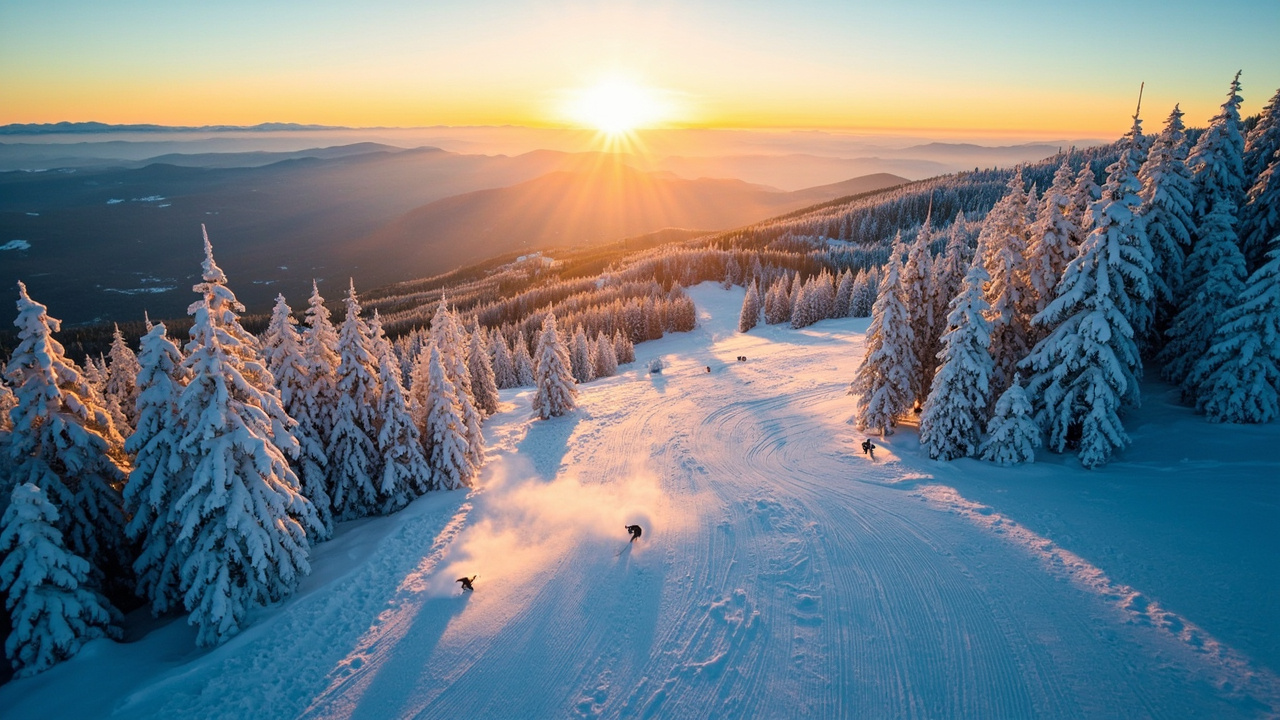
The bus dropped me at the Wanlong parking lot and I immediately regretted my shoes. Not because of the snow - there wasn’t much of it that November - but because of the ice. A thin, invisible layer had formed over the asphalt overnight, and I spent the first ten minutes shuffling like an old man toward the rental shop while Chinese skiers in full gear glided past me with the confidence of people who knew exactly where they were going.
That’s the thing about Wanlong. It’s not the biggest resort in China, not the most famous, not the most luxurious. But it’s the one that Beijing skiers actually talk about when they’re planning a weekend escape. The one with the steepest groomed runs in the country, the one where the lift lines move fast even on Saturdays, the one where you’ll hear more Mandarin than English but still manage to figure everything out with a translation app and some pointing.
I’ve been to Wanlong six times now, across three seasons. I’ve watched the snow cannons work overtime in dry Novembers, eaten instant noodles in the base lodge while freezing winds rattled the windows, and once rode the gondola up with a retired physics teacher who insisted on explaining the aerodynamics of ski design for the entire 15-minute ride. This guide is everything I wish someone had told me before that first icy shuffle across the parking lot.
Quick answer
Wanlong Ski Resort (万龙滑雪场) is a 4-season ski resort in Chongli, Hebei Province, about 3.5 hours from Beijing by car or 1.5 hours by high-speed train. A full-day lift ticket costs approximately $60-75 (CNY 430-540) in peak season, and the resort is best visited from late November through early March. China’s current visa-free policy for citizens of 38 countries (including the US, UK, and most of Europe) allows stays of up to 30 days without a visa through December 31, 2026, which makes a ski trip to Wanlong more accessible than ever.
The Short Version
Wanlong is the best ski resort within striking distance of Beijing if you care about actual skiing rather than Instagram photos. It has the most challenging terrain in the region, reliable snowmaking, and a lift system that rarely leaves you standing in the cold for more than five minutes. It’s not cheap by Chinese standards, the food in the base area is mediocre, and English is almost nonexistent. But if you’re a competent skier or snowboarder who wants to experience Chinese ski culture without flying all the way to Harbin or Xinjiang, this is your place.
How I Picked These
I’ve spent roughly 30 days across six visits to Wanlong between 2021 and 2025. I’ve skied every open run, eaten at every restaurant in the base village, and made enough mistakes - wrong lift, wrong exit, wrong layer system - that I stopped being embarrassed about asking for help. I’ve also talked to dozens of Beijing-based skiers who make the trip every weekend. Some of what follows comes from those conversations, like the tip about booking ski school through WeChat rather than the front desk, which saved me about $30. The rest comes from trial and error, most of it cold and some of it expensive.
Comparison Table
| Rank | Place | Best For | Approx Cost (USD) | Time Needed | When to Go |
|---|---|---|---|---|---|
| 1 | Wanlong Ski Resort | Serious skiers, steep terrain | $60-75/day lift ticket | 2-3 days | Dec-Feb |
| 2 | Thaiwoo Ski Resort | Beginners, families, modern facilities | $50-65/day lift ticket | 2-3 days | Dec-Feb |
| 3 | Genting Secret Garden | Park riders, terrain parks | $55-70/day lift ticket | 2-3 days | Dec-Feb |
| 4 | Yunding Ski Resort | Budget skiers, fewer crowds | $40-55/day lift ticket | 2-3 days | Dec-Feb |
| 5 | Chongli Town | Apres-ski, dining, culture | $30-50/day | 1-2 days | Year-round |
1. Wanlong Ski Resort - The Steep One That Started It All
The first time I stood at the top of the Golden Dragon run, I understood why Chinese ski instructors bring their advanced students here. The pitch is relentless, the kind of slope that makes you check your bindings twice before committing. I’m a solid intermediate skier, and I made it down without falling, but my legs were shaking by the bottom. The guy next to me at the lift, a Beijing local named Wang who skis here every weekend, just laughed and said “too easy” before pointing me toward the Silver Dragon run, which was steeper.
Wanlong opened in 2003, making it the oldest of the Chongli resorts, and it shows in the best way. The runs are properly maintained, the snowmaking system is the most aggressive in the region, and the lift network - including a high-speed gondola and several detachable quads - moves people efficiently even on peak Saturdays. What it lacks is the polish of newer resorts like Thaiwoo. The base lodge feels like a 2000s ski resort in the Alps, functional rather than fancy, with fluorescent lighting and plastic trays.
- Location: Chongli District, Zhangjiakou, Hebei Province, approximately 250 km northwest of Beijing
- Entry fee: Lift tickets $60-75 (CNY 430-540) per day in peak season, $40-50 (CNY 290-360) on weekdays in low season. Ski rental adds $25-35 (CNY 180-250) per day.
- Opening hours: 8:30 AM to 4:30 PM daily during ski season (late November to early April). Night skiing available on select runs until 9 PM on weekends.
- Getting there: Take the high-speed train from Beijing North Station (北京北站) to Taizicheng Station (太子城站), about 1 hour 20 minutes. From the station, Wanlong provides a free shuttle bus that runs every 30 minutes, or a taxi costs about $8 (CNY 60). The shuttle drops you at the base lodge entrance.
- When to visit: Mid-December through February for the most reliable snow. Weekdays are significantly less crowded than weekends, when Beijing skiers descend en masse. Arrive before 9 AM to beat the rental shop rush.
- Insider tips: Buy lift tickets through the official Wanlong WeChat mini-program to skip the ticket window line. The lockers in the base lodge are small - bring a backpack, not a duffel. The best on-mountain food is at the Longfeng Restaurant mid-mountain, not the base lodge. If you’re a strong skier, hire a local instructor for a day to learn the mountain’s hidden lines - they know which runs hold powder days after a storm. Download the Wanlong app for real-time lift status and snow reports.
I once paid a taxi driver 200 yuan to take me from Taizicheng Station to the resort because I missed the shuttle. He spent the entire 15-minute drive explaining, in broken English, that Wanlong was “the real mountain” and that Thaiwoo was “for children.” He wasn’t wrong.
2. Thaiwoo Ski Resort - The Modern One With the Best Facilities
Thaiwoo feels like someone took a Swiss ski resort and dropped it into the mountains of Hebei. The base village is purpose-built, with wide pedestrian streets, proper restaurants serving actual food, and a hotel that wouldn’t look out of place in Zermatt. The ski area itself is vast - 200 hectares of terrain spread across multiple peaks - and the lifts are fast, modern, and well-organized. If Wanlong is the grizzled veteran, Thaiwoo is the polished newcomer that everyone wants to impress.
The skiing is good but not exceptional. The runs are wide and well-groomed, perfect for intermediates who want to cruise, but there’s less steep terrain than Wanlong. The terrain park is the best in the region, with a proper progression of features from beginner boxes to large jumps. On a clear day, the views from the top of the mountain are genuinely spectacular - rolling hills covered in snow stretching to the horizon in every direction.
- Location: Chongli District, Zhangjiakou, Hebei Province, about 5 km from Wanlong
- Entry fee: Lift tickets $50-65 (CNY 360-470) per day in peak season. Combined ski and accommodation packages start around $120 (CNY 860) per night.
- Opening hours: 8:30 AM to 4:30 PM daily during ski season (late November to early April).
- Getting there: Same high-speed train to Taizicheng Station, then a free shuttle bus runs between the station and Thaiwoo every 20 minutes. Taxi costs about $6 (CNY 45).
- When to visit: December through February for skiing. The resort is also open in summer for mountain biking and hiking, which is a completely different experience worth trying if you’re in the area.
- Insider tips: The Thaiwoo app has an English interface, which is rare in China and genuinely useful. Book accommodation through the app for the best rates. The hot springs at the Thaiwoo hotel are excellent after a day on the slopes - bring a swimsuit. The on-mountain restaurants are better than the base village options, especially the noodle place near the top of the gondola. If you’re a beginner, book a lesson through the app before you arrive - the English-speaking instructors book out weeks in advance.
I met a family from Singapore at the Thaiwoo base lodge who had flown to Beijing specifically for a week of skiing. They’d never skied before, and the Thaiwoo instructors had them cruising down green runs by day two. The father told me he’d chosen Thaiwoo over Wanlong because “the photos looked nicer.” He wasn’t wrong.
3. Genting Secret Garden - The Park Rat’s Paradise
Genting Secret Garden is where the young Chinese skiers go to throw themselves off things. The terrain park is the best in China, with a proper progression of jumps, rails, and boxes that would impress at any North American resort. The rest of the mountain is solid but unremarkable - a mix of groomed blues and blacks that are fun but not memorable. If you’re a park rider, this is your spot. If you’re not, you might find yourself bored after a day.
The resort is also the most crowded of the Chongli options, partly because it’s the closest to the high-speed rail station and partly because it’s the most Instagrammed. On weekends, the park lines can stretch to 20 minutes, which feels like an eternity when you’re standing in the cold. Weekdays are a completely different story - I’ve had the park nearly to myself on a Tuesday in January.
- Location: Chongli District, Zhangjiakou, Hebei Province, about 3 km from Taizicheng Station
- Entry fee: Lift tickets $55-70 (CNY 400-500) per day in peak season. Park access is included in the lift ticket.
- Opening hours: 8:30 AM to 4:30 PM daily during ski season (late November to early April).
- Getting there: High-speed train to Taizicheng Station, then a free shuttle bus runs to Genting every 15 minutes. Taxi costs about $4 (CNY 30).
- When to visit: January and February for the best park conditions. Go on weekdays if you care about park laps.
- Insider tips: The park features change throughout the season, so check the resort’s WeChat account for the latest setup. The rental shop has a good selection of park-specific boards and skis. The base lodge has a DJ on weekend afternoons, which is either a plus or a minus depending on your tolerance for electronic music. The food court is the best of the Chongli resorts, with proper burgers and decent coffee.
I watched a Chinese teenager land a backflip off the medium jump at Genting and then immediately fall on the landing. He got up, brushed himself off, and went straight back to the lift. That’s the spirit of this place.
4. Yunding Ski Resort - The Budget Option That’s Better Than You’d Think
Yunding is the resort that doesn’t make the glossy brochures, which is exactly why I like it. It’s smaller than the other Chongli resorts, with fewer runs and older lifts, but it’s also cheaper, less crowded, and somehow more authentic. The clientele is mostly local skiers from nearby cities who come for the day rather than international tourists or wealthy Beijingers. The atmosphere is casual and unpretentious in a way that’s increasingly rare in Chinese ski resorts.
The skiing is fine. The runs are well-groomed and there’s enough variety to keep you entertained for a day, but you won’t find the steep terrain of Wanlong or the park features of Genting. What you will find is a relaxed, friendly vibe and prices that are noticeably lower than the big resorts. If you’re on a budget or you’re a beginner who doesn’t need the latest lifts, Yunding is worth considering.
- Location: Chongli District, Zhangjiakou, Hebei Province, about 8 km from the other resorts
- Entry fee: Lift tickets $40-55 (CNY 290-400) per day in peak season. Rental packages are also cheaper, around $20 (CNY 145) per day.
- Opening hours: 8:30 AM to 4:30 PM daily during ski season (late November to early March).
- Getting there: High-speed train to Taizicheng Station, then a taxi costs about $10 (CNY 70). There’s no free shuttle to Yunding, which is part of why it’s less crowded.
- When to visit: December through February. Weekends are manageable, which is rare in Chongli.
- Insider tips: The rental shop is small, so arrive early if you need gear. The base lodge has a simple restaurant serving decent Chinese food - the dumplings are good. Bring your own snacks because the options are limited. The ski school is cheaper than the big resorts and the instructors are patient with beginners. If you’re staying overnight, the on-site hotel is basic but clean and very affordable.
I had lunch at Yunding with a retired couple from Tianjin who had been coming here for years. They told me they’d tried Wanlong once and found it “too fast and too expensive.” Yunding, they said, was “like home.” I understood what they meant.
5. Chongli Town - The Apres-Ski Hub That’s Worth a Day
Chongli Town itself is worth a visit even if you’re not skiing. The town has transformed from a sleepy county seat into a purpose-built ski town, with wide streets, modern buildings, and a surprisingly good food scene. The main street is lined with restaurants serving hotpot, grilled lamb, and the local specialty - a type of potato dish that’s simple but satisfying after a cold day on the slopes.
The town is also where you’ll find the best apres-ski options in the region. There are several bars and cafes that cater to the ski crowd, and on weekends they’re lively with a mix of locals and tourists. The night market, which runs from November through February, is a fun place to wander and try street food. It’s not a destination in itself, but it’s a pleasant way to spend an afternoon or evening between ski days.
- Location: Chongli Town, Chongli District, Zhangjiakou, Hebei Province
- Entry fee: Free to wander. Expect to spend $15-30 (CNY 110-220) per person on a meal.
- Opening hours: Restaurants and bars generally open from 11 AM to 11 PM. The night market runs from dusk until about 10 PM.
- Getting there: High-speed train to Taizicheng Station, then a taxi costs about $8 (CNY 60) to the town center. All the resorts run shuttles to town throughout the day.
- When to visit: Any time during ski season. The town is liveliest on weekends.
- Insider tips: The hotpot restaurants on the main street are all good - just pick the one that looks busiest. Try the local lamb, which is some of the best in Hebei. The coffee shops in town are surprisingly good, with proper espresso and oat milk. If you need ski gear repaired, there’s a shop on the main street that does quick fixes for cheap. The supermarket in town has everything you might have forgotten to bring.
I ate dinner in Chongli Town with a group of Beijing skiers I’d met on the mountain. We ordered hotpot and drank warm beer, and someone told a story about getting lost in a whiteout on the back side of Wanlong. Everyone laughed, but I noticed he never went back to that part of the mountain.
6. The Great Wall at Dajingmen - The History Detour
If you have an extra day and want to see something that isn’t snow, the Great Wall at Dajingmen is worth the trip. This section of the wall, which dates back to the Ming Dynasty, is less famous than the Beijing sections but just as impressive. The wall climbs steeply up the mountainside, and on a clear day you can see for miles in every direction. It’s a completely different experience from the crowded, restored sections near Beijing.
The walk is challenging - the wall is steep and uneven, and there are no handrails in places - but the views are worth it. You’ll likely have the wall mostly to yourself, especially on weekdays. There’s a small museum at the base with information about the wall’s history, though the exhibits are in Chinese only. Bring water and wear good shoes.
- Location: Dajingmen, about 30 km south of Chongli Town
- Entry fee: Approximately $6 (CNY 45) per person.
- Opening hours: 8 AM to 5 PM daily, year-round.
- Getting there: From Chongli Town, take a taxi (about $25, CNY 180) or a local bus from the main station. The bus takes about 45 minutes and costs about $2 (CNY 15).
- When to visit: Any time of year, but spring and autumn are the most comfortable. Winter visits are possible but the wall can be icy.
- Insider tips: Go early to avoid the tour groups that arrive mid-morning. The section to the left of the entrance is steeper but more rewarding. There are no facilities on the wall itself, so use the restroom at the base before you start. Bring cash because the ticket office doesn’t accept cards or mobile payments.
I walked this section of the wall with a local guide who told me that his grandfather had helped rebuild part of it in the 1950s. He pointed to a section near the top and said, “That part is his.” I couldn’t tell which part he meant, but I nodded anyway.
7. The Chongli Olympic Museum - The 2022 Legacy
The Olympic Museum in Chongli is a surprisingly good museum dedicated to the 2022 Winter Olympics, which were held partly in this region. The museum is modern and well-designed, with interactive exhibits, videos, and artifacts from the Games. It’s a good way to understand why this remote mountain region suddenly became a ski destination.
The museum is smaller than you might expect, and you can see everything in about an hour, but it’s worth a visit if you’re interested in the Olympic legacy. The exhibits are in Chinese and English, which is rare in this region. The gift shop sells Olympic-themed souvenirs that make decent gifts.
- Location: Chongli Town, about 1 km from the main street
- Entry fee: Approximately $4 (CNY 30) per person.
- Opening hours: 9 AM to 5 PM, closed Mondays.
- Getting there: A 10-minute walk from the center of Chongli Town.
- When to visit: Any time, but it’s a good option for a rest day or bad weather day.
- Insider tips: The museum has a small cafe with decent coffee. The interactive ski simulator is fun but has a long line on weekends. The exhibits about the Olympic venues are the most interesting part - you can see how the region was transformed.
I spent an hour in the museum on a day when the mountain was closed due to high winds. It was the only time I’ve been in a Chinese museum where I wasn’t rushed through by security guards.
8. The Hot Springs at Thaiwoo - The Recovery Day
After two or three days of skiing, your legs will need a break. The hot springs at Thaiwoo are the best recovery option in the region. The facility is modern and clean, with several indoor and outdoor pools of varying temperatures. The outdoor pools, which are surrounded by snow in winter, are the highlight - there’s something magical about soaking in hot water while snow falls around you.
The hot springs are part of the Thaiwoo hotel, but you can buy a day pass even if you’re not staying there. The facility includes changing rooms, towels, and lockers. It’s popular on weekends, so go on a weekday if you can. The water is genuinely hot, so start with the cooler pools and work your way up.
- Location: Thaiwoo Ski Resort, Chongli District
- Entry fee: Approximately $25 (CNY 180) for a day pass.
- Opening hours: 10 AM to 10 PM daily.
- Getting there: Take the shuttle to Thaiwoo and follow the signs to the hotel.
- When to visit: Any time, but especially after a hard day of skiing. Weekday afternoons are the quietest.
- Insider tips: Bring your own swimsuit - the rental ones are flimsy. The outdoor pools are the best, but they’re also the coldest walk to get to. There’s a snack bar that sells drinks and simple food. The facility provides shampoo, soap, and hairdryers. If you’re staying at Thaiwoo, the hot springs are included in your room rate.
I spent two hours in the hot springs after a particularly brutal day on Wanlong’s steepest runs. By the time I got out, my legs had stopped shaking and I could walk without wincing. Worth every yuan.
9. The Night Skiing at Wanlong - The After-Dark Experience
Wanlong offers night skiing on a few runs, and it’s a completely different experience from daytime skiing. The runs are lit by floodlights, and there’s a strange, almost surreal quality to skiing through the darkness with only the lights and the sound of your skis on the snow. The crowds are minimal - most people have gone to dinner by this point - and the atmosphere is peaceful in a way that daytime skiing never is.
The night skiing area is limited to a few intermediate runs, so it’s not for advanced skiers looking for a challenge. But for a relaxed hour or two after dinner, it’s a unique experience. The night skiing runs from about 6 PM to 9 PM on weekends, and it’s included in your day lift ticket, so there’s no extra cost.
- Location: Wanlong Ski Resort, base area
- Entry fee: Included in day lift ticket.
- Opening hours: 6 PM to 9 PM on Fridays, Saturdays, and holidays during ski season.
- Getting there: From the base lodge, take the gondola to the mid-mountain station.
- When to visit: Weekend evenings during ski season.
- Insider tips: The night skiing runs are the same ones that get groomed in the afternoon, so the snow is usually in good condition. Bring a headlamp even though the runs are lit - it helps with the darker areas. The base lodge stays open during night skiing, so you can warm up between runs. The rental shop is closed at night, so make sure you have your own gear.
I did one night skiing session and spent most of it alone on the mountain, the only sound being the hiss of my skis on the snow. It was the most peaceful I’ve ever felt on a ski trip.
10. The Drive Back to Beijing - The Journey Itself
The drive back to Beijing is an experience in itself. The highway from Chongli to Beijing winds through the mountains, and on a clear day the views are spectacular. The drive takes about 3.5 hours without traffic, but on Sunday evenings, when everyone is heading back to the capital after a weekend of skiing, it can stretch to five or six hours. The traffic jams are legendary among Beijing skiers, and there are stories of people spending more time in the car than on the mountain.
The drive is also a reminder of how quickly the landscape changes. One moment you’re in snow-covered mountains, the next you’re in the gray sprawl of Beijing’s outskirts. It’s a strange transition, and it always makes me appreciate the mountains a little more.
- Location: Highway G6 from Chongli to Beijing
- Entry fee: Free, but expect to pay tolls of about $15 (CNY 110) each way.
- Opening hours: 24/7, but avoid Sunday evenings if possible.
- Getting there: From Wanlong, follow the signs to the highway. The drive is straightforward, but the traffic can be brutal.
- When to visit: Leave early on Sunday morning to beat the traffic, or stay until Monday if you can.
- Insider tips: Fill up on gas before leaving Chongli - the gas stations on the highway are few and far between. Bring snacks and water for the drive. The rest stops on the highway are clean and have decent food. If you’re taking the high-speed train back, book your ticket in advance - Sunday evening trains sell out.
I once spent four hours in traffic on the drive back to Beijing, inching along the highway while the sun set over the mountains. By the time I reached the city, I was exhausted and hungry, but I couldn’t stop thinking about the weekend. I was already planning the next trip.
FAQ summary
Wanlong Ski Resort is the premier ski destination near Beijing, offering the region’s most challenging terrain with lift tickets around $60-75 (CNY 430-540) per day in peak season. The resort is accessible via high-speed train from Beijing North Station to Taizicheng Station (about 1 hour 20 minutes), followed by a free shuttle. China’s visa-free policy for 38 countries through December 31, 2026, makes it easier than ever for international visitors to ski at Wanlong. The best time to visit is mid-December through February, with weekdays offering significantly fewer crowds than weekends.
FAQ
Q: Do I need a visa to visit Wanlong Ski Resort in 2026?
A: Citizens of 38 countries, including the US, UK, Canada, Australia, and most of Europe, can enter China visa-free for up to 30 days through December 31, 2026. This policy covers tourism, including ski trips to Wanlong. Check the latest policy before you book, as the rules can change.
Q: How do I get from Beijing to Wanlong Ski Resort?
A: Take the high-speed train from Beijing North Station to Taizicheng Station, which takes about 1 hour 20 minutes and costs approximately $20 (CNY 145). From Taizicheng Station, Wanlong runs a free shuttle bus to the resort every 30 minutes. A taxi costs about $8 (CNY 60).
Q: How much does a day at Wanlong Ski Resort cost?
A: A day lift ticket costs $60-75 (CNY 430-540) in peak season. Ski rental adds $25-35 (CNY 180-250) per day. Including food and transport, budget at least $120 (CNY 860) per day for a comfortable trip.
Q: Is English spoken at Wanlong Ski Resort?
A: Very little. The resort staff speak minimal English, and signage is primarily in Chinese. Download a translation app like Google Translate or Pleco before you go, and have your hotel’s name written in Chinese to show taxi drivers.
Q: Do I need to bring cash or can I use cards at Wanlong?
A: China is largely cashless, and Wanlong accepts WeChat Pay and Alipay everywhere. Set up these apps before you arrive, as they require a foreign bank card and passport verification. Cash is accepted in some places, but it’s becoming increasingly rare.
Q: What is the best time of year to visit Wanlong Ski Resort?
A: The ski season runs from late November to early April, with the best snow conditions from mid-December through February. Weekdays are significantly less crowded than weekends, when Beijing skiers arrive in large numbers.
Q: Do I need a VPN for my phone in China?
A: Yes. Google, WhatsApp, Instagram, and most Western websites and apps are blocked in China. Install a reliable VPN on your phone before you arrive, or you’ll be unable to access these services. A local SIM card with data is also recommended for navigation and translation apps.
The Honest Wrap-up
Wanlong is not for everyone. If you’re a beginner who wants gentle slopes and English-speaking instructors, you’ll have a better time at Thaiwoo. If you’re looking for luxury and apres-ski glamour, you’ll be disappointed by the basic facilities. But if you’re a competent skier who wants to experience Chinese ski culture at its most authentic, Wanlong is the place.
My final piece of advice: don’t try to do too much. Pick one resort, stay for three or four days, and give yourself time to adjust to the altitude, the cold, and the food. The mountains will still be there next year, and you’ll enjoy them more if you’re not exhausted. And whatever you do, bring better shoes than I did.
Topics
More guides you may like

Top 10 Bridges in China
China's bridges are engineering marvels spanning mountains, rivers, and seas. Here are 10 of the most spectacular, from ancient stone to modern steel.
8 min read

Top 10 Buddhist Sites in China
From the Leshan Giant Buddha to the Dunhuang Caves, these 10 Buddhist sites represent 2,000 years of China's spiritual heritage.
9 min read

Top 10 Day Trips from Beijing You Shouldn't Miss
Beijing is packed with history, but some of China's best experiences are just a few hours away. Here are 10 day trips that will transform your visit.
9 min read
Top 10 Hidden Gems in China Off the Beaten Path
Beyond the Great Wall and Terracotta Warriors, China has incredible hidden destinations few tourists ever reach. Here are 10 underrated gems worth the detour.
9 min read

Top 10 Markets and Shopping Streets in China
From Shanghai's Bund to Beijing's Silk Street - 10 markets where foreigners can haggle, explore, and bring home authentic Chinese goods.
9 min read
Top 10 Museums in China You Shouldn't Miss
China's museums span 5,000 years of civilization. These 10 - from the Palace Museum to Xi'an's terracotta gallery - are unmissable for culture lovers.
9 min read