
Xinjiang Cuisine Guide: The Complete 2026 Guide
The cab driver in Urumqi looked at me in the rearview mirror and laughed. Not a mean laugh, a genuine one.
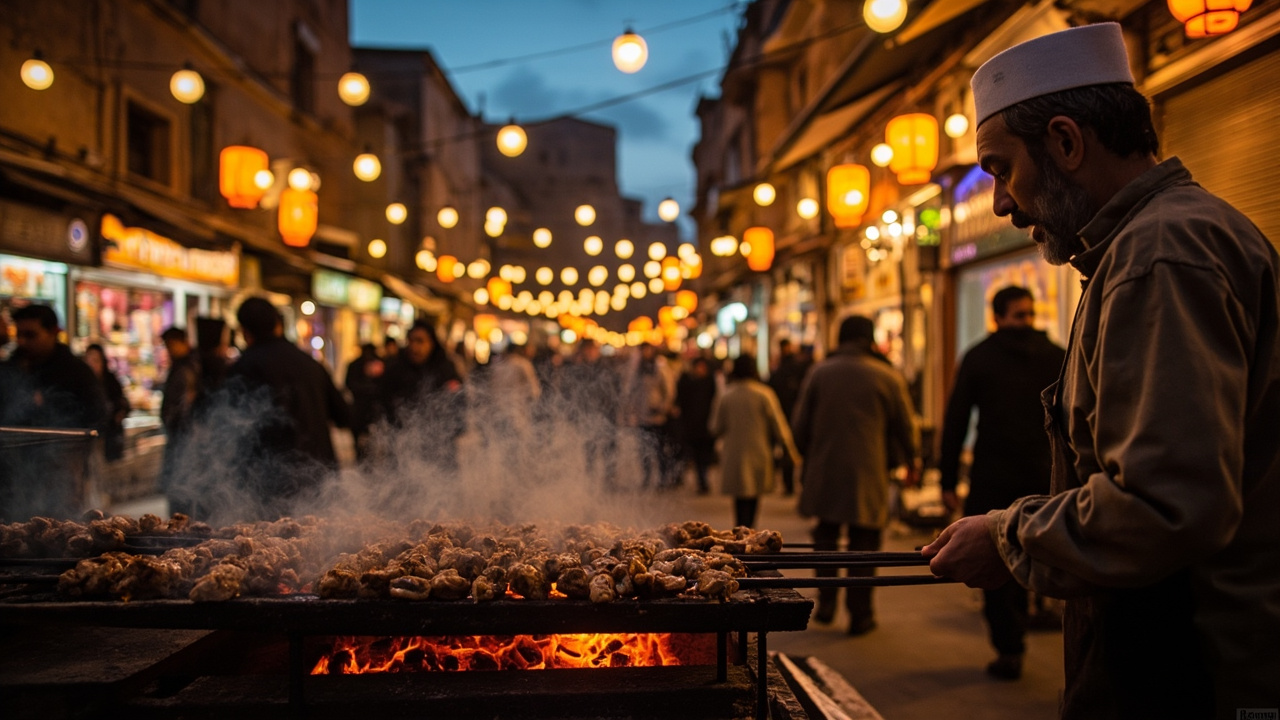
The cab driver in Urumqi looked at me in the rearview mirror and laughed. Not a mean laugh, a genuine one. I had just asked, in my broken Mandarin, if there was anywhere nearby that served “real” Xinjiang food. He pulled over, turned around, and said in slow, careful English: “Everywhere is real. You just have to eat.”
He was right, but it took me seven years of living in Beijing and more than forty trips across China to fully understand what he meant. Xinjiang cuisine is not one thing. It is Uyghur lamb skewers charred over coal fires, Kazakh horse milk fermented in leather bags, Han Chinese noodle pullers in bustling markets, and Hui Muslim restaurants that serve the best breakfast you will ever have. It is the food of the Silk Road, and it tastes like every empire that ever passed through.
This guide is the one I wish I had before my first trip. It covers the dishes you must try, the restaurants worth seeking out, the mistakes I made so you do not have to, and the practical details - prices, locations, transport - that most travel guides get wrong or leave out entirely.
Quick answer
Xinjiang cuisine is Central Asian food at its best: lamb skewers, hand-pulled noodles, naan bread, and rice pilaf, shaped by Uyghur, Kazakh, and Han Chinese cooking traditions. The best places to try it are Urumqi, Kashgar, and Turpan, with a typical meal costing $3-8 (CNY 20-60). Most visitors can now enter China visa-free for up to 30 days (policy extended through 2026), but you will need a VPN, WeChat Pay or Alipay, and a translation app to get the most out of your trip.
The Short Version
If you only have 90 seconds, here is what matters. Eat the lamb skewers. They are everywhere, and the best ones are sold by street vendors who have been grilling for decades. Try laghman (hand-pulled noodles) at least twice - once in a restaurant, once from a market stall. Do not skip breakfast: the naan and milk tea at a Uyghur bakery will ruin all other breakfasts for you. Bring cash as backup because card payments are unreliable outside major hotels. And whatever you do, do not leave without trying polo (rice pilaf) from a giant copper pot that has been cooking since sunrise.
How I Picked These
I have eaten my way through Xinjiang four times in the past three years, including a two-week trip in autumn 2025 where I visited every place on this list. I do not trust guidebook recommendations alone - I asked taxi drivers, hostel receptionists, and market vendors where they actually eat. I got lost in Kashgar’s old city, ate at restaurants where the menu was entirely in Uyghur script, and once paid triple the normal price for a meal because I did not have small change. Every place below survived my personal test: I would go back, and I would bring a friend.
Comparison Table
| Rank | Place | Best For | Approx Cost (USD) | Time Needed | When to Go |
|---|---|---|---|---|---|
| 1 | Grand Bazaar Food Street, Urumqi | First-timers, variety | $5-10 (CNY 35-70) | 2-3 hours | Evening, Apr-Oct |
| 2 | Kashgar Old City | Atmosphere, authenticity | $3-8 (CNY 20-60) | Half day | Morning, May-Sep |
| 3 | Id Kah Mosque Area, Kashgar | Street food, people watching | $2-5 (CNY 15-35) | 1-2 hours | Morning, any season |
| 4 | Turpan Grape Valley | Unique ingredients, wine | $4-8 (CNY 30-60) | Half day | Aug-Sep |
| 5 | Urumqi Night Market | Late night, lamb skewers | $3-6 (CNY 20-40) | 1-2 hours | Night, Apr-Oct |
| 6 | Sayram Lake Yurts | Kazakh dairy, remote setting | $6-12 (CNY 40-85) | Full day | Jun-Aug |
| 7 | Hetian Market | Authentic, no tourists | $2-5 (CNY 15-35) | Half day | Morning, any season |
| 8 | Xinjiang Museum Restaurant | History + food combo | $5-8 (CNY 35-60) | 2 hours | Weekday mornings |
| 9 | Yining (Ghulja) | Kazakh and Uzbek food | $3-6 (CNY 20-40) | Full day | May-Sep |
| 10 | Karakul Lake Area | Scenery + simple food | $4-7 (CNY 30-50) | Full day | Jun-Sep |
1. Grand Bazaar Food Street, Urumqi - The Overwhelming First Taste
I remember standing at the entrance of the Grand Bazaar food street on my first night in Urumqi, completely frozen. The smoke from a dozen charcoal grills rose into the evening sky, and the smell of cumin and lamb fat hit me like a wall. A vendor waved a skewer at me, and I took it without thinking. It was the best decision I made in China that year.
This is where you start your Xinjiang food journey. The food street is a long corridor of stalls selling everything from whole roasted lamb to yogurt drinks, and it is designed for tourists, which means the vendors are used to foreigners and most menus have pictures. You can try ten different things in one evening without committing to a single restaurant.
The lamb skewers here are good, but the real star is the polo - rice pilaf cooked with carrots, lamb, and raisins in a massive copper pot. Watch the vendor scoop it out with a flat spatula, the steam rising in a perfect column. Ask for a piece of the fatty lamb from the bottom; that is where the flavor lives.
- Location: Grand Bazaar, Tianshan District, Urumqi. The food street is at the south end of the bazaar complex.
- Entry fee: Free. Food costs $1-3 (CNY 7-20) per item.
- Opening hours: 11:00 AM to 11:00 PM daily, but the food street really comes alive after 6:00 PM.
- How to get there: Take Metro Line 1 to Erdaoqiao Station, Exit A. Walk south for about 5 minutes along Jiefang Road. The bazaar’s distinctive blue dome is impossible to miss.
- When to visit: Evening, especially on weekends when the atmosphere is electric. April through October is ideal.
- Insider tips:
- Do not eat before you come. You will want to try everything.
- Carry small bills. Vendors often cannot break large notes.
- Point at what other people are eating. It is the most reliable menu.
- The yogurt drinks (kefir) are excellent and cut through the lamb fat.
- Bargaining is expected at the bazaar shops, but not at the food stalls.
- I once watched a vendor scold a Chinese tourist for taking a photo of his polo pot without buying anything. He was laughing while he did it, but the message was clear: food is meant to be eaten, not photographed.
2. Kashgar Old City - Where the Food Hasn’t Changed in a Century
Kashgar’s old city is a maze of mud-brick houses, narrow alleys, and hidden courtyards, and the food is as authentic as it gets. This is not a curated experience. This is a living neighborhood where people have been making the same dishes for generations, and the smell of naan baking in clay ovens follows you down every street.
The best way to eat here is to walk without a plan. Turn down any alley that smells interesting. Follow the sound of sizzling oil. When you see a crowd gathered around a stall, join it. I found my favorite restaurant in all of Xinjiang this way - a tiny place with four tables where the owner, a man named Abdu, served the best laghman I have ever eaten. He had been making noodles for 40 years, and it showed.
Do not miss the morning naan. Around 8:00 AM, the bakeries fire up their clay ovens (tandir), and the fresh naan comes out golden and blistered, perfect for tearing apart and dipping in hot milk tea. A large naan costs about $0.30 (CNY 2), and it is the best breakfast deal in China.
- Location: Kashgar Old City, Kashgar Prefecture. The main entrance is near the East Gate on Aimin Road.
- Entry fee: Free to wander. Some restored houses charge $1-3 (CNY 7-20).
- Opening hours: The old city is always open, but morning (8:00-11:00 AM) is when the food is freshest.
- How to get there: From Kashgar Airport, take a taxi (about $5 / CNY 35) to the East Gate. From the train station, it is about $4 (CNY 28) by taxi. There is no metro in Kashgar.
- When to visit: May through September is best. Mornings are essential - the old city is quiet and the food is fresh.
- Insider tips:
- Learn to say “bir” (one) and “ikki” (two) in Uyghur. It helps at food stalls.
- Carry a translation app with Uyghur script support. Many menus are not in Chinese.
- Do not be afraid to eat at stalls that look rough. The food is usually better there.
- The old city is a residential area. Be respectful when taking photos of people.
- Try the samsa (baked lamb pastries) from any vendor with a tandir oven.
- Abdu, the noodle maker, refused to let me pay for my second bowl of laghman. He said, in broken Mandarin, “You are my guest. Guests do not pay twice.”
3. Id Kah Mosque Area, Kashgar - The Morning Market You Cannot Miss
The square in front of Id Kah Mosque transforms every morning into a sprawling food market, and it is the most authentic food experience in Kashgar. This is where locals actually shop. The tourists are at the old city’s main street; this market is for the people who live here.
You will find things here that you will not see anywhere else. Dried apricots and figs from local orchards, honey in giant plastic jugs, fresh yogurt sold by the ladle, and the famous Kashgar naan, which is larger and thinner than the Urumqi version. There are also stalls selling whole roasted lamb, chopped into pieces and served with salt and cumin.
The best thing to eat here is the goat meat soup (shorpa). It is a simple broth with chunks of lamb, carrots, and potatoes, served with a piece of naan. It costs about $2 (CNY 15), and it is the most comforting thing I have ever eaten on a cold morning. The vendors start serving around 7:00 AM, and the best bowls are gone by 9:00.
- Location: Id Kah Mosque Square, central Kashgar.
- Entry fee: Free to walk around. The market is on the streets surrounding the mosque.
- Opening hours: 7:00 AM to 1:00 PM daily. The market winds down by early afternoon.
- How to get there: From the old city East Gate, walk west through the old city for about 15 minutes. Or take a taxi from anywhere in Kashgar for $1-2 (CNY 7-14). Just say “Id Kah.”
- When to visit: Early morning, before 9:00 AM. The food is freshest and the crowd is more local.
- Insider tips:
- Bring your own spoon. Some stalls do not provide utensils.
- The honey vendors will let you taste before you buy. The wildflower honey is incredible.
- Do not buy the first naan you see. Walk the whole market first, then decide.
- If you see a stall with a long line of locals, join it. The line is the review.
- The mosque itself is closed to non-Muslims, but the square is open to everyone.
- I watched a grandmother feed her grandson pieces of naan dipped in tea while her husband negotiated the price of a whole sheep with a butcher. It was the most ordinary, beautiful thing I saw in Xinjiang.
4. Turpan Grape Valley - The Sweetest Stop on the Silk Road
Turpan is famous for one thing, and it is not the food. It is the grapes. This oasis city sits in a depression below sea level, and the extreme heat and cold create the perfect conditions for growing some of the sweetest grapes in the world. The Grape Valley, a 10-kilometer stretch of vineyards, is where you come to taste them.
But the grapes are only the beginning. The local cuisine is heavily influenced by the region’s history as a Silk Road trading post, and you will find dishes here that combine Chinese, Persian, and Central Asian influences. The dried apricots are the best I have ever had, and the local honey is worth taking home (if you can get it through customs).
The food highlight is the grape chicken, a local specialty where chicken is cooked with fresh grapes, giving it a sweet and sour flavor that is completely unique. It is served at most restaurants in the valley, and it costs about $6 (CNY 42) for a whole bird. You will not find this dish anywhere else in China.
- Location: Grape Valley, about 10 kilometers east of Turpan city center.
- Entry fee: $8 (CNY 55) for the main valley area. Some sections are free.
- Opening hours: 8:00 AM to 8:00 PM daily, May through October.
- How to get there: From Turpan city center, take a taxi (about $3 / CNY 20) to the valley entrance. There is no public transport to the valley itself.
- When to visit: August and September, when the grapes are at their peak. Go on a weekday to avoid domestic tourists.
- Insider tips:
- The grape chicken is served at most restaurants, but the quality varies. Ask for a restaurant that locals use, not the tourist ones.
- Buy dried fruit from the farmers, not the souvenir shops. The quality is better and the price is lower.
- Try the local wine. Turpan has a small wine industry, and the white wines are surprisingly good.
- The raisins here are sun-dried, not oven-dried, which gives them a completely different flavor.
- Do not drink the tap water. Even locals boil it.
- I ate grape chicken at a small restaurant run by a Uyghur family who had been in Turpan for five generations. The grandmother came out to watch me eat, and when I finished, she nodded approvingly and refilled my tea without asking.
5. Urumqi Night Market - The Late-Night Lamb Skewer Crawl
If the Grand Bazaar is the tourist version of Urumqi’s food scene, the night market is the local one. It sets up every evening in a different location depending on the season, and it is where Urumqi residents come after work to eat, drink, and socialize. This is not a place for a sit-down meal. This is a place for grazing.
The lamb skewers here are the best in Urumqi. The vendors grill them over charcoal, basting them with a mixture of cumin, chili, and salt, and they serve them hot off the fire. A skewer costs about $0.50 (CNY 3.50), and you will want at least six. There are also grilled chicken wings, whole fish, and vegetables, but the lamb is the reason to come.
The market is also where you will find the best cold noodles (liangpi) in the city. These are wheat noodles served cold with a spicy vinegar dressing, and they are the perfect counterpoint to the heavy lamb dishes. Look for the stall with the longest line.
- Location: The night market moves, but it is usually in the area around People’s Park (Renmin Gongyuan) or along Youhao South Road. Ask your hotel for the current location.
- Entry fee: Free. Food costs $1-3 (CNY 7-20) per item.
- Opening hours: 6:00 PM to midnight, daily. The market is busiest from 8:00 to 10:00 PM.
- How to get there: Take Metro Line 1 to People’s Park Station, Exit B. The market is usually within a 10-minute walk.
- When to visit: Any evening from April to October. The market is smaller in winter, but still operating.
- Insider tips:
- The vendors do not speak English. Use your translation app or point at what you want.
- Try the grilled garlic. It sounds strange, but it is incredible.
- The yogurt drinks here are thicker and more sour than the ones at the Grand Bazaar.
- Do not be afraid to ask for less chili. The vendors will accommodate.
- Bring wet wipes. Eating lamb skewers with your hands is messy.
- I once spent an hour at the night market with a taxi driver named Liu who had just finished his shift. He insisted on buying me skewers and explaining each one in detail, even though his English was limited to “good” and “very good.”
6. Sayram Lake Yurts - Kazakh Dairy and the Most Beautiful Setting in Xinjiang
Sayram Lake is not a food destination in the traditional sense, but it is the best place in Xinjiang to experience Kazakh cuisine, which is built around dairy products and meat. The lake sits at 2,073 meters above sea level, surrounded by snow-capped mountains, and the Kazakh herders who live here have been making the same foods for centuries.
The highlight is the dairy. You will be offered fresh yogurt, kumis (fermented mare’s milk), and a hard cheese called kurut that is an acquired taste. The fresh yogurt is the best I have ever had - thick, tangy, and completely different from anything you can buy in a store. The herders also make a dried meat called kazy, which is horse meat sausage, and it is a delicacy that you should try at least once.
The food is served in yurts, the traditional felt tents that the Kazakhs have used for centuries. You will sit on carpets around a low table, and the family will bring out dish after dish. It is not a restaurant experience. It is a hospitality experience.
- Location: Sayram Lake, Bortala Mongol Autonomous Prefecture, about 120 kilometers from Yining.
- Entry fee: $10 (CNY 70) for the lake area. Food at the yurts costs $6-12 (CNY 40-85) per person.
- Opening hours: The yurts operate from June to September. The lake is accessible year-round, but the yurts close in winter.
- How to get there: From Yining, take a bus or taxi to the lake (about 2 hours, $15-25 / CNY 100-180). There is no public transport to the yurts themselves.
- When to visit: June through August, when the weather is warm and the herders are at the lake with their animals.
- Insider tips:
- Kumis is an acquired taste. Take a small sip first before committing to a full cup.
- The yurts are basic. Do not expect running water or western toilets.
- Bring a gift for the family - fruit, sweets, or tea are all appreciated.
- The kurut cheese is very salty. Eat it with naan, not on its own.
- If you are invited to stay for a meal, accept. It is a great honor.
- I stayed overnight in a yurt at Sayram Lake, and the family served me a dinner of boiled lamb, fresh yogurt, and kumis. The father, a man named Serik, told me through a translator that his family had been herding sheep at this lake for seven generations.
7. Hetian Market - The Real Deal, No Tourists
Hetian is famous for its jade, but the food market is the real reason to come. This is the most authentic food experience in Xinjiang, precisely because there are no tourists here. The market serves the local population, and the food is not adapted for foreign palates.
The market is a sprawling collection of stalls selling everything from whole roasted sheep to fresh dates to hand-pulled noodles. The highlight is the lamb, which is considered the best in Xinjiang. The sheep here graze on wild herbs, and the meat has a flavor that you will not find anywhere else.
The most interesting thing to try is the sheep’s head. It is boiled whole and served with salt, and it is considered a delicacy. I tried it once, and while I cannot say it was my favorite meal in China, it was certainly the most memorable. The brain is creamy and mild, and the cheek meat is incredibly tender.
- Location: Hetian city, Hotan Prefecture. The main market is on the east side of the city, near the White Jade River.
- Entry fee: Free. Food costs $1-4 (CNY 7-28) per item.
- Opening hours: 7:00 AM to 2:00 PM daily. The market is busiest in the morning.
- How to get there: Hetian has a small airport with flights from Urumqi (about $80 / CNY 560 one way). From the airport, take a taxi to the market (about $3 / CNY 20).
- When to visit: Any time of year, but the dates are best in September and October.
- Insider tips:
- This is not a place for picky eaters. The food is authentic and some of it is challenging.
- Bring a translator. Almost no one here speaks English.
- The dates from Hetian are the best in China. Buy some to take home.
- Do not take photos without asking. The locals are friendly but private.
- The lamb is sold by weight. Ask for the price before you commit.
- I watched a vendor carve a whole roasted sheep with a knife that looked older than me, and he offered me a piece of the crispy skin as a gift. It was the best thing I ate in Hetian.
8. Xinjiang Museum Restaurant - History and Food in One Stop
This is not a famous food destination, but it is one of the smartest stops on this list. The Xinjiang Museum in Urumqi has an excellent restaurant attached to it, and it serves a curated version of the region’s cuisine that is perfect for first-timers who want to understand the food before diving into the deep end.
The restaurant serves all the classics - laghman, polo, samsa, and naan - but in a more refined setting than the street stalls. The menu has English descriptions, and the staff are used to foreign visitors. It is the best place to try dishes you are nervous about, because you can ask questions and get clear answers.
The museum itself is also worth visiting. It has an excellent collection of Silk Road artifacts, including the famous Loulan mummies, which are over 3,000 years old. You can easily spend half a day here, eating lunch in the middle.
- Location: Xinjiang Museum, 132 Xibei Road, Saybagh District, Urumqi.
- Entry fee: Museum is free (bring your passport). Restaurant meals cost $5-8 (CNY 35-60).
- Opening hours: Museum is 10:00 AM to 6:00 PM, closed Mondays. Restaurant is 11:00 AM to 4:00 PM.
- How to get there: Take Metro Line 1 to Xinjiang Library Station, Exit C. Walk north for about 5 minutes.
- When to visit: Weekday mornings, when the museum is quiet.
- Insider tips:
- The museum requires a passport for entry. Do not forget yours.
- The restaurant’s polo is excellent, but the laghman is the standout.
- Try the museum’s version of naan. It is smaller and softer than the street version.
- The museum gift shop sells food products that make good souvenirs.
- The mummies are not for the faint of heart, but they are a once-in-a-lifetime sight.
- I spent three hours in the museum and then ate lunch at the restaurant, where a tour guide was explaining the history of polo to a group of German tourists. The food was better than the history lesson.
9. Yining (Ghulja) - The Kazakh and Uzbek Food Capital
Yining, also known as Ghulja, is the capital of the Ili Kazakh Autonomous Prefecture, and it is the best place in Xinjiang to try Kazakh and Uzbek cuisine. The city has a large Kazakh population, and the food reflects this heritage.
The highlight is the Kazakh-style laghman, which is different from the Uyghur version. The noodles are thicker, the sauce is richer, and it is often served with a side of fresh yogurt. There is also a dish called beshbarmak, which translates to “five fingers” because it is traditionally eaten with the hands. It is boiled meat (usually lamb or horse) served over flat noodles with a broth, and it is the national dish of Kazakhstan.
The city also has excellent Uzbek restaurants, which serve the same dishes you would find in Tashkent or Samarkand. The samsa here is particularly good, baked in a tandir oven until the pastry is flaky and golden.
- Location: Yining city center, Ili Kazakh Autonomous Prefecture. The best restaurants are along Stalin Street and the surrounding streets.
- Entry fee: Free. Meals cost $3-6 (CNY 20-40).
- Opening hours: Most restaurants are open 11:00 AM to 10:00 PM.
- How to get there: Yining has an airport with flights from Urumqi (about $70 / CNY 490 one way). The train from Urumqi takes about 5 hours and costs $25-40 (CNY 175-280).
- When to visit: May through September, when the weather is pleasant.
- Insider tips:
- The Kazakh restaurants are halal, which means no pork and no alcohol.
- Beshbarmak is eaten with the hands. Do not ask for a fork.
- The local beer, called Sinkiang Black Beer, is excellent and pairs well with lamb.
- The city has a large Russian influence, and you can find Russian-style pastries and breads.
- Try the horse meat sausage (kazy) at a Kazakh restaurant. It is a delicacy.
- I ate beshbarmak at a restaurant called “Ili River” with a Kazakh tour guide named Aigerim, who showed me how to eat it properly. She laughed when I used a fork and made me use my hands.
10. Karakul Lake Area - Simple Food, Extraordinary Setting
Karakul Lake sits at 3,600 meters above the Pamir Highway, surrounded by the snow-capped peaks of the Pamir Mountains. The food here is simple - there are no restaurants, only the homes of the Kyrgyz herders who live by the lake. But the setting makes it the most memorable meal you will have in Xinjiang.
The herders serve what they eat: boiled lamb, fresh yogurt, naan, and tea. The lamb is cooked in a simple broth with salt and nothing else, and it is the purest expression of the ingredient. The yogurt is thick and tangy, made from the milk of the yaks and sheep that graze on the surrounding slopes.
You will eat in a yurt, sitting on carpets around a low table, with the lake and mountains visible through the open door. The herders are welcoming, and they will feed you until you cannot eat anymore. It is not a restaurant experience. It is an invitation into someone’s home.
- Location: Karakul Lake, on the Karakoram Highway, about 200 kilometers from Kashgar.
- Entry fee: The lake area is free. A meal at a herder’s yurt costs $4-7 (CNY 30-50) per person.
- Opening hours: The herders are there year-round, but the road is often closed in winter.
- How to get there: From Kashgar, take a shared taxi or minibus to Karakul Lake (about 4 hours, $15-25 / CNY 100-180 per person). The road is the famous Karakoram Highway.
- When to visit: June through September, when the weather is mild and the road is open.
- Insider tips:
- The altitude is high. Take it easy and drink plenty of water.
- The herders do not speak English or Chinese. Use a translation app or just communicate with gestures.
- Bring a gift - fruit, sweets, or tea are all appreciated.
- The toilets are basic. Bring your own toilet paper.
- The stars at night are incredible. Stay overnight if you can.
- I sat in a yurt at Karakul Lake, eating boiled lamb and watching the sun set over the Pamir Mountains. The herder’s daughter, a girl of about ten, practiced her English on me, counting to ten and then laughing at her own pronunciation.
FAQ summary
Xinjiang cuisine is defined by lamb, hand-pulled noodles, naan bread, and dairy products, shaped by Uyghur, Kazakh, and Han Chinese traditions. The best places to try it are Urumqi’s Grand Bazaar and night market, Kashgar’s old city and morning markets, and Turpan for its unique grape-based dishes. Most meals cost $3-8 (CNY 20-60), and the best time to visit for food is May through October. Visitors need a VPN, WeChat Pay or Alipay, and a translation app, and should carry cash as backup since card payments are unreliable outside major hotels.
FAQ
Q: Do I need a visa to visit Xinjiang in 2026? A: Most visitors can enter China visa-free for up to 30 days, a policy that has been extended through 2026. Check with your local Chinese embassy before booking, as requirements can change. You will also need to register your accommodation with the local police within 24 hours of arrival.
Q: Is it safe to eat street food in Xinjiang? A: Yes, but choose busy stalls with high turnover. The food is cooked at high temperatures, and the vendors have been doing this for years. Avoid anything that has been sitting out for a long time, and drink bottled water only.
Q: Will I be able to communicate with food vendors? A: Not in English. Most vendors speak Uyghur and some Mandarin, but almost no English. Download a translation app with Uyghur script support, and learn a few basic phrases. Pointing at what others are eating is the most reliable method.
Q: Do I need to worry about the security situation in Xinjiang? A: The situation has been stable for years, and tourists are welcome. You will see security checkpoints, and you should always carry your passport. Avoid political discussions and respect local customs, particularly in religious sites.
Q: What is the most important thing to know about Xinjiang food etiquette? A: Eat with your right hand if you are eating with your hands, as the left hand is considered unclean. Never refuse food that is offered to you, as it is a sign of hospitality. And always finish what is on your plate.
Q: Can I use my credit card in Xinjiang? A: Not reliably. Most restaurants and markets are cash-only, and international cards are rarely accepted. Set up WeChat Pay or Alipay before you arrive, and carry cash as backup. ATMs are available in major cities but may not accept all international cards.
Q: What should I do if I have dietary restrictions? A: Xinjiang cuisine is heavily meat-based, and vegetarian options are limited. If you are vegetarian, you will be eating a lot of naan, yogurt, and vegetable dishes. If you have allergies, write them down in Chinese and show them to restaurant staff.
The Honest Wrap-up
This guide is for anyone who wants to eat their way through one of the most underrated food regions in the world. It is not for people who want fancy restaurants or refined dining - Xinjiang food is street food, market food, and home food, and it is better for it. If you are a picky eater, you will struggle. If you are adventurous, you will have the time of your life.
My final advice is simple: skip the hotel restaurant and go to the market. Order the thing you cannot pronounce. Eat with your hands. Drink the yogurt. Say yes to the invitation to someone’s home. The food in Xinjiang is not just a meal. It is the history of the Silk Road, served on a plate, and it has been waiting for you for a thousand years.
Topics
More guides you may like
Top 10 Bridges in China
China's bridges are engineering marvels spanning mountains, rivers, and seas. Here are 10 of the most spectacular, from ancient stone to modern steel.
8 min read

Top 10 Buddhist Sites in China
From the Leshan Giant Buddha to the Dunhuang Caves, these 10 Buddhist sites represent 2,000 years of China's spiritual heritage.
9 min read

Top 10 Day Trips from Beijing You Shouldn't Miss
Beijing is packed with history, but some of China's best experiences are just a few hours away. Here are 10 day trips that will transform your visit.
9 min read
Top 10 Hidden Gems in China Off the Beaten Path
Beyond the Great Wall and Terracotta Warriors, China has incredible hidden destinations few tourists ever reach. Here are 10 underrated gems worth the detour.
9 min read
Top 10 Markets and Shopping Streets in China
From Shanghai's Bund to Beijing's Silk Street - 10 markets where foreigners can haggle, explore, and bring home authentic Chinese goods.
9 min read
Top 10 Museums in China You Shouldn't Miss
China's museums span 5,000 years of civilization. These 10 - from the Palace Museum to Xi'an's terracotta gallery - are unmissable for culture lovers.
9 min read