
Changbai Mountain Heaven Lake: The Complete 2026 Guide
The cab driver on the way from Changchun Airport looked at me in the rearview mirror and asked, in broken English.
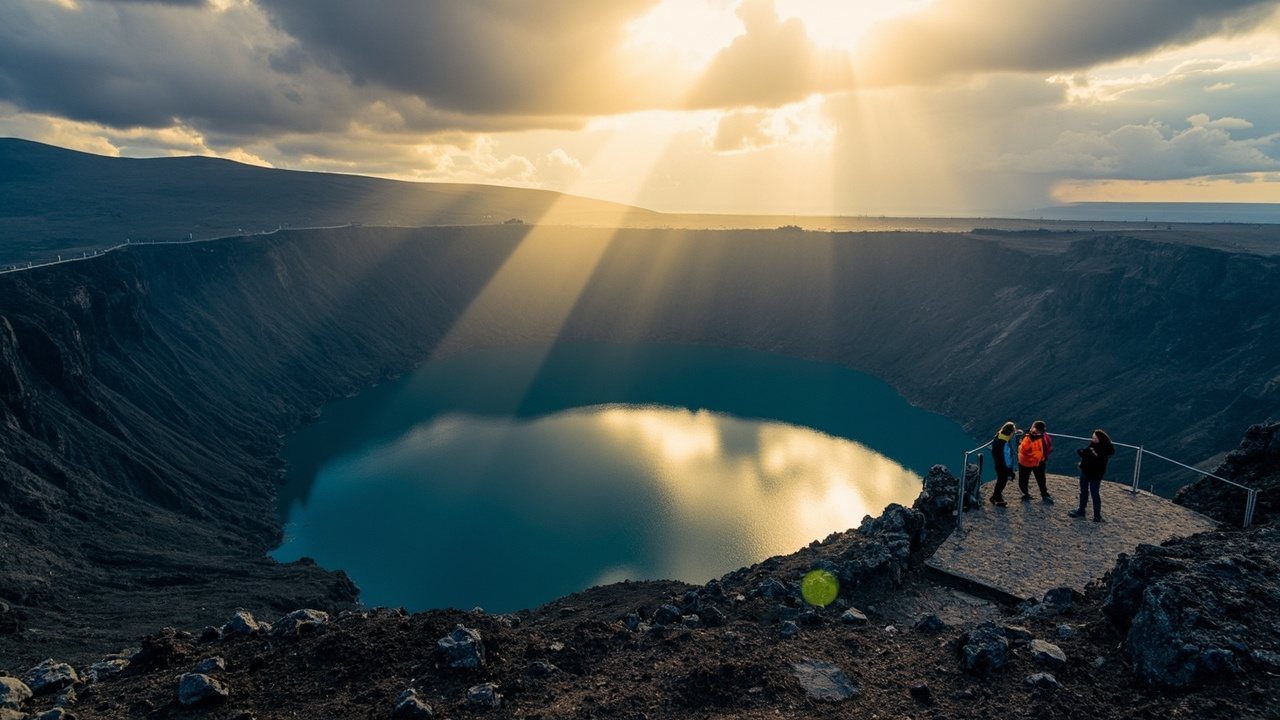
The cab driver on the way from Changchun Airport looked at me in the rearview mirror and asked, in broken English, if I was going to see the “sky lake.” I nodded. He laughed and said something to himself in Mandarin that I later learned translated roughly to “another one.” He wasn’t mocking me. He was amused that foreigners keep making the same pilgrimage he’d made a dozen times himself, to a volcanic crater lake that sits so high in the mountains that the Chinese call it Tianchi, the Lake of Heaven.
I’ve been to China more than forty times over the past seven years, and I still think Changbai Mountain is one of the most underrated destinations in the entire country. Everyone does Beijing, Xi’an, and Shanghai. Almost nobody does the northeast. That’s a mistake. This is a place where you can stand on a border between two countries, look down at a caldera lake that’s over 370 meters deep, and genuinely feel like you’ve left the planet for a few hours.
This guide covers everything a first-time visitor needs: how to get there, when to go, what it costs, and the specific mistakes I made so you don’t have to repeat them.
Quick answer
Changbai Mountain Heaven Lake is a volcanic crater lake on the China-North Korea border in Jilin Province, reachable via Changbaishan Airport (NBS) or a 4-5 hour train ride from Changchun. The main cost is roughly $100-150 USD (CNY 700-1,050) for park entry, shuttle buses, and transport from the nearest town. The best time to visit is September for clear skies, though you should expect a 30-40% chance of seeing the lake clearly on any given day, even in peak season.
The Short Version
If you only have 90 seconds, here’s the truth: Changbai Mountain is worth the hassle, but only if you’re flexible with your schedule. The lake is famous for being hidden by clouds roughly 60% of the time. You need at least two days on the mountain to give yourself a real chance. Go in September, book a hotel in Erdaobaihe town, and pay the extra for the western slope’s cable car if you want the easiest route to the top. Skip the border tour. It’s overpriced and the border itself is just a fence.
How I Picked These
I’ve made three trips to Changbai Mountain since 2019, including one in late September that finally delivered the clear-day view I’d been chasing. I’ve hiked the western slope’s 1,400 wooden steps, taken the eastern slope’s shuttle bus, and spent a frustrating afternoon on the northern slope when the clouds never lifted. I’ve also talked to local guides, hotel owners in Erdaobaihe, and a Korean-Chinese restaurant owner whose family has lived in the region for three generations. This guide combines my own experiences with what those locals told me, plus the practical logistics I’ve learned the hard way.
Comparison Table
| Rank | Place | Best For | Approx Cost (USD) | Time Needed | When to Go |
|---|---|---|---|---|---|
| 1 | Northern Slope (North Gate) | Classic views, most facilities | $60-80 (CNY 420-560) | Full day | Sep-Oct |
| 2 | Western Slope (West Gate) | Easiest lake access, cable car | $70-90 (CNY 490-630) | Full day | Jun-Sep |
| 3 | Changbai Waterfall | Short hike, hot springs | Included in north slope ticket | 2-3 hours | Year-round |
| 4 | Underground Forest | Easy forest walk, no crowds | Included in north slope ticket | 1-2 hours | Jun-Oct |
| 5 | Erdaobaihe Town | Base town, food, hot springs | Free (hot springs $15-30) | 1-2 days | Any |
| 6 | Heaven Lake from North Peak | The classic viewpoint | Included in north slope ticket | 1-2 hours | Sep |
| 7 | Changbai Mountain Museum | History, geology context | $5 (CNY 35) | 1-2 hours | Any |
| 8 | Rime Island (Wusong Island) | Winter ice and snow scenes | $10 (CNY 70) | Half day | Dec-Feb |
| 9 | Korean Folk Village | Cultural immersion | Free | 2-3 hours | Any |
| 10 | Southern Slope | Wildest, least crowded | $80-100 (CNY 560-700) | Full day | Jul-Sep |
Changbai Mountain Heaven Lake: The Complete 2026 Guide
1. Northern Slope (North Gate) - The Classic Route Everyone Takes
The first time I went to the northern slope, I made the mistake of thinking I could just show up and figure it out. The parking lot at the gate was chaos, with tour groups from all over China jostling for position. I stood in line for 40 minutes just to buy a ticket, then another 20 minutes for the shuttle bus. By the time I reached the top, the clouds had already rolled in. I saw nothing but gray.
The northern slope is the most popular route for good reason. It’s the most developed, with the most facilities, and it’s the only slope that gives you access to the waterfall and hot springs in the same visit. But that popularity means crowds, especially in July and August when Chinese school holidays peak.
The key to the northern slope is going early. The park opens at 7:30 AM in summer, and the shuttle buses start running immediately. If you’re at the gate by 7:00 AM, you’ll be among the first group to reach the top, which gives you the best chance of clear skies before the afternoon clouds form. The shuttle ride takes about 40 minutes to the main transfer point, then you switch to a smaller van for the final 20-minute climb to the summit viewpoint.
Ticket prices for 2026 are approximately $25 USD (CNY 175) for the park entrance, plus $20 USD (CNY 140) for the shuttle buses. The small van to the summit costs an additional $10 USD (CNY 70). Total for the northern slope experience: around $55-65 USD (CNY 385-455) per person.
Location: North Gate, Chibei District, Antu County, Yanbian Korean Autonomous Prefecture Entry fee: $25 USD (CNY 175) park entrance, plus shuttle fees Opening hours: 7:30 AM - 5:00 PM (summer), 8:00 AM - 4:00 PM (winter), closed during extreme weather Getting there: From Erdaobaihe, take the public bus (30 minutes, $2 USD / CNY 14) or taxi ($15 USD / CNY 105) to the North Gate When to visit: September weekdays, arrive before 7:00 AM Insider tips: Buy tickets online in advance through the official WeChat mini-program to skip the ticket line. Bring your passport, not just a photo of it. The summit is about 2,600 meters above sea level, so take it slow if you’re not used to altitude. The weather changes fast, so bring a rain jacket even on sunny days.
I met a retired Korean-Chinese man named Mr. Kim at the summit viewpoint who told me he’d been coming to the mountain every September for 15 years. He’d seen the lake clearly exactly seven times. He laughed when I asked about the odds.
2. Western Slope (West Gate) - The Easier Way Up
The western slope is where I finally saw the lake in all its glory, and I’ll be honest, I almost cried. Not because it was beautiful, though it was. Because I’d been chasing this view for three years, and suddenly there it was: a massive blue-black pool of water ringed by volcanic cliffs, with the border fence running along the far shore like a thin scar.
The western slope is easier for most visitors because you don’t have to climb 1,400 steps like you do on the northern slope’s summit trail. Instead, there’s a cable car that takes you most of the way up, and then it’s a short walk to the viewing platform. The stairs are still there if you want to walk, and honestly, the walk is more rewarding. But the cable car is the practical choice for most people.
The downside of the western slope is that it’s less developed. There’s no waterfall or hot springs on this side, so it’s a single-purpose visit. But the views of the lake are arguably better because you’re looking at it from a more direct angle, and the crowds are noticeably thinner than the northern slope.
The western slope also has something the northern slope doesn’t: a massive alpine meadow on the way up, covered in wildflowers from June to August. It’s a surreal sight, a carpet of purple and yellow flowers stretching across a volcanic plateau.
Entry fee: $25 USD (CNY 175) park entrance, plus $15 USD (CNY 105) for the cable car Opening hours: 7:30 AM - 5:00 PM (summer), closed in winter (usually November to April) Getting there: From Erdaobaihe, it’s a 40-minute drive to the West Gate. Public buses run daily in summer ($3 USD / CNY 21), or take a taxi ($20 USD / CNY 140) When to visit: June-September, weekday mornings Insider tips: The cable car stops running at 4:30 PM, so don’t leave your summit visit too late. The stairs have rest platforms every 100 steps, which sounds unnecessary until you’re at step 800. Bring cash, because the card readers at the West Gate sometimes don’t work. The meadow is best in late June when the flowers are at their peak.
My mistake on this visit was wearing thin sneakers. The volcanic gravel on the summit path chewed through them, and I spent the rest of the day walking like I had blisters on my blisters.
3. Changbai Waterfall and Hot Springs - Worth the Side Trip
The waterfall is not the main event, but it’s a worthy addition to any northern slope visit. It’s a 68-meter drop, which sounds modest, but the setting is what makes it special. The water comes directly from Heaven Lake, flowing through a volcanic gorge before plunging over the cliff. The sound is a low rumble that you feel in your chest before you see the water.
The hot springs are right next to the waterfall, and they’re a strange sight. Steam rises from pools of water that are so hot they’re literally boiling, and the mineral deposits have stained the rocks orange and yellow. There’s a boardwalk that takes you right past the springs, and you can buy a boiled egg cooked in the spring water from a stall at the end. The eggs are $1 USD (CNY 7) each, and they have a sulfurous taste that’s an acquired thing. I didn’t acquire it.
The walk from the shuttle bus stop to the waterfall is about 30 minutes each way on a flat, paved path. It’s an easy walk, and the views of the volcanic landscape along the way are worth the detour even if you skip the waterfall itself.
Location: Northern slope, about 2 km from the main shuttle transfer point Entry fee: Included in the northern slope park ticket Opening hours: Same as the park (7:30 AM - 5:00 PM summer) Getting there: From the main shuttle transfer point on the northern slope, follow the paved path toward the waterfall When to visit: Any time the park is open, but early morning is less crowded Insider tips: The boiled eggs are a tourist trap, but a cheap one. Try them once for the experience. The path is wheelchair accessible, which is rare for this park. The hot springs area gets crowded by 10 AM, so go before that. The waterfall is best photographed from the bridge, not the main viewing platform.
I watched a Chinese tourist try to touch the hot spring water and immediately pull his hand back with a yelp. The water is around 80 degrees Celsius, which is hot enough to cause serious burns.
4. Underground Forest - The Quiet Surprise
I almost skipped this one. I’m glad I didn’t. The Underground Forest is a section of the park where the ground suddenly drops away, revealing a valley filled with ancient trees that have been growing there for centuries. The name is misleading, though. It’s not a forest underground. It’s a forest at the bottom of a massive sinkhole, and you view it from a boardwalk along the rim.
The walk is flat and easy, about 1.5 kilometers round trip, and it takes you through a section of the park that most visitors rush past on their way to the summit. The trees are massive, with trunks that would take three people holding hands to circle. The air is noticeably cooler and more humid down in the valley, and the light filters through the canopy in a way that makes everything look green and soft.
This is the place to go if you want to escape the crowds. On my last visit, I saw maybe ten other people on the entire trail. Everyone else was heading to the summit or the waterfall. The Underground Forest is the park’s best-kept secret, and I’m honestly a little annoyed that I’m sharing it.
Location: Northern slope, about 15 minutes by shuttle from the main transfer point Entry fee: Included in the northern slope park ticket Opening hours: Same as the park Getting there: Take the shuttle bus from the main transfer point to the Underground Forest stop When to visit: Mid-morning, after the summit crowds have passed Insider tips: The boardwalk can be slippery after rain, so wear shoes with grip. There are no food stalls on this trail, so bring water and snacks. The best photos are from the first viewing platform, where you can see the forest canopy below. The trail takes about 45 minutes at a leisurely pace.
A Korean-Chinese grandmother was walking the trail ahead of me, and she stopped to point at a bird I couldn’t see. She said something in Korean that I didn’t understand, but she smiled, and I smiled back. That was the whole interaction, and it was enough.
5. Erdaobaihe Town - Your Base Camp
Erdaobaihe is not a beautiful town. It’s a functional town that exists to serve visitors to Changbai Mountain, and it wears that purpose on its sleeve. There are hotels, restaurants, and souvenir shops, all arranged along a main street that’s busy from morning to night during the tourist season. But it’s also a genuinely pleasant place to spend a day or two, especially if you like Korean food.
The town is in the Yanbian Korean Autonomous Prefecture, which means there’s a significant Korean-Chinese population. The food reflects that. You’ll find Korean barbecue, kimchi stew, and cold noodles that are better than anything I’ve had in Seoul. The restaurants are mostly family-run, and the owners are usually happy to explain the menu if you show them a translation app.
The town also has a hot spring district, where several hotels offer private baths fed by the same geothermal water that powers the springs on the mountain. A soak costs $15-30 USD (CNY 105-210) depending on the hotel, and it’s the perfect way to recover after a day on the mountain.
Location: Antu County, Yanbian Korean Autonomous Prefecture, Jilin Province Entry fee: Free (hot springs cost extra) Opening hours: 24/7, but most restaurants close by 9 PM Getting there: From Changbaishan Airport, take the airport shuttle bus ($5 USD / CNY 35, 30 minutes). From Changchun, take the high-speed train to Dunhua Station, then a bus or taxi to Erdaobaihe (2 hours total) When to visit: Any time, but September and October have the best weather Insider tips: Book your hotel in advance during September and October, as rooms fill up fast. The town’s main street has ATMs, but they sometimes run out of cash on weekends. Most restaurants accept WeChat Pay and Alipay, but some smaller ones only take cash. The hot spring hotels are worth the splurge, especially after a long day on the mountain.
I ate at a Korean restaurant called “Grandma’s Kitchen” (the English name on the sign, I promise) and had a bowl of naengmyeon, cold buckwheat noodles in a tangy broth. The owner’s daughter, who spoke some English, told me her grandmother had been making the same recipe for 50 years.
6. Heaven Lake from North Peak - The View That Makes It All Worth It
The north peak viewpoint is the highest point accessible to visitors on the northern slope, and it’s where you’ll get the classic postcard view of Heaven Lake. The lake is enormous, about 9.8 kilometers around, and it sits in the caldera of a volcano that last erupted in 1702. The water is so deep that it appears almost black in the center, fading to a deep blue at the edges.
The problem is that you might not see it. The lake is famous for being hidden by clouds, and the weather can change in minutes. I’ve been to the summit three times, and I’ve seen the lake clearly exactly once. The other two times, I stood in fog and wind, staring at a wall of gray.
When you do see it, it’s worth every minute of waiting. The lake is surrounded by volcanic cliffs that rise straight up from the water, and on a clear day, you can see the border fence running along the far shore. North Korea controls the southern half of the lake, and you can see their observation posts if you look carefully.
Location: North Peak, northern slope of Changbai Mountain Entry fee: Included in the northern slope park ticket, plus $10 USD (CNY 70) for the summit van Opening hours: Same as the park, but the summit van stops running at 4 PM Getting there: From the main shuttle transfer point, take the small van to the summit When to visit: September weekdays, before 10 AM Insider tips: The summit is windy, so bring a windbreaker even in summer. The viewing platform is crowded, but there’s a less-crowded spot about 100 meters down the trail to the right. Don’t rush. The clouds can clear in seconds, and if you leave too early, you’ll miss it. The altitude is about 2,600 meters, so take it slow.
I watched a group of Chinese tourists cheer when the clouds parted and the lake appeared. It was the kind of moment that makes you understand why people keep coming back to this mountain, year after year, hoping for the same thing.
7. Changbai Mountain Museum - The Context You Didn’t Know You Needed
I usually skip museums. I find them dry and boring, and I’d rather spend my time outside. But the Changbai Mountain Museum is worth an hour of your time, especially if you’re visiting the mountain for the first time.
The museum covers the geology of the volcano, the history of the region, and the wildlife that lives in the surrounding forest. There’s a section on the 1702 eruption that uses interactive displays to show how the caldera formed, and another section on the Korean-Chinese community that has lived in the area for generations.
The museum is small, so you can see everything in about an hour. The English signage is limited, but the displays are visual enough that you can get the gist without reading every label. There’s also a short film about the mountain that runs every hour, and it’s worth watching even if you don’t understand the Chinese narration.
Location: Erdaobaihe town center, about 500 meters from the main bus station Entry fee: $5 USD (CNY 35) Opening hours: 9 AM - 4 PM, closed Mondays Getting there: Walk from anywhere in Erdaobaihe town center When to visit: Rainy days, when the mountain is closed Insider tips: The museum is a good place to wait out bad weather, since it’s indoors and dry. The gift shop sells postcards and books about the mountain that are better quality than the ones at the park gates. The museum staff are friendly and will try to help even if they don’t speak English.
The museum’s director, a woman in her 50s who spoke some English, told me that the mountain is considered sacred by the Manchu people, who believe it’s the birthplace of their ancestors. She said it with a reverence that made me understand why the Chinese call it the “Lake of Heaven.”
8. Rime Island (Wusong Island) - Winter’s Hidden Gem
If you’re visiting in winter, which I recommend only if you’re prepared for serious cold, Rime Island is the place to go. It’s a small island in the Songhua River, about 30 minutes from Erdaobaihe, and it’s famous for a natural phenomenon called rime ice.
Rime ice forms when the river water, which stays relatively warm in winter, meets the cold air and creates fog. The fog freezes on the trees, coating them in a layer of ice crystals that glisten in the morning light. The effect is like something out of a fairy tale, and it only happens under specific conditions, usually between late December and February.
The island is small, and you can walk around it in about an hour. The best time to visit is early morning, before the sun melts the ice. By 9 AM, the rime starts to fall off the trees, and by 10 AM, it’s mostly gone.
Location: Songhua River, about 30 minutes from Erdaobaihe Entry fee: $10 USD (CNY 70) Opening hours: 24/7, but best before 9 AM Getting there: Take a taxi from Erdaobaihe ($15 USD / CNY 105, 30 minutes) When to visit: Late December to February, between 6 AM and 9 AM Insider tips: Dress in layers, because the temperature can drop to -20 degrees Celsius. The rime is weather-dependent, so check with your hotel before making the trip. There’s a small village on the island where you can buy hot drinks and snacks. The ice crystals are delicate, so don’t touch them, they’ll fall off the trees.
I went in January, and my phone battery died within 20 minutes of being outside in the cold. I learned later that you should keep your phone in an inner pocket, close to your body heat, to preserve the battery.
9. Korean Folk Village - A Cultural Detour
The Korean Folk Village is a bit of a tourist attraction, but it’s also a genuine look at the culture of the Korean-Chinese community that has lived in this region for over a century. The village has traditional Korean houses, with their distinctive curved roofs and heated floors, and there are demonstrations of traditional crafts like paper-making and calligraphy.
The best part, though, is the food. The village has a restaurant that serves traditional Korean dishes, and the kimchi is made on-site. I had a bowl of bibimbap that was so good I went back the next day for lunch again. The owner, a woman in her 60s, was delighted that a foreigner was enjoying her food, and she gave me a free bowl of soup with my second meal.
The village is small, and you can see everything in a couple of hours. It’s not a must-see, but if you have extra time in Erdaobaihe, it’s a pleasant way to spend an afternoon.
Location: About 10 minutes from Erdaobaihe town center Entry fee: Free Opening hours: 9 AM - 5 PM Getting there: Walk or take a short taxi ride from Erdaobaihe When to visit: Any time, but the food is best at lunch Insider tips: The village is more authentic in the off-season, when there are fewer tourists. The crafts demonstrations are in Korean and Chinese, but you can watch without understanding. The restaurant accepts WeChat Pay and Alipay, but not credit cards. Try the makgeolli, a traditional Korean rice wine, if you’re feeling adventurous.
The owner’s daughter, who spoke English, told me that her family had lived in the area for four generations, and that her grandmother still spoke Korean as her first language. She said it with a mix of pride and sadness, like she was holding onto something that was slowly slipping away.
10. Southern Slope - The Wild, Uncrowded Alternative
The southern slope is the least visited of the four slopes, and it’s the one that feels most like a real adventure. The road to the southern slope is rough, and the facilities are minimal, but the views are arguably the best of any slope. You get a different angle on the lake, and you’re often the only person at the viewpoint.
The southern slope is only open from July to September, and even then, it can close at short notice due to weather. The road is unpaved for the last section, and the drive from Erdaobaihe takes about two hours. The park entrance is smaller, and there are no shuttle buses, so you need to have your own transport or hire a driver.
The payoff is a view of the lake that’s more intimate than the northern or western slopes. You’re closer to the water, and you can see the North Korean side of the lake more clearly. On my visit, I was the only person at the viewpoint for 20 minutes, which felt like a luxury after the crowds of the northern slope.
Location: Southern slope, about 2 hours from Erdaobaihe Entry fee: $30 USD (CNY 210) park entrance, plus transport costs Opening hours: 8 AM - 4 PM, July to September only Getting there: Hire a driver in Erdaobaihe ($50-80 USD / CNY 350-560, 2 hours each way) When to visit: August or September, on a clear day Insider tips: Check the weather forecast before making the trip, because the road can be dangerous in rain. Bring your own food and water, because there are no facilities on the southern slope. The border fence is closer here, and you can see North Korean guards if you look carefully. Don’t take photos of the guards, it’s not worth the trouble.
I stood at the southern slope viewpoint, alone, looking at the lake, and I understood why the Manchu people consider this mountain sacred. It’s a place that makes you feel small, in the best possible way.
FAQ summary
Changbai Mountain Heaven Lake is best visited in September for clear skies, with the northern slope being the most developed and popular route, and the western slope offering easier access via cable car. The total cost for a day trip is approximately $100-150 USD (CNY 700-1,050) including park entry, shuttle buses, and transport from Erdaobaihe town. The lake is visible only 30-40% of the time, so visitors should plan for at least two days on the mountain to maximize their chances. The nearest airport is Changbaishan Airport (NBS), about 30 minutes from Erdaobaihe, and the nearest major city is Changchun, about 4-5 hours away by train and bus.
FAQ
Q: Do I need a visa to visit Changbai Mountain in 2026? A: China’s visa-free policy for citizens of many countries, including the US, UK, and most of Europe, allows stays of up to 15 days without a visa through 2026. If you’re staying longer, you’ll need a standard tourist visa. Check the latest policy with your local Chinese embassy before booking.
Q: What’s the best time of year to see Heaven Lake? A: September is the best month, with clear skies and comfortable temperatures. June through August is also good, but it’s the rainy season and the lake is more likely to be hidden by clouds. Winter is beautiful but extremely cold, with temperatures dropping to -20 degrees Celsius.
Q: How do I get to Changbai Mountain from Beijing or Shanghai? A: The easiest way is to fly to Changbaishan Airport (NBS), which has direct flights from Beijing, Shanghai, and other major cities. From the airport, take the shuttle bus to Erdaobaihe town, about 30 minutes. Alternatively, take the high-speed train from Beijing to Changchun, then transfer to a bus or taxi to Erdaobaihe.
Q: Is it safe to visit Changbai Mountain as a solo traveler? A: Yes, it’s very safe. The park is well-maintained, and the main routes are crowded with other visitors. The biggest risks are weather-related, so check the forecast and dress appropriately. The altitude at the summit is about 2,600 meters, so take it slow if you’re not used to high elevations.
Q: Do I need to book tickets in advance? A: Yes, especially during September and October. You can buy tickets online through the official WeChat mini-program, which also lets you skip the ticket line at the park entrance. During peak season, the park can sell out for the day, so book at least a few days in advance.
Q: Can I use my credit card or do I need cash? A: Most places accept WeChat Pay and Alipay, but credit cards are rarely accepted. Set up WeChat Pay or Alipay before you arrive, and bring some cash as a backup. ATMs in Erdaobaihe sometimes run out of cash on weekends, so withdraw money in Changchun if you can.
Q: What should I pack for a visit to Changbai Mountain? A: Layers are essential. The temperature can vary by 10 degrees or more between the base and the summit. Bring a waterproof jacket, comfortable walking shoes, sunscreen, and a hat. In winter, add thermal layers, a heavy coat, gloves, and a scarf. Don’t forget your passport, you’ll need it for park entry.
The Honest Wrap-up
Changbai Mountain is not for everyone. If you’re looking for a polished, easy tourist experience with guaranteed views, this isn’t it. The lake is hidden by clouds more often than not, the facilities are basic compared to other Chinese attractions, and the journey from major cities takes time and planning. But if you’re willing to be flexible, to wait for the clouds to clear, and to accept that you might not see the lake at all, this is one of the most rewarding places in China.
The mountain rewards patience. It rewards the traveler who stays an extra day, who goes to the western slope when the northern slope is cloudy, who trusts that the weather will eventually turn. And when it does, when the clouds part and the lake appears, you’ll understand why people have been making this pilgrimage for centuries.
My final advice: give yourself two days, book a hotel in Erdaobaihe, and don’t stress about the weather forecast. The mountain will do what it wants. Your job is just to be there when it decides to show itself.
Topics
More guides you may like

Top 10 Bridges in China
China's bridges are engineering marvels spanning mountains, rivers, and seas. Here are 10 of the most spectacular, from ancient stone to modern steel.
8 min read

Top 10 Buddhist Sites in China
From the Leshan Giant Buddha to the Dunhuang Caves, these 10 Buddhist sites represent 2,000 years of China's spiritual heritage.
9 min read

Top 10 Day Trips from Beijing You Shouldn't Miss
Beijing is packed with history, but some of China's best experiences are just a few hours away. Here are 10 day trips that will transform your visit.
9 min read

Top 10 Hidden Gems in China Off the Beaten Path
Beyond the Great Wall and Terracotta Warriors, China has incredible hidden destinations few tourists ever reach. Here are 10 underrated gems worth the detour.
9 min read

Top 10 Markets and Shopping Streets in China
From Shanghai's Bund to Beijing's Silk Street - 10 markets where foreigners can haggle, explore, and bring home authentic Chinese goods.
9 min read

Top 10 Museums in China You Shouldn't Miss
China's museums span 5,000 years of civilization. These 10 - from the Palace Museum to Xi'an's terracotta gallery - are unmissable for culture lovers.
9 min read