
Danxia Mountain Shaoguan: The Complete 2026 Guide
The bus dropped me at a dusty crossroads in northern Guangdong, and I remember thinking: this can't be it.
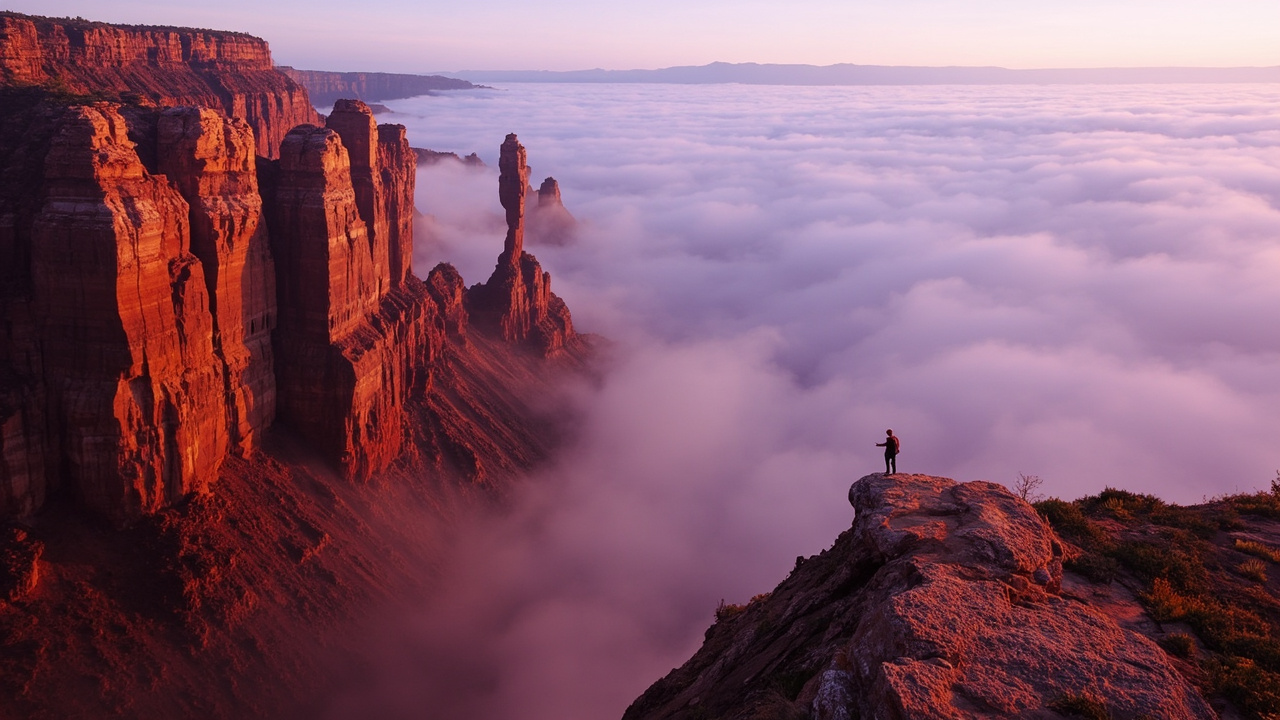
The bus dropped me at a dusty crossroads in northern Guangdong, and I remember thinking: this can’t be it. A few noodle shops, some scooters, a man selling oranges from a plastic crate. Then I walked fifty meters past the ticket gate, and the ground just fell away into a canyon of red rock the size of a small city. That first glimpse of Danxia Mountain - the sheer sandstone cliffs glowing like embers in the late afternoon - is still one of the most surprising travel moments I’ve had in seven years of living in China.
Danxia Mountain (丹霞山, Dānxiá Shān) is China’s namesake for an entire category of landscape. The term “danxia landform” - red-bed sandstone carved by water and wind into towers, mesas, and stone pillars - comes from this specific place. It’s a UNESCO Global Geopark about 50 kilometers northeast of Shaoguan city, and it’s one of the most underrated natural wonders in the country. Most international tourists skip it entirely, heading straight for Guilin or Zhangjiajie. That’s their loss.
This guide covers everything you need to know for a 2026 visit: how to get there from Shaoguan or Guangzhou, which of the park’s three main areas deserve your time, what the Yangyuan Stone and the “Sunset Ridge” actually look like in person, and the practical details that will save you from the mistakes I made. I’ve been twice now - once in October, once in April - and I’ve walked most of the main trails.
Quick answer
Danxia Mountain is a UNESCO Global Geopark near Shaoguan in northern Guangdong Province, known for its red sandstone peaks and the famous Yangyuan Stone. A day trip from Shaoguan costs about $30-$50 USD (CNY 220-360) per person including transport, entry, and food. The park is open year-round, but the best time to visit is October-November or March-April, when temperatures are mild and the light hits the red cliffs best. As of 2026, citizens of 38 countries including the US, UK, Canada, Australia, and most of Europe can enter China visa-free for up to 30 days, making this an easy add-on to a Guangdong itinerary.
The Short Version
If you only have 90 seconds: Danxia Mountain is worth a full day, not a rushed half-day. Stay in the village at the park entrance the night before, enter at 7:30 AM when the gates open, and hike the Yangyuan Stone trail first before the tour groups arrive. The cable car to the top is fine, but the real magic is on the trails below the ridgeline. Skip the “Sesame Peak” area unless you have a second day. Bring cash for the shuttle buses inside the park - WeChat Pay sometimes fails in the valley due to spotty signal.
How I Picked These
I’ve been to Danxia twice: once in October 2023 on a whim, and again in April 2025 to verify details for this guide. I stayed at a guesthouse in the village at the park’s south gate, hiked every major trail, took the shuttle buses, rode the cable car, and ate more local dishes than I should admit. I also talked to the ticket office staff, two shuttle bus drivers, and a retired geology teacher from Guangzhou who was sketching the rock formations. I’ve cross-checked prices and hours against the official park website and recent visitor reports. The recommendations below reflect what I actually did and saw, not what the promotional brochures claim.
Comparison Table
| Rank | Place | Best For | Approx Cost (USD) | Time Needed | When to Go |
|---|---|---|---|---|---|
| 1 | Yangyuan Stone Trail | The iconic view | $0 (included in entry) | 2-3 hours | Early morning |
| 2 | Sunset Ridge (Chuanshan) | Panoramic views | $0 (included) | 2 hours | Late afternoon |
| 3 | Zhanglao Peak Cable Car | Easy access to summit | $15 (CNY 110) round trip | 1-2 hours | Any time |
| 4 | Yinxing (Ginkgo) Valley | Fall colors | $0 (included) | 1-2 hours | November |
| 5 | Xianglong Lake | Quiet boat ride | $10 (CNY 70) boat | 1 hour | Morning |
| 6 | Shaoguan City | Local life, food | $10-$20 | Half day | Evening |
| 7 | Nanhua Temple | Buddhist history | $5 (CNY 35) | 2-3 hours | Any time |
| 8 | Shikong (Stone Hollow) Village | Traditional houses | Free | 1-2 hours | Any time |
| 9 | Danxia Geopark Museum | Geology background | Free | 30-45 min | Before hiking |
| 10 | Renhua Hot Springs | Post-hike relaxation | $20-$40 (CNY 150-300) | 2-3 hours | Evening |
Yangyuan Stone Trail - The One Everyone Photographs
I’ll be honest: I almost skipped this one. The photos online looked like every other red rock formation in China, and I assumed it would be crowded and overrated. I was wrong. The trail starts behind the main ticket area and climbs gently through bamboo forest before opening onto a wide viewing platform. The Yangyuan Stone - a 28-meter sandstone pillar that looks exactly like what its name suggests - stands across a small valley, and the morning light makes it glow a deep rust color.
The trail itself is about 3 kilometers round trip, mostly stone steps, and takes most people 2 to 3 hours at a relaxed pace. The first viewing platform gets crowded by 9 AM, but if you keep walking another 200 meters along the ridge, there’s a second platform where almost no one goes. That’s where I sat for twenty minutes, eating a packet of dried plums I’d bought at the village shop, watching the light move across the valley.
Location: Inside the main park area, starting from the Yangyuan Stone trailhead near the south gate Entry fee: Included in the main park ticket ($25 USD / CNY 180) Opening hours: Park gates open 7:30 AM - 6:00 PM; trails are accessible during park hours How to get there: From the park’s south gate, walk past the shuttle bus stop and follow the signs for “Yangyuan Stone” - the trailhead is about 200 meters past the Geopark Museum When to visit: Go at 7:30 AM opening time, or after 4 PM when tour groups have left Insider tips: The second viewing platform is 200 meters past the main one - most people miss it. Bring water; there are no shops on the trail. The stone steps get slippery after rain, so wear shoes with grip. If you’re fit, take the “long route” that loops around the back of the stone - it adds 40 minutes but gives you a completely different perspective. I met a retired couple from Chengdu who had driven eight hours just to see this one rock. They told me they’d been to Zhangjiajie, Huangshan, and Guilin, and this was their favorite. I’m still not sure I agree, but I understand the argument.
Sunset Ridge (Chuanshan) - Where the Locals Actually Go
The tour buses all head to the cable car. The locals head to Sunset Ridge. This is a series of exposed ridgelines on the western side of the park, accessed by a steep set of stairs that switchbacks up the cliff face. It’s a workout - about 1,500 steps by my count - but the payoff is a 360-degree view over the entire danxia landscape. On a clear day you can see the red towers stretching to the horizon in every direction.
I went at 4:30 PM and stayed until the sun dropped below the ridge around 6:15. The light turned the sandstone from red to orange to a deep purple, and I had the entire ridge to myself except for a group of university students from Guangzhou who were taking photos with a drone. The descent in the dark is not fun - bring a headlamp or your phone’s flashlight - but the experience was worth every step.
Location: Western side of the park, accessed from the shuttle bus stop at “Chuanshan” Entry fee: Included in the main park ticket Opening hours: Same as park hours; the trail takes 2-3 hours round trip How to get there: Take the shuttle bus from the south gate to the Chuanshan stop, then follow the signs for the trailhead - it’s a 10-minute walk from the bus stop When to visit: Late afternoon for sunset; avoid midday in summer when the exposed ridge has no shade Insider tips: The shuttle buses stop running at 5:30 PM, so if you stay for sunset, you’ll need to walk back to the south gate - it’s about 3 kilometers downhill. The last section of the ridge has a narrow section with chains on both sides; it’s safe but not for anyone with a serious fear of heights. Bring a headlamp if you’re staying for sunset. The best photo spot is not the highest point but a small ledge about 100 meters before it. I made the mistake of wearing running shoes with worn soles. On the way down, I slipped twice on loose gravel and spent the rest of the evening picking red dust out of my socks. Wear proper hiking shoes.
Zhanglao Peak Cable Car - The Easy Way Up
If you have limited time, limited fitness, or both, the cable car to Zhanglao Peak is the efficient option. It’s a 10-minute ride that lifts you from the valley floor to the park’s highest accessible point, where a short paved path leads to a viewing platform with a panoramic view of the entire geopark. The platform itself is nothing special - it’s a concrete circle with railings - but the view is genuinely spectacular.
The cable car costs $15 USD (CNY 110) round trip, which feels expensive until you realize you’re saving at least two hours of steep climbing. The line can be long on weekends and public holidays, so go early or late. The top of the peak is also where the park’s only proper restaurant is located, and the food is surprisingly decent for a tourist attraction - the stir-fried river shrimp with garlic is worth trying.
Location: Central area of the park, near the Zhanglao Peak shuttle bus stop Entry fee: $15 USD (CNY 110) round trip, or $8 USD (CNY 60) one way Opening hours: 8:00 AM - 5:30 PM, weather permitting How to get there: Take the shuttle bus from the south gate to the Zhanglao Peak stop, then walk 5 minutes to the cable car station When to visit: Early morning or late afternoon to avoid the crowds; the view is best in the morning when the air is clear Insider tips: The cable car sometimes stops running during thunderstorms, which are common in summer. Check the weather forecast before you go. If you’re fit, skip the cable car and hike the “999 Steps” trail that goes directly up the peak - it’s a brutal climb but much more rewarding. The restaurant at the top accepts WeChat Pay but the signal is weak, so bring cash as backup. I rode the cable car on my first visit and hiked on my second. The hike took me 55 minutes and left me breathless, but I saw a family of macaques playing in the trees halfway up. The cable car passengers missed that.
Yinxing (Ginkgo) Valley - Fall Colors Without the Crowds
Most international visitors to China who want autumn foliage head to Beijing’s Fragrant Hills or the ginkgo avenues of Nanjing. Danxia’s Yinxing Valley is the local alternative, and it’s almost completely unknown to foreigners. The valley is a small side canyon on the eastern edge of the park, planted with dozens of ancient ginkgo trees that turn a brilliant gold in late November.
The trees are massive - some are over 500 years old, with trunks that take three people to wrap their arms around. When the leaves fall, the ground becomes a carpet of yellow, and the red sandstone cliffs behind them create a color combination that photographs beautifully. The valley is also home to a small village where locals sell dried persimmons and ginkgo nuts, which are a regional specialty.
Location: Eastern edge of the park, about a 20-minute walk from the Xianglong Lake shuttle stop Entry fee: Included in the main park ticket Opening hours: Same as park hours How to get there: Take the shuttle bus to the Xianglong Lake stop, then follow the signs for Yinxing Valley - the path is well-marked and passes through a small forest When to visit: Late November for peak fall colors; the trees are green from April to October Insider tips: The ginkgo nuts sold in the village are bitter if eaten raw - roast them first. The valley is at its best in the early morning when the low sun filters through the leaves. The path from the shuttle stop is mostly flat and suitable for all fitness levels. If you’re visiting in spring, the valley is still worth a walk for the fresh green leaves, but it’s not the same experience. I bought a bag of dried persimmons from an elderly woman in the village and ate them on the walk back. They were chewy and sweet, like nothing I’ve had outside of China.
Xianglong Lake - A Quiet Boat Ride
The lake is not the reason anyone comes to Danxia, and that’s exactly why I liked it. It’s a narrow reservoir that snakes through a valley on the eastern side of the park, with red cliffs rising directly from the water. A small electric boat takes visitors on a 30-minute loop, and the guide points out rock formations that supposedly resemble various animals and historical figures. The Chinese commentary is enthusiastic and mostly lost on me, but the scenery needs no translation.
The boat costs $10 USD (CNY 70) and runs whenever enough passengers show up, which on a quiet weekday can mean waiting 20 minutes. The lake is at its best in the morning when the water is still and the cliffs reflect perfectly. In the afternoon, the boat’s wake and the wind create ripples that ruin the reflections.
Location: Eastern side of the park, near the Yinxing Valley trailhead Entry fee: $10 USD (CNY 70) per person for the boat ride Opening hours: 8:30 AM - 5:00 PM How to get there: Take the shuttle bus to the Xianglong Lake stop, then walk 5 minutes downhill to the boat dock When to visit: Morning for the calmest water and best reflections Insider tips: The boat is covered, so it’s a good option on a rainy day. The guide’s commentary is in Mandarin only, but you can ask for a printed English brochure at the dock. The last boat leaves at 4:30 PM, so don’t arrive late. If you’re on a budget, you can walk along the lakeshore instead - the path is free and offers similar views. I shared my boat with a group of middle-aged women from Shenzhen who were on a company retreat. They spent the entire ride taking group selfies and laughing at the guide’s jokes. I didn’t understand a word, but I laughed along anyway.
Shaoguan City - The Gateway You Shouldn’t Skip
Most visitors treat Shaoguan as a transit point, arriving by train and leaving for the mountain the same day. That’s a mistake. The city has a relaxed, slightly gritty character that I’ve come to appreciate on my visits. The old town along the Zhen River has a pedestrian street with food stalls, tea shops, and a night market that comes alive after 8 PM. The food is distinctly northern Guangdong - heavier on pork and pickled vegetables than the Cantonese cuisine of the Pearl River Delta.
The city’s main attraction is the Fengcai Tower, a Ming dynasty structure that stands at the old city’s center. It’s not worth a special trip, but it’s a pleasant 15-minute stop if you’re walking through the old town. The real reason to spend an evening in Shaoguan is the food: try the braised goose, the stuffed tofu, and the rice noodles that are a local specialty.
Location: Shaoguan city center, along the Zhen River Entry fee: Free to walk around; the Fengcai Tower has a small entrance fee of about $2 USD (CNY 15) Opening hours: The old town is always open; the tower is open 9 AM - 5 PM How to get there: From Shaoguan East Railway Station, take bus 1 or 2 to the Fengcai Tower stop, about 20 minutes. Taxis are cheap - a ride from the station to the old town costs about $3 USD (CNY 20) When to visit: Evening for the night market; the streets are quiet during the day Insider tips: The night market is busiest on weekends, but the best food stalls are the ones with the shortest queues - locals know which ones are good. The rice noodle shops along the river are open from early morning until late night. If you need to change money or buy a SIM card, Shaoguan has several banks and telecom shops near the railway station. The city is not set up for English speakers, so have your translation app ready. I ate at a noodle shop near the Fengcai Tower that had been in the same family for three generations. The owner, a woman in her sixties, insisted on teaching me how to eat the noodles properly - slurping loudly is apparently mandatory.
Nanhua Temple - A Buddhist Detour Worth the Effort
About 30 kilometers southwest of Shaoguan, Nanhua Temple is one of the most important Buddhist sites in southern China. It’s the home of the Sixth Patriarch Huineng, whose mummified body is said to be preserved in the main hall. The temple complex is large, with multiple courtyards, ancient trees, and a working monastery where monks still live and study. The atmosphere is genuinely peaceful, a world away from the tourist crowds at Danxia.
The temple is particularly significant for Chan (Zen) Buddhists, as Huineng is considered the founder of the Southern School of Chan. The architecture is classic southern Chinese temple style, with sweeping roofs and intricate carvings. The main hall is dimly lit and smells of incense and old wood. Visitors can light incense and pray, regardless of their religious background.
Location: Caoxi Town, Qujiang District, about 30 km southwest of Shaoguan city Entry fee: $5 USD (CNY 35) Opening hours: 8:00 AM - 5:30 PM daily How to get there: From Shaoguan East Railway Station, take bus 37 or a taxi (about $15 USD / CNY 100). Alternatively, take a high-speed train from Shaoguan to Caoxi Station, then walk or take a short taxi ride to the temple When to visit: Weekday mornings are the quietest; the temple gets busy with tour groups on weekends and Buddhist holidays Insider tips: The temple serves vegetarian meals in its dining hall at noon - it’s simple but authentic, and costs about $3 USD (CNY 20). Dress modestly: cover your shoulders and knees. Photography is allowed in the courtyards but not inside the main halls. The mummified body of Huineng is in a small shrine behind the main altar - you can see it if you approach respectfully. I arrived at the temple during a chanting session and stood at the back of the hall, listening to the monks’ voices echo off the wooden beams. I’m not a Buddhist, but I found the sound deeply calming.
Shikong (Stone Hollow) Village - A Step Back in Time
A few kilometers outside the park’s main entrance, Shikong Village is a cluster of traditional Hakka houses that have been preserved as a living museum. The village dates back to the Ming dynasty, and its narrow lanes, stone walls, and ancestral halls have changed little in centuries. A small stream runs through the village, and locals still wash clothes and vegetables in it, just as their ancestors did.
The village is not a major tourist attraction, which is precisely its appeal. You’ll likely have the place almost to yourself, except for a few elderly residents who will nod at you as you pass. The houses are built in the traditional Hakka style, with thick walls, small windows, and tiled roofs. Some are still occupied; others are abandoned and slowly being reclaimed by vines and moss.
Location: Shikong Village, about 5 km from the Danxia Mountain south gate Entry fee: Free Opening hours: Always open; the village is residential, so be respectful How to get there: From the Danxia Mountain south gate, walk or take a taxi (about $3 USD / CNY 20). The village is on the main road, so it’s easy to find When to visit: Morning or late afternoon, when the light is soft and the villagers are going about their daily routines Insider tips: The village has a small shop selling local honey and dried herbs - the honey is excellent and makes a great souvenir. Some of the old houses are open to visitors, but knock before entering. The villagers are used to curious visitors but appreciate a smile and a nod. If you’re lucky, you might see the village’s resident water buffalo being led through the streets. I stopped to watch an old man repairing a bamboo basket in his doorway. He didn’t speak any English, and my Mandarin is limited, but we managed to communicate through gestures and smiles. He offered me a cup of tea and a seat on his stool, and we sat in comfortable silence for ten minutes.
Danxia Geopark Museum - The Best Free Thing in the Park
Before you hit the trails, spend 30 minutes in the Geopark Museum near the south gate. It’s free, air-conditioned, and surprisingly well-done, with exhibits explaining the geology of the danxia landform. The displays include cross-sections of the rock layers, samples of the different sandstone types, and a timeline showing how the landscape formed over millions of years. There’s also a section on the local flora and fauna, including the park’s population of macaques and various bird species.
The museum’s English signage is limited but adequate, and the short film about the park’s formation is worth watching even if you don’t understand the Mandarin narration. The museum is a good way to understand what you’re about to see, and it’s also a welcome escape from the heat on a summer day.
Location: Near the south gate, a 5-minute walk from the ticket office Entry fee: Free (included in the park ticket) Opening hours: 8:30 AM - 5:00 PM How to get there: From the south gate, follow the signs for the museum - it’s impossible to miss When to visit: Before your first hike, or as a break in the middle of the day Insider tips: The museum has clean restrooms, which are better than the ones at the trailheads. The gift shop sells decent postcards and a few books about the park in English. The short film runs on a loop and is about 15 minutes long - it’s worth sitting through for the aerial footage of the park. I visited the museum on my second trip, after already seeing the main sights. The exhibits helped me understand what I’d been looking at, and I immediately wanted to go back and see everything again with new eyes.
Renhua Hot Springs - The Reward After a Long Hike
After a day of climbing stone steps, your legs will be screaming. The Renhua Hot Springs, about 20 kilometers north of the park, are the perfect remedy. The springs are a series of outdoor pools fed by natural hot water, set in a landscaped garden with views of the surrounding hills. The water is rich in minerals and is said to have therapeutic properties, though I can’t vouch for the science - I can vouch for how good it feels after eight hours of hiking.
The facility is modern and well-maintained, with separate pools at different temperatures, from a lukewarm 35°C to a properly hot 42°C. There’s also a cold plunge pool for the brave. The complex includes changing rooms, showers, and a restaurant serving simple Chinese food. It’s a popular weekend destination for locals, so weekdays are much quieter.
Location: Renhua County, about 20 km north of Danxia Mountain Entry fee: $20-$40 USD (CNY 150-300) depending on the package; private rooms cost extra Opening hours: 10:00 AM - 10:00 PM daily How to get there: From the Danxia Mountain south gate, take a taxi (about $20 USD / CNY 150) or a local bus from Shaoguan city When to visit: Evening, after a day of hiking; weekdays are quieter than weekends Insider tips: Bring your own towel and swimsuit - rentals are available but the quality varies. The hottest pool is usually the least crowded. The restaurant’s hot pot is a good post-soak meal. If you’re staying overnight, the attached hotel offers packages that include entry to the springs. I soaked in the hottest pool for twenty minutes, watching steam rise into the evening sky, and felt the day’s aches melt away. It was the best $25 I spent on the entire trip.
FAQ summary
Danxia Mountain is a UNESCO Global Geopark near Shaoguan in northern Guangdong, accessible by high-speed rail from Guangzhou in about 50 minutes. The main park ticket costs approximately $25 USD (CNY 180) and includes access to the Yangyuan Stone, Sunset Ridge, and Yinxing Valley, with additional fees for the cable car ($15 USD / CNY 110) and boat ride ($10 USD / CNY 70). The best time to visit is October-November or March-April, and the park is open daily from 7:30 AM to 6:00 PM. As of 2026, citizens of 38 countries can enter China visa-free for up to 30 days, making Danxia Mountain an easy addition to a southern China itinerary. The park has limited English signage, so a translation app is recommended, and visitors should bring cash as backup since mobile payment apps may not work reliably in the valley.
FAQ
Q: How do I get from Guangzhou to Danxia Mountain? A: Take the high-speed train from Guangzhou South Station to Shaoguan Station, which takes about 50 minutes and costs around $15 USD (CNY 110). From Shaoguan Station, take bus 1 or 2 to the Danxia Mountain shuttle, or take a taxi directly to the park’s south gate, about 45 minutes and $20 USD (CNY 150).
Q: Is Danxia Mountain worth visiting compared to Zhangjiajie or Guilin? A: Yes, if you want a less crowded, more intimate experience. Danxia lacks the towering karst peaks of Guilin and the glass bridges of Zhangjiajie, but it offers a unique red sandstone landscape that’s equally impressive and far less touristy. The park receives a fraction of the visitors of the other two.
Q: How much time do I need to see the main sights? A: One full day is enough to see the highlights: Yangyuan Stone, the cable car to Zhanglao Peak, and one of the ridge trails. If you want to add Yinxing Valley, the boat ride, and the museum, plan for a day and a half or two days.
Q: Do I need to book tickets in advance? A: Not usually, except during Chinese public holidays (Golden Week in October, Spring Festival, and May Day). During those periods, buy tickets online through the official WeChat mini-program or a platform like Trip.com. On regular weekends, you can buy at the gate.
Q: Is there food available inside the park? A: Yes, there are restaurants and snack stalls near the south gate, the cable car station, and the Zhanglao Peak summit. The food is basic but decent, with noodles, rice dishes, and snacks. Prices are slightly higher than in town, but not outrageous.
Q: What should I pack for a day at Danxia Mountain? A: Comfortable hiking shoes with good grip, at least 2 liters of water, sunscreen, a hat, and a light jacket for the early morning. In summer, expect heat and humidity; in winter, it can be surprisingly cold at higher elevations. A headlamp is useful if you plan to stay for sunset.
Q: Do I need a VPN and WeChat Pay for this trip? A: Yes, set up WeChat Pay or Alipay before you arrive, as many places in the park and Shaoguan don’t accept international credit cards. Download a VPN before you leave home if you want access to Google Maps, WhatsApp, and other blocked services. A local SIM card from China Mobile or China Unicom is cheap and works well in the area.
The Honest Wrap-up
Danxia Mountain isn’t the most famous landscape in China, and it’s not the easiest to reach. But that’s exactly why I keep coming back. The red cliffs, the quiet trails, the villages where time seems to move slower - it’s a reminder that China’s beauty isn’t only in its headline attractions. This guide is for the traveler who wants to see something real, who doesn’t mind a few stone steps, and who understands that the best moments often happen between the checkpoints on a map.
It’s not for anyone who wants luxury resorts, English-speaking guides, or a perfectly curated experience. The park is raw, the infrastructure is basic, and you’ll need to be self-sufficient. But if you’re willing to put in the effort, Danxia will reward you with one of the most striking landscapes you’ll ever see.
My final advice: go early, go slow, and don’t try to see everything. Pick one trail, walk it at your own pace, and sit for a while when you reach the top. The view will still be there when you open your eyes.
Topics
More guides you may like
Top 10 Bridges in China
China's bridges are engineering marvels spanning mountains, rivers, and seas. Here are 10 of the most spectacular, from ancient stone to modern steel.
8 min read

Top 10 Buddhist Sites in China
From the Leshan Giant Buddha to the Dunhuang Caves, these 10 Buddhist sites represent 2,000 years of China's spiritual heritage.
9 min read
Top 10 Day Trips from Beijing You Shouldn't Miss
Beijing is packed with history, but some of China's best experiences are just a few hours away. Here are 10 day trips that will transform your visit.
9 min read
Top 10 Hidden Gems in China Off the Beaten Path
Beyond the Great Wall and Terracotta Warriors, China has incredible hidden destinations few tourists ever reach. Here are 10 underrated gems worth the detour.
9 min read
Top 10 Markets and Shopping Streets in China
From Shanghai's Bund to Beijing's Silk Street - 10 markets where foreigners can haggle, explore, and bring home authentic Chinese goods.
9 min read
Top 10 Museums in China You Shouldn't Miss
China's museums span 5,000 years of civilization. These 10 - from the Palace Museum to Xi'an's terracotta gallery - are unmissable for culture lovers.
9 min read