
Mount Kailash Pilgrimage: The Complete 2026 Guide
The cab driver in Lhasa looked at me in the rearview mirror and laughed. Not a mean laugh, but the kind you get when you say something profoundly naive.
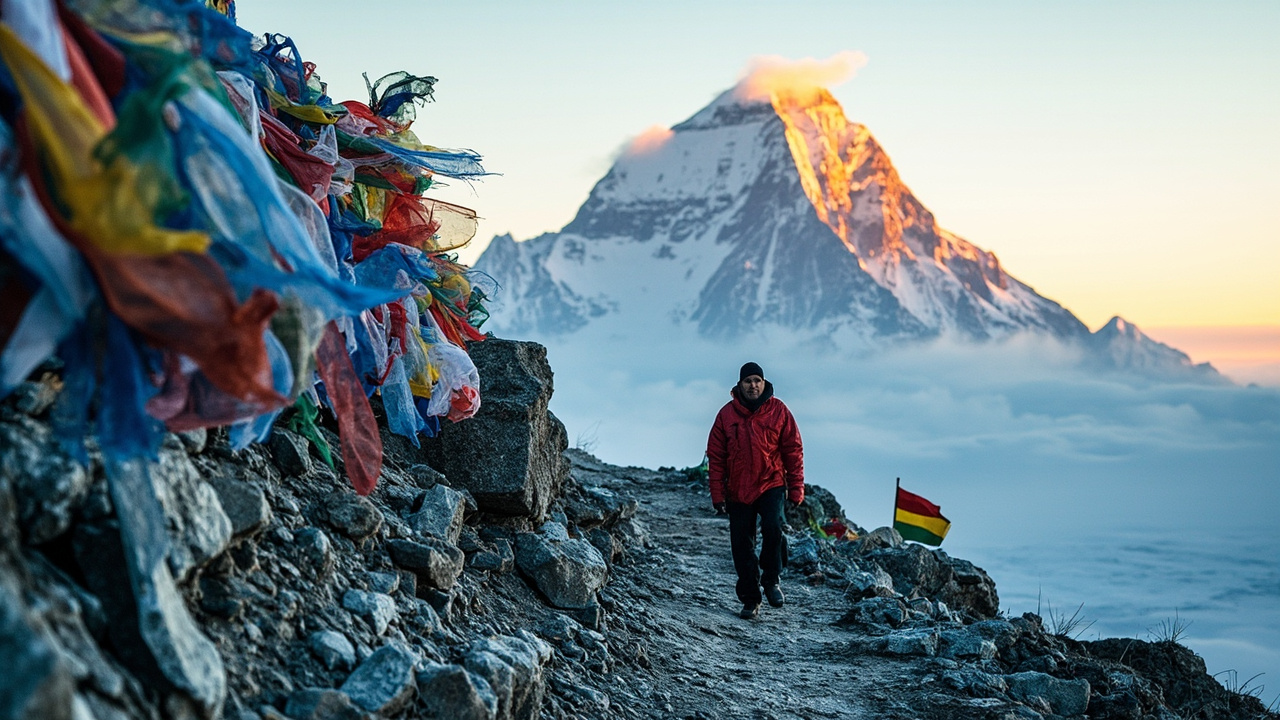
The cab driver in Lhasa looked at me in the rearview mirror and laughed. Not a mean laugh, but the kind you get when you say something profoundly naive. I had just told him I planned to “pop over” to Mount Kailash for the weekend. He shook his head, still chuckling, and said something in Tibetan that his cousin, who spoke a little Mandarin, translated as: “He says you will go, but Kailash will decide when you come back.”
He wasn’t wrong. The mountain doesn’t care about your itinerary.
Mount Kailash is not like the Great Wall or the Terracotta Warriors. It’s not a place you visit. It’s a place you submit to. At 6,638 meters (21,778 feet), it isn’t even the tallest peak in the region, but no one climbs it. It’s considered the physical manifestation of Mount Meru in Hindu, Buddhist, Jain, and Bon traditions, and the 52-kilometer (32-mile) kora around its base is one of the most sacred pilgrimages on Earth. For international travelers, it’s also one of the most logistically demanding trips in China, requiring permits, high-altitude endurance, and a serious tolerance for bumpy roads.
This guide is built from two trips I made in 2023 and 2025, plus dozens of conversations with pilgrims, guides, and truck drivers who know this route better than any map. I’ll tell you exactly what it costs, how to get there, what to pack, and where the real challenges hide. I’ll also tell you which parts I think are overhyped and which moments genuinely stopped me in my tracks.
Quick answer
Mount Kailash is a sacred peak in far-western Tibet’s Ngari Prefecture, accessible only with a Chinese Tibet Travel Permit plus a special Alien Travel Permit for the Ngari region. The full kora (circumambulation) takes 3 days and covers 52 kilometers at altitudes between 4,600 and 5,650 meters (15,100-18,500 feet). Expect to budget $1,500-$2,500 (CNY 10,800-18,000) per person for a 10-14 day trip from Lhasa, including permits, transport, guides, and basic accommodation. The best season is May through September, with July and August being the warmest but also the wettest.
The Short Version
If you only have 90 seconds, here’s the truth: this is not a casual add-on to a China trip. You need at least 10 days, ideally 14, and you need to be genuinely fit at altitude. The kora itself is brutally beautiful, but the real challenge is the drive, which is 1,600 kilometers (1,000 miles) from Lhasa over some of the worst roads in China. Book through a licensed Tibetan travel agency, get your permits sorted at least a month in advance, and don’t skip the acclimatization days in Lhasa. If you’re not prepared for rough conditions and basic guesthouses, choose a different adventure.
How I Picked These
I’ve traveled through Tibet four times, and I’ve done the Kailash kora twice. The first time, in 2023, I went with a group of Israeli trekkers who had been planning the trip for two years. The second time, in 2025, I went solo with a guide named Tenzin who grew up in a village two hours from the mountain. Between those trips, I spent weeks in Lhasa, talked to dozens of pilgrims who had walked the kora 10, 20, even 30 times, and I’ve driven every section of the route from Lhasa to Darchen. I’ve made the mistakes, paid the overpriced noodle bowls, and slept in guesthouses where the walls were literally made of yak dung. Everything in this guide comes from those experiences, not from a press release.
Comparison Table
| Rank | Place | Best For | Approx Cost (USD) | Time Needed | When to Go |
|---|---|---|---|---|---|
| 1 | The Kora (Full Circuit) | The core pilgrimage experience | $0 (included in permit) | 3 days | May-Sep |
| 2 | Lake Manasarovar | Spiritual bathing, sunrise views | $0 (included in permit) | Half day | May-Sep |
| 3 | Darchen Base Town | Acclimatization, logistics | $30-50/night (CNY 216-360) | 1-2 days | May-Sep |
| 4 | Tarboche Flagpole | Start point, prayer flag ceremony | $0 | 1 hour | Saga Dawa (May/Jun) |
| 5 | Dirapuk Monastery | North face views, first night stop | $10-15 (CNY 72-108) | Overnight | May-Sep |
| 6 | Dolma La Pass | The highest point, spiritual climax | $0 | 3-4 hours crossing | May-Sep |
| 7 | Zutulpuk Monastery | Second night stop, cave meditation | $10-15 (CNY 72-108) | Overnight | May-Sep |
| 8 | Chuku Monastery | First day rest stop, tea houses | $5 (CNY 36) | 1-2 hours | May-Sep |
| 9 | Astapad (Tibetan: Nyenri) | Sacred rock formations, quiet trails | $0 | Half day | May-Sep |
| 10 | The Inner Kora | Advanced pilgrims only, 13th-century sites | $0 | 1 day | Jun-Sep |
1. The Kora (Full Circuit) - The walk that changes your knees forever
I remember standing at the Tarboche flagpole on my first morning, watching hundreds of pilgrims of every age and nationality start the same clockwise shuffle. An elderly Tibetan woman with a face like a walnut smiled at me and gestured that I should walk with her. For the first hour, she kept a pace that embarrassed me. She was 70 if she was a day, and I was 35 and struggling.
The kora is 52 kilometers (32 miles) of high-altitude walking, usually done over three days. Day one is a gentle 18 kilometers (11 miles) along the Lha Chu River valley, past Chuku Monastery and endless strings of prayer flags. Day two is the beast: a 12-kilometer (7.5-mile) climb to Dolma La Pass at 5,650 meters (18,500 feet), followed by a knee-destroying descent to Zutulpuk. Day three is a flat, almost boring 10 kilometers (6 miles) back to Darchen.
What no one tells you is that the walking is only half the challenge. The other half is the altitude, the sun, and the psychological weight of knowing you’re following a path that millions have walked before you. I cried at Dolma La, not from exhaustion but from the sheer accumulation of it all.
- Location: Circumambulation route around Mount Kailash, starting and ending in Darchen, Ngari Prefecture
- Entry fee: Included in the Alien Travel Permit (approximately $200/CNY 1,440 for the permit package)
- Opening hours: The trail is always open. There are no gates, no ticket booths, no closing times. The mountain doesn’t close.
- How to get there: From Darchen, the trailhead is a 20-minute walk west of town. Follow the dirt road past the security checkpoint until you see the giant flagpole. That’s the start.
- When to visit: May through September. July and August have the most pilgrims and the warmest weather, but also afternoon rain. May and June are drier but colder.
- Insider tips:
- Hire a yak or horse for day two if you’re worried about the climb. It costs about $50-80 (CNY 360-576) and is worth every yuan.
- Bring your own toilet paper. The “toilets” on the trail are holes in the ground with a view.
- Start day two at 4:00 AM. The climb is easier before the sun hits the rocks, and you’ll avoid the worst of the afternoon wind.
- Don’t drink the water from the streams without treating it. I met a German hiker who learned this the hard way.
- The tea houses along the route serve instant noodles and sweet tea. They’re not gourmet, but they’re lifesavers.
I walked the final stretch with a Tibetan monk who had done the kora 47 times. He told me that the mountain doesn’t care if you’re fast or slow, rich or poor. It only cares that you show up. I think about that a lot.
2. Lake Manasarovar - The water that forgives everything
The first time I saw Lake Manasarovar, I was coming over a pass in a Land Cruiser, and the driver stopped without saying a word. We all just sat there, watching the sun hit the water. It’s the highest freshwater lake in the world at 4,590 meters (15,060 feet), and it’s considered sacred in four religions. Hindus believe it was created by the god Shiva. Buddhists believe it’s the lake of the mind of the Buddha.
The water is impossibly clear, and on a calm day you can see the reflection of Kailash on its surface. Pilgrims bathe in it, despite the fact that the water temperature hovers around freezing even in summer. I dipped my hand in and felt my fingers go numb within seconds. A group of Indian pilgrims nearby were singing and splashing each other, seemingly immune to the cold.
The lake is about 90 kilometers (56 miles) south of Darchen, and most tour itineraries include a stop here before or after the kora. The drive takes about two hours on a decent dirt road. There’s a small guesthouse at Chiu Gompa, a monastery perched on a hill above the lake, where you can stay overnight if you want to catch sunrise.
- Location: Southern shore of Lake Manasarovar, approximately 90 km (56 miles) south of Darchen
- Entry fee: Included in the Alien Travel Permit
- Opening hours: Always open. The lake doesn’t close.
- How to get there: From Darchen, take the dirt road south toward Hor Qu. The drive takes 1.5-2 hours. Your tour driver will know the way.
- When to visit: May through September. The lake is most beautiful at sunrise and sunset, when the light turns the water gold and pink.
- Insider tips:
- Don’t skip the hot springs near Chiu Gompa. They’re basic, but soaking in 40-degree water at 4,500 meters is a surreal experience.
- The “beach” near Chiu Gompa is where most pilgrims enter the water. It’s rocky, so bring sandals.
- If you’re Hindu, this is the most important stop of your trip. If you’re not, it’s still worth the detour for the views alone.
- The guesthouse at Chiu Gompa has basic rooms for about $15 (CNY 108) per night. The shared toilets are an adventure.
I met a woman from Mumbai who had come to Manasarovar to scatter her mother’s ashes. She told me her mother had dreamed of this lake her whole life. We stood together in silence for a long time, watching the water.
3. Darchen Base Town - The last outpost before the mountain
Darchen is not a beautiful town. It’s a dusty collection of guesthouses, noodle shops, and souvenir stalls that exists for one reason: to serve pilgrims heading to Kailash. But it’s also the place where everything becomes real. You arrive here after two days of driving through some of the emptiest land on Earth, and suddenly you’re surrounded by pilgrims from India, Nepal, Bhutan, and every corner of Tibet.
The town sits at 4,575 meters (15,010 feet), which means you’ll feel the altitude the moment you step out of the car. I spent my first afternoon in Darchen lying on a hard bed in a guesthouse, watching the light change on the mountain through a dusty window. It wasn’t glamorous, but it was necessary.
Darchen has improved a lot since my first visit in 2023. There’s now a proper paved main street, a few decent restaurants serving both Tibetan and Chinese food, and even a small supermarket. The guesthouses range from basic dormitories at $10 (CNY 72) per night to slightly more comfortable private rooms at $40 (CNY 288). None of them are luxury, but they’re all clean enough.
- Location: Darchen village, Ngari Prefecture, at the foot of Mount Kailash
- Entry fee: None. You pay for accommodation and food.
- Opening hours: The town is always open, though most shops close by 9:00 PM.
- How to get there: Darchen is the end of the road. From Lhasa, it’s a 2-3 day drive via Shigatse and Saga. From Nepal, it’s a 3-4 day drive via Kerung border crossing.
- When to visit: May through September. The town is nearly empty in winter, when the mountain is covered in snow.
- Insider tips:
- Book your guesthouse in advance during July and August, when the town fills up with Indian pilgrims.
- The restaurant at the Kailash Hotel serves the best momos (dumplings) in town. The owner, a Tibetan woman named Dolma, has been there for 15 years.
- Buy your walking sticks and prayer flags in Darchen, not in Lhasa. They’re cheaper here and the quality is better.
- There’s a small clinic in town that can provide oxygen canisters and altitude sickness medication. It’s not a hospital, but it’s better than nothing.
- The public showers cost about $3 (CNY 22) and are worth it after the kora.
I ate dinner my first night in Darchen at a small restaurant run by a family from Sichuan. The owner’s son, a kid of about 12, was doing his homework at the counter while his mother cooked. He asked me in broken English if I was scared of the mountain. I said no. He laughed and said, “You should be.”
4. Tarboche Flagpole - Where the kora begins and ends
The Tarboche flagpole is a 20-meter (65-foot) pole wrapped in hundreds of layers of prayer flags, standing at the western edge of Darchen. It marks the official start of the kora, and it’s where pilgrims gather to say a prayer before beginning their walk. During the Saga Dawa festival in May or June, a new pole is erected in a ceremony that involves hundreds of pilgrims, a lot of shouting, and an enormous amount of butter tea.
I arrived at Tarboche on my second morning, still groggy from a bad night’s sleep, and found a group of Tibetan pilgrims already there, spinning prayer wheels and murmuring mantras. One of them, an old man with a face like a map of the Himalayas, offered me a handful of tsampa (roasted barley flour) and showed me how to toss it in the air as an offering. It felt like a small blessing.
The flagpole is also where you’ll see the most dramatic change in the mountain’s appearance. From Darchen, Kailash looks like a massive pyramid of rock. From Tarboche, it’s even more imposing, rising directly above you like a wall.
- Location: Western edge of Darchen, a 20-minute walk from the town center
- Entry fee: None
- Opening hours: Always open
- How to get there: Walk west from Darchen’s main street, past the security checkpoint, until you see the flagpole. It’s impossible to miss.
- When to visit: Any time, but the Saga Dawa festival in May or June is the most spectacular.
- Insider tips:
- Bring your own prayer flags to hang at the pole. You can buy them in Darchen for about $2 (CNY 14).
- The ceremony during Saga Dawa is chaotic and wonderful. If you’re there, stand back and watch.
- Don’t climb on the pole or touch the flags. It’s considered disrespectful.
I watched a group of Indian pilgrims take photos at Tarboche for a full 20 minutes, trying to get the perfect shot of the mountain behind them. The mountain didn’t seem to care. It just sat there, massive and indifferent.
5. Dirapuk Monastery - The north face that humbles you
Dirapuk Monastery sits at 4,980 meters (16,340 feet) on the north side of Kailash, and it’s where most pilgrims spend the first night of the kora. The guesthouse is basic, with dormitory beds in a stone building that’s been there for centuries. The toilets are a short walk away and they’re, well, an experience.
But the view. The view is why people come here. From Dirapuk, you can see the entire north face of Kailash, a sheer wall of rock and ice that rises 1,600 meters (5,250 feet) above the valley floor. I sat on a rock outside the monastery for an hour, just watching the light change on the mountain. The clouds moved constantly, and every few minutes the face would reveal itself in a different way.
The monastery itself is small but active, with a handful of monks who maintain the buildings and serve tea to pilgrims. There’s a small shrine inside with a statue of the Buddha, and the walls are covered in centuries-old murals that have faded to ghostly outlines.
- Location: North side of Mount Kailash, approximately 18 km (11 miles) from Darchen on the kora route
- Entry fee: None, but donations are welcome
- Opening hours: The monastery is open all day, but the guesthouse fills up fast in peak season
- How to get there: Walk the kora route from Darchen for 6-8 hours. There’s no road access.
- When to visit: May through September. The guesthouse is closed in winter.
- Insider tips:
- Book your bed at the guesthouse as soon as you arrive. The dormitory fills up quickly, and the floor is not a comfortable option at 5,000 meters.
- The tea house next to the guesthouse serves decent noodle soup and instant coffee. The coffee tastes like dirt, but it’s hot.
- Go outside at night. The stars above Kailash are the clearest I’ve ever seen.
- The monks at Dirapuk are happy to bless your prayer beads or flags. A small donation of $1-2 (CNY 7-14) is appropriate.
I shared a dorm room at Dirapuk with a French couple, a Korean monk, and a Tibetan family of five. The Korean monk had walked the kora 12 times. He told me that the first time, he cried at Dolma La. The twelfth time, he laughed. “The mountain is the same,” he said. “Only you change.”
6. Dolma La Pass - The highest point, the hardest climb
Dolma La is the moment of truth on the kora. At 5,650 meters (18,500 feet), it’s the highest point of the circuit, and the climb up to it is a brutal 800-meter (2,600-foot) ascent over loose rock and scree. The altitude hits you like a wall, and every step feels like you’re wading through concrete.
I started the climb at 5:00 AM with a headlamp, following a line of pilgrims who had left even earlier. The path is steep and rocky, and there are moments when you’re not sure if you’re on the trail or just following the person in front of you. About halfway up, I stopped to catch my breath and looked back. The valley below was still in shadow, but the first light was hitting the peaks to the east. It was one of those moments where you forget how miserable you feel.
The pass itself is marked by a huge cairn covered in prayer flags, and pilgrims traditionally leave something behind, a piece of clothing, a lock of hair, a stone from home. I left a small stone I’d carried from Lhasa. The descent on the other side is steep and rocky, and it’s where most people injure their knees. Take it slow.
- Location: Highest point of the kora route, between Dirapuk and Zutulpuk
- Entry fee: None
- Opening hours: Always open, but the climb is best done in the early morning before the wind picks up
- How to get there: From Dirapuk, follow the trail for 3-4 hours uphill. There’s no other way.
- When to visit: May through September. In winter, the pass is covered in snow and extremely dangerous.
- Insider tips:
- Hire a yak or horse for this section if you’re struggling. It costs about $50 (CNY 360) and is worth every dollar.
- Bring water and snacks. There are no tea houses on the climb.
- The wind at the pass is brutal. Wear a windproof jacket and a hat that covers your ears.
- Take your time at the top. Sit down, catch your breath, and look at the view. You’ve earned it.
I sat at the top of Dolma La for 20 minutes, watching pilgrims arrive one by one. Some were crying. Some were laughing. Some were just standing there, staring at the mountain. A Tibetan woman next to me was singing a prayer in a high, clear voice. I didn’t understand the words, but I understood the feeling.
7. Zutulpuk Monastery - The cave where a saint meditated
Zutulpuk Monastery, at 4,790 meters (15,720 feet), is the second night stop on the kora, and it’s associated with Milarepa, the famous 11th-century Tibetan poet-saint who meditated in a cave here. The monastery is built around the cave, and you can still see the imprint of Milarepa’s head in the rock, or so the monks will tell you.
The guesthouse at Zutulpuk is similar to Dirapuk, basic dormitory beds in a stone building, but the atmosphere is different. After the drama of Dolma La, the valley here feels almost peaceful. The mountain is behind you, and the trail ahead is flat and easy.
I arrived at Zutulpuk in the late afternoon, exhausted but elated. A group of Nepali pilgrims were having a small celebration in the courtyard, sharing tea and biscuits. They invited me to join them, and we sat there for an hour, not saying much, just watching the light fade on the valley walls.
- Location: South side of Mount Kailash, approximately 10 km (6 miles) from Darchen on the kora route
- Entry fee: None, but donations are welcome
- Opening hours: The monastery is open all day
- How to get there: From Dolma La, follow the trail downhill for 3-4 hours. From Darchen, it’s a 3-hour walk.
- When to visit: May through September
- Insider tips:
- Visit the cave shrine inside the monastery. It’s small and dark, but it’s the heart of the place.
- The tea house serves a surprisingly good thukpa (noodle soup) for about $3 (CNY 22).
- If you have energy left, walk up the hill behind the monastery for a view of the south face of Kailash.
- The monks here are friendly and happy to chat, though their English is limited. A translation app helps.
I met a young woman from Singapore at Zutulpuk who was doing the kora alone, which is unusual for a first-time pilgrim. She told me she had been planning the trip for three years, and that her mother had cried when she told her. “But I needed to do this,” she said. “I needed to prove to myself that I could.” I understood exactly what she meant.
8. Chuku Monastery - The first rest stop with a view
Chuku Monastery is the first major stop on the kora, about 8 kilometers (5 miles) from Darchen. It’s not as dramatic as Dirapuk or Zutulpuk, but it’s a welcome rest point on the first day, and it has one of the best views of the mountain’s south face.
The monastery itself is small, with a few monks and a beautiful prayer hall that’s been recently restored. The murals inside are vivid and well-preserved, depicting scenes from the life of the Buddha and various protective deities. There’s also a tea house next to the monastery that serves the best sweet tea on the route, or at least it tastes that way after a few hours of walking.
I stopped at Chuku on both my koras, and both times I found myself lingering longer than I planned. There’s something about the combination of the monastery, the tea, and the view that makes you want to sit and do nothing for a while.
- Location: South side of Mount Kailash, approximately 8 km (5 miles) from Darchen
- Entry fee: None, but donations are welcome
- Opening hours: The monastery and tea house are open during daylight hours
- How to get there: Walk the kora route from Darchen for 2-3 hours. There’s no road access.
- When to visit: May through September
- Insider tips:
- The tea house here has a small shop selling water, snacks, and instant noodles. Stock up if you need supplies.
- The monks are used to foreigners and will happily show you around the prayer hall.
- If you’re doing the kora in one day (which I don’t recommend), this is the best place for a lunch break.
I sat outside Chuku Monastery with a group of Tibetan pilgrims, sharing a thermos of sweet tea. One of them, a woman in her 50s, asked me where I was from. When I said America, she nodded and said something that her friend translated as: “America is far. But the mountain is closer than you think.” She wasn’t wrong.
9. Astapad (Nyenri) - The quiet side of the mountain
Astapad, also known as Nyenri in Tibetan, is a group of sacred rock formations on the south side of Kailash, about 5 kilometers (3 miles) from Darchen. It’s not part of the main kora route, so most pilgrims skip it, which is exactly why I recommend going.
The formations are said to be the footprints of various deities and saints, and they’re covered in prayer flags and small offerings. There’s a small monastery here, Nyenri Gompa, which is home to a handful of monks who live in near-total isolation. The views of Kailash from this side are different from anywhere else, more intimate somehow.
I visited Astapad on my second trip, on a rest day between the kora and the drive back to Lhasa. It was a quiet, contemplative afternoon, and I had the place almost entirely to myself. A monk at the monastery offered me a cup of butter tea and showed me the footprints, which are actually indentations in the rock that look vaguely like human feet.
- Location: South side of Mount Kailash, approximately 5 km (3 miles) from Darchen
- Entry fee: None
- Opening hours: Always open
- How to get there: From Darchen, walk south along the dirt road for about an hour. The formations are visible from the road.
- When to visit: May through September. The light is best in the late afternoon.
- Insider tips:
- This is a good place to visit if you have an extra day in Darchen and want to escape the crowds.
- The monks at Nyenri Gompa are very welcoming and will show you around if you ask.
- Bring water. There are no shops or tea houses here.
I spent an hour at Astapad sitting on a rock, watching the clouds move across the mountain. It was the most peaceful afternoon of my entire trip, and I almost didn’t tell anyone about it, because I wanted to keep it to myself.
10. The Inner Kora - For the truly committed
The Inner Kora is a shorter, more difficult circuit that follows the path of the 13th-century saint Milarepa, who is said to have walked this route while meditating. It’s not for beginners, and it’s not for anyone who’s not already acclimatized to the altitude. The trail climbs to over 5,800 meters (19,000 feet) and involves some scrambling over loose rock.
I attempted the Inner Kora on my second trip, with Tenzin as my guide. We started at dawn and were back in Darchen by late afternoon, but it was one of the hardest days of walking I’ve ever done. The views, though, were extraordinary. From the high points, you can see both Kailash and Lake Manasarovar, and the sense of being in a place that few people ever see is overwhelming.
The Inner Kora is not officially regulated, but it’s a good idea to go with a guide who knows the route. The trail is not marked, and it’s easy to get lost in the rocky terrain.
- Location: Inner circuit around Mount Kailash, starting and ending in Darchen
- Entry fee: None
- Opening hours: Always open, but the trail is impassable in winter
- How to get there: From Darchen, follow the trail south toward the mountain. Your guide will know the way.
- When to visit: June through September. The trail is safer when the snow has melted.
- Insider tips:
- Hire a guide. This is not a trail to attempt alone.
- Bring more water than you think you need. There are no tea houses on this route.
- The climb to the high point involves some scrambling. Wear sturdy boots with good grip.
- If you’re not confident at high altitude, skip this one. The main kora is already a significant challenge.
Tenzin told me that the Inner Kora is the path of the “crazy saints,” the ones who sought enlightenment through extreme physical hardship. “You don’t have to be crazy to walk it,” he said, “but it helps.” I’m not sure I found enlightenment, but I found something. I’m still not sure what.
FAQ summary
Mount Kailash pilgrimage requires a Tibet Travel Permit and an Alien Travel Permit for Ngari Prefecture, which must be arranged through a licensed Tibetan travel agency at least one month in advance. The full kora takes 3 days and covers 52 kilometers at altitudes between 4,600 and 5,650 meters, with the best season being May through September. Total trip costs from Lhasa typically range from $1,500 to $2,500 (CNY 10,800-18,000) per person for 10-14 days, including permits, transport, guide, and basic accommodation. The mountain itself is never climbed; pilgrims walk clockwise around it. Foreigners cannot travel independently in this region and must be accompanied by a guide.
FAQ
Q: Do I need a special permit to visit Mount Kailash? A: Yes. You need both a Tibet Travel Permit and an Alien Travel Permit for Ngari Prefecture. These must be arranged through a licensed Tibetan travel agency, and the process takes about 2-4 weeks. You cannot obtain these permits independently.
Q: How long does the full kora take? A: Most pilgrims complete the 52-kilometer (32-mile) circuit in 3 days. Day one is an easy 18 kilometers (11 miles) to Dirapuk, day two is the hard climb over Dolma La Pass to Zutulpuk, and day three is a flat 10 kilometers (6 miles) back to Darchen. Some very fit people do it in 2 days, but that’s not recommended.
Q: What is the best time of year to do the Kailash pilgrimage? A: The best season is May through September. July and August have the warmest weather but also the most rain and the largest crowds. May and June are drier and colder, with fewer pilgrims. The Saga Dawa festival in May or June is the most significant time for Tibetan pilgrims.
Q: How much does the whole trip cost? A: Expect to budget $1,500-$2,500 (CNY 10,800-18,000) per person for a 10-14 day trip from Lhasa. This includes permits, transport, guide, accommodation, and food. The permits alone cost about $200 (CNY 1,440). Flights to Lhasa and international flights are extra.
Q: Can I do the kora without a guide? A: Technically, no. Foreigners are required to have a guide in Tibet, and the guide must accompany you on the kora. In practice, your guide will walk with you or arrange to meet you at the overnight stops. You cannot walk the kora completely alone.
Q: How hard is the kora physically? A: The kora is challenging, mainly because of the altitude. The highest point, Dolma La Pass, is at 5,650 meters (18,500 feet), and the climb up to it is steep and rocky. If you’re fit and properly acclimatized, it’s manageable. If you’re not, it can be dangerous. Spend at least 3-4 days in Lhasa before heading to Kailash.
Q: What should I pack for the kora? A: Bring warm layers, a windproof jacket, sturdy hiking boots, sunscreen, sunglasses, a hat, and a water bottle. You can buy walking sticks, prayer flags, and snacks in Darchen. Don’t bring too much, because you’ll have to carry it all.
The Honest Wrap-up
This trip is not for everyone. If you’re looking for a comfortable vacation with nice hotels and easy logistics, Mount Kailash is not your place. The roads are rough, the guesthouses are basic, and the altitude will test you in ways you didn’t expect. But if you’re willing to trade comfort for something deeper, this is one of the most extraordinary places on Earth.
I’ve been to 60 countries, and I’ve never experienced anything quite like the kora. There’s a reason people have been walking this path for over a thousand years. It’s not just a hike. It’s a reckoning with yourself, your limits, and your place in the world.
If you’re thinking about going, my advice is simple: go. But go prepared, go humble, and go with an open heart. The mountain will do the rest.
Topics
More guides you may like
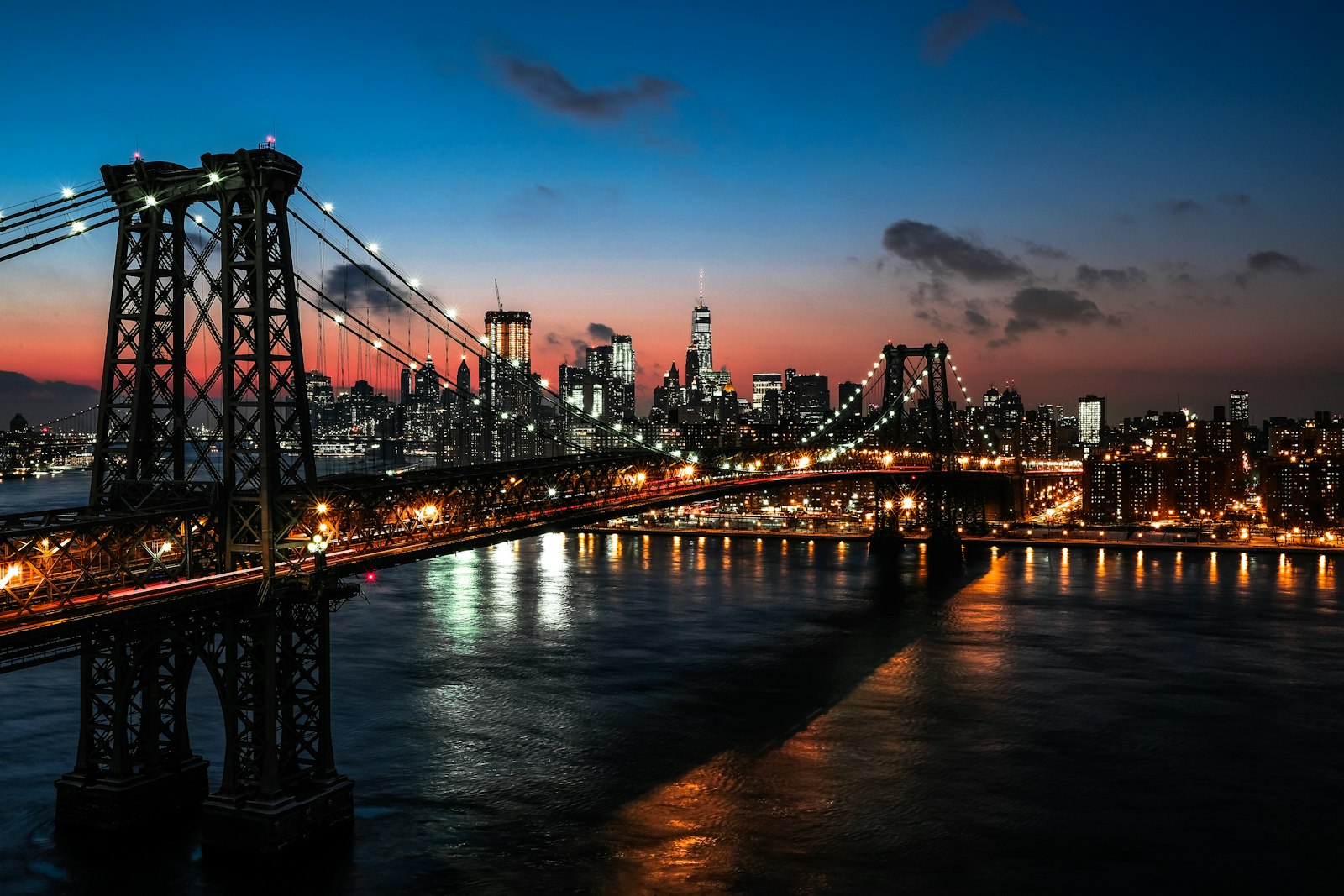
Top 10 Bridges in China
China's bridges are engineering marvels spanning mountains, rivers, and seas. Here are 10 of the most spectacular, from ancient stone to modern steel.
8 min read

Top 10 Buddhist Sites in China
From the Leshan Giant Buddha to the Dunhuang Caves, these 10 Buddhist sites represent 2,000 years of China's spiritual heritage.
9 min read
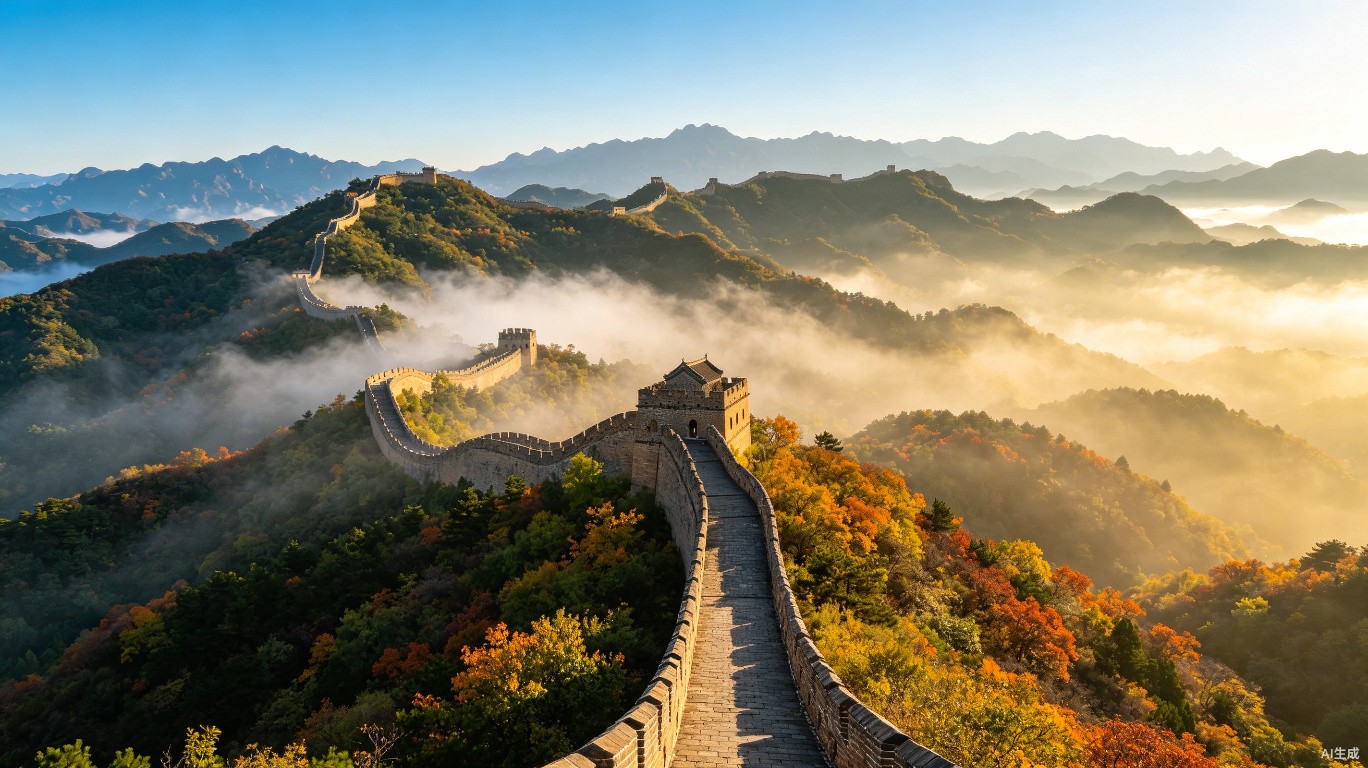
Top 10 Day Trips from Beijing You Shouldn't Miss
Beijing is packed with history, but some of China's best experiences are just a few hours away. Here are 10 day trips that will transform your visit.
9 min read
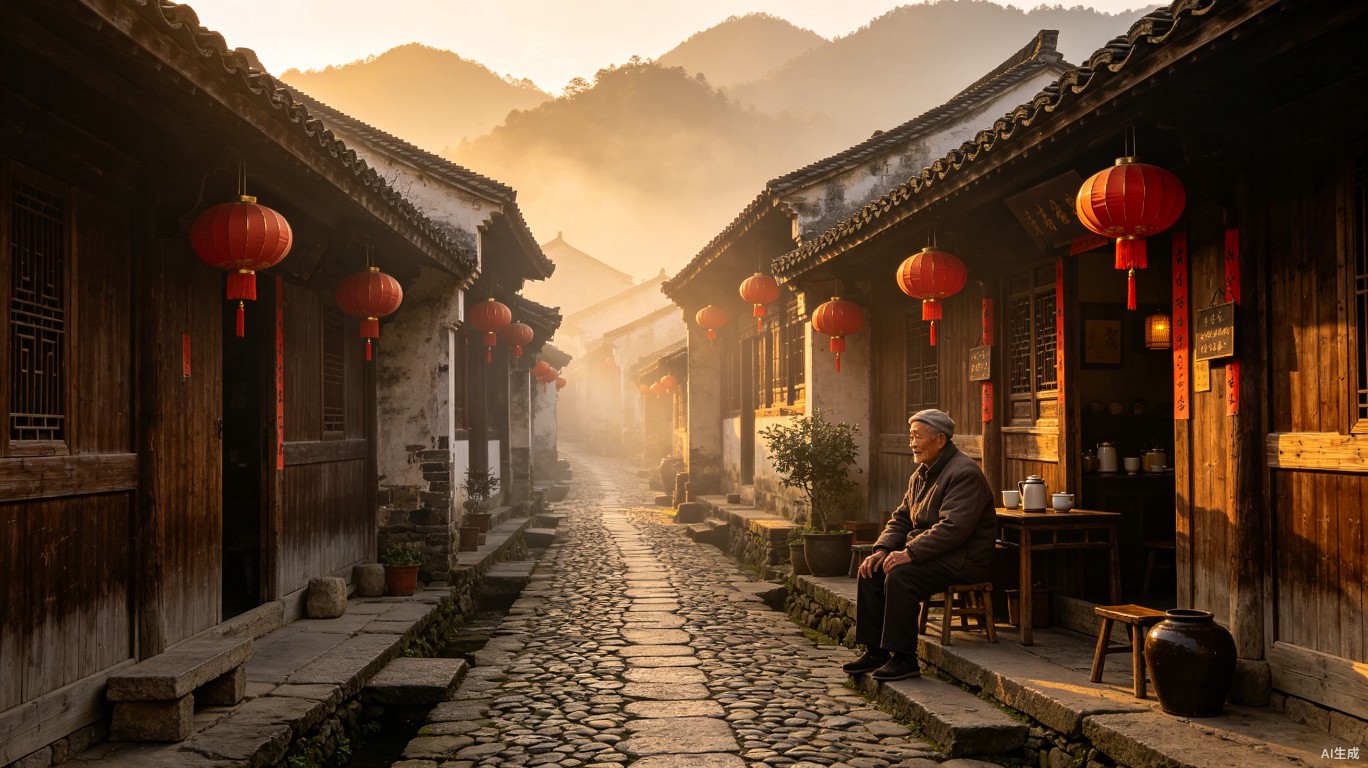
Top 10 Hidden Gems in China Off the Beaten Path
Beyond the Great Wall and Terracotta Warriors, China has incredible hidden destinations few tourists ever reach. Here are 10 underrated gems worth the detour.
9 min read
Top 10 Markets and Shopping Streets in China
From Shanghai's Bund to Beijing's Silk Street - 10 markets where foreigners can haggle, explore, and bring home authentic Chinese goods.
9 min read
Top 10 Museums in China You Shouldn't Miss
China's museums span 5,000 years of civilization. These 10 - from the Palace Museum to Xi'an's terracotta gallery - are unmissable for culture lovers.
9 min read