
China Spring Festival Travel Tips
The cab driver in Xi'an looked at me in the rearview mirror and said, in the patient tone you use with a slow child, "Tomorrow is New Year's Eve.
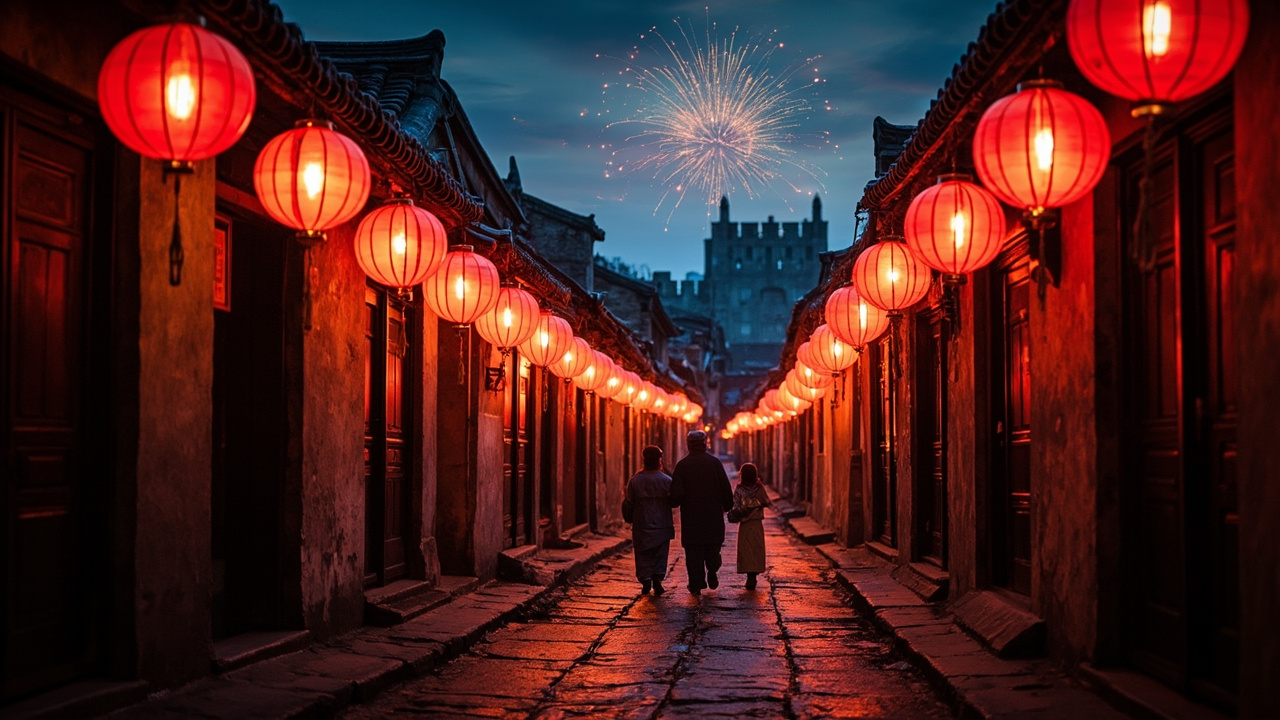
The cab driver in Xi’an looked at me in the rearview mirror and said, in the patient tone you use with a slow child, “Tomorrow is New Year’s Eve. You know this, right?” I had arrived on the eve of the Spring Festival, or Chunjie, without a hotel booked for the next three days. He laughed, not unkindly, and spent the next twenty minutes on his phone calling guesthouses on my behalf. That was my introduction to the largest annual human migration on the planet, and it taught me more than any guidebook could.
Spring Festival is China’s most important holiday, and it shuts down the country in ways that surprise even seasoned travelers. For a first-time visitor, it’s either the most magical time to come or a logistical nightmare, depending entirely on how you plan. This guide covers what I learned across seven Spring Festival periods in China: how to navigate the transport crush, which cities empty out, which ones transform, and how to make the holiday work for you instead of against you.
Quick answer
The Spring Festival (Chunjie) is China’s biggest holiday, with dates shifting each year (in 2026, it falls on February 17th). You can absolutely travel during this period, but you must book trains and hotels 30-60 days in advance, expect many small restaurants to close for 1-2 weeks, and prepare for the world’s busiest travel season. The 240-hour visa-free transit policy remains in effect for many nationalities, making a holiday visit feasible with proper planning.
The Short Version
If you have 90 seconds, here’s the deal: book everything now. Trains sell out within minutes of release, hotels triple in price in popular cities, and half of China’s restaurants close for at least a week. But here’s the secret nobody tells you: the big cities like Beijing and Shanghai empty out as migrant workers go home, meaning shorter lines at attractions and quieter streets. The countryside and smaller towns explode with fireworks, temple fairs, and family reunions you’ll never see any other time of year. If you want the real China, this is it. Just don’t show up without reservations.
How I Picked These
I’ve been through seven Spring Festivals in China since 2018, which means I’ve made most of the mistakes you’re about to avoid. I’ve been stranded in a train station in Zhengzhou at 2 AM, eaten dumplings with a family in Chengdu who adopted me for the evening, and watched the fireworks over the Bund from a rooftop that cost me four times the normal rate. The advice here comes from those experiences, plus conversations with taxi drivers, hostel owners, and Chinese friends who’ve patiently explained how their own holiday actually works. I’ve focused on practical, verifiable details: what’s actually open, what’s actually crowded, and what’s actually worth the hassle.
Comparison Table
| Rank | Place | Best For | Approx Cost (USD) | Time Needed | When to Go |
|---|---|---|---|---|---|
| 1 | Harbin Ice Festival | Winter spectacle | $30-50/day | 2-3 days | Jan-Feb (peak Chunjie) |
| 2 | Beijing | Empty attractions | $50-80/day | 3-4 days | Chunjie week itself |
| 3 | Xi’an | History + Lantern Festival | $40-60/day | 2-3 days | Chunjie + 15th day |
| 4 | Chengdu | Food + pandas | $35-55/day | 3-4 days | After Chunjie week |
| 5 | Pingyao | Ancient town atmosphere | $25-40/day | 1-2 days | Chunjie week |
| 6 | Shanghai | Modern China + fewer crowds | $60-90/day | 3-4 days | Chunjie week |
| 7 | Yunnan (Lijiang/Dali) | Mild weather + minority culture | $30-50/day | 4-5 days | Avoid Chunjie week |
| 8 | Zhangjiajie | Natural scenery | $40-60/day | 2-3 days | After Feb 20 |
| 9 | Hong Kong | Lunar New Year parade | $80-120/day | 2-3 days | Chunjie eve + day 1 |
| 10 | Sanya (Hainan) | Beach escape | $70-100/day | 3-4 days | Chunjie week (book early) |
Harbin 鈥?The Ice City That Embraces the Cold
I stepped off the train in Harbin and my nostrils froze instantly. Not metaphorically. The air hurt. But then I rounded a corner and saw the ice sculptures glowing pink and blue against the night sky, and I understood why people endure this. The Harbin International Ice and Snow Festival is the reason to visit China in winter, and it peaks right around Spring Festival.
The festival runs from early January to late February, with the main ice sculpture park on the north bank of the Songhua River. The scale is absurd: entire castles, pagodas, and bridges carved from ice blocks pulled from the river, lit from within like a frozen rainbow. The Siberian Tiger Park nearby is a good half-day add-on, and the Russian-influenced architecture around Central Street gives the city a character you won’t find elsewhere in China.
- 馃搷 Location: Sun Island (太太阳岛) area, north bank of the Songhua River
- 馃帿 Entry fee: Ice World $30 (鈩?200); Sun Island snow sculptures $22 (鈩?150); Central Street is free
- 馃晲 Opening hours: Ice World 11:00-21:30 daily, best after dark (16:30-21:00)
- 馃殕 Getting there: From Harbin Station, take Metro Line 2 to Sun Island Station, Exit 3, then walk 10 minutes or take the free shuttle. Taxis from central Harbin cost about $5 (鈩?35).
- 鈴?When to visit: Late January to mid-February for the best ice quality. Weekday evenings are less crowded. Chinese New Year week is packed with domestic tourists.
- 馃挕 Insider tips: Rent the heated boots at the entrance 鈥?they cost $5 (鈩?35) and save your feet. Bring hand warmers, not just gloves. The ice slides are free and worth waiting for. Don’t bother with the snowmobile rides; they’re overpriced. Eat at the dumpling restaurants near Central Street, not the tourist traps in the park.
I met a retired teacher from Jilin at the ice slide who told me she’d been coming every year for a decade. “The ice changes every year,” she said, “but the cold never does.”
Beijing 鈥?The Capital When Everyone Goes Home
Beijing during Spring Festival week is the city I recommend to anyone who’s visited before and found it overwhelming. The Forbidden City, which normally requires booking days in advance, becomes walkable. The Great Wall at Mutianyu has actual elbow room. The hutongs are quiet, the subway is half-empty, and the city feels like it’s exhaling.
The catch: many restaurants close for the week, especially the small family-run places that make Beijing’s food scene special. The big chains and hotel restaurants stay open, and the temple fairs (庙会) that pop up in parks across the city are a highlight. The one at Ditan Park (地坛公园) is the most famous, with traditional performances, snacks, and crafts. It’s touristy, sure, but it’s also genuinely fun.
- 馃搷 Location: Temple fairs at Ditan Park (Andingmen area) and Longtan Park (east of the Temple of Heaven)
- 馃帿 Entry fee: Temple fairs $3-5 (鈩?20-35); Forbidden City $9 (鈩?60) but free for many during Chunjie week
- 馃晲 Opening hours: Temple fairs 8:30-17:00 during Chunjie week; Forbidden City 8:30-17:00 (closed Mondays)
- 馃殕 Getting there: Ditan Park is a 10-minute walk from Andingmen Station on Line 2, Exit B. For the Forbidden City, take Line 1 to Tiananmen East Station, Exit A, and walk north through the security checks.
- 鈴?When to visit: The first three days of Chunjie are the quietest. By day 4, domestic tourists start arriving. Go early morning (before 9 AM) to beat the tour groups.
- 馃挕 Insider tips: The Forbidden City often has free tickets during Chunjie week, but you still need to reserve online in advance. The temple fair at Ditan is best on the first day of the new year. Try the candied hawthorn (糖葫芦) from the vendors. Don’t expect to find a taxi on New Year’s Eve; the drivers are home with their families. Book your Great Wall trip through a hotel or a reputable agency, not the touts outside the subway stations.
I once spent New Year’s Eve in Beijing watching fireworks from the 10th floor of a friend’s apartment building. The entire city lit up at midnight, and I could see the glow reflecting off the Forbidden City’s golden roofs. It was the closest thing to magic I’ve experienced in China.
Xi’an 鈥?Where the Lantern Festival Actually Lives
Xi’an during Spring Festival is loud, colorful, and completely overwhelming in the best way. The city walls get wrapped in thousands of red lanterns, the Muslim Quarter fills with smoke from street grills, and the Tang Paradise theme park puts on a light show that would make Las Vegas jealous. This is the city that does Chunjie properly.
The highlight is the Xi’an City Wall Lantern Festival, which runs from late January through mid-March. You can walk the entire 14-kilometer circumference, but most people just do the section between the South and East Gates. The lantern displays are themed each year, and the craftsmanship is genuinely impressive. The Muslim Quarter, which is normally a tourist circus, becomes something else entirely during Chunjie: families, street performers, and food stalls that stretch for blocks.
- 馃搷 Location: City Wall (South Gate area), Muslim Quarter (west of the Bell Tower)
- 馃帿 Entry fee: City Wall $7 (鈩?54); Lantern Festival $14 (鈩?100); Muslim Quarter is free
- 馃晲 Opening hours: City Wall 8:00-22:00; lanterns lit from 18:00-22:00 during the festival
- 馃殕 Getting there: Take Metro Line 2 to Yongningmen Station (South Gate), Exit D, and you’re at the main entrance. The Muslim Quarter is a 10-minute walk from the Bell Tower Station on Line 2.
- 鈴?When to visit: The 15th day of the new year (Lantern Festival, March 4th in 2026) is the grand finale, but the week before is less crowded. Go at dusk to see the lanterns light up one by one.
- 馃挕 Insider tips: The Terracotta Warriors are actually manageable during Chunjie week 鈥?the crowds peak in the summer. Book the city wall walk for sunset. In the Muslim Quarter, skip the famous restaurants with long lines and eat at the stalls where locals are eating. Try the biangbiang noodles and the roujiamo (Chinese burger). Don’t take photos of the lantern displays with flash; it ruins the effect for everyone.
A shopkeeper in the Muslim Quarter taught me how to eat roujiamo properly: “Squeeze it first,” he said, “then bite from the top. The juice is the point.”
Chengdu 鈥?The Slow City That Never Really Sleeps
Chengdu during Spring Festival is a strange mix: the city empties out as locals return to their hometowns, but the teahouses, hotpot restaurants, and parks stay open with a skeleton crew. The pandas at the Research Base are actually more visible in the winter because they’re more active in cooler weather. That’s the main draw, and it’s worth the trip.
The food scene is the real reason to come. Hotpot places stay open through Chunjie, and the good ones are less crowded than usual. The teahouses in People’s Park are a perfect afternoon activity: order a cup of jasmine tea for $1.50 (鈩?10), get your ears cleaned by a professional (yes, that’s a thing), and watch the city go by. It’s the most relaxing thing you can do in China.
- 馃搷 Location: Panda Base (northeast of the city), People’s Park (central)
- 馃帿 Entry fee: Panda Base $7 (鈩?55); People’s Park is free
- 馃晲 Opening hours: Panda Base 7:30-18:00 (pandas are most active 8:00-10:00); People’s Park 6:30-22:00
- 馃殕 Getting there: Take Metro Line 3 to Panda Avenue Station, Exit B, then a 10-minute shuttle bus. People’s Park is on Line 2, Exit A, right at the gate.
- 鈴?When to visit: Go to the pandas at opening time, before the tour groups arrive. Chunjie week is actually quieter than normal. The teahouses are best in the afternoon.
- 馃挕 Insider tips: The panda base has a VIP tour that costs extra but gets you behind the scenes. Skip it; the regular viewing platforms are fine. Eat hotpot at a place that has a waiting line even during Chunjie 鈥?that’s how you know it’s good. The ear cleaning at People’s Park costs about $3 (鈩?20) and is worth every yuan. Don’t order the “spicy” level at hotpot unless you’ve had Sichuan food before; even the mild level has a kick.
I got adopted by a family at a hotpot restaurant on the second day of Chunjie. They ordered for me, poured my drinks, and refused to let me pay. The grandmother patted my arm and said something I didn’t understand, but the translation app said it meant “eat more, you’re too thin.”
Pingyao 鈥?The Ancient Town That Comes Alive
Pingyao is a walled Ming Dynasty town in Shanxi Province that normally feels like a museum. During Spring Festival, it feels like a party. The streets get draped in lanterns, the courtyards host traditional performances, and the whole town smells like vinegar and fried dough. It’s the closest you’ll get to time travel in China.
The town is small enough to explore in a day, but I’d recommend staying overnight in one of the traditional courtyard guesthouses. The night view from the city wall, with the lanterns reflecting off the old stone streets, is worth the price of admission alone. The local specialty is Pingyao beef, which is a cured, spiced beef that’s been a local staple for centuries.
- 馃搷 Location: Pingyao Ancient City, Shanxi Province (about 1.5 hours by train from Taiyuan)
- 馃帿 Entry fee: Town pass $15 (鈩?105) includes all the major sites; the town itself is free to enter
- 馃晲 Opening hours: Most sites 8:00-18:00; the town is open 24/7
- 馃殕 Getting there: Take the high-speed train from Taiyuan South Station to Pingyao Ancient City Station (about 40 minutes, $12/鈩?85), then a 10-minute taxi or bus to the town. From Beijing, it’s about 4 hours by train.
- 鈴?When to visit: The first week of Chunjie is the liveliest. Avoid the Lantern Festival (15th day) if you don’t like crowds; it gets packed with day-trippers.
- 馃挕 Insider tips: Stay in a courtyard guesthouse inside the walls, not a hotel outside. The vinegar shops along the main street let you taste before you buy; the aged ones are surprisingly smooth. The night market near the south gate has the best street food. Climb the city wall at sunset for the best photos. Don’t bother with the “traditional” performances in the main square; the ones in the smaller courtyards are more authentic.
I bought a jar of aged vinegar from a shopkeeper who insisted on telling me the entire history of his family’s vinegar-making tradition. He was still talking when I left, and I could hear him through the window as I walked away.
Shanghai 鈥?The Modern City That Doesn’t Stop
Shanghai during Spring Festival is the easiest city to visit as a first-timer because it’s the most international. The expat population doesn’t celebrate Chunjie, so the restaurants, bars, and cafes in the French Concession and around Jing’an stay open. The Bund is less crowded than usual, and the museums are practically empty.
The downside is that Shanghai feels less “Chinese” during Chunjie. The city’s soul is its migrant workforce, and when they go home, the city loses some of its energy. The temple fair at the City God Temple (城隍庙) in the Old Town is the exception: it’s packed, chaotic, and exactly what you’d want from a Chinese New Year celebration.
- 馃搷 Location: The Bund, French Concession, City God Temple (Old Town)
- 馃帿 Entry fee: The Bund is free; City God Temple $1.50 (鈩?10); Shanghai Museum is free
- 馃晲 Opening hours: The Bund is open 24/7; City God Temple 8:30-16:30; most museums 9:00-17:00 (closed Mondays)
- 馃殕 Getting there: Take Metro Line 2 to East Nanjing Road Station, Exit 1, and walk east to the Bund. The City God Temple is a 10-minute walk from Yuyuan Garden Station on Line 10.
- 鈴?When to visit: Chunjie week itself, when the crowds are thinner. The fireworks over the Bund on New Year’s Eve are worth braving the cold for.
- 馃挕 Insider tips: The restaurants in the French Concession don’t close during Chunjie, but the small noodle shops in the Old Town might. Book a table for New Year’s Eve dinner at least a week in advance. The observation deck at the Shanghai Tower is less crowded during Chunjie week. Don’t bother with the river cruise; the view from the Bund is better.
I watched the New Year’s fireworks from a rooftop bar in the French Concession, surrounded by expats who’d all made the same calculation: stay in Shanghai, avoid the chaos, enjoy the show.
Yunnan 鈥?The Warm Escape (But Book Early)
Yunnan Province, with its mild winters and dramatic landscapes, is the domestic tourist destination of choice for Chinese travelers during Spring Festival. That means it’s also the most crowded. Lijiang and Dali become wall-to-wall people during Chunjie week, and prices for hotels and tours double or triple.
If you can book early, it’s still worth it. The old town of Lijiang, with its canals and Naxi minority culture, is magical even with crowds. Dali’s Erhai Lake and the Cangshan Mountains are stunning in winter light. And the food 鈥?the crossing-the-bridge noodles, the wild mushroom hotpot, the yak butter tea 鈥?is some of the best in China.
- 馃搷 Location: Lijiang Old Town, Dali Ancient City, Erhai Lake
- 馃帿 Entry fee: Lijiang Old Town $7 (鈩?50) maintenance fee; Dali Ancient City is free; Erhai Lake is free
- 馃晲 Opening hours: Most sites 8:30-18:00; the old towns are open 24/7
- 馃殕 Getting there: Fly into Lijiang Sanyi Airport or Dali Airport. From Kunming, there are high-speed trains to both cities (3-4 hours).
- 鈴?When to visit: Avoid Chunjie week if you can. The week after (from the 8th day of the new year) is much quieter. Spring (March-April) is the best time for weather.
- 馃挕 Insider tips: Book your accommodation at least two months in advance for Chunjie week. The old towns are best in the early morning, before the tour groups arrive. Rent a bicycle to explore the countryside around Dali; the lake loop is about 50 kilometers and worth every pedal. The Naxi people in Lijiang have their own calendar and festivals; check if any coincide with your visit.
I spent a Chunjie in Lijiang once and made the mistake of not booking a room. I ended up in a hostel bunk bed for three times the normal price. The owner apologized and gave me free breakfast for the entire stay. That’s Yunnan hospitality.
Zhangjiajie 鈥?The Avatar Mountains in Winter
Zhangjiajie National Forest Park, with its towering sandstone pillars that inspired the floating mountains in Avatar, is spectacular any time of year. But winter, especially after a snowfall, transforms it into something otherworldly. The crowds during Chunjie are significant, but the park is so vast that you can usually find a quiet trail if you’re willing to walk.
The glass bridge at Zhangjiajie Grand Canyon is the most famous attraction, and it’s worth the hype. The Bailong Elevator, which takes you up the side of a cliff, is a feat of engineering that’s both thrilling and slightly terrifying. The park’s cable cars offer views that are worth the wait.
- 馃搷 Location: Zhangjiajie National Forest Park, Hunan Province
- 馃帿 Entry fee: Park pass $35 (鈩?245) valid for 4 days; glass bridge $25 (鈩?170); Bailong Elevator $10 (鈩?72)
- 馃晲 Opening hours: Park 7:00-18:00 (winter); glass bridge 8:00-17:00
- 馃殕 Getting there: Fly into Zhangjiajie Hehua Airport or take the high-speed train from Changsha (about 3 hours). From the city, take the tourist bus to the park entrance.
- 鈴?When to visit: February is the best month for snow, but Chunjie week is crowded. Go early (before 8 AM) to beat the tour groups. The park is quieter after the 8th day of the new year.
- 馃挕 Insider tips: The park has multiple entrances; the Wulingyuan entrance is the main one, but the Zimugang entrance is less crowded. The Yuanjiajie area has the most famous pillars, but the Yangjiajie area is more remote and just as impressive. Bring waterproof shoes; the trails get slippery. The cable car at Tianzi Mountain is worth the extra cost for the views.
I got caught in a snowstorm on the Tianzi Mountain cable car and spent twenty minutes suspended above a white void. The other passengers were silent, and it was the most peaceful moment of my entire trip.
Hong Kong 鈥?The Lunar New Year Spectacle
Hong Kong does Lunar New Year better than almost anywhere else, and it’s the easiest option for first-time visitors because English is widely spoken and the transport system is world-class. The parade on the first day of the new year is a massive street party with floats, dancers, and international performers. The fireworks over Victoria Harbour on the second day are spectacular.
The city doesn’t shut down like mainland China. Restaurants stay open, the MTR runs all night, and the vibe is celebratory rather than chaotic. The only downside is the crowds and the prices, which are already high and go higher during the holiday.
- 馃搷 Location: Tsim Sha Tsui (parade route), Victoria Harbour (fireworks)
- 馃帿 Entry fee: Parade is free (grandstand seats cost extra); fireworks are free
- 馃晲 Opening hours: Parade starts at 20:00 on the first day; fireworks at 20:00 on the second day
- 馃殕 Getting there: Take the MTR to Tsim Sha Tsui Station, Exit E, and follow the crowds. For fireworks, any spot along the Tsim Sha Tsui waterfront works.
- 鈴?When to visit: The first three days of the new year are the busiest. The parade is best viewed from the grandstands, which cost about $50 (鈩?380) but sell out months in advance.
- 馃挕 Insider tips: Book a hotel room with a harbor view for the fireworks; it’s worth the splurge. The flower markets in Victoria Park (open until midnight on New Year’s Eve) are a local tradition. The temples, especially Wong Tai Sin, are packed on the first day; go early or skip them. The MTR runs all night on New Year’s Eve, so you don’t need to worry about getting home.
I watched the fireworks from the Avenue of Stars, surrounded by families and couples, and a little girl next to me offered me her candy. Her parents smiled and nodded, and for a moment, I felt like part of the celebration.
Sanya 鈥?China’s Tropical Escape
Sanya, on the southern tip of Hainan Island, is where wealthy Chinese go to escape the winter. During Spring Festival, it’s the most expensive destination in China, with hotel rates that make Hong Kong look cheap. But if you want to swim in the ocean while the rest of China shivers, this is the place.
The beaches at Yalong Bay and Dadonghai are the main draws, and they’re genuinely beautiful. The water is warm, the sand is soft, and the coconut palms are straight out of a postcard. The downside is the crowds: Sanya during Chunjie is packed with domestic tourists, and the good restaurants have hour-long waits.
- 馃搷 Location: Yalong Bay, Dadonghai, Sanya Bay
- 馃帿 Entry fee: Beaches are free; some resorts charge for beach access
- 馃晲 Opening hours: Beaches are open 24/7; most resorts have 24-hour front desks
- 馃殕 Getting there: Fly into Sanya Phoenix International Airport. From the airport, taxis to the main beaches cost about $10-15 (鈩?70-100).
- 鈴?When to visit: Chunjie week is the most expensive; if you can, come the week after. The weather is warm year-round, but February is the driest month.
- 馃挕 Insider tips: Book your hotel at least three months in advance for Chunjie. The seafood markets let you pick your own seafood and have it cooked at nearby restaurants; it’s cheaper and fresher than the tourist restaurants. The Nanshan Temple, with its 108-meter-tall Guanyin statue, is worth the trip. Don’t bother with the “romantic” beach dinners; they’re overpriced and the food is mediocre.
I spent a Chunjie in Sanya once and paid $200 a night for a hotel room that normally costs $60. The beach was beautiful, but I couldn’t help feeling I’d been taken advantage of. The hotel staff were lovely about it, though, and the free breakfast made up for it.
FAQ summary
The most important takeaways: Spring Festival 2026 runs from February 17th (New Year’s Eve) through early March, with the Lantern Festival on March 4th. Book all transport and accommodation 30-60 days in advance, as trains sell out within minutes and hotel prices double or triple. Major cities like Beijing and Shanghai empty out during Chunjie week, making them easier to visit, while smaller towns and tourist destinations like Lijiang and Sanya become packed. Many small restaurants close for 1-2 weeks, so plan meals around larger establishments or hotel restaurants. The 240-hour visa-free transit policy remains available for many nationalities.
FAQ
Q: Is it a bad idea to travel to China during Spring Festival? A: Not at all, but it requires planning. The main issues are transport (trains sell out fast) and restaurant closures (small family places shut for 1-2 weeks). If you book early and stick to bigger cities, it can be the most memorable time to visit.
Q: How far in advance should I book trains and hotels? A: Trains go on sale 15 days before departure, and popular routes sell out within minutes. Book the moment tickets are available. Hotels should be booked 30-60 days in advance, especially in tourist destinations like Lijiang and Sanya.
Q: What’s the visa situation for visiting during Spring Festival? A: The 240-hour visa-free transit policy applies to many nationalities if you’re transiting through China to a third country. For longer stays, you’ll need a standard tourist visa (L visa). Check the latest rules before booking.
Q: Do I need WeChat Pay or Alipay to get by? A: Yes, and you should set them up before you arrive. Many places, especially smaller restaurants and street vendors, don’t accept cash or international credit cards. You can link your foreign card to Alipay or WeChat Pay, but do it before you travel.
Q: Will I need a VPN for internet access? A: Yes, if you want to use Google, Instagram, Facebook, or WhatsApp. Download a VPN before you arrive and test it at home. China’s Great Firewall blocks these services, and you won’t be able to download a VPN once you’re there.
Q: What happens to restaurants during Spring Festival? A: Many small, family-run restaurants close for the entire holiday week. Bigger restaurants, hotel restaurants, and chains usually stay open. In big cities like Beijing and Shanghai, the international restaurants in expat areas stay open as usual.
Q: Is English widely spoken in China? A: Not really, especially outside major cities and tourist areas. Download a translation app like Pleco or Google Translate (with offline packs) before you arrive. Most young people in cities speak some English, but don’t rely on it.
The Honest Wrap-up
This guide is for travelers who want to see China at its most authentic, not for those who want a hassle-free vacation. Spring Festival is loud, chaotic, and occasionally frustrating, but it’s also the one time of year when you’ll see China’s soul: families reuniting, fireworks lighting up the sky, and a country that knows how to celebrate. If you’re the type who wants everything to go smoothly, come in April or October instead. But if you’re willing to embrace the chaos, book early, and go with the flow, you’ll leave with stories you’ll tell for the rest of your life. My final advice: pack warm clothes, bring a translation app, and don’t be afraid to say yes when a stranger invites you to dinner. That’s how you’ll remember China, not for the attractions, but for the people.
Topics
More guides you may like

Top 10 Bridges in China
China's bridges are engineering marvels spanning mountains, rivers, and seas. Here are 10 of the most spectacular, from ancient stone to modern steel.
8 min read

Top 10 Buddhist Sites in China
From the Leshan Giant Buddha to the Dunhuang Caves, these 10 Buddhist sites represent 2,000 years of China's spiritual heritage.
9 min read

Top 10 Day Trips from Beijing You Shouldn't Miss
Beijing is packed with history, but some of China's best experiences are just a few hours away. Here are 10 day trips that will transform your visit.
9 min read

Top 10 Hidden Gems in China Off the Beaten Path
Beyond the Great Wall and Terracotta Warriors, China has incredible hidden destinations few tourists ever reach. Here are 10 underrated gems worth the detour.
9 min read

Top 10 Markets and Shopping Streets in China
From Shanghai's Bund to Beijing's Silk Street - 10 markets where foreigners can haggle, explore, and bring home authentic Chinese goods.
9 min read

Top 10 Museums in China You Shouldn't Miss
China's museums span 5,000 years of civilization. These 10 - from the Palace Museum to Xi'an's terracotta gallery - are unmissable for culture lovers.
9 min read