
China Senior Travel Guide
The old woman next to me on the train from Shanghai to Suzhou was traveling with a small cart of oranges.
The old woman next to me on the train from Shanghai to Suzhou was traveling with a small cart of oranges. She peeled one slowly, the smell cutting through the recycled air, and handed me half without asking. I didn’t speak Mandarin then, and she didn’t speak English, but we watched the rice paddies blur past for an hour. That was my first week in China, and I remember thinking: this country is far less complicated than the headlines suggest, and far more generous than any guidebook prepared me for.
Seven years later, I’ve crossed China more than forty times. I’ve missed the last bus in Zhangjiajie, paid triple for tea in a Hangzhou tourist trap, and stood alone on the Great Wall at sunrise with frost on my jacket. I’ve also watched a retired couple from Ohio navigate the Beijing subway with nothing but a translation app and a printed map, and they did just fine.
This guide is for the senior traveler who wants to see China without the stress. I’ll tell you exactly what to skip, what’s worth the jet lag, and how to move through this country comfortably. You don’t need to be an adventurer. You need to be prepared.
Quick answer
Yes, China is a rewarding destination for senior travelers, and the 2026 visa-free transit policy (up to 240 hours, or 10 days, for citizens of 54 countries) makes it easier than ever to visit. Plan for a 10-14 day trip covering Beijing, Xi’an, and either Guilin or Shanghai, budget around $150-250 per day for a comfortable mid-range experience, and book all trains and hotels before you arrive. The high-speed rail network is the best way to travel between cities, and with WeChat Pay or Alipay set up before you leave home, you’ll rarely need cash.
The Short Version
If you only have 90 seconds, here’s the truth: China is easier than you think, but you need to prepare. Set up Alipay and WeChat Pay before you fly, download a VPN if you want Google Maps or WhatsApp to work, and book your high-speed rail tickets in advance through a service like Trip.com. Start in Beijing, take the train to Xi’an, then fly south to Guilin or head east to Shanghai. Skip the group tours, hire a private driver for the Great Wall, and always carry your passport. The food is incredible, the people are patient with foreigners, and the infrastructure is world-class. You’ll be fine.
How I Picked These
I’ve visited every place on this list at least twice, most of them three or four times. I’ve traveled with my own parents (both in their late 60s), which changed how I think about accessibility, pace, and whether a destination is worth the effort. I’ve also spent hours talking to taxi drivers, hotel managers, and fellow travelers in hostels and tea houses. The places below aren’t just famous; they’re places where I’ve watched older travelers succeed without stress. I’ve left out destinations like Zhangjiajie’s glass bridge and the Tiger Leaping Gorge trek because they’re physically demanding or require too much logistics. This list is about seeing China’s soul without breaking your knees.
Comparison Table
| Rank | Place | Best For | Approx Cost (USD) | Time Needed | When to Go |
|---|---|---|---|---|---|
| 1 | Beijing | History, culture, food | $120-180/day | 4-5 days | Apr-May, Sep-Oct |
| 2 | Xi’an | Terracotta Army, ancient walls | $100-150/day | 2-3 days | Mar-May, Sep-Nov |
| 3 | Guilin & Yangshuo | Scenery, river cruises | $90-140/day | 3-4 days | Apr-Oct |
| 4 | Shanghai | Modern China, easy transit | $130-200/day | 2-3 days | Mar-May, Oct-Nov |
| 5 | Chengdu | Pandas, teahouses, food | $90-140/day | 2-3 days | Mar-Jun, Sep-Nov |
| 6 | Suzhou | Classical gardens, canals | $80-120/day | 1-2 days | Mar-May, Sep-Nov |
| 7 | Hangzhou | West Lake, temples | $90-140/day | 2 days | Apr-May, Sep-Oct |
| 8 | The Great Wall (Mutianyu) | Iconic views, cable car access | $60-100/day trip | 1 day | Apr-Oct |
| 9 | Lijiang | Old town, Yunnan culture | $80-130/day | 2-3 days | Mar-May, Sep-Nov |
| 10 | Hong Kong | Easy entry, city energy | $150-250/day | 2-3 days | Oct-Dec |
Beijing — The city that rewires your sense of scale
The first time I saw Tiananmen Square, I stood in the middle of it and felt genuinely small. Not in a bad way. In a way that made me understand why this country thinks in centuries. Beijing is loud, dusty, and overwhelming, but it’s also the heart of Chinese history, and you can’t skip it.
The Forbidden City is the centerpiece, and it deserves a full morning. The sheer size of it, the way the courtyards open into each other like a stone poem, is something you have to experience to believe. But here’s what most tourists miss: the Jingshan Park hill directly north of the Forbidden City gives you the best view of the whole complex, and it costs about $1 (¥7) to climb. Go at sunset, watch the golden roofs catch the last light, and you’ll understand why the emperors chose this spot.
The hutongs around Shichahai are worth an afternoon, but skip the rickshaw tours. They’re overpriced and the drivers rush you through. Instead, just walk. The alleys north of Houhai Lake are quiet, and you’ll find courtyard homes, old men playing chess, and tiny restaurants serving jianbing (savory crepes) for breakfast.
- 馃搷 Location: Central Beijing, Dongcheng and Xicheng districts
- 馃帿 Entry fee: Forbidden City $10 (¥60), Jingshan Park $1 (¥7), Temple of Heaven $5 (¥30)
- 馃晲 Opening hours: Forbidden City 8:30am-5pm (closed Mondays), Temple of Heaven 6am-10pm (park), 8am-5:30pm (buildings)
- 馃殕 How to get there: Take Subway Line 1 to Tiananmen East Station, Exit A. Walk west 5 minutes to the Meridian Gate entrance. For Jingshan, take Line 8 to Shichahai Station, Exit A2, walk south 10 minutes.
- 鈴?When to visit: April-May or September-October. Weekday mornings are the quietest. The Forbidden City limits daily visitors to 80,000, so book tickets online 7 days ahead.
- 馃挕 Insider tips:
- Book Forbidden City tickets on the official WeChat mini-program or through Trip.com. You can’t buy at the gate.
- Bring your passport everywhere. You’ll need it for most ticket purchases.
- The subway is the fastest way around, but buy a transit card at the airport station. Taxis get stuck in traffic.
- English signage is common in tourist areas, but download Pleco or Google Translate for menus.
- The Peking duck at Siji Minfu is better than Quanjude and half the price. Go to the Dongsi branch, not the tourist one.
I once watched a retired couple from Texas try to order dumplings using only hand gestures at a hutong restaurant. The owner brought them three different plates, refused payment for two, and sent them off with a bag of oranges. That’s Beijing.
Xi’an — Where the Terracotta Army still guards the past
I stood in front of the Terracotta Warriors for the first time in 2019, and I’ll be honest: I cried a little. Not because of the scale, though that’s staggering. Because of the faces. Each warrior has a different expression, a different mustache, a different way of holding his spear. Farmers digging a well in 1974 found an entire army that had been waiting underground for 2,200 years.
The Terracotta Army is the reason to come, and it’s worth the trip. But the rest of Xi’an surprised me. The ancient city wall, which you can walk or bike along, gives you a perspective on how Chinese cities were designed. The Muslim Quarter, with its narrow streets and sizzling street food, is chaotic but unforgettable. Try the biang biang noodles, the roujiamo (Chinese hamburger), and the lamb skewers.
The Shaanxi History Museum is free, but you need to reserve tickets a week in advance. It’s one of the best museums in China, with artifacts from the Tang Dynasty that will make you question everything you thought you knew about ancient history.
- 馃搷 Location: Xi’an city center, especially the Bell Tower area and the Muslim Quarter
- 馃帿 Entry fee: Terracotta Army $20 (¥120), City Wall $8 (¥54), Shaanxi History Museum free (reservation required)
- 馃晲 Opening hours: Terracotta Army 8:30am-5:30pm (March-November), 8:30am-5pm (winter). City Wall 8am-10pm.
- 馃殕 How to get there: From Xi’an North Station, take Metro Line 2 to Bell Tower Station for the city center. For the Terracotta Army, take Metro Line 9 to Huaqing Pool Station, then a 10-minute taxi. Or book a private car through your hotel, about $40 (¥280) round trip.
- 鈴?When to visit: March-May or September-November. Go to the Terracotta Army at 8:30am when the gates open, before the tour groups arrive.
- 馃挕 Insider tips:
- The Terracotta Army has three pits. Pit 1 is the famous one. Pit 3 is smaller but more intimate. Don’t skip it.
- Hire a guide at the entrance, about $15 (¥100). They’ll explain the history in a way the signage doesn’t.
- The Muslim Quarter is best at night, but go with an empty stomach. The food is cheap and incredible.
- The city wall is 14 kilometers around. Walking the whole thing takes 3 hours. Rent a bike if your knees allow, or just walk a section and come back down.
- The Bell Tower at night is beautiful. The square around it fills with locals dancing, and you can watch for free.
I met a retired teacher from Australia at the Terracotta Army who told me she’d been saving for this trip for a decade. She’d read every book about the Qin Dynasty she could find. Watching her stand in front of Pit 1, I understood that some places are worth the wait.
Guilin & Yangshuo — The landscape that looks like a painting
The first time I took the Li River cruise from Guilin to Yangshuo, I kept checking my phone to make sure I wasn’t looking at a filter. The karst mountains rise out of the river like green teeth, wrapped in mist that never quite burns off. It’s the landscape you’ve seen in Chinese paintings, and it’s real.
The cruise takes about four hours, and it’s gentle enough for any fitness level. You sit in an air-conditioned cabin, watch the scenery slide past, and eat a mediocre boxed lunch. The better option is to book a bamboo raft for a shorter section, but those have weight limits and can be bumpy. For seniors, the cruise is the right choice.
Yangshuo itself is a backpacker town that’s grown up. The West Street area is touristy, but the countryside around it is worth exploring. Rent a car with a driver for a day, about $60 (¥420), and visit the Moon Hill viewpoint (don’t climb it, just look from below) and the Yulong River area. The rice paddies and villages there are quiet, and you’ll see water buffalo and farmers in conical hats.
- 馃搷 Location: Guilin city center and Yangshuo County, about 1.5 hours south
- 馃帿 Entry fee: Li River cruise $40-60 (¥280-420) depending on boat class. Longji Rice Terraces $13 (¥95).
- 馃晲 Opening hours: Cruises depart 9-10am daily. Rice terraces open sunrise to sunset.
- 馃殕 How to get there: Fly into Guilin Liangjiang International Airport, then take a taxi to the cruise terminal (about $10/¥70). For Yangshuo, take the high-speed train from Guilin North Station to Yangshuo Station, then a 20-minute taxi.
- 鈴?When to visit: April-October. The rice terraces are most dramatic in May-June (flooded) and September-October (golden).
- 馃挕 Insider tips:
- Book the cruise through your hotel or a reputable agency. The cheap tours from the street are often scams.
- The best seats on the cruise are on the top deck, but they’re first-come. Arrive 30 minutes early.
- Yangshuo is hot and humid in summer. Bring a hat, sunscreen, and lots of water.
- The Longji Rice Terraces are a 2-hour drive from Guilin. Worth it, but plan a full day.
- English is less common here than in Beijing or Shanghai. Have your hotel write down your destination in Chinese characters.
I ate the best fish of my life in Yangshuo, a beer fish cooked in a clay pot at a restaurant that looked like a garden shed. The owner, a woman named Auntie Li, saw me struggling with chopsticks and brought me a fork without being asked.
Shanghai — The city that runs on caffeine and ambition
Shanghai is the China you’ve seen in movies: glass towers, neon lights, and a riverfront that looks like a science fiction set. It’s also the easiest Chinese city for a first-time visitor, because English is everywhere and the metro system is immaculate.
The Bund is the classic postcard view, and it’s worth seeing at least once. Go at dusk, watch the lights come on across the Huangpu River, and you’ll understand why the city calls itself the Pearl of the Orient. But the real Shanghai is in the former French Concession, where plane trees line quiet streets and art deco buildings hide coffee shops and vintage stores. Walk along Wukang Road and Fuxing Road, and you’ll see a side of China that feels almost European.
The Yu Garden in the Old City is worth an afternoon, but go early to beat the crowds. The Shanghai Museum is free and excellent, with a world-class collection of bronze and ceramics. And if you want a view, skip the Oriental Pearl Tower and go to the Shanghai Tower instead. It’s taller, less crowded, and the observation deck on the 118th floor is genuinely breathtaking.
- 馃搷 Location: The Bund (Huangpu District), French Concession (Xuhui District), Old City (Huangpu District)
- 馃帿 Entry fee: Yu Garden $5 (¥40), Shanghai Tower observation deck $25 (¥180), Shanghai Museum free
- 馃晲 Opening hours: Yu Garden 9am-4:30pm, Shanghai Tower 8:30am-10pm, Shanghai Museum 9am-5pm (closed Mondays)
- 馃殕 How to get there: Take Metro Line 2 to East Nanjing Road Station, Exit 1, walk east 5 minutes to the Bund. For the French Concession, take Line 10 to Shanghai Library Station, Exit 3.
- 鈴?When to visit: March-May or October-November. Avoid the summer humidity and the January chill.
- 馃挕 Insider tips:
- The Bund is beautiful at night, but the crowds are intense. Go at 7am for a quiet walk.
- The metro is the best way to get around. Buy a transit card at any station, or use Alipay’s public transport feature.
- Shanghai is the most expensive city in China. Budget accordingly.
- The food scene is incredible. Try xiaolongbao (soup dumplings) at Din Tai Fung or, better, at a local shop like Jia Jia Tang Bao.
- Most museums and attractions have English signage, but a translation app still helps for menus.
I once spent an entire afternoon in a French Concession coffee shop, watching a group of elderly Chinese men play chess in the park across the street. They argued, laughed, and drank tea for hours. Shanghai is a city that moves fast, but it also knows how to pause.
Chengdu — The city that taught me to slow down
Chengdu is the only city in China where I’ve seen people nap in public parks at 2pm without anyone batting an eye. The pace here is different, slower, and it’s contagious. The pandas help.
The Chengdu Research Base of Giant Panda Breeding is the main draw, and it’s worth every minute. Go at 8am when the gates open, and you’ll see the pandas eating bamboo, playing, and rolling around like living plush toys. The babies are in the nursery building, and watching them is the closest thing to pure joy I’ve experienced as an adult.
But Chengdu is more than pandas. The teahouses in People’s Park are where the city’s soul lives. You can sit for hours with a cup of jasmine tea, watch the locals play mahjong, and get a traditional ear cleaning (yes, it’s a thing, and yes, it’s weirdly relaxing). The food is also the best in China, in my opinion. Sichuan cuisine is spicy, numbing, and addictive. Try the mapo tofu, the dan dan noodles, and the hotpot, which is a social event as much as a meal.
- 馃搷 Location: Panda Base is in the northern suburbs, about 30 minutes from the city center. Teahouses are in People’s Park, downtown.
- 馃帿 Entry fee: Panda Base $7 (¥55), People’s Park free, teahouse tea $2-5 (¥15-35)
- 馃晲 Opening hours: Panda Base 7:30am-6pm (best before 10am), People’s Park 6am-10pm
- 馃殕 How to get there: Take Metro Line 3 to Panda Avenue Station, Exit B, then a 10-minute walk or shuttle bus. For People’s Park, take Line 2 to People’s Park Station, Exit A.
- 鈴?When to visit: March-June or September-November. Weekdays are quieter at the panda base.
- 馃挕 Insider tips:
- The panda base gets crowded by 10am. Arrive at 7:30am and go straight to the nursery first.
- The ear cleaning at the teahouse costs about $5 (¥35). It’s a strange sensation, but the locals swear by it.
- Sichuan food is spicy. Ask for “bu la” (not spicy) if you can’t handle heat, but know that even “not spicy” has a kick.
- The Jinli Ancient Street is touristy, but it’s fun for an evening stroll. The snacks are overpriced, but the atmosphere is nice.
- English is limited outside tourist areas. Have your hotel write down key phrases in Chinese.
I sat in a People’s Park teahouse for two hours one afternoon, drinking jasmine tea and watching a group of retirees play mahjong with a ferocity that surprised me. When one of them won, the others laughed and paid up in coins. The whole scene felt like a ritual older than the city itself.
Suzhou — The gardens that make time disappear
Suzhou is an hour from Shanghai by high-speed rail, and it’s the kind of place you visit for a day and wish you’d booked a week. The classical gardens are UNESCO World Heritage sites, and they’re designed to be experienced slowly, the way a poem is meant to be read.
The Humble Administrator’s Garden is the most famous, and it’s beautiful, but it’s also crowded. The Master of the Nets Garden is smaller, quieter, and in my opinion, more magical. It’s the kind of place where you can sit on a stone bench, watch the koi swim in the pond, and forget what time it is. The garden was designed to be viewed from different angles, with each window framing a different scene. It’s a masterclass in perspective.
The old town area around Pingjiang Road is worth a walk. The canals, the stone bridges, the whitewashed houses with black tile roofs, it all feels like stepping into a Ming Dynasty painting. The silk museum is also worth a visit, especially if you’re interested in how the city made its fortune.
- 馃搷 Location: Suzhou city center, especially the Pingjiang Road area and the classical gardens district
- 馃帿 Entry fee: Humble Administrator’s Garden $10 (¥70), Master of the Nets Garden $5 (¥30), Silk Museum free
- 馃晲 Opening hours: Gardens open 7:30am-5:30pm (summer), 7:30am-5pm (winter). Silk Museum 9am-5pm (closed Mondays).
- 馃殕 How to get there: Take the high-speed train from Shanghai Hongqiao Station to Suzhou Station (25 minutes, about $10/¥70). Then take Metro Line 4 to Beisita Station for the gardens.
- 鈴?When to visit: March-May or September-November. The gardens are most beautiful in spring when the flowers bloom.
- 馃挕 Insider tips:
- Go to the Master of the Nets Garden in the late afternoon. The crowds thin out, and the light is golden.
- The gardens are designed to be seen slowly. Don’t rush. Sit, look, breathe.
- The boat rides on the canals are touristy, but they’re also relaxing. Take one in the evening when the lanterns are lit.
- Suzhou is known for its silk. The museum has a shop, but the prices are fair.
- The local food is sweet, not spicy. Try the squirrel-shaped mandarin fish, which is a Suzhou specialty.
I sat in the Master of the Nets Garden for an hour, watching a group of Chinese tourists take photos of each other in front of the same pavilion. They were laughing, posing, and having a wonderful time. It reminded me that some places are meant to be shared, even with strangers.
Hangzhou — The lake that inspired a thousand poems
Hangzhou is the kind of city that makes you want to write bad poetry. West Lake is the centerpiece, and it’s been the subject of Chinese art and literature for a thousand years. The first time I walked along its shores, I understood why.
The lake is surrounded by gardens, temples, and pagodas, and you can easily spend a full day just walking around it. The Su Causeway and the Bai Causeway are the classic routes, and they offer the best views. The Leifeng Pagoda on the south shore is worth climbing for the panorama, and the Lingyin Temple in the hills is one of the most important Buddhist sites in China.
The tea plantations in the Longjing village area are also worth a visit. You can walk through the terraced fields, visit a tea house, and taste the famous Longjing (Dragon Well) tea. The tea is expensive, but the experience is worth it.
- 馃搷 Location: West Lake is in the center of Hangzhou. Longjing village is about 20 minutes west.
- 馃帿 Entry fee: West Lake free, Leifeng Pagoda $6 (¥40), Lingyin Temple $6 (¥40)
- 馃晲 Opening hours: West Lake always open, Leifeng Pagoda 8am-5pm, Lingyin Temple 7am-6pm
- 馃殕 How to get there: Take the high-speed train from Shanghai Hongqiao Station to Hangzhou East Station (45 minutes, about $15/¥105). Then take Metro Line 1 to Longxiangqiao Station for West Lake.
- 鈴?When to visit: April-May or September-October. The lake is beautiful in any weather, but misty days are especially atmospheric.
- 馃挕 Insider tips:
- Rent a boat on West Lake. It’s about $20 (¥140) for an hour, and the views from the water are better than from the shore.
- The sunset from the Su Causeway is worth planning your day around.
- The Longjing tea villages are touristy, but the tea is genuine. Try a tasting before you buy.
- Hangzhou is a popular weekend destination for Chinese tourists. Visit on weekdays if you can.
- The food is light and fresh, with a focus on river fish and bamboo shoots.
I took a boat ride on West Lake with a retired couple from Canada, and we spent the hour swapping travel stories. The boatman, who spoke no English, smiled and nodded along. When we got back to shore, he pointed at the pagoda and said, “Beautiful.” It was the only English word he knew, and it was the right one.
The Great Wall (Mutianyu) — The wall that humbles you
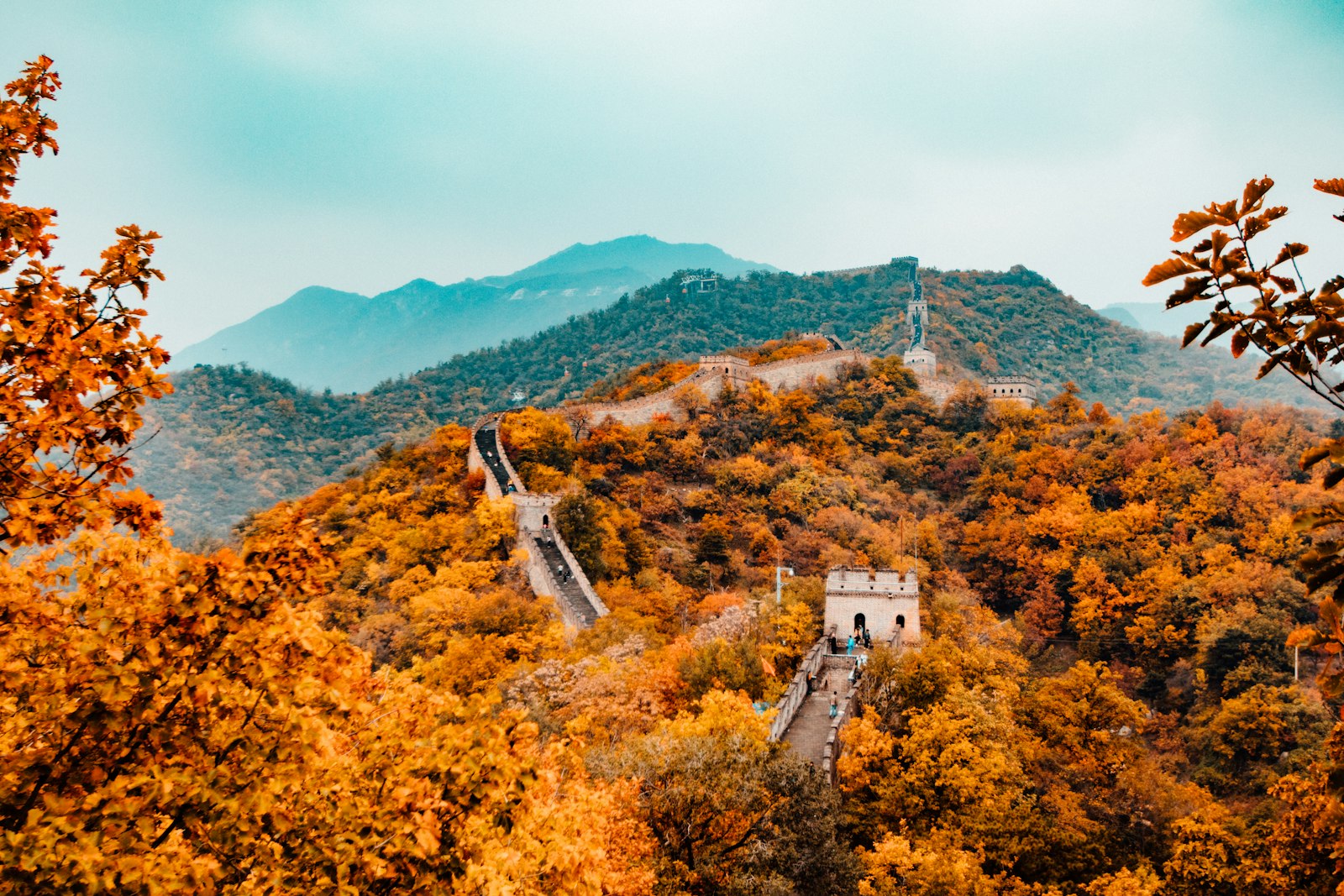
I’ve been to the Great Wall four times, and I’ll say it plainly: Mutianyu is the best section for senior travelers. It’s less crowded than Badaling, the cable car and chairlift make it accessible, and the views are just as stunning.
The wall at Mutianyu is restored, but it’s not Disneyfied. You can still see the watchtowers, the crenellations, and the way the wall snakes over the mountains like a stone dragon. The walk from the cable car station to the highest watchtower is manageable, with some steep sections but plenty of places to rest.
The toboggan ride down is a fun option, but it’s not for everyone. If you have knee or back problems, take the cable car down instead. There’s no shame in it. I’ve seen plenty of young people take the easy way down, too.
- 馃搷 Location: Huairou District, about 70 kilometers northeast of Beijing
- 馃帿 Entry fee: $6 (¥40) for the wall, $15 (¥100) for the cable car round trip
- 馃晲 Opening hours: 7:30am-6pm (summer), 7:30am-5pm (winter)
- 馃殕 How to get there: Book a private car through your hotel, about $80 (¥560) round trip. Or take a tour bus from Dongzhimen Station, but the private car is worth the extra money.
- 鈴?When to visit: April-October. Go on a weekday, and arrive by 8am to beat the tour groups.
- 馃挕 Insider tips:
- The cable car drops you at the highest point. Walk downhill first, then take the cable car back up. It’s easier on the knees.
- Bring water and snacks. The food options at the base are overpriced.
- The wall is windy, even in summer. Bring a light jacket.
- The toilets at the base are clean, but the ones on the wall are basic. Plan accordingly.
- If you want a photo without other people, walk 10 minutes from the cable car station. Most tourists don’t go far.
I watched a woman in her 70s walk the wall with a walking stick, stopping every few minutes to catch her breath and look at the mountains. When she reached the watchtower, she raised her arms in triumph. A group of Chinese tourists applauded. She bowed, laughed, and took a selfie. That’s the Great Wall.
Lijiang — The old town that time forgot
Lijiang is a bit of a trek, but it’s worth it. The old town is a UNESCO World Heritage site, and it’s a maze of cobblestone streets, canals, and traditional Naxi architecture. It’s also a bit of a tourist trap, but if you go at the right time, it’s magical.
The old town is best in the early morning, before the tour groups arrive. The streets are empty, the canals are quiet, and the mountains rise up behind the rooftops. The Black Dragon Pool is worth a visit for the reflection of the Jade Dragon Snow Mountain in the water.
The Naxi people are the local ethnic group, and their culture is fascinating. The Dongba script is one of the last living pictographic writing systems in the world, and you can see examples in the museums and on the signs around town.
- 馃搷 Location: Lijiang old town, Yunnan Province
- 馃帿 Entry fee: Old town free (but there’s a $7/¥50 maintenance fee that’s sometimes enforced), Black Dragon Pool $3 (¥20)
- 馃晲 Opening hours: Old town always open, Black Dragon Pool 7am-8pm
- 馃殕 How to get there: Fly into Lijiang Sanyi Airport, then take a taxi to the old town (about $10/¥70). The airport is 30 minutes from town.
- 鈴?When to visit: March-May or September-November. The summer is rainy, and the winter is cold.
- 馃挕 Insider tips:
- The old town is a maze. Get lost on purpose, but mark your hotel on your phone’s map.
- The cobblestones are uneven and slippery when wet. Wear good shoes.
- The altitude is about 2,400 meters. Take it easy for the first day.
- The Naxi food is simple and hearty. Try the yak hotpot and the baba bread.
- The Sifang Street square is the center of the old town. It’s crowded, but it’s also where the action is.
I got hopelessly lost in Lijiang’s old town one evening, and a shop owner named Zhang walked me back to my hotel, refusing the money I offered. “You’re a guest,” he said in broken English. “Guests don’t pay.”
Hong Kong — The city that feels like the future
Hong Kong isn’t mainland China, but it’s a great entry point for a China trip. The city is easy to navigate, English is widely spoken, and it’s a good place to adjust to the time zone before heading to the mainland.
The Star Ferry across Victoria Harbour is one of the best value experiences in the world, costing about $0.50 (HK$4). The view of the skyline from the water is iconic, and the ferry has been running since 1888. The Peak Tram to Victoria Peak is touristy, but the view from the top is worth it.
The food scene is incredible, from dim sum at Michelin-starred restaurants to street food in Mong Kok. The markets are chaotic but fun, and the museums are world-class.
- 馃搷 Location: Hong Kong Island, Kowloon, and the New Territories
- 馃帿 Entry fee: Star Ferry $0.50 (HK$4), Peak Tram $8 (HK$62) round trip, most museums free or under $5
- 馃晲 Opening hours: Star Ferry 6:30am-11:30pm, Peak Tram 7am-11pm
- 馃殕 How to get there: Fly into Hong Kong International Airport, then take the Airport Express train to the city center (about $15/¥105, 24 minutes).
- 鈴?When to visit: October-December. The weather is mild, and the humidity drops.
- 馃挕 Insider tips:
- The Octopus Card is essential for public transit. Buy one at any MTR station.
- The Peak Tram gets crowded. Go at 5pm for sunset, but arrive 30 minutes early.
- The dim sum at Tim Ho Wan is Michelin-starred and cheap, but the queues are long. Go early.
- Hong Kong is a good place to buy a SIM card for your China trip. The mainland carriers have better coverage, but Hong Kong is easier to set up.
- The city is walkable, but the heat and humidity can be brutal. Carry water.
I took the Star Ferry at sunset, standing at the railing with a crowd of commuters and tourists. A man next to me, a local who’d been riding the ferry for 40 years, pointed at the skyline and said, “Every time I see this, I still can’t believe it’s real.” I know exactly what he meant.
FAQ summary
For senior travelers, China’s 2026 visa-free transit policy allows stays of up to 240 hours (10 days) for citizens of 54 countries, making a first visit easier than ever. The high-speed rail network is the best way to travel between major cities, with trains like the Beijing-Shanghai route taking under 5 hours. Set up Alipay or WeChat Pay before you arrive, download a VPN for Google services, and book major attractions like the Forbidden City and Terracotta Army in advance. Budget $150-250 per day for a comfortable mid-range trip, and plan 10-14 days for Beijing, Xi’an, and one southern destination like Guilin or Shanghai.
FAQ
Q: Do I need a visa to visit China as a senior traveler in 2026? A: Citizens of 54 countries, including the US, UK, Canada, Australia, and most of Europe, can enter China visa-free for up to 240 hours (10 days) under the transit policy. For longer stays, you’ll need a standard tourist visa, which costs about $140 (¥1000) and takes 4-5 working days to process.
Q: Is China safe for senior travelers? A: Yes, China is one of the safest countries I’ve traveled in. Violent crime is rare, and the police are visible and helpful. The main risks are minor: pickpocketing in crowded tourist areas, uneven sidewalks, and traffic that doesn’t always yield to pedestrians. Use common sense, keep your passport secure, and you’ll be fine.
Q: How do I pay for things in China? A: China is nearly cashless. You’ll need Alipay or WeChat Pay, which you can set up before you leave home by linking your international credit card. Both apps work at restaurants, shops, and attractions. Keep a small amount of cash (about $50/¥350) as a backup, but most places won’t accept it.
Q: Will I need a VPN for internet access in China? A: Yes, if you want to use Google Maps, Gmail, WhatsApp, or Facebook. China blocks these services, so download a VPN app before you arrive. I recommend Astrill or ExpressVPN. Without one, you’ll be limited to Chinese apps like Baidu Maps and WeChat.
Q: Is English widely spoken in China? A: In major cities and tourist areas, you’ll find English signage and some English speakers, especially in hotels and at attractions. In smaller towns and rural areas, English is rare. Download a translation app like Pleco or Google Translate (with offline packs) before you go.
Q: How do I get around between cities? A: The high-speed rail network is the best option. Trains are punctual, comfortable, and fast. Book tickets through Trip.com or the official 12306 app, and arrive at the station 30 minutes early. For longer distances, like Beijing to Guilin, domestic flights are affordable and save time.
Q: What should I pack for a trip to China? A: Comfortable walking shoes are essential. Bring a light jacket for air-conditioned trains and museums, a hat and sunscreen for outdoor sites, and a power bank for your phone. Pack light, because you’ll want room for souvenirs. And bring a photocopy of your passport, separate from the original.
The Honest Wrap-up
This list isn’t for everyone. If you want to hike the Great Wall’s wild sections or trek through Tiger Leaping Gorge, you’ll need a different guide. But if you want to see the Forbidden City, stand before the Terracotta Army, and float down the Li River without breaking a sweat, this is your list.
China is a country that rewards preparation. Book your trains, set up your payment apps, and download your VPN before you fly. Then let yourself be surprised. The tea will be better than you expect. The people will be kinder than you expect. And the scale of it all, the sheer age and size and ambition of this place, will stay with you long after you’ve landed back home.
My final advice, the thing I’d tell a friend who’s about to book the flight: don’t try to see
Topics
More guides you may like
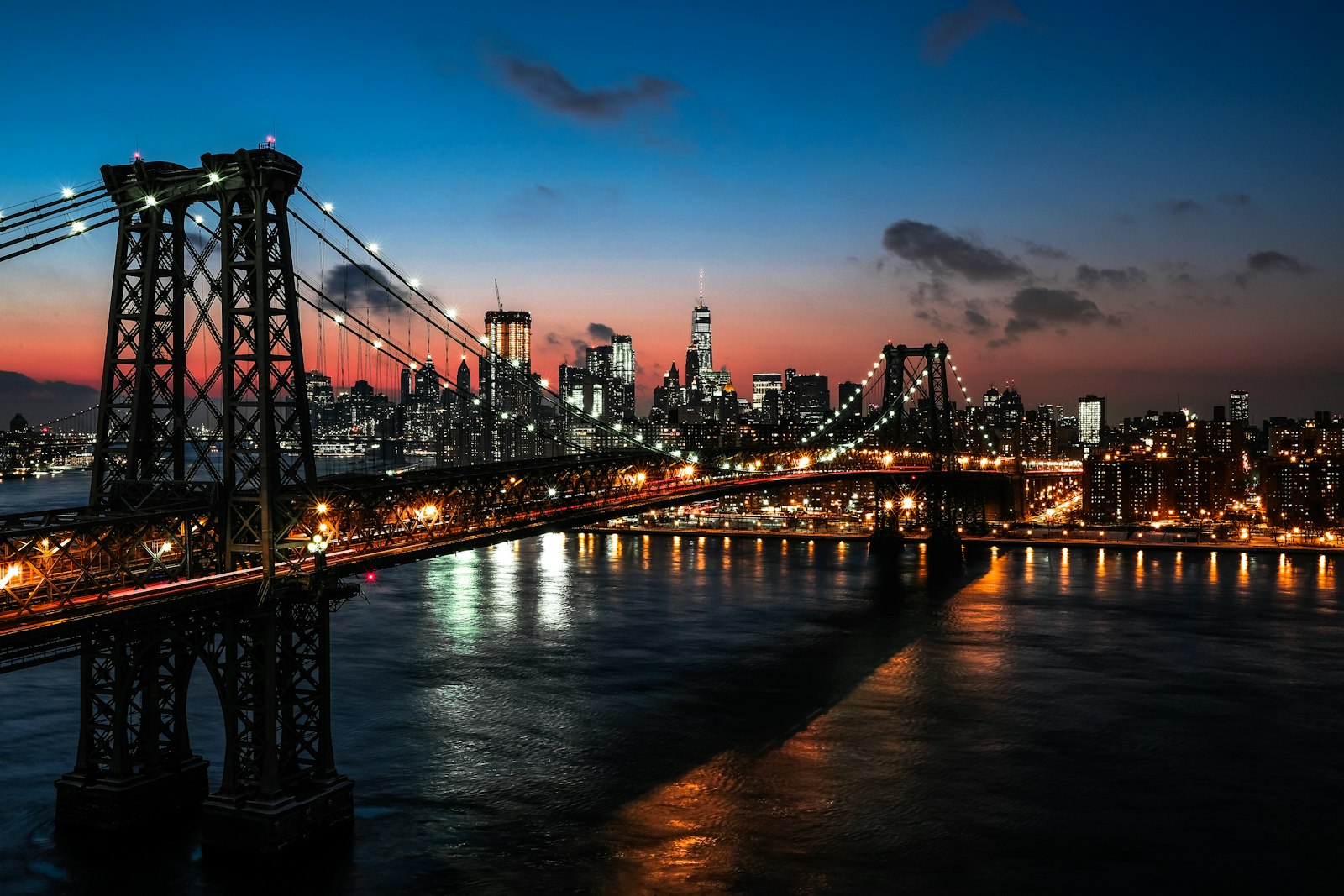
Top 10 Bridges in China
China's bridges are engineering marvels spanning mountains, rivers, and seas. Here are 10 of the most spectacular, from ancient stone to modern steel.
8 min read

Top 10 Buddhist Sites in China
From the Leshan Giant Buddha to the Dunhuang Caves, these 10 Buddhist sites represent 2,000 years of China's spiritual heritage.
9 min read
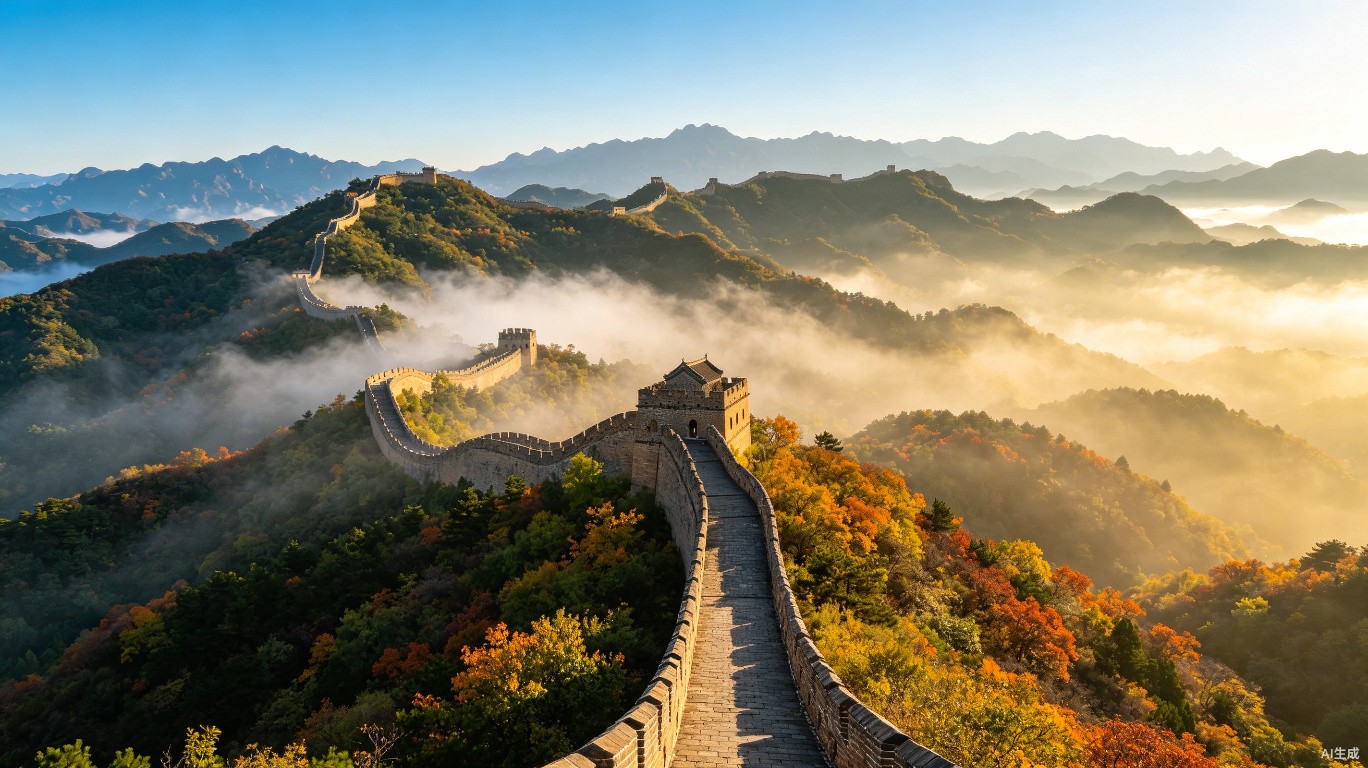
Top 10 Day Trips from Beijing You Shouldn't Miss
Beijing is packed with history, but some of China's best experiences are just a few hours away. Here are 10 day trips that will transform your visit.
9 min read
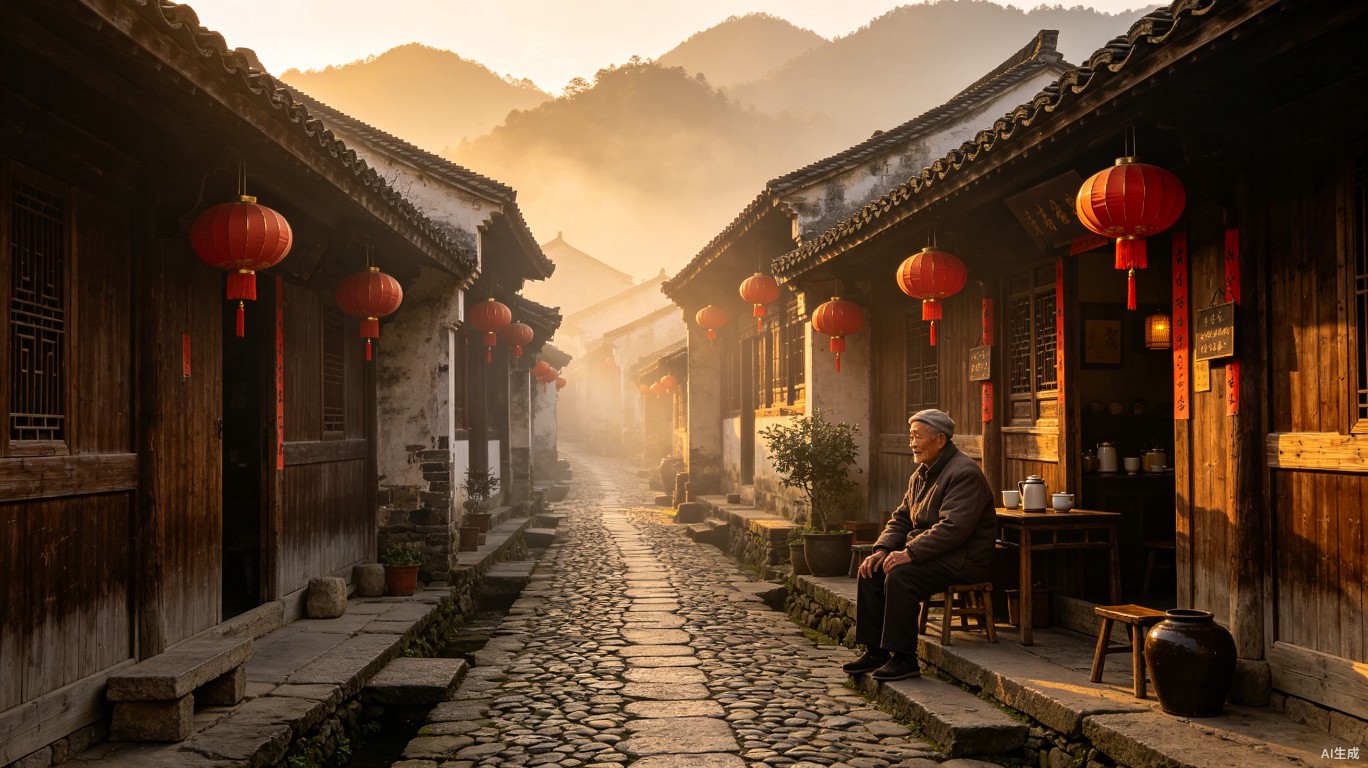
Top 10 Hidden Gems in China Off the Beaten Path
Beyond the Great Wall and Terracotta Warriors, China has incredible hidden destinations few tourists ever reach. Here are 10 underrated gems worth the detour.
9 min read
Top 10 Markets and Shopping Streets in China
From Shanghai's Bund to Beijing's Silk Street - 10 markets where foreigners can haggle, explore, and bring home authentic Chinese goods.
9 min read
Top 10 Museums in China You Shouldn't Miss
China's museums span 5,000 years of civilization. These 10 - from the Palace Museum to Xi'an's terracotta gallery - are unmissable for culture lovers.
9 min read