
China Smart City Travel
The first time I really understood what "smart city" meant in China wasn't in a tech museum or a government white paper.
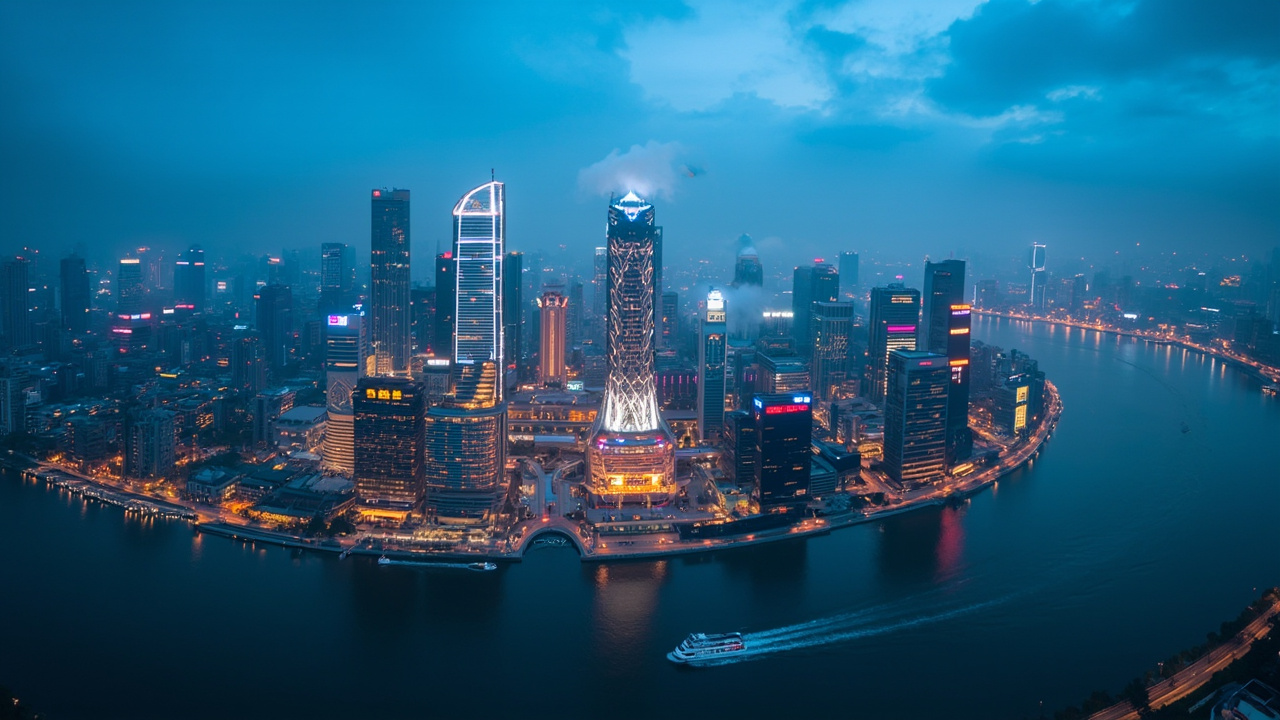
The first time I really understood what “smart city” meant in China wasn’t in a tech museum or a government white paper. It was at 2 AM in Chengdu, standing in a convenience store with no cash, no physical credit card, and a phone that could barely load a webpage because I hadn’t sorted out my VPN yet. The shopkeeper pointed at a QR code taped to the counter, shrugged, and said something I didn’t understand. I smiled, pretended I knew what was happening, and walked out empty-handed.
That was seven years ago. Now, I live in Beijing, and I’ve watched the country’s digital infrastructure swallow everyday life whole. You can’t pay for a cab, order street food, or even rent a shared bike without a QR code and a Chinese payment app. For a first-time tourist, that sounds terrifying. It isn’t. Once you understand the system, it’s actually the easiest part of the trip.
This guide isn’t about robots or AI or futuristic skylines. It’s about how to actually survive and enjoy China’s digital ecosystem as a foreigner in 2026. I’ll cover the apps you need before you land, how to pay for literally everything, which cities have the most seamless tech infrastructure, and the specific mistakes I’ve made so you don’t have to.
Quick answer
China’s “smart city” experience for tourists in 2026 means one thing: get Alipay and WeChat Pay set up before you arrive, download a VPN, and bring your passport everywhere. Most of the country now runs on QR code payments, facial recognition, and app-based services, but the core travel experience (trains, hotels, attractions) still works fine with a passport and a bit of patience. The 240-hour visa-free transit policy covers 54 countries, which means many first-time visitors don’t even need a traditional visa.
The Short Version
If you only read one section, read this. Download Alipay and link your foreign credit card before you fly. Get a VPN installed on your phone before you land. Bring your physical passport with you every single day, because you’ll need it for train tickets, hotel check-ins, and some museum entries. The “smart city” stuff is real, but it’s a layer on top of a country that still runs on paperwork. Master the apps, and the rest is easy.
How I Picked These
I’ve lived in Beijing since 2019 and taken over 40 domestic trips across China. I’ve gotten lost in Chongqing’s vertical streets, argued with a ticket machine in Xi’an, and watched a grandmother pay for her groceries by scanning her face at a market stall in Hangzhou. Every city on this list, I’ve visited personally within the last 18 months. I also talked to local friends, hostel receptionists, and fellow expats about what actually works for tourists, not what the promotional materials say. This list reflects where the digital infrastructure genuinely helps you, not where it just looks impressive on Instagram.
Comparison Table
| Rank | Place | Best For | Approx Cost (USD) | Time Needed | When to Go |
|---|---|---|---|---|---|
| 1 | Beijing | First-timers, history, tech integration | $50-80/day | 4-5 days | Apr-May, Sep-Oct |
| 2 | Shanghai | Digital payments, nightlife, ease | $60-100/day | 3-4 days | Mar-May, Oct-Nov |
| 3 | Hangzhou | Alipay HQ, lakeside calm, tech vibe | $40-70/day | 2-3 days | Mar-Apr, Sep-Oct |
| 4 | Shenzhen | Hardware, innovation, futuristic feel | $50-80/day | 2-3 days | Oct-Dec |
| 5 | Chengdu | Food, pandas, relaxed pace | $35-60/day | 3-4 days | Mar-Jun, Sep-Nov |
| 6 | Xi’an | History, ancient walls, night markets | $30-50/day | 2-3 days | Apr-May, Sep-Oct |
| 7 | Chongqing | Insane urban geography, hotpot | $35-55/day | 2-3 days | Mar-May, Oct-Nov |
| 8 | Guangzhou | Cantonese food, trade city energy | $40-65/day | 2-3 days | Oct-Dec |
| 9 | Suzhou | Classical gardens, canals, day trips | $35-55/day | 2 days | Mar-May, Sep-Oct |
| 10 | Zhangjiajie | Avatar mountains, glass bridges | $45-70/day | 2-3 days | Apr-Jun, Sep-Oct |
Beijing — Where the Old City Meets the New Tech
I remember standing on the corner of Wangfujing and Dongdan, watching a street vendor hand a steaming skewer of lamb to a customer who paid by scanning a QR code taped to the cart. No cash changed hands. No card was swiped. The vendor never even looked up from his phone. That’s Beijing in 2026.
Beijing is the best starting point for any first-time visitor because it has the steepest learning curve and the most reward. The subway system now accepts Alipay QR codes directly at the turnstiles, which means you don’t need to buy a physical transit card. The Forbidden City requires a timed entry ticket booked through the official WeChat mini-program, which is a pain in the ass but manageable if you set it up before you arrive.
📍 Location: Central Beijing, spread across Dongcheng and Xicheng districts 🎫 Entry fee: Forbidden City $8 (¥60), Temple of Heaven $5 (¥35), Jingshan Park $0.30 (¥2) 🕒 Opening hours: Most attractions 8:30 AM-5:00 PM, closed Mondays for many museums 🚇 How to get there: Take Line 1 to Tian’anmen East, Exit B, walk north through the security checkpoint 🌤 Best time: April-May or September-October, weekday mornings before 9 AM 💡 Insider tips:
- Book Forbidden City tickets at least 7 days ahead on the official WeChat mini-program
- The subway security check is fast, but have your bag open and ready
- Skip the Great Wall at Badaling; go to Mutianyu instead (less crowded, better views)
- Download the Beijing subway app for offline maps
- Carry your passport for hotel check-ins, even at international chains
I once spent 20 minutes trying to buy a bottle of water from a vending machine that only accepted facial recognition. A teenager next to me laughed, scanned his face, and walked away with my water. I never got it back.
Shanghai — The Smoothest Onboarding Experience
Shanghai is the city where China’s smart infrastructure feels least intimidating. Every metro station has English signage, most restaurants have English menus on WeChat, and the payment systems work flawlessly with foreign cards through Alipay. I’ve brought three separate groups of first-time visitors here, and every single one of them figured out the payment apps within 24 hours.
The Bund at night is still the most impressive urban skyline I’ve seen anywhere, but the real magic is in the old French Concession, where narrow streets hide coffee shops that accept QR payments and boutique stores that deliver to your hotel via app within hours.
📍 Location: Central Shanghai, especially Huangpu and Xuhui districts 🎫 Entry fee: The Bund is free, Shanghai Tower observation deck $25 (¥180), Yu Garden $6 (¥40) 🕒 Opening hours: Most attractions 9 AM-5 PM, malls until 10 PM 🚇 How to get there: Take Line 2 to East Nanjing Road, Exit 1, walk east toward the Bund 🌤 Best time: March-May or October-November, avoid July-August humidity 💡 Insider tips:
- Use the “Metro大都会” app or Alipay’s transit QR for the subway
- The Maglev train from Pudong Airport takes 8 minutes, costs $10 (¥70), and is worth it once
- Shanghai’s bike-sharing (Meituan, Hello) works with Alipay, just scan and ride
- Most museums require advance booking through WeChat, even for foreigners
- The Starbucks Reserve Roastery on Nanjing West Road is worth the hype
I watched a 70-year-old Shanghai grandmother order a latte using facial recognition at a Starbucks. She didn’t even take her phone out of her bag.
Hangzhou — Where Alipay Was Born
Hangzhou is the spiritual home of China’s digital payment revolution. Alipay was founded here in 2004, and the city has never looked back. You can buy vegetables from a farmer’s market stall, pay for a canal boat ride, and tip a street musician, all by scanning a QR code. It’s the most seamless cashless experience in China, and it feels almost absurdly convenient.
The West Lake is the centerpiece, and it’s free to walk around. Rent a bike, take a boat across the lake, and watch the locals practice tai chi at sunrise. The city is smaller and calmer than Beijing or Shanghai, which makes it a good mid-trip reset.
📍 Location: West Lake area, Xihu District 🎫 Entry fee: West Lake is free, Lingyin Temple $6 (¥45), Longjing tea fields free 🕒 Opening hours: West Lake always open, temples 7 AM-5 PM 🚇 How to get there: Take Metro Line 1 to Longxiangqiao, Exit C, walk 10 minutes to the lake 🌤 Best time: March-April for spring blossoms, September-October for autumn colors 💡 Insider tips:
- The Longjing tea village is a 20-minute taxi ride from the lake, worth it for the hills
- Rent a shared bike for the lake loop, it takes about 2 hours at a relaxed pace
- The night light show at the lake is free and starts at 7:30 PM
- Try the local specialty, Dongpo pork, at any restaurant near the lake
- The Alipay headquarters has a small visitor center, but it’s not really open to the public
A tea farmer in Longjing village refused to let me pay for my tea tasting session. She said I reminded her of her son who studied in London. I bought three bags of tea anyway.
Shenzhen — The City That Builds the Future
Shenzhen is where China’s hardware dreams become reality. This city went from a fishing village to a tech metropolis in 40 years, and it shows. The metro system is the most modern in China, the buildings look like they were designed by people who watched too much sci-fi, and the city feels like it’s still being built at full speed.
For tourists, Shenzhen is less about traditional sights and more about experiencing the energy of China’s innovation engine. The Huaqiangbei electronics market is a chaotic maze of gadgets, components, and knockoffs, and it’s an experience you won’t find anywhere else in the world.
📍 Location: Futian District for the tech hub, Nanshan for the waterfront 🎫 Entry fee: Most attractions free, OCT Loft creative park free, Window of the World $25 (¥180) 🕒 Opening hours: Huaqiangbei market 10 AM-7 PM daily 🚇 How to get there: Take Metro Line 1 to Huaqiangbei Station, Exit A, walk into the market 🌤 Best time: October-December, avoid summer heat and humidity 💡 Insider tips:
- The Shenzhen Museum in Futian is free and has excellent modern history exhibits
- Take the metro to the Shekou waterfront for the best seafood and sunset views
- The city’s bike lanes are the best in China, rent a bike and explore
- Most electronics in Huaqiangbei are sold wholesale, haggling is expected
- The Ping An Finance Centre observation deck is $30 (¥200) but the view is worth it
I bought a “genuine” Apple Watch charger in Huaqiangbei for $3. It worked for exactly one week. I still think it was a fair deal.
Chengdu — Slow Living, Fast Payments
Chengdu is the city that taught me to slow down. The pace of life here is noticeably more relaxed than Beijing or Shanghai, but the digital infrastructure is just as advanced. You can pay for a foot massage, a hotpot dinner, and a panda sanctuary entry ticket all through your phone, and the city’s teahouses are perfect places to sit, watch the world go by, and test your VPN connection.
The pandas at the Chengdu Research Base are the main draw, and they’re worth every minute of the crowd. Go early, bring your passport for the ticket purchase, and prepare to fall in love with animals that seem to exist purely to make humans happy.
📍 Location: Panda base in Chenghua District, teahouses in Qingyang District 🎫 Entry fee: Panda base $8 (¥55), Wenshu Monastery free, People’s Park free 🕒 Opening hours: Panda base 7:30 AM-6 PM, pandas most active in the morning 🚇 How to get there: Take Metro Line 3 to Panda Avenue, Exit B, then a 10-minute walk or shuttle bus 🌤 Best time: March-June or September-November, mornings for pandas 💡 Insider tips:
- Arrive at the panda base by 7:30 AM to see them active, they sleep by noon
- The hotpot here is legendary, but ask for “mild” unless you love pain
- Teahouses in People’s Park are the best place to experience local life
- The Jinli ancient street is touristy but worth one evening for the atmosphere
- Use the local ride-hailing app Didi, it works with Alipay and is cheaper than taxis
I spent three hours in a teahouse in People’s Park, drinking jasmine tea and watching an elderly man perform a puppet show for a crowd of children. He had a QR code taped to his puppet stage.
Xi’an — Ancient Walls, Modern Convenience
Xi’an is where China’s history hits you in the face. The Terracotta Warriors are the obvious draw, but the city’s ancient city wall is the real gem. You can rent a bike and ride the entire 14-kilometer perimeter, watching the city transition from ancient to modern with every turn.
The digital infrastructure here is slightly less polished than the coastal cities, but it works. The metro system is new and clean, and most attractions accept mobile payments. Just be prepared for more cash-only street vendors and a few more translation challenges.
📍 Location: City center, especially around the Bell Tower and South Gate 🎫 Entry fee: City wall $7 (¥54), Terracotta Warriors $20 (¥150), Bell Tower $5 (¥35) 🕒 Opening hours: City wall 8 AM-10 PM, Terracotta Warriors 8:30 AM-5 PM 🚇 How to get there: Take Metro Line 2 to Bell Tower Station, Exit C, walk to the South Gate 🌤 Best time: April-May or September-October, avoid summer heat 💡 Insider tips:
- The Terracotta Warriors are 40 minutes from the city, take the tourist bus from the train station
- Rent a bike on the city wall, it’s the best way to see the old city
- The Muslim Quarter food street is chaotic but essential, try the lamb paomo
- Book Terracotta Warriors tickets online through the official WeChat account
- The night view from the South Gate is the best photo spot in the city
The bike rental on the city wall was cash-only, and I had to run to three different ATMs before finding one that accepted my foreign card. Bring cash to Xi’an.
Chongqing — The City That Defies Gravity
Chongqing is the most disorienting city I’ve ever visited. The urban planning makes no sense until you realize the entire city is built on mountains, and the metro lines go underground, over bridges, and through buildings. Yes, through buildings. The Liziba Station is famous for having a metro line pass through a residential tower.
The city’s digital infrastructure is surprisingly good, and the ride-hailing apps work well despite the chaotic streets. The hotpot here is the spiciest in China, and the night views from the Yangtze River are spectacular.
📍 Location: Yuzhong District for the city center, Nan’an for the best views 🎫 Entry fee: Most attractions free, cable car $3 (¥20), Hongya Cave free 🕒 Opening hours: Hongya Cave open 24 hours, cable car 7 AM-10 PM 🚇 How to get there: Take Metro Line 1 to Xiaoshizi, Exit 6, walk to the cable car station 🌤 Best time: March-May or October-November, avoid the summer heat 💡 Insider tips:
- The Hongya Cave is a tourist trap but the night view is worth it
- Take the Yangtze River cable car at sunset for the best photos
- The metro system is the most confusing in China, use the app for navigation
- Hotpot here is serious business, ask for “micro-spicy” if you’re not used to it
- The night cruise on the Yangtze is overpriced but the views are unmatched
I got lost in Chongqing for three hours trying to find a hotel that was supposedly “across the street.” It was actually 15 floors below me, and the only way to reach it was through a different building entirely.
Guangzhou — The Trade City That Never Sleeps
Guangzhou is China’s southern gateway, and it feels like it. The city is a mix of old Cantonese culture and modern trade energy, with a food scene that rivals Chengdu and a pace that never stops. The Canton Tower lights up the skyline at night, and the Pearl River cruise is a great way to see the city.
The digital infrastructure here is solid, and the metro system is one of the best in China. The city is also a major hub for the visa-free transit policy, making it a popular entry point for tourists.
📍 Location: Tianhe District for the modern city, Yuexiu for the old town 🎫 Entry fee: Canton Tower $25 (¥180), Chen Clan Ancestral Hall $3 (¥20), Shamian Island free 🕒 Opening hours: Canton Tower 9 AM-10 PM, most attractions 8:30 AM-5:30 PM 🚇 How to get there: Take Metro Line 3 to Canton Tower Station, Exit B, walk to the tower 🌤 Best time: October-December, avoid the summer humidity 💡 Insider tips:
- The dim sum in Guangzhou is the best in China, go to a local teahouse
- Shamian Island is a quiet escape from the city chaos, perfect for a morning walk
- The Canton Tower observation deck is worth the price at sunset
- The metro system is efficient, but the crowds are intense during rush hour
- Use Didi for rides, it’s cheaper than taxis and works with Alipay
A dim sum chef in Guangzhou taught me how to properly eat siu mai. He laughed at my chopstick technique, then spent 10 minutes showing me the correct way. I still can’t do it right.
Suzhou — Classical Gardens, Modern Tech
Suzhou is the city of gardens, canals, and silk. It’s a short train ride from Shanghai, making it an easy day trip, but it deserves at least one overnight stay. The classical gardens are UNESCO World Heritage sites, and they’re best visited in the early morning before the tour groups arrive.
The digital infrastructure here is surprisingly advanced for a smaller city, and the high-speed rail connection to Shanghai takes just 30 minutes.
📍 Location: Gusu District for the old town and gardens 🎫 Entry fee: Humble Administrator’s Garden $10 (¥70), Tiger Hill $10 (¥70), Pingjiang Road free 🕒 Opening hours: Gardens 7:30 AM-5 PM, some close Mondays 🚇 How to get there: Take the high-speed train from Shanghai to Suzhou, then Metro Line 1 to Lindun Road 🌤 Best time: March-May for spring blossoms, September-October for autumn colors 💡 Insider tips:
- Visit the Humble Administrator’s Garden at 7:30 AM opening to beat the crowds
- The Pingjiang Road canal area is the best place to experience old Suzhou
- Take a boat ride on the canals at sunset, it’s magical
- The silk museum is worth a visit, even if you’re not into textiles
- Suzhou’s high-speed rail station is 20 minutes from the old town, plan accordingly
I spent an entire morning in the Humble Administrator’s Garden, just sitting on a bench and watching the light change over the lotus pond. A local man joined me, we didn’t speak the same language, but we shared a bag of sunflower seeds and nodded at the view.
Zhangjiajie — The Mountains That Inspired Avatar
Zhangjiajie is where China’s natural beauty meets its technological ambition. The glass bridge, the world’s longest and highest, is a testament to Chinese engineering. The pillar-like mountains, which inspired the floating islands in Avatar, are otherworldly.
The digital infrastructure here is more basic than the coastal cities, but the national park has a well-organized ticketing system that works with mobile payments. The park is massive, so plan at least two full days.
📍 Location: Zhangjiajie National Forest Park, Wulingyuan District 🎫 Entry fee: Park entrance $30 (¥225), glass bridge $20 (¥138), cable car $15 (¥100) 🕒 Opening hours: Park 7 AM-6 PM, glass bridge 8 AM-5 PM 🚇 How to get there: Fly to Zhangjiajie Hehua Airport, then take a shuttle bus to the park 🌤 Best time: April-June for green mountains, September-October for clear skies 💡 Insider tips:
- The park is huge, use the shuttle buses between scenic areas
- The glass bridge is less scary than it looks, but bring a change of underwear
- The Bailong Elevator, the world’s tallest outdoor elevator, is worth the $15 (¥100)
- Stay in Wulingyuan town for easy park access
- The weather changes fast in the mountains, bring a rain jacket
I stood on the glass bridge, looking down at the forest floor 300 meters below, and my legs genuinely turned to jelly. A Chinese grandmother walked past me, holding a selfie stick, completely unbothered.
FAQ summary
For first-time visitors to China in 2026, the most important takeaways are: set up Alipay and WeChat Pay with a foreign credit card before arriving, download a VPN on all your devices, and carry your physical passport daily for hotel check-ins and train tickets. The 240-hour visa-free transit policy covers 54 countries and is the easiest entry option for many tourists. Most major cities accept mobile payments everywhere, but carry some cash for rural areas and small vendors. High-speed rail is the best way to travel between cities, and tickets can be booked through the official 12306 app or through travel agencies.
FAQ
Q: Do I need a visa to visit China in 2026? A: Many nationalities qualify for the 240-hour visa-free transit policy, which allows stays of up to 10 days in designated cities. Full visa requirements depend on your nationality and travel plans, so check the latest rules before booking.
Q: Can I use my foreign credit card in China? A: Most places won’t accept foreign credit cards directly. You need to link your card to Alipay or WeChat Pay, which work almost everywhere. Some international hotels and high-end restaurants accept foreign cards, but don’t rely on it.
Q: Do I need a VPN for my phone in China? A: Yes, if you want to access Google, WhatsApp, Instagram, Facebook, or any Western social media. Download a reliable VPN before you arrive, because the app stores in China don’t have them. Free VPNs are unreliable, pay for a good one.
Q: Is English widely spoken in China? A: No, especially outside major tourist areas. Learn a few basic Mandarin phrases, and use translation apps like Google Translate (with VPN) or the built-in translation in Alipay. Most metro signs and tourist attractions have English signage.
Q: How do I get a SIM card for my phone in China? A: You can buy a tourist SIM card at the airport or use an eSIM from providers like Nomad or Airalo. Chinese SIM cards require passport registration. Make sure your phone is unlocked before you arrive.
Q: Is it safe to travel in China as a tourist? A: Yes, China is one of the safest countries for tourists. Violent crime is rare, and the digital infrastructure makes it easy to track your movements. The main risks are getting lost and being scammed by overpriced tourist traps.
Q: What’s the best way to travel between Chinese cities? A: High-speed rail is the best option. It’s fast, comfortable, and the stations are well-connected to city centers. Book tickets through the 12306 app or through travel agencies like Trip.com. Flights are also an option for longer distances.
The Honest Wrap-up
This list is for first-timers who want to experience China’s modern side without getting overwhelmed. It’s not for people who want off-the-beaten-path adventures or deep cultural immersion, though every city on this list has plenty of both if you look for it. The smart city infrastructure is real, and it genuinely makes travel easier, but it’s also a learning curve.
My final advice to a friend about to book their flight: download Alipay, get a VPN, and don’t stress about the language barrier. The apps will handle most of it, and the people are more patient than you expect. China in 2026 is a country that runs on your phone, but it’s also a country that will surprise you at every turn. The QR codes are just the beginning.
Topics
More guides you may like

Top 10 Bridges in China
China's bridges are engineering marvels spanning mountains, rivers, and seas. Here are 10 of the most spectacular, from ancient stone to modern steel.
8 min read

Top 10 Buddhist Sites in China
From the Leshan Giant Buddha to the Dunhuang Caves, these 10 Buddhist sites represent 2,000 years of China's spiritual heritage.
9 min read

Top 10 Day Trips from Beijing You Shouldn't Miss
Beijing is packed with history, but some of China's best experiences are just a few hours away. Here are 10 day trips that will transform your visit.
9 min read

Top 10 Hidden Gems in China Off the Beaten Path
Beyond the Great Wall and Terracotta Warriors, China has incredible hidden destinations few tourists ever reach. Here are 10 underrated gems worth the detour.
9 min read

Top 10 Markets and Shopping Streets in China
From Shanghai's Bund to Beijing's Silk Street - 10 markets where foreigners can haggle, explore, and bring home authentic Chinese goods.
9 min read

Top 10 Museums in China You Shouldn't Miss
China's museums span 5,000 years of civilization. These 10 - from the Palace Museum to Xi'an's terracotta gallery - are unmissable for culture lovers.
9 min read