
China Digital Nomad Guide
The cab driver in Kunming looked at me in the rearview mirror and asked, in the universal language of hand gestures and broken English.
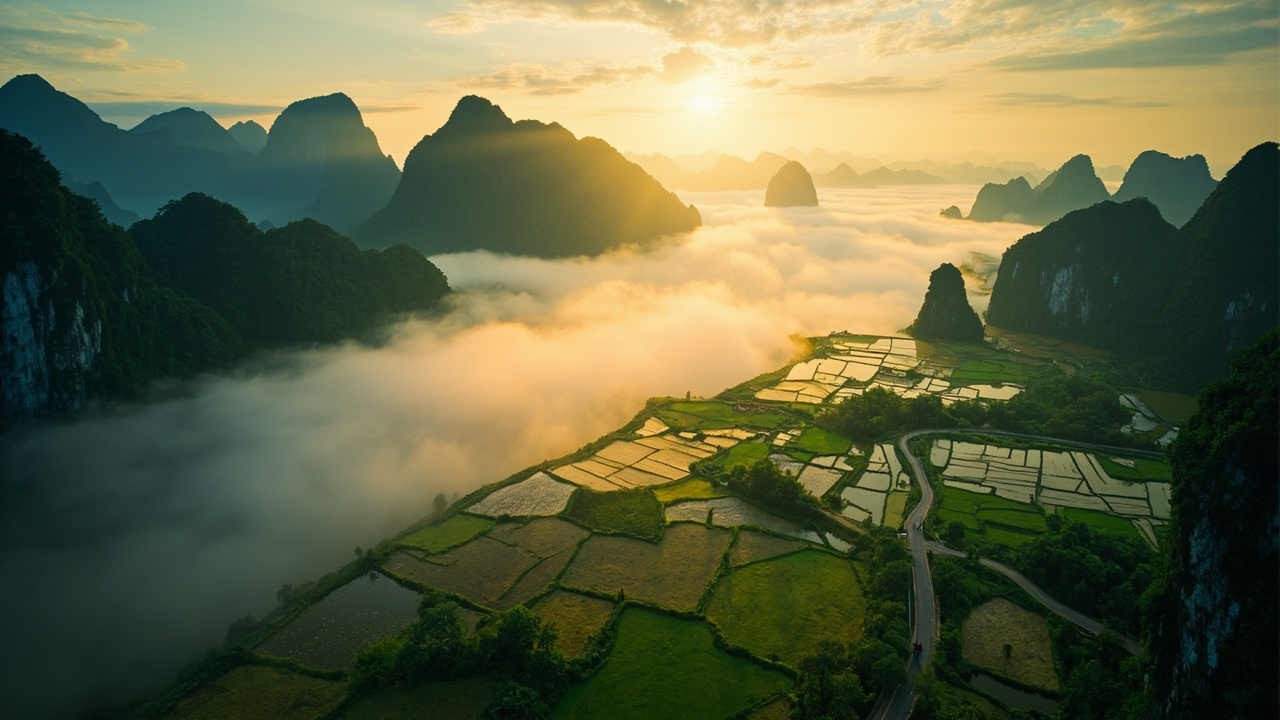
The cab driver in Kunming looked at me in the rearview mirror and asked, in the universal language of hand gestures and broken English, if I was here for “work or play.” I laughed and said both. He nodded, tapped his phone mounted on the dash, and showed me a photo of his daughter studying computer science in Guangzhou. That was the moment I realized China wasn’t just a place to see; it was a place to live, even if only for a month. I’ve been back six times since, and I’ve learned that the country that feels most intimidating from the outside often rewards the traveler willing to slow down and stay a while.
This guide is for the first-timer who wants to work remotely from China without losing their mind. I’ll cover the ten best cities and towns for digital nomads, with real costs, real transport details, and the kind of advice that comes from missing a train or two.
Quick answer
China is a viable digital nomad destination in 2026, but it requires more planning than Bali or Lisbon. The 240-hour visa-free transit policy (valid for citizens of 54 countries, including the US, UK, and most of Europe) lets you stay for 10 days without a visa, while longer stays need an L (tourist) or M (business) visa. Your biggest hurdles are the Great Firewall (you’ll need a VPN), payment apps (WeChat Pay and Alipay are essential), and the language barrier, but the cost of living is low, the high-speed rail is world-class, and the internet in major cities is fast.
The Short Version
If you have 90 seconds, here’s the deal: pick one or two cities, not five. Shanghai and Chengdu are the easiest for first-timers. Get a VPN before you land, set up Alipay with your foreign card, and download a good translation app. Budget $40–60 per day for a comfortable life outside the big cities. Don’t try to “see China” in two weeks; pick a base and make it yours. The country is too big and too varied to rush.
How I Picked These
I’ve spent cumulative months in China since 2019, working remotely from hostels, coffee shops, and the occasional hotel lobby. I’ve taken the high-speed rail more times than I can count, gotten lost in at least a dozen cities, and had my fair share of translation app failures. For this guide, I prioritized places with reliable internet, reasonable rent for long-term stays, and enough English signage that you won’t feel completely lost. I also asked other expats and digital nomads I met along the way where they’d actually set up shop. Their answers surprised me more than once.
Comparison Table
| Rank | Place | Best For | Approx Cost (USD) | Time Needed | When to Go |
|---|---|---|---|---|---|
| 1 | Shanghai | First-timers, nightlife, convenience | $70–100/day | 1–2 weeks | Mar–May, Sep–Nov |
| 2 | Chengdu | Food, relaxed pace, pandas | $45–70/day | 1 week+ | Mar–Jun, Sep–Nov |
| 3 | Hangzhou | Nature, tea culture, startup vibe | $50–80/day | 3–5 days | Apr–May, Oct |
| 4 | Shenzhen | Tech, modern China, Hong Kong access | $60–90/day | 3–5 days | Oct–Dec |
| 5 | Xi’an | History, Silk Road, budget travel | $35–55/day | 3–4 days | Mar–May, Sep–Oct |
| 6 | Kunming | Spring weather, Yunnan basecamp | $30–50/day | 1 week+ | Year-round |
| 7 | Dali | Slow living, lake views, hippie vibe | $25–45/day | 1–2 weeks | Mar–May, Sep–Nov |
| 8 | Suzhou | Classical gardens, canals, day trips | $50–70/day | 2–3 days | Apr–May, Sep–Oct |
| 9 | Qingdao | Beach town, beer, German architecture | $40–60/day | 3–4 days | Jun–Sep |
| 10 | Guilin/Yangshuo | Karst mountains, outdoor activities | $30–50/day | 3–5 days | Apr–Oct |
1. Shanghai — The Smooth Onboarding
The first time I landed in Shanghai, I walked out of Pudong Airport and was hit by a wall of humidity and the smell of diesel and fried food. It felt overwhelming. Then I got on the Maglev train, hit 300 km/h, and was in the city center in eight minutes. That’s Shanghai: intimidating and then suddenly effortless.
It’s the easiest city in China for a first-timer. English signage is everywhere, most young people speak at least basic English, and the metro system is a model of efficiency. The internet is fast, and there are enough specialty coffee shops that you’ll forget you’re in a country where Starbucks is considered a luxury brand. It’s not the “real” China, whatever that means, but it’s the perfect place to get your bearings.
📍 Location: Central districts — Jing’an, Xuhui, or the Former French Concession. Avoid Pudong unless you like corporate towers.
🎫 Entry fee: Free to wander. Museums like the Shanghai Museum are free, but the Shanghai Tower observation deck costs about $25 (¥180).
🕒 Opening hours: The city doesn’t sleep. Most shops open by 10am, and restaurants often serve until 10pm or later.
🚇 How to get there: From Pudong Airport, take the Maglev to Longyang Road Station (8 minutes, $7/¥50), then transfer to Metro Line 2. From Hongqiao Airport, take Line 2 directly into the city.
📅 When to visit: March to May and September to November. Summer is brutally humid, and winter is damp and cold.
💡 Insider tips:
- Get a Shanghai Public Transportation Card at any metro station. It works on buses, the metro, and even some ferries.
- The Bund is beautiful but packed. Walk one block back to the streets of the old French Concession for a quieter view of the skyline.
- Use Dianping (like Yelp) to find restaurants. It’s in Chinese, but the photos are enough to order.
- Don’t bother with a SIM card; you can get a China Unicom tourist SIM at the airport for about $20 (¥150) with 10GB of data.
I once spent an entire afternoon in a tiny coffee shop in Jing’an talking to a barista who had moved from Chengdu to pursue a music career. He told me Shanghai was the only place in China where he felt like he could be himself. I think that’s true for a lot of people.
2. Chengdu — The Food Capital That Doesn’t Try
Chengdu is the city that made me question why I’d ever go back to Shanghai. The pace is slower, the people are friendlier, and the food is so good it should be illegal. I arrived with a cold, and within two days of eating mapo tofu and hotpot, I was cured. Or maybe I just forgot I was sick.
It’s the perfect base for a digital nomad who wants to actually experience China, not just observe it from a co-working space. The rent is half of Shanghai’s, the internet is just as fast, and the city has a laid-back vibe that’s hard to find in China’s other megacities.
📍 Location: The city center around Tianfu Square, or the quieter neighborhoods of Yulin and Tongzilin. Avoid the touristy areas near the Wuhou Shrine.
🎫 Entry fee: Free to wander. The Giant Panda Base costs about $8 (¥55) and is worth every yuan.
🕒 Opening hours: Restaurants often open late and stay open late. The panda base opens at 7:30am — go early to see them active.
🚇 How to get there: From Chengdu Shuangliu Airport, take Metro Line 10 to Taipingyuan, then transfer to Line 3. From Tianfu Airport, take the new Line 18.
📅 When to visit: March to June and September to November. The summers are hot and humid, but the city has a way of making you not care.
💡 Insider tips:
- Try the “fly” (飞) style of hotpot — it’s the local way of saying “extra spicy.” Don’t.
- The teahouses in People’s Park are a great place to work. Order a cup of jasmine tea for $1 (¥8) and you can sit all day.
- Learn to say “bu la” (not spicy) if you can’t handle heat. It’s the most important phrase in Chengdu.
- The night market near the Jinli Ancient Street is touristy, but the street food is still good. Try the spicy rabbit head if you’re brave.
I met a woman at a teahouse who had been coming to the same spot every day for 15 years. She didn’t speak English, I didn’t speak Mandarin, but we shared a pot of tea and watched the world go by. That’s Chengdu.
3. Hangzhou — The City of Tea and Tech
Hangzhou is what happens when a startup hub meets a classical Chinese painting. The West Lake is the centerpiece, and it’s genuinely stunning, but the city’s real magic is in the balance between ancient and modern. One minute you’re walking through a bamboo forest, the next you’re in a co-working space with a view of the lake.
It’s a popular weekend getaway from Shanghai, but it deserves more than a day trip. The tech scene is booming, with Alibaba headquartered here, and the city has a young, ambitious energy that’s contagious.
📍 Location: Near West Lake is the obvious choice, but the area around the Grand Canal is quieter and more affordable.
🎫 Entry fee: West Lake is free. The Lingyin Temple costs about $5 (¥35), and the tea plantations are free to wander.
🕒 Opening hours: West Lake is best at sunrise or sunset. The tea villages are open all day.
🚇 How to get there: From Hangzhou East Station, take Metro Line 1 to Longxiangqiao, then walk 10 minutes to the lake. From the airport, take the airport bus to the city center.
📅 When to visit: April and May for the spring tea harvest, or October for the autumn colors. The summer is hot and crowded.
💡 Insider tips:
- Rent a bike and cycle the full loop around West Lake. It takes about 3 hours with stops.
- Visit the Longjing tea village in the morning before the tour buses arrive. Buy tea directly from the farmers.
- The night market near Hefang Street is touristy, but the nearby food streets are where locals eat.
- Take a day trip to the nearby water towns like Wuzhen or Xitang. They’re touristy, but they’re worth it once.
I bought a bag of Longjing tea from a farmer who insisted on showing me how to brew it properly. She used water at exactly 80 degrees Celsius and told me never to use boiling water. I’ve been doing it her way ever since.
4. Shenzhen — The City of the Future
Shenzhen is the city that didn’t exist 40 years ago and now has 12 million people. It’s a monument to China’s ambition, and it’s the most futuristic place I’ve ever been. The skyline looks like it was designed by a sci-fi movie director, and the technology is everywhere.
For a digital nomad, it’s a fascinating place to work. The tech scene is massive, and there’s a sense that anything is possible here. It’s also the easiest city to get to Hong Kong from, which makes it a great base for exploring both sides of the border.
📍 Location: The Futian district is the business center, but the OCT (Overseas Chinese Town) area is more interesting for its art galleries and cafes.
🎫 Entry fee: Free to wander. The Window of the World theme park costs about $25 (¥180), but it’s a bit cheesy.
🕒 Opening hours: The city is always open. The tech malls in Huaqiangbei are open until 8pm.
🚇 How to get there: From Shenzhen Bao’an Airport, take Metro Line 11 to Futian Station. From Hong Kong, take the MTR East Rail Line to Lo Wu, then walk across the border.
📅 When to visit: October to December. The summer is brutally hot and humid.
💡 Insider tips:
- The Huaqiangbei electronics market is a sensory overload. Don’t buy anything without haggling hard.
- Take the ferry from Shekou to Hong Kong. It’s faster and more scenic than the train.
- The OCT Loft is a great place to work. It’s full of cafes and co-working spaces.
- Try the seafood at the Shekou waterfront. It’s fresh and cheap.
I got lost in Huaqiangbei for two hours, surrounded by stalls selling every electronic component imaginable. A vendor finally took pity on me and showed me the way out. I bought a phone case as a thank you.
5. Xi’an — The Ancient Capital on a Budget
Xi’an is the city where China’s history is written in stone. The Terracotta Warriors are the headline act, but the city itself is a living museum. The old city walls, the Muslim Quarter, the ancient streets — it’s all there, and it’s all affordable.
It’s not the easiest city for a digital nomad — the internet can be spotty in the older parts of town, and English is less common — but the cost of living is so low that it’s worth the hassle. This is the city where you’ll feel like you’re actually in China, not just a sanitized version of it.
📍 Location: Inside the city walls is the best place to stay. The area near the South Gate is the most convenient.
🎫 Entry fee: The city walls cost about $7 (¥50) to walk or bike. The Terracotta Warriors cost about $20 (¥150).
🕒 Opening hours: The city walls are open from 8am to 10pm. The Terracotta Warriors are open from 8:30am to 5pm.
🚇 How to get there: From Xi’an North Station, take Metro Line 2 to Yongningmen (South Gate). From the airport, take the airport bus to the city center.
📅 When to visit: March to May and September to October. The summer is hot, and the winter is cold and dry.
💡 Insider tips:
- The Terracotta Warriors are best visited on a weekday, right when they open. The tour buses arrive around 10am.
- The Muslim Quarter is touristy, but the street food is legit. Try the biangbiang noodles and the lamb skewers.
- Rent a bike and ride the full loop of the city walls at sunset. It’s the best view in the city.
- The night market near the Drum Tower is a great place to try local snacks.
I met a retired history teacher at the Terracotta Warriors who had been coming to the site for 20 years. He told me that every time he visits, he notices something new. I believe him.
6. Kunming — The City of Eternal Spring
Kunming is the city that made me understand why people move to Yunnan and never leave. The weather is perfect year-round, the air is clean, and the pace of life is refreshingly slow. It’s the gateway to some of China’s most beautiful scenery, but the city itself is worth a stay.
For a digital nomad, it’s a hidden gem. The cost of living is low, the internet is reliable, and there’s a growing community of expats and remote workers. It’s not the most exciting city, but it’s the most livable.
📍 Location: The area around Green Lake Park is the best place to stay. It’s central, quiet, and beautiful.
🎫 Entry fee: Green Lake Park is free. The Stone Forest costs about $20 (¥140) and is worth the trip.
🕒 Opening hours: Green Lake Park is open 24 hours. Most cafes open by 9am.
🚇 How to get there: From Kunming Changshui Airport, take the airport express bus to the city center. The metro system is expanding, but the bus is easier for now.
📅 When to visit: Year-round. The weather is mild, and the flowers are always in bloom.
💡 Insider tips:
- The Yunnan Provincial Museum is free and excellent. It’s a great way to understand the region’s history.
- Try the “crossing the bridge” noodles (过桥米线). It’s a local specialty and delicious.
- The weekend flower market is a spectacle. You can buy a bouquet for less than $2 (¥15).
- Take a day trip to the Stone Forest, but go on a weekday to avoid the crowds.
I spent a week in Kunming working from a cafe near Green Lake, and I never once felt the urge to rush anywhere. The city has a way of slowing you down, and I mean that as a compliment.
7. Dali — The Hippie Haven
Dali is the kind of place you hear about from other travelers and assume it’s overrated. It’s not. The old town is a maze of cobblestone streets, the lake is stunning, and the mountains provide a dramatic backdrop. It’s the closest thing China has to a hippie town, and it’s wonderful.
For a digital nomad, it’s a dream. The cost of living is absurdly low, the cafes are full of remote workers, and the vibe is relaxed. It’s not the place to come if you need to be productive, but it’s the place to come if you need to remember why you started working remotely in the first place.
📍 Location: The old town is the center of everything, but the area around Erhai Lake is quieter and more scenic.
🎫 Entry fee: The old town is free. The Three Pagodas cost about $15 (¥100).
🕒 Opening hours: The old town is always open. The Three Pagodas are open from 8am to 6pm.
🚇 How to get there: From Kunming, take the high-speed train to Dali Station (about 2 hours, $25/¥180). From the station, take a taxi to the old town (about $5/¥35).
📅 When to visit: March to May and September to November. The summer is rainy, and the winter is cold.
💡 Insider tips:
- Rent a scooter and ride around Erhai Lake. It takes a full day, but it’s the best way to see the area.
- The cafes in the old town are perfect for working. Order a coffee and you can sit for hours.
- The Sunday market is a great place to buy local crafts and souvenirs.
- Take a day trip to Xizhou, a nearby town with beautiful Bai architecture.
I met a couple from Germany who had been living in Dali for two years. They ran an online business and had no plans to leave. I understood why.
8. Suzhou — The Garden City
Suzhou is the city of gardens, and it’s as beautiful as the postcards suggest. The classical gardens are UNESCO World Heritage sites, and they’re the perfect place to escape the chaos of modern China. The city is also a major tech hub, so it’s a great place to work.
It’s a popular day trip from Shanghai, but it deserves more time. The old town is walkable, the canals are picturesque, and the food is underrated.
📍 Location: The old town near the Humble Administrator’s Garden is the best place to stay. It’s walkable and full of charm.
🎫 Entry fee: The Humble Administrator’s Garden costs about $10 (¥70). The other gardens are cheaper.
🕒 Opening hours: The gardens are open from 7:30am to 5:30pm. Go early to avoid the tour groups.
🚇 How to get there: From Shanghai, take the high-speed train to Suzhou Station (about 30 minutes, $10/¥70). From the station, take a taxi to the old town.
📅 When to visit: April to May and September to October. The gardens are at their best in spring and autumn.
💡 Insider tips:
- The gardens are best visited in the morning, before the tour groups arrive.
- Take a boat ride on the canals. It’s touristy, but it’s worth it.
- The Pingjiang Road area is full of cafes and shops. It’s a great place to spend an afternoon.
- Try the local “squirrel-shaped” mandarin fish. It’s a Suzhou specialty.
I spent an entire day in the Humble Administrator’s Garden, and I still didn’t see everything. The garden is a masterpiece of design, and it’s easy to get lost in its beauty.
9. Qingdao — The Beach Town with a German Past
Qingdao is the city that doesn’t feel like China. The German colonial architecture, the beer culture, and the beach town vibe make it feel like a European city that got misplaced in Asia. It’s a refreshing change of pace, and it’s a great place to relax.
For a digital nomad, it’s a good choice if you want to be near the sea. The cost of living is reasonable, the internet is reliable, and the beer is world-class.
📍 Location: The area around the old German quarter and the beach is the best place to stay.
🎫 Entry fee: The beach is free. The beer museum costs about $8 (¥60).
🕒 Opening hours: The beach is open all day. The beer museum is open from 8:30am to 5pm.
🚇 How to get there: From Qingdao Liuting Airport, take the airport bus to the city center. The metro system is expanding, but the bus is easier for now.
📅 When to visit: June to September for the beach weather. The rest of the year is cold and windy.
💡 Insider tips:
- Try the local Tsingtao beer. It’s brewed in Qingdao, and it’s better than the export version.
- The beer museum is worth a visit, even if you’re not a beer drinker.
- The beach near the old German quarter is the best one. It’s less crowded than the main beach.
- Take a walk along the boardwalk at sunset. It’s the best view in the city.
I met a local fisherman who told me that Qingdao was the only city in China where the beer was better than the water. He wasn’t wrong.
10. Guilin and Yangshuo — The Karst Mountain Escape
Guilin and Yangshuo are the postcard images of China. The karst mountains, the Li River, the rice paddies — it’s all there, and it’s all stunning. It’s the kind of place that makes you want to quit your job and become a landscape photographer.
For a digital nomad, it’s a great place to take a break from work. The internet is reliable enough, but the real draw is the outdoor activities. Hiking, cycling, kayaking — it’s all available, and it’s all affordable.
📍 Location: Yangshuo is the better base. It’s smaller, more walkable, and more beautiful than Guilin.
🎫 Entry fee: The countryside is free. The Li River cruise costs about $40 (¥280) and is worth it.
🕒 Opening hours: The countryside is open all day. The cruise boats run from 9am to 4pm.
🚇 How to get there: From Guilin Liangjiang Airport, take the airport bus to Guilin city center, then take a bus or taxi to Yangshuo (about 1 hour, $10/¥70).
📅 When to visit: April to October. The summer is hot and humid, but the rice paddies are green and beautiful.
💡 Insider tips:
- Rent a bicycle and explore the countryside. The best scenery is away from the main roads.
- The Li River cruise is beautiful, but it’s crowded. Go on a weekday if you can.
- The night show “Impression Liu Sanjie” is worth seeing. It’s a spectacular outdoor performance.
- Try the local beer fish. It’s a Yangshuo specialty.
I spent a week in Yangshuo and didn’t do a single bit of work. I just cycled, hiked, and stared at the mountains. It was the best week of my trip.
FAQ summary
China is a viable digital nomad destination in 2026, with the 240-hour visa-free transit policy covering 54 nationalities and allowing 10-day stays without a visa. The main challenges are the Great Firewall (VPN required), payment apps (WeChat Pay and Alipay essential), and the language barrier, but major cities have good English signage and fast internet. Budget $40–60 per day for a comfortable lifestyle outside Shanghai and Shenzhen, and use the high-speed rail network to move between cities efficiently.
FAQ
Q: Do I need a visa to work remotely from China? A: Citizens of 54 countries can use the 240-hour visa-free transit policy for stays up to 10 days. For longer stays, you’ll need an L (tourist) visa, which typically allows 30–60 days. Working remotely on a tourist visa is technically a gray area, but it’s common practice.
Q: Do I need a VPN to use the internet in China? A: Yes. Google, Facebook, Instagram, and many other sites are blocked. Set up a VPN before you arrive, as many VPN providers don’t work well in China. ExpressVPN and Astrill are the most reliable options in 2026.
Q: How do I pay for things in China? A: Cash is rarely used. Set up WeChat Pay or Alipay before you arrive and link your foreign credit card. You can also use a travel card like Revolut or Wise, but WeChat Pay and Alipay are the most widely accepted.
Q: Can I use my foreign SIM card in China? A: Yes, but roaming data is expensive and the Great Firewall still applies. It’s cheaper to buy a local SIM card at the airport. China Unicom and China Mobile offer tourist SIMs with 10–20GB of data for about $20–30 (¥150–220).
Q: Is English widely spoken in China? A: In major cities like Shanghai and Beijing, many young people speak basic English. In smaller cities and rural areas, you’ll need a translation app. Download Pleco or Google Translate (with Chinese downloaded for offline use) before you arrive.
Q: What’s the best way to get around China? A: The high-speed rail network is the best way to travel between cities. It’s fast, comfortable, and affordable. Book tickets through Trip.com or the official 12306 app. Within cities, the metro is efficient and cheap.
Q: Is China safe for tourists? A: Yes, China is very safe. Violent crime is rare, and even petty crime is uncommon. The biggest risks are getting lost and getting scammed by taxi drivers. Use ride-hailing apps like Didi to avoid the latter.
The Honest Wrap-up
This list is for the traveler who wants to see China without feeling like they’re on a tour bus. It’s for the person who wants to work from a teahouse in Chengdu, or cycle through the countryside in Yangshuo, or get lost in the markets of Xi’an. It’s not for the person who wants to check off the Great Wall, the Forbidden City, and the Terracotta Warriors in a week and go home.
If you’re about to book the flight, here’s my advice: pick one city and stay for at least a week. Get to know it. Find your coffee shop, your noodle place, your favorite park bench. China is a country that rewards patience, and the longer you stay, the more it opens up to you. And for God’s sake, set up your VPN before you land.
Topics
More guides you may like
Top 10 Bridges in China
China's bridges are engineering marvels spanning mountains, rivers, and seas. Here are 10 of the most spectacular, from ancient stone to modern steel.
8 min read

Top 10 Buddhist Sites in China
From the Leshan Giant Buddha to the Dunhuang Caves, these 10 Buddhist sites represent 2,000 years of China's spiritual heritage.
9 min read

Top 10 Day Trips from Beijing You Shouldn't Miss
Beijing is packed with history, but some of China's best experiences are just a few hours away. Here are 10 day trips that will transform your visit.
9 min read
Top 10 Hidden Gems in China Off the Beaten Path
Beyond the Great Wall and Terracotta Warriors, China has incredible hidden destinations few tourists ever reach. Here are 10 underrated gems worth the detour.
9 min read

Top 10 Markets and Shopping Streets in China
From Shanghai's Bund to Beijing's Silk Street - 10 markets where foreigners can haggle, explore, and bring home authentic Chinese goods.
9 min read
Top 10 Museums in China You Shouldn't Miss
China's museums span 5,000 years of civilization. These 10 - from the Palace Museum to Xi'an's terracotta gallery - are unmissable for culture lovers.
9 min read