
Best Time to Visit Xinjiang
The first time I flew into Urumqi, I made the mistake of expecting a dusty frontier outpost. Instead, the plane dropped through a layer of cloud and I saw the T.
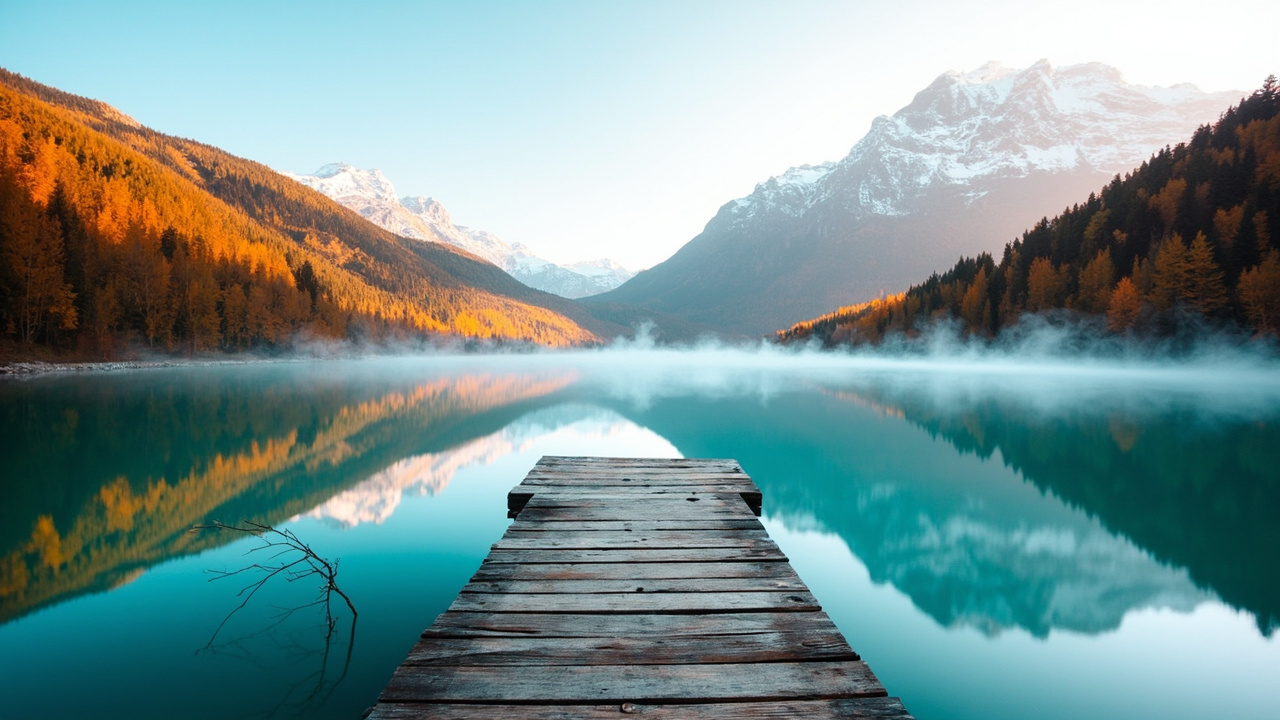
The first time I flew into Urumqi, I made the mistake of expecting a dusty frontier outpost. Instead, the plane dropped through a layer of cloud and I saw the Tianshan range rising like a frozen wave, snow-streaked peaks floating above the heat haze of the desert plain. The woman next to me, a Uyghur grandmother returning from a pilgrimage to Kashgar, offered me a piece of dried apricot and laughed at my stunned expression. That was seven years ago. I’ve been back to Xinjiang eleven times since, and it still does that to me.
Xinjiang is China’s largest province, covering roughly one-sixth of the country’s territory, and it operates on a different rhythm than the rest of the nation. The landscapes shift from the Taklamakan Desert, the second-largest shifting sand desert on Earth, to alpine meadows that could pass for the Swiss Alps, to the flaming red canyons of the Tianshan. The culture is a mosaic of Uyghur, Kazakh, Kyrgyz, Mongolian, and Han Chinese traditions, and the food alone is worth the flight. But it’s also a region that intimidates first-time visitors. Security checkpoints, language barriers, and a reputation that precedes it keep many travelers away.
This guide cuts through the noise. I’ll tell you exactly when to go, what it costs, and how to navigate the practical realities of traveling here as a foreigner in 2026, including the current visa-free policies that make visiting easier than you might think.
Quick answer
The best time to visit Xinjiang is from May to October, with the absolute sweet spot being mid-June through early October for the northern grasslands and April through June plus September through November for the southern desert cities. Most first-time visitors should target July through September, when the northern routes are fully accessible, the grasslands are green, and the weather is warm without being brutal. If you’re a US, UK, Canadian, Australian, or most European passport holder, you can enter China visa-free for up to 30 days through 2026, which covers a solid two-week Xinjiang itinerary.
The Short Version
If you only have 90 seconds, here’s the deal: Xinjiang is not a one-season destination. The north (around Kanas Lake, Sayram Lake, and the Ili Valley) peaks from June to September when the grasslands explode with wildflowers and the mountain passes open. The south (Kashgar, the Karakoram Highway, the Taklamakan edge) is best in April-May and September-October, when temperatures are tolerable and the desert light is golden. July and August are busy with domestic Chinese tourists, so book trains and hotels early. Skip December through February unless you’re a hardcore winter photographer who doesn’t mind -20°C temperatures and closed mountain roads. My honest opinion: September is the single best month for the whole region, but if you can only go in summer, go in early June before the crowds hit.
How I Picked These
I’ve traveled through Xinjiang eleven times since 2018, spending a cumulative total of about four months on the ground. I’ve driven the Karakoram Highway twice, ridden the overnight train from Urumqi to Kashgar three times, and hiked the Kanas Lake region in both summer and autumn. I’ve also made a habit of sitting in Uyghur tea houses and asking locals, in my broken Mandarin and even more broken Uyghur, when they think visitors should come. This guide combines my own experiences with conversations with tour operators in Urumqi, Kazakh herders in the Ili Valley, and a particularly opinionated taxi driver in Kashgar who insisted I was wrong about the best time to visit the Id Kah Mosque. I’ve cross-checked my recommendations against current 2026 pricing and transport schedules, but I’ve flagged anywhere I’m uncertain rather than guessing.
Comparison Table
| Rank | Place | Best For | Approx Cost (USD) | Time Needed | When to Go |
|---|---|---|---|---|---|
| 1 | Kanas Lake | Scenic lakes, forests, autumn colors | $30/day | 2-3 days | June-Sep (autumn peak: late Sep) |
| 2 | Kashgar Old City | Uyghur culture, bazaars, history | $25/day | 2-3 days | Apr-Jun, Sep-Oct |
| 3 | Sayram Lake | Alpine lake, cycling, wildflowers | $40/day | 1-2 days | Jun-Aug |
| 4 | Ili Valley | Lavender fields, Kazakh culture | $35/day | 2-3 days | Jun-Jul (lavender), Sep (orchards) |
| 5 | Karakoram Highway | Mountain scenery, Pakistan border | $50/day | 3-5 days | May-Oct (pass opens late May) |
| 6 | Turpan | Desert, grapes, ancient ruins | $30/day | 1-2 days | Apr-May, Sep-Oct |
| 7 | Heavenly Lake (Tianchi) | Day trip from Urumqi, alpine scenery | $45/day | 1 day | Jun-Sep |
| 8 | Taklamakan Desert | Desert camping, Silk Road history | $60/day | 2-4 days | Apr-May, Sep-Oct |
| 9 | Urumqi | Food, museums, transport hub | $35/day | 1-2 days | May-Oct |
| 10 | Bayanbulak Grassland | Swans, Kazakh nomads, vast plains | $40/day | 1-2 days | Jun-Aug |
Kanas Lake — The lake that made me cancel my flight home
I once sat on a wooden jetty at Kanas Lake watching the water shift from turquoise to deep emerald as clouds moved across the surrounding peaks. A Kazakh fisherman told me the lake was home to a monster, and he said it with such conviction that I almost believed him. The lake is real, the monster is probably a large fish, but the place feels otherworldly enough that you’ll entertain the possibility.
Kanas is Xinjiang’s poster child, and for good reason. The lake sits in a glacial valley near the border with Kazakhstan and Russia, surrounded by dense taiga forest that turns a blazing gold in late September. The water is so clear you can see the pebbled bottom twenty feet down. The nearby villages of Hemu and Baihaba are home to the Tuvan people, an ethnic group related to Mongolians, who live in wooden log cabins and still practice shamanistic traditions.
The practical reality is that Kanas is remote. You’ll fly or take an overnight train to Burqin County, then drive another two hours to the park entrance. The park itself requires a shuttle bus system that can feel a bit like a theme park, but the scenery justifies the hassle. I’ve been here in July when the meadows were carpeted with blue poppies and in late September when the larch forests were on fire. Both were spectacular, but the autumn colors are the reason photographers make the pilgrimage.
📍 Location: Burqin County, Altay Prefecture, northern Xinjiang 🎫 Entry fee: $30 (¥210) for the park plus shuttle bus; Hemu Village is an additional $15 (¥105) 🕒 Opening hours: 8:00 AM – 8:00 PM in summer, shorter hours in shoulder seasons 🚕 Getting there: Fly from Urumqi to Kanas Airport (1.5 hours, ~$100/¥700 one-way) or take the overnight train to Beitun Station, then a 3-hour bus to the park entrance 📅 When to visit: Mid-June to early October; late September for autumn colors 💡 Insider tips: Stay overnight in Hemu Village and wake up for sunrise on the viewing platform. The shuttle bus stops running at 8 PM, so if you miss the last one, you’re walking. Bring warm layers even in summer — the elevation is 1,400 meters and evenings get cold. Book accommodation in Hemu at least two weeks ahead for September.
The fisherman never did tell me his name, but he shared his lunch of smoked fish and flatbread with me, and I’ve never forgotten that meal.
Kashgar Old City — Where I got hopelessly lost and loved every minute
I got lost in the Kashgar Old City on my first visit, and it was the best mistake I’ve made in China. The alleyways twist and turn without logic, mud-brick walls rise three stories high, and every courtyard door opens onto a scene of domestic life that feels centuries old. A group of children adopted me for an hour, showing me their school, their grandmother’s grape arbor, and the rooftop where they flew homemade kites.
Kashgar is the heart of Uyghur culture in Xinjiang, and the Old City is its soul. The Uyghur people are Turkic-speaking Muslims with roots in Central Asia, and their culture is distinct from Han Chinese culture in almost every way. The food is closer to Uzbek cuisine than to what you’ll find in Beijing or Shanghai. The architecture features carved wooden balconies and tile work that echoes Samarkand. The Sunday Animal Market, where farmers trade sheep, donkeys, and camels, is one of the most extraordinary spectacles I’ve witnessed anywhere in the world.
The Old City has been heavily renovated in recent years, with some critics saying it’s been sanitized. There’s truth to that, but the neighborhoods still feel alive in a way that tourist reconstructions rarely do. The key is to wander beyond the main drag and into the residential lanes, where you’ll find craftsmen hammering copper, bakers pulling naan from clay ovens, and old men playing chess in shaded courtyards.
📍 Location: Central Kashgar, south of Renmin East Road
🎫 Entry fee: Free to wander the Old City; some specific sites charge $2-5 (¥15-35)
🕒 Opening hours: Always open, but the old city is liveliest in the late afternoon and evening
🚕 Getting there: Kashgar Airport is a 30-minute taxi ride from the Old City ($5/¥35). From the train station, take bus 20 or a taxi ($3/¥20)
📅 When to visit: April-June and September-October for pleasant temperatures; avoid July-August heat and December-February cold
💡 Insider tips: Visit the Id Kah Mosque on Friday morning to see worshippers gather, but don’t enter during prayer times. The Sunday Animal Market starts at dawn and is mostly done by 11 AM. Learn a few Uyghur phrases — “salam” (hello) and “rahmat” (thank you) will get you smiles. Carry small bills for the bazaar; vendors rarely have change for large notes. Dress modestly, especially women, covering shoulders and knees.
I bought a hand-hammered copper teapot from an old craftsman who insisted on demonstrating its quality by pouring tea three times before he’d let me pay.
Sayram Lake — The lake that ruined all other lakes for me
Sayram Lake sits at 2,073 meters above sea level, ringed by snow-capped peaks and rolling grasslands that look like they were designed by a landscape architect. I cycled the 60-kilometer loop around the lake in a single day, and by the end, my legs were gone but my mind was completely clear. The water shifts between cobalt blue and turquoise depending on the cloud cover, and in June, the surrounding meadows are thick with wildflowers.
This is the lake that makes you understand why the Kazakh herders who live here consider it sacred. The water is so pure that locals drink it directly from the shore. The air smells of alpine herbs and wild mint. In the early morning, mist rises off the surface and the mountains appear to float.
The lake is accessible as a day trip from Yining, the capital of the Ili Kazakh Autonomous Prefecture, but I’d recommend staying at least one night in one of the yurt camps on the northern shore. Waking up to the sunrise over the lake, with the smell of woodsmoke and yak dung in the air, is an experience you won’t forget.
📍 Location: Bole City, Bortala Mongol Autonomous Prefecture, ~100 km from Yining 🎫 Entry fee: $15 (¥105) for the park entrance; yurt camps cost $30-50 (¥200-350) per night 🕒 Opening hours: 8:00 AM – 8:00 PM in summer 🚕 Getting there: From Yining, take a taxi or private car (~2 hours, $60/¥400). Public buses run from Yining’s long-distance station but are infrequent 📅 When to visit: June-August for wildflowers and warm weather; the lake freezes in winter 💡 Insider tips: Rent a bicycle at the north shore entrance and cycle the loop counterclockwise to catch the best light. The yurt camps are basic — shared toilets, no showers, and the “beds” are mattresses on the floor. Bring your own sleeping bag liner. The lake is at altitude, so take it easy if you’re not used to elevation. Pack sunscreen and a hat; the UV is intense even on cloudy days.
My Kazakh host, a woman named Aigul, taught me how to make fermented mare’s milk, which tastes like sour yogurt with a kick. I politely drank a cup and spent the rest of the night grateful for modern plumbing.
Ili Valley — The lavender fields that made me think I was in Provence
I rounded a corner on the road from Yining to the Huocheng County border and suddenly I was in Provence. Row after row of lavender stretched to the horizon, purple waves rippling in the breeze, the air thick with the scent of essential oils. A Uyghur farmer waved me over and offered me a bottle of lavender honey, explaining that his family had been growing the crop since the 1960s, when the Chinese government introduced it as part of a program to reduce dependence on French imports.
The Ili Valley is Xinjiang’s agricultural heartland, and it produces more lavender than anywhere else in China. The region is also home to a significant Kazakh population, and the grasslands around the valley are dotted with their white felt yurts. In June and July, the valley is a patchwork of purple lavender fields, yellow rapeseed, and green wheat. In September, the apple orchards are heavy with fruit, and the roadside stalls sell honey, dried apricots, and fresh walnuts.
The valley is also the gateway to the Khorgas border crossing with Kazakhstan, which makes it a fascinating place to watch the ebb and flow of Central Asian trade. Chinese trucks loaded with electronics rumble west while Kazakh trucks haul sunflower seeds and wheat east.
📍 Location: Ili Kazakh Autonomous Prefecture, centered on Yining City 🎫 Entry fee: Free to drive through the lavender fields; some farms charge $2-5 (¥15-35) for entry 🕒 Opening hours: Daylight hours 🚕 Getting there: Fly from Urumqi to Yining Airport (1.5 hours, ~$80/¥560 one-way) or take the overnight train (~12 hours, $30-50/¥200-350) 📅 When to visit: Mid-June to mid-July for lavender; September for orchards and harvest 💡 Insider tips: The best lavender fields are around Huocheng County, about 30 km west of Yining, not in the city itself. The “Solitary Smoke” lavender farm is the most photogenic but also the busiest; go at sunrise to beat the tour groups. Hire a driver for the day rather than relying on public transport — the fields are spread out. Try the lavender ice cream sold at roadside stalls; it’s surprisingly good. Don’t pick the lavender without asking; farmers work hard for their crop.
I shared lunch with a Kazakh family who invited me into their yurt for lamb pilaf and endless cups of milk tea. The grandmother insisted I take a second helping, patting my arm and saying I was too thin.
Karakoram Highway — The road that made me understand the meaning of “epic”
The Karakoram Highway stretches from Kashgar to the Khunjerab Pass on the Pakistan border, climbing through some of the most dramatic mountain scenery on Earth. I drove it in a shared minibus with eight other passengers, including a Pakistani businessman, a Kyrgyz truck driver, and a Chinese geologist who pointed out every rock formation by name. The road clings to the side of sheer cliffs, crosses rivers on rickety bridges, and passes through valleys where the only signs of human habitation are scattered stone villages.
The highway is the highest paved international road in the world, reaching 4,693 meters at the Khunjerab Pass. The scenery is raw and unforgiving: glaciers spill down from peaks that exceed 7,000 meters, and the Karakoram, Hindu Kush, and Pamir mountain ranges converge in a chaos of rock and ice. The road was built in the 1960s and 1970s by Chinese and Pakistani engineers, and nearly 700 workers died during its construction.
The journey is not for the faint of heart. The road is narrow, the drop-offs are sheer, and landslides are a constant threat. But the rewards are extraordinary. The town of Tashkurgan, at 3,090 meters, is home to the Tajik people, who are ethnically distinct from the Uyghurs and speak a language closer to Persian. Their stone houses and warm hospitality are a highlight of the journey.
📍 Location: From Kashgar to the Khunjerab Pass, western Xinjiang
🎫 Entry fee: Free to drive the highway; you’ll need a permit for the border area (arranged through your hotel or a tour operator)
🕒 Opening hours: The Khunjerab Pass is open from late May to mid-October, weather permitting
🚕 Getting there: Shared minibuses from Kashgar’s International Bus Station to Tashkurgan (6 hours, $15/¥100 per person); hire a private car for more flexibility ($100/¥700 per day)
📅 When to visit: June-September for the best weather; the pass is closed in winter
💡 Insider tips: Get your border permit in Kashgar before you leave — your hotel can help arrange it, and it takes about a day. Acclimatize in Kashgar (1,290 meters) before heading to altitude. Carry snacks and water; there are long stretches with no services. The Tajik people in Tashkurgan are welcoming but conservative; dress modestly and ask before taking photos. If you’re planning to cross into Pakistan, check the current border status — it’s been open and closed at various times.
My minibus broke down twice on the way to Tashkurgan, and both times, passing drivers stopped to help. The second time, we all got out and pushed the van up a hill while the driver nursed the engine.
Turpan — The desert oasis that’s hotter than you think
Turpan sits in a depression 154 meters below sea level, making it the third-lowest place on Earth after the Dead Sea and the Sea of Galilee. It’s also one of the hottest places in China, with summer temperatures routinely exceeding 40°C (104°F). I visited in August once, and the heat was so intense that I felt like I was walking through a furnace. The locals, who have adapted to the climate over centuries, seemed entirely unbothered.
Despite the heat, Turpan has been a thriving oasis for over 2,000 years, thanks to an ingenious underground irrigation system called the karez. These underground channels tap into the water table and carry it to the surface without evaporation loss. The result is a green ribbon of vineyards, cotton fields, and mulberry trees cutting through the brown desert.
The region is famous for its grapes, which are so sweet that they’re used to make raisins that are exported across China. The Grape Valley, a tourist-oriented area on the outskirts of town, is worth a visit for the sheer spectacle of the vines, but the real magic is in the ancient ruins scattered around the area. The Jiaohe Ruins, an abandoned city that dates back 2,300 years, are particularly impressive — a maze of mud-brick walls and streets carved into a plateau above the surrounding plain.
📍 Location: Turpan City, eastern Xinjiang, ~180 km southeast of Urumqi 🎫 Entry fee: Jiaohe Ruins $10 (¥70); Grape Valley $15 (¥105); Flaming Mountains $8 (¥55) 🕒 Opening hours: 8:00 AM – 8:00 PM in summer; shorter hours in winter 🚕 Getting there: High-speed train from Urumqi to Turpan North Station (~1 hour, $15/¥100); taxis are cheap and plentiful 📅 When to visit: April-May and September-October for tolerable temperatures; June-August is brutally hot 💡 Insider tips: Visit the Jiaohe Ruins at sunset when the low light turns the mud-brick walls golden. The Flaming Mountains, made famous by the novel “Journey to the West,” are best viewed from the roadside rather than paying for the tourist complex. Try the local grapes — the seedless white variety is the best. Drink lots of water; the dry heat dehydrates you faster than you realize. The karez irrigation system is worth a visit to understand how this place survives.
I ate lunch at a Uyghur restaurant where the owner, seeing me sweating, brought me a bowl of cold yogurt soup and told me, in broken Mandarin, that it would cool me down. He was right.
Heavenly Lake (Tianchi) — The day trip that’s worth the tourist crowds
Heavenly Lake, or Tianchi, is the closest thing to a mountain escape from Urumqi, and it shows. On a summer weekend, the shores are packed with domestic tourists taking selfies, riding camels, and posing in rented Kazakh costumes. I went on a Tuesday in June, and while there were still crowds, I found a quiet corner of the lake where I could sit and watch the reflections of the snow-capped Bogda Peak in the still water.
The lake sits at 1,980 meters in the Tianshan range, and the contrast between the desert heat of Urumqi and the cool alpine air of the lake is dramatic. The water is a deep turquoise, fed by glacial melt, and the surrounding slopes are covered in spruce forest. A cable car runs up to a viewpoint at 2,400 meters, from which you can see the lake spread out below and the peaks of the Tianshan stretching to the horizon.
Despite the crowds, Heavenly Lake is worth the trip. It’s a chance to experience the Tianshan mountains without committing to a multi-day trek, and the scenery is genuinely beautiful. The key is to go early, avoid weekends, and hike away from the main shore area.
📍 Location: Tianshan Tianchi Scenic Area, ~70 km east of Urumqi 🎫 Entry fee: $20 (¥140) including shuttle bus; cable car an additional $15 (¥105) 🕒 Opening hours: 9:00 AM – 6:00 PM in summer; shorter hours in winter 🚕 Getting there: From Urumqi, take a taxi or private car (~1.5 hours, $50/¥350 one-way); public buses run from the South Suburban Bus Station but are infrequent 📅 When to visit: June-September for the best weather; the lake freezes in winter and the area becomes a ski resort 💡 Insider tips: Go on a weekday and arrive at 9 AM to beat the tour groups. Walk clockwise around the lake to escape the crowds; most tourists stay near the shuttle bus drop-off. The cable car is worth it for the views but can have long queues in summer. Bring a picnic and find a quiet spot on the far shore. The Kazakh yurt camps near the entrance serve decent food but are overpriced.
I met a Kazakh horse guide named Serik who offered to take me on a two-hour ride into the backcountry. We didn’t share a common language, but we communicated through gestures and smiles, and the views from the ridge were worth every sore muscle.
Taklamakan Desert — The sea of death that’s surprisingly alive
The Taklamakan Desert is the second-largest shifting sand desert in the world, covering an area roughly the size of Germany. Its name in Uyghur means “you go in and you never come out,” and for centuries, the Silk Road caravans that crossed it treated the journey as a matter of life and death. I drove along the desert highway that bisects it, and even from the comfort of an air-conditioned car, the scale of the place was humbling.
The desert is not the lifeless wasteland you might imagine. The Tarim River, China’s longest inland river, runs along its northern edge, creating a ribbon of poplar forest that turns a spectacular gold in October. The desert itself is home to wildlife, including the wild Bactrian camel, the goitered gazelle, and the elusive snow leopard in the surrounding mountains. And scattered along the ancient trade routes are the ruins of Buddhist kingdoms that flourished here a thousand years ago before being swallowed by the sand.
The most accessible way to experience the desert is to drive the Taklamakan Desert Highway, which runs from Luntai in the north to Minfeng in the south. The road is lined with a green belt of drought-resistant plants, irrigated by a system of wells that tap into the underground aquifers. It’s a remarkable feat of engineering, but the real magic is stepping off the road and into the dunes.
📍 Location: Central Xinjiang, bounded by the Tianshan to the north and the Kunlun Mountains to the south 🎫 Entry fee: Free to drive the desert highway; guided desert camping trips cost $100-200 (¥700-1400) per day 🕒 Opening hours: The desert highway is open year-round, but sandstorms can close it temporarily 🚕 Getting there: From Korla, take a taxi or private car to the Luntai entrance (~2 hours, $40/¥280); the highway runs 522 km to Minfeng 📅 When to visit: April-May and September-October for mild temperatures; summer heat is extreme, winter is freezing 💡 Insider tips: The best desert scenery is around the 200-300 km mark of the highway, where the dunes are tallest. If you’re camping, hire a guide — getting lost in the dunes is a real risk. Carry at least 5 liters of water per person per day. The poplar forest along the Tarim River is spectacular in late October. Check the weather forecast for sandstorms before setting out.
I spent a night in a desert camp with a Uyghur guide named Abdu, who cooked a lamb stew over an open fire and told me stories about the desert spirits his grandmother warned him about as a child.
Urumqi — The city that surprised me with its food and energy
Urumqi is not the most beautiful city in China, but it’s a city with a pulse. The capital of Xinjiang is a sprawling metropolis of over 4 million people, a mix of Han Chinese, Uyghur, Kazakh, and other ethnic groups that gives it a distinctly Central Asian flavor. The skyline is a jumble of glass towers and Soviet-era apartment blocks, but the streets are alive with the smell of lamb skewers, the sound of Uyghur pop music, and the sight of women in brightly colored headscarves shopping alongside Han Chinese office workers.
The city’s main attraction for visitors is its food. The Grand Bazaar, a tourist-oriented market near the city center, is worth a visit for the spectacle, but the real eating happens in the Uyghur restaurants scattered around the city. I had the best lamb pilaf of my life at a hole-in-the-wall place in the Tianshan District, where the owner, a Uyghur man named Yusuf, insisted I try his homemade yogurt and told me his family had been running the restaurant for three generations.
Urumqi is also a useful base for exploring the surrounding region. The Xinjiang Regional Museum has an excellent collection of Silk Road artifacts, including the famous Loulan mummies, which are over 3,000 years old and remarkably well-preserved. And the city’s transport connections make it easy to reach the rest of the region.
📍 Location: Northern Xinjiang, at the foot of the Tianshan mountains 🎫 Entry fee: Xinjiang Regional Museum is free; Grand Bazaar is free to enter 🕒 Opening hours: Most restaurants open 11 AM – 10 PM; the museum is open 10 AM – 6 PM, closed Mondays 🚕 Getting there: Urumqi Diwopu International Airport is well-connected to major Chinese cities; the high-speed rail network connects Urumqi to Lanzhou, Xi’an, and Beijing 📅 When to visit: May-October for pleasant weather; the city is a transport hub year-round 💡 Insider tips: The best Uyghur food is in the small restaurants south of Renmin Road, not in the tourist-oriented Grand Bazaar. The museum’s mummy exhibit is genuinely world-class but can be crowded on weekends. Taxis are cheap and plentiful, but make sure the meter is running. The night market on Xingfu Road is a great place to try street food. Learn to say “no spice” in Mandarin (“bu la”) if you can’t handle the heat.
Yusuf, the restaurant owner, refused to let me pay for my second meal, insisting that I was his guest. I left a tip on the table anyway, and he chased me down the street to return it.
Bayanbulak Grassland — The swan lake that felt like the end of the earth
I drove to Bayanbulak Grassland expecting rolling green hills, but what I found was something far more dramatic. The grassland sits at 2,500 meters in the Tianshan range, a vast plain surrounded by snow-capped peaks that seemed to stretch to infinity. The sky was impossibly blue, the air was thin and cold, and the only sounds were the wind and the distant bleating of sheep. I felt like I had reached the end of the earth.
The grassland is home to the Kazakh herders who move their flocks between summer and winter pastures, and their white felt yurts dot the landscape like mushrooms after rain. The main attraction for visitors is the Swan Lake Nature Reserve, a shallow wetland that hosts a breeding population of whooper swans from May to September. I sat on a boardwalk for an hour watching the swans glide through the reeds, their reflections perfect in the still water.
The grassland is remote, which is part of its appeal. The nearest town is Hejing, about 200 kilometers away, and the road winds through mountain passes that are often closed in winter. But the journey is worth it. There’s a sense of vastness here that you don’t find in more accessible parts of China.
📍 Location: Hejing County, Bayingolin Mongol Autonomous Prefecture, central Xinjiang 🎫 Entry fee: $10 (¥70) for the grassland; additional fee for the Swan Lake area 🕒 Opening hours: 8:00 AM – 8:00 PM in summer 🚕 Getting there: From Korla, take a taxi or private car (~4 hours, $80/¥560); public buses run from Korla to Hejing, then you’ll need to hire a car for the final stretch 📅 When to visit: June-August for the best weather and the swans; the grassland is covered in snow from November to April 💡 Insider tips: The swans are most active in the early morning and late afternoon. Bring warm layers even in summer; the elevation and wind can make it feel cold. The yurt camps are basic but authentic — you’ll sleep on the floor and share a communal toilet. Try the local yogurt, which is made from yak milk and has a distinctive tang. If you’re driving, fill up on gas in Hejing before heading into the grassland.
I shared a yurt with a Kazakh family who insisted I join them for dinner. The father, a herder named Askar, showed me photos on his phone of his prize-winning horse, and his wife taught me how to make fried dough.
FAQ summary
Most first-time visitors should plan their Xinjiang trip between June and October, with September offering the best balance of pleasant weather, accessible routes, and manageable crowds. The region is safe for tourists, but you’ll need to pass through security checkpoints and carry your passport at all times. US, UK, Canadian, Australian, and most European passport holders can enter China visa-free for up to 30 days through 2026, which is sufficient for a two-week Xinjiang itinerary. Budget at least $50-80 per day for comfortable travel, and book trains and popular accommodations well in advance for July and August.
FAQ
Q: Is Xinjiang safe for foreign tourists in 2026? A: Yes, Xinjiang is safe for tourists, with a visible security presence including checkpoints on major roads and in city centers. You’ll need to pass through airport-style security at train stations, shopping malls, and some hotels, but these are routine and efficient. Always carry your passport, as you’ll need it for checkpoints and hotel check-ins.
Q: Do I need a special permit to visit Xinjiang? A: No, you don’t need a special permit for most of Xinjiang, including Urumqi, Kashgar, Turpan, and the major scenic areas. However, you’ll need a border permit to visit areas near the Pakistan, Afghanistan, and Tajikistan borders, such as the Khunjerab Pass and Tashkurgan. Your hotel or a local tour operator can arrange this in Kashgar.
Q: What’s the best way to get around Xinjiang? A: The high-speed rail network connects Urumqi to major cities like Turpan and Hami, but for most of Xinjiang, you’ll rely on flights, overnight trains, and private cars. Domestic flights are the most efficient for long distances, with Urumqi to Kashgar taking about 2 hours. For remote areas like Kanas Lake and Bayanbulak, hiring a private car with a driver is the most practical option.
Q: Do people in Xinjiang speak English? A: English is not widely spoken in Xinjiang, especially outside of major tourist areas. In Urumqi and Kashgar, you’ll find some English speakers in hotels and tourist sites, but you’ll need a translation app for most interactions. Download the Google Translate app with the Chinese language pack before you arrive, and consider learning a few basic Mandarin phrases.
Q: What should I pack for a trip to Xinjiang? A: Pack for significant temperature swings, as Xinjiang has a continental climate with hot days and cool nights. In summer, bring light clothing for daytime and a warm layer for evenings, especially at altitude. In spring and autumn, pack a down jacket or heavy fleece. Sunscreen, a hat, and sunglasses are essential year-round due to the intense UV at altitude.
Q: Is the food in Xinjiang very spicy? A: Xinjiang cuisine is not as spicy as Sichuan food, but it does use chili peppers and cumin liberally. The signature dishes are lamb skewers, pilaf, hand-pulled noodles, and naan bread. If you can’t handle spice, learn to say “bu la” (not spicy) in Mandarin, and most restaurants will accommodate you.
Q: How much does a trip to Xinjiang cost? A: Budget travelers can get by on $40-50 per day, including dorm beds, street food, and public transport. Mid-range travelers should plan for $70-100 per day for private rooms, restaurant meals, and occasional taxis. A two-week trip will cost roughly $1,000-1,500 per person, excluding international flights.
The Honest Wrap-up
Xinjiang is not an easy destination. The distances are vast, the infrastructure is sometimes rough, and the security presence can feel overwhelming at first. But it’s also one of the most rewarding places I’ve ever traveled, a region where the landscapes are so dramatic they feel unreal and the people are so welcoming they’ll restore your faith in humanity. This guide is for the traveler who wants more than a checklist of sights, who’s willing to endure a few uncomfortable bus rides and language barriers for the chance to watch the sun set over the Karakoram or share tea with a Kazakh herder. If that sounds like you, book the flight. Go in September if you can, pack for all seasons, and leave your expectations at home. Xinjiang will surprise you.
Topics
More guides you may like

Top 10 Bridges in China
China's bridges are engineering marvels spanning mountains, rivers, and seas. Here are 10 of the most spectacular, from ancient stone to modern steel.
8 min read

Top 10 Buddhist Sites in China
From the Leshan Giant Buddha to the Dunhuang Caves, these 10 Buddhist sites represent 2,000 years of China's spiritual heritage.
9 min read
Top 10 Day Trips from Beijing You Shouldn't Miss
Beijing is packed with history, but some of China's best experiences are just a few hours away. Here are 10 day trips that will transform your visit.
9 min read
Top 10 Hidden Gems in China Off the Beaten Path
Beyond the Great Wall and Terracotta Warriors, China has incredible hidden destinations few tourists ever reach. Here are 10 underrated gems worth the detour.
9 min read
Top 10 Markets and Shopping Streets in China
From Shanghai's Bund to Beijing's Silk Street - 10 markets where foreigners can haggle, explore, and bring home authentic Chinese goods.
9 min read
Top 10 Museums in China You Shouldn't Miss
China's museums span 5,000 years of civilization. These 10 - from the Palace Museum to Xi'an's terracotta gallery - are unmissable for culture lovers.
9 min read