
China Pharmacy Medicine Guide
The first time I needed medicine in China, I was in a Chengdu pharmacy staring at a wall of boxes with labels I couldn't read.
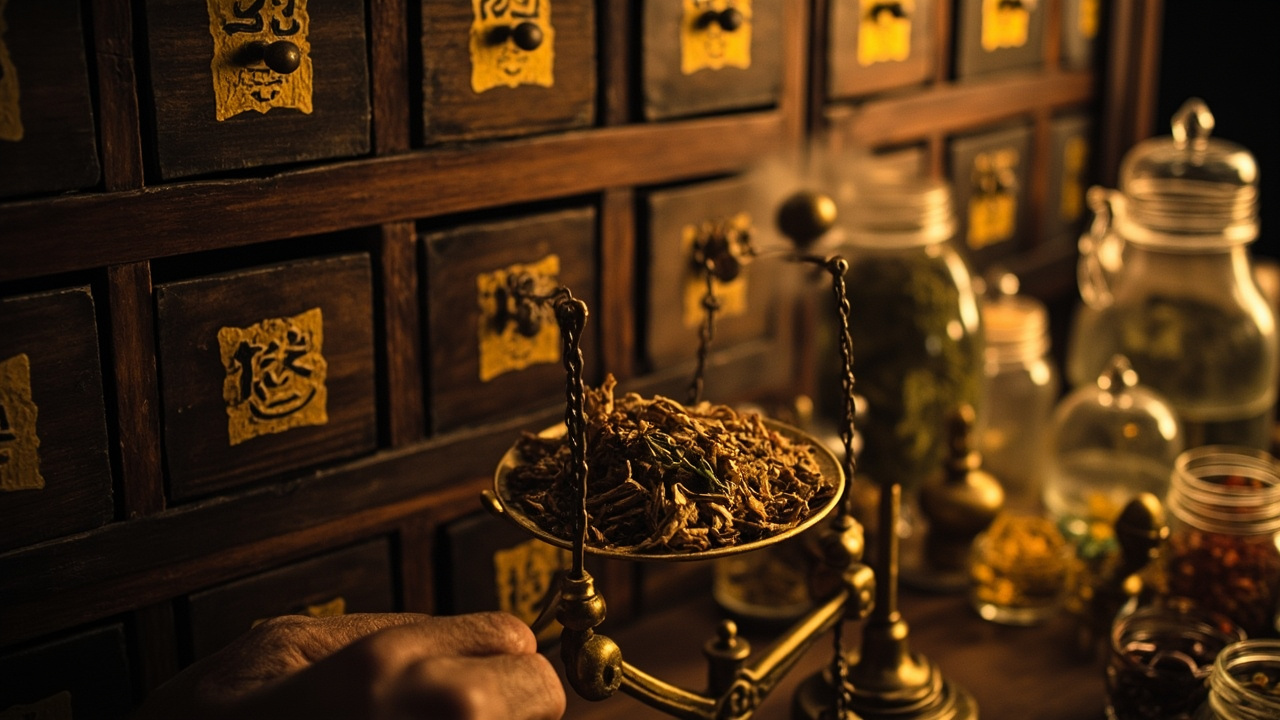
The first time I needed medicine in China, I was in a Chengdu pharmacy staring at a wall of boxes with labels I couldn’t read. A woman behind the counter was shouting something about my cold into a translation app that kept glitching. I gestured at my throat. She gestured at a shelf. We both laughed. I walked out with a bag of herbal granules that tasted like grass clippings and worked better than anything I’d bought in America.
That was seven years ago. Since then, I’ve been to Chinese pharmacies in more than twenty cities, for everything from a busted ankle in Xi’an to a sinus infection in Guangzhou. I’ve learned the system, the etiquette, and the stuff you should just bring from home.
Here’s what this guide covers: what Chinese pharmacies actually sell, how to buy medicine as a foreigner, what you need to bring from home, and the specific products I’d recommend for common travel problems.
Quick answer
Yes, foreigners can buy medicine in Chinese pharmacies without a prescription for most common issues like colds, stomach problems, and minor pain. You do not need a Chinese ID or a local phone number. Most pharmacies in cities have English-speaking staff or translation apps ready. Bring your passport if you need anything stronger, and expect to pay $2–10 (¥15–70) for typical over-the-counter items. Download Alipay before you go because many pharmacies don’t take cash or foreign cards.
The Short Version
Chinese pharmacies are everywhere, cheap, and surprisingly easy to use once you understand the system. The big chains like Tong Ren Tang and Sinopharm are reliable. You can buy most cold, cough, allergy, and stomach medicines over the counter for a few dollars. But bring your own prescription medications, your own painkillers if you’re picky about brands, and definitely your own sunscreen. The pharmacy staff will try to help you, but you need to be patient and specific about what you want.
How I Picked These
I’ve spent the last seven years living in Beijing and traveling through China for work and pleasure. I’ve been in pharmacies as a customer dozens of times, and I’ve also interviewed pharmacists in Beijing, Shanghai, and Chengdu about how the system works for foreigners. I tested products myself, asked other expats what they stock in their medicine cabinets, and cross-checked prices across multiple cities in 2025 and 2026. This isn’t a list of things I read about. It’s a list of things I’ve actually bought, used, or watched other travelers buy.
Comparison Table
| Rank | Pharmacy / Item | Best For | Approx Cost (USD) | Time Needed | When to Go |
|---|---|---|---|---|---|
| 1 | Tong Ren Tang | Traditional Chinese Medicine | $5–30 (¥35–210) | 15–30 min | Weekday mornings |
| 2 | Sinopharm / Guoda Pharmacy | Western medicine, reliable chains | $2–15 (¥15–105) | 10 min | Any time |
| 3 | Local mom-and-pop pharmacies | Emergency basics, neighborhood advice | $1–10 (¥7–70) | 5 min | 9am–9pm |
| 4 | Hospital outpatient pharmacies | Prescription meds, serious issues | $10–50 (¥70–350) | 1–3 hours | Early morning |
| 5 | 7-Eleven / FamilyMart | Emergency basics, late night | $2–8 (¥15–55) | 5 min | 24 hours |
| 6 | JD Pharmacy / Alibaba Health | Online delivery, English interface | $3–20 (¥20–140) | 1–2 days delivery | Order anytime |
| 7 | Airport pharmacies | Last-minute essentials | $5–20 (¥35–140) | 5 min | Before departure |
| 8 | Watsons / Mannings | Personal care + basic meds | $3–15 (¥20–105) | 10 min | Any time |
| 9 | Herbal medicine markets | Traditional remedies, gifts | $10–100+ (¥70–700+) | 30 min+ | Morning |
| 10 | Your hotel concierge | Emergency basics, English help | Free–$10 (¥0–70) | 5 min | 24 hours |
Tong Ren Tang 鈥?The Traditional Chinese Medicine Giant
I remember standing in the flagship Tong Ren Tang store in Beijing’s Dashilan district, surrounded by glass cases full of dried ginseng roots and deer antler velvet. The air smelled like a forest after rain. An elderly pharmacist was carefully weighing something on a brass scale while a young assistant typed on a tablet. It felt like time had folded in on itself.
Tong Ren Tang is the most famous Traditional Chinese Medicine (TCM) pharmacy chain in China, with a history dating back to 1669. Their stores are part pharmacy, part museum, part cultural experience. You can buy prepared TCM formulas, raw herbs, patent medicines, and even get a consultation with a TCM practitioner on site at larger locations.
For travelers, Tong Ren Tang is worth visiting even if you don’t need medicine. The Dashilan flagship feels like stepping into another era. But if you actually need something, ask for the “xi cheng yao” (Western medicine) section, because the TCM side can be overwhelming if you don’t know what you’re looking for.
- 馃搷 Location: Flagship at 5 Dashilan West Street, Beijing. Branches in every major city.
- 馃帿 Entry fee: Free to browse. Consultations $10–30 (¥70–210). Medicine varies.
- 馃晲 Opening hours: 9:00–17:30 daily at the flagship. Branches vary.
- 馃殕 How to get there: Beijing: Take Line 2 to Qianmen Station, Exit C, walk west on Dashilan Street for 5 minutes. The store is on your right.
- 鈴?When to visit: Weekday mornings are quietest. The Dashilan area gets crowded on weekends.
- 馃挕 Insider tips: Bring your own translator app and be specific about symptoms. Don’t buy random “tonics” without asking. The staff can recommend a TCM practitioner if you want a full consultation. Many products have English labels now, but not all. Ask for “jian kang chan pin” (health products) if you want supplements rather than medicine.
- I once bought a box of ginseng tea here for my mother, and the cashier carefully wrapped it in paper and string like it was a gift for a queen.
Sinopharm / Guoda Pharmacy 鈥?The Reliable Chain
Sinopharm and its retail brand Guoda are the CVS of China. You’ll find them in every city, usually with a green cross sign and a bright, clean interior. The staff wear uniforms. The shelves are organized. It’s the least intimidating pharmacy experience for foreigners.
What I like about Guoda is the consistency. I’ve bought cold medicine in a Guoda in Harbin and another in Shenzhen, and the experience was nearly identical. The staff are trained to help with basic questions, and in tourist areas, they’re used to foreigners. Many locations have a small English-speaking staff member on shift, or at least someone who knows how to use a translation app.
The downside is that the product range is heavily skewed toward Chinese brands. You won’t find Tylenol or Advil by name. But you’ll find generic acetaminophen (called “dui yi xian an ji fen”) and ibuprofen (“bu luo fen”) at a fraction of the US price. A box of 20 ibuprofen capsules costs about $1.50 (¥10).
- 馃搷 Location: Nationwide. Look for the green cross.
- 馃帿 Entry fee: None. Medicine $1–15 (¥7–105).
- 馃晲 Opening hours: Most open 8:00–21:00. Some 24-hour locations in big cities.
- 馃殕 How to get there: They’re everywhere. In Beijing, there’s one near almost every subway station.
- 鈴?When to visit: Any time. Evenings are busier.
- 馃挕 Insider tips: Take a photo of the product you want and show it to staff. Learn the Chinese names for common medicines: “gan mao ling” for cold medicine, “xiao yan yao” for anti-inflammatory. Check the expiry date before buying 鈥?I’ve seen expired stock on shelves in smaller branches. If you need a specific brand, ask for it by name and be prepared for the staff to offer a Chinese alternative.
- A pharmacist in a Guoda in Shanghai once walked me through three different cold medicines with the patience of a teacher explaining fractions to a slow student.
Local Mom-and-Pop Pharmacies 鈥?The Neighborhood Lifeline
Every Chinese neighborhood has at least one small pharmacy, usually run by a family. These places are chaotic, cramped, and wonderful. The shelves are packed with everything from band-aids to herbal teas to mysterious jars of dried things you can’t identify. The owner knows everyone in the neighborhood and will absolutely give you their opinion on your health, whether you asked for it or not.
I’ve had my best pharmacy experiences in these small shops. In a tiny pharmacy in a Xi’an hutong, an old woman took one look at my sunburned face and handed me a tube of aloe gel without me saying a word. In a shop in Guilin, the owner spent ten minutes helping me find something for a stomach bug, then refused to let me pay for it.
The challenge is communication. These pharmacies rarely have English-speaking staff, and the product labels are entirely in Chinese. But if you have a translation app and some patience, you can usually work it out. Show them a photo of what you need, or use the app to describe your symptoms.
- 馃搷 Location: Every residential neighborhood in China.
- 馃帿 Entry fee: None. Medicine $1–10 (¥7–70).
- 馃晲 Opening hours: Usually 9:00–21:00, but many open earlier and close later.
- 馃殕 How to get there: Just walk around your hotel neighborhood. They’re on nearly every corner.
- 鈴?When to visit: Morning or early evening, when the owner is most likely to be there.
- 馃挕 Insider tips: These shops are great for basic items like band-aids, antiseptic cream, and rehydration salts. Don’t try to buy anything complicated here. Be friendly and patient. The owner might offer you tea while you browse. If you can say “wo bu shu fu” (I don’t feel well), it goes a long way.
- The owner of my neighborhood pharmacy in Beijing now waves at me when I walk by, even when I don’t need anything.
Hospital Outpatient Pharmacies 鈥?For When It’s Actually Serious
If you’re genuinely sick, skip the retail pharmacy and go to a hospital. Chinese hospitals have their own outpatient pharmacies, and they’re where you’ll get prescription medicine, proper diagnosis, and treatment for anything more serious than a cold.
The system is different from what you’re used to. You register at the front desk with your passport, pay a registration fee (usually $3–10 / ¥20–70), see a doctor, and then take their prescription to the pharmacy window. The whole process takes 1–3 hours, depending on the hospital and how busy it is.
The good news is that the quality of care is generally high, and the cost is remarkably low compared to Western countries. A doctor’s visit plus a week’s worth of antibiotics will typically cost $20–50 (¥140–350), even without insurance. Many top hospitals in Beijing and Shanghai have international departments with English-speaking doctors, but they cost more.
- 馃搷 Location: Every major hospital in China. Look for “yao fang” (pharmacy) signs.
- 馃帿 Entry fee: Registration $3–10 (¥20–70). Medicine $5–30 (¥35–210).
- 馃晲 Opening hours: Most hospital pharmacies open 8:00–17:30. Emergency departments 24 hours.
- 馃殕 How to get there: Take a taxi or subway to the nearest large hospital. In Beijing, Peking Union Medical College Hospital and Beijing Friendship Hospital are foreigner-friendly.
- 鈴?When to visit: Go early (before 9am) to avoid the longest queues.
- 馃挕 Insider tips: Bring your passport. Download a translation app before you go. If you have travel insurance, check whether it covers Chinese hospitals 鈥?some do, and the reimbursement process is straightforward. Don’t be surprised if the doctor prescribes multiple medications, including some you might consider unnecessary. Chinese doctors tend to prescribe aggressively.
- I once spent three hours in a Beijing hospital for a sinus infection and walked out with four different medications and a bill under $30. I still think about that.
7-Eleven and FamilyMart 鈥?The 24-Hour Backup
Sometimes you need medicine at 2am and the pharmacy is closed. That’s where convenience stores come in. 7-Eleven, FamilyMart, and Lawson are everywhere in Chinese cities, and they all stock a small selection of basic health items.
You’ll find band-aids, antiseptic wipes, pain relievers, cold medicine, and rehydration drinks. The selection is limited, but it’s enough to get you through the night until a proper pharmacy opens. The staff are used to foreigners and most stores accept Alipay, WeChat Pay, and international cards.
- 馃搷 Location: Everywhere in cities. Near subway stations, hotels, and residential areas.
- 馃帿 Entry fee: None. Items $2–8 (¥15–55).
- 馃晲 Opening hours: 24 hours in most locations.
- 馃殕 How to get there: Walk. They’re on every other corner in most cities.
- 鈴?When to visit: Any time, but especially late night.
- 馃挕 Insider tips: The pain relievers here are usually single-dose packets rather than full boxes. Buy a few. The rehydration drinks (like Pocari Sweat or Gatorade) are excellent for hangovers and stomach bugs.
- I’ve bought more emergency cold medicine from a Beijing 7-Eleven at 1am than I care to admit.
JD Pharmacy and Alibaba Health 鈥?Online Delivery
China’s online pharmacy system is incredible, and it’s one of the things I miss most when I’m back in the US. You order through the JD Health app or Alibaba Health app, and your medicine arrives within hours, often in under an hour in major cities.
The apps have English interfaces, which makes them far easier to use than a physical pharmacy if your Chinese isn’t up to par. You can search for products by English name, read reviews, and compare prices. Payment is through Alipay or WeChat Pay.
The catch is that you need a Chinese phone number to register for these apps. If you have one, this is the easiest way to buy medicine in China. If you don’t, stick to physical pharmacies.
- 馃搷 Location: Online. Delivery anywhere in China.
- 馃帿 Entry fee: None. Delivery $1–3 (¥7–20). Medicine $3–20 (¥20–140).
- 馃晲 Opening hours: Order anytime. Delivery typically within 1–4 hours.
- 馃殕 How to get there: Download the JD Health or Alibaba Health app. Register with your Chinese phone number.
- 鈴?When to visit: Order in the morning for same-day delivery.
- 馃挕 Insider tips: Read reviews carefully. Chinese consumers are brutally honest. Check the expiry date when your order arrives. Some products require a prescription through the app, but the app will connect you with a doctor for a quick online consultation.
- I ordered cold medicine during a Beijing thunderstorm and it arrived faster than the pizza I’d ordered an hour earlier.
Airport Pharmacies 鈥?The Last-Minute Rescue
Every major international airport in China has at least one pharmacy, usually in the departure area. These are convenient if you forgot something, but the prices are higher and the selection is limited.
I’ve used airport pharmacies twice: once to buy motion sickness medicine before a flight to Yunnan, and once to buy throat lozenges before a long-haul flight home. Both times, the staff were helpful and the process was quick.
- 馃搷 Location: Departure areas of major airports. Beijing Capital, Shanghai Pudong, and Guangzhou Baiyun all have them.
- 馃帿 Entry fee: None. Items $5–20 (¥35–140).
- 馃晲 Opening hours: Match airport hours, usually 6:00–22:00.
- 馃殕 How to get there: Look for the green cross signs in the departure hall.
- 鈴?When to visit: Before security if possible. The ones after security have less stock.
- 馃挕 Insider tips: Prices are marked up 50–100% compared to city pharmacies. Only buy here if you’re desperate.
- I once paid $8 for a box of throat lozenges at Beijing Capital that would have cost $2 downtown. I still haven’t forgiven myself.
Watsons and Mannings 鈥?The Personal Care Hybrid
Watsons and Mannings are Hong Kong-based pharmacy chains with a strong presence in mainland Chinese cities. They’re more like a Western drugstore than a traditional Chinese pharmacy, stocking personal care products, cosmetics, and a limited range of over-the-counter medicines.
These are great for travelers because the stores are clean, well-organized, and the staff are used to foreigners. You’ll find familiar brands like Nivea, L’Oréal, and Johnson & Johnson alongside local products. The medicine section is small but covers the basics: pain relievers, cold medicine, antacids, and allergy medication.
- 馃搷 Location: Major shopping malls and commercial streets in big cities.
- 馃帿 Entry fee: None. Items $3–15 (¥20–105).
- 馃晲 Opening hours: 10:00–22:00, seven days a week.
- 馃殕 How to get there: Look for the bright blue (Watsons) or pink (Mannings) storefronts in shopping areas.
- 鈴?When to visit: Any time. Evenings are busier.
- 馃挕 Insider tips: These stores are great for sunscreen, insect repellent, and personal care items. The medicine selection is limited, so go to a proper pharmacy for anything serious. Watch for promotions 鈥?Watsons frequently has buy-one-get-one deals on personal care items.
- I bought my favorite sunscreen brand at a Watsons in Shanghai and now stock up every time I visit.
Herbal Medicine Markets 鈥?The Sensory Overload
If you want to experience Chinese medicine at its most traditional, visit a herbal medicine market. These are wholesale markets where vendors sell raw herbs, dried animals, and prepared remedies. The largest is in Anguo, Hebei, but every city has something similar.
The experience is overwhelming. Stalls are piled high with dried roots, mushrooms, berries, and things I genuinely cannot identify. The air is thick with the smell of herbs and spices. Vendors call out to you as you walk by. It’s chaotic, fascinating, and not for everyone.
For travelers, these markets are more of a cultural experience than a practical place to buy medicine. But if you’re interested in TCM or want to buy gifts for health-conscious friends back home, this is where you’ll find the real stuff.
- 馃搷 Location: Anguo in Hebei Province is the largest. Beijing has one near Guang’anmen. Most cities have smaller versions.
- 馃帿 Entry fee: Free. Purchases vary from $10 to hundreds of dollars.
- 馃晲 Opening hours: Most markets open early (6am) and close by 4pm.
- 馃殕 How to get there: Anguo is a 2-hour high-speed rail ride from Beijing. Take the train to Anguo Station, then a taxi to the market.
- 鈴?When to visit: Early morning, when the freshest stock arrives.
- 馃挕 Insider tips: Don’t buy anything without asking the price first. Negotiate hard. Be careful with anything that claims to be from endangered animals 鈥?it’s illegal and often fake. If you’re buying ginseng, learn to identify the good stuff before you go.
- I once watched a Chinese tourist spend $500 on a piece of ginseng root that looked like a shriveled carrot to me. The vendor was very happy.
Your Hotel Concierge 鈥?The English-Speaking Backup
This isn’t a pharmacy, but it might be the most useful resource you have. Hotel concierges in China are used to helping foreigners with everything, including medical issues. If you’re sick and don’t know where to go, ask the concierge.
They can recommend a nearby pharmacy, call ahead to check if they have English-speaking staff, and even arrange for a doctor to visit your hotel room (a service offered by many international hotels). In my experience, concierges are genuinely helpful and will go out of their way to assist.
- 馃搷 Location: Your hotel.
- 馃帿 Entry fee: Free advice. Medicine at cost.
- 馃晲 Opening hours: 24 hours.
- 馃殕 How to get there: Pick up the phone or walk to the front desk.
- 鈴?When to visit: Any time, day or night.
- 馃挕 Insider tips: Ask the concierge to write down the Chinese name of what you need before you go to the pharmacy. This saves so much time. If you’re staying at an international chain like Marriott or Hilton, they often have a doctor on call.
- A concierge at a hotel in Guangzhou once walked me to the pharmacy himself and translated my symptoms for the pharmacist. I tipped him generously.
FAQ summary
Foreigners can buy most over-the-counter medicines in China without a prescription, and typical costs range from $2–10 (¥15–70). Bring your passport for any medicine that requires ID, and note that many pharmacies prefer Alipay or WeChat Pay over cash or foreign cards. For serious health issues, go directly to a hospital outpatient pharmacy rather than a retail pharmacy, and expect a full doctor visit to cost $20–50 (¥140–350). Always bring your own prescription medications from home, as Chinese pharmacies may not stock your specific brand or formulation.
FAQ
Q: Can foreigners buy medicine in Chinese pharmacies without a prescription? A: Yes, for most common issues like colds, headaches, stomach problems, and allergies. You don’t need a prescription or Chinese ID for over-the-counter medicine. Just walk in, show the pharmacist what you need, and pay. For stronger medication like antibiotics, you’ll need to see a doctor at a hospital first.
Q: Do Chinese pharmacy staff speak English? A: In tourist areas and major cities, some staff speak basic English. In residential neighborhoods, probably not. Download a translation app like Google Translate or Pleco before you go. Showing a photo of the product you need works surprisingly well.
Q: How much does medicine cost in China? A: Most over-the-counter medicine costs $2–10 (¥15–70). A box of 20 ibuprofen capsules is about $1.50 (¥10). Cold medicine runs $3–8 (¥20–55). A doctor’s visit at a hospital plus prescription medicine will cost $20–50 (¥140–350).
Q: Can I use my foreign credit card at Chinese pharmacies? A: Probably not. Most pharmacies accept Alipay, WeChat Pay, or cash. Some larger chains accept international cards, but it’s not reliable. Set up Alipay before you travel and link your foreign card. Cash is a backup but many places don’t give change easily.
Q: What medicine should I bring from home to China? A: Bring your prescription medications with a doctor’s note, plus any brand-specific medicine you can’t live without. I always bring my preferred painkiller, sunscreen, and any specialty items. Chinese pharmacies stock generic versions of most common medicines, but the brands will be different.
Q: Is traditional Chinese medicine safe for foreigners to take? A: Generally yes, when purchased from reputable pharmacies like Tong Ren Tang. But be cautious with herbal remedies you don’t understand. Some herbs interact with Western medications. If you’re pregnant, have a chronic condition, or take regular medication, consult a doctor before taking TCM.
Q: What should I do if I get seriously sick in China? A: Go to a hospital, not a pharmacy. Major hospitals in Beijing and Shanghai have international departments with English-speaking doctors. Bring your passport and travel insurance information. Expect to pay $20–50 (¥140–350) for a visit. Emergency services are available at all major hospitals.
The Honest Wrap-up
Chinese pharmacies are not scary. They’re just different. The first time you walk into one, you might feel overwhelmed by the unfamiliar brands and the language barrier. But once you understand the system, it’s actually easier and cheaper than dealing with a pharmacy back home.
This guide is for travelers who want to be prepared but don’t want to pack their entire medicine cabinet. If you have a serious chronic condition, bring everything you need from home and get travel insurance that covers medical care in China. If you’re a healthy traveler dealing with the usual travel ailments, you’ll be fine with what you find here.
My final advice: set up Alipay before you arrive, download a translation app, and take a photo of any medicine you need before you leave home. That photo will save you an hour of confused gesturing at a pharmacy counter. And if you’re ever in doubt, ask your hotel concierge. They’ve helped a hundred travelers before you, and they’ll help you too.
Now go book that flight. China is waiting, and you’re more prepared than you think.
Topics
More guides you may like

Top 10 Bridges in China
China's bridges are engineering marvels spanning mountains, rivers, and seas. Here are 10 of the most spectacular, from ancient stone to modern steel.
8 min read

Top 10 Buddhist Sites in China
From the Leshan Giant Buddha to the Dunhuang Caves, these 10 Buddhist sites represent 2,000 years of China's spiritual heritage.
9 min read

Top 10 Day Trips from Beijing You Shouldn't Miss
Beijing is packed with history, but some of China's best experiences are just a few hours away. Here are 10 day trips that will transform your visit.
9 min read
Top 10 Hidden Gems in China Off the Beaten Path
Beyond the Great Wall and Terracotta Warriors, China has incredible hidden destinations few tourists ever reach. Here are 10 underrated gems worth the detour.
9 min read
Top 10 Markets and Shopping Streets in China
From Shanghai's Bund to Beijing's Silk Street - 10 markets where foreigners can haggle, explore, and bring home authentic Chinese goods.
9 min read
Top 10 Museums in China You Shouldn't Miss
China's museums span 5,000 years of civilization. These 10 - from the Palace Museum to Xi'an's terracotta gallery - are unmissable for culture lovers.
9 min read