
Xiamen Gulangyu Island Guide
TODO: Extract from article (100-160 chars)
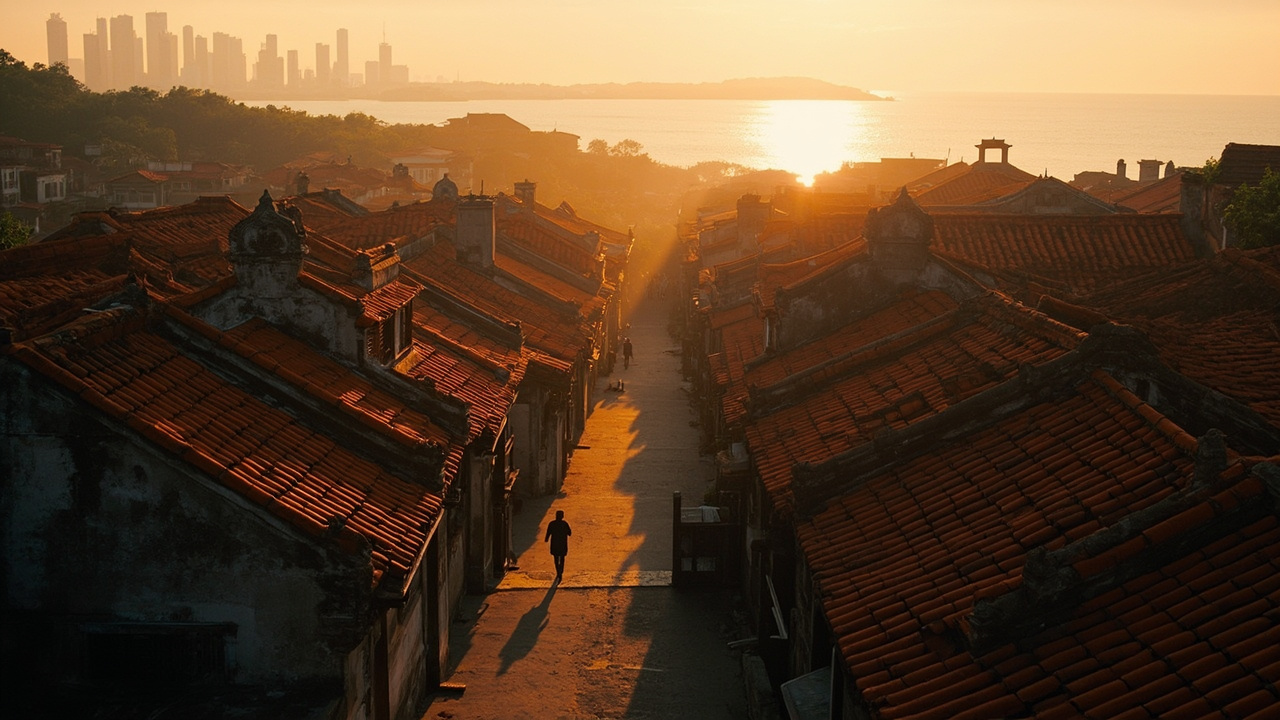
The ferry dropped us at the pier on Gulangyu, and the first thing I noticed wasn’t the architecture or the crowds. It was the absence of cars. No honking, no exhaust fumes, just the clatter of luggage wheels on stone and the distant thump of a drum from somewhere up the hill. I’d been in Xiamen for three days by then, crossing the strait on a packed commuter ferry, and the sudden quiet felt like stepping into another century.
Gulangyu Island is a strange, wonderful hybrid. It’s a car-free pedestrian enclave where colonial-era consulates sit next to ancestral temples, where the sound of piano practice drifts out of open windows, and where the narrow alleys are lined with shops selling squid jerky and hand-poured tea. It’s also one of the most visited spots in China, which means the main drag can feel like a theme park at midday. But if you know where to walk, and when, the island still rewards you with moments that feel genuinely untouched.
This guide covers the ten places I think matter most on Gulangyu, plus the practical details that will save you from the mistakes I made on my first visit. Ferry tickets, hidden viewpoints, which beaches are actually worth your time, and how to see the island after the day-trippers leave.
Quick answer
Gulangyu Island is a pedestrian-only island off the coast of Xiamen, reachable by a 20-minute ferry from Xiamen’s International Cruise Terminal (for tourists) costing about $6 (40 CNY) round-trip. You need a real ID or passport to buy tickets, and the island’s main attractions like the Sunlight Rock viewpoint and the Piano Museum cost around $7 (50 CNY) each. The best time to visit is October through April, and you should book ferry tickets at least two days ahead during Chinese holidays.
The Short Version
Gulangyu is worth one full day, maybe two if you want to see it properly. Skip the overpriced trolley tour. Walk. Get lost in the back alleys behind the main shopping street. Eat the fish balls and the sandworm jelly (yes, really). Climb Sunlight Rock before 8 AM to beat the tour groups. And whatever you do, don’t lose your return ferry ticket. I watched a French couple nearly miss their flight because they threw theirs away with a snack wrapper.
How I Picked These
I’ve been to Gulangyu four times since 2019, including one overnight stay that changed how I think about the island. For this guide, I spent three days in February 2026 walking every major route, talking to shopkeepers, a retired piano teacher who’s lived on the island for 50 years, and a ferry worker who told me which departures are least crowded. I also went back at 6 AM and again at 10 PM to see how the island changes when the tour buses (well, tour ferries) leave. The entries below reflect what I actually found, not what the brochures promise.
Comparison Table
| Rank | Place | Best For | Approx Cost (USD) | Time Needed | When to Go |
|---|---|---|---|---|---|
| 1 | Sunlight Rock | Panoramic views | $7 (50 CNY) | 1.5 hours | Early morning |
| 2 | Shuzhuang Garden | Gardens + Piano Museum | $7 (50 CNY) combined | 2 hours | Weekday mornings |
| 3 | The Back Alleys | Getting lost | Free | 2-3 hours | Late afternoon |
| 4 | Haoyue Garden | History + statue | $7 (50 CNY) | 1 hour | Mid-morning |
| 5 | Longtou Road | Food + shopping | Free (food extra) | 1-2 hours | Evening |
| 6 | Gangzaihou Beach | Sunset + relaxation | Free | 1 hour | Late afternoon |
| 7 | Piano Museum | Music history | Included with Shuzhuang | 45 minutes | Before 4 PM |
| 8 | Organ Museum | Rare instruments | $2 (15 CNY) | 30 minutes | Morning |
| 9 | The Beaches | Swimming + views | Free | 1-2 hours | Early morning |
| 10 | Overnight Stay | The real island | $50-150/night | Full evening | Any night |
Sunlight Rock — the view that justifies the climb
The first time I climbed Sunlight Rock, I was sweating through my shirt by the time I reached the top. It’s not a hard climb, maybe 15 minutes of switchback stairs, but the Xiamen humidity doesn’t care about your fitness level. The payoff comes when you break through the trees and the whole island spreads out below you. Red-tiled roofs, the curved coastline, Xiamen’s skyline across the water.
The rock itself is the highest point on the island at about 300 feet above sea level. On a clear day you can see all the way to Dadeng Island, which is technically part of Kinmen, governed by Taiwan. The viewing platform gets crowded by 9 AM, so I recommend going right when it opens. There’s also a small museum at the base with exhibits about Zheng Chenggong, the Ming dynasty general who used the island as a naval base.
The ticket includes entry to the surrounding park, which has some pleasant walking paths and a few pavilions. I spent an hour just sitting in one of them, watching the ferries cross the strait.
- 馃搷 Location: Southern end of the island, about 15 minutes walk from the pier
- 馃帿 Entry fee: $7 (50 CNY), included in the combined ticket with Shuzhuang Garden
- 馃晲 Opening hours: 8:00 AM to 5:30 PM daily
- 馃殕 How to get there: From the ferry pier, follow Longtou Road south, then turn right at the fork near the post office. Look for the signs in English and Chinese.
- 鈴?When to visit: Go at opening time (8 AM) on a weekday. By 9:30 the tour groups arrive and the platform gets packed.
- 馃挕 Insider tips: Bring water, the vendors at the top charge double. The best photos are from the southwest side of the platform, where you can frame the red roofs against the sea. If it’s foggy, skip the climb and come back another day.
I met a retired teacher named Mr. Chen at the top who told me he comes up every morning to watch the sunrise. He pointed out his old school building below and said the island has changed more in the last 20 years than in the previous 100.
Shuzhuang Garden — where the sea meets the rocks
Shuzhuang Garden is the kind of place that makes you understand why the island’s wealthy residents never wanted to leave. Built in 1913 by a Taiwanese businessman named Lin Erjia, the garden is designed in a traditional Chinese style but with a twist: it’s built into the cliffs above the sea, so the ocean becomes part of the composition. There’s a “hidden sea” section where you walk through a narrow tunnel and emerge at a cove that feels completely private.
The garden also houses the Piano Museum, which I’ll cover separately, but the grounds themselves deserve at least an hour. The pathways wind through bamboo groves, past koi ponds, and up to a pavilion that overlooks the strait. I sat there for 20 minutes watching the cargo ships move slowly toward the port of Xiamen.
What surprised me most was how quiet it was. Most tourists rush through to get to the museum, so the garden’s far corners are often empty. The rock formations along the eastern edge are particularly nice, with waves crashing against the base.
- 馃搷 Location: Southeast coast of the island, a 20-minute walk from the pier
- 馃帿 Entry fee: $7 (50 CNY), combined with Sunlight Rock
- 馃晲 Opening hours: 8:00 AM to 6:00 PM (May-October), 8:00 AM to 5:30 PM (November-April)
- 馃殕 How to get there: From the pier, walk south along the coast road for about 15 minutes. The entrance is marked with a large stone gate.
- 鈴?When to visit: Weekday mornings before 10 AM. The garden gets busy with school groups in the afternoon.
- 馃挕 Insider tips: The “hidden sea” section is easy to miss. Look for a narrow opening in the rock wall on the eastern side of the garden. The best photo spot is the pavilion at the highest point, which frames the garden and the sea together.
I watched a group of elderly locals doing tai chi near the entrance one morning. They’ve been coming here for years, and one of them told me the garden is the only place on the island that still feels like it did when she was a child.
The Back Alleys — getting lost on purpose
The best thing I did on Gulangyu was throw away the map. The main tourist routes are fine, but the island’s real character lives in the back alleys that wind between the old residential buildings. These narrow lanes are lined with crumbling colonial houses, their facades covered in bougainvillea and moss. Laundry hangs from balconies. Cats nap on stone steps. Somewhere, someone is practicing piano.
I spent an afternoon wandering without any particular destination. I found a tiny courtyard where an old woman was making fish balls by hand, a hidden temple dedicated to a local sea goddess, and a staircase that led to a viewpoint I’d never seen on any map. The alleys around the former Japanese consulate and the area near the island’s west coast are particularly good for this kind of exploration.
The key is to avoid the main shopping streets. Once you get more than two blocks from Longtou Road, the crowds thin out dramatically. The residential areas are still lived-in, and you’ll see daily life happening around you: old men playing chess, mothers picking up kids from school, delivery drivers on electric bikes (the only vehicles allowed on the island).
- 馃搷 Location: Throughout the island, but especially the northwest and central areas
- 馃帿 Entry fee: Free
- 馃晲 Opening hours: Always accessible
- 馃殕 How to get there: From the pier, walk away from Longtou Road in any direction. Within 5 minutes you’ll be in the residential areas.
- 鈴?When to visit: Late afternoon, when the light is golden and the tour groups have started to leave. The alleys are also lovely after dark, when the streetlights come on.
- 馃挕 Insider tips: Wear comfortable shoes, the alleys are uneven and often steep. Carry small bills for the street vendors. Don’t take photos of people without asking, especially the elderly residents. The best alleys are the ones that look like they lead nowhere.
I got properly lost near the island’s northwest corner and ended up in a dead-end lane where a man was repairing a bicycle outside his front door. He waved me over, offered me tea, and spent 20 minutes showing me photos of the island from the 1980s on his phone.
Haoyue Garden — a statue that divides opinion
Haoyue Garden is built around a massive statue of Zheng Chenggong, the Ming dynasty general who expelled the Dutch from Taiwan in 1662. The statue is 50 feet tall and stands on a hill overlooking the strait, facing toward Taiwan. It’s an impressive piece of work, but it’s also a reminder that the island’s history is tied up with cross-strait politics in ways that can feel complicated.
The garden itself is smaller than Shuzhuang, but it has a few interesting features. There’s a small museum about Zheng Chenggong’s life, a reconstructed military camp, and some pleasant walking paths. The views from the statue’s base are excellent, looking out over the strait toward Xiamen’s modern skyline.
I found the museum more interesting than I expected. The exhibits cover Zheng’s campaigns and his role in the Ming resistance, but they also touch on the broader history of maritime trade in the region. There’s a particularly good section on the island’s role as a treaty port in the 19th century.
- 馃搷 Location: Southeast coast, near Shuzhuang Garden
- 馃帿 Entry fee: $7 (50 CNY)
- 馃晲 Opening hours: 8:00 AM to 5:30 PM daily
- 馃殕 How to get there: Walk south from the pier along the coast road for about 20 minutes. The entrance is just past Shuzhuang Garden.
- 鈴?When to visit: Mid-morning on a weekday. The garden is less crowded than Shuzhuang, so you can take your time.
- 馃挕 Insider tips: The statue is most dramatic at sunset, when the light hits it from the west. There’s a small tea house near the entrance that serves decent oolong. The military camp reconstruction is mostly for kids, but the views from the ramparts are worth the detour.
A tour guide I overheard was telling her group that the statue was built in 1985 and that its placement was deliberately chosen to face Taiwan. The politics of it made me uncomfortable, but the history is fascinating.
Longtou Road — the food artery
Longtou Road is the main shopping street on Gulangyu, and it’s chaos. Shopkeepers call out to passersby, offering squid jerky and candied fruit samples. The smell of grilled seafood mixes with the sweetness of egg tarts. Music blares from competing storefronts. It’s overwhelming, but it’s also where you’ll find the island’s best street food.
The food scene here is genuinely good, if you know what to look for. The fish ball soup at the shop near the intersection with Fuzhou Road is excellent, with a clear broth and springy fish balls stuffed with pork. The sandworm jelly, a local specialty, is an acquired taste that I still haven’t acquired, but my Chinese friends swear by it. The egg tarts from the Portuguese-style bakery are reliably good.
The street also has a number of shops selling the island’s famous “Gulangyu cakes,” a flaky pastry filled with red bean paste. Most of them are mass-produced and forgettable, but the small shop at No. 87 Longtou Road still makes them by hand. The owner, a woman in her 60s, has been doing this for 40 years and won’t let you leave without trying a sample.
- 馃搷 Location: The main east-west street on the island, starting from the pier
- 馃帿 Entry fee: Free (food costs extra)
- 馃晲 Opening hours: Shops typically open by 9 AM and close around 10 PM
- 馃殕 How to get there: Walk straight from the ferry pier for 2 minutes
- 鈴?When to visit: Evening, when the street is lit up and the crowds are more manageable. Lunchtime is the worst, with tour groups flooding the restaurants.
- 馃挕 Insider tips: Sample before you buy, most shops offer free tastes. The squid jerky is cheaper at the back of the shops than at the front. Avoid the restaurants with staff standing outside trying to lure you in, they’re usually the worst. Look for places where locals are eating.
I watched a teenage boy working at a juice stand peel an entire pineapple in about 30 seconds, then hand it to me on a stick. It was the sweetest pineapple I’ve ever eaten, and it cost less than a dollar.
Gangzaihou Beach — where the island exhales
Gangzaihou Beach is on the southern coast of the island, and it’s where the locals go when they want to escape the crowds. It’s not a spectacular beach, the sand is a bit coarse and the water isn’t crystal clear, but it has a relaxed atmosphere that’s hard to find elsewhere on the island. On a weekday afternoon, you’ll see families picnicking, couples walking along the shore, and old men fishing from the rocks at the eastern end.
The beach is also the best spot on the island for watching the sunset. The sun sets over Xiamen’s skyline across the strait, and the light turns the water gold and pink. I sat on a rock for an hour one evening, watching the ferries cross back and forth, and I understood why people stay on this island for decades.
There are a few small restaurants near the beach that serve decent seafood. The grilled oysters, cooked over charcoal with garlic and chili, are worth trying. Just be prepared for the shells to be sandy.
- 馃搷 Location: Southern coast, a 25-minute walk from the pier
- 馃帿 Entry fee: Free
- 馃晲 Opening hours: Always accessible
- 馃殕 How to get there: Walk south along the coast road from the pier, past Shuzhuang Garden and Haoyue Garden. The beach is on your left.
- 鈴?When to visit: Late afternoon for the sunset. The beach is also nice early in the morning, when it’s completely empty.
- 馃挕 Insider tips: The water quality is not great for swimming, so don’t plan on a dip. The rocks at the eastern end are good for exploring at low tide. Bring a jacket, the wind can pick up in the evening.
I met a retired fisherman named Uncle Wang who comes to the beach every day to play chess with his friends under a tree near the western end. He told me he’s lived on the island his whole life and has never once felt the need to leave.
Piano Museum — a love letter to music
Gulangyu is known as “Piano Island,” and at its peak in the early 20th century, nearly every household had a piano. The Piano Museum, housed in a beautiful colonial building within Shuzhuang Garden, tells that story through a collection of over 100 instruments. There are grand pianos and uprights, pianos with intricate carvings, and one that belonged to a famous Chinese pianist.
The collection was donated by a local piano collector named Hu Youyi, and it’s one of the most comprehensive piano collections in Asia. The instruments range from a 19th-century English grand to modern Chinese-made pianos. Each one has a story, and the exhibits do a good job of explaining the island’s musical heritage.
The museum is small, and you can see everything in about 45 minutes. The highlight for me was a piano that had been brought to the island by a missionary in the 1920s. It had been restored and still works, and on certain days you can hear someone playing it.
- 馃搷 Location: Inside Shuzhuang Garden, southeast coast
- 馃帿 Entry fee: Included with Shuzhuang Garden ticket
- 馃晲 Opening hours: 8:15 AM to 5:45 PM (last entry at 5:00 PM)
- 馃殕 How to get there: Enter Shuzhuang Garden and follow the signs toward the sea. The museum is in a two-story building on the eastern side.
- 鈴?When to visit: Before 4 PM, as the museum closes early. Weekday mornings are best.
- 馃挕 Insider tips: The museum has two floors, and most people miss the upper level. The second floor has the more interesting instruments, including a piano that belonged to a Qing dynasty prince. Photography is allowed but no flash.
I was lucky enough to hear a young woman playing Chopin on one of the restored pianos. She was a student at the Xiamen Conservatory, practicing for a competition. The sound echoed through the museum and made me understand why this island earned its nickname.
Organ Museum — the hidden gem
The Organ Museum is the least-visited attraction on Gulangyu, and that’s a shame. Housed in a former Catholic church in the southeastern part of the island, it contains a collection of over 60 pipe organs and related instruments. It’s the only museum of its kind in China, and one of the few in Asia.
The organs range from small chamber instruments to a massive concert organ that takes up an entire wall. The museum does a good job of explaining how the instruments work, with diagrams and interactive displays. There’s also a small collection of music boxes and other mechanical instruments.
The building itself is worth seeing. It was built in the 1920s as a Catholic church, and the interior retains its original stained glass windows and wooden pews. The acoustics are remarkable, and on certain days the museum hosts short concerts.
- 馃搷 Location: Southeast coast, near the former Japanese consulate
- 馃帿 Entry fee: $2 (15 CNY)
- 馃晲 Opening hours: 8:30 AM to 5:00 PM (closed Wednesdays)
- 馃殕 How to get there: From Shuzhuang Garden, walk east along the coast road for about 10 minutes. The museum is in a white building with a cross on top.
- 鈴?When to visit: Morning, before the heat of the day. The museum is rarely crowded, so you can take your time.
- 馃挕 Insider tips: Check the schedule for concert days, which are usually announced on the museum’s WeChat account. The organ demonstrations happen at set times, usually 10 AM and 3 PM. The museum is cool inside, a welcome break from the heat.
The volunteer guide at the museum, a retired music teacher named Mrs. Lin, spent 20 minutes explaining how a pipe organ works using a small model. Her enthusiasm was infectious, and I left with a new appreciation for these instruments.
The Beaches — pick your spot
Gulangyu has several beaches, and they’re not all created equal. The most popular is Gangzaihou, which I’ve covered above. But there are a few others worth knowing about.
The beach near the island’s southern tip, below Haoyue Garden, is smaller and rockier, but it has good views of the strait. The beach on the western coast, near the former American consulate, is the quietest, and on a weekday you might have it entirely to yourself. The northern beaches are mostly rocky and not great for lounging, but they’re good for exploring tide pools.
The beaches are free, and they’re a good place to escape the heat in the middle of the day. Just don’t expect Caribbean-quality sand or water. The strait is busy with shipping traffic, and the water is often murky.
- 馃搷 Location: Various points along the island’s coastline
- 馃帿 Entry fee: Free
- 馃晲 Opening hours: Always accessible
- 馃殕 How to get there: Any of the paths that lead toward the coast will eventually bring you to a beach
- 鈴?When to visit: Early morning or late afternoon, when the sun isn’t too intense
- 馃挕 Insider tips: The western beach is the best for sunset photos. The southern beach has the best views of Xiamen’s skyline. Bring water and snacks, as there are few vendors near the quieter beaches.
I spent an hour at the western beach watching a group of teenagers trying to fly a kite in the gusty wind. They never got it more than 20 feet in the air, but they didn’t seem to care.
Overnight Stay — the island after dark
If you can, stay overnight on Gulangyu. The day-trippers leave on the last ferries around 6 PM, and the island transforms. The shops on Longtou Road close, the streets empty, and the only sounds are footsteps and the distant piano practice. It’s a completely different place after dark.
There are a limited number of hotels and guesthouses on the island, and they book up well in advance. I stayed at a converted colonial house near the center of the island, and the room was small but charming, with high ceilings and a balcony overlooking a courtyard. The rate was about $80 (550 CNY) per night, which is reasonable for the experience.
In the evening, I walked through the empty alleys and found a small restaurant that served excellent local food. The owner, a woman in her 50s, told me she’s been running the place for 20 years and that the island used to be much quieter. She pointed to a building across the street and said it used to be a piano factory.
- 馃搷 Location: Various guesthouses throughout the island
- 馃帿 Entry fee: $50-150 (350-1000 CNY) per night
- 馃晲 Opening hours: Check-in typically from 2 PM
- 馃殕 How to get there: Book in advance through a platform like Trip.com or Agoda. The guesthouse will usually send someone to meet you at the pier.
- 鈴?When to visit: Any night, but weekdays are quieter and cheaper
- 馃挕 Insider tips: Some guesthouses require you to buy a separate ferry ticket for the overnight stay, so check before booking. Pack light, as you’ll have to carry your luggage through the streets. The island is very quiet after 10 PM, so bring something to read.
I woke up at 6 AM and walked to the eastern coast to watch the sunrise. I was the only person there. The water was still, and the only sound was the distant hum of the city across the strait.
FAQ summary
Gulangyu Island requires a ferry ticket from Xiamen’s International Cruise Terminal costing about $6 (40 CNY) round-trip, and you must bring your passport to purchase it. The island is pedestrian-only, so pack light and wear comfortable shoes. Most attractions cost $7 (50 CNY) each, but the combined ticket for Sunlight Rock and Shuzhuang Garden offers better value. The best time to visit is October through April, and you should book ferry tickets at least two days ahead during Chinese holidays. English is limited on the island, so download a translation app before you go.
FAQ
Q: Do I need a visa to visit Gulangyu Island as a tourist? A: No, if you’re eligible for China’s visa-free transit policy, which allows stays of up to 240 hours (10 days) for citizens of 54 countries passing through China to a third country. You’ll also need to set up WeChat Pay or Alipay before you arrive, as the island is largely cashless.
Q: How do I get to Gulangyu Island from Xiamen? A: Tourists must take the ferry from Xiamen’s International Cruise Terminal (not the local passenger terminal). The ferry takes about 20 minutes and costs approximately $6 (40 CNY) round-trip. You’ll need your passport to buy tickets, which you can purchase at the terminal or online through the official WeChat account.
Q: How much time should I spend on Gulangyu Island? A: One full day is enough to see the major attractions, but I recommend staying overnight if you can. The island is much more peaceful after the day-trippers leave, and you’ll have the streets and viewpoints mostly to yourself in the early morning.
Q: Is Gulangyu Island worth visiting? A: Yes, but go in with realistic expectations. The main shopping street is crowded and touristy, but the back alleys, gardens, and viewpoints are genuinely special. It’s one of the few places in China where you can experience both colonial history and traditional Chinese culture in one walk.
Q: What should I eat on Gulangyu Island? A: Try the fish ball soup, which is a local specialty, and the grilled oysters from the beachside stalls. The egg tarts from the Portuguese-style bakery on Longtou Road are also good. If you’re adventurous, try the sandworm jelly, a gelatinous local dish that tastes better than it sounds.
Q: Do I need a VPN or special SIM card for Gulangyu Island? A: Yes, you’ll need a VPN and a working SIM card for your phone. Google services, WhatsApp, and Instagram are blocked in China, so set up your VPN before you arrive. The island has good 4G coverage, but Wi-Fi in guesthouses can be unreliable.
Q: Is English spoken on Gulangyu Island? A: Very little. The ferry terminal has some English signage, but most shops and restaurants don’t have English menus. Download a translation app like Google Translate or Pleco before you go, and have your hotel’s name and address written in Chinese to show taxi drivers.
The Honest Wrap-up
Gulangyu is not a hidden gem. It’s one of China’s most visited tourist attractions, and at times it feels like it. But if you’re willing to wake up early, wander off the main paths, and stay after the crowds leave, you’ll find an island that still has plenty of character. The gardens are genuinely beautiful, the food is worth the trip, and the views across the strait are memorable.
This guide is for first-time visitors who want to see the highlights without feeling like they’re being herded through a theme park. It’s not for people who want a pristine, untouched experience, because that version of Gulangyu doesn’t exist anymore. My final advice: book your ferry tickets in advance, bring comfortable shoes, and give yourself permission to get lost. That’s where the island’s real magic lives.
More guides you may like
Top 10 Bridges in China
China's bridges are engineering marvels spanning mountains, rivers, and seas. Here are 10 of the most spectacular, from ancient stone to modern steel.
8 min read

Top 10 Buddhist Sites in China
From the Leshan Giant Buddha to the Dunhuang Caves, these 10 Buddhist sites represent 2,000 years of China's spiritual heritage.
9 min read

Top 10 Day Trips from Beijing You Shouldn't Miss
Beijing is packed with history, but some of China's best experiences are just a few hours away. Here are 10 day trips that will transform your visit.
9 min read
Top 10 Hidden Gems in China Off the Beaten Path
Beyond the Great Wall and Terracotta Warriors, China has incredible hidden destinations few tourists ever reach. Here are 10 underrated gems worth the detour.
9 min read

Top 10 Markets and Shopping Streets in China
From Shanghai's Bund to Beijing's Silk Street - 10 markets where foreigners can haggle, explore, and bring home authentic Chinese goods.
9 min read
Top 10 Museums in China You Shouldn't Miss
China's museums span 5,000 years of civilization. These 10 - from the Palace Museum to Xi'an's terracotta gallery - are unmissable for culture lovers.
9 min read