
China Hiking Trails Guide
TODO: Extract from article (100-160 chars)
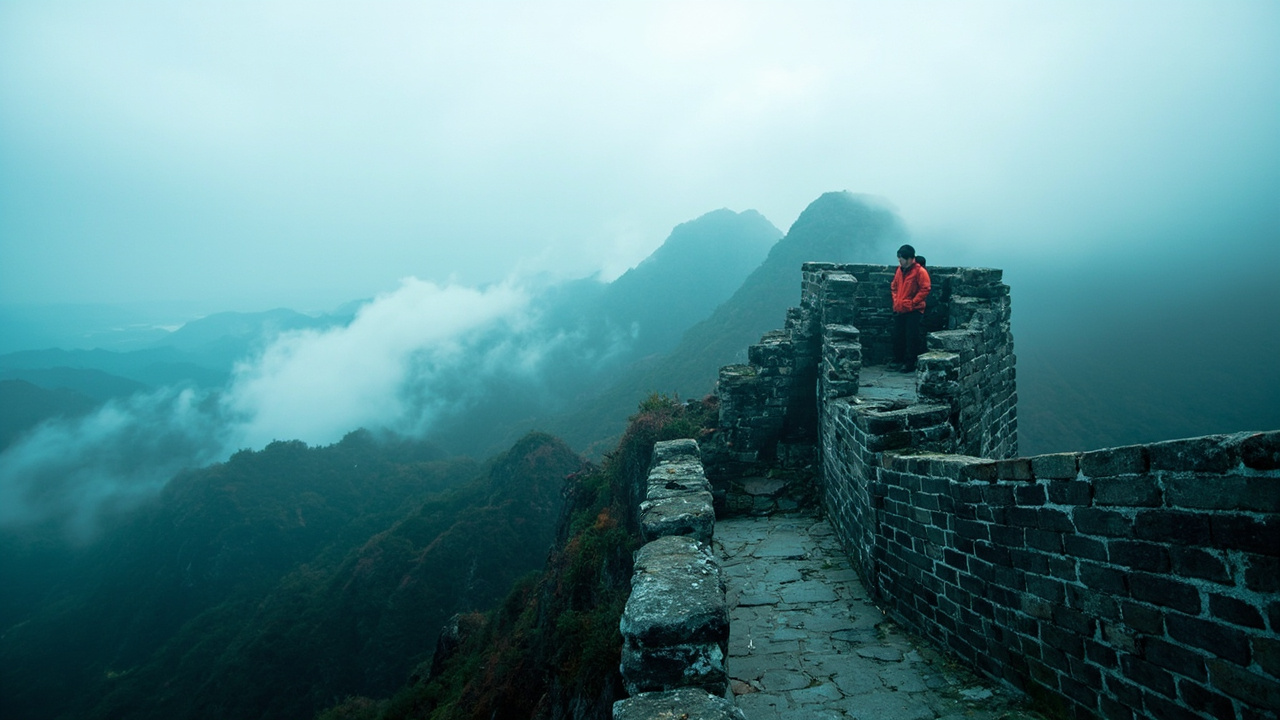
The cab driver in Zhangjiajie looked at my hiking boots, then at the rain hammering the windshield, and laughed. “Ni yao pa shan?” he asked. You want to climb the mountain? In this? I nodded, paid him, and bought a cheap plastic poncho from the woman selling them outside the ticket gate. Two hours later, I was standing above the clouds, watching sandstone pillars the size of city blocks poke through a sea of white. I’d been living in Beijing for four years by then, and I still felt like I’d stumbled into a painting that had come loose from its frame.
China’s hiking scene is like that. It’s not the orderly, well-marked trail networks you find in the Alps or the Rockies. It’s grander, stranger, and often more demanding than the guidebooks suggest. Some trails are ancient pilgrim routes worn smooth by a thousand years of footsteps. Others are brand-new steel staircases bolted onto cliff faces that would make a climber dizzy. A few are genuinely dangerous if you’re not careful. All of them will show you a China that the bullet trains and the megacities simply can’t.
This guide covers the ten trails I’d recommend to a friend visiting China for the first time. I’ve walked every one of them, most of them multiple times, and I’ve included the practical details that actually matter: how to get there, what it costs, when to go, and the small mistakes I made so you don’t have to.
Quick answer
China’s best hiking trails for first-time visitors are the Great Wall at Jiankou or Mutianyu, Huangshan, Zhangjiajie, Tiger Leaping Gorge, and the Longji Rice Terraces. Most require 1-3 days, cost between $15-50 (CNY 110-360) in entry fees, and are best visited from April to June or September to October. If you’re from the US, UK, Australia, or most European countries, you can enter China visa-free for up to 30 days through 2026, so no visa appointment is needed for a standard hiking trip.
The Short Version
If you only have 90 seconds, here’s the truth: Tiger Leaping Gorge is the single best hike in China for a foreign visitor, full stop. The Great Wall at Jiankou is the most iconic but requires a guide and a head for heights. Huangshan is spectacular but crowded, so go on a weekday and stay overnight. Zhangjiajie is worth it despite the crowds, but skip the glass bridge. Everything else on this list is a bonus. Don’t try to do more than three of these in one trip, and don’t underestimate the altitude, the stairs, or the weather.
How I Picked These
I’ve lived in China since 2019 and spent most of my free time traveling. For this guide, I went back to each of these ten places over the past two years to check current prices, trail conditions, and transport routes. I talked to local guides, hostel owners, and fellow hikers. I got lost on the Great Wall, nearly missed the last bus out of Tiger Leaping Gorge, and ate a lot of instant noodles at mountain summits. I’ve also left out a few famous spots, like Emeishan and Wuyishan, because I think they’re either overrated or better suited to pilgrims than hikers. This is my personal list, not a tourism board’s.
Comparison Table
| Rank | Place | Best For | Approx Cost (USD) | Time Needed | When to Go |
|---|---|---|---|---|---|
| 1 | Tiger Leaping Gorge | Overall experience | $15-30 (CNY 110-220) | 2 days | Mar-May, Sep-Nov |
| 2 | Great Wall (Jiankou) | Iconic wild hiking | $20-40 (CNY 145-290) | 1 day | Apr-Jun, Sep-Oct |
| 3 | Huangshan | Scenery and sunrises | $50-80 (CNY 360-580) | 2 days | Apr-May, Oct-Nov |
| 4 | Zhangjiajie | Avatar-style pillars | $40-60 (CNY 290-435) | 2 days | Apr-Jun, Sep-Oct |
| 5 | Longji Rice Terraces | Cultural hiking | $15-25 (CNY 110-180) | 1-2 days | May-Jun, Sep-Oct |
| 6 | Mount Tai | Sunrise pilgrimage | $20-35 (CNY 145-255) | 1-2 days | May-Jun, Sep-Oct |
| 7 | Yubeng Village | Remote Tibetan valleys | $30-50 (CNY 220-360) | 3-4 days | May-Jun, Sep-Oct |
| 8 | Jiuzhaigou | Alpine lakes | $40-60 (CNY 290-435) | 1-2 days | Sep-Nov |
| 9 | Wuling Mountain | Weekend escape | $25-40 (CNY 180-290) | 2 days | May-Oct |
| 10 | Li River (Xingping) | Easy riverside walks | $10-20 (CNY 70-145) | Half day | Apr-Oct |
Tiger Leaping Gorge — The One I’d Do Again Tomorrow
The first time I hiked Tiger Leaping Gorge, I made the classic mistake of starting at noon. The trail climbs steeply out of Qiaotou, and by the time I reached the 28 Bends, the sun was brutal and I was questioning every life choice that had led me there. A local woman selling watermelon slices at a rest stop took pity on me and let me sit in her shade for an hour. She didn’t speak English, and my Mandarin was rough, but we communicated well enough through gestures and shared grimaces at the climb ahead.
This is the hike that made me fall in love with China. The gorge cuts between Jade Dragon Snow Mountain and Haba Snow Mountain, and the trail clings to the cliff face hundreds of meters above the roaring Yangtze. You’ll pass through small Naxi villages, stay in guesthouses with views that make you forget the cold showers, and eat simple meals of fried rice and vegetables that taste better than anything in a city restaurant.
The trail is well-marked but not maintained like a Western path. You’ll scramble over rocks, walk along narrow ledges, and cross seasonal streams. The 28 Bends are the hardest part, a steep zigzag that gains about 300 meters in an hour. Take your time. The guesthouses along the way, like the Halfway House and Tina’s, are legendary among hikers for their food and their views.
- 馃搷 Location: Qiaotou Township, Shangri-La County, Yunnan Province
- 馃帿 Entry fee: About $15 (CNY 110) for the gorge ticket, plus a small environmental fee
- 馃晲 Opening hours: Trail is always open, but guesthouses close for the season from late December to February
- 馃殕 Getting there: Take a bus from Lijiang or Shangri-La to Qiaotou (about 2 hours from Lijiang). Get off at the Qiaotou ticket office and walk 10 minutes to the trailhead. The bus drops you right at the start.
- 鈴?When to visit: March to May and September to November. Summer rains make the trail slippery and can trigger rockfalls. Winter is cold but clear.
- 馃挕 Insider tips: Start before 9am if you want to reach the Halfway House by lunch. Carry cash for the guesthouses, as card payment often doesn’t work. The “high trail” is the one you want, not the low road along the river. Buy water at the guesthouses, not at the trailhead, where it’s double the price. And don’t skip the detour to Tina’s guesthouse at the end, where you can descend to the river itself.
I paid 25 yuan for that watermelon slice, which was about 20 yuan too much. I didn’t care. It was the best watermelon I’ve ever eaten.
Great Wall at Jiankou — Wild, Dangerous, Unforgettable
I remember standing on a crumbling watchtower at Jiankou, looking west toward where the wall disappeared into the mountains, and feeling like I was the last person on earth. Then a group of German tourists rounded the corner, and the moment passed. But for a solid ten minutes, it was just me and 600 years of history.
Jiankou is the wild section of the Great Wall, about 70 kilometers north of Beijing. Unlike the restored sections at Badaling or Mutianyu, this part is unrestored, with broken steps, crumbling parapets, and sections where the wall narrows to a single person’s width with drops on both sides. It’s not a place for beginners or anyone with a serious fear of heights. But it’s the most authentic Great Wall experience you can have without a multi-day expedition.
You should hire a local guide for this one. The trail isn’t marked, and getting lost on the wall is surprisingly easy. Guides from the nearby village of Xizhazi know the safe routes and the good viewpoints. They’ll also arrange transport, which is essential because public buses don’t reach the trailhead.
- 馃搷 Location: Xizhazi Village, Huairou District, Beijing
- 馃帿 Entry fee: No official ticket, but guides charge about $30-50 (CNY 220-360) per person including transport
- 馃晲 Opening hours: The wall is always accessible, but you should start by 8am to finish before dark
- 馃殕 Getting there: Take a taxi or arranged car from Beijing (about 2 hours). Public transport requires multiple buses and is not practical. Your guide will handle this.
- 鈴?When to visit: April to June and September to October. Avoid July and August, when the heat and humidity are punishing.
- 馃挕 Insider tips: Wear hiking boots with good grip, not sneakers. Bring gloves for scrambling over broken sections. Pack more water than you think you need, as there are no shops on the wall. The most photographed section, the “Arrow Nock” (Jiankou) peak, requires a short but exposed climb. And arrange your return transport before you start, because there are no taxis waiting at the trailhead.
My guide, a man in his sixties named Old Zhang, had been climbing this section since he was a boy. He pointed out where his grandfather had hidden from Japanese soldiers during the war, then offered me a cigarette. I declined. He shrugged and lit one himself, smoke curling into the clear mountain air.
Huangshan — The Mountain That Made Painters Cry
The first time I saw Huangshan’s famous “sea of clouds,” I understood why generations of Chinese painters tried to capture it. The peaks rose out of the mist like islands, and the twisted pine trees looked like they’d been arranged by a landscape artist with a very particular vision. Then a tour group arrived, and the illusion shattered. There were hundreds of them, all wearing matching hats and taking selfies.
Huangshan is China’s most famous mountain, and it shows. The trails are paved, the steps are numbered, and the crowds can be intense. But there’s a reason everyone comes here. The scenery is genuinely extraordinary, especially at sunrise and sunset, and the network of trails and cable cars makes it accessible to almost anyone.
The key to enjoying Huangshan is to stay overnight on the mountain. The hotels are expensive and basic, but they let you experience the mountain after the day-trippers leave. Watching the sunset from the West Sea Grand Canyon, with the peaks turning gold and then pink, is worth every yuan. The sunrise the next morning, if you’re lucky with the weather, is even better.
- 馃搷 Location: Huangshan City, Anhui Province
- 馃帿 Entry fee: About $30 (CNY 190) for the mountain ticket, plus $20-30 (CNY 145-220) each way for the cable cars
- 馃晲 Opening hours: The mountain is open from 6am to 6pm, but if you’re staying overnight, you can access the summit areas at any time
- 馃殕 Getting there: Take the high-speed train to Huangshan North Station, then a bus to the Tangkou town at the base (about 1 hour). From Tangkou, take the shuttle to either the Yungu or Ciguang cable car stations.
- 鈴?When to visit: April to May and October to November. Avoid Chinese national holidays, especially October 1-7, when the mountain is packed beyond belief.
- 馃挕 Insider tips: Book your mountain hotel months in advance, especially for weekends. The West Sea Grand Canyon is the best hiking area, but it closes early, so plan your route. Bring a headlamp for the early morning sunrise walk. The “Welcome Pine” is overrated, but the views from the summit of Lotus Peak are not. And if the weather is bad, don’t go up. The mountain is miserable in rain and fog.
I shared a table at dinner with a retired couple from Shanghai who had been coming to Huangshan every year for a decade. They told me they’d seen the sunrise exactly three times. The rest of the visits were fog. “That’s the mountain’s way,” the husband said, pouring me tea. “It makes you appreciate the clear days.”
Zhangjiajie — Where the Mountains Float
I’ve already mentioned the cab driver who laughed at me in the rain. That was Zhangjiajie, and the poncho I bought for 10 yuan turned out to be the best investment of the trip. By the time I reached the top of the cable car, the rain had stopped, and the clouds had settled into the valleys below. The sandstone pillars of Zhangjiajie National Forest Park rose out of the white sea like something from a dream. Or a James Cameron movie, which is apparently what everyone else thought too.
Zhangjiajie is the place that inspired the floating mountains in Avatar, and the park leans into that connection hard. You’ll see signs referencing the movie, and tour groups wearing Avatar-themed hats. It’s a bit much. But the geological reality is even stranger than the fiction. These quartz-sandstone pillars, some over 200 meters tall, were formed by millions of years of erosion, and they look impossibly fragile, like they might crumble if you sneeze too hard.
The park is huge, and you’ll need at least two days to see the highlights. The Bailong Elevator, a glass elevator built into a cliff face, is a marvel of engineering and a terrible idea for anyone with vertigo. The Zhangjiajie Grand Canyon glass bridge, which I mentioned earlier, is even worse. I walked across it once, gripping the handrails, and spent the entire time wondering why anyone would willingly do this.
- 馃搷 Location: Wulingyuan District, Zhangjiajie City, Hunan Province
- 馃帿 Entry fee: About $40 (CNY 290) for a four-day pass to the national forest park
- 馃晲 Opening hours: 7am to 6pm, with the cable cars running until about 5pm
- 馃殕 Getting there: Fly or take the high-speed train to Zhangjiajie. From the city, take bus 1 or a taxi to the park entrance (about 40 minutes). The park has multiple entrances; the Wulingyuan entrance is the most convenient.
- 鈴?When to visit: April to June and September to October. The park is beautiful in winter, but some trails close due to ice.
- 馃挕 Insider tips: Go to the Yuanjiajie area first thing in the morning to beat the crowds. The Tianzi Mountain cable car has the best views of the pillars. Skip the glass bridge and the Bailong Elevator if you’re afraid of heights. The “One Step to Heaven” trail is worth the extra effort. And hire a guide for at least one day, because the park’s layout is confusing and you’ll waste hours otherwise.
I ate lunch at a small restaurant near the park entrance, and the owner, a woman who’d grown up in the mountains before the park was established, told me about the time she’d seen a cloud leopard. “Before the tourists came,” she said, “the mountains were full of them.” I couldn’t tell if she was joking.
Longji Rice Terraces — Hiking Through a Living Landscape
The Longji Rice Terraces, also known as the Dragon’s Backbone, are a two-hour drive from Guilin, and they’re unlike anything I’ve seen before. The terraces were carved into the mountainsides by the Zhuang and Yao people over 700 years ago, and they’re still farmed today. Walking through them feels like hiking through a living museum, with every step revealing a new perspective on this incredible feat of human engineering.
The best time to visit is either in May and June, when the terraces are flooded and reflect the sky like mirrors, or in September and October, when the rice turns golden before harvest. The trails between the villages are well-maintained and relatively easy, making this a good option for less experienced hikers.
The main trail connects the villages of Ping’an and Dazhai, and you can hike between them in about four to five hours. Along the way, you’ll pass through bamboo forests, cross small streams, and see the traditional wooden houses of the local villages. The views from the viewpoints above each village are spectacular, especially at sunrise and sunset.
- 馃搷 Location: Longsheng County, Guilin Prefecture, Guangxi Province
- 馃帿 Entry fee: About $15 (CNY 110) for the terrace park ticket
- 馃晲 Opening hours: The terraces are always open, but the ticket office is staffed from 7am to 6pm
- 馃殕 Getting there: Take a bus from Guilin to Longsheng County (about 2 hours), then transfer to a local bus or taxi to the terrace villages. Alternatively, book a private car from Guilin, which takes about 2.5 hours.
- 鈴?When to visit: May to June for the flooded terraces, September to October for the golden rice. Avoid July and August, when the terraces are green but the heat and humidity are intense.
- 馃挕 Insider tips: Stay overnight in one of the village guesthouses to experience the terraces at sunrise and sunset, when the tour groups are gone. The hike from Ping’an to Dazhai is the classic route, but the trail from Dazhai to the Jinkeng viewpoint is less crowded. Try the local bamboo rice, which is cooked inside a bamboo tube and has a subtle smoky flavor. And bring insect repellent, because the rice paddies attract mosquitoes.
I stayed at a guesthouse in Ping’an run by a Yao woman named Amei. She showed me how to make bamboo rice, and I burned my fingers trying to open the hot tube. She laughed and gave me a pair of chopsticks. “Use these,” she said. “That’s why we invented them.”
Mount Tai — The Sunrise That’s Worth the Stairs
There are two ways to climb Mount Tai: the easy way, which involves taking a bus and cable car most of the way up, and the hard way, which involves climbing 6,000 stone steps from the base. I’ve done both, and I can tell you that the hard way is the only way that makes sense. The steps are brutal, especially the final stretch known as the “Eighteen Bends,” but the sense of accomplishment when you reach the summit is worth every aching muscle.
Mount Tai is one of China’s five sacred mountains, and it’s been a site of pilgrimage for over 3,000 years. Emperors climbed it to perform sacrifices, and poets wrote about it, and ordinary people have been making the journey for centuries. The mountain is covered in temples, stone inscriptions, and carved tablets, making it as much a cultural experience as a physical one.
The most popular thing to do is to climb at night and reach the summit in time for sunrise. The trail is lit, and you’ll be surrounded by hundreds of other hikers, many of them students who make the climb as a rite of passage. It’s a strange and wonderful experience, climbing through the dark with a crowd of strangers, all of you united by the same goal.
- 馃搷 Location: Tai’an City, Shandong Province
- 馃帿 Entry fee: About $20 (CNY 145) for the mountain ticket, plus $10-15 (CNY 70-110) for the bus and cable car if you use them
- 馃晲 Opening hours: The mountain is open 24 hours, but the cable car runs from 6am to 6pm
- 馃殕 Getting there: Take the high-speed train to Tai’an Station, then a taxi or bus to the mountain base (about 20 minutes). The Red Gate entrance is the starting point for the classic climb.
- 鈴?When to visit: May to June and September to October. The sunrise is best in the autumn, when the air is clearer.
- 馃挕 Insider tips: Start the night climb around 10pm to reach the summit by 5am. Rent a down jacket at the base or on the mountain, because the summit is cold even in summer. Bring snacks and water, but don’t overpack, because you’ll be carrying everything up 6,000 steps. The stone inscriptions along the way are fascinating, so bring a guidebook or download an app to learn about them. And be prepared for crowds, especially on weekends.
I climbed Mount Tai with a group of Chinese students who adopted me halfway up. They insisted on taking photos with me at every viewpoint, and by the time we reached the summit, I felt like a minor celebrity. When the sun finally rose, painting the clouds in shades of orange and pink, one of the students turned to me and said, “Now you understand.” I did.
Yubeng Village — The Hidden Valley at the Foot of the Sacred Mountain
Yubeng is not easy to get to. It’s a small village in the mountains of Yunnan, accessible only by a multi-hour hike or a rough road that’s often blocked by landslides. There’s no phone signal, no reliable internet, and no modern amenities. And that’s exactly why it’s one of the most special places I’ve ever been.
The village sits at the base of Meili Snow Mountain, one of the most sacred peaks in Tibetan Buddhism. The mountain is considered so holy that climbing it is forbidden, and the local Tibetan people make pilgrimages to walk around its base. Yubeng is the starting point for these pilgrimages, and the surrounding valleys are filled with prayer flags, mani stones, and small temples.
The main hike from Yubeng leads to the Ice Lake, a glacial lake at the base of the mountain that’s a popular pilgrimage destination. The trail climbs steeply through forest, then crosses a rocky moraine before reaching the lake. It’s a tough hike, especially at altitude, but the views of the glacier and the surrounding peaks are unforgettable.
- 馃搷 Location: Deqin County, Diqing Prefecture, Yunnan Province
- 馃帿 Entry fee: About $30 (CNY 220) for the Meili Snow Mountain scenic area ticket
- 馃晲 Opening hours: The village is always accessible, but the road can close in winter due to snow
- 馃殕 Getting there: Take a bus from Shangri-La to Deqin County (about 4 hours), then a local bus to the village of Xidang. From Xidang, hike or take a rough road to Yubeng (about 2-3 hours on foot).
- 鈴?When to visit: May to June and September to October. The weather is most stable in autumn, but the views are good year-round except during the summer rains.
- 馃挕 Insider tips: Acclimatize in Shangri-La for a day or two before coming here, because the altitude is over 3,000 meters. Pack layers, because the temperature can swing dramatically. Bring cash, because there are no ATMs in the village. And respect the local customs, especially around the sacred mountain and the temples. The guesthouses in Yubeng are basic but comfortable, and the food is simple but filling.
I shared a guesthouse with a Tibetan pilgrim who was walking around Meili Snow Mountain as part of a religious vow. He’d been walking for three days and had two more to go. When I asked him why he was doing it, he smiled and said, “For my family. For all beings.” I didn’t have a good answer to that.
Jiuzhaigou — The Fairy Tale Valley
Jiuzhaigou, which translates to “Nine Villages Valley,” is a national park in Sichuan Province that looks like it was designed by someone with an overactive imagination. The valley is filled with turquoise lakes, waterfalls, and snow-capped peaks, and the colors are so vivid that they look fake in photographs. I spent my first hour there convinced that someone had turned up the saturation settings on the entire valley.
The park is well-developed, with boardwalks and shuttle buses that make it accessible to almost anyone. You can hike between the main sights, or take the bus to the top of the valley and walk down. The most famous spots are the Five Flower Lake, which changes color depending on the light, and the Nuorilang Waterfall, which is one of the widest in China.
The downside is that Jiuzhaigou is popular, and the park limits daily visitors to control crowds. You’ll need to book your ticket in advance, especially during peak season. But even with the crowds, the scenery is so extraordinary that it’s worth the hassle.
- 馃搷 Location: Jiuzhaigou County, Aba Prefecture, Sichuan Province
- 馃帿 Entry fee: About $50 (CNY 360) for the park ticket plus shuttle bus
- 馃晲 Opening hours: 7am to 5pm, with the shuttle buses running until about 6pm
- 馃殕 Getting there: Fly to Jiuzhaigou Huanglong Airport, then take a bus or taxi to the park (about 1.5 hours). Alternatively, take a long bus ride from Chengdu (about 8 hours).
- 鈴?When to visit: September to November for the autumn colors. The park is also beautiful in spring, when the wildflowers are in bloom.
- 馃挕 Insider tips: Book your ticket online at least a week in advance during peak season. Go early, because the light is best in the morning. The shuttle bus stops at the main sights, but you can get off and walk between them. The Five Flower Lake is best in the late afternoon, when the light hits the water at an angle. And bring a rain jacket, because the weather can change quickly.
I met a photographer at the Five Flower Lake who had been coming to Jiuzhaigou for fifteen years. He told me he’d seen the lake in every season, in every light, and it never looked the same twice. “That’s why I keep coming back,” he said, adjusting his tripod. “The valley is never the same river twice.”
Wuling Mountain — The Weekend Escape That Feels Like Another World
Wuling Mountain, which straddles the border between Chongqing and Hubei Province, is not on most tourist itineraries. It’s a karst landscape of limestone peaks, deep valleys, and underground rivers, and it’s been a UNESCO World Heritage Site since 2000. But unlike Zhangjiajie, which is nearby and similar in geology, Wuling Mountain remains relatively quiet, even on weekends.
The hiking here is more challenging than at Zhangjiajie, with fewer paved paths and more rough trails. The highlight is the “Three Natural Bridges,” a series of massive stone arches that span a deep gorge. You can hike down into the gorge and look up at the bridges, or walk across them and look down. Both perspectives are impressive.
The other major attraction is the Furong Cave, a massive limestone cave filled with stalactites and stalagmites. It’s not really hiking, but it’s worth a visit if you’re in the area. The cave is lit with colored lights, which is a bit tacky, but the scale of the formations is genuinely awe-inspiring.
- 馃搷 Location: Wulong District, Chongqing Municipality
- 馃帿 Entry fee: About $25 (CNY 180) for the Three Natural Bridges, plus additional fees for other sights
- 馃晲 Opening hours: 8am to 5pm, with the last entry around 4pm
- 馃殕 Getting there: Take the high-speed train from Chongqing to Wulong Station (about 30 minutes), then a bus or taxi to the scenic area (about 30 minutes).
- 鈴?When to visit: May to October. The summer heat can be intense, but the gorges and caves provide some relief.
- 馃挕 Insider tips: The Three Natural Bridges are best in the morning, when the light filters down into the gorge. Wear sturdy shoes, because the steps are steep and uneven. The Furong Cave is cool inside, so bring a light jacket. And consider hiring a local guide, because the trails are not well-marked and it’s easy to get lost.
I got lost at Wuling Mountain. I took a wrong turn on a trail and ended up on a path that led to a small farming village, where an elderly woman invited me into her home for tea. She didn’t speak a word of Mandarin, only the local dialect, but we managed to communicate through gestures and smiles. She showed me photos of her grandchildren, and I showed her photos of my family. Then she walked me back to the main trail, pointing the way with a gnarled finger.
Li River (Xingping) — The Easy Walk With the Iconic View
The Li River between Guilin and Yangshuo is one of the most famous landscapes in China, and you’ve probably seen it on the 20 yuan banknote. The section around the town of Xingping is the most scenic, and there’s a relatively easy hike along the river that offers some of the best views without the crowds of the main tourist boats.
The hike from Xingping to the village of Yangdi takes about three to four hours, following a path that runs along the riverbank. You’ll pass through small villages, bamboo groves, and rice paddies, with the karst peaks rising on either side. The path is flat and easy, making it a good option for families or anyone who wants a gentle walk.
The most famous viewpoint is at the “20 Yuan View,” where you can hold up a 20 yuan note and compare it to the actual scenery. It’s a bit touristy, but it’s also genuinely beautiful. The light is best in the late afternoon, when the peaks cast long shadows across the river.
- 馃搷 Location: Xingping Town, Yangshuo County, Guangxi Province
- 馃帿 Entry fee: Free, though you may need to pay for a local ferry or bamboo raft crossing
- 馃晲 Opening hours: The trail is always open
- 馃殕 Getting there: Take a bus from Yangshuo to Xingping (about 40 minutes), or hire a private car. From Xingping, the trailhead is a short walk from the town center.
- 鈴?When to visit: April to October. The summer heat is intense, so go early in the morning or late in the afternoon.
- 馃挕 Insider tips: The trail can be muddy after rain, so wear shoes with good grip. Bring a hat and sunscreen, because there’s little shade along the river. The bamboo raft rides are fun, but they’re not the same as hiking. And don’t miss the view from the hill above Xingping, which requires a short but steep climb.
I stopped at a small stall along the river and bought a bowl of Guilin rice noodles, the local specialty. The woman running the stall asked where I was from, and when I said “America,” she laughed and said, “I knew it. You have the walk of someone who’s lost.” She was right. I was lost. But I was happy.
FAQ summary
Most first-time visitors to China can enter visa-free for up to 30 days through 2026 if they hold a passport from the US, UK, Australia, or most European countries. The best hiking season is generally April to June and September to October, when temperatures are moderate and rainfall is lower. Expect to pay between $15-50 (CNY 110-360) per trail in entry fees, plus transport costs, and budget at least $50-100 (CNY 360-720) per day for accommodation and food. WeChat Pay and Alipay are essential for paying at guesthouses and small shops, and you’ll need a VPN to access Google, WhatsApp, and other Western services.
FAQ
Q: Do I need a visa to hike in China in 2026? A: Citizens of the US, UK, Australia, Canada, and most European countries can enter China visa-free for up to 30 days through 2026. This covers tourism, including hiking. If your passport isn’t from one of these countries, check with the Chinese embassy or consulate in your home country.
Q: What’s the best time of year for hiking in China? A: April to June and September to October are the best months for most of the trails on this list. Summer is hot and humid, especially in the south, and winter can be cold and icy at higher elevations. The autumn colors in places like Jiuzhaigou and Huangshan are spectacular.
Q: Do I need to speak Chinese to hike in China? A: No, but it helps to learn a few basic phrases. English is not widely spoken outside major cities and tourist areas. Download a translation app like Google Translate or Pleco before you go, and make sure you have a VPN set up so you can access them.
Q: How do I pay for things on the trails? A: WeChat Pay and Alipay are the standard payment methods in China, and you’ll need to set them up before you go. Many guesthouses and small shops don’t accept cash or international credit cards. See my China travel payment guide for detailed instructions.
Q: Are the trails safe for solo hikers? A: Most of the trails on this list are safe for solo hikers, but you should always let someone know your plans and carry a phone with a Chinese SIM card. The Great Wall at Jiankou is the exception, where I’d strongly recommend hiring a guide. For more remote trails like Yubeng, consider going with a group or a local guide.
Q: Do I need to book accommodation in advance? A: For popular destinations like Huangshan and Zhangjiajie, yes, especially on weekends and during national holidays. For more remote places like Yubeng and Tiger Leaping Gorge, you can usually find a bed on arrival, but it’s safer to book ahead during peak season.
Q: What should I pack for hiking in China? A: Good hiking boots, a rain jacket, layers, a headlamp, sunscreen, insect repellent, and a reusable water bottle. Carry cash for remote areas, and make sure your phone has a China SIM card with data so you can use maps and translation apps.
The Honest Wrap-up
This list is for travelers who want to see China beyond the cities, who are willing to sweat a little and get their shoes muddy. It’s not for anyone looking for a luxury resort experience, and it’s not for anyone who expects the trails to be as well-marked as those in the Alps or the Rockies. China’s hiking is wilder, rougher, and sometimes more frustrating than what you might be used to. But it’s also more rewarding.
If you’re planning a first trip, I’d suggest picking two or three of these trails and building your itinerary around them. Don’t try to do everything, because China is bigger than you think, and the distances between places are deceptive. And don’t be afraid to get lost, to make mistakes, to eat strange food, and to talk to strangers. Some of my best memories in China came from moments that didn’t go according to plan.
One final piece of advice: book your flights, but leave the rest flexible. The best hikes are often the ones you discover by accident, the ones that aren’t in any guidebook. China rewards the curious and the patient. Go with an open mind, and you’ll come home with stories you’ll tell for the rest of your life.
More guides you may like
Top 10 Bridges in China
China's bridges are engineering marvels spanning mountains, rivers, and seas. Here are 10 of the most spectacular, from ancient stone to modern steel.
8 min read

Top 10 Buddhist Sites in China
From the Leshan Giant Buddha to the Dunhuang Caves, these 10 Buddhist sites represent 2,000 years of China's spiritual heritage.
9 min read
Top 10 Day Trips from Beijing You Shouldn't Miss
Beijing is packed with history, but some of China's best experiences are just a few hours away. Here are 10 day trips that will transform your visit.
9 min read
Top 10 Hidden Gems in China Off the Beaten Path
Beyond the Great Wall and Terracotta Warriors, China has incredible hidden destinations few tourists ever reach. Here are 10 underrated gems worth the detour.
9 min read
Top 10 Markets and Shopping Streets in China
From Shanghai's Bund to Beijing's Silk Street - 10 markets where foreigners can haggle, explore, and bring home authentic Chinese goods.
9 min read
Top 10 Museums in China You Shouldn't Miss
China's museums span 5,000 years of civilization. These 10 - from the Palace Museum to Xi'an's terracotta gallery - are unmissable for culture lovers.
9 min read