
Hangzhou West Lake Guide
TODO: Extract from article (100-160 chars)
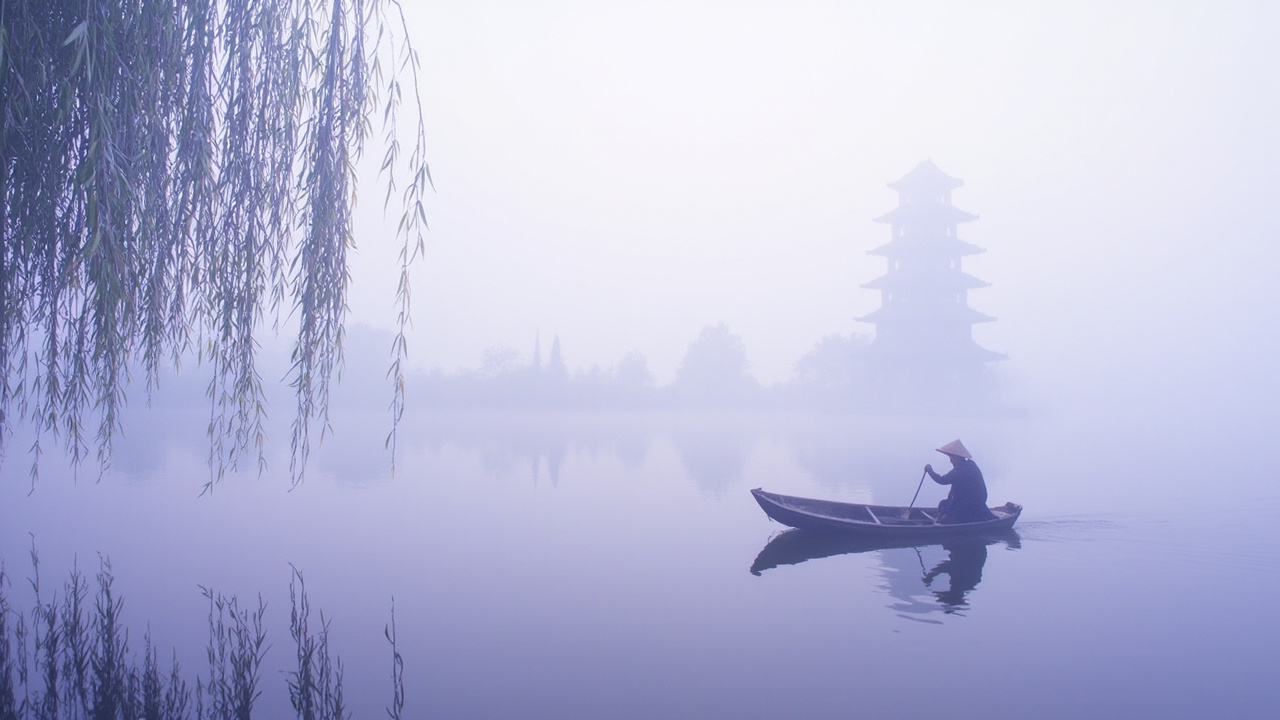
The rain came down sideways off the mountains, and for twenty minutes, the entire lake disappeared behind a gray curtain. I was standing under the eaves of a teahouse on Su Causeway, holding a cup of Longjing that had gone cold, watching the water slap against the stone steps. Then, as quickly as it started, the rain stopped. The clouds pulled apart, and the lake reappeared like a photograph developing. Boats emerged from the mist. The willows shook themselves dry. An old man with a bamboo fishing pole, who had been sheltering next to me the whole time, looked over and said, in perfect English, “You see? This is why we come here every day.”
He was right. Hangzhou’s West Lake isn’t a place you visit once. It’s a place you return to, again and again, because it changes with every hour of light, every shift in weather, every season. The Chinese have a saying: “Above there is heaven, below there are Suzhou and Hangzhou.” After seven years in Beijing and more than forty trips across this country, I still think West Lake is the most beautiful urban landscape in China. This guide covers the ten essential experiences around the lake, with exact directions, honest opinions, and the kind of details you only learn by getting soaked on a causeway and talking to strangers.
Quick answer
West Lake is free to enter and best visited in spring (March-May) or autumn (September-November), when temperatures hover between 60-75°F (15-24°C). You need at least one full day to see the highlights, though two days lets you slow down properly. Most international visitors can enter China visa-free for up to 30 days under the 2025-2026 policy expansion, but check the latest rules before booking. The lake is walkable, but rent a bike or take the sightseeing bus to cover more ground.
The Short Version
If you only have 90 seconds, here’s what matters: West Lake is free, it’s huge, and you cannot see it all in one day. Skip the crowded Broken Bridge at noon. Go at sunrise or sunset instead. Rent a bike and ride the Su Causeway before 9am. Take a boat ride on the lake, even if it feels touristy. Eat at a local restaurant near the lake, not at the fancy ones facing it. And whatever you do, don’t rush. The lake rewards people who sit still.
How I Picked These
I’ve been to West Lake eleven times since 2019, in every season except deep winter. I’ve walked the full circumference twice, which takes about six hours with stops. I’ve ridden the sightseeing buses, taken the gondola up to Leifeng Pagoda, and gotten hopelessly lost in the bamboo groves at the lake’s north end. I’ve had tea with farmers in Longjing Village, argued with a boatman about the price of a lake crossing, and watched the sunset from every possible angle. The ten places below aren’t pulled from a guidebook. They’re the ones I’d take my own mother to see, and the ones I’d skip if I only had one day.
Comparison Table
| Rank | Place | Best For | Approx Cost (USD) | Time Needed | When to Go |
|---|---|---|---|---|---|
| 1 | Su Causeway | Walking, spring blossoms | Free | 2-3 hours | March-April, early morning |
| 2 | Leifeng Pagoda | Panoramic views, sunset | $9 (¥65) | 1.5 hours | Late afternoon |
| 3 | Three Pools Mirroring the Moon | Iconic photo, boat ride | $7 (¥50) boat ticket | 1 hour | Midday for clarity |
| 4 | Broken Bridge | First-time photo, lotus | Free | 30 minutes | Sunrise or sunset |
| 5 | Longjing Village | Tea culture, countryside | Free (tea tasting extra) | 2-3 hours | April for harvest |
| 6 | Huagang Park | Koi fish, peonies | Free | 1 hour | April for peonies |
| 7 | Lingyin Temple | Buddhist history, caves | $12 (¥85) | 2-3 hours | Weekday mornings |
| 8 | Solitary Hill (Gushan) | Museums, quiet paths | Free | 2 hours | Any day, off-peak |
| 9 | Night Lake Cruise | City lights, romance | $14 (¥100) | 1 hour | After dark |
| 10 | Guo’s Villa | Classical garden, calm | $3 (¥20) | 45 minutes | Weekday afternoons |
Su Causeway — The Backbone of the Lake
The first time I walked Su Causeway, I made the classic mistake: I started at noon, in July, and nearly melted into the pavement. The causeway is 2.8 kilometers of straight, flat path lined with willows and peach trees, connecting the north and south shores. It’s named after Su Dongpo, the Song Dynasty poet-governor who ordered its construction in 1089. Locals say the best time to walk it is at dawn, when the only sounds are birds and the gentle splash of oars.
The causeway has six bridges, each with its own name and its own view. The third bridge, called Pressing Waves, is where you get the classic postcard shot of the lake with Leifeng Pagoda in the distance. In spring, the peach blossoms create a pink tunnel that stretches for what feels like miles. In autumn, the gingko trees turn the path gold.
馃搷 Location: Runs north-south through the western side of the lake, connecting Beishan Road and Nanshan Road.
馃帿 Entry fee: Free. No tickets, no gates, no barriers.
馃晲 Opening hours: Always open. The causeway never closes.
馃殕 How to get there: Take Metro Line 1 to Fengqi Road Station, Exit C, then walk west for 15 minutes. Or take the sightseeing bus that loops the lake and get off at the Su Causeway stop. The bus costs about $1.50 (¥10) per ride.
鈴?When to visit: Spring mornings, before 9am. The light is soft, the crowds haven’t arrived, and the air smells like blooming flowers.
馃挕 Insider tips: The peach trees bloom in late March to early April, but the exact timing varies by year. Check the Hangzhou tourism board’s WeChat account for bloom updates. Also, the causeway is completely flat and wheelchair accessible, which is rare for Chinese attractions. There are public restrooms at each bridge, but they get crowded on weekends.
I met a retired calligraphy teacher named Mr. Chen who practices his brushwork on the pavement with water every morning at 7am. He told me the lake has 1,000 years of poetry written about it, and he’s trying to add one more poem before he dies.
Leifeng Pagoda — Worth the Climb, Skip the Elevator
I have complicated feelings about Leifeng Pagoda. The original structure, built in 975 AD, collapsed in 1924. What stands today is a modern reconstruction with an elevator, escalators, and a gift shop. It feels more like a mall than a pagoda. But the view from the top is genuinely spectacular, and the sunset from the fifth floor balcony is the best free show in Hangzhou.
The pagoda sits on Sunset Hill, on the lake’s south shore. The name means “Leifeng” or “Thunder Peak,” and the original was said to protect the city from evil spirits. Inside the modern structure, you can see the excavated remains of the original pagoda, preserved under glass. It’s a strange experience, standing above the ruins of the building that once stood here, looking out at the same view that poets have described for a thousand years.
馃搷 Location: On Sunset Hill, south shore of West Lake, near Nanshan Road.
馃帿 Entry fee: $9 (¥65) for the pagoda complex. The surrounding park is free.
馃晲 Opening hours: 8am-5:30pm (April-October), 8am-5pm (November-March). Last entry is 30 minutes before closing.
馃殕 How to get there: Take Metro Line 1 to Longxiangqiao Station, Exit C, then walk south for 20 minutes. Or take the sightseeing bus to the Leifeng Pagoda stop. The bus is easier if you’re carrying bags.
鈴?When to visit: Go at 4pm in spring or autumn. You’ll have time to explore the interior, then watch the sunset from the top. The light on the lake turns gold, then pink, then purple.
馃挕 Insider tips: The elevator to the top gets crowded. Take the stairs if you can; it’s only five floors and you’ll skip the queue. The best photo spot isn’t the top balcony, but the small terrace on the third floor, which frames the lake with less crowd interference. Also, the pagoda is illuminated at night, and the reflection in the lake is worth a photo from the south shore.
I watched a Chinese tour group take photos of each other in front of the pagoda for twenty minutes, each person striking the exact same pose. The tour guide finally said, “Okay, okay, the pagoda will still be here tomorrow. Let’s go.”
Three Pools Mirroring the Moon — The Postcard Shot
You’ve seen this image a thousand times: three small stone pagodas rising from the water, their reflections stretching across the lake. It’s the most photographed spot in Hangzhou, and for good reason. The pagodas were built in 1621 to mark the deepest point of the lake, and they’ve become the symbol of the city.
The only way to see them up close is by boat. The small wooden rowboats, operated by boatmen who have been working the lake for generations, will take you out to the pagodas and circle around them. The ride takes about 45 minutes and includes a stop at the island in the center, where you can walk around the gardens and look back at the pagodas from a different angle.
馃搷 Location: In the center of West Lake, about 200 meters from the south shore.
馃帿 Entry fee: The boat ride costs about $7 (¥50) per person. The island itself is free once you’re there.
馃晲 Opening hours: Boats run from 8am to 5pm. The last boat back to shore leaves at 5:30pm.
馃殕 How to get there: Board a boat at any of the major piers: Huagang Park Pier, Zhongshan Park Pier, or the pier near the Broken Bridge. The Huagang Park Pier is the most direct.
鈴?When to visit: Midday, when the sun is high and the water is clear. The pagodas look best when the light hits them directly. Morning mist can obscure the view.
馃挕 Insider tips: Negotiate the price before you get on the boat. The official rate is posted at the pier, but boatmen sometimes quote higher for foreigners. Say “duō shǎo qián?” (how much?) and point at the posted price. Also, the island in the center has a small teahouse where you can sit and watch the boats go by. It’s overpriced, but the view is worth it.
I took a boat out with a boatman who had been rowing the lake for 30 years. He pointed at the pagodas and said, “My grandfather rowed his grandfather out here. Same pagodas, same water, different century.”
Broken Bridge — The Most Misunderstood Spot in Hangzhou
The Broken Bridge isn’t broken. It’s a perfectly intact stone bridge on the lake’s north shore, famous for a legend that has nothing to do with structural failure. According to the story, the White Snake spirit, transformed into a beautiful woman, met her mortal lover on this bridge during a rainstorm. He lent her his umbrella, and they fell in love. The bridge’s name comes from the visual effect of snow melting on the arch, which makes it look like the bridge is broken from certain angles.
In reality, the bridge is always crowded. Tour groups swarm it from 9am to 5pm. I’ve seen people queue for twenty minutes just to take a photo on the middle of the arch. The bridge itself is fine, but the real attraction is the view from it: looking south across the lake toward the city skyline, with lotus flowers blooming in the shallows during summer.
馃搷 Location: North shore of West Lake, at the eastern end of Bai Causeway.
馃帿 Entry fee: Free.
馃晲 Opening hours: Always open.
馃殕 How to get there: Take Metro Line 1 to Fengqi Road Station, Exit C, then walk north for 10 minutes. Or take the sightseeing bus to the Broken Bridge stop.
鈴?When to visit: Sunrise, when the tour groups haven’t arrived. Or sunset, when the bridge glows orange and the crowds thin out. Avoid weekends entirely.
馃挕 Insider tips: The best photo isn’t from the bridge itself, but from the shore to the east, where you can frame the bridge with the lake and the city skyline behind it. Also, the lotus flowers bloom from June to August, and the best viewing spot is the small pavilion on the north shore, which gives you a close-up view of the flowers without getting wet.
I watched a Chinese grandmother scold her grandson for running across the bridge too fast. “This is a love story bridge,” she said. “You need to walk slowly, like you’re in love.” The boy rolled his eyes and ran anyway.
Longjing Village — Where the Tea Comes From
About 20 minutes southwest of the lake, tucked into the hills, Longjing Village is where the famous Dragon Well tea is grown. The village is a strange mix of ancient tea terraces and modern tourist infrastructure. Every house seems to sell tea, every grandmother has a drying tray of leaves in her courtyard, and every shopkeeper will offer you a cup of the good stuff before trying to sell you a bag of it.
The tea itself is the star. Longjing is a green tea, pan-fired to stop oxidation, with a flat, sword-shaped leaf and a sweet, nutty flavor. The best harvest happens in early April, when the first tender shoots are picked. A kilogram of premium Longjing can cost hundreds of dollars. The stuff sold in tourist shops for $10 a bag is usually not real Longjing.
馃搷 Location: Longjing Village, southwest of West Lake, in the hills above the city.
馃帿 Entry fee: Free to enter the village. Tea tastings are usually free if you’re considering a purchase. A decent bag of tea costs $20-50 (¥150-350).
馃晲 Opening hours: The village is always open. Tea houses typically operate from 9am to 6pm.
馃殕 How to get there: Take bus 27 from the Hangzhou city center to the Longjing Village stop. The ride takes about 30 minutes. Or take a taxi from the lake, which costs about $8 (¥60). The village is too far to walk.
鈴?When to visit: April, during the spring harvest, when the hills are covered in pickers in straw hats and the air smells like fresh tea leaves. The village is busiest on weekends, so go on a weekday if you can.
馃挕 Insider tips: The best way to experience the village is to find a family-run tea house, sit down, and order a pot of the local tea. It’ll cost about $5 (¥35) for a pot, and you can sit for hours. The family will likely show you their drying trays and explain the process. Also, the hiking trail behind the village leads up to the hills, where you can see the terraces from above. It’s a 30-minute climb and worth every step.
I sat in a tea house run by a woman named Auntie Wang, who has been making tea for 40 years. She poured me a cup, watched me sip it, and said, “You like it?” I nodded. “Good,” she said. “Now you know why we never drink the stuff they sell in Beijing.”
Huagang Park — Fish, Flowers, and Local Life
Huagang Park, on the lake’s south shore, is where Hangzhou locals go to escape the tourists. The park is famous for two things: the koi fish pond, where thousands of fat orange fish compete for bread crumbs, and the peony garden, which blooms spectacularly in April. But the real attraction is the atmosphere. On any given morning, you’ll find retirees doing tai chi, groups of women dancing to music from portable speakers, and old men playing Chinese chess under the trees.
The park is also home to the best view of Leifeng Pagoda from the water level. The pagoda rises from the hill behind the park, and the reflection in the fish pond creates a double image that photographers love.
馃搷 Location: South shore of West Lake, between Nanshan Road and the lake.
馃帿 Entry fee: Free.
馃晲 Opening hours: 6am-6pm. The gates close at dusk.
馃殕 How to get there: Take Metro Line 1 to Longxiangqiao Station, Exit C, then walk south for 15 minutes. Or take the sightseeing bus to the Huagang Park stop.
鈴?When to visit: April for the peonies, or any weekday morning to watch the locals. The park is at its liveliest between 7am and 9am, when the tai chi groups are out.
馃挕 Insider tips: Bring bread or crackers to feed the koi. The fish are so well-fed they’ll practically jump out of the water for food. Also, the peony garden is at its peak for only about two weeks in mid-April. Check with the park office or the Hangzhou tourism board for the exact bloom dates. The park’s north gate leads directly to the lake path, which is a great starting point for a walk along the south shore.
I watched a group of elderly women perform a synchronized dance routine to a Chinese pop song. They were so precise, so joyful, that a group of German tourists stopped and filmed them for ten minutes. The women didn’t seem to notice.
Lingyin Temple — Worth the Crowds
Lingyin Temple, or the Temple of the Soul’s Retreat, is one of the most important Buddhist temples in China. Founded in 328 AD, it’s been destroyed and rebuilt sixteen times over the centuries. The current structures date mostly from the Qing Dynasty, but the feeling of age is unmistakable. The main hall houses a 24-meter-tall Buddha statue, carved from camphor wood and gilded in gold, that makes you gasp when you walk in.
The temple complex is huge, spread across a valley at the foot of the hills northwest of the lake. Beyond the main halls, there’s a network of caves filled with Buddhist carvings dating back to the 10th century. The most famous is the Laughing Buddha, a rotund figure carved into the rock face, whose grin has been photographed by millions of visitors.
馃搷 Location: Northwest of West Lake, in the hills near Lingyin Road.
馃帿 Entry fee: $12 (¥85) for the temple complex, which includes the caves and carvings. The Flying Peak (Feilai Feng) area is included in the same ticket.
馃晲 Opening hours: 7am-6pm (April-October), 7am-5:30pm (November-March).
馃殕 How to get there: Take bus 7 or 807 from the city center to the Lingyin Temple stop. The ride takes about 30 minutes. Or take a taxi from the lake, which costs about $10 (¥70).
鈴?When to visit: Weekday mornings, before 10am. The temple is one of the most popular attractions in Hangzhou, and the crowds can be overwhelming on weekends and holidays.
馃挕 Insider tips: The incense smoke inside the main hall can be intense. If you have respiratory issues, bring a mask. Also, the caves with the carvings are to the left of the main temple complex. Most tour groups skip them, so they’re relatively quiet. The climb up Flying Peak takes about 30 minutes and offers a view over the temple roofs and the surrounding forest.
I watched a young monk sweep the courtyard with a bamboo broom, moving with such deliberate slowness that it seemed like meditation. A tourist asked him for a photo. He smiled, nodded, and went back to sweeping.
Solitary Hill (Gushan) — The Quiet Side of the Lake
Solitary Hill is the only natural island in West Lake, connected to the north shore by a short bridge. It’s a strange place: part park, part museum complex, part literary shrine. The island was once the private garden of the Qing Dynasty emperor Qianlong, who visited Hangzhou six times and always stayed here. Today, it’s home to the Zhejiang Provincial Museum, the Xiling Seal Engraving Society, and a collection of pavilions and gardens that feel like a smaller, quieter version of the lake itself.
The island is where I go when I need to escape the crowds. The paths are lined with ancient trees, the pavilions offer shade and views, and the museum’s collection of ceramics and calligraphy is genuinely excellent. The seal engraving society, founded in 1904, is the oldest of its kind in China, and you can watch artists carving stone seals in the workshop.
馃搷 Location: North shore of West Lake, connected to the mainland by the Xiling Bridge.
馃帿 Entry fee: Free. The museum is also free, but you need to reserve a time slot in advance through the museum’s WeChat account or website.
馃晲 Opening hours: The island is always open. The museum is open 9am-5pm, closed Mondays.
馃殕 How to get there: Walk north from the Broken Bridge along Bai Causeway, and you’ll reach the island in about 15 minutes. Or take the sightseeing bus to the Gushan stop.
鈴?When to visit: Any weekday afternoon. The island is quiet even during peak tourist season, because most visitors don’t know it exists.
馃挕 Insider tips: The museum’s reservation system requires a Chinese phone number. If you don’t have one, you can sometimes get in by showing your passport at the gate, but it’s not guaranteed. The seal engraving workshop is open to visitors, and you can commission a custom seal with your name carved in Chinese characters. It costs about $20 (¥150) and takes about an hour. It’s the best souvenir in Hangzhou.
I spent an afternoon in the seal workshop, watching an elderly craftsman carve my name into a small stone block. He worked without speaking for 45 minutes, then handed me the finished seal and said, “This is yours now. Take care of it.”
Night Lake Cruise — A Different Lake Entirely
West Lake at night is a completely different place. The crowds disappear, the city lights reflect off the water, and the lake takes on a dreamlike quality that’s hard to describe. The night cruise is the best way to experience this transformation. The boats are larger than the daytime rowboats, with glass windows and comfortable seating, and they follow a route that takes you past the illuminated pagodas and bridges.
The cruise lasts about an hour and includes a recorded commentary in multiple languages, including English. The commentary is a bit dry, but the views more than make up for it. The highlight is passing the Three Pools Mirroring the Moon, where the pagodas are lit up and their reflections stretch across the water like golden fingers.
馃搷 Location: Departures from several piers around the lake, including the Zhongshan Park Pier and the Huagang Park Pier.
馃帿 Entry fee: About $14 (¥100) per person for the standard night cruise. Premium boats with open-air decks cost more.
馃晲 Opening hours: Cruises run from 7pm to 9:30pm, with departures every 30 minutes. The last cruise leaves at 9pm.
馃殕 How to get there: Book tickets at the pier or through the Hangzhou tourism board’s WeChat account. The Zhongshan Park Pier is the most convenient, located on the north shore near the Broken Bridge.
鈴?When to visit: Any evening from April to October, when the weather is warm. The lake is most atmospheric on clear nights, when the moon reflects off the water.
馃挕 Insider tips: The premium boats with open-air decks are worth the extra cost. You can stand at the railing and feel the breeze, which is much better than being stuck behind glass. Also, bring a jacket even in summer; the lake can get chilly at night. The commentary mentions the legend of the White Snake, which adds context to the illuminated bridges you’ll pass.
I took the night cruise with a group of Chinese tourists who were celebrating a birthday. They sang songs and took photos of each other against the illuminated pagodas. The boatman, who had heard it all before, just smiled and steered.
Guo’s Villa — The Garden That Time Forgot
Most visitors to West Lake never make it to Guo’s Villa, which is exactly why you should. Tucked away on the lake’s west shore, behind an unassuming gate, this classical Chinese garden is a masterpiece of design. Built in 1907 for a wealthy merchant, the villa is a series of courtyards, rockeries, ponds, and pavilions that unfold like a scroll painting. Every window frames a view, every path leads somewhere unexpected.
The garden is small, which is its charm. You can explore it in 45 minutes, but you could also sit in the main pavilion for an hour, watching the koi in the pond and listening to the water trickle over the rocks. The villa is a UNESCO World Heritage Site, part of the West Lake Cultural Landscape, and it’s one of the best-preserved examples of a private garden from the late Qing Dynasty.
馃搷 Location: West shore of West Lake, on Yanggong Causeway, near the Hangzhou Flower Garden.
馃帿 Entry fee: $3 (¥20). The ticket includes access to the entire villa complex.
馃晲 Opening hours: 8am-5pm. Last entry at 4:30pm.
馃殕 How to get there: Take the sightseeing bus to the Guo’s Villa stop, or walk south from the Su Causeway along the west shore. The villa is about a 20-minute walk from the nearest bus stop.
鈴?When to visit: Weekday afternoons, when the garden is nearly empty. The light in the late afternoon filters through the trees and creates dappled patterns on the white walls.
馃挕 Insider tips: The villa’s teahouse, in the main courtyard, serves excellent Longjing tea for about $5 (¥35) a pot. It’s the perfect place to sit and absorb the atmosphere. Also, the garden’s rockery, built from Taihu stones, is designed to be viewed from specific angles. Take your time and look at it from different positions. The garden is a masterclass in perspective.
I sat in the teahouse for an hour, watching a young couple take photos of each other among the rockeries. They were so absorbed in each other that they didn’t notice the old gardener trimming the bonsai trees nearby, moving with the same patience he’d probably used for thirty years.
FAQ summary
West Lake is free to enter, open year-round, and best visited in spring or autumn. The lake is walkable, but a combination of the sightseeing bus, bike rentals, and boat rides will help you cover more ground. Most visitors need at least one full day, though two days allows for a more relaxed pace. The lake is accessible by Metro Line 1, and most attractions accept mobile payments through Alipay or WeChat Pay. English is limited outside major tourist sites, so download a translation app before you go.
FAQ
Q: Do I need a visa to visit Hangzhou as a US or European citizen? A: Under the 2025-2026 policy, citizens of most Western countries can enter China visa-free for up to 30 days for tourism. This includes the US, UK, Canada, Australia, and most EU countries. Check the latest rules before booking, as policies can change. See our China visa guide for details.
Q: How many days should I spend at West Lake? A: One full day is enough to see the main highlights, but two days is better if you want to experience the lake at different times of day. The lake is most beautiful at sunrise and sunset, so staying overnight lets you catch both.
Q: Is West Lake free to visit? A: Yes, the lake itself and the surrounding causeways and parks are completely free. You only pay for specific attractions like Leifeng Pagoda ($9/¥65), Lingyin Temple ($12/¥85), and boat rides ($7-14/¥50-100).
Q: What’s the best way to get around West Lake? A: Walking is best for the causeways, but the lake is too big to cover entirely on foot. Use the sightseeing bus ($1.50/¥10 per ride) to hop between attractions, rent a bike for the flat paths, or take a boat to cross the lake.
Q: Is it easy to pay for things at West Lake? A: Yes, but you’ll need Alipay or WeChat Pay set up. Most ticket offices, restaurants, and shops accept mobile payments, but some smaller vendors are cash-only. Set up your payment apps before you arrive. See our payment guide for step-by-step instructions.
Q: Do people speak English at West Lake? A: Limited English is spoken at major attractions and hotels, but most locals speak only Chinese. Download a translation app like Google Translate or Pleco before you go. You’ll also need a VPN to access Google services in China. Check our SIM card and internet guide for setup tips.
Q: What should I wear when visiting West Lake? A: Comfortable walking shoes are essential. In spring and autumn, bring layers, as mornings can be cool and afternoons warm. In summer, it’s hot and humid, so bring sunscreen and water. In winter, it’s cold and damp, so bring a warm coat and umbrella.
The Honest Wrap-up
West Lake isn’t a checklist destination. You can’t “do” it in a day and move on. The lake rewards people who slow down, who sit on a bench for an hour watching the light change, who get lost on a causeway and find themselves somewhere unexpected. If you’re the kind of traveler who needs to see everything, this might frustrate you. But if you’re willing to let the lake set the pace, you’ll leave with something more valuable than photos.
My final advice: book your trip for April or October, when the weather is mild and the crowds are manageable. Give yourself at least two days. And on your first morning, skip the famous spots and just walk. Follow the path that looks least crowded. See where it takes you. The lake has been here for a thousand years. It’ll still be here when you’re ready to find it.
More guides you may like
Top 10 Bridges in China
China's bridges are engineering marvels spanning mountains, rivers, and seas. Here are 10 of the most spectacular, from ancient stone to modern steel.
8 min read

Top 10 Buddhist Sites in China
From the Leshan Giant Buddha to the Dunhuang Caves, these 10 Buddhist sites represent 2,000 years of China's spiritual heritage.
9 min read
Top 10 Day Trips from Beijing You Shouldn't Miss
Beijing is packed with history, but some of China's best experiences are just a few hours away. Here are 10 day trips that will transform your visit.
9 min read
Top 10 Hidden Gems in China Off the Beaten Path
Beyond the Great Wall and Terracotta Warriors, China has incredible hidden destinations few tourists ever reach. Here are 10 underrated gems worth the detour.
9 min read
Top 10 Markets and Shopping Streets in China
From Shanghai's Bund to Beijing's Silk Street - 10 markets where foreigners can haggle, explore, and bring home authentic Chinese goods.
9 min read
Top 10 Museums in China You Shouldn't Miss
China's museums span 5,000 years of civilization. These 10 - from the Palace Museum to Xi'an's terracotta gallery - are unmissable for culture lovers.
9 min read