
China Border Crossing Guide
TODO: Extract from article (100-160 chars)
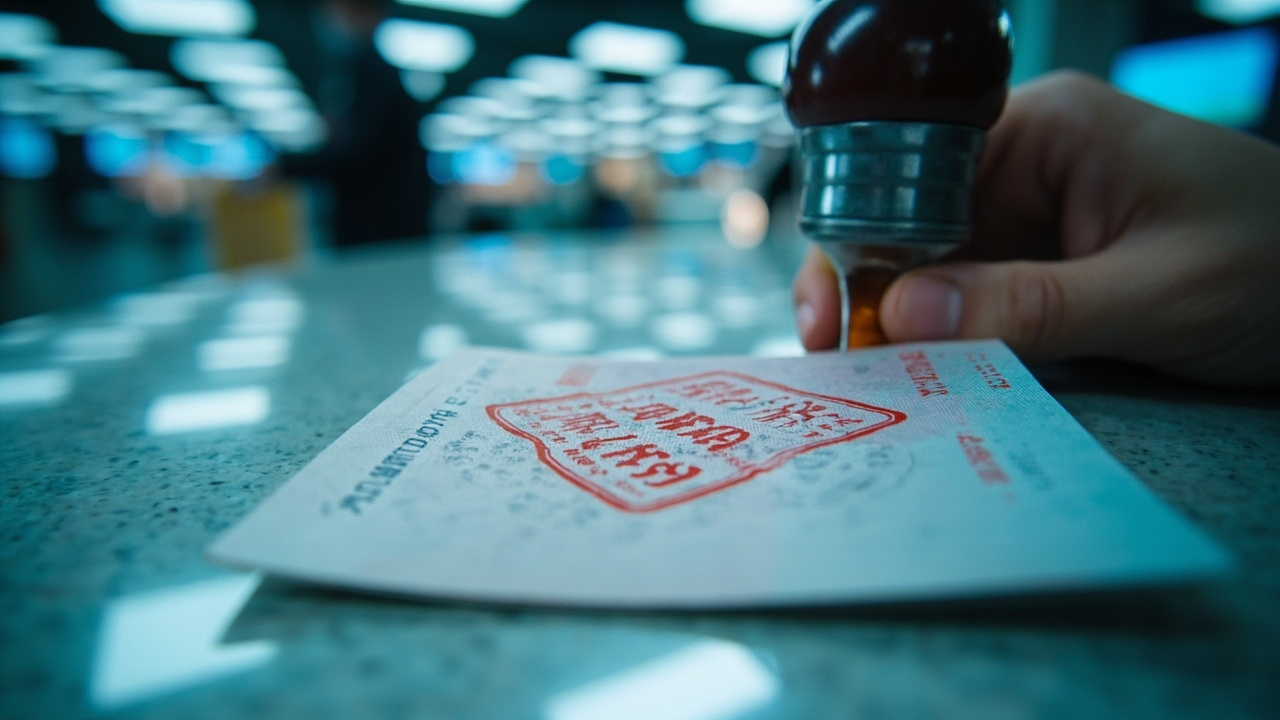
The first time I crossed into China overland, I got my passport stamped at the Hong Kong border at Lo Wu, and the sheer volume of people moving through those gates was the first thing that hit me. Not the architecture, not the signage, but the press of bodies, the rolling suitcases, and the low hum of a million conversations in Cantonese and Mandarin. I remember fumbling with my freshly-filled arrival card, realizing I had written my hotel address in the wrong box, and the officer just sighed, handed it back, and pointed at the correct line without a word. It was my first lesson in Chinese bureaucracy: it looks intimidating, but it runs on a set of rules you can learn.
Since then, I’ve crossed into China by air, by land, by high-speed rail from Hong Kong, and even by ferry. I’ve been waved through in under five minutes and I’ve spent an hour answering questions about my itinerary in a small room in Urumqi. The process has changed dramatically, especially with the expansion of the visa-free transit policies in 2024 and 2025. For a first-time tourist, the fear of the border is often worse than the reality, but you do need to know the specific rules that apply to you.
This guide is the one I wish I had before my first trip. I’ll walk you through the different types of entry, the exact documents you need, the apps that will save you, and the specific mistakes I’ve seen travelers make at the inspection counter.
Quick answer
For most first-time tourists from the US, UK, Canada, Australia, and most of Europe, entering China in 2026 is easiest if you qualify for the visa-free transit policy (up to 240 hours/10 days) or the standard 30-day visa-free entry for select countries. If you don’t qualify, you need a standard L tourist visa, which costs around $140 (CNY 1,000) and takes about 4-7 working days to process. Always carry a printed copy of your hotel booking and exit flight ticket, as border officers frequently ask to see them.
The Short Version
If you only remember three things: First, check if you qualify for the 240-hour visa-free transit before you pay for a visa. Second, download Alipay and link your international card before you land, because you’ll need it for the train ticket to your hotel. Third, do not overthink the “arrival card” – they are digital now at major airports, but keep a pen handy for smaller land crossings. The border process itself is usually faster than the queue for baggage claim.
How I Picked These
I didn’t pull this information from a government brochure. I’ve crossed at Beijing Capital, Shanghai Pudong, Guangzhou Baiyun, and Hong Kong West Kowloon station. I’ve entered overland from Vietnam at Hekou and from Laos at Mohan. I’ve been the confused foreigner at 6 AM with a dead phone, and I’ve been the smug traveler who sailed through the e-channel. I also spent a frustrating afternoon on the phone with the visa application center in London for a friend, which taught me more about the paperwork than any website. This guide is a blend of those personal experiences, conversations with immigration officers (yes, they do talk if you’re polite), and the current official policies as of early 2026.
Comparison Table
| Entry Point | Best For | Approx Cost (Visa) | Time Needed | When to Go |
|---|---|---|---|---|
| Beijing Capital Airport | First-timers, Great Wall access | $140 (CNY 1,000) visa | 45-60 mins | Year-round |
| Shanghai Pudong Airport | Business + leisure combo | $140 (CNY 1,000) visa | 30-45 mins | Spring/Fall |
| Hong Kong West Kowloon | Overland train experience | $0 (if visa-free transit) | 15-30 mins | Year-round |
| Guangzhou Baiyun | Cheap flights from SE Asia | $140 (CNY 1,000) visa | 30-45 mins | Winter (warm) |
| Land Border (Hekou) | Adventurers from Vietnam | $140 (CNY 1,000) visa | 60-90 mins | Oct-Nov |
| Land Border (Mohan) | Route from Laos | $140 (CNY 1,000) visa | 60-90 mins | Nov-Feb |
Beijing Capital Airport (PEK) – The Classic First Impression
I landed at Terminal 3 for the first time in 2019, and I remember the walk from the jet bridge to the immigration hall feeling endless. It’s a cavernous space, and the sheer scale of it is your first clue that you’re not in Kansas anymore. The immigration hall itself is usually efficient, but the sheer number of flights arriving simultaneously can create a bottleneck. The officers here see thousands of tourists a day, so they are generally quick, but they are also the most likely to ask for proof of your hotel booking if you look lost.
This is the most common entry point for first-timers because it serves the capital. The process is straightforward: follow the signs for “Foreigners,” fill out the digital health declaration on the customs app (or use the kiosks), and join the queue. The officers speak minimal English, but the process is visual. Have your passport, visa (if you have one), and a printed hotel confirmation ready. I’ve learned to keep my exit flight itinerary on my phone, not just in my email, because they sometimes ask to see it.
Location: Shunyi District, northeast of central Beijing. Entry Fee: Visa fee applies (approx. $140 / CNY 1,000). No airport entry fee. Opening Hours: 24/7, but immigration queues are longest between 2 PM and 6 PM when international arrivals peak. How to get there: Take the Airport Express line to Dongzhimen Station, then transfer to Line 2. It takes about 45 minutes to reach the city center. When to visit: Any time, but avoid the first week of October (National Day Golden Week) when the city is packed. Insider tips: Use the e-channel if you have a biometric passport and have registered your fingerprints. Look for the “APEC” or “Registered Traveler” signs. Download the “Customs Declaration” mini-program in Alipay before you land to skip the paper form. Don’t buy a SIM card in the arrivals hall; it’s twice the price of the ones in the city. The taxi queue outside can look chaotic, but it moves fast; don’t let the touts convince you to take a private car.
I once watched a guy get pulled aside for having a torn page in his passport. The officer was patient, but it took 20 minutes to sort out. Check your passport’s condition before you fly.
Shanghai Pudong Airport (PVG) – The Speed Run
Shanghai feels different. The immigration hall at Pudong is often less crowded than Beijing, and the officers seem to move with a bit more pace. I’ve cleared immigration here in under 15 minutes on a good day. The city’s status as a financial hub means they process a lot of business travelers, and the system is slick. If you’re arriving on a late-night flight, you’ll find the hall almost empty, which is a blessing after a long haul.
The key difference here is the Maglev train. It’s not just a tourist gimmick; it’s the fastest way to get to the city, hitting 431 km/h. The station is connected directly to the terminal, and the ride to Longyang Road takes just 8 minutes. From there, you transfer to the Metro. It’s a seamless experience that makes you feel like you’ve arrived in the future. If you’re on a budget, the regular Metro Line 2 is slower but much cheaper.
Location: Pudong New Area, east of the Huangpu River. Entry Fee: Visa fee applies. No airport entry fee. Opening Hours: 24/7. Immigration is fastest late at night (after 11 PM) and slowest on Monday mornings. How to get there: Take the Maglev to Longyang Road Station (8 mins, approx. $8 / CNY 50), then transfer to Metro Line 2. Or take Line 2 all the way from the airport (approx. $1.50 / CNY 10). When to visit: Spring (March-May) and Autumn (September-November) for the best weather. Insider tips: The free Wi-Fi at PVG requires a Chinese phone number for verification, which is a catch-22. Use your home roaming or buy a travel eSIM before you arrive. If you’re on the 240-hour visa-free transit, make sure you tell the officer you are “transiting” and show them your onward ticket. The taxi rank is outside and well-organized; ignore the drivers who approach you inside the terminal. For a quick meal, skip the overpriced western chains and go to the noodle shop on the lower level near the Metro entrance.
I once met a retired couple from Texas here who had no idea they needed a visa. They were turned back, and it broke my heart. Double-check your paperwork before you leave home.
Hong Kong West Kowloon Station – The Train That Skips the Airport
Taking the high-speed rail from Hong Kong West Kowloon Station into mainland China is one of my favorite ways to enter the country. You clear immigration and customs inside the station before you board the train, which means you exit the train on the mainland side already stamped in. It feels like a cheat code. The station itself is a massive underground complex, and the “Mainland Port Area” is where you’ll do the formalities. It’s efficient, modern, and a world away from the chaotic land borders.
This route is perfect if you’re combining a trip to Hong Kong with mainland China. The train to Shenzhen takes just 18 minutes, and to Guangzhou it’s about an hour. The process is simple: arrive at the station, go through Hong Kong exit, then Chinese entry, then board. The Chinese officers here are used to foreigners and the process is very streamlined. You must have a valid visa or qualify for the visa-free transit policy, but because you are technically “arriving from Hong Kong,” the rules are the same as any other entry.
Location: West Kowloon, Hong Kong (near Austin Station on the MTR). Entry Fee: Train ticket to Shenzhen North approx. $10 (CNY 75); to Guangzhou South approx. $30 (CNY 215). Opening Hours: Ticket office opens at 6 AM; last trains depart around 10:30 PM. How to get there: Take the MTR to Austin Station or Kowloon Station and follow the signs for the High-Speed Rail. When to visit: Any time. The station is less stressful than an airport. Insider tips: You need to arrive at least 45 minutes before departure for security and immigration. Print your train ticket at the kiosks using your passport. Don’t bring any liquids through security, as they are restricted. The waiting lounge has good seating and charging ports. If you’re on the visa-free transit, this is a great option because you can fly into Hong Kong (visa-free for most Westerners) and then take the train into China without needing a separate visa.
I missed my train here once because I was too busy buying egg tarts in the food court. The staff rebooked me for the next one, but I learned my lesson about the 45-minute rule.
Guangzhou Baiyun Airport (CAN) – The Southern Gateway
Guangzhou is the capital of Cantonese cuisine and the heart of southern China’s manufacturing world. The airport is a hub for flights from Southeast Asia, Australia, and the Middle East, making it a common first stop for travelers on a longer Asian itinerary. The immigration process here is generally efficient, but it can be chaotic during peak hours when multiple 787s and A380s disgorge passengers at once. The officers are professional, but the hall can feel a bit cramped compared to Beijing or Shanghai.
What I appreciate about Guangzhou is that it feels less intimidating than the northern airports. The city is more laid-back, and the food is incredible. If you’re flying in from Bangkok, Singapore, or Sydney, this is often the cheapest entry point. The airport is connected to the city via Metro Line 3, which is direct but can be incredibly crowded during rush hour. The “through-train” service to the city center is also an option if you have heavy luggage.
Location: Huadu District, north of central Guangzhou. Entry Fee: Visa fee applies. No airport entry fee. Opening Hours: 24/7. Peak hours are usually late afternoon and evening. How to get there: Take Metro Line 3 (Airport South Station) directly to Tiyu Xilu or Zhujiang New Town. Taxis are plentiful but insist on the meter. When to visit: Winter (November-February) is the best time to escape the cold north. Insider tips: The airport has a “24-hour visa-free” policy for international transits, but this is different from the 240-hour policy. Check which one applies to you. The food court in the basement has excellent, cheap Cantonese noodles. If you’re connecting to a domestic flight, you’ll need to go through security again. The free Wi-Fi here requires a Chinese phone number; use a VPN and your home network if you need to access Google.
I had the best bowl of wonton noodles of my life in this airport’s food court. It was $3 (CNY 20) and better than most restaurants in the city.
Land Border: Hekou (Yunnan) – The Slow Road from Vietnam
Crossing the land border at Hekou, in Yunnan Province, is not for the faint of heart. It’s a gritty, real-world experience that involves a bridge over the Red River, a lot of porters hauling goods, and a pace that is decidedly slower than any airport. I crossed here on a trip from Hanoi to Kunming, and it was the most memorable border crossing I’ve done. You walk across the bridge from the Vietnamese side (Lao Cai) to the Chinese side, and the contrast is immediate. The Chinese side is cleaner, more modern, and the officers are brisk.
This crossing is for travelers who are already in Vietnam and want to continue overland into China. It’s not a convenient way to start a trip unless you’re specifically exploring Yunnan. The process involves taking a local bus from Lao Cai to the border gate, walking across, and then navigating the Chinese side to find a bus or taxi to Hekou town, where you can catch a train to Kunming. It’s an adventure, but it’s not efficient.
Location: Hekou Yao Autonomous County, Yunnan Province, on the border with Vietnam. Entry Fee: Visa fee applies. No border crossing fee. Opening Hours: 8 AM - 5 PM (closed for lunch, usually 12-2 PM). How to get there: From Hanoi, take a train to Lao Cai, then a taxi to the border gate. On the Chinese side, buses to Kunming leave from Hekou North Station. When to visit: October and November, when the weather is dry and cool. Insider tips: Have small US dollars or Vietnamese Dong for the porters and local transport. Don’t accept help from the touts who try to “assist” you with your bags; they expect payment. The Chinese immigration office is on the second floor of the building; don’t queue on the ground floor. You’ll need to take a shuttle bus from the border gate to Hekou town center (approx. $1 / CNY 5). Bring your own snacks; the food options on the border are limited.
I got stuck here for two hours because a train derailed up the line. I ended up sharing tea with a group of Vietnamese traders who were waiting for the same train. It was a lesson in patience.
Land Border: Mohan (Xishuangbanna) – The Route from Laos
The Mohan border crossing is the gateway between Laos and China, part of the new high-speed rail line that connects Vientiane to Kunming. This is a modern, purpose-built crossing that is much smoother than the older land borders. I took the train from Luang Prabang to Kunming, and the border formalities were done on the train itself, which was a surreal experience. The train stopped at Mohan, and immigration officers came through the carriages checking passports and stamping them right at your seat.
If you’re traveling overland from Laos, this is the way to do it. The train is comfortable, fast, and the border process is incredibly efficient. The alternative is taking a bus, which involves getting off at the border, walking through immigration, and then getting on another bus on the Chinese side. The train is worth the extra money. The surrounding area, Xishuangbanna, is a tropical region that feels completely different from the rest of China, with its own culture and cuisine.
Location: Mohan, Xishuangbanna Dai Autonomous Prefecture, Yunnan Province. Entry Fee: Visa fee applies. Train ticket from Luang Prabang to Kunming approx. $70 (CNY 500). Opening Hours: The train border check happens at scheduled times; check your ticket. How to get there: Board the China-Laos Railway train from Vientiane or Luang Prabang. The border check is done on board. When to visit: November to February for the cool, dry season. Insider tips: The train’s border check is quick, but you’ll need to have your bags accessible for a security scan. The train has a dining car with surprisingly good food. If you’re taking the bus, be prepared for a longer process. The visa-free transit policy does not apply to land crossings, so ensure you have a valid visa.
I watched the jungle give way to rubber plantations as we crossed the border. It was a beautiful, gradual transition that no airport could replicate.
The 240-Hour Visa-Free Transit – The Game Changer
This is the policy that has changed everything for tourists. As of 2025, citizens of 54 countries, including the US, UK, Canada, Australia, and most of the EU, can enter China without a visa for up to 240 hours (10 days) if they are transiting to a third country or region. This means you can fly from London to Beijing, stay for 10 days, and then fly to Tokyo, all without a visa. The policy is a game-changer for first-timers who are nervous about the visa application process.
The rules are specific. You must be transiting to a third country (you can’t just fly home). You must enter and exit from designated ports, and you are generally restricted to a specific region or province. For example, if you enter via Beijing, you can travel within Beijing, Tianjin, and Hebei province. If you enter via Shanghai, you can travel within Shanghai, Jiangsu, and Zhejiang. You must have a confirmed onward ticket to a third country and proof of accommodation. The officers will check this.
Location: Applies at major airports and some ports. Entry Fee: Free. This is the biggest advantage. Opening Hours: N/A. How to get there: N/A. When to visit: Any time. Insider tips: This policy is not automatic. You must specifically request the “240-hour visa-free transit” when you arrive. The officer will ask to see your onward ticket. If you are flying from the US to China and then back to the US, this policy does not apply; you need a visa. The 10-day window is generous, but you can’t leave the designated region. I’ve used this policy twice, and it’s saved me hundreds of dollars and a lot of paperwork.
I sailed through Beijing Capital using this policy in 2025. The officer just looked at my onward ticket to Seoul, stamped my passport, and waved me through. It took less time than getting a coffee.
The Standard L Tourist Visa – When You Need It
If you don’t qualify for the visa-free transit, or if you’re planning a longer trip or want to travel freely around the country, you’ll need a standard L tourist visa. The application process is done through the Chinese Visa Application Service Center (CVASC), which operates in most major cities. You can’t just show up at the embassy anymore; you have to go through the center. The process involves filling out an online form, printing it, gathering your documents, and then attending an in-person appointment for biometrics.
The visa itself is a multi-entry visa, usually valid for 10 years for US citizens, but the duration of each stay is typically 60 or 90 days. The cost is around $140 (CNY 1,000) for a standard application, but it can be more if you use a travel agent. The processing time is usually 4-7 working days, but it can take longer during peak seasons. You’ll need to provide your passport, a photo, proof of accommodation, and your flight itinerary.
Location: CVASC offices in major cities (London, New York, Sydney, etc.). Entry Fee: Approx. $140 (CNY 1,000) plus service fees. Opening Hours: Usually 9 AM - 3 PM, Monday to Friday. How to get there: Check the CVASC website for your local office address. When to visit: Apply at least a month before your trip. Insider tips: Fill out the online form carefully; any mistakes will cause delays. Use a professional visa service if you’re not confident; they can catch errors. The photo requirements are strict; get them taken at a CVASC-approved shop. You don’t need to book flights or hotels to apply, but you do need to provide a rough itinerary. The 10-year visa is worth the effort if you plan to visit China more than once.
I helped a friend apply for her visa in London, and the most stressful part was the online form. It took us three attempts to get the photo uploaded correctly.
Navigating the Arrival Process – What Actually Happens
Once you land, the process is usually more straightforward than you expect. You’ll follow the signs for “Arrivals” and “Foreigners.” Before you reach the immigration counters, you’ll need to complete a health declaration. This is now done digitally via the “China Customs” mini-program in Alipay or WeChat, or on the kiosks in the airport. You’ll scan a QR code, fill in your details, and get a QR code back that you scan at the customs area.
At the immigration counter, you’ll hand over your passport and any required documents. The officer will likely ask you a few questions: Where are you staying? How long are you staying? What’s your purpose of visit? Answer simply and directly. They may ask to see your hotel booking or exit flight. After the stamp, you’ll proceed to baggage claim and then customs. The green channel is for “Nothing to Declare,” which is what most tourists use.
Location: All international airports. Entry Fee: N/A. Opening Hours: N/A. How to get there: N/A. When to visit: N/A. Insider tips: Have your hotel address written down in Chinese characters. It speeds things up and helps with taxi drivers. Don’t take photos in the immigration hall; it’s strictly forbidden. If you have a biometric passport, use the e-channels if available; they are much faster. Keep your boarding pass handy; some officers ask to see it to verify your flight.
I once saw a woman get held up because she didn’t have the address of her hotel. She had it on her phone but couldn’t find it. Always have a paper backup.
FAQ summary
Entering China in 2026 is easiest for citizens of 54 countries who qualify for the 240-hour visa-free transit policy, which requires an onward ticket to a third country and restricts travel to a specific region. For longer stays or unrestricted travel, a standard L tourist visa costs approximately $140 (CNY 1,000) and takes 4-7 working days to process. The arrival process involves a digital health declaration, passport control, and baggage claim, and having a printed hotel booking and exit ticket is the single best way to avoid delays.
FAQ
Do I need a visa to visit China in 2026? You may not need one if you qualify for the 240-hour visa-free transit policy, which applies to citizens of 54 countries transiting to a third country. If you’re staying longer than 10 days or traveling outside the designated transit region, you will need a standard L tourist visa.
What is the 240-hour visa-free transit policy? It allows citizens of eligible countries to stay in China for up to 10 days without a visa, provided they are transiting to a third country or region. You must enter and exit from designated ports and have a confirmed onward ticket.
How much does a Chinese tourist visa cost? A standard L tourist visa costs approximately $140 (CNY 1,000), plus any service fees from the visa application center. The price can vary slightly depending on your nationality and the number of entries requested.
Can I use WeChat Pay and Alipay as a tourist? Yes, both Alipay and WeChat Pay now allow you to link international credit cards. Set them up before you arrive, as you’ll need them for everything from train tickets to street food.
Do I need a VPN for my phone in China? Yes, if you want to access Google, Gmail, WhatsApp, or Instagram, you will need a VPN. Download it before you arrive, as the app stores in China are restricted. Check out this guide to SIM cards and internet for more details.
Is it better to fly into Beijing or Shanghai? Beijing is better for first-timers who want to see the Great Wall and the Forbidden City. Shanghai is more modern and often has faster immigration. Both are excellent entry points, so base your decision on your itinerary.
What happens if I overstay my visa-free transit period? Overstaying is taken seriously in China. You will likely be fined, detained for questioning, and potentially banned from re-entering. Set a reminder on your phone for your exit date.
The Honest Wrap-up
This guide is for the traveler who wants to see the Great Wall, eat dumplings in Beijing, and walk the Bund in Shanghai without the anxiety of the unknown. It’s not for the person who wants to spontaneously backpack across 15 provinces in one go; that still requires a full visa. My final piece of advice is simple: don’t let the paperwork scare you. The process is logical, and the officers are professional. The hardest part is the 14-hour flight. Once you’re through that immigration hall, a country of incredible food, history, and hospitality is waiting for you. Just make sure you have a pen and a printed hotel address.
More guides you may like

Top 10 Bridges in China
China's bridges are engineering marvels spanning mountains, rivers, and seas. Here are 10 of the most spectacular, from ancient stone to modern steel.
8 min read

Top 10 Buddhist Sites in China
From the Leshan Giant Buddha to the Dunhuang Caves, these 10 Buddhist sites represent 2,000 years of China's spiritual heritage.
9 min read

Top 10 Day Trips from Beijing You Shouldn't Miss
Beijing is packed with history, but some of China's best experiences are just a few hours away. Here are 10 day trips that will transform your visit.
9 min read

Top 10 Hidden Gems in China Off the Beaten Path
Beyond the Great Wall and Terracotta Warriors, China has incredible hidden destinations few tourists ever reach. Here are 10 underrated gems worth the detour.
9 min read

Top 10 Markets and Shopping Streets in China
From Shanghai's Bund to Beijing's Silk Street - 10 markets where foreigners can haggle, explore, and bring home authentic Chinese goods.
9 min read

Top 10 Museums in China You Shouldn't Miss
China's museums span 5,000 years of civilization. These 10 - from the Palace Museum to Xi'an's terracotta gallery - are unmissable for culture lovers.
9 min read