
China Golden Route Itinerary
TODO: Extract from article (100-160 chars)
China Golden Route Itinerary
The first time I took the overnight train from Xi’an to Beijing, I woke up somewhere past Zhengzhou to the sound of a man in the next bunk peeling a hard-boiled egg with tremendous concentration. He offered me one. I didn’t have the vocabulary to say no, so I ate it, and we sat there in the gray morning light watching the North China Plain scroll past while his thermos of jasmine tea steamed between us. That’s the thing nobody tells you about this route. It’s not the monuments. It’s the six-hour gaps between them.
The Golden Route is the spine of a first trip to China: Beijing, Xi’an, Chengdu, the Yangtze, Shanghai, and the water towns south of it. It’s roughly 2,500 years of history stacked along a high-speed rail line that now connects most of it in under a day. You can do the core version in 10 days. You can do the unhurried version in three weeks and still feel like you rushed.
This guide is the itinerary I give friends when they email me saying “we’re finally going.” It’s opinionated. It skips things. It tells you which temples to walk past and which noodle shop to walk into.
Quick answer
The classic China Golden Route is Beijing → Xi’an → Chengdu → Yangtze cruise → Shanghai, done in 12–14 days, costing roughly $1,800–2,800 per person (excluding international flights) for mid-range hotels, high-speed rail, and one domestic flight. Citizens of 50+ countries including the US, UK, Australia, and most of the EU can currently enter China visa-free for up to 30 days, and 240-hour visa-free transit is available for 55 countries. Book high-speed rail 10–14 days ahead on Trip.com or the official 12306 app, and set up Alipay or WeChat Pay before you land — cash is accepted but increasingly awkward.
The Short Version
If you only have 90 seconds: fly into Beijing, spend 4 days, take the 4.5-hour high-speed train to Xi’an for 2 days, fly or train to Chengdu for 3 days, fly to Shanghai for 3 days, and day-trip to Suzhou or Hangzhou. Skip the Yangtze cruise unless you have 4 extra days to spare. Skip Guilin on a first trip — it’s beautiful but it’s a separate trip. Learn to say “bú yào là” (not spicy) in Chengdu and “xièxie” everywhere else. Download a VPN before you arrive or you’ll be locked out of Google Maps.
How I Picked These
I’ve been based in Beijing for seven years and I’ve done this route, or pieces of it, more than forty times — sometimes solo, sometimes dragging visiting family through it, sometimes with a notebook because I was writing about it. The places here are the ones I keep going back to, not the ones that photograph best. I’ve deliberately left off a few famous stops (the Terracotta Warriors are on the list; the Huaqing Hot Springs are not). I’ve also weighted the list toward places where a foreigner with limited Mandarin can actually function without a guide. Everything here I’ve paid for myself at least once, usually twice, because I forgot how much something cost the first time.
Comparison Table
| Rank | Place | Best For | Approx Cost (USD) | Time Needed | When to Go |
|---|---|---|---|---|---|
| 1 | Beijing | Imperial history, Great Wall | $400–600 | 4–5 days | Apr–May, Sep–Oct |
| 2 | Xi’an | Terracotta Warriors, Muslim Quarter | $250–350 | 2–3 days | Apr–May, Sep–Oct |
| 3 | Chengdu | Pandas, Sichuan food, teahouses | $300–400 | 3 days | Mar–May, Sep–Nov |
| 4 | Shanghai | Modern China, Art Deco, nightlife | $450–650 | 3–4 days | Mar–May, Oct–Nov |
| 5 | Yangtze Cruise | Slow travel, Three Gorges | $600–1,200 | 4 days | Apr–May, Sep–Oct |
| 6 | Suzhou | Classical gardens, canals | $150–250 | 1–2 days | Apr–May, Oct |
| 7 | Hangzhou | West Lake, tea culture | $150–250 | 1–2 days | Mar–May, Sep–Nov |
| 8 | Pingyao | Ming/Qing walled city | $200–300 | 2 days | Apr–May, Sep–Oct |
| 9 | Zhangjiajie | Avatar mountains, hiking | $300–450 | 3 days | Apr–Jun, Sep–Oct |
| 10 | Hong Kong | Gateway, Cantonese food | $400–700 | 3 days | Oct–Dec |
Beijing 鈥?Where You Learn to Walk Again
I watched an old man fly a kite shaped like a dragon over the Temple of Heaven at 7am on a Tuesday in November, and I understood immediately why Beijing is the first stop. It’s not the Forbidden City. It’s the way the city breathes in the morning before the tour buses arrive.
Beijing is where you calibrate. The scale of everything — Tiananmen Square, the Forbidden City’s 980 buildings, the 21,196 km of Great Wall — resets your sense of distance. It’s also where you learn the rhythm of Chinese cities: subway at rush hour, dumplings for breakfast, tea that’s actually just hot water with a leaf in it. I think the Forbidden City is worth one full morning, not a full day. The Great Wall at Mutianyu is worth a full day, not a morning.
馃搷 Location: Dongcheng District for the old city; Chaoyang for modern hotels and nightlife. 馃帿 Entry fee: Forbidden City $8.50 (¥60); Temple of Heaven $2.80 (¥20) for the park, $5 (¥35) for the main hall; Mutianyu Great Wall $6.50 (¥45) plus $17 (¥120) round-trip cable car. 馃晲 Opening hours: Forbidden City 8:30am–5pm (Apr–Oct), 8:30am–4:30pm (Nov–Mar), closed Mondays. Temple of Heaven park 6am–10pm daily. 馃殕 How to get there: Take Line 1 to Tian’anmen East (Exit A) for the Forbidden City. For Mutianyu, book a shared shuttle from Dongzhimen or take a Didi ($50–70 round-trip). 鈴?When to visit: Late September to early November. Avoid Golden Week (Oct 1–7) and Chinese New Year. 馃挕 Insider tips: Book Forbidden City tickets 7 days in advance on the official WeChat mini-program — they sell out. The east side of the Forbidden City (the Treasure Gallery) is quieter than the central axis. Beijing’s subway is English-signed and easy; get a Yikatong card or use Alipay’s transit QR. Set up your Alipay and WeChat Pay before you arrive, because the airport ATM queue is 40 minutes long.
I met a taxi driver named Liu who drove me to Mutianyu and waited six hours without being asked, then refused a tip and gave me his WeChat in case I got lost in the city. I did get lost. He answered at 11pm.
Xi’an 鈥?The City That Smells Like Cumin
The Muslim Quarter at 8pm is a wall of smoke and sound. Cumin, lamb fat, chili oil, the crack of a hammer on peanut brittle. I ate three things I couldn’t identify and one thing I could (yangrou paomo, lamb soup with torn bread) and I’d do it again tomorrow.
Xi’an is where the Silk Road actually starts, and you feel it in the food. The city was the eastern terminus for 1,000 years, and the Muslim Quarter is the living residue — Hui Chinese families who’ve been selling lamb skewers on the same street since the Tang Dynasty. The Terracotta Warriors are the headline, but the city wall is the thing I keep coming back for. It’s 14 km around, fully intact, and you can rent a bike and ride the whole loop in 90 minutes.
馃搷 Location: Beilin District for the wall and Muslim Quarter; Lintong District for the warriors. 馃帿 Entry fee: Terracotta Warriors $17 (¥120); City Wall $7.50 (¥54); Big Wild Goose Pagoda $7 (¥50) plus $4 (¥30) to climb. 馃晲 Opening hours: Warriors 8:30am–6pm (Mar–Nov), 8:30am–5:30pm (Dec–Feb). Wall 8am–10pm daily. 馃殕 How to get there: From Beijing, high-speed rail from Beijing West to Xi’an North takes 4.5–6 hours, $75–95 (¥515–660). From Xi’an North, take Metro Line 2 to Yongningmen for the wall. For the warriors, take Line 9 to Huaqingchi then bus 613, or book a Didi ($30 round-trip). 鈴?When to visit: April–May or September–October. The warriors are least crowded 8:30–10am. 馃挕 Insider tips: Buy warriors tickets on the official WeChat account (秦始皇兵马俑博物馆) — the English site is often down. Pit 1 is the famous one but Pit 2 has better-preserved individual figures and no crowds. The wall bike rental is $6.50 (¥45) for 90 minutes, and the south gate is the best starting point. Xi’an is where you’ll want a SIM card or eSIM with data, because translation apps get a workout here.
I made the mistake of eating a “small” bowl of biangbiang noodles at 4pm and then couldn’t move for two hours. The noodles are the width of a belt. Order one bowl between two people.
Chengdu 鈥?The City That Runs on Tea and Chili
A woman at the People’s Park teahouse refilled my glass eleven times over three hours and never once asked if I wanted more. That’s Chengdu. Nobody is in a hurry. The pandas are, but nobody else.
Chengdu is the antidote to Beijing’s intensity. It’s a city of 21 million people that somehow feels like a small town where everyone’s slightly stoned on chili and jasmine tea. The pandas at the Chengdu Research Base are the obvious draw, and they’re worth it — go at 7:30am when they’re actually awake. But the real Chengdu is in the teahouses, the hotpot restaurants that don’t have English menus, and the backstreets of the Kuanzhai Alley area where old men play mahjong on plastic tables.
馃搷 Location: Jinjiang District for the panda base and central hotels; Qingyang for teahouses. 馃帿 Entry fee: Panda Base $8 (¥55); People’s Park teahouse free entry, tea $3–5 (¥20–35); Wenshu Monastery free. 馃晲 Opening hours: Panda Base 7:30am–6pm daily (last entry 5pm). Teahouses generally 8am–10pm. 馃殕 How to get there: Fly from Xi’an (1h 15m, $60–100) or take the 3-hour high-speed train ($40–55). From Chengdu Tianfu Airport, Metro Line 18 to Chengdu South Railway Station, then Line 1. For the panda base, Metro Line 3 to Panda Avenue, Exit B, then a 10-minute walk. 鈴?When to visit: March–May or September–November. Pandas are most active before 10am. 馃挕 Insider tips: Buy panda base tickets on the official WeChat mini-program the night before — they cap daily entries. The teahouse in People’s Park charges by the cup, not by the hour, so you can sit all day. Chengdu hotpot is numbing (m谩) not just spicy — ask for “wēi là” (mild) if you’re not sure. Most Chengdu restaurant staff speak zero English; have your translation app ready and point at what the next table is eating.
I tried to order “not spicy” hotpot and the waiter laughed at me, then brought me a bowl of plain broth and a small dish of chili oil “just in case.” I used the chili oil.
Shanghai 鈥?The City That Doesn’t Pretend
The Bund at 6am is empty except for tai chi groups and one guy selling coffee out of a bicycle cart. By 9am it’s a wall of selfie sticks. Shanghai rewards early risers more than any city on this route.
Shanghai is the version of China that most first-timers don’t expect. It’s Art Deco and glass towers, French Concession plane trees and 24-hour convenience stores, and a metro system that makes New York’s look like a suggestion. It’s also the easiest city in China for a foreigner to navigate — English signage is everywhere, and about 40% of people under 40 speak some English. If you’re nervous about China, do Shanghai first, not Beijing. But the Golden Route usually ends here, and that’s fine — it’s a soft landing before the flight home.
馃搷 Location: Huangpu District for the Bund and Yu Garden; Xuhui for the French Concession. 馃帿 Entry fee: The Bund free; Yu Garden $5.50 (¥40); Shanghai Museum free (book ahead); Shanghai Tower observation deck $25 (¥180). 馃晲 Opening hours: Yu Garden 8:45am–4:45pm daily. Shanghai Museum 9am–5pm, closed Mondays. Shanghai Tower 10am–9pm. 馃殕 How to get there: Fly from Chengdu (2h 45m, $90–150) or take the 11-hour high-speed train ($120–160). From Pudong Airport, Maglev to Longyang Road ($7, 8 minutes) then Metro Line 2. From Hongqiao, Metro Line 2 or 10 directly to the Bund area. 鈴?When to visit: March–May or October–November. Avoid July–August (humid and 38掳C). 馃挕 Insider tips: The Bund is best at sunrise and after 10pm. The French Concession (Wukang Road, Anfu Road) is where you’ll find the best coffee and the fewest tourists. Shanghai’s metro accepts Alipay QR directly — no card needed. For a day trip, Suzhou is 25 minutes by high-speed rail ($6–10).
A hostel receptionist named Mei drew me a hand map of the French Concession on the back of a receipt, marking three coffee shops and one dumpling place. I still have it.
Yangtze Cruise 鈥?The Slow Part
I stood on the deck of a riverboat at 5am watching the Three Gorges emerge from fog and thought: this is the only part of China that actually feels old. Not ancient-monument old. Geologically old.
The Yangtze cruise from Chongqing to Yichang is the one part of the Golden Route that isn’t about cities. It’s four days of drifting through limestone cliffs, small towns, and the Three Gorges Dam, which is genuinely staggering when you’re standing next to it. I think the cruise is worth it if you have the time and skip it if you don’t — it’s not a “must” the way the Great Wall is. But it’s the only place on this route where you’ll feel like you’re in a landscape, not a city.
馃搷 Location: Chongqing to Yichang, Hubei Province. 馃帿 Entry fee: Cruise packages $600–1,200 per person (all-inclusive, 4 days/3 nights). 馃晲 Opening hours: Departures daily; most boats leave Chongqing in the evening. 馃殕 How to get there: Fly into Chongqing (from Chengdu, 1 hour, $60–90), board at Chaotianmen Dock. Disembark at Yichang, then high-speed rail to Shanghai (6 hours, $80–110) or Wuhan for connections. 鈴?When to visit: April–May and September–October. Summer is hot and rainy; winter is foggy. 馃挕 Insider tips: Book through a Chinese agency (Ctrip/Trip.com) rather than a Western one — same boat, 40% cheaper. The “president” class boats are the mid-range sweet spot. Bring your own tea; the onboard tea is overpriced. The Shennong Stream side trip is worth it; the “ghost city” stop is not.
I met a retired Canadian couple on the boat who’d been traveling for 11 months. They told me the cruise was the only part of China they’d do again. I believed them.
Suzhou 鈥?The Gardens That Aren’t Really Gardens
A gardener at the Humble Administrator’s Garden spent 20 minutes explaining to me why the “borrowed scenery” of a distant pagoda was more important than the flowers. I didn’t fully understand. I nodded anyway.
Suzhou is 25 minutes from Shanghai by high-speed rail and feels like a different century. The classical gardens are UNESCO sites, but they’re not gardens in the Western sense — they’re miniature landscapes designed to be walked through slowly, with framed views and hidden corners. The Humble Administrator’s Garden is the famous one; the Master of the Nets Garden is the one I’d actually recommend, because it’s smaller and quieter.
馃搷 Location: Gusu District for the gardens and canals. 馃帿 Entry fee: Humble Administrator’s Garden $11 (¥80); Master of the Nets $5.50 (¥40); Tiger Hill $8.50 (¥60). 馃晲 Opening hours: Gardens generally 7:30am–5:30pm daily. 馃殕 How to get there: High-speed rail from Shanghai Hongqiao to Suzhou (25 min, $6–10). From Suzhou Station, Metro Line 4 to Beisita, then a 10-minute walk. 鈴?When to visit: April–May or October. Weekdays are much quieter than weekends. 馃挕 Insider tips: Buy garden tickets the morning of — they’re not usually sold out, but the Humble Administrator’s does cap entries on weekends. The Pingjiang Road canal area is the best place to walk at dusk. Suzhou’s silk museum is free and genuinely interesting.
I got lost looking for the Master of the Nets Garden and ended up in a residential alley where a woman was hanging laundry and a cat was sleeping on a scooter. That was better than the garden.
Hangzhou 鈥?The Lake That Made Poets Cry
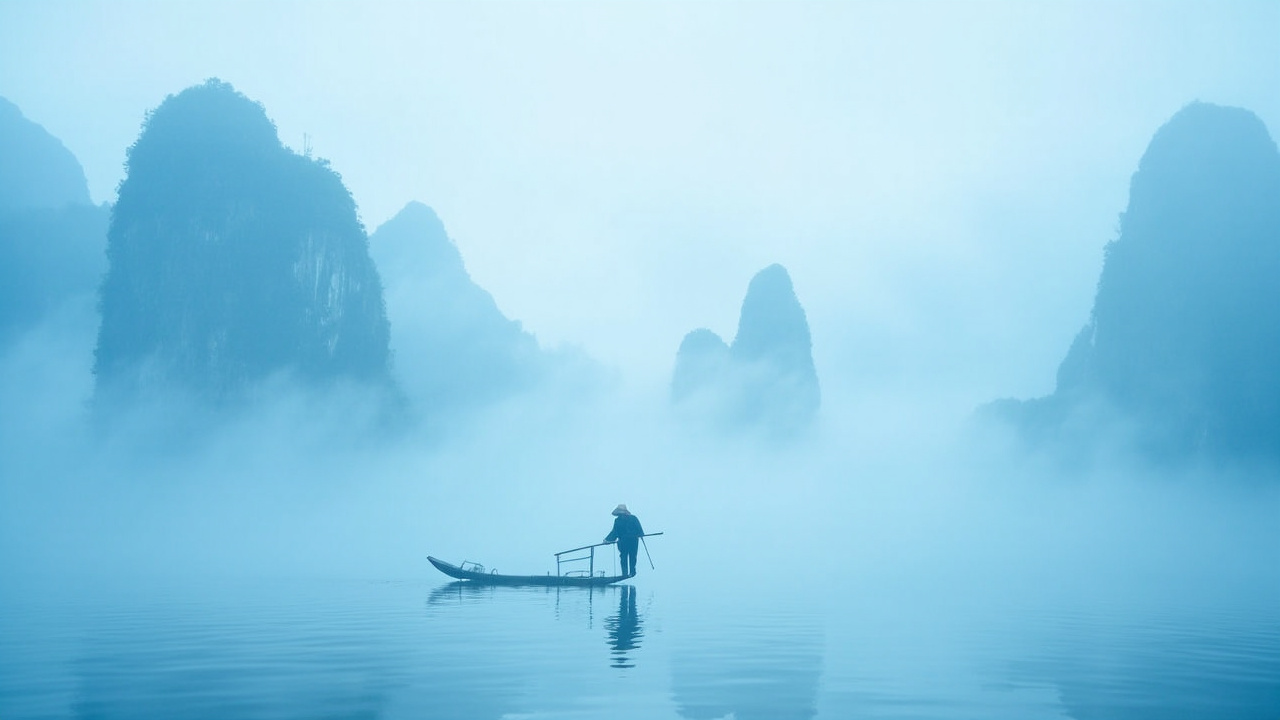
West Lake at 6am in October, with mist on the water and a single fisherman in a bamboo hat, is the closest thing to a Chinese painting I’ve ever seen in real life. It’s also the most touristy thing I’m recommending, so take that as you will.
Hangzhou is 45 minutes from Shanghai by high-speed rail and it’s where Chinese tourists go on their own honeymoons. West Lake is the centerpiece — a 6 km loop of causeways, pagodas, and tea houses that’s been celebrated in poetry for 1,000 years. The Lingyin Temple and the Longjing tea villages are the two side trips worth doing. I think West Lake is best on a rented bike at sunrise, before the crowds and the tour boats.
馃搷 Location: Xihu District for the lake; Yuhang for tea villages. 馃帿 Entry fee: West Lake free; Lingyin Temple $11 (¥75); Longjing tea village free (tea tasting $10–30). 馃晲 Opening hours: West Lake always open; Lingyin 7am–6pm daily. 馃殕 How to get there: High-speed rail from Shanghai Hongqiao to Hangzhou East (45 min, $10–15). From Hangzhou East, Metro Line 1 to Longxiangqiao for the lake. 鈴?When to visit: March–May (tea season) or September–November. 馃挕 Insider tips: Rent a bike from a public bike-share station using Alipay — it’s $0.15 per 30 minutes. The Longjing tea villages will try to sell you tea at 10x market price; buy from a supermarket instead. The night boat on West Lake is worth it once.
I bought a small tin of Longjing tea from a farmer for $40 and then saw the same tin at a supermarket for $8. I still drink it. It’s fine.
Pingyao 鈥?The Walled City That Time Forgot
Pingyao is a fully intact Ming Dynasty walled city, which sounds like a museum but is actually a working town of 50,000 people living inside 6 km of brick walls. I walked the wall at sunset and watched a man in a tracksuit fly a drone over a 600-year-old temple.
Pingyao is the detour I’d add if you have two extra days and want something that isn’t on every itinerary. It’s between Xi’an and Beijing on the high-speed line, so it’s a natural stop. The city is small enough to walk in a day, but the surrounding area has the Wang Family Compound and the Shuanglin Temple, both worth a half-day each.
馃搷 Location: Pingyao County, Shanxi Province. 馃帿 Entry fee: City wall $17 (¥125) for the combined ticket (covers 20+ sites); individual sites $5–8. 馃晲 Opening hours: Wall 8am–6pm (Apr–Oct), 8am–5:30pm (Nov–Mar). 馃殕 How to get there: High-speed rail from Xi’an North to Pingyao (3 hours, $25–35) or from Beijing West (3.5 hours, $30–40). The station is 6 km from the old city; take a taxi ($3–5). 鈴?When to visit: April–May or September–October. Avoid weekends if you can. 馃挕 Insider tips: Stay inside the walls, not outside — the old city is where the atmosphere is. The combined ticket is worth it if you plan to see more than three sites. The local beef (平遥牛肉) is the thing to eat.
I ate a bowl of Pingyao beef noodles at a restaurant with no English menu and no prices, and paid $3. The owner’s daughter translated for me on her phone.
Zhangjiajie 鈥?The Mountains That Became Avatar
The glass bridge over the Zhangjiajie Grand Canyon is 300 meters above the floor and I lasted about 90 seconds on it before my legs stopped working. The mountains behind it, though, are the real reason to come.
Zhangjiajie is the sandstone pillar forest that inspired the floating mountains in Avatar, and it’s genuinely unlike anything else in China. The park is huge — 3,000+ pillars spread over 264 square km — and you need at least two full days to see the main areas. It’s a detour from the Golden Route proper (you fly in from Changsha or take a 5-hour train), but it’s the most visually striking place on this list.
馃搷 Location: Wulingyuan District, Hunan Province. 馃帿 Entry fee: Zhangjiajie National Forest Park $32 (¥228) for a 4-day pass; Grand Canyon glass bridge $20 (¥138). 馃晲 Opening hours: Park 7am–6pm daily; glass bridge 8am–5pm. 馃殕 How to get there: Fly from Shanghai or Chengdu to Zhangjiajie Hehua Airport (2–3 hours, $100–180), then a 40-minute bus to Wulingyuan. Or high-speed rail from Changsha (2.5 hours, $20–30). 鈴?When to visit: April–June or September–October. Avoid July–August (rain and crowds). 馃挕 Insider tips: Stay in Wulingyuan, not Zhangjiajie city — you’ll save 40 minutes each way. The Bailong Elevator is worth it once. The Tianmen Mountain cable car is a separate ticket and a separate day. Bring cash — some park shuttles don’t take Alipay.
I made the mistake of wearing new hiking boots. By day two I had blisters the size of coins and had to buy socks at a park gift shop for $8.
Hong Kong 鈥?The Gateway That Isn’t Quite China
I landed in Hong Kong after three weeks on the mainland and the first thing I noticed was how quiet it was. No scooters. No spitting. No one trying to sell me anything. It was a strange kind of relief.
Hong Kong is technically a separate trip — it has its own visa rules, its own currency (HKD), and its own rhythm. But it’s the most common entry and exit point for first-timers, and it’s worth 2–3 days on either end of a mainland trip. The food is the reason to come: dim sum, roast goose, wonton noodles, and a coffee culture that rivals Melbourne. The Peak, the Star Ferry, and the Temple Street Night Market are the obvious stops. The real Hong Kong is in the wet markets and the cha chaan tengs.
馃搷 Location: Central and Sheung Wan for the classic Hong Kong; Kowloon for markets and food. 馃帿 Entry fee: The Peak Tram $11 (HK$88) round-trip; Star Ferry $0.50 (HK$4); most temples free. 馃晲 Opening hours: Peak Tram 7am–midnight; Star Ferry 6:30am–11:30pm. 馃殕 How to get there: Fly into Hong Kong International, take the Airport Express to Central ($14, 24 minutes) or the A21 bus to Kowloon ($4, 45 minutes). From the mainland, high-speed rail from Shenzhen or Guangzhou. 鈴?When to visit: October–December. Avoid June–September (typhoon season). 馃挕 Insider tips: Get an Octopus card at the airport — it works on the MTR, ferries, and convenience stores. The Peak is best at 5pm on a clear day. Hong Kong uses its own visa rules; check visa requirements before you book.
I ate roast goose at a restaurant in Sham Shui Po with no English menu and no prices, and paid $12. It was the best meal of the entire trip.
FAQ summary
The China Golden Route is a 12–14 day itinerary covering Beijing, Xi’an, Chengdu, the Yangtze, and Shanghai, with optional stops in Suzhou, Hangzhou, Pingyao, Zhangjiajie, and Hong Kong. Most Western passport holders can enter China visa-free for up to 30 days in 2026, and 240-hour visa-free transit is available for 55 countries. Budget $1,800–2,800 per person for mid-range travel excluding international flights, book high-speed rail 10–14 days ahead, and set up Alipay or WeChat Pay before arrival. The best seasons are April–May and September–October.
FAQ
Q: Do I need a visa to visit China in 2026? A: Most Western passport holders — including the US, UK, Australia, Canada, and most EU countries — can currently enter China visa-free for up to 30 days. If you’re transiting through China to a third country, 240-hour (10-day) visa-free transit is available for 55 nationalities. Check the current visa rules before booking, because policies change.
Q: How much does the Golden Route cost? A: For a 12–14 day trip with mid-range hotels, high-speed rail, one domestic flight, and food, budget $1,800–2,800 per person excluding international flights. Budget travelers can do it for $1,200–1,500 with hostels and second-class rail. Luxury versions run $5,000+.
Q: What’s the best time of year to do this route? A: April–May and September–October. Spring has cherry blossoms in Beijing and tea season in Hangzhou; autumn has clear skies and comfortable temperatures everywhere. Avoid July–August (heat and crowds), Chinese New Year (everything closes), and Golden Week (Oct 1–7, when every site is packed).
Q: Do I need a VPN in China? A: Yes, if you want to use Google, Instagram, WhatsApp, or most Western news sites. Download and install a VPN before you arrive — once you’re in China, the VPN websites are blocked. Alternatively, buy an international eSIM that routes through Hong Kong or Singapore, which bypasses the firewall entirely.
Q: Can I use my credit card in China? A: Visa and Mastercard work at major hotels and some large stores, but most restaurants, taxis, and small shops only accept Alipay or WeChat Pay. Set up Alipay with your foreign card before you arrive — it takes 10 minutes and works everywhere. Cash is still accepted but increasingly awkward.
Q: How do I book high-speed rail tickets? A: Use Trip.com (English, small booking fee) or the official 12306 app (Chinese only, no fee). Book 10–14 days ahead for popular routes like Beijing–Xi’an. You’ll need your passport number, and you must show your passport at the station to collect your ticket or scan through the gate.
Q: Is English widely spoken in China? A: In Shanghai and Hong Kong, yes — about 40% of people under 40 speak some English. In Beijing and Xi’an, less so. In Chengdu and smaller cities, almost none. Download a translation app (Google Translate works with a VPN; Baidu Translate works without) and learn a few phrases. Pointing at menus and using WeChat’s built-in translation will get you far.
The Honest Wrap-up
This route is for the first-timer who wants to see the China they’ve read about — the Wall, the warriors, the pandas, the Bund — without spending three weeks doing it. It’s not for someone who wants to “get off the beaten path,” because there is no off-the-beaten-path version of the Great Wall. It’s also not for someone who wants a relaxing vacation. China is stimulating, not restful.
If you’re about to book the flight, my one piece of advice is this: don’t try to do all ten stops. Pick five. Do them slowly. Eat everything. Talk to the taxi drivers. The itinerary is the scaffolding, not the trip. The trip is the egg the man on the train hands you at 6am, and the tea, and the fact that you’ll never quite be able to explain it to anyone at home.
More guides you may like

Top 10 Bridges in China
China's bridges are engineering marvels spanning mountains, rivers, and seas. Here are 10 of the most spectacular, from ancient stone to modern steel.
8 min read

Top 10 Buddhist Sites in China
From the Leshan Giant Buddha to the Dunhuang Caves, these 10 Buddhist sites represent 2,000 years of China's spiritual heritage.
9 min read

Top 10 Day Trips from Beijing You Shouldn't Miss
Beijing is packed with history, but some of China's best experiences are just a few hours away. Here are 10 day trips that will transform your visit.
9 min read

Top 10 Hidden Gems in China Off the Beaten Path
Beyond the Great Wall and Terracotta Warriors, China has incredible hidden destinations few tourists ever reach. Here are 10 underrated gems worth the detour.
9 min read

Top 10 Markets and Shopping Streets in China
From Shanghai's Bund to Beijing's Silk Street - 10 markets where foreigners can haggle, explore, and bring home authentic Chinese goods.
9 min read

Top 10 Museums in China You Shouldn't Miss
China's museums span 5,000 years of civilization. These 10 - from the Palace Museum to Xi'an's terracotta gallery - are unmissable for culture lovers.
9 min read