
China Silk Road Markets
TODO: Extract from article (100-160 chars)
China Silk Road Markets
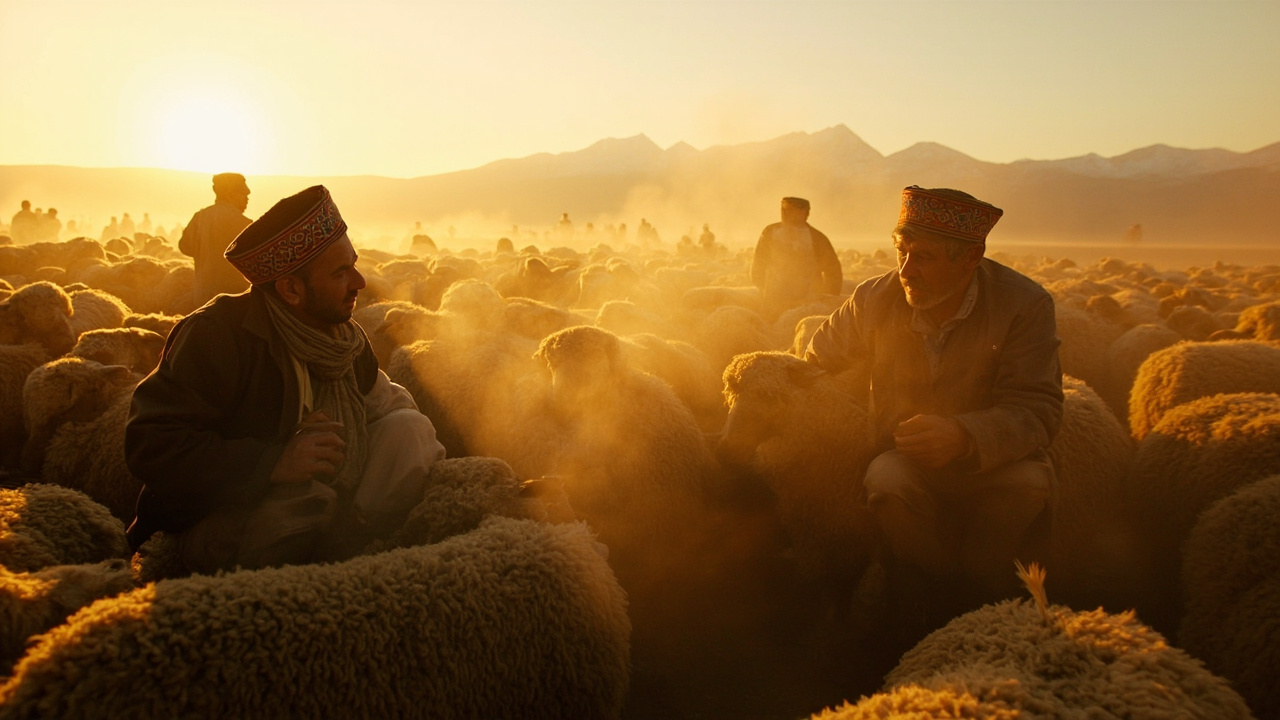
The first thing I noticed in Kashgar’s Sunday livestock market wasn’t the sheep — it was the sound. A low, constant hum of maybe two thousand animals and three hundred men arguing about them, all under a sky so blue it looked fake. A Uyghur trader named Ibrahim handed me a paper cup of tea and pointed at a fat-tailed sheep. “Good one,” he said, in the four words of English he had. Then he laughed at whatever my face did.
That was hour three of a ten-day trip along what everyone calls the Silk Road, which is really a 2,000-year-old network of trade routes, not one road. The markets that grew up along it are still here. Some are tourist-facing bazaars selling magnets and fake antiques. Others are working markets where locals buy their vegetables, their knives, their donkeys. The trick is knowing which is which, and going to the right one at the right time.
I’ve now been back to this region four times, mostly by high-speed rail and one very long overnight bus I don’t recommend. This guide covers the ten markets worth your time, what they actually cost, how to get there without a tour, and the mistakes I made so you don’t have to.
Quick answer
The best Silk Road markets for first-time visitors are Kashgar’s Sunday Livestock Market and Grand Bazaar in Xinjiang, and the night markets in Xi’an and Dunhuang, all reachable by high-speed rail from major hubs. Most markets are free to enter; budget $30–60 (¥215–430) per day for food, transport, and small purchases. China’s 240-hour visa-free transit policy covers most Western passports if you’re transiting through to a third country — check the visa-free transit rules before booking, since Xinjiang has its own additional registration requirements.
The Short Version
If you have one week: fly to Xi’an, take the high-speed rail west to Dunhuang, then fly to Kashgar. That’s three markets, three completely different experiences, and one of the best food weeks of your life. Skip the big-city “Silk Road theme” bazaars in Beijing and Shanghai — they’re for tour groups. The real thing is in the northwest, and it’s cheaper and friendlier than you expect. Bring cash in small bills and a translation app. Almost nobody in these markets speaks English.
How I Picked These
I’ve visited every market on this list at least once, most of them twice. I went with a Uyghur-speaking friend for the Xinjiang entries, which changed everything — vendors who ignored me alone suddenly wanted to feed me. For the rest, I showed up alone, got lost, and asked taxi drivers where they shop. I also cross-checked opening days with local hostel staff and one very patient tourism office in Dunhuang. I left off markets that are purely staged for tourists, and I left off ones that are hard to reach without a private car. Everything here is doable on public transport or a cheap taxi.
Comparison Table
| Rank | Place | Best For | Approx Cost (USD) | Time Needed | When to Go |
|---|---|---|---|---|---|
| 1 | Kashgar Sunday Livestock Market | Raw atmosphere, photography | $8–15 (¥60–110) | 3–4 hrs | Sunday morning |
| 2 | Kashgar Grand Bazaar | Crafts, spices, people-watching | Free entry | 2–3 hrs | Any day, late afternoon |
| 3 | Xi’an Muslim Quarter | Street food | $10–20 (¥70–145) | 3 hrs | Evening, any day |
| 4 | Dunhuang Night Market | Snacks, souvenirs | $8–15 (¥60–110) | 2 hrs | Nightly, after 7pm |
| 5 | Turpan Sunday Market | Local produce, Uyghur life | $5–10 (¥35–70) | 2 hrs | Sunday morning |
| 6 | Yarkand Bazaar | Authentic, few tourists | $5–10 (¥35–70) | 2 hrs | Saturday |
| 7 | Hotan Jade Market | Jade, river stones | Free entry | 1–2 hrs | Morning |
| 8 | Lanzhou Zhengning Road | Noodles, night eating | $8–15 (¥60–110) | 2 hrs | Evening |
| 9 | Jiayuguan Night Market | Pass-town food, cheap eats | $6–12 (¥45–85) | 1–2 hrs | Evening |
| 10 | Zhangye Market | Gansu snacks, low-key | $5–10 (¥35–70) | 1–2 hrs | Evening |
Kashgar Sunday Livestock Market — The Real Thing, If You Can Handle It
I got there at 8am and it was already over. Not the market — the good part. The serious trading happens between 7 and 9am, before the tour buses arrive at 10. By the time I left at noon, half the sheep were gone and the tea stalls were packed with men playing cards. Ibrahim, the trader, had sold his entire flock and was counting cash on a plastic chair.
This is the market that made me understand why people come to Xinjiang. It’s not a show. It’s a working livestock auction where donkeys, sheep, goats, and the occasional camel change hands, and the whole thing runs on handshakes and shouted numbers. There’s a separate section for each animal, and the sheep section alone is the size of two football fields.
📍 Location: About 6 km northwest of central Kashgar, off the road toward the airport. Ask your driver for “Xinjiang Sunday Market” or show them 喀什牛羊巴扎.
🎟️ Entry fee: Around $1.50 (¥10) for foreigners, sometimes waived.
🕐 Opening hours: Sundays only, roughly 6am–2pm. The best trading is 7–9am.
🚕 How to actually get there: Taxi from central Kashgar costs about $3–5 (¥20–35) and takes 20 minutes. No public bus goes directly. Arrange a return driver or use the Didi app, since taxis are scarce when the market empties.
⏰ When to visit: Sunday morning, no exceptions. Arrive by 7:30am. Bring a hat — there’s no shade.
💡 Insider tips: Wear closed shoes, the ground is not clean. Don’t photograph people’s faces without asking; a nod and a gesture at your camera works. Bring small bills. And if someone offers you tea, take it — it’s a hospitality thing, not a sales pitch.
I paid $2 for a bowl of hand-pulled noodles at a stall near the exit and it was better than anything I ate in a restaurant that week.
Kashgar Grand Bazaar — Where the Tourists and Locals Actually Mix
The Grand Bazaar is the opposite of the livestock market. It’s indoors, it’s clean, and it’s been here in some form for over 2,000 years. I spent an afternoon getting lost in the spice section, where a vendor named Dilnur sold me saffron at a third of the price I’d pay at home and then insisted I smell every tea in her stall before choosing.
It’s easy to write this off as touristy, and parts of it are. But the back aisles — past the scarves and the magnets — are where locals buy fabric, kitchen tools, and traditional medicine. That’s the part worth your time.
📍 Location: Central Kashgar, east of the Id Kah Mosque, along the main pedestrian street.
🎟️ Entry fee: Free.
🕐 Opening hours: Daily, roughly 9am–9pm, though many stalls close for lunch.
🚕 How to get there: Any taxi in Kashgar knows it. From the main square it’s a 10-minute walk east.
⏰ When to visit: Late afternoon, around 5–7pm, when it’s cooler and locals shop.
💡 Insider tips: Prices are negotiable but start at maybe 30% above fair. Set up Alipay or WeChat Pay before you come — many stalls now prefer QR codes over cash. English is rare; download a translation app with offline Uyghur and Mandarin support.
Dilnur wouldn’t let me pay for the tea she made me try. That’s the kind of thing that sticks with you.
Xi’an Muslim Quarter — The Best Street Food Week of Your Life
I’ll be honest: Xi’an’s Muslim Quarter is crowded, loud, and half of it is selling the same squid-on-a-stick. But the other half is extraordinary. I ate my way down Beiyuanmen Street for three hours and spent $14 total. The yangrou paomo — lamb soup with torn bread — at a tiny shop with no English sign was the best thing I ate in China that year.
This is where the Silk Road’s food legacy lives. The Hui Muslim community here has been cooking these dishes for centuries, and the lamb skewers, hand-pulled noodles, and roujiamo (Chinese “hamburger”) are worth the chaos.
📍 Location: Beiyuanmen and surrounding lanes, just west of the Bell Tower in central Xi’an.
🎟️ Entry fee: Free.
🕐 Opening hours: Best from 5pm–11pm, though stalls open earlier.
🚇 How to get there: Take Metro Line 2 to Bell Tower Station, Exit B, walk west 5 minutes.
⏰ When to visit: Weekday evenings are noticeably calmer than weekends.
💡 Insider tips: Follow the locals — if a stall has a queue of Chinese tourists, it’s good. Avoid anything with photos of the food on a laminated menu. Bring wet wipes; you’ll need them. And check China’s train guide for booking Xi’an tickets in advance, since trains from Beijing sell out.
A grandmother running a dumpling stall corrected my chopstick grip and then gave me an extra dumpling. I still think about it.
Dunhuang Night Market — Snacks Under the Desert Sky
Dunhuang is a small desert town, and its night market is the social center of the whole place. I went every night for three nights. The apricot juice, the lamb skewers, the cold noodles — it’s all cheap and it’s all good. The market sits right at the edge of the old town, and when the sun drops behind the dunes, the whole street glows.
What makes it special is the mix: tourists fresh off the Mogao Caves, locals buying dinner, and vendors who’ve been here for decades. It’s not a museum piece. It’s a working market that happens to be beautiful.
📍 Location: Shazhou Night Market, central Dunhuang, a 5-minute walk from most hotels.
🎟️ Entry fee: Free.
🕐 Opening hours: Nightly, roughly 6pm–midnight, busiest 8–10pm.
🚕 How to get there: Any taxi or a short walk from the town center.
⏰ When to visit: May–October. Winter is cold and quiet.
💡 Insider tips: Try the apricot juice — Dunhuang is famous for it. Prices are fixed at most stalls, so no haggling needed. Bring cash for the smaller vendors.
I met a retired teacher there who insisted I try “the best noodles in Gansu.” He was right.
Turpan Sunday Market — Uyghur Life, Not a Show
Turpan is hot. Like, 40°C hot in summer. But the Sunday market is worth the sweat. It’s a produce and household market first, tourist attraction second, and that’s exactly why I liked it. Grapes, melons, dried fruit, and every kind of household good you can imagine, all under a canopy of tarps.
I bought a bag of raisins the size of my head for $3 and ate them for a week.
📍 Location: Central Turpan, near the main bazaar area.
🎟️ Entry fee: Free.
🕐 Opening hours: Sundays, roughly 8am–2pm.
🚆 How to get there: Turpan is on the high-speed rail line from Urumqi, about 1 hour. From the station, a taxi to the market is about $4 (¥30).
⏰ When to visit: Spring or autumn. Summer is brutal.
💡 Insider tips: Bring a hat and water. The melons here are legendary — buy one and eat it on the spot. English is essentially nonexistent; have your translation app ready.
A vendor gave me a free handful of grapes and then laughed when I tried to pay.
Yarkand Bazaar — The One Tourists Skip
Yarkand (Shache) is a smaller town south of Kashgar, and its Saturday bazaar is what Kashgar’s Grand Bazaar was 30 years ago. Almost no foreign tourists. I was the only non-Chinese person there for the two hours I wandered.
It’s raw, it’s friendly, and it’s a genuine slice of daily life. If you want the “real Silk Road” feeling without the crowds, this is it.
📍 Location: Central Yarkand, about 3 hours by road from Kashgar.
🎟️ Entry fee: Free.
🕐 Opening hours: Saturdays, morning to early afternoon.
🚗 How to get there: Shared taxi or private car from Kashgar, about $15–25 (¥110–180) each way. No train.
⏰ When to visit: Saturday morning.
💡 Insider tips: This is a conservative area — dress modestly. Ask before photographing. Bring cash, as QR codes are less common here.
A knife vendor spent 20 minutes explaining the difference between two blades, in a mix of Uyghur, Mandarin, and hand gestures.
Hotan Jade Market — For the Obsessed Only
I’ll be honest: unless you care about jade, skip this. But if you do care, Hotan’s jade market is one of the world’s great stone markets. Vendors sell raw river jade, carved pieces, and everything in between. The White Jade River nearby is where much of it comes from.
📍 Location: Central Hotan, near the jade trading area.
🎟️ Entry fee: Free.
🕐 Opening hours: Mornings, roughly 8am–1pm.
✈️ How to get there: Fly into Hotan from Urumqi or Kashgar. The market is a short taxi ride from the center.
⏰ When to visit: Morning, any day.
💡 Insider tips: Know your jade or bring someone who does — fakes are common. Prices are highly negotiable.
I bought a small carved pendant for $20 and I’m still not sure if it’s real jade. I don’t care.
Lanzhou Zhengning Road — The Noodle Capital
Lanzhou is the home of beef noodles, and Zhengning Road Night Market is where you eat them. I had three bowls in one night. The broth is clear, the beef is thin, and the chili oil is optional but recommended.
📍 Location: Zhengning Road, central Lanzhou.
🎟️ Entry fee: Free.
🕐 Opening hours: Evenings, roughly 6pm–midnight.
🚇 How to get there: Metro Line 1 to Xiguan Station, then a 10-minute walk.
⏰ When to visit: Any evening.
💡 Insider tips: Order “er xi” (thin) or “jiu ye” (wide) noodles. Cash and QR both work.
A noodle chef let me try pulling noodles. I made a mess. He was very kind about it.
Jiayuguan Night Market — The Pass Town
Jiayuguan is where the Great Wall ends, and its night market is small but solid. Good for a cheap dinner after a day at the fort.
📍 Location: Central Jiayuguan.
🎟️ Entry fee: Free.
🕐 Opening hours: Evenings.
🚆 How to get there: High-speed rail from Lanzhou or Dunhuang.
⏰ When to visit: Evening, May–October.
💡 Insider tips: Try the local lamb. It’s a Gansu specialty.
I ate dinner next to a group of railway workers who bought me a beer.
Zhangye Market — The Low-Key Stop
Zhangye’s market is small and mostly local. Good if you’re passing through on the rail line and want a real meal.
📍 Location: Central Zhangye.
🎟️ Entry fee: Free.
🕐 Opening hours: Evenings.
🚆 How to get there: High-speed rail stop between Lanzhou and Dunhuang.
⏰ When to visit: Evening.
💡 Insider tips: The dan dan noodles here are different from Sichuan’s — try both.
A stall owner asked where I was from and then gave me extra meat “for the long trip.”
FAQ summary
The Silk Road markets are concentrated in China’s northwest — Xinjiang, Gansu, and Shaanxi — and the best ones are reachable by high-speed rail from Xi’an or Lanzhou, with a flight to Kashgar for the westernmost stops. Most markets are free to enter and cost $5–20 (¥35–145) per visit for food and small purchases. The single most important practical step is setting up Alipay or WeChat Pay before you arrive, since many vendors no longer handle cash, and checking your visa-free transit eligibility if you’re not applying for a full visa.
FAQ
Q: Do I need a visa to visit the Silk Road markets in China? A: Most Western passport holders can use China’s 240-hour visa-free transit if they’re flying through to a third country. Otherwise you need a standard tourist visa. Xinjiang requires additional registration at your hotel, so keep your passport with you.
Q: Is it safe to travel to Xinjiang as a foreign tourist? A: Yes, it’s generally safe, and violent crime is rare. Expect extra security checks at transport hubs and hotels. Avoid discussing politics, and follow local rules about photography.
Q: Can I pay with a credit card at these markets? A: Almost never. Set up Alipay or WeChat Pay before you arrive, linked to an international card, and carry some cash in small bills as backup.
Q: Do people speak English at the markets? A: Rarely. Download a translation app with offline Mandarin support, and for Xinjiang, add Uyghur if available. Pointing and showing numbers works fine.
Q: What’s the best time of year to visit? A: Late spring (May) and early autumn (September–October) are ideal. Summer in Turpan and Kashgar is extremely hot; winter is cold and many markets are quieter.
Q: How do I get between the markets? A: High-speed rail connects Xi’an, Lanzhou, Zhangye, Jiayuguan, and Dunhuang. From Dunhuang, fly to Kashgar or Urumqi. Book train tickets through the official 12306 app or a booking site at least a week ahead.
Q: Do I need a VPN? A: Yes, if you want to use Google, Instagram, or WhatsApp. Install it before you arrive, since VPN apps are hard to download once you’re in China.
The Honest Wrap-up
This list is for travelers who want the real thing, not a themed shopping street. It’s not for people who need English menus and air conditioning everywhere. If that’s you, stick to Xi’an and Dunhuang — both are comfortable and still excellent. If you’re up for a bit of heat, dust, and confusion, go all the way west to Kashgar. My one piece of advice: book the flight, then spend a week reading about the region before you go. The more you understand the history, the more the markets will mean to you. And bring an empty suitcase. You’ll fill it.
More guides you may like
Top 10 Bridges in China
China's bridges are engineering marvels spanning mountains, rivers, and seas. Here are 10 of the most spectacular, from ancient stone to modern steel.
8 min read

Top 10 Buddhist Sites in China
From the Leshan Giant Buddha to the Dunhuang Caves, these 10 Buddhist sites represent 2,000 years of China's spiritual heritage.
9 min read
Top 10 Day Trips from Beijing You Shouldn't Miss
Beijing is packed with history, but some of China's best experiences are just a few hours away. Here are 10 day trips that will transform your visit.
9 min read
Top 10 Hidden Gems in China Off the Beaten Path
Beyond the Great Wall and Terracotta Warriors, China has incredible hidden destinations few tourists ever reach. Here are 10 underrated gems worth the detour.
9 min read
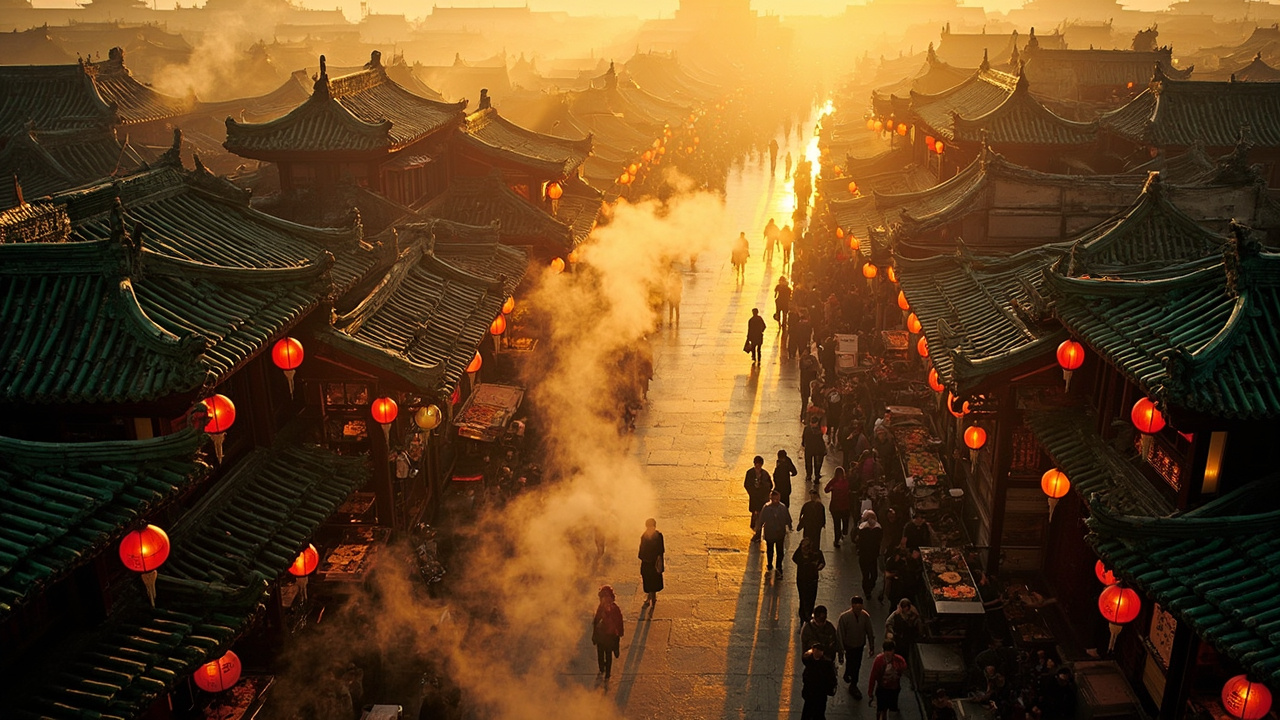
Top 10 Markets and Shopping Streets in China
From Shanghai's Bund to Beijing's Silk Street - 10 markets where foreigners can haggle, explore, and bring home authentic Chinese goods.
9 min read
Top 10 Museums in China You Shouldn't Miss
China's museums span 5,000 years of civilization. These 10 - from the Palace Museum to Xi'an's terracotta gallery - are unmissable for culture lovers.
9 min read