
China Shopping Guide for Tourists
TODO: Extract from article (100-160 chars)
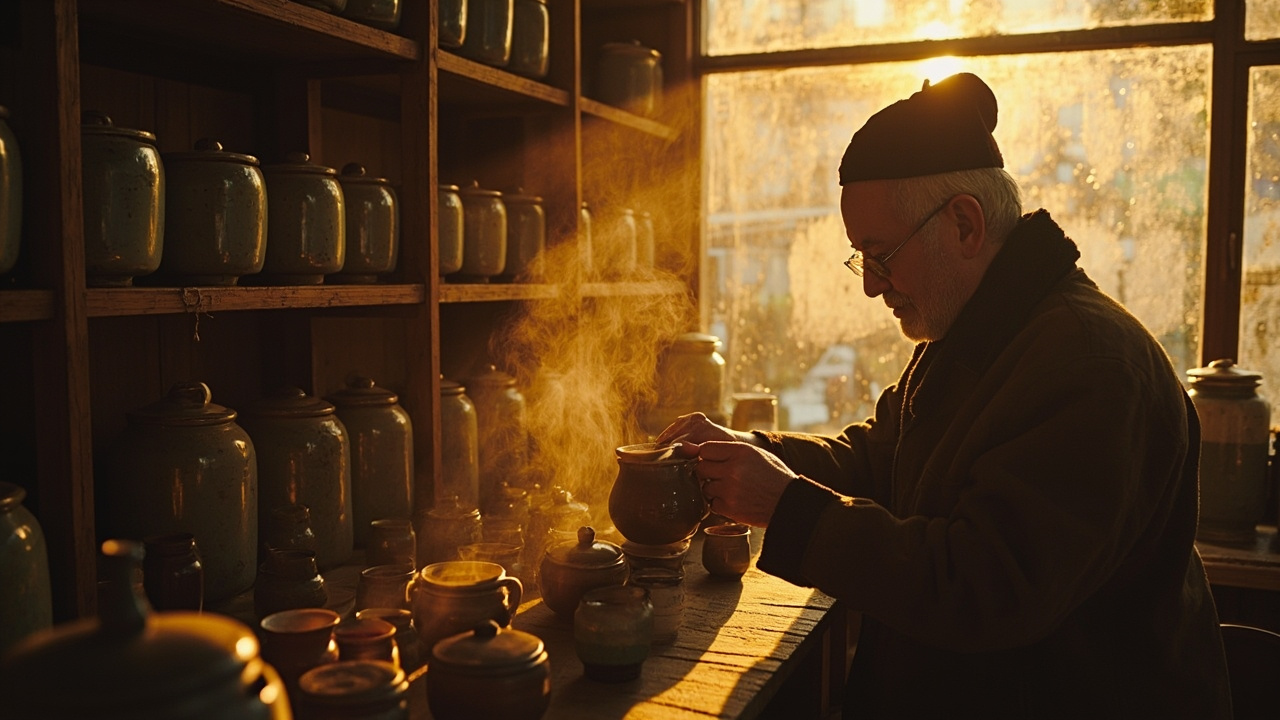
The first time I tried to buy tea in Beijing, I paid 380 yuan for 100 grams of something a shopkeeper in Maliandao swore was “ancient tree” pu’er. A week later, a friend from Kunming looked at the leaves, laughed, and said I’d bought decent everyday shu cha worth maybe 60 yuan. That’s shopping in China in a nutshell. The country makes and sells almost everything, prices swing wildly depending on whether you look like a tourist, and the best purchases usually happen when you stop trying to buy souvenirs and start buying things people actually use.
I’ve spent seven years here and hauled back everything from a carved jade pendant I regret to a $12 cast-iron wok I still cook with every week. The difference between those two purchases wasn’t luck. It was knowing where to go, what things actually cost, and when to walk away.
This guide covers the ten shopping experiences worth your suitcase space, from the obvious (the Pearl Market, the antique streets) to the ones most tourists never find. I’ll tell you what to pay, how to get there on the subway, and the specific scams that catch first-timers. If you’re still sorting out the basics of your trip, start with my top places to visit in China overview, then come back here when you’re ready to spend money.
Quick answer
The best shopping in China splits into two categories: modern malls and markets in Shanghai and Beijing for fashion, electronics, and souvenirs, and regional specialty markets for tea, silk, porcelain, and crafts. Budget $50–150 (360–1,080 CNY) for a meaningful souvenir haul, always carry your passport for tax-refund purchases over 500 CNY, and set up Alipay or WeChat Pay before you land, because many stalls no longer take cash and almost none take foreign cards.
The Short Version
Skip the airport gift shops. Go to one big market per city, buy one thing you actually want, and haggle hard but politely. The Pearl Market in Beijing and Yuyuan Bazaar in Shanghai are fine for a first trip. If you care about quality, go to Maliandao for tea, Suzhou for silk, and Jingdezhen for porcelain. Bring an empty suitcase. You’ll fill it.
How I Picked These
I’ve bought things in all ten of these places over seven years, sometimes well and sometimes badly. I’ve also dragged visiting friends through most of them, which is a useful test: if a place bores a jet-lagged American who’s been in the country for 36 hours, it doesn’t make the list. I talked to shop owners, asked a Hangzhou tea trader what she’d never buy herself, and got a refund once at a Shanghai mall just to see how the process worked. Prices here are 2026 estimates from my own receipts and recent conversations. Where I’m unsure, I say so.
Comparison Table
| Rank | Place | Best For | Approx Cost (USD) | Time Needed | When to Go |
|---|---|---|---|---|---|
| 1 | Maliandao Tea Market, Beijing | Tea, teaware | $20–200 | 2–3 hrs | Weekday morning |
| 2 | Pearl Market, Beijing | Souvenirs, bags, electronics | $10–100 | 2 hrs | Weekday, opens 9am |
| 3 | Yuyuan Bazaar, Shanghai | Gifts, snacks, crafts | $15–80 | 2 hrs | Weekday morning |
| 4 | Nanjing Road, Shanghai | Fashion, department stores | $30–300 | 3 hrs | Evening |
| 5 | Suzhou Silk Market | Silk fabric, scarves, qipao | $30–250 | 2 hrs | Weekday |
| 6 | Jingdezhen Ceramics District | Porcelain, handmade cups | $15–500 | Half day | Spring or fall |
| 7 | Shenzhen Huaqiangbei | Electronics, gadgets | $20–400 | 3 hrs | Weekday |
| 8 | Chengdu Chunxi Road | Local brands, snacks | $20–150 | 2 hrs | Evening |
| 9 | Panjiayuan Antique Market, Beijing | Antiques, calligraphy, oddities | $10–500 | 3 hrs | Weekend morning |
| 10 | Xi’an Muslim Quarter | Street food, spices, crafts | $10–60 | 2 hrs | Evening |
Maliandao Tea Market, Beijing — Where I Learned to Stop Guessing
The first stall I walked into at Maliandao, a woman in her sixties poured me three cups of tea before I said a word. The third one, a light oolong, tasted like orchids and I bought 200 grams on the spot. That was a good purchase. The pu’er I mentioned earlier was not.
Maliandao is a whole street of tea shops in Xicheng District, most of them wholesale, many of them family-run for decades. It’s not a tourist attraction in the polished sense. Nobody hands you an English menu. But it’s the single best place in northern China to buy tea if you’re willing to sit down, drink, and ask questions.
The trick is to treat it like a tasting, not a transaction. Sit. Drink whatever they pour. Ask the price per 500 grams (jin), not per gram, because that’s how locals buy. If a shop owner won’t let you taste before buying, walk out. The good ones will.
📷 Location: Maliandao Tea Street, Xicheng District, near Beijing West Railway Station 🎟️ Entry fee: Free 🕒 Opening hours: Roughly 9am–7pm daily, some shops close Sundays 🚇 How to actually get there: Take Metro Line 7 to Wanzi Station, Exit A, walk 10 minutes north. Or Line 9 to Liuliqiao East and walk west. ⏰ When to visit: Weekday mornings, when owners have time to sit with you 💡 Insider tips: Bring cash as backup, though most shops now take Alipay. Learn the words “duo shao qian” (how much) and “tai gui le” (too expensive). Buy a cheap gaiwan (lidded cup) for $3–5 to brew properly at home. Don’t buy “aged” pu’er unless you really know tea. If you’re new to China’s payment apps, set them up before you go, because the best stalls are the least tourist-friendly.
I still think about that orchid oolong. I never got the shop’s name.
Pearl Market, Beijing — Chaotic, Overpriced, and Still Worth One Visit
A friend once bought a “North Face” jacket here for 180 yuan. It lasted two winters. That’s the Pearl Market promise: not real, but surprisingly functional.
Officially called Hongqiao Market, it sits near the Temple of Heaven and has four floors of bags, watches, electronics, pearls, and the kind of souvenirs you’d otherwise buy at the airport for triple. The ground floor is pearls and jewelry, the upper floors are bags and clothes, and the basement is electronics and knockoff gadgets.
It’s loud, the vendors grab your sleeve, and the starting prices are absurd. A “Rolex” quoted at 800 yuan is a 150-yuan watch. A string of freshwater pearls at 400 yuan is probably worth 120. Haggle. Walk away once. They’ll call you back.
📷 Location: Hongqiao Market, Dongcheng District, south of the Temple of Heaven 🎟️ Entry fee: Free 🕒 Opening hours: 9am–7pm daily, some stalls close earlier on Sundays 🚇 How to actually get there: Metro Line 5 to Tiantan Dongmen, Exit C, walk 3 minutes south ⏰ When to visit: Weekday mornings before the tour buses arrive around 11am 💡 Insider tips: Never pay the first price. Offer 25–30% and settle around 40–50%. Bring a photo of what you want on your phone. Check electronics work before paying. Cash still works here but Alipay is faster. English is decent on the ground floor, weaker upstairs.
The pearl vendors are the most honest. The watch guys are the least. Plan accordingly.
Yuyuan Bazaar, Shanghai — Pretty, Crowded, and Better Than You’d Expect
I went to Yuyuan on a rainy Tuesday expecting a tourist trap and left with a hand-painted fan for 45 yuan and a bag of candied hawthorn I ate on the walk back to the metro.
The bazaar wraps around the Yu Garden in Shanghai’s Old City. It’s rebuilt, yes, and the architecture is more stage set than history, but the shopping is genuinely varied: silk scarves, calligraphy brushes, chopsticks, tea sets, and a food alley that’s worth the trip alone. The soup dumplings at Nanxiang Mantou Dian are famous for a reason, though the line is brutal.
Come for gifts, not for antiques. The porcelain here is decorative, not collectible. The silk is real but marked up. Still, for a first-time visitor who wants one afternoon of classic Chinese shopping without leaving central Shanghai, this is the easiest win.
📷 Location: Huangpu District, around Yu Garden, Old City 🎟️ Entry fee: Free to the bazaar; Yu Garden itself is 40 CNY ($6) 🕒 Opening hours: Bazaar roughly 8:30am–9pm; Yu Garden 8:45am–4:45pm 🚇 How to actually get there: Metro Line 10 to Yuyuan Garden, Exit 1, follow signs ⏰ When to visit: Weekday morning right at opening; weekends are shoulder-to-shoulder 💡 Insider tips: Eat at the food stalls before shopping, not after. Haggle gently here, it’s more fixed-price than Beijing. The tea shops behind the main square are calmer and cheaper. Bring small bills for snacks. English signage is good.
The candied hawthorn was too sour. I’d buy it again.
Nanjing Road, Shanghai — For When You Actually Want to Buy Clothes
Nanjing Road is not a market. It’s a mile-long shopping street with department stores, flagship brands, and a pedestrian section that turns into a light show at night. I go here when I need real shoes, not souvenirs.
The western end (Nanjing Road West) has the big malls: Shanghai No. 1 Department Store, New World City, and the massive global brands. The eastern end runs toward the Bund and is more tourist-facing. Prices are fixed. Quality is real. If you want a jacket that will survive the trip home, this is where you buy it.
The tax refund system works here. Spend over 500 CNY at a participating store, ask for the refund form, and claim it at the airport on the way out. It’s a small percentage but it’s free money.
📷 Location: Huangpu District, from People’s Square to the Bund 🎟️ Entry fee: Free 🕒 Opening hours: Stores 10am–10pm, pedestrian street lit until midnight 🚇 How to actually get there: Metro Line 1, 2, or 8 to People’s Square, Exit 19 ⏰ When to visit: Weekday afternoon for shopping, evening for the lights 💡 Insider tips: Keep receipts for tax refund. Fitting rooms are usually free but ask first. Many stores have English-speaking staff. Don’t buy electronics here, prices are higher than Shenzhen. The side streets off Nanjing Road have better food and cheaper tea.
I bought a pair of sneakers here in 2023 that I still wear. No regrets.
Suzhou Silk Market — The Real Thing, If You Know What to Ask For
A silk trader in Suzhou once unrolled three scarves on her counter, held each to the light, and told me which one was real mulberry silk and which was polyester blend. She was right on all three. That’s the level of knowledge you’re dealing with.
Suzhou has been China’s silk capital for over a thousand years, and the market near the old city still sells fabric by the meter, ready-made qipao, scarves, and bedding. Prices are far below what you’d pay abroad. A real silk scarf runs 80–200 CNY ($11–28). A tailored qipao starts around 600 CNY ($83) and takes a few days.
The catch is quality control. Cheap “silk” is often blended. Ask for “zhen si” (real silk) and be ready to feel the difference: real silk is cool to the touch and doesn’t hold a crease.
📷 Location: Suzhou Silk Market, near the old city, plus shops along Guanqian Street 🎟️ Entry fee: Free 🕒 Opening hours: 9am–6pm daily 🚇 How to actually get there: From Shanghai, take the high-speed train to Suzhou (25 min, ~40 CNY) then Metro Line 4 to Chayuanchang ⏰ When to visit: Weekday, and allow time for tailoring if you want a qipao 💡 Insider tips: Test silk by rubbing it, it warms quickly. Ask for the fiber content in writing if the price is high. Tailors need 3–5 days, so go early in your trip. English is limited, use a translation app. Bring your passport for larger purchases.
My qipao took four days and fits better than anything I own.
Jingdezhen Ceramics District — Worth the Detour
I didn’t expect to care about porcelain. Then I watched a potter in Jingdezhen pull a teacup off the wheel in under a minute, glaze it, and hand it to me still warm. I bought six.
Jingdezhen in Jiangxi Province has made China’s finest porcelain for 1,700 years. The city is small, walkable, and full of studios, kilns, and markets selling everything from 20-yuan rice bowls to museum-grade pieces. The Taoxichuan creative district is the modern hub, with galleries and weekend markets. The older Sculpture Factory area has working studios you can visit.
This is not a quick stop. It’s a half-day minimum, ideally an overnight. But if you care about craft at all, it’s the most rewarding shopping in the country.
📷 Location: Taoxichuan and the Sculpture Factory, Jingdezhen, Jiangxi 🎟️ Entry fee: Free to browse; studio tours vary 🕒 Opening hours: Markets usually 10am–9pm, studios vary 🚇 How to actually get there: High-speed train from Shanghai (~3 hrs) or Beijing (~5 hrs) to Jingdezhen North, then taxi 15 min ⏰ When to visit: Spring or fall, and check for the October ceramics festival 💡 Insider tips: Ask if pieces are hand-thrown or mold-made, the price difference is huge. Shipping is available but expensive. Pack ceramics in your carry-on with clothes around them. Cash helps at smaller studios. English is rare, bring a translation app.
The potter’s name was Chen. He wouldn’t let me pay for the first cup.
Shenzhen Huaqiangbei — Electronics, Honestly Priced
Huaqiangbei is the world’s biggest electronics market and it looks like a mall from the future that got hit by a hurricane. Floors of phones, drones, cables, chips, and gadgets, most of it real, some of it not.
I bought a pair of wireless earbuds here for 120 yuan that outperformed a brand-name pair I’d paid $80 for. I also once bought a “1TB” flash drive that turned out to be 32GB. That’s the range.
Come with a specific product in mind. Test everything before paying. Ask for the warranty, though enforcement is spotty. Prices are already low, so haggling gets you maybe 10–15%, not 50%.
📷 Location: Huaqiangbei, Futian District, Shenzhen 🎟️ Entry fee: Free 🕒 Opening hours: 10am–8pm daily 🚇 How to actually get there: Metro Line 2 or 7 to Huaqiangbei, Exit A ⏰ When to visit: Weekday, avoid the lunch rush 💡 Insider tips: Test storage capacity on any drive before leaving the stall. Pay with Alipay for a record. Don’t buy “brand” phones here unless you know the model. Bring your own charger to test. English is common in the bigger stores.
The earbuds still work. The flash drive is in a drawer somewhere, mocking me.
Chengdu Chunxi Road — Local Brands and Snacks
Chunxi Road is Chengdu’s answer to Nanjing Road, but with better food and fewer tourists. It’s where young Chengdu residents actually shop, and the snack stalls along the side streets are worth the trip on their own.
The main pedestrian street has local fashion brands, cosmetics, and a few international names. The real draw is the surrounding lanes: hotpot base by the bag, Sichuan peppercorns, chili oil, and the kind of dried snacks you can’t find outside the province. A bag of top-grade Sichuan peppercorns costs around 40 CNY ($6) and will change your cooking forever.
📷 Location: Jinjiang District, Chengdu 🎟️ Entry fee: Free 🕒 Opening hours: Shops 10am–10pm, food stalls later 🚇 How to actually get there: Metro Line 2 or 3 to Chunxi Road, Exit D ⏰ When to visit: Evening, when the lights come on and the food stalls open 💡 Insider tips: Buy spices at the covered market off the main street, not the tourist stalls. Vacuum-seal liquids before flying. English is limited, but pointing works. Try the rabbit head if you’re brave. Alipay works everywhere.
I bought peppercorns here that made my mother cough through dinner. Worth it.
Panjiayuan Antique Market, Beijing — Go Early, Go Skeptical
Panjiayuan on a Sunday morning is a maze of tarps, folding tables, and old men selling things that might be from the Qing dynasty or might be from last Tuesday. Assume the latter and you’ll have a great time.
This is Beijing’s biggest antique and curio market. You’ll find calligraphy, jade, old books, Mao-era posters, brassware, and the occasional genuine find if you know what you’re looking at. Most tourists don’t, and that’s fine. Buy what you like for the price you’re happy with, not what you think it’s worth.
📷 Location: Chaoyang District, Panjiayuan Road 🎟️ Entry fee: Free 🕒 Opening hours: 8:30am–6pm, best on weekends, some stalls close Mondays 🚇 How to actually get there: Metro Line 10 to Panjiayuan, Exit B, walk 5 minutes ⏰ When to visit: Weekend morning, arrive by 8:30am for the best stalls 💡 Insider tips: Bring cash, many older sellers don’t use apps. Never trust a “certificate of authenticity.” Jade is the most faked item here. Buy small, portable things. English is rare, use a translation app.
I bought a 1950s propaganda poster for 80 yuan. It’s on my wall now.
Xi’an Muslim Quarter — Food First, Shopping Second
The Muslim Quarter in Xi’an is technically a shopping street, but nobody comes for the shopping. They come for the food, and the shopping is what you do while you wait for your lamb skewers.
That said, the side alleys sell real things: dried spices, hand-pulled noodles to take home, embroidered bags, and the kind of small crafts that make good gifts. Prices are low and haggling is gentle. A bag of cumin and chili blend costs 15 CNY ($2). An embroidered pouch is 20 CNY.
📷 Location: Lianhu District, behind the Drum Tower 🎟️ Entry fee: Free 🕒 Opening hours: Best from 5pm–11pm, some stalls open at noon 🚇 How to actually get there: Metro Line 2 to Zhonglou, Exit A, walk west ⏰ When to visit: Evening, and go hungry 💡 Insider tips: Eat before you shop. Cash is handy for small stalls. The further from the main street, the better the prices. Bring napkins, you’ll need them. English is limited but pointing and smiling works.
I ate four lamb skewers and bought a bag of cumin. Balanced trip.
FAQ summary
The most important things to know: China’s best shopping is regional, so buy tea in Beijing, silk in Suzhou, porcelain in Jingdezhen, and electronics in Shenzhen rather than trying to find everything in one city. Prices are negotiable at markets but fixed in malls, and you should expect to pay 40–50% of the first quoted price at tourist markets. Alipay and WeChat Pay are accepted almost everywhere, foreign credit cards are not, and tax refunds are available on purchases over 500 CNY at participating stores. Bring your passport for any large purchase.
FAQ
Q: Do I need cash in China for shopping? A: Mostly no. Alipay and WeChat Pay cover nearly everything, including street stalls. Carry 200–300 CNY in small bills as backup for older vendors at antique markets, but you can shop for a week without touching cash.
Q: Can I use my foreign credit card at markets? A: Rarely. Visa and Mastercard work at big department stores and hotels, but markets, small shops, and food stalls are app-only or cash. Link your card to Alipay before your trip and you’re set.
Q: How much should I haggle at tourist markets? A: Start at 25–30% of the asking price and expect to settle around 40–50%. Walk away once if they won’t budge, they usually call you back. Fixed-price malls and chain stores don’t haggle.
Q: Is it safe to buy “brand” bags and watches at the Pearl Market? A: It’s not illegal for you to buy them, but they’re counterfeit and quality varies wildly. If you want one as a novelty, pay under 200 CNY and don’t expect it to last. Customs in your home country may confiscate them.
Q: How do I claim a tax refund on shopping in China? A: Spend over 500 CNY at a store displaying the “Tax Free” sign, ask for the refund form and receipt, and claim at the airport before departure. The refund is roughly 9–11% of the purchase price.
Q: Do I need a VPN to shop in China? A: For shopping itself, no. Alipay and WeChat Pay work on local networks. But if you want to check reviews or message home on WhatsApp or Instagram while shopping, you’ll need a VPN set up before you arrive, because most are blocked.
Q: What’s the one thing I should definitely buy in China? A: Tea, if you drink it. Maliandao in Beijing or any proper tea market will sell you something better than anything at home for a fraction of the price. Buy a gaiwan too, and you’ll use both for years.
The Honest Wrap-up
This guide is for the traveler who wants to bring home something real, not a fridge magnet. If you’re happy with airport souvenirs and don’t want to spend an afternoon haggling, skip most of this list and just hit Nanjing Road. No shame in that.
But if you’re the kind of person who still uses the wok they bought on a trip ten years ago, this is your map. My one piece of advice: buy less than you think you want, and buy better. One good silk scarf beats five cheap ones. One hand-thrown teacup beats a box of factory mugs. And if you’re still planning the trip itself, sort out your visa or visa-free entry before you start dreaming about suitcases.
Pack an empty bag. You’ll need it.
More guides you may like

Top 10 Bridges in China
China's bridges are engineering marvels spanning mountains, rivers, and seas. Here are 10 of the most spectacular, from ancient stone to modern steel.
8 min read

Top 10 Buddhist Sites in China
From the Leshan Giant Buddha to the Dunhuang Caves, these 10 Buddhist sites represent 2,000 years of China's spiritual heritage.
9 min read

Top 10 Day Trips from Beijing You Shouldn't Miss
Beijing is packed with history, but some of China's best experiences are just a few hours away. Here are 10 day trips that will transform your visit.
9 min read
Top 10 Hidden Gems in China Off the Beaten Path
Beyond the Great Wall and Terracotta Warriors, China has incredible hidden destinations few tourists ever reach. Here are 10 underrated gems worth the detour.
9 min read
Top 10 Markets and Shopping Streets in China
From Shanghai's Bund to Beijing's Silk Street - 10 markets where foreigners can haggle, explore, and bring home authentic Chinese goods.
9 min read
Top 10 Museums in China You Shouldn't Miss
China's museums span 5,000 years of civilization. These 10 - from the Palace Museum to Xi'an's terracotta gallery - are unmissable for culture lovers.
9 min read