
China Travel Health Tips
TODO: Extract from article (100-160 chars)
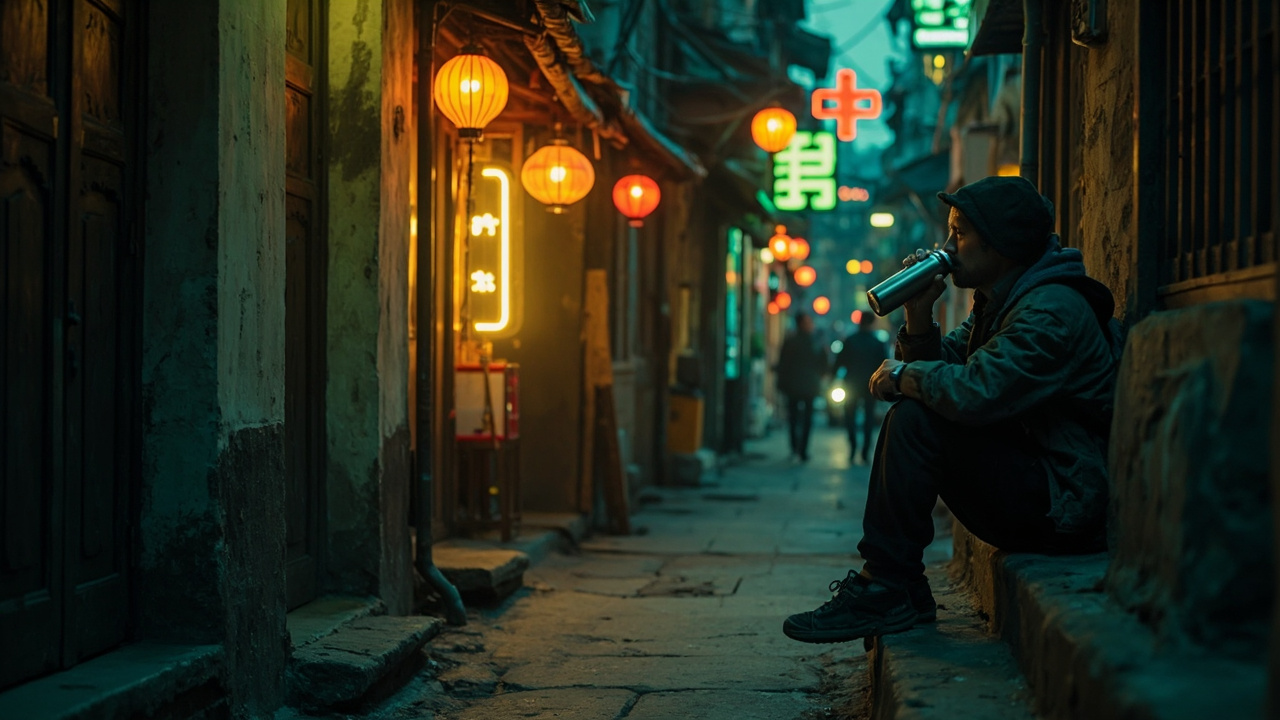
China Travel Health Tips
I got sick on my third day in Chongqing. Not food poisoning — I’d been careful, stuck to cooked food, drank bottled water. No, this was a cold that hit me like a truck because I’d spent two weeks sleeping badly, walking 20,000 steps a day, and breathing air that was thicker than anything I’d experienced in Berlin. I spent a full day in a hostel bed with a fever, missing the Dazu Rock Carvings I’d come to see. The hostel receptionist, a woman named Chen, brought me congee and a box of cold medicine she’d bought at the pharmacy downstairs. “You foreigners always get sick your first time,” she said. “You don’t rest.”
She was right. Most travel guides tell you where to go and what to eat. Almost none tell you how to keep your body from falling apart while you’re doing it. China is a physically demanding country to travel through — the scale is enormous, the air quality varies wildly, the food is often spicier than anything you’ve had, and the tap water isn’t drinkable. Add jet lag, unfamiliar bacteria, and the fact that you’ll probably walk 15-25 kilometers a day, and you have a recipe for getting sick.
This guide covers what you actually need to know: what to pack in a health kit, how to find a doctor or hospital if something goes wrong, how to handle common issues like stomach problems and altitude sickness, and the specific health risks that catch first-time visitors off guard. I’ve been traveling through China for seven years. I’ve gotten sick here more than once. Here’s what I wish someone had told me before my first trip.
Quick answer
The biggest health risks for tourists in China are stomach issues from unfamiliar food and water, respiratory problems from air pollution in cities like Beijing and Xi’an, and altitude sickness if you visit Tibet or high-elevation areas of Yunnan and Sichuan. Tap water is not drinkable anywhere in mainland China — stick to bottled or boiled water. Travel insurance that covers medical evacuation is strongly recommended, and you should carry a basic health kit with rehydration salts, diarrhea medication, and any prescription drugs you take regularly. Pharmacies are everywhere and cheap, but staff rarely speak English.
The Short Version
Don’t drink the tap water. Ever. Carry rehydration salts and Imodium. Get travel insurance that covers hospitalization and evacuation. Bring twice as much of your prescription medication as you think you need, in original packaging with a copy of your prescription. Expect the air in big northern cities to bother your throat. Wash your hands constantly. If you’re going above 3,000 meters, read the altitude section carefully. And build rest days into your itinerary — you will need them.
How I Picked These
This isn’t a list of destinations. It’s a list of the health issues that actually come up when foreigners travel in China, ranked by how often I’ve seen them happen to people I know. I’ve been based in Beijing since 2019, traveled through 40+ Chinese cities, and spent time in hospitals in Beijing, Chengdu, and Lijiang. I’ve talked to expat doctors, Chinese pharmacists, and other travelers about what went wrong and why. Everything here comes from first-hand experience or from conversations with people who dealt with the problem directly. I’ve also cross-checked current policies and prices where I could.
Comparison Table
| Rank | Health Issue | Best For (Who’s At Risk) | Approx Cost (USD) | Time Needed | When to Worry |
|---|---|---|---|---|---|
| 1 | Stomach issues / traveler’s diarrhea | Everyone, especially first-timers | $5-20 (¥35-140) for meds | 1-3 days | If fever or blood in stool |
| 2 | Air pollution / respiratory problems | Visitors to Beijing, Xi’an, northern cities | Free-$30 (¥0-210) for masks | Ongoing | If you have asthma or heart conditions |
| 3 | Altitude sickness | Tibet, Yunnan (Shangri-La), Sichuan (Jiuzhaigou) | $10-50 (¥70-350) for meds/oxygen | 1-3 days acclimatization | Above 3,500m, if symptoms worsen |
| 4 | Cold / flu / fever | Everyone, especially winter travelers | $10-40 (¥70-280) for doctor + meds | 3-7 days | If fever exceeds 39°C (102°F) |
| 5 | Heat exhaustion / dehydration | Summer travelers, southern China | $5-15 (¥35-105) for rehydration salts | 1-2 days | If you stop sweating |
| 6 | Insect bites / dengue risk | Southern China (Yunnan, Guangxi, Guangdong) | $5-20 (¥35-140) for repellent | Ongoing | May-October in south |
| 7 | Motion sickness | Anyone taking buses on mountain roads | $3-10 (¥20-70) for medication | As needed | Before long bus rides |
| 8 | Foot problems / blisters | Everyone walking 15,000+ steps/day | $5-15 (¥35-105) for supplies | Ongoing | If blisters get infected |
| 9 | Prescription medication issues | Anyone on regular medication | Varies | Ongoing | If you run out |
| 10 | Medical emergencies / hospitalization | Everyone | $100-10,000+ (¥700-70,000+) | Varies | Always have insurance |
1. Stomach Issues — The One That Gets Almost Everyone
I’ve watched at least a dozen friends get hit with stomach problems in their first week in China. It’s not always food poisoning. Sometimes it’s just your gut reacting to different bacteria, different oil, different spice levels. The good news: it usually passes in 24-48 hours. The bad news: it can ruin a day or two of your trip if you’re not prepared.
The main culprits are tap water (never drink it, not even to brush your teeth if you’re sensitive), raw vegetables washed in tap water, ice in drinks from street vendors, and food that’s been sitting out. Street food is generally safe if it’s cooked fresh in front of you and hot. I eat street food constantly and rarely get sick. But I avoid pre-cut fruit, salads at cheap restaurants, and anything that looks like it’s been sitting in the sun.
馃搷 Where to get help: Any pharmacy (药店, yàodiàn) — there’s one on almost every block in cities. Look for the green cross sign.
馃帿 Cost: Imodium or generic loperamide: $3-8 (¥20-55). Rehydration salts (口服补液盐): $1-3 (¥7-20) per box. A doctor’s visit at a clinic: $30-80 (¥210-560).
馃晲 Opening hours: Most pharmacies open 8am-9pm. Some 24-hour pharmacies exist in big cities — ask your hotel.
馃殕 How to get there: Walk into any pharmacy and show them a translation app saying “I have diarrhea” (我有腹泻). They’ll hand you loperamide and rehydration salts.
鈴?When to worry: If you have a fever above 38.5°C (101°F), blood in your stool, or symptoms lasting more than 3 days, see a doctor. In Beijing, Beijing United Family Hospital has English-speaking staff. In Shanghai, try Parkway Health.
馃挕 Insider tips: Bring rehydration salts from home — the Chinese ones are fine but taste terrible. Drink only bottled or boiled water. Skip ice in drinks unless you’re at a nice restaurant. Eat yogurt or take probiotics if your stomach is sensitive. And don’t panic — most stomach issues here are mild and pass quickly.
I once spent a miserable night in a Xi’an hostel after eating cold noodles from a street stall at 11pm. Lesson learned: eat where the locals are eating, and eat it hot.
2. Air Pollution — The Thing Nobody Warns You About Properly
The first time I landed in Beijing in November 2019, I stepped outside the airport and my throat closed up. The AQI that day was over 300 — “hazardous” level. I’d read about Beijing’s air quality, but reading about it and breathing it are different things. The good news: air quality in China has improved dramatically since 2015. The bad news: it’s still bad in winter, especially in northern cities.
Beijing, Xi’an, Shijiazhuang, and other northern cities get the worst of it from November to March, when coal heating kicks in. Shanghai and southern cities are usually better but can still have bad days. Summer is generally cleaner nationwide. If you have asthma, COPD, or heart conditions, check the AQI before you book and consider traveling in summer.
馃搷 Where to get help: Any pharmacy sells N95 masks (KN95 in China). Convenience stores sell basic masks.
馃帿 Cost: N95 masks: $1-3 (¥7-20) each. A pack of 10: $10-20 (¥70-140). Air purifiers for hotel rooms: not practical to buy, but some hotels have them.
馃晲 Opening hours: Pharmacies and convenience stores — 24/7 in big cities.
馃殕 How to get there: Download the AirVisual app or check AQI on your phone’s weather app. If AQI is above 150, wear a mask outdoors.
鈴?When to visit: Summer (June-August) has the cleanest air in most cities. Avoid November-February in the north if you’re sensitive.
馃挕 Insider tips: Check AQI daily and plan indoor activities on bad days (museums, malls, tea houses). Wear a proper N95, not a surgical mask — surgical masks don’t filter PM2.5. If you’re in Beijing, the Forbidden City and museums are good bad-air options. Consider a day trip to the mountains outside the city if the air is bad — it’s often cleaner 50km out.
I met a Canadian guy in a Beijing hostel who’d brought an inhaler “just in case.” He used it twice in one week. If you have any respiratory sensitivity, come prepared.
3. Altitude Sickness — If You’re Going High, Read This
Lhasa sits at 3,650 meters. Shangri-La in Yunnan is at 3,200 meters. Parts of Jiuzhaigou in Sichuan go above 3,000 meters. If your itinerary includes any of these, altitude sickness is a real risk — and it doesn’t care how fit you are. I’ve seen marathon runners get sick while overweight tourists were fine. It’s genetic and unpredictable.
Symptoms start with headache, shortness of breath, and fatigue. If it gets worse — nausea, dizziness, confusion — you need to descend immediately. The worst mistake people make is pushing through it. I met a guy in Lhasa who ignored his headache for two days and ended up in a hospital with pulmonary edema. He was fine after treatment, but it cost him $2,000 and three days of his trip.
馃搷 Where to get help: Hospitals in Lhasa, Shangri-La, and other high-altitude towns have oxygen bars and altitude clinics. Hotels often sell oxygen cans.
馃帿 Cost: Oxygen can: $5-15 (¥35-105). Altitude clinic visit: $50-150 (¥350-1,050). Diamox (acetazolamide) at a pharmacy: $10-20 (¥70-140), but you need a prescription in most cases.
馃晲 Opening hours: Altitude clinics in Lhasa are open daily, usually 9am-6pm.
馃殕 How to get there: In Lhasa, the main altitude clinic is at the People’s Hospital. Ask your hotel to write the address in Chinese.
鈴?When to visit: Acclimatize slowly. Spend 1-2 nights at 2,500-3,000 meters before going higher. Don’t fly directly to Lhasa from sea level if you can avoid it — take the train from Xining instead.
馃挕 Insider tips: Start drinking extra water 2-3 days before you go high. Avoid alcohol for the first 48 hours at altitude. Consider Diamox — start it 24 hours before ascent if your doctor approves. If symptoms get worse, descend. Don’t wait. And don’t trust anyone who says “you’ll be fine” — altitude affects everyone differently.
A Tibetan guide in Lhasa told me the best cure is “go down, go down, go down.” He was right.
4. Colds, Flu, and Fever — The Jet Lag Special
Every long-haul traveler gets sick eventually. Jet lag weakens your immune system, you’re breathing recycled airplane air, and you’re suddenly surrounded by millions of people and their germs. I get a cold on about half my trips to China. It’s just part of the deal.
The tricky part is that Chinese pharmacies sell different brands than you’re used to, and the staff usually don’t speak English. Bring basic cold medicine from home if you can. If you run out, a translation app and a pharmacy will get you sorted. Chinese cold medicine often combines multiple ingredients — check what you’re taking.
馃搷 Where to get help: Pharmacies everywhere. For a doctor, international clinics in big cities or hospital emergency rooms.
馃帿 Cost: Cold medicine: $5-15 (¥35-105). Doctor’s visit at an international clinic: $80-200 (¥560-1,400). Hospital emergency room: $50-150 (¥350-1,050) for basic care.
馃晲 Opening hours: Pharmacies 8am-9pm. Hospital ERs 24/7.
馃殕 How to get there: For international clinics in Beijing, try Beijing United Family or OASIS. In Shanghai, Parkway Health or Shanghai United Family. Bring your passport and insurance card.
鈴?When to visit: Winter is cold and flu season. If you’re traveling November-February, expect more sick people around you.
馃挕 Insider tips: Bring your own cold medicine — the Chinese stuff works but the packaging is confusing. Rest when you feel it coming on. Don’t try to “push through” a cold in a country where you don’t speak the language. And if you have a fever above 39°C (102°F), see a doctor.
I once spent two days in a Chengdu hotel room with a fever, watching Chinese game shows and eating instant noodles. Not the trip I planned, but I recovered faster than if I’d tried to keep sightseeing.
5. Heat Exhaustion and Dehydration — Summer in the South
Summer in Shanghai, Guangzhou, and Chongqing is brutal. Temperatures hit 35-40°C (95-104°F) with humidity that makes it feel worse. I’ve seen tourists collapse from heat exhaustion at the Bund in July. It’s not a joke.
The main risk is dehydration. You sweat more than you realize, and if you’re walking 20,000 steps a day in that heat, you need to drink constantly. Water, not beer. Rehydration salts help if you’re sweating heavily. And take breaks — sit in an air-conditioned café or mall every couple of hours.
馃搷 Where to get help: Convenience stores sell water and electrolyte drinks everywhere. Pharmacies sell rehydration salts.
馃帿 Cost: Bottled water: $0.30-1 (¥2-7). Electrolyte drinks: $1-3 (¥7-20). Rehydration salts: $1-3 (¥7-20) per box.
馃晲 Opening hours: Convenience stores are 24/7 in cities.
馃殕 How to get there: Any convenience store — 7-Eleven, FamilyMart, Lawson, or local chains.
鈴?When to visit: Avoid midday sun (11am-4pm) in summer. Do outdoor sightseeing early morning or evening.
馃挕 Insider tips: Carry a water bottle and refill it at your hotel. Drink more than you think you need. Wear a hat. Use an umbrella for shade — locals do this and it works. If you stop sweating, that’s a danger sign — get to air conditioning immediately.
I watched a German tourist try to hike the Great Wall in July without enough water. He made it, but he looked like he’d been through a war.
6. Insect Bites and Dengue — Southern China
If you’re traveling to Yunnan, Guangxi, Guangdong, or Hainan between May and October, mosquitoes are a real issue. Dengue fever exists in southern China, though cases are relatively rare among tourists. Malaria is essentially eliminated in China, but dengue is still a concern in the south during rainy season.
The mosquitoes that carry dengue bite during the day, not just at night. So repellent isn’t just for evening. Wear long sleeves and pants if you’re in rural areas, use DEET-based repellent, and sleep under a mosquito net if your accommodation has one.
馃搷 Where to get help: Pharmacies sell repellent and mosquito coils. Hospitals in southern cities can test for dengue.
馃帿 Cost: DEET repellent: $5-15 (¥35-105). Mosquito coils: $1-3 (¥7-20). Dengue test at a hospital: $20-50 (¥140-350).
馃晲 Opening hours: Pharmacies 8am-9pm.
馃殕 How to get there: Any pharmacy or convenience store in southern China.
鈴?When to visit: May-October is peak mosquito season in the south. Dry season (November-April) is safer.
馃挕 Insider tips: Bring repellent from home if you’re picky about brands. Chinese repellent works fine but smells strong. Wear light-colored clothing — mosquitoes are attracted to dark colors. If you get a fever within two weeks of returning from a dengue-risk area, tell your doctor where you’ve been.
I got eaten alive in Xishuangbanna one June. The bites weren’t dangerous, but they were miserable. Lesson learned: repellent every day, not just at night.
7. Motion Sickness — Mountain Roads Are No Joke
Chinese mountain roads are winding, narrow, and often driven by people who seem to have a personal vendetta against brakes. If you’re taking buses in Yunnan, Sichuan, or Guangxi, motion sickness medication is worth having. I’ve seen more people get sick on buses here than anywhere else I’ve traveled.
The worst routes are the ones into Tiger Leaping Gorge, the roads around Jiuzhaigou, and pretty much any bus in Yunnan’s mountains. If you’re prone to motion sickness, take medication before you get on the bus, not after.
馃搷 Where to get help: Pharmacies sell motion sickness pills (晕车药, yūnchē yào).
馃帿 Cost: Motion sickness pills: $3-10 (¥20-70) per box.
馃晲 Opening hours: Pharmacies 8am-9pm.
馃殕 How to get there: Any pharmacy. Ask for 晕车药.
鈴?When to visit: Take medication 30-60 minutes before the ride.
馃挕 Insider tips: Sit near the front of the bus. Avoid reading or looking at your phone. Ginger helps some people. If you’re really prone, consider hiring a private driver instead of taking buses — it’s more expensive but you can stop when you need to.
I once took a bus from Lijiang to Shangri-La that had 17 people throwing up. I was one of them. Now I always take medication.
8. Foot Problems — You’ll Walk More Than You Think
The average tourist in China walks 15,000-25,000 steps a day. That’s 10-17 kilometers. Your feet will hate you. Blisters, sore arches, and swollen ankles are common. Bring shoes you’ve already broken in, and bring blister treatment.
I made the mistake of bringing new boots to Beijing once. By day three I had blisters on both heels and was limping through the Forbidden City. Not fun.
馃搷 Where to get help: Pharmacies sell blister plasters and foot cream. Convenience stores sell basic bandages.
馃帿 Cost: Blister plasters: $3-8 (¥20-55). Bandages: $1-3 (¥7-20).
馃晲 Opening hours: Pharmacies 8am-9pm.
馃殕 How to get there: Any pharmacy.
鈴?When to visit: Break in your shoes before you leave home. Bring two pairs so you can alternate.
馃挕 Insider tips: Bring blister plasters from home — the Chinese ones are fine but you’ll want them immediately, not after a pharmacy hunt. Wear moisture-wicking socks. Take your shoes off and stretch your feet at the end of the day. If you get a blister, treat it immediately — infected blisters are a real problem.
A friend of mine ended up at a Beijing clinic with an infected blister. The doctor told her to stop wearing the shoes that caused it. Obvious advice, but she needed to hear it.
9. Prescription Medication — Bring More Than You Need
If you take regular medication, bring twice as much as you think you’ll need. Keep it in original packaging with a copy of your prescription. Chinese pharmacies don’t always stock the same brands, and some medications that are over-the-counter at home require a prescription here.
I met a woman in Shanghai who ran out of her thyroid medication and spent two days trying to get a refill. She got it eventually, but it was a hassle. Don’t be her.
馃搷 Where to get help: Hospitals and international clinics can prescribe. Bring your prescription and a doctor’s note.
馃帿 Cost: Varies by medication. Doctor’s visit: $50-200 (¥350-1,400).
馃晲 Opening hours: Hospital pharmacies during hospital hours. International clinics usually 9am-6pm.
馃殕 How to get there: International clinics in big cities are your best bet for English-speaking doctors.
鈴?When to visit: Refill before you leave home. Don’t wait until you’re in China.
馃挕 Insider tips: Bring a letter from your doctor explaining what you take and why. Keep medication in your carry-on, not checked luggage. If you need refrigerated medication, bring a cooler bag and ask your hotel for ice. And check China’s customs rules for controlled substances before you travel.
I always travel with a small pharmacy: ibuprofen, Imodium, rehydration salts, blister plasters, and a course of antibiotics (prescribed by my doctor at home, just in case).
10. Medical Emergencies — What to Do If Something Goes Wrong
Nobody plans to end up in a Chinese hospital. But it happens. I’ve been to hospital emergency rooms in Beijing and Chengdu — once for a friend who broke her ankle, once for myself when I had a bad reaction to something I ate. Both times, the care was good. Both times, it was expensive without insurance.
The key things to know: call 120 for an ambulance (English-speaking operators are not guaranteed). Go to an international clinic or a big public hospital if you can. Bring your passport and insurance information. And have travel insurance that covers medical evacuation — if you need to be flown home, that can cost $50,000+.
馃搷 Where to get help: International clinics in Beijing (Beijing United Family, OASIS), Shanghai (Parkway Health, Shanghai United Family), and other big cities. Public hospitals have emergency rooms but English is limited.
馃帿 Cost: Emergency room visit: $100-500 (¥700-3,500). Hospitalization: $500-2,000+ (¥3,500-14,000+) per day. Medical evacuation: $50,000+.
馃晲 Opening hours: Emergency rooms are 24/7.
馃殕 How to get there: In an emergency, call 120 or have your hotel call for you. For non-emergencies, go to an international clinic.
鈴?When to visit: Always. Have insurance before you leave home.
馃挕 Insider tips: Save the address of the nearest international clinic in your phone before you need it. Carry your insurance card and passport. If you’re in a public hospital, bring a translation app — staff usually don’t speak English. And don’t assume your home insurance covers you abroad — check before you travel. For more on navigating China as a foreigner, see our China travel payment guide and SIM card and internet guide.
A friend broke her wrist in a Chengdu hotel and had to navigate a public hospital with no Chinese. She managed, but it took hours. Having a local contact or a translation app would have helped.
FAQ summary
The most important health tips for China travel are: never drink tap water, carry rehydration salts and diarrhea medication, get travel insurance that covers medical evacuation, and bring twice as much prescription medication as you need. Air pollution is a real concern in northern cities from November to March — check AQI daily and wear an N95 mask if it’s bad. If you’re going above 3,000 meters, acclimatize slowly and descend immediately if altitude symptoms worsen. Pharmacies are everywhere and cheap, but staff rarely speak English, so use a translation app. International clinics in Beijing, Shanghai, and other big cities have English-speaking doctors, but they’re expensive without insurance.
FAQ
Q: Is the tap water in China safe to drink? A: No. Tap water in mainland China is not drinkable anywhere, including in big cities and hotels. Stick to bottled water or boiled water. Don’t brush your teeth with tap water if you have a sensitive stomach. Ice in drinks is usually fine at nice restaurants but avoid it from street vendors.
Q: Do I need travel insurance for China? A: Yes, strongly recommended. Medical care in China is good but expensive for foreigners, and medical evacuation can cost $50,000+. Make sure your policy covers hospitalization, emergency treatment, and evacuation. Check that it covers any activities you plan to do, like hiking or cycling.
Q: What should I pack in a health kit for China? A: Bring rehydration salts, diarrhea medication (Imodium), ibuprofen or paracetamol, blister plasters, any prescription medication (double your supply), a copy of your prescriptions, and a basic first aid kit. You can buy most things in China, but having them on arrival saves time and stress.
Q: Is the air pollution in Beijing really that bad? A: It can be, especially from November to March. AQI levels often exceed 150, which is unhealthy for sensitive groups. Summer is much cleaner. If you have asthma or respiratory issues, check AQI before you book and consider traveling in summer. Wear an N95 mask on bad days.
Q: What do I do if I get sick in China? A: For minor issues, go to a pharmacy (药店) — they’re everywhere and cheap. For anything more serious, go to an international clinic in a big city (Beijing United Family, Shanghai Parkway) or a hospital emergency room. Bring your passport and insurance information. Call 120 for an ambulance in an emergency.
Q: Can I drink the water in hotels? A: No. Hotel tap water is not drinkable. Most hotels provide bottled water or a kettle to boil water. Use bottled or boiled water for drinking and brushing your teeth. Some hotels have water dispensers in the hallway — those are usually safe.
Q: Do I need a VPN for health-related apps in China? A: If you want to access Google, WhatsApp, or Western health apps, yes. Download a VPN before you arrive — they’re hard to get once you’re in China. For more on internet access, see our China SIM card and internet guide. WeChat and Alipay work fine without a VPN.
The Honest Wrap-up
This guide is for first-time visitors who want to stay healthy without overthinking it. It’s not for people who want a medical textbook or who plan to live in China long-term — that’s a different set of concerns. If you’re here for two weeks and you follow the basics (bottled water, rehydration salts, insurance, rest days), you’ll almost certainly be fine.
The one piece of advice I’d give a friend about to book a flight: build rest days into your itinerary. China is amazing, but it’s also exhausting. You will walk more than you expect, eat things you’ve never eaten, and breathe air that’s different from home. Give your body time to adjust. The best trip is the one where you’re healthy enough to enjoy it.
And if you do get sick? Don’t panic. Pharmacies are everywhere, hospitals are good, and most things pass in a day or two. Chen was right — foreigners always get sick their first time. But you don’t have to let it ruin your trip.
More guides you may like

Top 10 Bridges in China
China's bridges are engineering marvels spanning mountains, rivers, and seas. Here are 10 of the most spectacular, from ancient stone to modern steel.
8 min read

Top 10 Buddhist Sites in China
From the Leshan Giant Buddha to the Dunhuang Caves, these 10 Buddhist sites represent 2,000 years of China's spiritual heritage.
9 min read

Top 10 Day Trips from Beijing You Shouldn't Miss
Beijing is packed with history, but some of China's best experiences are just a few hours away. Here are 10 day trips that will transform your visit.
9 min read

Top 10 Hidden Gems in China Off the Beaten Path
Beyond the Great Wall and Terracotta Warriors, China has incredible hidden destinations few tourists ever reach. Here are 10 underrated gems worth the detour.
9 min read

Top 10 Markets and Shopping Streets in China
From Shanghai's Bund to Beijing's Silk Street - 10 markets where foreigners can haggle, explore, and bring home authentic Chinese goods.
9 min read

Top 10 Museums in China You Shouldn't Miss
China's museums span 5,000 years of civilization. These 10 - from the Palace Museum to Xi'an's terracotta gallery - are unmissable for culture lovers.
9 min read