
Things to Do in Qingdao
TODO: Extract from article (100-160 chars)
Things to Do in Qingdao
The first thing I noticed was the smell. Not the sea — I expected that. It was the malt. I stepped out of Qingdao Station on a Tuesday morning in October, dragging a suitcase over cobblestones that had been laid by Germans more than a century ago, and the whole street smelled like warm bread and beer mash. A man in a blue jacket was selling roasted sweet potatoes from a cart, and behind him, a red-roofed church poked up between office towers. I had been in China for three years by then and thought I understood the country’s cities. Qingdao corrected me.
This is a city that doesn’t fit the mold. It’s in Shandong, which is Confucius country — serious, traditional, pork-and-scallion territory. But Qingdao was a German concession from 1898 to 1914, and then a Japanese one, and the architecture still shows it: half-timbered villas, a Lutheran church, a brewery that’s been running since 1903. The beer is genuinely world-class. The seafood is cheap and excellent. The pace is slower than Shanghai or Beijing, and the air is cleaner.
Most first-time China visitors skip Qingdao. They do Beijing, Xi’an, Shanghai, maybe Chengdu, and fly home. That’s a mistake, especially if you’re here in summer or early autumn. Qingdao gives you something the big cities can’t: a coastal city where you can swim in the morning, drink fresh beer at noon, and eat grilled squid on a stick for dinner while watching the sun drop behind a mountain. This guide covers the ten places I’d actually take a friend, with prices, transit directions, and the small stuff nobody tells you.
Quick answer
Qingdao’s best things to do are the Zhanqiao Pier and Old Town (free), the Tsingtao Beer Museum (about $8 / ¥55), Badaguan’s villa-lined streets (free), and Laoshan Mountain (about $14 / ¥100). Most visitors from the US, UK, EU, and Southeast Asia can enter China visa-free for up to 30 days in 2026, so no visa paperwork is needed for a short trip. The best time to visit is late May to early October — outside that window, the sea breeze turns cold and many beach businesses shut down.
The Short Version
If you have 90 seconds: fly into Qingdao Jiaodong International Airport, take the Metro Line 8 into the city, and base yourself near Old Town or the May Fourth Square area. Spend two full days minimum. Day one is Old Town, Zhanqiao Pier, and the Beer Museum. Day two is Badaguan and either Laoshan or the coast road. Eat as much seafood as you can afford. Drink the draft beer, which is unpasteurized and only sold in Qingdao. Skip the aquarium unless you have kids.
How I Picked These
I’ve been to Qingdao four times since 2019 — twice in summer, once in October, once in a cold, windy February that I do not recommend. I’ve stayed in three different neighborhoods, gotten lost on Laoshan with a broken phone, and once ate an entire plate of clams at a plastic table on the sidewalk while a man next to me argued loudly with his wife about whether the beer was fresh. (It was.)
For this list, I asked two Qingdao locals — a hostel receptionist named Wang Lei and a taxi driver, Mr. Zhang, who drove me around for a full day for about $60 — what they’d show a foreign friend. I also cross-checked prices and hours against the official Qingdao tourism site and the Tsingtao Brewery’s own visitor page in early 2026. Everything below is either something I’ve done myself or something a local I trust insisted on.
Comparison Table
| Rank | Place | Best For | Approx Cost (USD) | Time Needed | When to Go |
|---|---|---|---|---|---|
| 1 | Zhanqiao Pier & Old Town | First impressions, photos | Free | 2-3 hours | Morning, weekday |
| 2 | Tsingtao Beer Museum | Beer lovers, history | $8 (¥55) | 2 hours | Afternoon |
| 3 | Badaguan Scenic Area | Architecture, walking | Free | 3 hours | Late afternoon |
| 4 | Laoshan Mountain | Hiking, temples, views | $14 (¥100) | Full day | Early morning, clear day |
| 5 | May Fourth Square | Skyline, evening stroll | Free | 1 hour | Sunset |
| 6 | St. Michael’s Cathedral | Architecture, photos | $1.5 (¥10) | 30 min | Morning |
| 7 | Qingdao Beer Street | Nightlife, seafood | $20-40 (¥140-280) | 2-3 hours | Evening |
| 8 | Signal Hill Park | Panorama of Old Town | $2 (¥15) | 1 hour | Late afternoon |
| 9 | No. 1 Bathing Beach | Swimming, lounging | Free | 2-4 hours | July-September |
| 10 | Shilaoren Beach | Quieter beach, locals | Free | 2-3 hours | Summer weekday |
Zhanqiao Pier and Old Town — Start Here, Even If It’s Crowded
I got to Zhanqiao at 7:40 a.m., before the tour buses, and had the pier almost to myself. The pavilion at the end — Huilan Ge, the one on every Qingdao postcard — was still lit up from the night before. A group of retirees were doing tai chi on the concrete, and a fisherman was pulling up tiny crabs on a line. By 9 a.m., the pier was packed shoulder-to-shoulder with selfie sticks. Timing matters here more than almost anywhere else in the city.
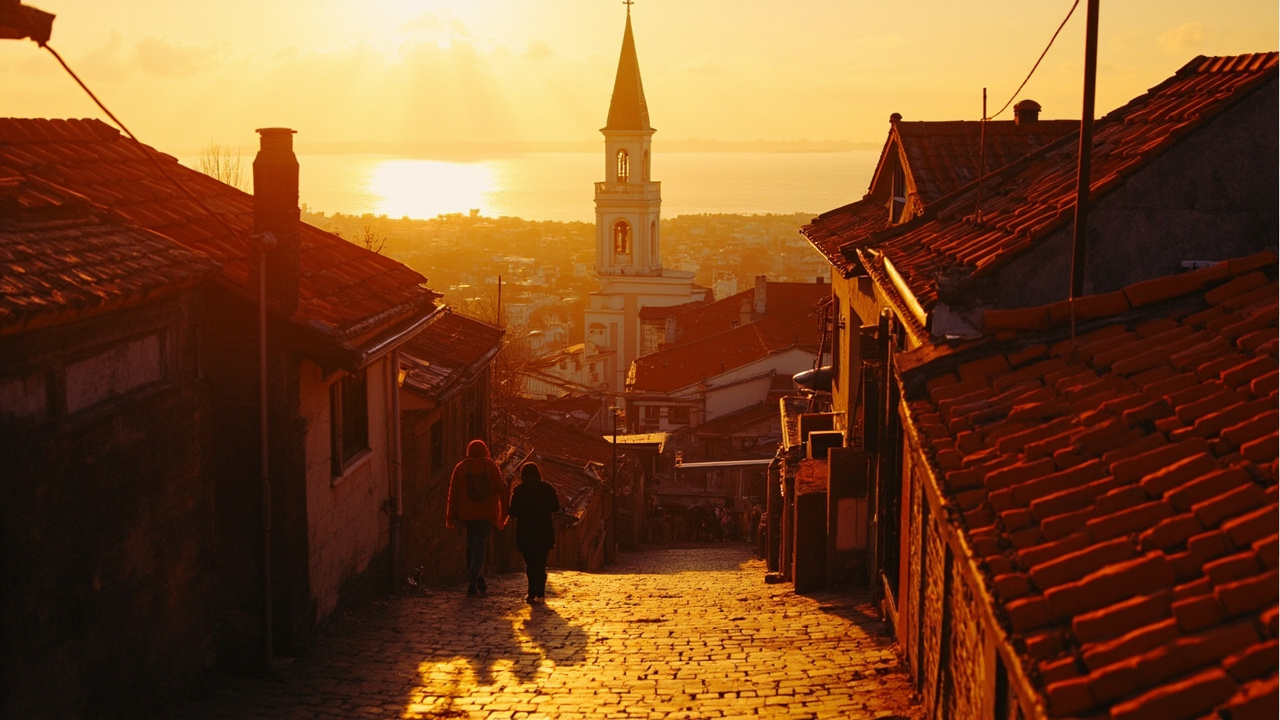
The pier itself is a 440-meter stone walkway built in 1891, back when Qingdao was a small fishing village. It’s not spectacular. It’s just pleasant, and the view back toward Old Town — red roofs climbing a hill, the church spire, the new skyscrapers behind — is the shot you came for. The real draw is the neighborhood behind it. Old Town is a maze of steep lanes, German-era buildings, tiny noodle shops, and old men playing Chinese chess on cardboard boxes. Walk up toward the church and you’ll pass through streets that feel more like a Mediterranean hill town than a Chinese city.
📍 Location: Shinan District, at the southern tip of Old Town. The pier is the southern terminus of Zhongshan Road.
🎫 Entry fee: Free. The Huilan Ge pavilion at the end of the pier charges about $0.60 (¥4) to climb, which is worth it once.
🕒 Opening hours: The pier is open 24 hours. The pavilion is roughly 7 a.m. to 6 p.m., shorter in winter.
🚇 How to actually get there: Take Metro Line 3 to Qingdao Station, Exit G, walk south on Zhongshan Road for about 10 minutes. Or take Line 1 to Zhongshan Road Station, Exit D, and walk 5 minutes south.
⏰ When to visit: Early morning (before 8:30 a.m.) on any weekday. Weekends in July and August are brutal — think 30,000 people on a 440-meter pier.
💡 Insider tips: The seagulls here are aggressive and will steal food out of your hand. Buy roasted sweet potatoes from the carts on Zhongshan Road instead of eating at the pier restaurants, which are overpriced. If you need cash, the Bank of China on Zhongshan Road has an ATM that accepts foreign cards, but honestly, just set up Alipay or WeChat Pay before you arrive — almost nothing in Qingdao takes cash anymore.
I bought a bag of roasted chestnuts from an old woman near the pier for ¥10 and ate them walking back up the hill. Best ¥10 I spent all trip.
Tsingtao Beer Museum — Worth It Even If You Don’t Like Museums
I’ll be honest: I expected this to be a tourist trap. A brewery museum in a city whose main export is a beer brand? I figured it would be a 20-minute walk past some old barrels and a gift shop. I was wrong. The original 1903 brewery building is still standing, and the museum inside it is genuinely good — you walk through the actual fermentation halls, see the original German copper kettles, and learn how Japanese occupation, then Communist-era collectivization, then modern global exports shaped the beer.
The tour ends, as all brewery tours must, in a tasting room. You get one free glass of unfiltered draft beer — the kind that’s only sold in Qingdao and doesn’t travel well enough to export. It’s cloudy, slightly sweet, and much better than the bottled stuff you’ve had at home. There’s also a “drunk house” room where you can spin around on a tilting floor to feel what it’s like to be drunk, which is exactly as silly as it sounds and I loved it.
📍 Location: Shibei District, at 56 Dengzhou Road. About 15 minutes by taxi from Old Town.
🎫 Entry fee: About $8 (¥55) for adults, which includes one beer. Students and seniors get a discount with ID.
🕒 Opening hours: 8:30 a.m. to 5:30 p.m. daily, last entry around 4:30 p.m. Open year-round.
🚇 How to actually get there: Metro Line 2 to Taidong Station, Exit A, then walk 10 minutes north on Dengzhou Road. Or just take a Didi — it’s about $3 (¥20) from Old Town.
⏰ When to visit: Weekday afternoons are quietest. Avoid the 11 a.m. to 2 p.m. tour bus window.
💡 Insider tips: The on-site restaurant, the Beer Garden, serves excellent German-style pork knuckle and sausage — but it’s pricey. The museum shop sells beer glasses and bottles you can’t buy elsewhere, but you can’t bring liquids through airport security, so plan accordingly. If you’re traveling onward by high-speed rail, you can carry the bottles in your luggage.
A staff member named Xiao Chen gave me a tip I still use: the unfiltered draft is best within 24 hours, so drink it at the source and don’t bother trying to take it home.
Badaguan Scenic Area — The Walk That Made Me Want to Move Here
Badaguan is eight streets named after the Eight Great Passes of China, lined with villas built by German, Japanese, Russian, British, and French residents in the early 20th century. Each street was supposedly planted with a different tree — peach, crabapple, maple, ginkgo — so the neighborhood changes color through the seasons. I walked it in October, when the ginkgo trees had turned gold and the maples were just starting to redden, and I genuinely stopped in the middle of the street and just stood there for a minute.
The villas are mostly private or converted into cafés and small museums. You can’t go inside most of them. That’s fine. The point is the walk itself — the quiet, the shade, the glimpses of courtyards through iron gates, the occasional cat sunning itself on a stone wall. It’s the most European-feeling place in China I’ve been to, and I mean that as a compliment. It’s also, weirdly, one of the most romantic spots in the country. I saw three separate couples doing wedding photos in a single afternoon.
📍 Location: Shinan District, along the coast between No. 1 Bathing Beach and Taiping Cape.
🎫 Entry fee: Free to walk. A few individual villas charge $3-8 (¥20-55) if you want to go inside.
🕒 Opening hours: Public streets, open 24 hours. Villa museums are typically 9 a.m. to 4:30 p.m., closed Mondays.
🚇 How to actually get there: Metro Line 3 to Yan’an Third Road Station, Exit A, then walk 10 minutes south. Or take bus 26, 31, or 202 to the Wushengguan Road stop.
⏰ When to visit: Late afternoon, around 4-5 p.m., when the light comes through the trees at an angle. Autumn is the best season.
💡 Insider tips: Wear comfortable shoes — the streets are hilly and the sidewalks are uneven. There are almost no public restrooms in the area, so use one before you start. The cafés inside the villas are expensive but the courtyards are lovely. If you want a photo without strangers in it, go on a weekday morning.
I met a retired teacher named Mrs. Liu sitting on a bench near the Huashi Lou villa. She told me she walks these streets every morning and has for 30 years. “Every season is different,” she said. “That’s the whole point.”
Laoshan Mountain — The One That Requires Effort
Laoshan is the highest coastal mountain in China, rising about 1,130 meters straight out of the Yellow Sea. It’s also a major Taoist holy site, with temples tucked into the cliffs and springs that have been considered sacred for over 2,000 years. The beer you drank at the museum? Brewed with Laoshan spring water. That’s the local claim, anyway.
Here’s the honest part: Laoshan is not easy. I went in October, took the wrong bus, ended up at the Taiqing Palace entrance instead of the main scenic area, and had to pay an extra taxi fare to get to where I actually wanted to go. The trails are steep, the signage is mostly in Chinese, and the cable car queues in summer can run 90 minutes. But the payoff — standing on a granite ledge with the sea on one side and pine forest on the other, wind pushing you sideways — is worth the hassle.
There are several distinct areas within the Laoshan Scenic Area. The two most popular for foreign visitors are the Taiqing Palace area (lower, easier, more temples) and the Yangkou area (higher, more dramatic views). Pick one. Trying to do both in a day is miserable.
📍 Location: Laoshan District, about 40 km east of central Qingdao.
🎫 Entry fee: About $14 (¥100) for the main scenic area, plus $6-10 (¥45-70) for the cable car if you take it. Taiqing Palace has a separate small fee.
🕒 Opening hours: Roughly 7 a.m. to 5:30 p.m., with last entry around 3:30 p.m. Hours shorten in winter.
🚇 How to actually get there: Take Metro Line 11 to Beijiushui Station for the northern entrance, or Line 11 to Puli Station then a local bus for the Taiqing area. Honestly, the easiest option is a Didi from central Qingdao — about $18 (¥130) each way.
⏰ When to visit: Clear, dry days in spring or autumn. Avoid summer weekends and any day with fog — you’ll climb into a white wall.
💡 Insider tips: Bring more water than you think you need. The mountain has its own microclimate and can be 5°C colder and much windier than the city. Download an offline map before you go — cell signal is patchy on the trails. If you’re not a confident hiker, stick to the Taiqing Palace area, which is mostly paved.
My mistake: I wore sneakers with worn treads and slipped twice on wet granite. Bring real hiking shoes.
May Fourth Square — Go at Sunset, Not at Noon
May Fourth Square is Qingdao’s civic showpiece — a big open plaza on the waterfront with the “May Wind” sculpture (a red, swirling, sail-like thing) at its center. It’s named after the 1919 May Fourth Movement, which was partly triggered by the decision at Versailles to hand Qingdao to Japan rather than return it to China. So there’s real historical weight here, even if the plaza itself is mostly just a place where people fly kites and take wedding photos.
I went at noon my first visit and thought it was boring. I went back at sunset on my second trip and understood. The light hits the skyscrapers behind the plaza and turns them amber, the sculpture glows red, and the whole bay opens up in front of you. Couples walk along the seawall, kids chase each other, and someone is always playing a guitar badly somewhere nearby. It’s not a “sight” in the traditional sense. It’s a mood.
📍 Location: Shinan District, on the waterfront east of Old Town.
🎫 Entry fee: Free.
🕒 Opening hours: Open 24 hours.
🚇 How to actually get there: Metro Line 2 or 3 to May Fourth Square Station, Exit C. You’ll come up right at the plaza.
⏰ When to visit: Sunset, especially in summer when it’s still light at 7:30 p.m. Weekday evenings are calmer than weekends.
💡 Insider tips: The underground shopping mall beneath the plaza has cheap snacks and clean restrooms. The seafood restaurants along the waterfront here are tourist-priced — walk 10 minutes inland for better value. If you’re here on a clear night, the skyline lights up around 7 p.m. and stays on until about 10 p.m.
St. Michael’s Cathedral — Small, Pretty, and Worth 30 Minutes
The full name is the Catholic Church of St. Michael, but everyone calls it the Qingdao Cathedral. It was built by German missionaries in 1934, and it’s the most photographed building in the city — a yellow-walled, twin-spired, Romanesque-Gothic thing that looks like it was airlifted from a Bavarian village. It’s small. You’ll be inside for 15 minutes. But the square in front of it is a gathering spot for wedding photographers, and the view from the top of Signal Hill (next entry) frames the cathedral perfectly against the red roofs of Old Town.
📍 Location: Shinan District, at 15 Zhejiang Road, in the heart of Old Town.
🎫 Entry fee: About $1.5 (¥10).
🕒 Opening hours: 8 a.m. to 5 p.m. daily, with a lunch break around noon. Closed to tourists during mass.
🚇 How to actually get there: Metro Line 3 to Qingdao Station, Exit G, then walk 10 minutes north and uphill. It’s a steep walk — pace yourself.
⏰ When to visit: Morning, before the tour groups arrive around 10 a.m.
💡 Insider tips: Dress modestly — shoulders and knees covered. The cathedral is active, and they will turn you away if you’re in a tank top. The small plaza in front has a few cafés with decent coffee, which is rarer in Qingdao than you’d think.
Qingdao Beer Street — Where the Night Actually Happens
Beer Street (Pijiu Jie) is a pedestrian block in the Shibei District lined with beer halls, seafood stalls, and outdoor tables. It’s loud, it’s a bit tacky, and it’s a lot of fun. The beer here comes in huge glass dispensers — you buy a 3-liter tower for about $12 (¥85) and pour it yourself. The seafood is grilled on the street in front of you: scallops, clams, squid, oysters, all for a few dollars a plate.
I went on a Friday night with two people from my hostel and we ended up sharing a table with a group of locals who insisted we try “the original” — a plastic bag of draft beer with a straw, which is apparently how Qingdao people have drunk beer for decades. It cost ¥5. It was excellent.
📍 Location: Shibei District, on Dengzhou Road near the Beer Museum.
🎫 Entry fee: Free to walk. Budget $20-40 (¥140-280) for food and beer.
🕒 Opening hours: Most stalls open around 5 p.m. and close around midnight. Busiest from 7-10 p.m.
🚇 How to actually get there: Metro Line 2 to Taidong Station, Exit A, then walk 10 minutes north.
⏰ When to visit: Friday or Saturday evening in summer. Winter is dead.
💡 Insider tips: Prices are negotiable at the seafood stalls — always ask before you order. Check that the shellfish are alive before they cook them. The beer towers are cheaper than buying individual glasses. Bring cash as a backup, but most places take WeChat Pay.
Signal Hill Park — The View That Ties It All Together
Signal Hill is a small park on a 98-meter hill in the middle of Old Town. There’s a red-and-white lighthouse at the top that was used to signal ships in the 19th century. The climb takes about 15 minutes. The view from the top is the best in the city — you can see the cathedral, the pier, the red roofs of Old Town, and the bay all at once. It’s the photo that makes people back home say “wait, that’s China?”
📍 Location: Shinan District, at 16 Longjiang Road.
🎫 Entry fee: About $2 (¥15).
🕒 Opening hours: 7 a.m. to 6:30 p.m., shorter in winter.
🚇 How to actually get there: Metro Line 3 to Qingdao Station, Exit G, then walk 15 minutes uphill through Old Town. Follow the signs.
⏰ When to visit: Late afternoon, about an hour before sunset.
💡 Insider tips: The path is steep and the steps are uneven. There’s a small café at the top that sells water and ice cream at tourist prices. Bring a light jacket — the hilltop is windy even on warm days.
No. 1 Bathing Beach — The Honest Review
Qingdao’s most famous beach is a 580-meter crescent of sand on the south side of the city. It’s fine. It’s not a tropical beach, the water is cold even in August (around 22°C / 72°F), and the sand is more gray than white. But it’s clean, it’s free, and on a hot summer day it’s exactly what you want. The Chinese name is Huiquan Beach, and it’s been a swimming spot since the German era.
📍 Location: Shinan District, at the western end of Badaguan.
🎫 Entry fee: Free. Showers and changing rooms cost about $3 (¥20).
🕒 Opening hours: Open 24 hours, but swimming is only allowed in designated areas during daylight, roughly 6 a.m. to 6 p.m.
🚇 How to actually get there: Metro Line 3 to Yan’an Third Road Station, Exit A, then walk 10 minutes south.
⏰ When to visit: July and August for swimming. Any season for walking.
💡 Insider tips: The beach is packed in summer — arrive before 9 a.m. to get a spot. There are no lifeguards in the off-season. Don’t leave valuables unattended.
Shilaoren Beach — The Locals’ Beach
Shilaoren (“Old Stone Man”) Beach is named after a rock formation offshore that supposedly looks like an old man. It’s about 30 minutes east of the city center by Metro, and it’s where Qingdao people actually go to swim. The sand is better than No. 1 Bathing Beach, the water is cleaner, and there are far fewer tourists. There’s a small sculpture park nearby and a row of seafood restaurants along the road.
📍 Location: Laoshan District, on the coast east of the city center.
🎫 Entry fee: Free.
🕒 Opening hours: Open 24 hours.
🚇 How to actually get there: Metro Line 11 to Shilaoren Bathing Beach Station, Exit B, then walk 5 minutes.
⏰ When to visit: Summer weekday mornings. Weekends in July and August are busy with local families.
💡 Insider tips: The seafood restaurants along the beach road are cheaper and better than the ones near No. 1 Bathing Beach. Try the clams in broth — it’s a Shandong specialty.
FAQ summary
The most important things to know before visiting Qingdao: most international visitors from the US, UK, EU, and Southeast Asia can enter China visa-free for up to 30 days in 2026, so no visa is needed for a short trip. Budget about $80-150 per day for a mid-range visit, including food, transport, and one paid attraction. Set up Alipay or WeChat Pay before you arrive — cash is rarely accepted, and foreign credit cards work at very few places. The best months are May, June, September, and October; July and August are hot and crowded but have the only swimmable water.
FAQ
Q: Do I need a visa to visit Qingdao in 2026? A: Most visitors from the US, UK, EU, Australia, and Southeast Asia can enter China visa-free for up to 30 days under the current policy. Check your specific nationality before booking, and confirm the policy hasn’t changed — it’s been extended several times. If you’re staying longer or your country isn’t covered, apply for a standard tourist visa in advance.
Q: How do I pay for things in Qingdao? A: Set up Alipay or WeChat Pay before you arrive and link an international credit card. Both apps now accept Visa and Mastercard from most countries. Cash is technically legal tender but many small vendors won’t have change and some will refuse it outright. A few high-end hotels and restaurants take foreign cards, but don’t count on it.
Q: Is English widely spoken in Qingdao? A: Not really. Hotel front desks and major attractions usually have some English, but restaurants, taxis, and shops mostly don’t. Download a translation app with offline Chinese before you go — Google Translate works if you have a VPN, and Baidu Translate works without one. Pointing at menus and using the camera translation feature will get you through almost everything.
Q: Do I need a VPN in Qingdao? A: Yes, if you want to use Google, Instagram, WhatsApp, or most Western news sites. Install and test your VPN before you leave your home country — VPN apps are hard to download once you’re inside China. If you don’t need those services, you can skip it.
Q: What’s the best time of year to visit Qingdao? A: Late May to early October. June and September are the sweet spot — warm enough to swim, but not as crowded as July and August. October is beautiful but the water gets cold. Winter is gray, windy, and most beach businesses close.
Q: How many days do I need in Qingdao? A: Two full days minimum, three if you want to do Laoshan properly. Day one: Old Town, Zhanqiao Pier, Beer Museum. Day two: Badaguan, May Fourth Square, Beer Street. Day three: Laoshan or a beach day.
Q: How do I get from Qingdao Airport to the city center? A: Take Metro Line 8 from Jiaodong International Airport to Qingdao North Station, then transfer to Line 3 into the city. Total journey is about 60-75 minutes and costs around $1.5 (¥10). A taxi or Didi takes 45-60 minutes and costs about $25 (¥180).
The Honest Wrap-up
This list is for the traveler who wants a coastal city that doesn’t feel like a checklist. If you’re only in China for a week and you’re trying to hit Beijing, Xi’an, and Shanghai, Qingdao is a stretch — save it for next time. But if you have 10 days or more, or if you’re coming back to China and want somewhere new, Qingdao rewards you. It’s cheaper than Shanghai, calmer than Beijing, and the beer is genuinely better than anything you’ll drink at home.
One last piece of advice: don’t overplan it. The best afternoon I had in Qingdao was the one where I got lost in Old Town, bought a bag of clams from a street vendor, and ate them sitting on a seawall while the sun went down. Book your hotel, learn how to use Alipay, and then just show up. The city will take it from there.
More guides you may like
Top 10 Bridges in China
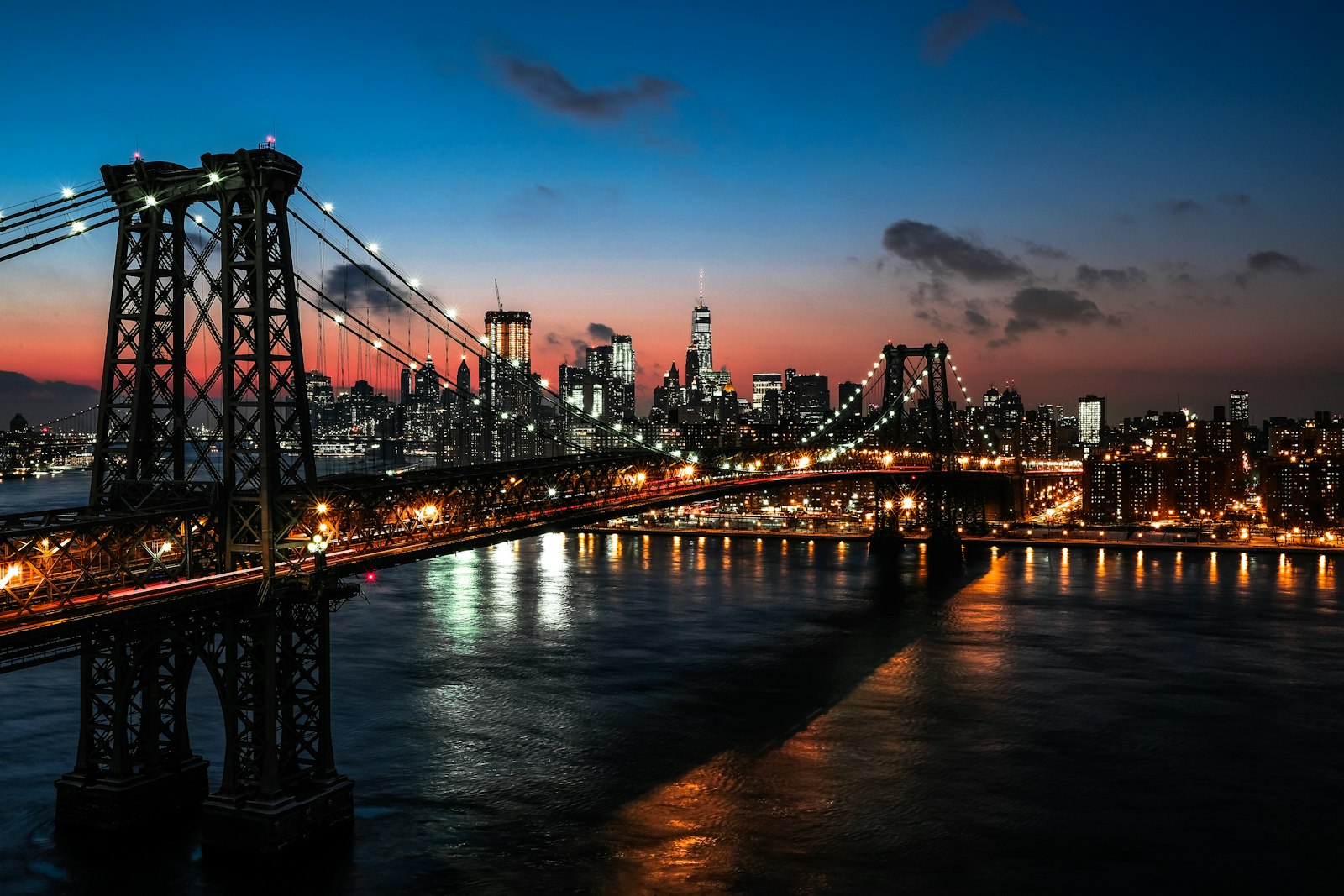
China's bridges are engineering marvels spanning mountains, rivers, and seas. Here are 10 of the most spectacular, from ancient stone to modern steel.
8 min read

Top 10 Buddhist Sites in China
From the Leshan Giant Buddha to the Dunhuang Caves, these 10 Buddhist sites represent 2,000 years of China's spiritual heritage.
9 min read
Top 10 Day Trips from Beijing You Shouldn't Miss
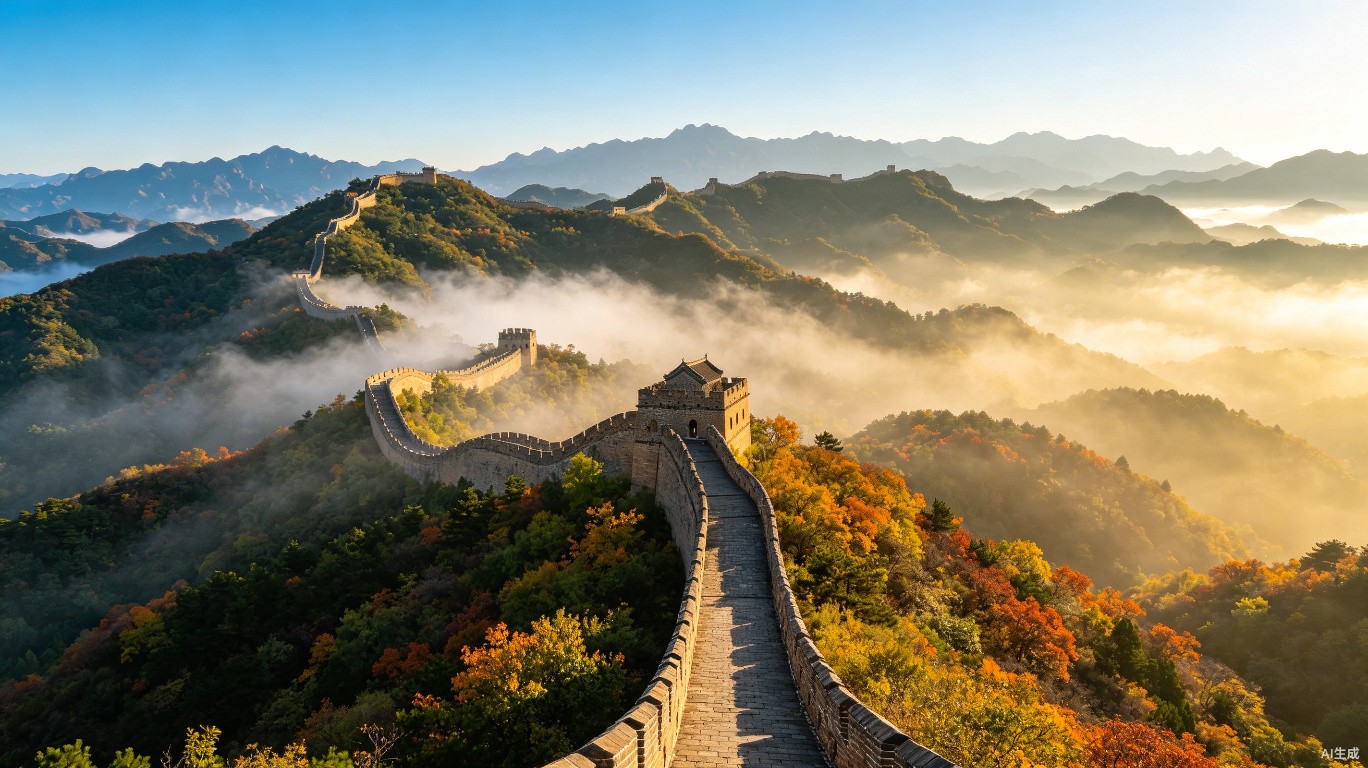
Beijing is packed with history, but some of China's best experiences are just a few hours away. Here are 10 day trips that will transform your visit.
9 min read
Top 10 Hidden Gems in China Off the Beaten Path
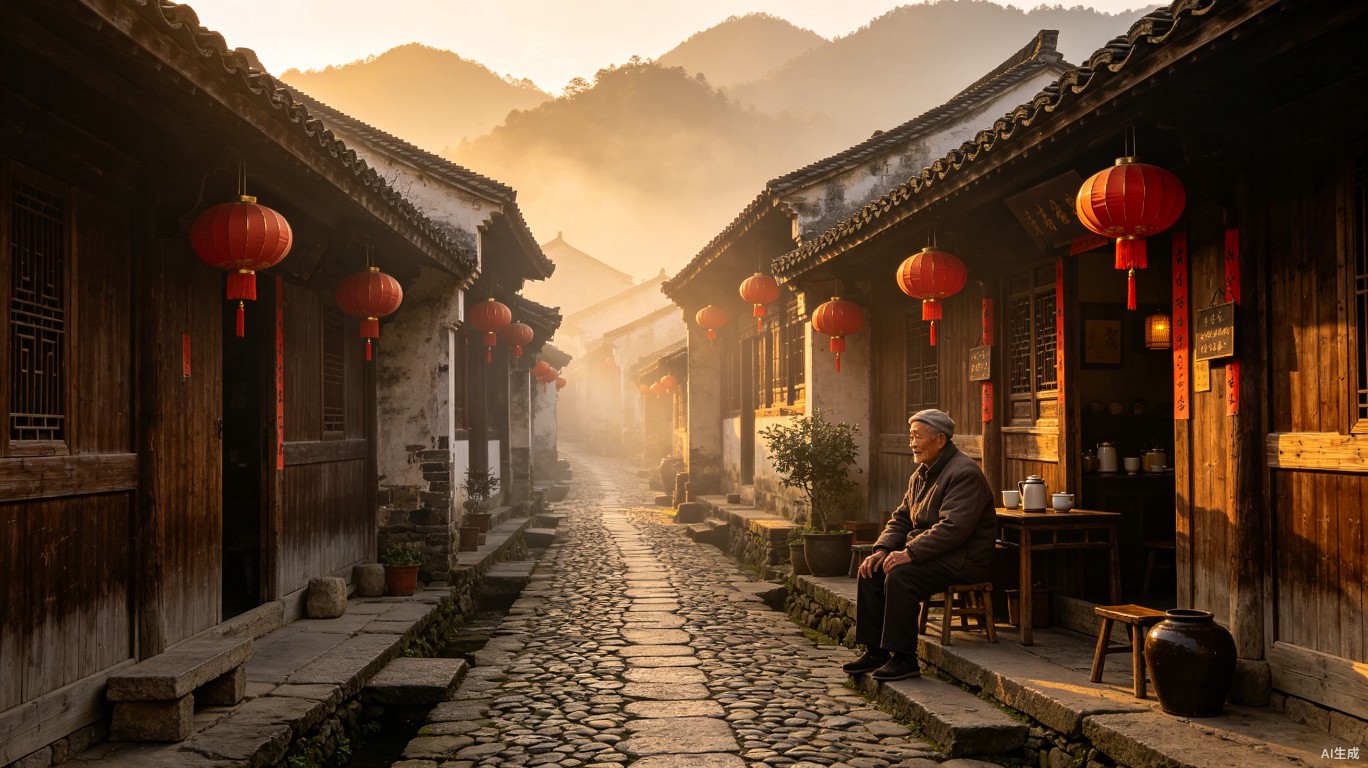
Beyond the Great Wall and Terracotta Warriors, China has incredible hidden destinations few tourists ever reach. Here are 10 underrated gems worth the detour.
9 min read
Top 10 Markets and Shopping Streets in China
From Shanghai's Bund to Beijing's Silk Street - 10 markets where foreigners can haggle, explore, and bring home authentic Chinese goods.
9 min read
Top 10 Museums in China You Shouldn't Miss
China's museums span 5,000 years of civilization. These 10 - from the Palace Museum to Xi'an's terracotta gallery - are unmissable for culture lovers.
9 min read