
China Domestic Flights Guide
TODO: Extract from article (100-160 chars)
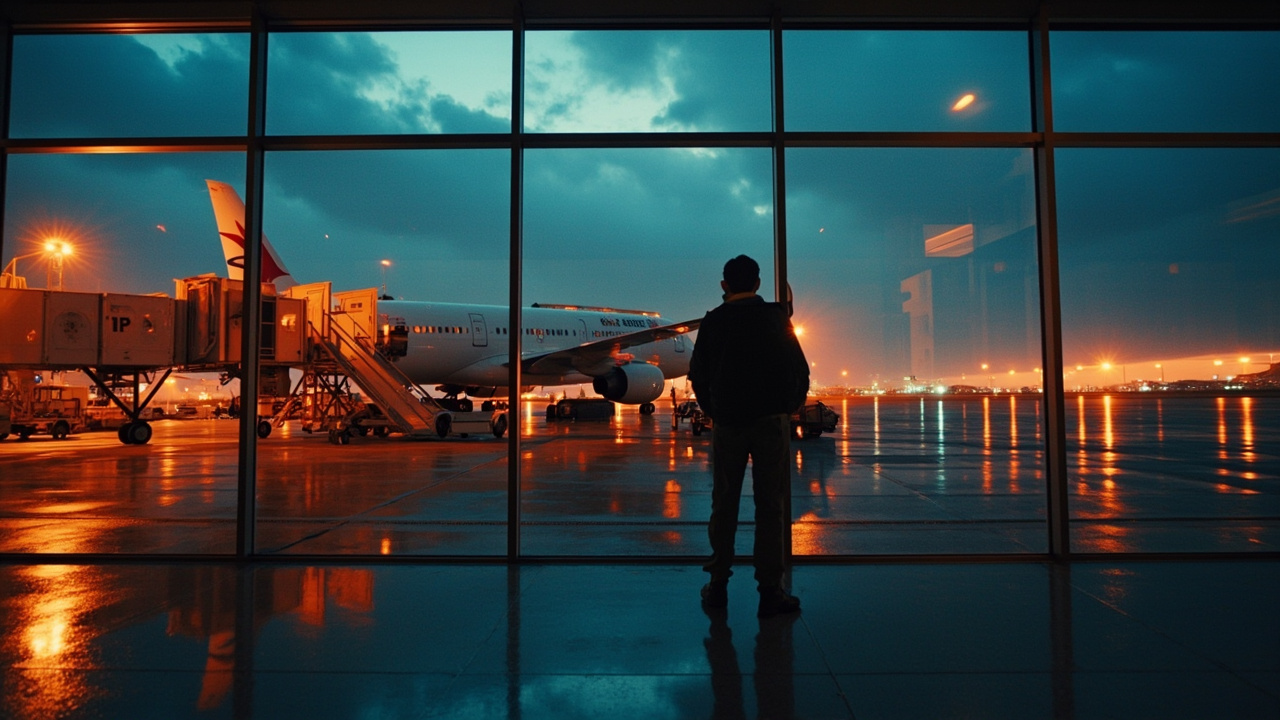
China Domestic Flights Guide
I was standing at the check-in counter at Chengdu Tianfu International, watching a French couple argue with an agent about a bag that was 3 kilograms over the limit. They’d booked a 6:40am flight to Lhasa and hadn’t realized that checked baggage on the cheapest fare class was capped at 20kg, not the 23kg they were used to on Air France. The agent was patient but firm. They paid 180 yuan (about $25) on the spot, in cash, because their Alipay wasn’t linked to a foreign card yet.
That scene plays out every morning at every airport in China. Domestic flying here is fast, cheap, and genuinely useful — but the rules are different from what you’re used to. Baggage allowances vary by fare class in ways that aren’t obvious when you book. Some airports are 40 minutes from the city center. Some tickets can’t be changed at all. And the check-in cutoff is often 45 minutes before departure, not the 60 you might expect.
This guide is what I wish someone had handed me seven years ago. It covers how to book, what to expect at the airport, which airlines are worth your money, and the specific traps that catch first-time foreign travelers.
Quick answer
China’s domestic flight network is one of the best in the world for coverage and price — a 2-hour flight between major cities typically costs $60–$120 (430–870 CNY) if booked 2–4 weeks ahead. Book through Trip.com or the airline’s own app (not Google Flights, which often doesn’t show Chinese carriers), arrive at the airport 90 minutes early for domestic departures, and confirm your checked baggage allowance before you pay — the cheapest fare classes on Spring Airlines and some China Eastern routes include no checked bag at all. High-speed rail is often a better choice for trips under 4 hours, but flying wins for anything crossing the country.
The Short Version
Fly for anything over 1,000km or 5 hours by train. Take the high-speed rail for shorter hops — it drops you in the city center, not 30km outside it. Book 2–4 weeks out for the best prices. Use Trip.com if you want English support; use the airline app if you want to save $10–15 and don’t mind a Chinese-language interface. Always check the baggage allowance. Always. That’s the whole game.
How I Picked These
I’ve taken somewhere around 60 domestic flights in China over seven years — work trips, visa runs, and a lot of “let’s see what’s out there” weekends. I’ve flown Spring, Juneyao, China Eastern, Air China, Sichuan Airlines, Xiamen Air, and a handful of regional carriers I’d never heard of before booking. I’ve missed a connection in Kunming because of fog, been rerouted through Xi’an at midnight, and once paid 40 yuan for a bottle of water past security in Urumqi because I was too tired to walk to the other end of the terminal.
The advice below comes from those trips plus a lot of conversations with Chinese friends who fly weekly for work and know the tricks I don’t. I’ve tried to flag where my experience might not match yours.
Comparison Table
| Rank | Route | Best For | Approx Cost (USD) | Time Needed | When to Go |
|---|---|---|---|---|---|
| 1 | Beijing 鈥?Shanghai | First-timers, business | $70–130 (500–940 CNY) | 2h 15m flight | Year-round, book early |
| 2 | Shanghai 鈥?Chengdu | Pandas, food, gateway to west | $80–140 (580–1,010 CNY) | 3h | Mar–May, Sep–Nov |
| 3 | Beijing 鈥?Xi’an | Terracotta Warriors, history | $60–110 (430–800 CNY) | 2h | Apr–May, Sep–Oct |
| 4 | Chengdu 鈥?Lhasa | Tibet entry | $150–250 (1,080–1,800 CNY) | 2h 30m | May–Oct |
| 5 | Shanghai 鈥?Guilin | Karst scenery | $70–120 (500–870 CNY) | 2h 30m | Apr–Oct |
| 6 | Guangzhou 鈥?Kunming | Yunnan gateway | $70–130 (500–940 CNY) | 2h 15m | Year-round |
| 7 | Beijing 鈥?Harbin | Ice Festival | $90–160 (650–1,160 CNY) | 2h | Dec–Feb |
| 8 | Shanghai 鈥?Xiamen | Coastal, Gulangyu | $60–110 (430–800 CNY) | 1h 45m | Mar–May, Oct–Nov |
| 9 | Chengdu 鈥?Jiuzhaigou | National park | $80–140 (580–1,010 CNY) | 1h | Sep–Oct |
| 10 | Urumqi 鈥?Kashgar | Silk Road, Xinjiang | $100–180 (720–1,300 CNY) | 2h | May–Oct |
How do I book a domestic flight in China as a foreigner?
The short answer: Trip.com, or the airline’s own app if you can handle Chinese.
Trip.com is the easiest for foreigners. English interface, foreign credit cards work, and the customer service line actually answers. You’ll pay a small markup — usually $5–15 per ticket — but for a first trip it’s worth it. I still use it when I’m booking something complicated.
The airline apps (China Eastern, Air China, Spring) are cheaper and give you more control over seat selection and changes. But the interfaces are Chinese-only, and you’ll need to link a payment method. Alipay and WeChat Pay both work if you’ve set them up with a foreign card before you arrive. Set them up before you land — you can’t easily do it once you’re in the country without a Chinese phone number.
One thing nobody tells you: your passport number is your booking ID. When you check in at the airport, you scan your passport at a kiosk or hand it to an agent. There’s no separate ticket number you need to remember.
What airlines should I actually fly?
Spring Airlines is the Ryanair of China — cheap, punctual, and stingy on baggage. I’ve flown them dozens of times and never had a problem, but the base fare includes zero checked bags and a tiny cabin bag. If you’re carrying more than a backpack, add the bag fee at booking or you’ll pay double at the airport.
China Eastern and Air China are the two big state carriers. Reliable, decent food on longer routes, and they include 20kg checked on most fares. Air China’s Beijing hub is at Capital Airport (PEK), which is older and less pleasant than the new Daxing (PKX) — check which one your flight uses before you book a hotel.
Sichuan Airlines is my favorite regional carrier. Good service, generous baggage, and they fly a lot of the western routes other airlines skip. Juneyao and Xiamen Air are also solid.
Avoid: anything with “9” in the flight number if you’re nervous about safety records. Chinese aviation safety has improved enormously since the 2000s, but a few smaller carriers still have thinner margins.
How early do I need to be at the airport?
90 minutes for domestic, 2 hours if you’re checking a bag and it’s a major hub like Beijing Daxing or Shanghai Pudong.
Chinese airports are efficient but the process has more steps than you’re used to. You’ll go through: document check at the entrance (yes, before security), check-in, security screening, and then a gate that often requires a shuttle bus to the actual plane. The bus ride alone can eat 15 minutes.
Check-in closes 45 minutes before departure on most carriers. Security closes 30 minutes before. If you’re late, you’re not getting on. I watched a guy sprint past me at Kunming Changshui last year and he made it — but he was the only one of four people trying.
What about baggage rules?
This is where most first-timers get burned. The rules vary wildly by airline and fare class.
China Eastern and Air China: usually 20kg checked + 5–10kg cabin on standard economy. Spring and 9 Air: often zero checked on the cheapest fare, 7kg cabin only. Sichuan Airlines: 20kg checked, 5kg cabin. Juneyao: 20kg checked on most fares.
Weigh your bag before you leave home. A 23kg bag that’s 3kg over will cost you 150–250 yuan ($20–35) at the airport. Buying the extra allowance online at booking is usually 60–100 yuan ($8–14).
Also: power banks must be in your carry-on, never checked. Lithium batteries over 160Wh are banned entirely. Security will pull your bag and make you open it if they see one on the X-ray.
Which airports are actually convenient?
Beijing: Daxing (PKX) is the newer, cleaner airport, connected to the city by the Daxing Airport Express (Line 10 to Caoqiao, then transfer). Capital (PEK) is older but closer to the city center — about 25 minutes by Airport Express to Dongzhimen.
Shanghai: Pudong (PVG) handles most international and long-haul domestic. Hongqiao (SHA) is closer to the city and handles most short domestic hops. If you’re flying Shanghai to Beijing, you want Hongqiao.
Chengdu: Tianfu (TFU) is the new mega-airport, about 50km south of the city. Shuangliu (CTU) is closer but handles fewer routes now. Budget 45–60 minutes by taxi from central Chengdu to Tianfu.
Guangzhou Baiyun (CAN), Kunming Changshui (KMG), and Xi’an Xianyang (XIY) are all 30–50km from their city centers. Plan for the transfer time.
Do I need a visa or special permit for domestic flights?
For most domestic routes, no — your standard tourist visa or visa-free entry covers you. But there are exceptions.
Tibet (Lhasa, Shigatse) requires a Tibet Travel Permit arranged through a licensed agency, and you’ll need to show it at check-in. You can’t book a Lhasa flight without one. This is non-negotiable.
Some Xinjiang routes (particularly around Kashgar and the southern border regions) may involve additional registration. In practice, foreigners fly to Urumqi and Kashgar without extra paperwork, but check current rules before booking — they change.
If you’re entering China visa-free under the 240-hour transit policy, domestic flights within the permitted region are fine. Just don’t fly out of the region and expect to re-enter on the same entry.
What’s the actual airport experience like?
More orderly than you’d expect, less English than you’d hope.
Signage is bilingual at major airports — Chinese and English. At smaller regional airports, it’s often Chinese-only. Download a translation app before you go. Google Translate works if you have a VPN; if not, use Baidu Translate or the offline mode of Google Translate downloaded before you arrive.
Security is thorough. You’ll take out laptops, power banks, and liquids. Shoes usually stay on. Belts sometimes come off. The whole thing takes 10–15 minutes at a busy airport.
Food past security is overpriced and mediocre. Eat before you go through, or bring snacks. A bowl of noodles at Beijing Daxing is 60–80 yuan ($8–11). The same bowl outside is 25.
Lounges: if you have a Priority Pass or a premium credit card, most major Chinese airports have usable lounges. They’re not fancy but they have seats, outlets, and free instant noodles.
How do I get from the airport to my hotel?
Taxi or ride-hailing, mostly. Didi is the Chinese Uber and works in English if you set it up before you arrive. It’s usually 30–50% cheaper than a taxi and you don’t have to explain your destination in Mandarin.
Airport express trains are fast and cheap where they exist — Beijing, Shanghai, Guangzhou, Chengdu, and Kunming all have them. They cost 25–50 yuan ($4–7) and take 20–40 minutes to the city center.
Taxis from the official rank are fine but metered, and drivers sometimes refuse short trips. If you’re going somewhere under 10km, consider Didi instead.
One tip: screenshot your hotel’s address in Chinese characters before you leave. Showing a driver a phone screen with the Chinese address is 10x easier than trying to pronounce it.
FAQ summary
Domestic flights in China are cheap, frequent, and the fastest way to cover long distances — a 2-hour flight between major cities typically costs $60–$120 (430–870 CNY) booked 2–4 weeks ahead. Book through Trip.com for English support or the airline app for lower prices, and always confirm your checked baggage allowance before paying, since the cheapest fares on Spring Airlines and some China Eastern routes include no checked bag. Arrive at the airport 90 minutes before departure, expect check-in to close 45 minutes before, and remember that Tibet routes require a special permit arranged in advance. For trips under 4 hours, high-speed rail is usually the better choice because it drops you in the city center.
FAQ
Q: Can I book domestic flights in China with a foreign credit card? A: Yes, through Trip.com and most airline apps. Visa and Mastercard work, though some Chinese airline apps only accept Alipay or WeChat Pay — set those up with a foreign card before you arrive. Trip.com is the safest bet for a first trip.
Q: How much does a domestic flight in China cost? A: A 2-hour flight between major cities runs $60–$120 (430–870 CNY) booked 2–4 weeks ahead. Last-minute bookings can hit $200+. Budget carriers like Spring are cheaper but charge for bags.
Q: Do I need a VPN to book flights in China? A: Not for Trip.com or Chinese airline apps, which work fine on local internet. You’ll want a VPN for Google, Gmail, and Western booking sites. Install it before you arrive — VPN apps are hard to download once you’re inside the firewall.
Q: Is it better to fly or take the train in China? A: Fly for anything over 1,000km or 5 hours by rail. Take high-speed rail for shorter trips — it’s often faster door-to-door because stations are in city centers, not 40km outside them.
Q: What happens if my flight is delayed or cancelled? A: Chinese carriers rebook you on the next available flight, usually same day. Weather delays in summer (thunderstorms) and winter (fog, snow) are common. Travel insurance that covers trip delay is worth the $20.
Q: Can I fly to Tibet as a foreign tourist? A: Yes, but you need a Tibet Travel Permit arranged through a licensed agency before booking. You’ll show it at check-in. Flights to Lhasa depart from Chengdu, Chongqing, Xi’an, and Kunming.
Q: How do I get to my hotel from the airport? A: Didi (China’s Uber) is the easiest — set it up before you arrive, and it works in English. Airport express trains are cheaper where they exist. Screenshot your hotel address in Chinese characters to show drivers.
The Honest Wrap-up
This guide is for the traveler who wants to see more than one city in China and doesn’t want to spend 14 hours on a train to do it. It’s not for someone who’s only visiting Beijing and Shanghai — take the high-speed rail between those two, it’s better in every way. It’s also not for anyone trying to fly to Tibet without doing the permit paperwork first; that trip will end at the check-in counter.
If you’re about to book your first domestic flight, do two things: check the baggage allowance on your specific fare class, and set up Alipay or WeChat Pay before you land. Those two moves will save you more money and stress than any other advice in this article. The rest you’ll figure out at the airport, same as everyone else.
More guides you may like

Top 10 Bridges in China
China's bridges are engineering marvels spanning mountains, rivers, and seas. Here are 10 of the most spectacular, from ancient stone to modern steel.
8 min read

Top 10 Buddhist Sites in China
From the Leshan Giant Buddha to the Dunhuang Caves, these 10 Buddhist sites represent 2,000 years of China's spiritual heritage.
9 min read

Top 10 Day Trips from Beijing You Shouldn't Miss
Beijing is packed with history, but some of China's best experiences are just a few hours away. Here are 10 day trips that will transform your visit.
9 min read

Top 10 Hidden Gems in China Off the Beaten Path
Beyond the Great Wall and Terracotta Warriors, China has incredible hidden destinations few tourists ever reach. Here are 10 underrated gems worth the detour.
9 min read

Top 10 Markets and Shopping Streets in China
From Shanghai's Bund to Beijing's Silk Street - 10 markets where foreigners can haggle, explore, and bring home authentic Chinese goods.
9 min read

Top 10 Museums in China You Shouldn't Miss
China's museums span 5,000 years of civilization. These 10 - from the Palace Museum to Xi'an's terracotta gallery - are unmissable for culture lovers.
9 min read