
Tibet Train Travel Guide
TODO: Extract from article (100-160 chars)
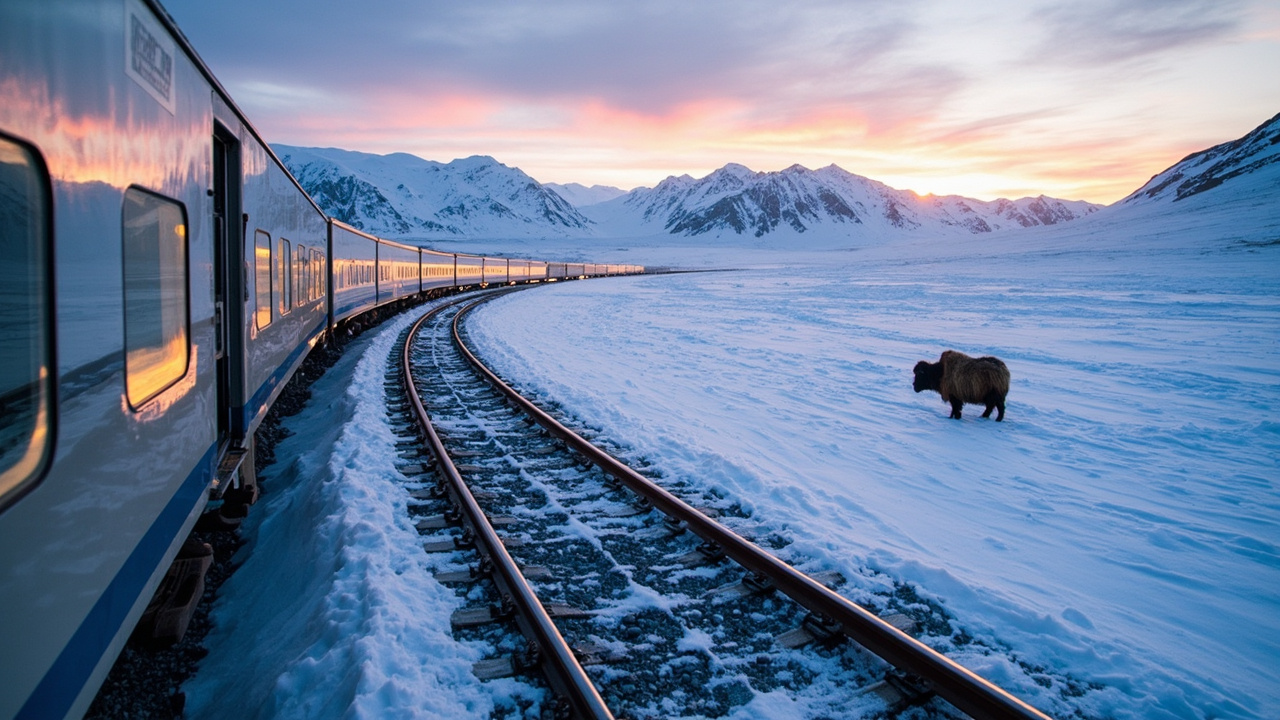
Tibet Train Travel Guide
The first thing I noticed wasn’t the altitude. It was the silence at 5:47 a.m. on the platform at Xining, where a woman in a maroon coat was pouring hot water from a thermos into a steel cup, steam curling up into air so cold it looked solid. I’d been in China for years by then, but I’d never taken the train to Lhasa. Everyone told me the same thing: the scenery would ruin me for every other train ride. They were right, and they were also wrong about the hard part. The hard part wasn’t the view. It was the paperwork.
Here’s what nobody tells you before your first attempt: you cannot simply buy a ticket to Lhasa and show up. Foreign passport holders need a Tibet Travel Permit arranged through a licensed agency, and you’ll need that permit in hand before the railway even lets you board. The train itself is one of the great rail journeys on earth, climbing from Xining over the Tanggula Pass at 5,072 meters, past frozen lakes and nomad tents and yaks that look like dark pebbles scattered across white. But the journey starts weeks earlier, with a scan of your passport and a deposit and a lot of patience.
This guide is for the first-timer who has never set foot in China, who’s maybe nervous about the permit system, who wants to know which train to book, which class to sit in, and whether the oxygen masks really drop from the ceiling (they don’t, but there’s a supply pipe at every berth). I’ll walk you through the routes, the costs, the permits, and the small things I got wrong so you don’t have to.
Quick answer
Foreign tourists cannot buy Tibet train tickets independently. You must book through a licensed Tibet travel agency that arranges your Tibet Travel Permit (typically 15–20 days before departure), and you’ll need both the permit and your passport to board. The most popular route is Xining to Lhasa (about 21 hours, roughly $90–$180 / ¥650–¥1,300 depending on class), and the best months are May, June, September, and early October. You’ll also need a China visa or visa-free entry first — see our China visa and entry guide before you plan anything else.
The Short Version
Book through an agency, not the railway app. Take the Xining–Lhasa train, not the Beijing one, unless you genuinely love 40-hour train rides. Get a soft sleeper if you can afford it. Spend two nights in Xining at altitude before you board. Bring cash, because your Alipay and WeChat Pay setup may not work smoothly in Tibet. And don’t schedule anything strenuous for your first 48 hours in Lhasa. You’ll thank me.
How I Picked These
I’ve ridden the Qinghai–Tibet railway four times since 2019, twice in hard sleeper and twice in soft. I’ve also flown into Lhasa twice, which is how I learned that the train is genuinely the better acclimatization strategy, not just the more scenic one. For this guide I talked to two Lhasa-based agency operators, a Tibetan guide named Tashi who has escorted foreigners for eleven years, and a Chengdu hostel receptionist who books Tibet trips for backpackers every week. Prices come from 2025–2026 agency quotes and my own receipts. Where I’m unsure, I say so.
Comparison Table
| Rank | Route | Best For | Approx Cost (USD) | Time | When to Go |
|---|---|---|---|---|---|
| 1 | Xining → Lhasa | Most travelers; best acclimatization | $90–$180 (¥650–¥1,300) | ~21 hrs | May–Jun, Sep–Oct |
| 2 | Lhasa → Shigatse | Extending to Everest Base Camp | $25–$45 (¥180–¥330) | ~3 hrs | Apr–Oct |
| 3 | Chengdu → Lhasa | Sichuan scenery, longer ride | $180–$320 (¥1,300–¥2,300) | ~36 hrs | May–Sep |
| 4 | Beijing → Lhasa | If you’re already in Beijing | $250–$450 (¥1,800–¥3,250) | ~40 hrs | Jun–Sep |
| 5 | Shanghai → Lhasa | Long-haul rail enthusiasts | $280–$500 (¥2,000–¥3,600) | ~45 hrs | Jun–Sep |
| 6 | Guangzhou → Lhasa | Southern China departures | $260–$470 (¥1,900–¥3,400) | ~54 hrs | May–Sep |
| 7 | Chongqing → Lhasa | Alternative Sichuan gateway | $170–$300 (¥1,200–¥2,200) | ~35 hrs | May–Sep |
| 8 | Lhasa → Nyingchi | Lower-altitude eastern Tibet | $20–$35 (¥150–¥250) | ~5 hrs | Mar–Apr (peach blossom) |
| 9 | Xining → Golmud (leg) | Budget scenery-only option | $25–$50 (¥180–¥360) | ~8 hrs | Jun–Sep |
| 10 | Lhasa → Xining (return) | Return leg, different light | $90–$180 (¥650–¥1,300) | ~21 hrs | May–Oct |
Xining to Lhasa — The Route Everyone Should Take First
I boarded Z21 at 7:30 p.m. on a Tuesday in late September. The carriage smelled like instant noodles and menthol ointment, which sounds unpleasant and somehow wasn’t. A Tibetan family in the next berth shared dried yak jerky with me before we’d even left Qinghai. By midnight we were climbing, and by 4 a.m. I woke to a full moon over Kekexili, the plateau so bright it looked like snow under floodlights.
This is the route to take. It’s the shortest of the long-haul options at around 21 hours, and more importantly, it climbs gradually. You sleep through the worst of the altitude gain, which is exactly what your body needs.
The train leaves Xining Station daily, usually in the evening. Soft sleeper (four berths, a door that closes) runs about $150–$180 (¥1,100–¥1,300). Hard sleeper (six berths, open compartment) is around $90–$110 (¥650–¥800). Hard seat exists but I would not wish it on anyone for 21 hours at 5,000 meters.
📍 Location: Departs Xining Railway Station, Chengdong District. Arrives Lhasa Railway Station, Doilungdêqên District, about 8 km southwest of central Lhasa. 🎫 Fare: $90–$180 (¥650–¥1,300) one-way, depending on class. 🕒 Departure: Typically one nightly service; check schedules through your agency. 🚆 How to book: Through your licensed Tibet agency only. You cannot book this on Trip.com or the 12306 app as a foreigner without a permit. ⏰ When to visit: May, June, September, early October. July–August is rainy and crowded with domestic tourists. 💡 Insider tips: The oxygen supply pipe at each berth is real — plug in the plastic nozzle if you feel a headache coming on. Bring your own cup for hot water; the dining car sells tea but not vessels. The dining car is cash-only more often than you’d expect. Download offline maps before you leave Xining.
The yak jerky, by the way, was better than anything I ate in Lhasa restaurants.
Lhasa to Shigatse — The Extension Most People Skip
Most travelers treat Lhasa as the finish line. That’s a mistake. The train to Shigatse takes about three hours and costs almost nothing, and it drops you into a completely different Tibet — drier, dustier, more working-town than pilgrimage-site.
I took this leg on a Thursday morning in October. The carriage was half empty, mostly Tibetan traders heading west with cardboard boxes stacked in the aisles. A monk in the seat across from me spent the whole ride scrolling through his phone, which I found oddly comforting.
Shigatse itself is home to Tashilhunpo Monastery, the seat of the Panchen Lama, and it’s the gateway to Everest Base Camp if you’re continuing overland. The train is comfortable, the scenery is subtler than the Xining route but still beautiful, and you get a genuine sense of how vast this region is.
📍 Location: Lhasa Railway Station to Shigatse Railway Station, roughly 250 km west. 🎫 Fare: $25–$45 (¥180–¥330) one-way. 🕒 Departure: Two or three daily services; morning departures are best for light. 🚆 How to get there: Your agency adds this leg to your permit. Same passport-and-permit check at the gate. ⏰ When to visit: April through October. Winter service is reduced. 💡 Insider tips: Sit on the right side heading west for the better mountain views. Bring snacks; the dining car on this route is minimal. Tashilhunpo is a 15-minute walk from the station area but you’ll want a taxi with your guide. Cash is essential here — card readers fail constantly. If you’re continuing to Everest, your permit needs to list the EBC route separately.
I paid 40 yuan for a bowl of thukpa near the station that I’m still thinking about.
Chengdu to Lhasa — For the Scenery Obsessed
Thirty-six hours is a long time on a train. I did this route once, in June, and I’ll be honest: it’s for people who genuinely love trains, not people who want to get to Lhasa efficiently.
That said, the Sichuan approach is spectacular in a different way. You climb out of the red basin, through the green gorges of western Sichuan, and then the landscape flips to plateau in a single afternoon. I watched the transition from a window seat with a cup of jasmine tea and felt like I was watching a documentary about geology.
The train departs Chengdu West Station. Soft sleeper runs $180–$320 (¥1,300–¥2,300). The altitude gain is more abrupt than the Xining route, so plan an extra rest day in Lhasa.
📍 Location: Chengdu West Railway Station, Qingyang District. 🎫 Fare: $180–$320 (¥1,300–¥2,300) one-way. 🕒 Departure: One daily service, usually early evening. 🚆 How to get there: Metro Line 4 to Chengdu West Station, Exit A. The station is large; arrive 90 minutes early. ⏰ When to visit: May through September. Winter departures are limited. 💡 Insider tips: The Sichuan section has better food in the dining car than the Qinghai route — order the mapo tofu. Bring a power strip; outlets are shared and contested. If you’re prone to altitude sickness, this route is harder on you than Xining. English signage at Chengdu West is decent, but station staff rarely speak English. Have your permit printed, not just on your phone.
A retired teacher from Kunming shared her seat with me for six hours and taught me three Tibetan words. I’ve forgotten all of them.
Beijing to Lhasa — Only If You’re Already There
Forty hours. I’ll say it plainly: this route is for people who are already in Beijing and don’t want to fly to Xining first. The scenery is the same as the Xining route once you merge at Golmud, but you spend an extra 19 hours getting there through terrain that is, frankly, less interesting.
The train departs Beijing West Station. Soft sleeper is $250–$450 (¥1,800–¥3,250). You’ll want to bring more food than you think.
📍 Location: Beijing West Railway Station, Fengtai District. 🎫 Fare: $250–$450 (¥1,800–¥3,250) one-way. 🕒 Departure: One daily service, mid-evening. 🚆 How to get there: Metro Line 7 or 9 to Beijing West Station. Exit for the north square. ⏰ When to visit: June through September only; winter service is suspended. 💡 Insider tips: Book a lower berth if you can — climbing to the top bunk at altitude is genuinely exhausting. The Beijing dining car runs out of hot water by hour 30. Bring a VPN if you want to use Google Maps or WhatsApp; see our China SIM and internet guide. The permit check happens at Beijing West before boarding, so arrive three hours early.
I met a German couple on this route who’d booked hard seat by accident. They were not okay by hour 20.
Shanghai to Lhasa — The Long Haul
Forty-five hours. Shanghai to Lhasa is the longest of the standard routes, and I’ve only done it once, in July, and I would not do it again unless someone paid me. The first 24 hours are flat, industrial, and honestly boring.
But there’s a certain romance to it if you’re the type. You cross half of China by rail, watch the landscape change from Yangtze delta to loess plateau to high desert to snow mountain. It’s a geography lesson at 120 km/h.
📍 Location: Shanghai Railway Station, Jing’an District. 🎫 Fare: $280–$500 (¥2,000–¥3,600) one-way. 🕒 Departure: One daily service, afternoon. 🚆 How to get there: Metro Lines 1, 3, or 4 to Shanghai Railway Station. Follow signs for the north square. ⏰ When to visit: June through September. 💡 Insider tips: Bring more entertainment than you think you need. The Shanghai dining car is decent for the first day and grim by the second. Soft sleeper is worth every yuan on this route. If you have the choice, fly to Xining and take the train from there instead — you’ll save 24 hours and see the same best scenery.
A Shanghainese businessman in my carriage spent the entire trip on conference calls. I have no idea how.
Guangzhou to Lhasa — The Southern Route
Fifty-four hours. This is the longest route and the one I know least well. I’ve only done the first leg, Guangzhou to Changsha, before flying onward. But I’ve talked to travelers who’ve done the whole thing, and the consensus is: only if you’re a completist.
📍 Location: Guangzhou Railway Station, Yuexiu District. 🎫 Fare: $260–$470 (¥1,900–¥3,400) one-way. 🕒 Departure: One daily service, morning. 🚆 How to get there: Metro Line 2 or 5 to Guangzhou Railway Station. ⏰ When to visit: May through September. 💡 Insider tips: The southern route crosses more climate zones than any other, so pack layers. Bring your own instant noodles; the dining car on this route is famously inconsistent. Verify your permit lists the correct entry point — Guangzhou departures sometimes have different paperwork requirements.
Chongqing to Lhasa — The Quieter Sichuan Option
Thirty-five hours, roughly the same scenery as the Chengdu route but departing from Chongqing. I took this once because I was already in Chongqing eating hotpot and figured, why not.
It’s a solid alternative if Chengdu tickets are sold out, which happens in peak season. The train leaves Chongqing West Station in the late afternoon.
📍 Location: Chongqing West Railway Station, Shapingba District. 🎫 Fare: $170–$300 (¥1,200–¥2,200) one-way. 🕒 Departure: One daily service, late afternoon. 🚆 How to get there: Metro Line 5 or Loop Line to Chongqing West Station. ⏰ When to visit: May through September. 💡 Insider tips: Chongqing West is enormous and confusing; give yourself two hours. The Sichuan scenery starts about four hours in, so don’t sleep through the first afternoon. Bring a translation app — English is rare on this route.
Lhasa to Nyingchi — The Lower-Altitude Escape
Five hours, and it drops you from 3,650 meters to about 3,000, which your body will thank you for. Nyingchi is greener, wetter, and feels like a different country. If you’re in Tibet in late March or early April, the peach blossoms here are the reason to come.
📍 Location: Lhasa Railway Station to Nyingchi Railway Station, southeastern Tibet. 🎫 Fare: $20–$35 (¥150–¥250) one-way. 🕒 Departure: Two daily services. 🚆 How to get there: Same permit check as every other route. ⏰ When to visit: March–April for blossoms; June–September for green. 💡 Insider tips: This route is a good recovery day if Lhasa altitude is hitting you hard. The scenery is forested and river-heavy, completely unlike the plateau. Bring rain gear.
Lhasa to Xining — The Return Leg
Everyone talks about the outbound train. Almost nobody mentions that the return is just as good, and often better lit. I took the return in October and watched the Tanggula range at golden hour from a soft sleeper window with a cup of tea, and I think it was the single best hour of the whole trip.
📍 Location: Lhasa Railway Station to Xining Railway Station. 🎫 Fare: $90–$180 (¥650–¥1,300) one-way. 🕒 Departure: One nightly service. 🚆 How to get there: Same permit and passport check on departure. ⏰ When to visit: May through October. 💡 Insider tips: Book the left side heading east for the best mountain views. The descent is faster than the climb, so altitude symptoms usually ease. If you’re flying out of Xining, give yourself a full day buffer — delays happen.
FAQ summary
Foreign passport holders must arrange a Tibet Travel Permit through a licensed agency before booking any train to Lhasa; independent booking is not possible. The Xining–Lhasa route is the best choice for most first-timers at roughly 21 hours and $90–$180 (¥650–¥1,300), and it offers the gentlest altitude acclimatization. Best travel months are May, June, September, and early October. You’ll need a valid China visa or visa-free entry, cash on hand, and a working payment app before you go.
FAQ
Q: Can I book a Tibet train ticket myself as a foreigner? A: No. Foreign passport holders must book through a licensed Tibet travel agency, which arranges your Tibet Travel Permit and purchases the ticket on your behalf. You’ll need to send a passport scan and typically a deposit 15–20 days before departure.
Q: How much does the Xining to Lhasa train cost? A: Soft sleeper runs about $150–$180 (¥1,100–¥1,300), and hard sleeper is roughly $90–$110 (¥650–¥800). Prices vary slightly by season and agency markup.
Q: Do I need a visa to take the Tibet train? A: Yes, you need valid entry to China first — either a tourist visa or visa-free entry if your nationality qualifies. Check our visa and entry guide and confirm your eligibility before booking anything.
Q: Is altitude sickness a problem on the train? A: It can be. The train is pressurized and has oxygen supply pipes at each berth, but the Tanggula Pass is over 5,000 meters. Most travelers feel mild headaches or breathlessness. Spend two nights in Xining first and take it easy for your first 48 hours in Lhasa.
Q: What’s the best class to book? A: Soft sleeper, if your budget allows. Four berths per compartment, a door that closes, and better rest. Hard sleeper is fine and much cheaper, but it’s six berths in an open compartment and noisier.
Q: Can I use Alipay or WeChat Pay in Tibet? A: Usually yes in Lhasa and Shigatse, but coverage is spotty on the train and in smaller towns. Carry at least $150 (¥1,000) in cash as backup. Set up your payment apps before you leave your home country.
Q: Do I need a VPN on the train? A: If you want to use Google, WhatsApp, Instagram, or Gmail, yes. Install and test it before you arrive in China — VPN apps are hard to download once you’re inside. See our SIM and internet guide.
The Honest Wrap-up
This guide is for the traveler who wants the train, not just the destination. If you’re short on time, fly into Lhasa and skip the rail entirely — you’ll see the same monasteries with two extra days in your pocket. If you’re the kind of person who books a 21-hour train because the scenery is supposed to be good, this route will exceed whatever you imagined. Book through an agency, get your permit early, take the Xining route, and don’t overplan your first day in Lhasa. The altitude will tell you what to do. Listen to it.
More guides you may like
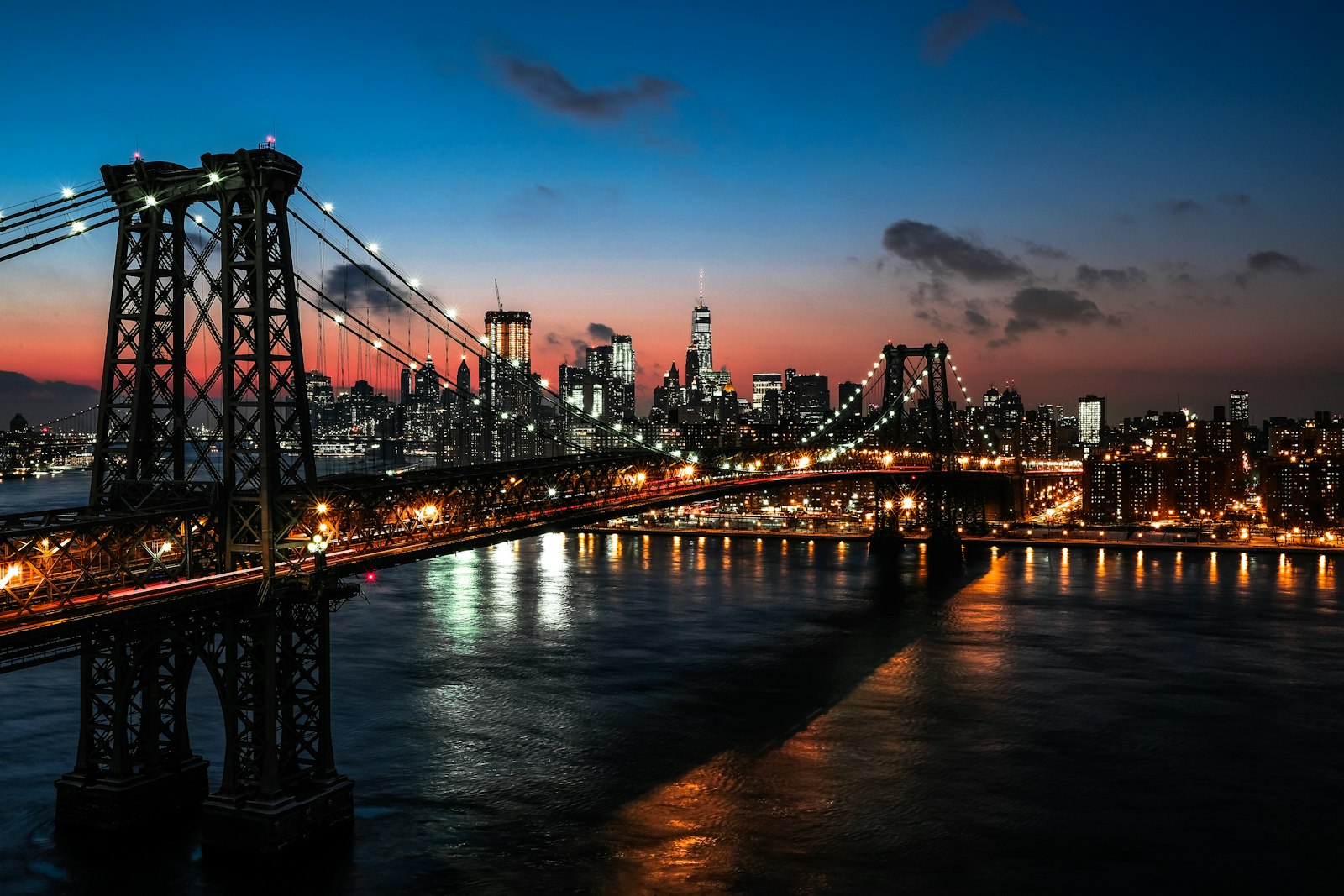
Top 10 Bridges in China
China's bridges are engineering marvels spanning mountains, rivers, and seas. Here are 10 of the most spectacular, from ancient stone to modern steel.
8 min read

Top 10 Buddhist Sites in China
From the Leshan Giant Buddha to the Dunhuang Caves, these 10 Buddhist sites represent 2,000 years of China's spiritual heritage.
9 min read
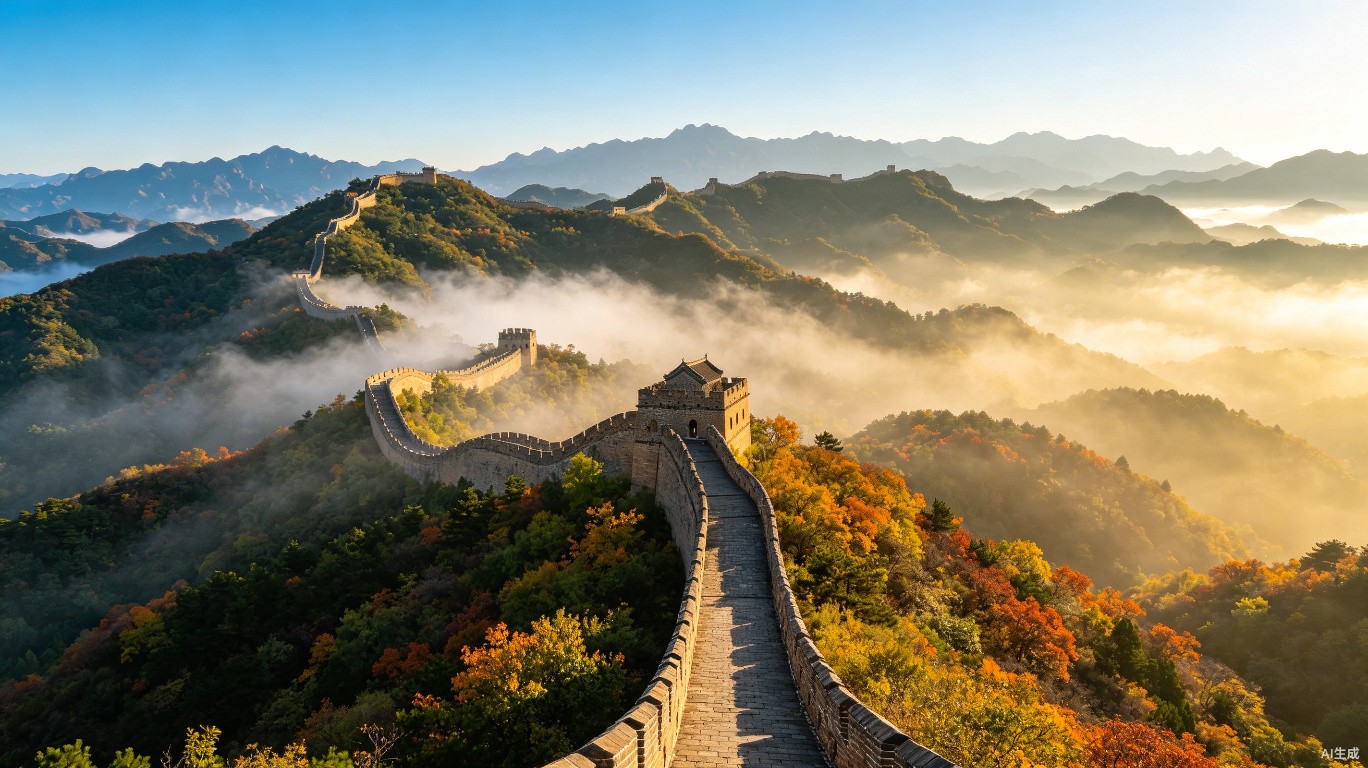
Top 10 Day Trips from Beijing You Shouldn't Miss
Beijing is packed with history, but some of China's best experiences are just a few hours away. Here are 10 day trips that will transform your visit.
9 min read
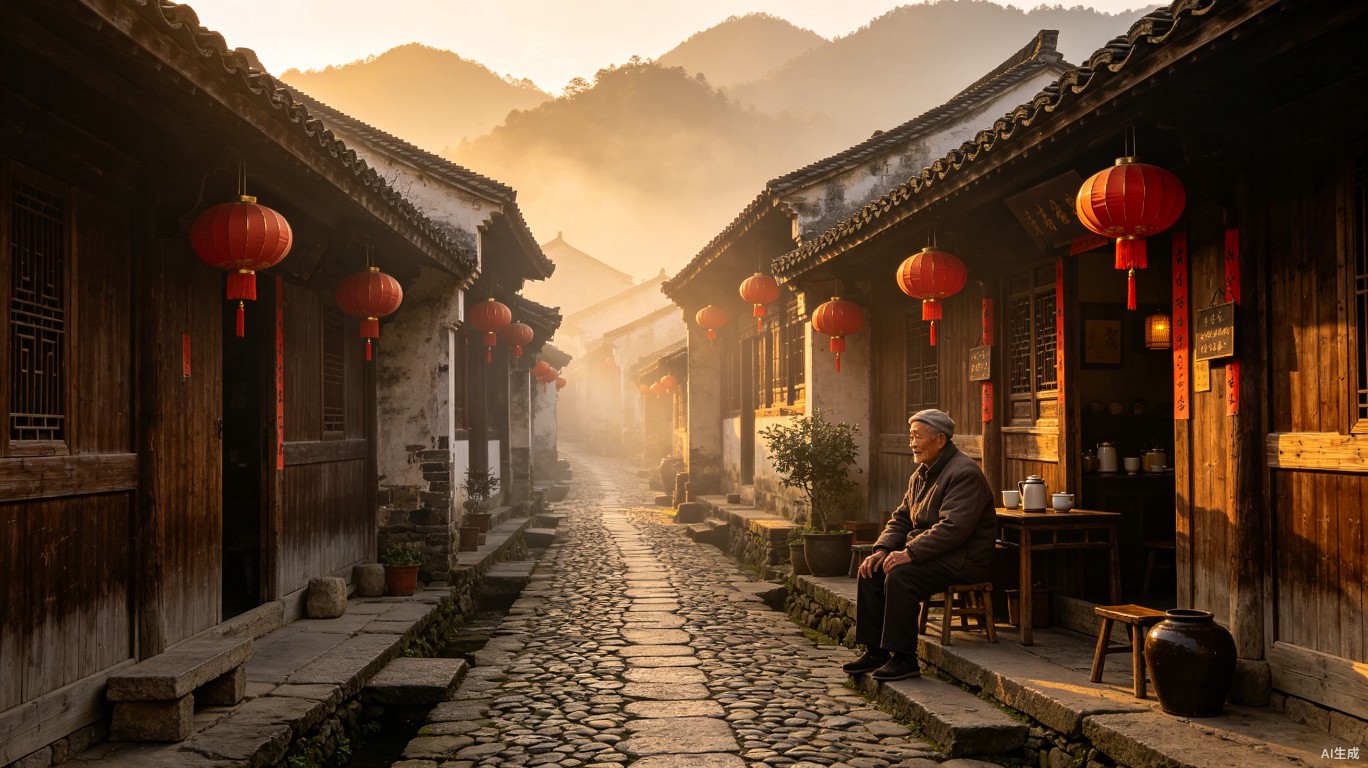
Top 10 Hidden Gems in China Off the Beaten Path
Beyond the Great Wall and Terracotta Warriors, China has incredible hidden destinations few tourists ever reach. Here are 10 underrated gems worth the detour.
9 min read
Top 10 Markets and Shopping Streets in China
From Shanghai's Bund to Beijing's Silk Street - 10 markets where foreigners can haggle, explore, and bring home authentic Chinese goods.
9 min read
Top 10 Museums in China You Shouldn't Miss
China's museums span 5,000 years of civilization. These 10 - from the Palace Museum to Xi'an's terracotta gallery - are unmissable for culture lovers.
9 min read