
China on a Shoestring Budget
TODO: Extract from article (100-160 chars)
China on a Shoestring Budget
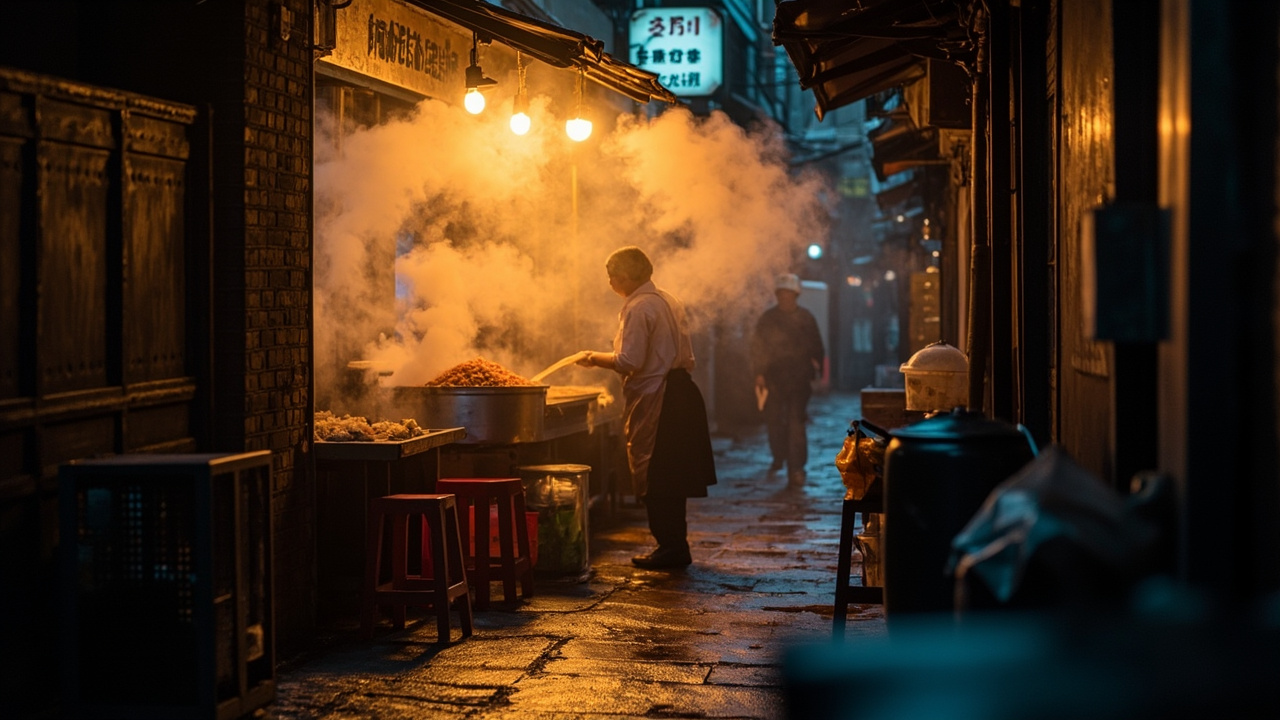
The woman at the Lanzhou noodle stall on the corner of my Beijing hutong charged me 8 yuan for a bowl of beef noodles. I’d been in the city for three days and had already spent more on coffee than on every meal combined. She watched me fumble with WeChat Pay, sighed, and reached over to tap the screen for me. Then she pointed at the chili oil and said something I didn’t understand but definitely meant “put more on.”
That bowl cost me about $1.10. It was better than most $20 noodle plates I’ve had in New York.
I’ve been living in Beijing for seven years and have taken around 40 trips across this country, mostly on a budget that would make my accountant wince. I’ve slept in $9 hostel dorms in Chengdu, eaten my way through Xi’an for under $15 a day, and taken 14-hour hard sleeper trains because the flight was $200 more. China has a reputation for being expensive and complicated. It’s neither, if you know where to look.
This guide is for the first-timer who wants to see the real country without draining their savings. I’ll show you where the money actually goes, which places are worth it, and which ones you can skip without regret.
Quick answer
China is genuinely cheap for foreign tourists in 2026 if you avoid the obvious traps. A comfortable shoestring budget runs $35–55 per day (250–400 CNY), covering hostel dorms, street food, public transit, and one paid attraction. Visa-free entry is available for citizens of 40+ countries (including the US, UK, Australia, and most of the EU) for stays up to 30 days as of 2026. The biggest money-savers are eating where locals eat, using the metro instead of taxis, and booking high-speed rail tickets through the official 12306 app rather than third-party sites.
The Short Version
Skip Shanghai and Beijing’s tourist core if you’re on a tight budget. Go to Chengdu, Xi’an, and Chongqing instead. Street food is $1–3 per dish, hostel beds are $8–15, and the metro costs under 50 cents. Learn WeChat Pay before you land. Take overnight trains to save on accommodation. And eat breakfast at the same stall three days in a row — the owner will start giving you bigger portions.
How I Picked These
I’ve been to every place on this list at least twice, most of them on my own dime, several of them while broke. I’m not ranking based on Instagram appeal or hotel reviews. I’m ranking based on a simple question: can a foreigner with $40 a day actually enjoy this place without feeling like they’re missing out?
I talked to hostel receptionists, noodle shop owners, and other travelers I met on trains. I kept track of what I actually spent. Some of these places I love. One or two I’m recommending with caveats. I’ve noted where I made mistakes so you don’t repeat them.
Comparison Table
| Rank | Place | Best For | Approx Cost (USD/day) | Time Needed | When to Go |
|---|---|---|---|---|---|
| 1 | Chengdu | Food, pandas, laid-back vibe | $30–45 | 3–4 days | Mar–May, Sep–Nov |
| 2 | Xi’an | History, Muslim Quarter food | $30–45 | 2–3 days | Apr–May, Sep–Oct |
| 3 | Chongqing | Cyberpunk cityscapes, hotpot | $30–45 | 2–3 days | Mar–May, Oct–Nov |
| 4 | Guilin/Yangshuo | Karst landscapes, cycling | $35–50 | 3–4 days | Apr–Oct |
| 5 | Beijing (budget version) | Great Wall, hutongs | $45–60 | 4–5 days | Apr–May, Sep–Oct |
| 6 | Zhangjiajie | Avatar mountains, hiking | $35–50 | 3 days | Apr–Jun, Sep–Nov |
| 7 | Dali | Old town, Erhai Lake | $30–45 | 3–4 days | Mar–Jun, Sep–Nov |
| 8 | Qingdao | Beer, beaches, German architecture | $40–55 | 2–3 days | May–Oct |
| 9 | Harbin | Ice festival (winter), Russian influence | $40–60 | 2–3 days | Dec–Feb |
| 10 | Suzhou | Gardens, canals, day trip from Shanghai | $35–50 | 1–2 days | Apr–May, Sep–Oct |
Chengdu — Where I Ate My Best Meal for $2
I was sitting on a plastic stool outside a shop in the Yulin neighborhood when a man next to me pointed at my bowl and laughed. I’d ordered what I thought was mild noodles. It was not mild. He bought me a beer, which cost 5 yuan ($0.70), and we sat there for an hour not understanding each other.
Chengdu is the cheapest major city in China for a foreigner to actually enjoy. The food is world-class and costs almost nothing. A bowl of dan dan noodles is 10–15 yuan ($1.40–2.10). A full hotpot meal for two runs 80–120 yuan ($11–17). The pandas are worth the trip, but honestly, the city itself is the reason to stay.
📷 Location: Yulin and Kuanzhai Alley areas for food; Panda Base is in Chenghua District, about 30 minutes north of downtown.
🎫 Entry fee: Chengdu Research Base of Giant Panda Breeding is 55 yuan ($7.60). Many temples and parks are free or under 10 yuan.
🕒 Opening hours: Panda Base opens 7:30 AM, closes 6 PM (last entry 5 PM). Go at 7:30 AM sharp — the pandas are active and the crowds haven’t arrived.
🚇 How to actually get there: Fly into Tianfu International (TFU) or Shuangliu (CTU). From downtown, take Metro Line 3 to Panda Avenue Station, Exit B, then walk 10 minutes or take the shuttle (2 yuan). For Yulin, Metro Line 3 to Yulin Station.
⏰ When to visit: March–May and September–November. Avoid Chinese New Year (late Jan/Feb) and Golden Week (first week of October) — prices double and everything is packed.
💡 Insider tips: Download the Dianping app for restaurant reviews (it’s in Chinese, but the photos and ratings work). Most small restaurants only accept WeChat Pay or Alipay — set up Alipay or WeChat Pay before you arrive. English is rare outside hotels; a translation app is essential. The tea houses in People’s Park are free to enter — you just pay for tea (20–40 yuan).
I still think about that beer. I never got his name.
Xi’an — The Muslim Quarter Is Worth the Hype
I made a mistake in Xi’an. I ate lunch before going to the Muslim Quarter. Don’t do that. The quarter is a single long street of food stalls, and you need to arrive hungry. I watched a man pull noodles by hand for ten minutes, then bought a bowl for 15 yuan ($2.10). It was the best thing I ate that week.
Xi’an is where Chinese history feels tangible. The Terracotta Warriors are the obvious draw, but the city wall, the Bell Tower, and the winding alleys behind the main drag are what kept me there an extra day. It’s also one of the cheapest cities in China for accommodation — I paid 60 yuan ($8.50) for a dorm bed in a clean hostel near the South Gate.
📷 Location: Muslim Quarter is centered on Beiyuanmen Street, just west of the Bell Tower. The Terracotta Warriors are in Lintong District, 40 km east.
🎫 Entry fee: Terracotta Warriors 120 yuan ($17). City Wall 54 yuan ($7.50). Many temples are free.
🕒 Opening hours: Terracotta Warriors 8:30 AM–6 PM (Mar–Nov), 8:30 AM–5:30 PM (Dec–Feb). Muslim Quarter is liveliest 5–10 PM.
🚇 How to actually get there: From Xi’an North Railway Station, Metro Line 2 to Yongningmen Station for the South Gate. For the warriors, take Metro Line 9 to Huaqingchi Station, then bus 613. Or join a shared minibus from the train station for 30 yuan round trip.
⏰ When to visit: April–May and September–October. Summer is brutally hot. Winter is cold but the crowds vanish.
💡 Insider tips: Buy your Terracotta Warriors ticket online the day before — the queue for same-day tickets is long. The city wall is best cycled (45 yuan for 2 hours) rather than walked. Skip the Tang Dynasty show unless you love theatrical performances. The best noodles are in the alleys off the main Muslim Quarter street, not on it.
I paid 80 yuan for a “traditional” tea ceremony I didn’t want. Don’t do that.
Chongqing — The City That Feels Like a Video Game
Nothing prepared me for Chongqing. I stepped out of the metro at Liziba Station and watched a train pass through the eighth floor of an apartment building. Then I looked down and realized I was on the 12th floor of a different building. The city doesn’t make sense, and that’s the point.
Chongqing is the cheapest big city in China for food and transport. A bowl of xiaomian (small noodles) costs 8–12 yuan ($1.10–1.70). The metro is 2–7 yuan depending on distance. Hostels near Jiefangbei run 50–80 yuan ($7–11) per night. The city is built on hills, so you’ll walk a lot, but the views from the Yangtze River cable car (30 yuan, $4.20) are worth it.
📷 Location: Jiefangbei for downtown, Hongya Cave for the famous night view, Ciqikou for the old town.
🎫 Entry fee: Most attractions are free. Hongya Cave is free to enter. Yangtze River Cable Car is 30 yuan one-way.
🕒 Opening hours: Hongya Cave is best after 7 PM when it’s lit up. Ciqikou is open all day but crowded on weekends.
🚇 How to actually get there: Fly into Jiangbei International (CKG). Metro Line 2 to Liziba Station for the train-through-building photo. Line 1 to Xiaoshizi for Hongya Cave.
⏰ When to visit: March–May and October–November. Summer is one of the hottest places in China (40°C+). Winter is gray but cheap.
💡 Insider tips: The best hotpot is in the alleys, not the tourist restaurants. Look for places with plastic stools and no English menu. The city is famously confusing — use Amap (Gaode) for navigation, not Google Maps. Bring cash for small vendors, though most accept WeChat Pay.
I got lost for two hours trying to find my hostel. The receptionist had to come get me.
Guilin and Yangshuo — The Landscape That Made Me Stop Taking Photos
I rented a bike in Yangshuo for 30 yuan ($4.20) and rode out of town without a plan. Twenty minutes later I stopped pedaling because the view was too absurd. Karst mountains rose out of rice paddies like teeth. A water buffalo stood in the middle of the road. An old woman in a conical hat walked past me carrying two baskets of oranges.
Yangshuo is the budget traveler’s base for the Li River landscape. Guilin is the transport hub, but Yangshuo is where you want to sleep. Hostels are 50–90 yuan ($7–13). The Li River cruise from Guilin is 210–270 yuan ($30–38), but you can see the same scenery by taking a local bus to Xingping (20 yuan) and walking along the river for free.
📷 Location: Yangshuo West Street for hostels and food. Xingping for the 20-yuan note view.
🎫 Entry fee: Li River cruise 210–270 yuan. Bamboo raft in Yangshuo 180–250 yuan. Many viewpoints are free.
🕒 Opening hours: Cruises run 9 AM–2 PM. The best light for photos is early morning and late afternoon.
🚇 How to actually get there: Fly into Guilin Liangjiang International (KWL). High-speed rail from Guilin to Yangshuo takes 30 minutes (25 yuan). From Yangshuo Station, take the shuttle bus to West Street (20 yuan).
⏰ When to visit: April–October. May and September are ideal. Avoid the rainy season (June–August) if you want to hike.
💡 Insider tips: Rent an electric scooter instead of a bike if you’re not a confident cyclist — it’s 50 yuan per day. The best rice noodles are at street stalls for 6–8 yuan. Skip the “impression” light show unless you love large-scale performances. Bring mosquito repellent.
I ate three bowls of rice noodles in one day. No regrets.
Beijing on a Budget — It’s Possible, But You Have to Try
Beijing is expensive if you let it be. I’ve watched tourists pay 80 yuan for a coffee near the Forbidden City. But I’ve also eaten lunch for 12 yuan in a hutong and taken the metro across the city for 5 yuan. The trick is staying outside the tourist core and eating where locals eat.
The Great Wall is the one thing you shouldn’t skip. But skip Badaling. Go to Mutianyu instead — it’s 45 yuan ($6.30) for entry, 120 yuan ($17) for the cable car, and the crowds are half the size. Take bus 916 from Dongzhimen to Huairou, then a local minibus to the wall. Total cost: about 60 yuan ($8.50) round trip.
📷 Location: Stay in Dongcheng or Xicheng districts for hutongs. Avoid Sanlitun unless you want to pay Western prices.
🎫 Entry fee: Forbidden City 60 yuan ($8.50). Temple of Heaven 15 yuan ($2.10). Mutianyu Great Wall 45 yuan.
🕒 Opening hours: Forbidden City 8:30 AM–5 PM (closed Mondays). Great Wall 7:30 AM–5:30 PM.
🚇 How to actually get there: Fly into Beijing Capital (PEK) or Daxing (PKX). Metro Line 1 to Tiananmen East for the Forbidden City. Line 2 to Dongzhimen for the Great Wall bus.
⏰ When to visit: April–May and September–October. Avoid winter (cold and gray) and summer (hot and crowded).
💡 Insider tips: Book Forbidden City tickets 7 days in advance on the official WeChat account — they sell out. The Beijing metro is your best friend. Skip the Wangfujing snack street — it’s overpriced and not very good. The hutong breakfast stalls are where it’s at.
I paid 100 yuan for a “traditional” Peking duck lunch near the Forbidden City. It was fine. The 25-yuan duck at the hutong shop was better.
Zhangjiajie — The Mountains That Inspired Avatar
I’m going to be honest: Zhangjiajie is a pain to get to and the weather is unpredictable. But when the clouds lift and you see those sandstone pillars, you forget all of it. I stood on a viewing platform for 40 minutes waiting for the fog to clear. When it did, a Chinese tourist next to me grabbed my arm and pointed. We didn’t need to speak the same language.
The park is huge and the ticket is 228 yuan ($32) for four days. That sounds expensive, but it covers the entire Wulingyuan Scenic Area, including the Avatar Hallelujah Mountain and the world’s tallest outdoor elevator (Bailong Elevator, 72 yuan extra). Hostels in Wulingyuan town are 60–100 yuan ($8.50–14).
📷 Location: Wulingyuan Scenic Area. Stay in Wulingyuan town, not Zhangjiajie city.
🎫 Entry fee: 228 yuan for 4 days. Bailong Elevator 72 yuan. Tianmen Mountain 278 yuan (separate).
🕒 Opening hours: 7 AM–6 PM. Go early to beat the tour groups.
🚇 How to actually get there: Fly into Zhangjiajie Hehua Airport (DYG). Or take high-speed rail from Changsha (2.5 hours, 120 yuan). From the station, bus 5 to Wulingyuan (12 yuan).
⏰ When to visit: April–June and September–November. Avoid July–August (rainy and crowded) and winter (icy paths).
💡 Insider tips: Buy tickets online the day before. The park is confusing — download an offline map. Wear good shoes. The monkeys will steal your food if you’re not careful. Bring a rain jacket.
A monkey took my bag of peanuts. I’m still bitter.
Dali — The Relaxed Version of China
Dali is where I go when I need to stop moving. The old town is small, walkable, and full of cafes run by people who came for a week and stayed for years. The Bai minority culture is visible everywhere — in the architecture, the food, the markets. I rented a bike and rode around Erhai Lake for a day. It cost 30 yuan and was the best day of that trip.
Dali is cheap. Hostels are 40–70 yuan ($5.50–10). A bowl of rice noodles is 10 yuan. The three-course Bai meal at a local restaurant is 40–60 yuan ($5.50–8.50). The old town is free to enter. The only real cost is getting there — fly into Dali Airport (DLU) or take a train from Kunming (2 hours, 145 yuan).
📷 Location: Dali Old Town. The lake is a 20-minute bike ride east.
🎫 Entry fee: Old Town is free. Three Pagodas 75 yuan. Erhai Lake is free to cycle around.
🕒 Opening hours: Old Town is always open. Markets are best in the morning.
🚇 How to actually get there: Fly into Dali Airport or take high-speed rail from Kunming. From the station, bus 8 to the old town (2 yuan).
⏰ When to visit: March–June and September–November. Winter is mild but windy.
💡 Insider tips: Rent an electric scooter if you’re not a cyclist. The Bai markets are cheaper than the tourist shops. The local cheese (rushan) is worth trying. English is more common here than in most Chinese cities.
I stayed for five days instead of two. No regrets.
Qingdao — Beer, Beaches, and German Architecture
Qingdao is the most underrated city on this list. It’s a coastal city with German colonial architecture, a famous beer festival, and beaches that are actually nice. I went in September, when the crowds were gone and the weather was perfect. A pint of Tsingtao at the brewery was 15 yuan ($2.10). A seafood dinner on the street was 60 yuan ($8.50).
The city is walkable and the metro is cheap. Hostels near the Old Town are 60–90 yuan ($8.50–13). The beer museum is 60 yuan ($8.50), but you can drink at the source for less. The beaches are free. The seafood market near Trestle Bridge is where locals go.
📷 Location: Old Town for architecture, Badaguan for beaches, Trestle Bridge for the view.
🎫 Entry fee: Beer Museum 60 yuan. Most beaches free. Trestle Bridge free.
🕒 Opening hours: Beer Museum 8:30 AM–5:30 PM. Beaches open all day.
🚇 How to actually get there: Fly into Qingdao Jiaodong International (TAO). Metro Line 3 to People’s Hall for the Old Town.
⏰ When to visit: May–October. The beer festival is in August but it’s crowded and expensive.
💡 Insider tips: Buy beer from the plastic bag vendors on the street — it’s fresher and cheaper. The seafood market is best in the morning. Skip the expensive German restaurants. The local dumplings are better.
I drank beer from a plastic bag on a beach. It was a good day.
Harbin — The Ice City That Freezes Your Phone
Harbin in January is not for everyone. It was -25°C when I visited. My phone died in 10 minutes. My eyelashes froze. But the Ice and Snow Festival is unlike anything else. The sculptures are the size of buildings. They’re lit up at night in colors that don’t look real.
The festival runs from late December to late February. Tickets are 330 yuan ($47) for the main park. Hostels are 80–120 yuan ($11–17). The city has a Russian influence — the Saint Sophia Cathedral is worth a visit (free outside, 20 yuan inside). The food is hearty: stews, dumplings, and hot pot.
📷 Location: Ice and Snow World is on the north bank of the Songhua River. Central Street is the main pedestrian drag.
🎫 Entry fee: Ice and Snow World 330 yuan. Saint Sophia Cathedral free outside, 20 yuan inside.
🕒 Opening hours: Ice and Snow World 11 AM–9:30 PM. Best after 4 PM when it’s lit up.
🚇 How to actually get there: Fly into Harbin Taiping International (HRB). Metro Line 2 to Ice and Snow World Station.
⏰ When to visit: Late December–February. January is the coldest but the festival is at its peak.
💡 Insider tips: Wear more layers than you think you need. Hand warmers are essential. Your phone will die — keep it in an inside pocket. The local hot pot is better than the tourist restaurants. Bring a thermos.
I met a couple from Guangzhou who had never seen snow before. They were crying. Happy crying.
Suzhou — The Garden City That’s a Day Trip from Shanghai
Suzhou is what people imagine when they think of “classical China.” Canals, stone bridges, gardens, and a pace that’s slower than Shanghai’s. It’s 30 minutes from Shanghai by high-speed rail (40 yuan, $5.50), which makes it an easy day trip. But I’d recommend staying a night — the gardens are best in the early morning before the tour groups arrive.
The Humble Administrator’s Garden is the most famous (80 yuan, $11). The Master of the Nets Garden is smaller and quieter (40 yuan, $5.50). The canals are free to walk. Hostels are 60–100 yuan ($8.50–14). The local noodles are 15–20 yuan.
📷 Location: Old Town for gardens and canals. Pingjiang Road for the classic canal view.
🎫 Entry fee: Humble Administrator’s Garden 80 yuan. Master of the Nets 40 yuan. Many smaller gardens are free.
🕒 Opening hours: Gardens 7:30 AM–5:30 PM. Best at opening time.
🚇 How to actually get there: High-speed rail from Shanghai Hongqiao to Suzhou (30 minutes, 40 yuan). Metro Line 4 to Beisita for the gardens.
⏰ When to visit: April–May and September–October. Avoid weekends if you can.
💡 Insider tips: Buy garden tickets online the day before. The canals are best at dusk. Skip the silk factory tours unless you want to buy something. The local mooncakes are worth trying.
I got lost in the canals and ended up at a tea house where an old man taught me how to drink tea properly. I still don’t know if I did it right.
FAQ summary
The most important things to know for a budget trip to China in 2026: visa-free entry is available for 30 days for citizens of 40+ countries including the US, UK, and most of the EU. A comfortable shoestring budget is $35–55 per day, covering hostel dorms, street food, public transit, and one paid attraction. Set up Alipay or WeChat Pay before you arrive — most vendors no longer accept cash. Book high-speed rail tickets through the official 12306 app, not third-party sites. The cheapest and most rewarding cities are Chengdu, Xi’an, and Chongqing.
FAQ
Q: Do I need a visa to visit China in 2026? A: Most likely not. As of 2026, citizens of 40+ countries including the US, UK, Australia, Canada, and most of the EU can enter China visa-free for up to 30 days. Check the latest list on the official China visa-free transit page before booking. If your country isn’t on the list, a standard tourist visa costs around $140.
Q: How much money do I need per day in China? A: A comfortable shoestring budget is $35–55 per day (250–400 CNY). That covers a hostel dorm ($8–15), three street meals ($5–10 total), metro and bus fares ($2–3), and one paid attraction ($5–15). You can go lower if you eat exclusively at street stalls and skip paid attractions.
Q: Is it safe to travel in China as a foreigner? A: Yes. Violent crime is rare. The main risks are petty theft in tourist areas and scams (fake tea ceremonies, overpriced taxis). Use the official taxi app (Didi) or metro. Keep your passport with you — you’ll need it for hotel check-in and train tickets.
Q: Do I need a VPN in China? A: Yes, if you want to use Google, Instagram, WhatsApp, or most Western apps. Download and set up your VPN before you arrive — they’re hard to install once you’re in China. Also download a translation app (Pleco or Baidu Translate) and an offline map (Amap).
Q: How do I pay for things in China? A: Set up Alipay or WeChat Pay before you arrive. Both accept foreign credit cards. Most vendors — even street stalls — no longer accept cash. You’ll need a Chinese SIM card or eSIM to use them.
Q: What’s the best way to get around China on a budget? A: High-speed rail for long distances, metro for cities, and overnight trains to save on accommodation. Book rail tickets through the official 12306 app. A 5-hour high-speed train from Xi’an to Chengdu costs about 263 yuan ($37). An overnight hard sleeper is 158 yuan ($22) and saves a night’s hostel cost.
Q: Is English widely spoken in China? A: Not really. Outside of hotels and major tourist sites, English is rare. Download a translation app before you arrive. Learn a few basic phrases — “hello” (nǐ hǎo), “thank you” (xiè xiè), and “how much” (duō shǎo qián). Locals are patient and often helpful.
The Honest Wrap-up
This list is for the traveler who wants to see China without spending like a tourist. It’s not for people who need five-star hotels, English menus, and guided tours. If that’s you, this guide will frustrate you.
But if you’re willing to eat at plastic stools, take the metro, and get lost occasionally, China will reward you. I’ve been here seven years and I’m still finding $2 meals that beat anything I’ve had at home.
One last piece of advice: book the flight. Don’t overplan. The best parts of my trips here were the accidents — the wrong train, the random tea house, the stranger who bought me a beer. China is not a place you figure out before you arrive. It’s a place you figure out by showing up.
More guides you may like
Top 10 Bridges in China
China's bridges are engineering marvels spanning mountains, rivers, and seas. Here are 10 of the most spectacular, from ancient stone to modern steel.
8 min read

Top 10 Buddhist Sites in China
From the Leshan Giant Buddha to the Dunhuang Caves, these 10 Buddhist sites represent 2,000 years of China's spiritual heritage.
9 min read

Top 10 Day Trips from Beijing You Shouldn't Miss
Beijing is packed with history, but some of China's best experiences are just a few hours away. Here are 10 day trips that will transform your visit.
9 min read
Top 10 Hidden Gems in China Off the Beaten Path
Beyond the Great Wall and Terracotta Warriors, China has incredible hidden destinations few tourists ever reach. Here are 10 underrated gems worth the detour.
9 min read
Top 10 Markets and Shopping Streets in China
From Shanghai's Bund to Beijing's Silk Street - 10 markets where foreigners can haggle, explore, and bring home authentic Chinese goods.
9 min read
Top 10 Museums in China You Shouldn't Miss
China's museums span 5,000 years of civilization. These 10 - from the Palace Museum to Xi'an's terracotta gallery - are unmissable for culture lovers.
9 min read