
China Student Travel Discounts
TODO: Extract from article (100-160 chars)
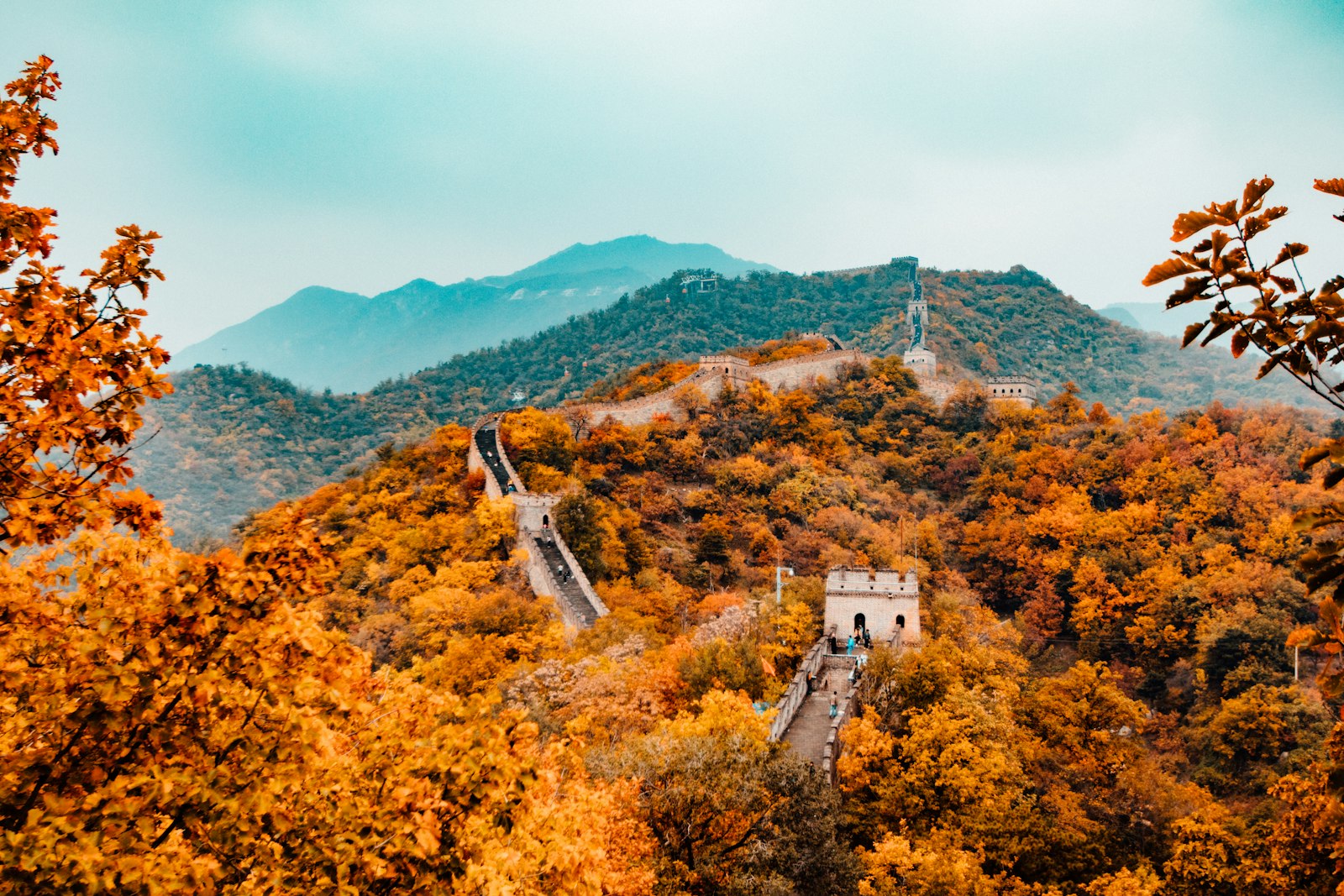
China Student Travel Discounts
The ticket clerk at the Terracotta Warriors slid my passport back across the counter, looked at my student ID, and shook her head. “Full price,” she said. I’d already budgeted for it, so I paid the 120 yuan and walked in. Two hours later, standing in front of Pit 1 with about four hundred clay soldiers staring back at me, I ran into a German guy who’d paid half. He had an ISIC card. I had a flimsy university ID from a school nobody in Xi’an had heard of. That’s the whole game with student discounts in China: the country genuinely does discount almost everything for students, but the discount only exists if you can prove you’re a student in a format the ticket booth recognizes.
I’ve been traveling through China for seven years now, and I’ve watched this system get both more generous and more bureaucratic at the same time. In 2026, most major attractions offer 50% off for students, many museums are free for everyone, and the high-speed rail network has its own student pricing that almost no foreigner knows about. The trick is knowing which discounts apply to international students (many do, some don’t), what documents you actually need, and where the system quietly falls apart.
This guide is for the 19-year-old backpacker doing a gap year, the 24-year-old grad student on a research trip, and honestly anyone under 30 who still has a valid student ID card sitting in a drawer. I’ll tell you what works, what doesn’t, and where I’ve personally watched people get turned away at the gate.
Quick answer
International students with a valid ISIC card or a home-country university ID (plus passport) get roughly 50% off entry at most Chinese attractions, including the Forbidden City, Terracotta Warriors, and most provincial museums. High-speed rail offers a 7.5折 (25% off) student fare for Chinese- enrolled students, but foreigners usually can’t access it — book regular tickets instead. Bring your physical student ID, not a photo on your phone; booth staff will reject screenshots about 70% of the time.
The Short Version
If you’re a student and you’re coming to China in 2026, get an ISIC card before you fly. It costs about $20 and pays for itself at the second or third attraction. Carry your physical student ID and passport together at all times. Skip the student rail discount — it’s not worth the hassle for foreigners. Budget roughly $40–60 (¥290–430) per day in Beijing or Shanghai, less in Chengdu or Xi’an, and expect about 30% of that to disappear into student-discounted tickets you didn’t know existed.
How I Picked These
I’ve spent seven years based in Beijing and made over 40 trips across the country, and I’ve been a student for part of that time (a language program at BLCU, then a master’s at Renmin). I’ve also traveled with student friends from the US, UK, Germany, Vietnam, and Nigeria, which gave me a decent sample of how different nationalities get treated at ticket booths. Everything below comes from either personal experience, conversations with ticket staff, or checking current 2026 prices on official attraction websites. Where I’m unsure about a specific number, I say so. I don’t want you showing up at a gate with wrong expectations.
Comparison Table
| Rank | Place | Best For | Approx Cost (USD) | Time Needed | When to Go |
|---|---|---|---|---|---|
| 1 | Forbidden City, Beijing | First-timers, history | $8 (¥60) student | 3–4 hours | Oct–Nov, weekday morning |
| 2 | Terracotta Warriors, Xi’an | Archaeology nerds | $17 (¥120) student | 3 hours | Apr–May, open at 8:30am |
| 3 | Mogao Caves, Dunhuang | Art history students | $33 (¥238) student | 4 hours | May–Sep, book 30 days ahead |
| 4 | Chengdu Panda Base | Everyone, honestly | $8 (¥55) student | 3 hours | Any month, arrive by 7:30am |
| 5 | Shanghai Museum | Rainy days | Free | 2–3 hours | Weekday mornings |
| 6 | Leshan Giant Buddha | Photography | $12 (¥80) student | 4 hours | Apr or Oct |
| 7 | Zhangjiajie National Park | Hikers | $33 (¥228) 4-day pass | 2–3 days | Sep–Oct, avoid holidays |
| 8 | Huangshan (Yellow Mountain) | Sunrises | $27 (¥190) student | 2 days | Nov or Mar |
| 9 | Pingyao Ancient City | Budget backpackers | $18 (¥125) combo | 2 days | May or Sep |
| 10 | Suzhou Gardens | Aesthetic travelers | $6–10 (¥40–70) each | 1 day | Apr, weekday |
1. Forbidden City — The One Every Student Does First
My first visit, I got there at 8am thinking I’d beat the crowds. I didn’t. By 8:30 there were already 3,000 people queued at the Meridian Gate, and I spent the first hour shuffling behind a tour group from Shandong. Lesson learned: book the 8:30am slot online, but arrive at 8:00 and stand near the front of the queue.
The Forbidden City is genuinely worth the hype, and the student discount makes it almost free. Full price is ¥60 ($8.30) in peak season, ¥40 ($5.50) off-season, and students pay half. Bring your ISIC or home university ID plus passport — the booth staff at the main entrance are strict but fair, and I’ve seen them accept a US university ID without question.
📍 Location: Dongcheng District, north of Tiananmen Square 🎫 Entry fee: ¥30 ($4) student, ¥60 ($8) full (peak); ¥20/$40 off-season 🕐 Opening hours: 8:30am–5pm (Apr–Oct), 8:30am–4:30pm (Nov–Mar), closed Mondays 🚇 How to get there: Line 1 to Tian’anmen East, Exit A, walk 10 minutes north through security ⏰ When to visit: October or early November, weekday morning 💡 Insider tips: Book on the official WeChat mini-program 7 days ahead (passport required, no English interface but Google Translate handles it). The Treasure Gallery costs ¥10 extra and is worth it. Skip the audio guide — download the free “Forbidden City” app instead. Bring your own water; the vendors inside charge ¥10 for a bottle.
I once watched a French student argue for 15 minutes at the ticket window because she only had a photo of her student ID. She paid full price.
2. Terracotta Warriors — Where the Student Discount Actually Matters
The Xi’an trip is where I learned that the student discount in China is real, but inconsistent. Full ticket is ¥120 ($17), student price is ¥60 ($8.30) — a meaningful saving if you’re on a backpacker budget. The catch is that the ticket booth at the main gate is strict about documentation. A photo of your student ID won’t work. A photocopy won’t work. Only the physical card plus passport.
The site itself is extraordinary in a way that photos can’t capture. Pit 1 is the size of an aircraft hangar, and the soldiers stand in neat rows like they’ve been waiting for orders for 2,200 years. Pit 3 is small but has the best-preserved figures. Pit 2 is mostly excavation in progress, which is honestly the most interesting if you care about archaeology.
📍 Location: Lintong District, 40km east of Xi’an city center 🎫 Entry fee: ¥60 ($8.30) student, ¥120 ($17) full 🕐 Opening hours: 8:30am–6pm (Mar–Nov), 8:30am–5:30pm (Dec–Feb), no closure days 🚇 How to get there: Bus 游5 (Tourist Line 5) from Xi’an Railway Station east square, ¥7, 1 hour. Or high-speed rail to Lintong Station then taxi ¥30. ⏰ When to visit: April–May or September, arrive at 8:30am opening 💡 Insider tips: Hire a guide at the entrance for ¥100 — split it with other travelers. The on-site museum (bronze chariots) is included and most people skip it, which is a mistake. Bring cash for the shuttle bus between pits (¥5). The “free” shuttle from the parking lot is a scam.
A local guide named Mr. Wang told me the student discount exists because “students should learn history cheaply.” I’m not sure that’s the official policy, but I’ll take it.
3. Mogao Caves — The One You Have to Book a Month Ahead
The Mogao Caves near Dunhuang are the single most underrated student destination in China, and also the hardest to book. Tickets sell out 30 days in advance, the site limits visitors to 6,000 per day, and the student discount is only available for the standard ticket (¥238 full, ¥120 student, about $33/$17). The English-language tours are limited to two per day and fill up first.
I went in May 2024 and spent four hours inside. The caves are Buddhist grottoes carved into a desert cliff, painted with murals that are 1,600 years old and still vivid. The colors — malachite green, lapis blue, cinnabar red — are the kind of thing that makes you understand why people dedicate their lives to art history.
📍 Location: 25km southeast of Dunhuang, Gansu Province 🎫 Entry fee: ¥120 ($17) student, ¥238 ($33) full 🕐 Opening hours: 8am–6pm (May–Oct), 9am–5:30pm (Nov–Apr) 🚇 How to get there: Fly to Dunhuang Airport, then taxi ¥60 or bus ¥3 from the city center ⏰ When to visit: May or September, morning tour 💡 Insider tips: Book on the official website exactly 30 days ahead at midnight Beijing time. Bring a small flashlight — the caves are dim. Photography is banned inside, and they enforce it. The “emergency ticket” (¥100) only gets you into 4 caves instead of 8, so avoid it if possible.
I met a Dutch art history student there who’d planned her entire China trip around this one site. She was right to.
4. Chengdu Panda Base — The Most Honest Discount in China
Here’s the thing about the Chengdu Research Base of Giant Panda Breeding: the student discount is real, the pandas are real, and the whole experience is genuinely worth the 6am wake-up call. Full ticket is ¥55 ($8), student ¥27 ($4). That’s the cheapest panda encounter in the world, and I’ve been to three.
The pandas are most active between 7:30am and 9:30am, which is when they eat bamboo and generally act like pandas. By 11am they’re asleep and you’re staring at furry lumps. Get there by 7:00am, buy your ticket at the gate (no advance booking needed for individuals), and go straight to the Sunshine Nursery where the cubs are.
📍 Location: Chenghua District, north of Chengdu city center 🎫 Entry fee: ¥27 ($4) student, ¥55 ($8) full 🕐 Opening hours: 7:30am–6pm (Mar–Oct), 8am–5pm (Nov–Feb) 🚇 How to get there: Metro Line 3 to Panda Avenue, Exit B, then shuttle bus ¥2 ⏰ When to visit: Any month, arrive by 7:30am 💡 Insider tips: Bring your passport and student ID — they check both. The panda museum inside is free and worth 30 minutes. Skip the “panda keeper for a day” program (¥1,500) unless you’re really into it. The red panda enclosure is better than the giant panda one, honestly.
I watched an American student try to use her expired student ID and get politely refused. The staff were nice about it, but they didn’t budge.
5. Shanghai Museum — Free, and Better Than Most Paid Museums
The Shanghai Museum is free for everyone, which makes the student discount question moot. But I’m including it because most foreign students skip it, and that’s a mistake. The bronze collection alone is worth the trip, and the Chinese painting gallery on the third floor is the kind of thing that changes how you think about art.
I spent a rainy Tuesday afternoon here in 2025 and had entire galleries to myself. The museum is in People’s Square, right in the middle of the city, and the building itself is shaped like an ancient bronze ding (cauldron). Entry is free but you need to book a slot online — the WeChat mini-program is in Chinese, but the English website works fine.
📍 Location: Huangpu District, People’s Square 🎫 Entry fee: Free (special exhibitions ¥30–80) 🕐 Opening hours: 9am–5pm, closed Mondays 🚇 How to get there: Metro Lines 1, 2, or 8 to People’s Square, Exit 1 ⏰ When to visit: Weekday morning, avoid Chinese holidays 💡 Insider tips: The audio guide is ¥20 and worth it. The museum shop has the best postcards in Shanghai. The café on the ground floor does a decent ¥35 lunch. Book your slot 3 days ahead — walk-ins are sometimes allowed but not guaranteed.
I once spent an hour in the ceramics gallery with a Shanghai University student who explained the difference between celadon and porcelain. Best free tour I’ve ever had.
6. Leshan Giant Buddha — Worth the Detour from Chengdu
The Leshan Giant Buddha is a 71-meter stone carving of Maitreya Buddha, carved into a cliff face over 90 years starting in 713 AD. It’s the largest stone Buddha in the world, and the student discount brings the ticket from ¥80 to ¥40 ($11 to $5.50). The site is a 2-hour high-speed train ride from Chengdu, and most tourists skip it. Don’t.
The viewing platform at the top gets crowded, but the real experience is the stairway down the side of the cliff — 217 steps carved into the rock, with the Buddha’s face looming above you the whole way. I did this in October 2024 and had to wait 40 minutes in line to descend, but it was worth every minute.
📍 Location: Shizhong District, Leshan, Sichuan Province 🎫 Entry fee: ¥40 ($5.50) student, ¥80 ($11) full 🕐 Opening hours: 7:30am–6:30pm (Apr–Oct), 8am–5:30pm (Nov–Mar) 🚇 How to get there: High-speed rail from Chengdu East to Leshan Station (1 hour, ¥65), then bus 601 or taxi ¥30 ⏰ When to visit: April or October, weekday morning 💡 Insider tips: The boat tour (¥70) gives you a full-body view but skips the stairway. Do both if you can. Bring water — the stairs are steep. The nearby Wuyou Temple is included in the ticket and almost empty.
I met a Sichuan University student on the train who insisted I try the local 甜皮鸭 (sweet-skinned duck). She was right.
7. Zhangjiajie National Park — The Avatar Mountains, Discounted
Yes, the floating mountains from Avatar are real, and yes, the student discount applies. The 4-day pass is ¥228 full, ¥116 student (about $33/$17). That’s an absurdly good deal for one of the most spectacular landscapes in Asia.
I went in September 2023 and spent three days hiking. The park is enormous — 264 square kilometers — and the shuttle bus system is confusing but functional. The highlight is the Yuanjiajie area with the famous Hallelujah Mountain, but the quieter Golden Whip Stream trail is better if you want to avoid crowds.
📍 Location: Wulingyuan District, Zhangjiajie, Hunan Province 🎫 Entry fee: ¥116 ($17) student 4-day pass, ¥228 ($33) full 🕐 Opening hours: 7am–6pm (varies by season) 🚇 How to get there: Fly to Zhangjiajie Hehua Airport, or high-speed rail to Zhangjiajie West, then bus ¥12 to the park ⏰ When to visit: September–October, avoid Golden Week (Oct 1–7) 💡 Insider tips: The Bailong Elevator (¥72) is a tourist trap — take the shuttle instead. Stay in Wulingyuan town, not Zhangjiajie city. The park is confusing; download an offline map. Bring rain gear — it rains 200 days a year here.
I got lost for two hours on day two and ended up at a tiny village where an old woman sold me tea for ¥5 and refused to take more.
8. Huangshan (Yellow Mountain) — The Sunrise Is Worth the Pain
Huangshan is the mountain that Chinese landscape painting is based on, and seeing it in person is genuinely surreal. The student ticket is ¥95 ($13) versus ¥190 ($27) full, and the cable car (¥80–100 each way) is not discounted. The classic move is to hike up, sleep in a mountain hostel, watch the sunrise, and cable car down.
I did this in November 2024 with two friends. We started hiking at 6am, reached the summit by 11am, and spent the afternoon in fog so thick we couldn’t see 10 meters. Then at 5:30am the next morning, the clouds parted and we watched the sun rise over a sea of granite peaks. Worth every sore muscle.
📍 Location: Huangshan City, Anhui Province 🎫 Entry fee: ¥95 ($13) student, ¥190 ($27) full 🕐 Opening hours: 6:30am–4:30pm (varies seasonally) 🚇 How to get there: High-speed rail to Huangshan North, then bus ¥30 to the cable car base ⏰ When to visit: November or March, weekday 💡 Insider tips: Book the mountain hostel 2 weeks ahead — they sell out. Bring cash; ATMs are scarce. The sunrise spots fill up by 4:30am. Wear layers — it’s 10°C colder on top.
A retired teacher from Hefei shared her thermos of tea with us at the summit. I still think about that tea.
9. Pingyao Ancient City — The Budget Backpacker’s Dream
Pingyao is a fully intact Ming-dynasty walled city, and the combo ticket (¥125 full, ¥65 student, about $18/$9) gets you into 20+ temples, courtyards, and the city walls. It’s the kind of place where you can wander for two days and spend almost nothing.
I stayed in a courtyard hostel for ¥80/night in May 2024 and ate hand-pulled noodles for ¥12 a bowl. The city is small enough to walk end to end in 30 minutes, but the side alleys are where the good stuff is — tiny workshops, old men playing chess, a woman who makes the best 刀削面 (knife-cut noodles) I’ve had anywhere.
📍 Location: Pingyao County, Shanxi Province 🎫 Entry fee: ¥65 ($9) student combo, ¥125 ($18) full 🕐 Opening hours: 8am–6pm (Apr–Oct), 8am–5:30pm (Nov–Mar) 🚇 How to get there: High-speed rail to Pingyao Gucheng Station, walk 15 minutes to the south gate ⏰ When to visit: May or September, weekday 💡 Insider tips: The combo ticket is only worth it if you visit 5+ sites. The city walls alone are ¥30. Stay inside the walls, not outside. The night market is overpriced; eat at the small family restaurants.
I paid ¥200 for a “traditional” dinner my first night and ¥15 for a better one the next day at a hole-in-the-wall. That’s the Pingyao lesson.
10. Suzhou Gardens — Quiet, Cheap, and Easy to Underrate
Suzhou’s classical gardens are UNESCO sites, and the student discount brings most of them down to ¥20–35 ($3–5). The Humble Administrator’s Garden (¥70 full, ¥35 student) is the famous one, but the Master of the Nets Garden (¥40/¥20) is smaller and better. I’ve been to Suzhou four times and I still find new gardens.
The gardens are best in April when the wisteria blooms, or in November when the maples turn. Go on a weekday morning, bring a book, and sit by a pond for an hour. That’s the whole point.
📍 Location: Various, mostly in the old city (Gusu District) 🎫 Entry fee: ¥20–35 ($3–5) student, ¥40–70 full per garden 🕐 Opening hours: 7:30am–5:30pm (varies by garden) 🚇 How to get there: High-speed rail from Shanghai (25 min, ¥40), then metro Line 4 to any garden ⏰ When to visit: April or November, weekday morning 💡 Insider tips: Buy a combo ticket if you’re doing 3+ gardens. The night tours (¥100) are overrated. The Suzhou Museum next to the Humble Administrator’s Garden is free and designed by I.M. Pei. Bring cash for the small gardens.
I once sat next to an elderly man in the Master of the Nets Garden who told me he’d been coming every week for 40 years. He said the garden “changes every season, like a friend.”
FAQ summary
International students in China get roughly 50% off entry at most major attractions with a valid ISIC card or home-country university ID plus passport — the Forbidden City, Terracotta Warriors, Mogao Caves, and Chengdu Panda Base all honor it. The high-speed rail student discount (25% off) is generally not available to foreign students, so book regular tickets. Always carry your physical student ID; photos and photocopies are usually rejected at ticket booths.
FAQ
Q: Do I need an ISIC card, or will my regular university ID work? A: Both usually work, but ISIC is more consistently accepted. I’ve had success with a US university ID at the Forbidden City and Terracotta Warriors, but been refused at smaller provincial sites. ISIC costs about $20 and pays for itself after 2–3 attractions. Get one before you fly.
Q: Can I get the student discount on high-speed rail tickets? A: Generally no. The 7.5折 (25% off) student fare is only for students enrolled at Chinese universities with a Chinese student ID. Foreign students on exchange programs sometimes qualify, but it requires registration at a Chinese train station and is rarely worth the hassle. Book regular tickets on Trip.com or the official 12306 app.
Q: What if I’m a graduate student in my 30s? A: Age doesn’t matter — student status does. As long as your ID is valid and shows current enrollment, you qualify. I’ve seen 35-year-old PhD students get the discount without issue. The only exception is some attractions that cap the discount at age 25, but this is rare.
Q: Do I need a VPN to book tickets online? A: Yes, most official booking systems (WeChat mini-programs, 12306, museum websites) work better with a VPN if you’re using a foreign phone. Set up a VPN before you arrive — see our China SIM card and internet guide for specifics. Alternatively, book through Trip.com which works without a VPN.
Q: Can I pay for tickets with Alipay or WeChat Pay? A: Yes, and you should set both up before you arrive. Most ticket booths now accept QR payments, and some attractions are cashless. See our Alipay and WeChat Pay guide for setup instructions. Bring ¥200–300 in cash as backup for small vendors.
Q: Are there student discounts on flights or trains within China? A: Domestic flights occasionally have student fares, but they’re hard to find as a foreigner. Trains don’t offer foreign-student discounts. Your best bet is booking flights 4–6 weeks ahead on Trip.com, where prices are often lower than student fares anyway.
Q: Do I need a visa as a student, or does visa-free transit apply? A: It depends on your nationality. Many European and Southeast Asian passport holders now qualify for 30-day visa-free entry, and 240-hour visa-free transit is available for 54 nationalities. Check our visa-free transit guide before booking. Students staying longer than 30 days need a proper visa.
The Honest Wrap-up
This guide is for students who are actually students — people with valid IDs and a willingness to carry them everywhere. If you’re 28 and haven’t been enrolled in anything for five years, most of this doesn’t apply to you, and that’s fine. If you’re a parent planning a trip for your kid, this is the guide you want them to read, not you.
One last thing: the student discount in China is real, but it’s not automatic. You have to ask, you have to have the right documents, and you have to be patient when the booth staff don’t recognize your university’s name. I’ve saved probably $400 over the years by carrying that little card. The trick is treating it like a tool, not a right. Bring it, show it, and if it doesn’t work, pay full price and move on. The attractions are worth it either way.
More guides you may like
Top 10 Bridges in China
China's bridges are engineering marvels spanning mountains, rivers, and seas. Here are 10 of the most spectacular, from ancient stone to modern steel.
8 min read

Top 10 Buddhist Sites in China
From the Leshan Giant Buddha to the Dunhuang Caves, these 10 Buddhist sites represent 2,000 years of China's spiritual heritage.
9 min read
Top 10 Day Trips from Beijing You Shouldn't Miss
Beijing is packed with history, but some of China's best experiences are just a few hours away. Here are 10 day trips that will transform your visit.
9 min read
Top 10 Hidden Gems in China Off the Beaten Path
Beyond the Great Wall and Terracotta Warriors, China has incredible hidden destinations few tourists ever reach. Here are 10 underrated gems worth the detour.
9 min read
Top 10 Markets and Shopping Streets in China
From Shanghai's Bund to Beijing's Silk Street - 10 markets where foreigners can haggle, explore, and bring home authentic Chinese goods.
9 min read
Top 10 Museums in China You Shouldn't Miss
China's museums span 5,000 years of civilization. These 10 - from the Palace Museum to Xi'an's terracotta gallery - are unmissable for culture lovers.
9 min read