
China with Kids Travel Guide
TODO: Extract from article (100-160 chars)
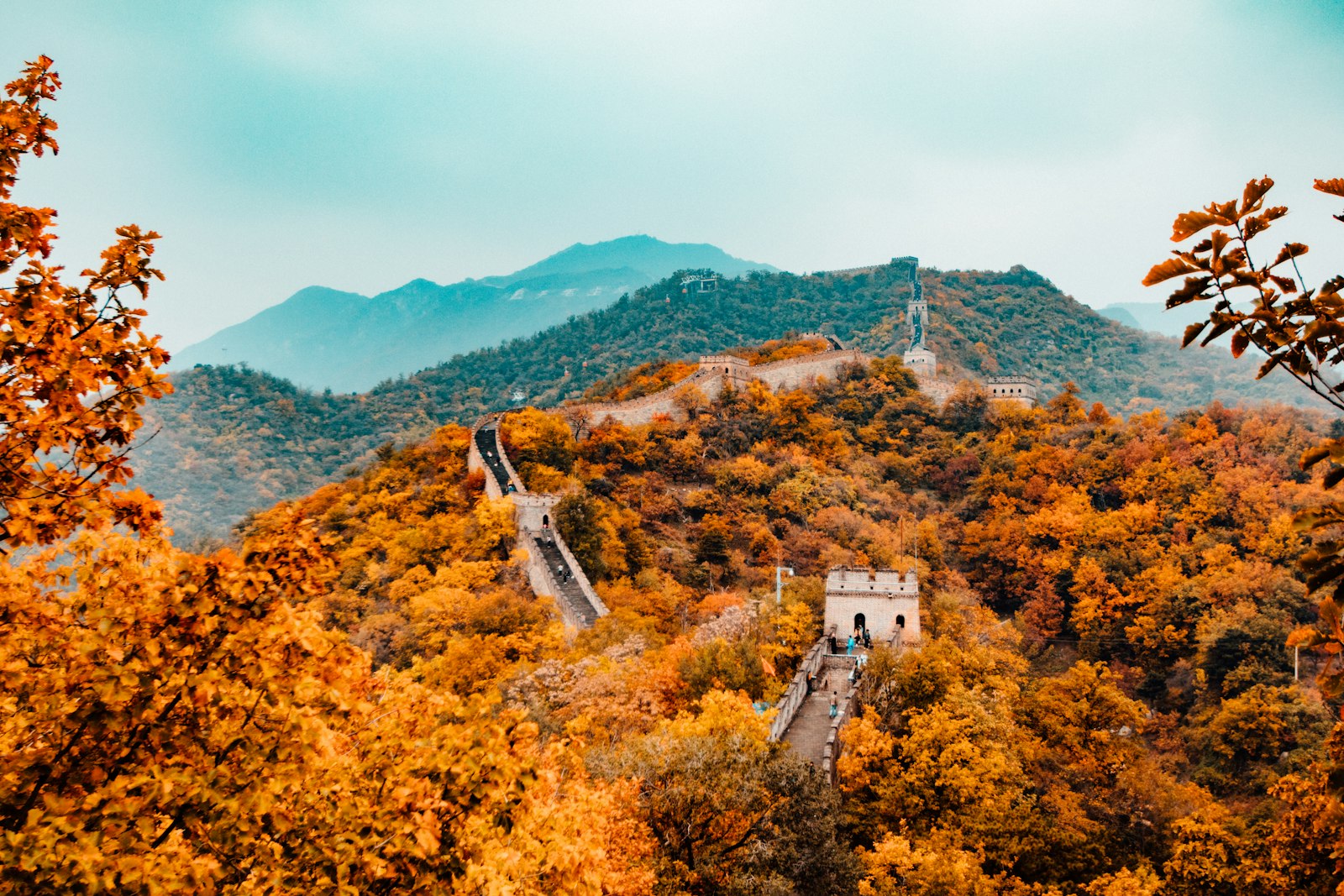
China with Kids Travel Guide
The first thing my daughter said when we stepped off the train in Xi’an was “baba, it smells like noodles.” She was four. She wasn’t wrong — the whole station plaza smelled like beef broth and diesel, and somewhere behind us a man was yelling into his phone while balancing two suitcases on a scooter. That was the moment I stopped worrying about whether China would be “easy” with a kid and started paying attention to how much of it is actually built for families. Stroller ramps at metro exits. Grandmas who will absolutely grab your toddler’s cheek and tell you he’s too thin. Restaurant staff who bring a plastic stool before you even ask. None of it is advertised. All of it exists.
I’ve been living in Beijing for seven years and have dragged my own kids (and several visiting nieces and nephews) through more of this country than is reasonable. This guide is what I’d tell a friend who just booked flights and is now panicking about nap schedules, picky eaters, and whether the Great Wall has railings. Short answer: yes, mostly, and the trip is worth it.
Quick answer
China is genuinely manageable with kids in 2026 — metros are stroller-accessible in major cities, high-speed trains have family seating, and most attractions under 1.2m (about 4 feet) are free for children. Budget roughly $120–200 (¥860–1,440) per day for a family of four including hotels, food, and transport, and plan around spring (April–May) or autumn (September–October) to avoid the brutal summer heat and the October 1 holiday crush. Citizens of 40+ countries (including the US, UK, and most of the EU) can currently enter visa-free for up to 30 days, but check your passport’s status before booking — the rules shift.
The Short Version
Go to Beijing for the Wall and the pandas, Xi’an for the terracotta warriors and the food street, Shanghai for the Disney and the museums, and Chengdu if your kids like animals more than architecture. Skip the 15-city whirlwind. Two or three cities in ten days is the right pace with children under ten. Bring a lightweight stroller, download a translation app, set up Alipay before you fly, and accept that your kid will eat more steamed buns than you expect.
How I Picked These
This isn’t a list scraped from TripAdvisor. Every place here is somewhere I’ve taken my own children or visiting family, usually more than once, and usually in the rain. I’ve cross-checked prices with local friends in each city, confirmed opening hours against official WeChat accounts, and asked hotel staff and taxi drivers what they’d do with a five-year-old on a Tuesday. I’ve also made plenty of mistakes — missed the last cable car at Mutianyu, paid triple for a “private” tour that was just a guy with a van — and those mistakes are in here too, because they’re more useful than the highlights.
Comparison Table
| Rank | Place | Best For | Approx Cost (USD, family of 4/day) | Time Needed | When to Go |
|---|---|---|---|---|---|
| 1 | Beijing | Great Wall, Forbidden City, pandas | $180–260 | 4–5 days | Apr–May, Sep–Oct |
| 2 | Xi’an | Terracotta Warriors, Muslim Quarter food | $120–180 | 2–3 days | Apr–May, Sep–Oct |
| 3 | Shanghai | Disneyland, museums, easy English | $220–320 | 3–4 days | Mar–May, Oct–Nov |
| 4 | Chengdu | Giant pandas, Sichuan food, chill pace | $110–170 | 3 days | Mar–Apr, Sep–Nov |
| 5 | Guilin/Yangshuo | Karst scenery, bike rides, river cruises | $130–200 | 3–4 days | Apr–May, Sep–Oct |
| 6 | Hangzhou | West Lake, tea fields, easy day trip | $140–200 | 2 days | Mar–May, Oct–Nov |
| 7 | Sanya | Beach, resorts, zero culture stress | $200–350 | 4–5 days | Nov–Mar |
| 8 | Suzhou | Gardens, canals, silk workshops | $130–190 | 2 days | Apr–May, Oct |
| 9 | Harbin | Ice Festival (winter only) | $150–220 | 2–3 days | Jan–Feb |
| 10 | Zhangjiajie | Avatar mountains, glass bridge | $140–210 | 3 days | Apr–May, Sep–Oct |
Beijing — the city that wears you out and then wins you over
I took my son to the Forbidden City on a Tuesday in October and he spent the first hour complaining about his shoes. Then we hit the imperial garden at the north end, he saw the cypress trees, and he went completely quiet. That’s Beijing in a nutshell: exhausting, then suddenly worth it.
The city is the obvious first stop for a reason. The Great Wall at Mutianyu has a cable car and a toboggan run down — my kids still talk about the toboggan more than the Wall itself. The Forbidden City is huge, so pick two courtyards and leave. The Beijing Zoo pandas are a solid half-day, though the Chengdu ones are happier. What makes Beijing special for families is the infrastructure: the metro is clean, cheap ($0.40–1.40 / ¥3–10 per ride), and every station has elevators if you know which exit to use.
📍 Location: Dongcheng and Xicheng districts for most sights; Mutianyu is 90 minutes northeast by car. 🎫 Entry fee: Forbidden City $8.50 (¥60) adults, free under 1.2m; Mutianyu Wall $6 (¥45) plus $17 (¥120) cable car round-trip. 🕒 Opening hours: Forbidden City 8:30am–5pm (closed Mondays); Mutianyu 7:30am–5:30pm. 🚕 How to actually get there: For the Forbidden City, take Metro Line 1 to Tian’anmen East, Exit A, walk north 5 minutes. For Mutianyu, book a private car ($70–100 round-trip) — the public bus from Dongzhimen is cheap but slow with kids. ⏰ When to visit: April–May or September–October. Go to the Wall on a weekday, arrive by 8am. 💡 Insider tips: Book Forbidden City tickets on the official WeChat mini-program 7 days ahead — they sell out. Bring your passport everywhere; it’s your ticket. The Starbucks inside the Forbidden City is real and has clean bathrooms. Skip the rickshaw tours in the hutongs unless you enjoy being upsold. We met a taxi driver named Mr. Liu who drove us to Mutianyu and waited four hours without being asked, then refused a tip.
Xi’an — the noodle city that punches above its weight
Xi’an was supposed to be a two-day stop on our way west. We stayed four. The Terracotta Warriors are the headline, but the Muslim Quarter at night is what my kids remember — the smoke, the lamb skewers, the guy pulling noodles so thin you can see through them.
The Warriors themselves are genuinely impressive even for a seven-year-old, especially Pit 1, which is the size of an airplane hangar. The trick is to go early, before the tour buses. The city wall is another winner: you can rent a tandem bike and ride the full 14km loop, which takes about 90 minutes and is flat the whole way. Xi’an is also where my picky eater finally ate something new — a bowl of biangbiang noodles the size of her head.
📍 Location: Lintong district for the Warriors (40 min east of the city); Beilin district for the wall and Muslim Quarter. 🎫 Entry fee: Warriors $17 (¥120) adults, free under 1.4m; city wall $7.50 (¥54) plus $6 (¥45) bike rental. 🕒 Opening hours: Warriors 8:30am–6pm (Mar–Nov), 8:30am–5:30pm (Dec–Feb). 🚕 How to actually get there: Take Metro Line 9 to Huaqingchi, then bus 613 to the Warriors — or just take a Didi ($15–20). For the wall, Metro Line 2 to Yongningmen, Exit D. ⏰ When to visit: April–May or September–October. The Muslim Quarter is best after 7pm. 💡 Insider tips: Hire a guide at the Warriors for $30 — without one, it’s just a big pit. The Muslim Quarter’s main drag is touristy; walk one block north for the real food. Bring wet wipes, the skewers are messy. The “Tang Dynasty show” is skippable unless your kids love costumes. A vendor named Aisha sold us pomegranate juice and gave my daughter a free refill because “she has good eyes.”
Shanghai — the easy mode of China
Shanghai is where I take people who are nervous about China. It’s clean, English signage is everywhere, the metro is a dream, and Disneyland is genuinely world-class. My nephew, who hates walking, did 20,000 steps here without complaining once.
Disneyland is the obvious draw, and it’s worth two days if your kids are under 12. But the city itself has plenty: the Shanghai Museum has a great children’s wing, the Bund is a nice evening walk, and the Shanghai Natural History Museum is one of the best in Asia. The French Concession is where you go when you need a coffee and a playground. What makes Shanghai special is that it lets you ease into China without the culture shock — you can have a full day where nobody speaks Mandarin to you and everything still works.
📍 Location: Pudong for Disneyland and the skyline; Huangpu for the Bund; Xuhui for the French Concession. 🎫 Entry fee: Disneyland $65–95 (¥475–690) depending on date; Shanghai Museum free; Natural History Museum $4.50 (¥30). 🕒 Opening hours: Disneyland 8:30am–8:30pm (varies); museums 9am–5pm, closed Mondays. 🚕 How to actually get there: Metro Line 11 to Disney Resort station for Disneyland. For the Bund, Line 2 or 10 to East Nanjing Road, Exit 2. ⏰ When to visit: March–May or October–November. Avoid July–August (heat + crowds) and Chinese New Year week. 💡 Insider tips: Buy Disney tickets through the official app, not third parties. The “Premier Access” pass is worth it on weekends. The Bund is best at 6am if you want photos without 10,000 people. Set up WeChat Pay before you arrive — many small shops don’t take cash. A hostel receptionist named Lily drew us a hand map to a dumpling place that wasn’t on any app, and it was the best meal of the trip.
Chengdu — the panda city that runs on tea and chili
Chengdu is the only Chinese city where I’ve seen my kids genuinely relax. The pace is slower, the food is spicier, and the pandas are worth the entire trip. We went to the Chengdu Research Base of Giant Panda Breeding at 7:30am and watched cubs tumble around for two hours. My daughter cried when we left.
Beyond pandas, Chengdu is a city of teahouses and parks. The People’s Park is where locals go to drink tea, get their ears cleaned (yes, really), and let their kids run wild. Jinli Street is touristy but fun at night. The Sichuan opera face-changing show is a hit with kids of all ages. What makes Chengdu special is that it doesn’t try to impress you — it just lets you sit down, drink tea, and eat until you can’t move.
📍 Location: Chenghua district for the panda base; Qingyang for People’s Park and Jinli. 🎫 Entry fee: Panda base $8 (¥55) adults, free under 1.3m; People’s Park free; Sichuan opera $20–40 (¥140–280). 🕒 Opening hours: Panda base 7:30am–6pm; best before 9am when pandas are active. 🚕 How to actually get there: Metro Line 3 to Panda Avenue, then shuttle bus. For People’s Park, Line 2 to People’s Park station, Exit B. ⏰ When to visit: March–April or September–November. Pandas are most active in the morning. 💡 Insider tips: Buy panda base tickets online the night before — they cap daily visitors. Bring a hat, the base is mostly outdoors. The “panda volunteer” program is expensive and mostly photo ops. Chengdu food is genuinely spicy; ask for “微辣” (wei la, mildly spicy) if your kids can’t handle heat. A teahouse owner in People’s Park let my son stir his own tea for 20 minutes and never once looked annoyed.
Guilin and Yangshuo — the postcard that’s actually real
I’d seen the karst mountains in a thousand photos before I went. I assumed they’d be smaller in person. They’re not. They’re exactly as absurd as they look, and the Li River cruise from Guilin to Yangshuo is one of the few “must-do” tourist things in China that fully earns the hype.
Yangshuo itself is a small town that’s been over-touristed but still works for families. You can rent bikes and ride through rice paddies, take a bamboo raft down the Yulong River, or just sit at a café and watch the mountains change color as the sun moves. My kids loved the raft — it’s calm, shallow, and you get splashed just enough to be fun. The Reed Flute Cave in Guilin is also a solid rainy-day option.
📍 Location: Guilin city for the cave and cruise departure; Yangshuo county for the rafting and biking. 🎫 Entry fee: Li River cruise $30–60 (¥210–420) depending on boat class; Yulong River raft $35 (¥240) per raft; Reed Flute Cave $13 (¥90). 🕒 Opening hours: Cruise departs 9am–11am; raft 8am–5pm; cave 8am–5:30pm. 🚕 How to actually get there: High-speed train from Guilin to Yangshuo takes 30 minutes ($4–6 / ¥30–45). From Yangshuo station, take the shuttle bus to town. ⏰ When to visit: April–May or September–October. Avoid July–August (rainy season and crowds). 💡 Insider tips: Book the Li River cruise through your hotel, not a street tout. The “4-star” boat is fine; the “5-star” is mostly better food. Bring cash for raft tips. Yangshuo’s West Street is a tourist trap — walk 10 minutes east for better food at half the price. Our raft guide, Mr. Chen, pointed out a kingfisher and then sang a folk song the whole way down.
Hangzhou — the day trip that deserves a night
Hangzhou is what people mean when they say “China is beautiful.” West Lake is the obvious centerpiece, but the real magic is in the tea fields at Longjing, where you can walk between rows of tea bushes and drink tea that was picked that morning. My kids loved the boat ride on the lake and the silk museum, which has a hands-on section where they got to touch silkworm cocoons.
The city is an easy 45-minute high-speed train from Shanghai, which makes it a perfect two-day add-on. The Lingyin Temple is impressive but crowded; go early. The Hefang Street night market is fun for snacks and cheap souvenirs. What makes Hangzhou special is that it feels like a vacation from the vacation — slower, greener, and less overwhelming than Beijing or Shanghai.
📍 Location: Xihu district for West Lake and Longjing; Shangcheng for Hefang Street. 🎫 Entry fee: West Lake free (boat rides $8–15 / ¥55–105); Lingyin Temple $6 (¥45) plus $4.50 (¥30) for the temple itself; silk museum free. 🕒 Opening hours: West Lake always open; Lingyin 7am–6pm; silk museum 9am–5pm, closed Mondays. 🚕 How to actually get there: High-speed train from Shanghai Hongqiao to Hangzhou East, 45 min, $10–15 (¥70–105). Then Metro Line 1 to Longxiangqiao for West Lake. ⏰ When to visit: March–May or October–November. Weekdays are much quieter. 💡 Insider tips: Rent bikes around West Lake — it’s the best way to see it. The “Impression West Lake” show is beautiful but long for young kids. Longjing tea is expensive; buy from a farmer, not a shop. The lake is best at sunrise. A tea farmer named Mr. Wang let my daughter pick her own leaves and then brewed them for her on the spot.
Sanya — the beach break your kids will demand
Sanya is China’s Hawaii, and I mean that as both a compliment and a warning. The beaches are genuinely beautiful, the resorts are world-class, and the prices reflect it. If your kids need a break from temples and museums, this is where you go.
Yalong Bay is the best beach for families — calm water, soft sand, and resorts that cater to kids. The Atlantis resort has a water park and an aquarium that will eat an entire day. Dadonghai is cheaper but busier. The butterfly museum and the Nanshan Buddhist temple are decent half-day trips if you need a break from the sun. What makes Sanya special is that it’s the one place in China where you can do absolutely nothing and feel good about it.
📍 Location: Yalong Bay for resorts; Dadonghai for budget options; Haitang Bay for luxury. 🎫 Entry fee: Beaches free; Atlantis water park $50 (¥360); Nanshan temple $17 (¥120). 🕒 Opening hours: Beaches always open; Atlantis 10am–8pm. 🚕 How to actually get there: Fly into Sanya Phoenix Airport, then taxi or resort shuttle to your bay. Yalong Bay is 30 min from the airport. ⏰ When to visit: November–March. Avoid Chinese New Year (prices triple). 💡 Insider tips: Book resorts directly, not through third parties. Bring reef-safe sunscreen — it’s expensive on the island. The “first market” seafood is a scam; eat at your hotel or a local restaurant. Typhoon season is August–October. A lifeguard at Yalong Bay taught my son to say “小心” (careful) and then gave him a shell.
Suzhou — the garden city that rewards slow walking
Suzhou is 30 minutes from Shanghai by train and feels like a different century. The classical gardens are UNESCO sites, and the best ones — the Humble Administrator’s Garden and the Master of the Nets — are small enough for kids to explore without melting down. The canals and stone bridges are genuinely charming, especially at dusk.
The Suzhou Museum, designed by I.M. Pei, is free and has a great children’s section. The silk workshops are another winner — my kids got to watch silkworms spin and then try their hand at weaving. What makes Suzhou special is that it’s small enough to walk and pretty enough to keep everyone interested. It’s the perfect two-day break from Shanghai’s intensity.
📍 Location: Gusu district for the gardens and canals; Xiangcheng for the museum. 🎫 Entry fee: Humble Administrator’s Garden $11 (¥80); Master of the Nets $6 (¥45); Suzhou Museum free. 🕒 Opening hours: Gardens 7:30am–5:30pm; museum 9am–5pm, closed Mondays. 🚕 How to actually get there: High-speed train from Shanghai to Suzhou, 25–30 min, $6–10 (¥45–70). Then Metro Line 4 to Beisita for the gardens. ⏰ When to visit: April–May or October. Weekdays only if you can manage it. 💡 Insider tips: Book garden tickets online — they cap visitors. The night canal cruises are worth it. Suzhou’s “silk factory” tours are mostly sales pitches; the museum is better. The best noodles in town are at Tongdexing, a local chain. A boatman on the canal pointed out a heron and then told my kids the Chinese name for it three times until they got it right.
Harbin — the ice city that’s worth the cold
Harbin in January is genuinely brutal — minus 20°C is normal — but the Ice and Snow World is unlike anything else on earth. My kids lasted about two hours before we had to retreat to a heated tent, but those two hours were pure magic. The ice sculptures are the size of buildings, and at night they light up like a frozen carnival.
The city itself has a Russian-influenced old town that’s fun to walk, and the Siberian Tiger Park is a hit with animal-loving kids. The food is hearty and warming — think stews, dumplings, and hot pot. What makes Harbin special is that it’s a completely different China, one shaped by Russian and Japanese influence, and the winter festival is genuinely world-class.
📍 Location: Songbei district for Ice and Snow World; Daoli for the old town. 🎫 Entry fee: Ice and Snow World $45–60 (¥320–430) depending on date; Tiger Park $15 (¥110). 🕒 Opening hours: Ice World 11am–9:30pm (late Dec–late Feb); Tiger Park 8:30am–4pm. 🚕 How to actually get there: Fly into Harbin Taiping Airport, then taxi or metro Line 2 to the festival. The metro is warm and reliable. ⏰ When to visit: Late December–mid February. Book everything months ahead. 💡 Insider tips: Rent a full snow suit on arrival — it’s cheaper than buying. Hand warmers are essential. The ice slides have long lines; go early. Bring a thermos; hot drinks are expensive inside. A vendor selling roasted sweet potatoes gave my daughter an extra one because “she looked cold.”
Zhangjiajie — the mountains that inspired Avatar
Zhangjiajie is the most surreal landscape I’ve seen in China. The sandstone pillars rise straight out of the ground, often wrapped in mist, and the glass bridge and cable cars make it genuinely thrilling for kids. The Avatar connection is real — the filmmakers clearly borrowed from here — and the park leans into it with themed signage.
The downside is the crowds and the logistics. The park is huge, the shuttle system is confusing, and the glass bridge requires advance booking. But if your kids are old enough to handle a full day of walking (8+), it’s unforgettable. The Tianmen Mountain cable car is the longest in the world and worth the trip on its own. What makes Zhangjiajie special is that it feels like another planet, and even jaded teenagers will admit it’s cool.
📍 Location: Wulingyuan district for the national park; Yongding for Tianmen Mountain. 🎫 Entry fee: National park $32 (¥228) for 4 days; glass bridge $20 (¥138); Tianmen cable car $40 (¥278). 🕒 Opening hours: Park 7am–6pm; glass bridge 8am–5pm; cable car 8am–4:30pm. 🚕 How to actually get there: Fly or take high-speed train to Zhangjiajie, then bus or taxi to Wulingyuan. The park has its own shuttle system — get a map at the entrance. ⏰ When to visit: April–May or September–October. Avoid July–August (rain and crowds). 💡 Insider tips: Book the glass bridge online weeks ahead. The Bailong Elevator has huge lines — go at opening. Bring rain gear; the weather changes fast. The park is not stroller-friendly. A park ranger named Mr. Zhou drew us a custom route on a napkin and it saved us three hours.
FAQ summary
For most first-time visitors traveling with kids, the best plan is 10–14 days across two or three cities — Beijing, Xi’an, and either Shanghai or Chengdu — using high-speed rail to move between them. Children under 1.2m (about 4 feet) usually enter attractions free, and under 1.4m get discounts; always carry passports as they serve as tickets for kids too. Budget $120–200 (¥860–1,440) per day for a family of four, set up Alipay or WeChat Pay before arrival, and travel in spring or autumn to avoid extreme heat and holiday crowds.
FAQ
Q: Is China safe for kids? A: Yes, extremely. Violent crime against tourists is rare, and Chinese cities are generally safe to walk at night. The bigger risks are traffic (scooters don’t always stop), crowds (hold hands in metro stations), and stomach issues from unfamiliar food. Bring basic medicine and you’ll be fine.
Q: Do I need a visa to visit China with my family in 2026? A: Many nationalities — including US, UK, and most EU citizens — can currently enter visa-free for up to 30 days. Check the latest rules on the official visa-free transit page before booking, since policies change. If you’re not eligible, apply for a standard tourist visa 4–6 weeks ahead.
Q: What’s the best way to get around China with kids? A: High-speed rail is the answer for intercity travel — it’s fast, clean, and kids under 1.2m ride free. Within cities, use the metro (stroller-accessible in major cities) and Didi (China’s Uber) for short trips. Avoid long-distance buses with young kids.
Q: Will my kids eat Chinese food? A: Usually yes, with a little planning. Steamed buns, dumplings, fried rice, and noodles are universally kid-friendly. Avoid super-spicy regions (Chengdu, Hunan) unless your kids are adventurous, or ask for “微辣” (mild). McDonald’s and KFC are everywhere as backup.
Q: Do I need a VPN or special SIM card? A: Yes. Google, Instagram, and WhatsApp are blocked in China, so download a VPN before you arrive. For data, buy a tourist SIM at the airport or set up an eSIM — see our SIM and internet guide for details. Hotel Wi-Fi is common but unreliable.
Q: How much should I budget per day for a family of four? A: Roughly $120–200 (¥860–1,440) per day covers mid-range hotels, three meals, metro and taxi transport, and one paid attraction. Add $50–100/day if you’re doing Disneyland, Sanya resorts, or private drivers. Beijing and Shanghai are the most expensive; Chengdu and Xi’an are the cheapest.
Q: What’s the biggest mistake parents make in China? A: Over-scheduling. China is bigger and slower than it looks on a map, and kids burn out fast. Two cities in a week beats five. Also, don’t skip the nap — Chinese attractions are huge, and a tired kid ruins a good day faster than bad weather.
The Honest Wrap-up
This guide is for parents who want to actually enjoy China, not just survive it. It’s not for people who need every meal to be Western, every bathroom to have a seat, or every day to run on schedule. If that’s you, China will frustrate you — and that’s fine, it’s not for everyone. But if you’re willing to let your kid eat noodles for breakfast and get their cheek pinched by a stranger who means well, this country will give you memories no theme park can match. My one piece of advice: book the flights, then stop planning. The best moments in China happen when you’re lost, hungry, and following a local who’s waving you toward something you didn’t know existed.
More guides you may like
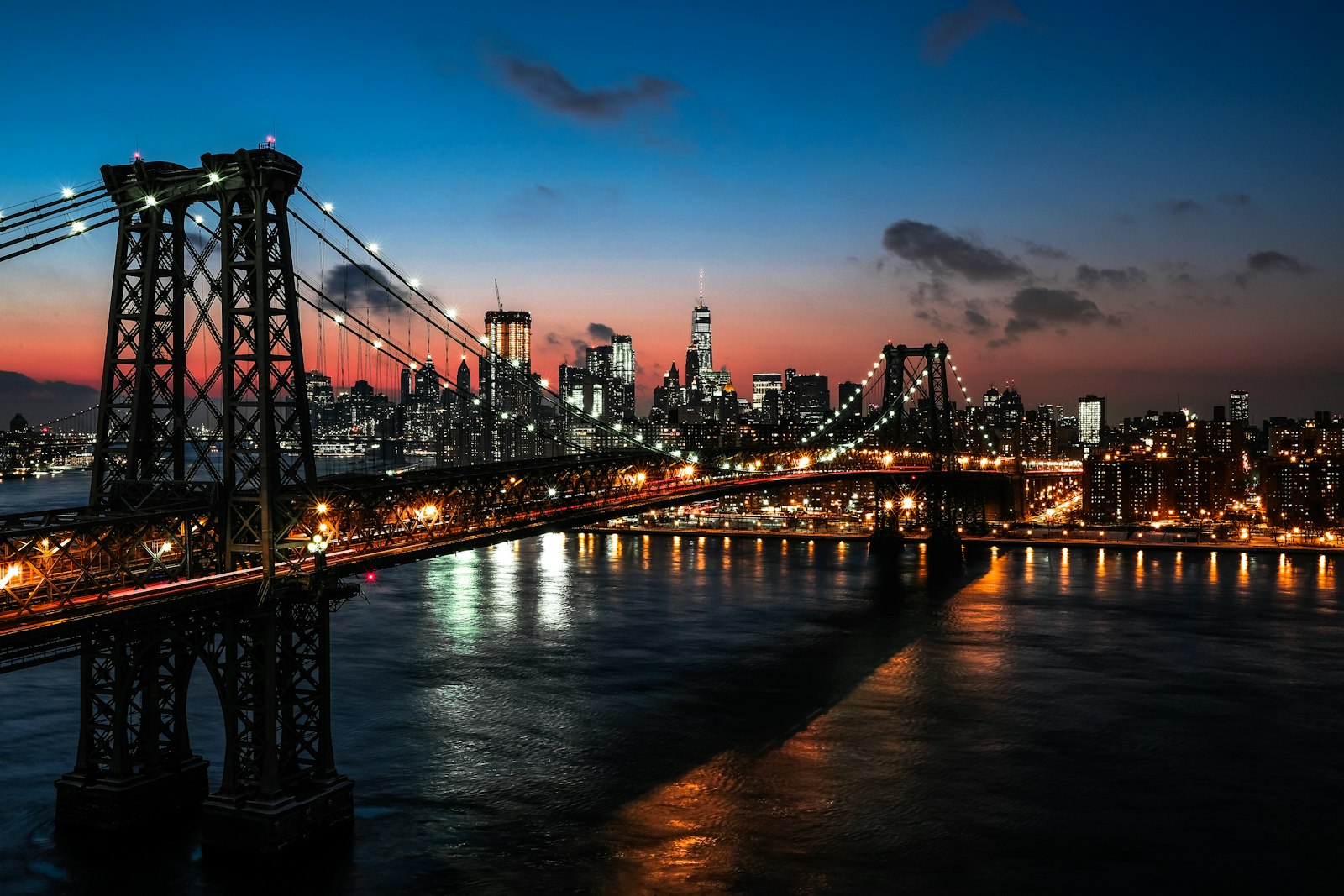
Top 10 Bridges in China
China's bridges are engineering marvels spanning mountains, rivers, and seas. Here are 10 of the most spectacular, from ancient stone to modern steel.
8 min read

Top 10 Buddhist Sites in China
From the Leshan Giant Buddha to the Dunhuang Caves, these 10 Buddhist sites represent 2,000 years of China's spiritual heritage.
9 min read
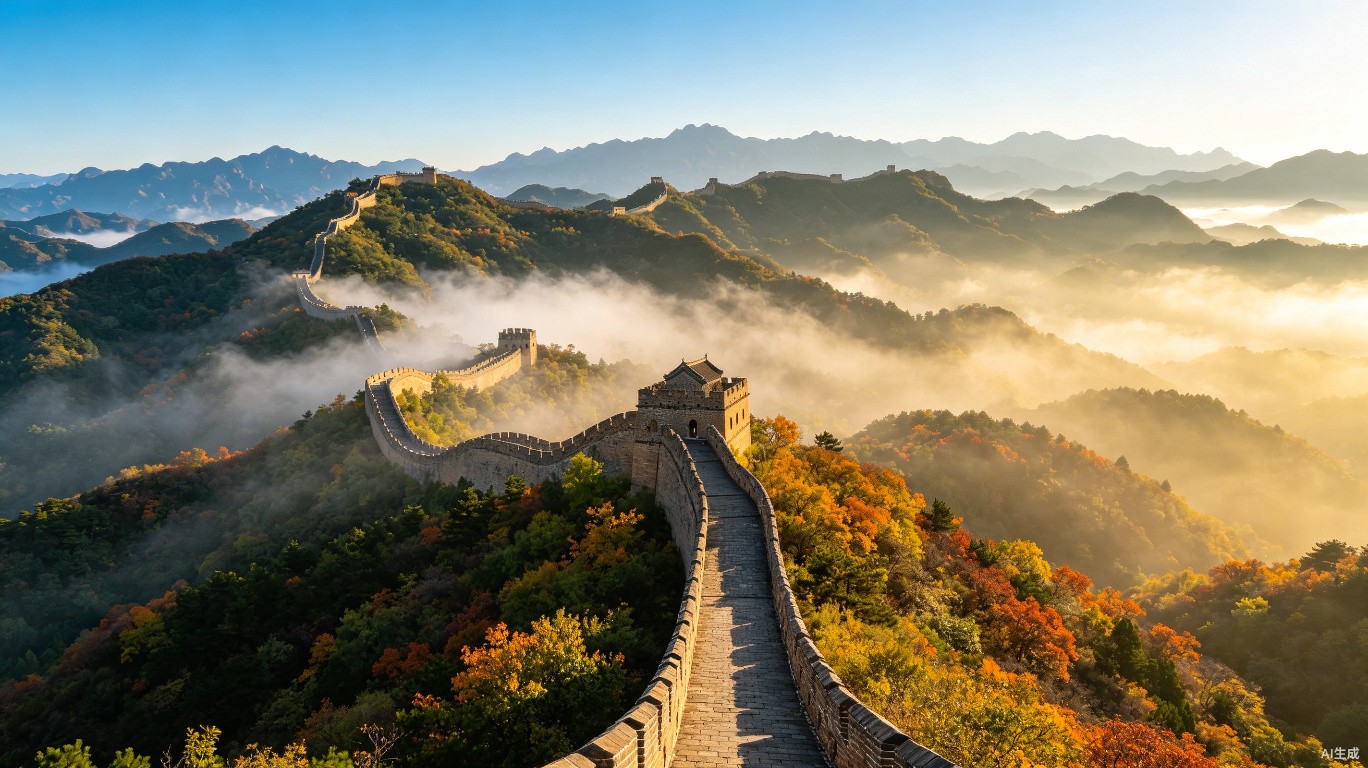
Top 10 Day Trips from Beijing You Shouldn't Miss
Beijing is packed with history, but some of China's best experiences are just a few hours away. Here are 10 day trips that will transform your visit.
9 min read
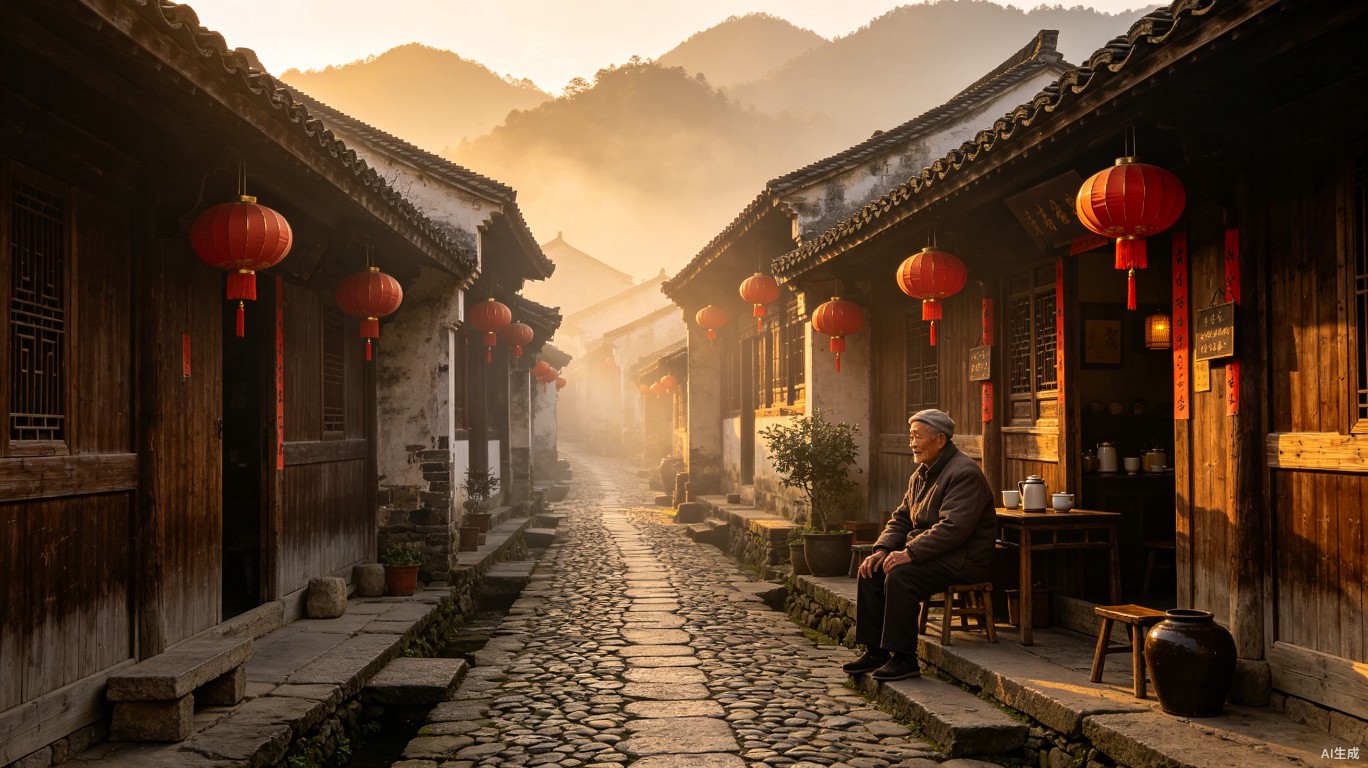
Top 10 Hidden Gems in China Off the Beaten Path
Beyond the Great Wall and Terracotta Warriors, China has incredible hidden destinations few tourists ever reach. Here are 10 underrated gems worth the detour.
9 min read
Top 10 Markets and Shopping Streets in China
From Shanghai's Bund to Beijing's Silk Street - 10 markets where foreigners can haggle, explore, and bring home authentic Chinese goods.
9 min read
Top 10 Museums in China You Shouldn't Miss
China's museums span 5,000 years of civilization. These 10 - from the Palace Museum to Xi'an's terracotta gallery - are unmissable for culture lovers.
9 min read