
China Customs Rules Guide
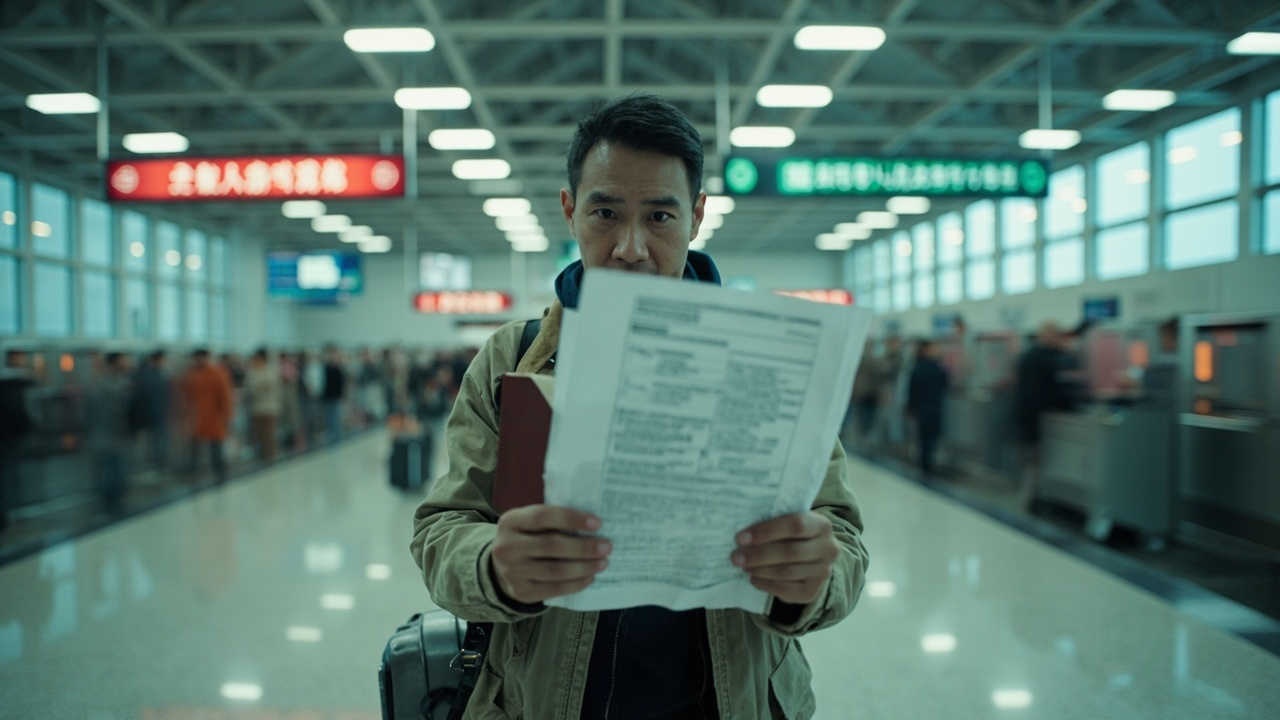
I watched a German couple in front of me at Beijing Capital's Terminal 3 get pulled aside because they'd packed two salami sausages in their carry-on. The…
China Customs Rules Guide
I watched a German couple in front of me at Beijing Capital’s Terminal 3 get pulled aside because they’d packed two salami sausages in their carry-on. The customs officer held them up like evidence in a trial. The woman kept saying “but it’s just lunch.” It was not, in the eyes of Chinese customs, just lunch. Twenty minutes later they were still filling out a declaration form on a clipboard, and I was through the green channel with my backpack, wondering how many people this happens to every single day.
Here’s the thing nobody tells you before your first trip: China’s customs rules are stricter than most of Europe and the US on food and agricultural products, and the penalties for ignoring them are real. At the same time, the rules for cash, electronics, and personal medicine are more generous than most first-timers assume. The gap between what people fear and what actually gets you stopped is enormous. I’ve crossed into China maybe 30 times over seven years, by air, by land from Hong Kong, by train from Mongolia. I’ve been waved through. I’ve been searched. I’ve watched a guy try to bring in 40,000 euros in cash without declaring it and lose an afternoon to paperwork.
This guide is what I wish someone had handed me in 2019. It covers the red and green channels, the cash limit, what food you can and cannot bring, how much alcohol and tobacco you’re allowed, the medicine rules that trip up Americans specifically, and what actually happens if you get caught. All prices in USD with CNY in parentheses, current as of 2026.
Quick answer
Every traveler entering mainland China must pass through customs and choose either the green channel (nothing to declare) or the red channel (goods over the duty-free allowance, cash over $5,000 USD / 35,000 CNY, or restricted items). The personal duty-free allowance is 5,000 CNY (about $700 USD) of goods per adult, plus 400 cigarettes, 1.5 liters of alcohol over 12% ABV, and 20,000 CNY in cash. Fresh fruit, meat, dairy, and live plants are banned outright. Declare anything questionable in the red channel — the fine for failing to declare is typically 20% of the item’s value, and undeclared cash can be confiscated entirely.
The Short Version
If you read nothing else: don’t bring meat, fresh fruit, or dairy. Declare cash over $5,000 USD. Keep prescription meds in original packaging with a doctor’s note. You get 5,000 CNY worth of shopping duty-free, 400 cigarettes, and 1.5L of booze. Everything else — your laptop, your camera, your phone, your clothes — is fine. The green channel is your friend unless you’re genuinely unsure, in which case the red channel costs you five minutes and zero dollars.
How I Picked These
This isn’t a rewrite of the General Administration of Customs website, though I did read it. It’s a mix of things I’ve learned the hard way: the time I got stopped at Shanghai Pudong for a bag of beef jerky from California, the afternoon I spent helping a friend declare a watch she’d bought in Zurich, and dozens of conversations with customs officers, airline staff, and other travelers at arrivals halls in Beijing, Shanghai, Guangzhou, Chengdu, and Shenzhen. I’ve also crossed the Hong Kong–Shenzhen land border at Futian and Luohu more times than I can count, which is a different experience from flying in. Where I’m unsure of an exact number, I say so. Where the rule changed recently, I note the year.
Comparison Table: What You Can and Can’t Bring
| Category | Allowance / Rule | Declare? | Typical Penalty if Caught |
|---|---|---|---|
| Cash (foreign + CNY combined) | Up to $5,000 USD (35,000 CNY) | Yes, if over | Confiscation of excess + fine |
| Alcohol (>12% ABV) | 1.5 liters per adult | Only if over | 20% duty on excess |
| Tobacco | 400 cigarettes OR 100 cigars OR 500g tobacco | Only if over | 20% duty on excess |
| General goods | 5,000 CNY (~$700 USD) total value | Only if over | 20% duty on excess |
| Prescription medicine | Personal use, original packaging | Recommended | Detention, possible confiscation |
| Fresh fruit / vegetables | Banned | N/A | Confiscation + fine up to 5,000 CNY |
| Meat / dairy products | Banned | N/A | Confiscation + fine |
| Live plants / seeds | Banned without permit | N/A | Confiscation |
| Pets | 1 per person, with quarantine cert | Yes | Quarantine or refusal |
| Electronics (personal) | No limit if for personal use | No | N/A |
The Red and Green Channel — What Actually Happens
The arrivals hall splits into two lanes. Green means “I have nothing to declare.” Red means “I do.” Most people walk through green without a second thought. That’s usually fine. But here’s what nobody explains: choosing green when you should have chosen red is itself an offense, separate from whatever you’re carrying. If a random bag scan catches the undeclared item, you don’t just pay the duty — you pay a penalty on top.
The scan is the wildcard. In my experience, Beijing Capital and Shanghai Pudong scan maybe one in fifteen bags. Smaller airports like Xiamen or Kunming seem to scan more aggressively. Land borders from Hong Kong are the strictest I’ve seen — at Futian, almost everyone with a large suitcase gets pulled.
If you’re genuinely unsure whether something needs declaring, go red. The officer will either wave you through or tell you the duty. It takes five minutes. The alternative, if you’re caught, is a form, a wait, and a fine that starts at 20% of the value. I’ve never regretted going red. I have regretted going green.
The Cash Limit — and Why It Matters More Than You Think
You can bring up to $5,000 USD (about 35,000 CNY) in combined foreign and Chinese currency without declaring it. Over that, you must fill out a declaration form on arrival. This is not optional, and it’s the rule people break most often, usually because they don’t know it exists.
I once stood behind a businessman at Pudong who had 40,000 euros in a money belt. He’d assumed the limit was per currency, not combined. It isn’t. He spent 90 minutes in a side room while officers counted the notes twice. He wasn’t arrested — this isn’t a criminal matter unless the amount is absurd — but the excess was held, and he had to produce documentation about where it came from before it was released.
My advice: don’t carry more than $5,000 in cash into China, period. ATMs are everywhere in cities, Alipay and WeChat Pay work for foreign cards, and there’s no reason to travel with a brick of bills. If you must, declare it. The form is one page.
Food Rules — Stricter Than You Expect
This is where first-timers get burned. China bans the import of fresh fruit, vegetables, meat, dairy, eggs, and live plants from almost every country. The ban is absolute for personal travelers, not a duty you can pay. If it’s in your bag and it’s on the list, it gets confiscated, and you may get a fine.
The list is longer than most people realize: jerky, cheese, salami, apples, oranges, dried mushrooms, seeds, soil, cut flowers. I watched a woman at Guangzhou lose a bag of dried mangoes she’d bought in Bangkok. She was furious. The officer was unmoved.
What you can bring: commercially packaged, shelf-stable snacks — sealed chocolate, biscuits, instant noodles, tea bags. I routinely bring a few protein bars and a bag of trail mix and have never had a problem. The rule of thumb is: if it could theoretically carry a pathogen or a pest, it’s banned. If it’s been cooked, sealed, and processed into oblivion, it’s usually fine.
Baby formula and special medical foods are exceptions, but you may need to declare them. If you’re traveling with an infant, bring the original packaging and be ready to explain.
Alcohol and Tobacco — The Real Numbers
You get 1.5 liters of alcohol over 12% ABV, duty-free, per adult. That’s two standard bottles of wine, or one bottle of spirits and a small bottle of wine. Beer under 12% doesn’t count against this in most cases, though officers have discretion.
Tobacco: 400 cigarettes, or 100 cigars, or 500 grams of loose tobacco. Pick one category — you don’t get all three. If you’re over, you pay 20% duty on the excess, which is usually still cheaper than buying in China. Cigarettes here are cheap but taste different, and imported brands are marked up heavily.
One thing that surprises people: these allowances are per adult, and they don’t combine across a family. A couple gets 3 liters of alcohol and 800 cigarettes total, not per person if one person carries it all. If you’re carrying for two, be ready to explain.
Prescription Medicine — The Rule That Trips Up Americans
This is the section I get the most questions about, and it’s the one with the most nuance. China allows personal-use quantities of prescription medicine, but the rules are stricter than in the US or EU, and enforcement varies by airport and officer.
The safe approach: bring medicine in its original pharmacy packaging, with the prescription label visible, and carry a doctor’s note (ideally translated into Chinese) explaining what it is and why you need it. Bring only what you’ll use during the trip — not a three-month supply for a two-week visit.
Certain drugs that are legal in the US are controlled or banned in China, including some ADHD stimulants, strong painkillers containing codeine or opioids, and certain sleep aids. If you take Adderall, Vicodin, or anything in that family, check the China customs controlled-substances list before you fly, and consider getting a Chinese prescription equivalent instead. I know people who’ve had their medication confiscated at the border and spent days sorting out a local alternative.
Over-the-counter stuff — ibuprofen, antihistamines, cold medicine — is fine in normal quantities. Don’t overthink it, but don’t bring a suitcase full either.
Electronics, Gifts, and the 5,000 CNY Allowance
Your laptop, phone, camera, and personal electronics don’t count against the duty-free allowance as long as they’re clearly for personal use and you’re not bringing multiples. One laptop, one camera, one phone — fine. Three laptops in unopened boxes — not fine.
The 5,000 CNY (about $700 USD) allowance covers everything else you’re bringing in as gifts or purchases: clothes, watches, cosmetics, souvenirs, that handbag you bought in Paris. If the total value exceeds 5,000 CNY, you declare it and pay duty on the excess.
Here’s the practical version: nobody is weighing your suitcase at the green channel. The allowance matters if you’re bringing in something obviously new and expensive, especially if you have the receipt in your pocket. A single luxury watch or a new laptop still in the box is the kind of thing that gets noticed. If you’re bringing a gift worth more than $700, declare it.
What Happens If You Get Caught
The most common outcome is a fine. For undeclared goods, it’s typically 20% of the value. For undeclared cash, the excess can be confiscated outright — and getting it back requires documentation and time you don’t want to spend on vacation.
For banned food items, it’s confiscation plus a fine that ranges from a warning to 5,000 CNY (about $700 USD), depending on the quantity and the officer’s mood. For controlled substances or large amounts of undeclared cash, you can be detained, and in serious cases, prosecuted. This is rare for tourists, but it happens.
The thing to understand: Chinese customs officers have broad discretion. Being polite, honest, and cooperative genuinely changes outcomes. I’ve seen people talk their way out of a fine with a sincere apology and a genuine mistake. I’ve also seen people make it much worse by arguing. If you’re caught, don’t argue. Explain, apologize, pay, move on.
FAQ summary
The most important things to know: China’s personal duty-free allowance is 5,000 CNY (~$700 USD) of goods, plus 1.5L of alcohol over 12% ABV and 400 cigarettes per adult. You must declare cash over $5,000 USD (35,000 CNY) combined, and undeclared excess can be confiscated. Fresh fruit, meat, dairy, and live plants are banned outright — no duty option, just confiscation and possible fines. Prescription medicine is allowed for personal use in original packaging with a doctor’s note, but some US-legal drugs are controlled in China. When in doubt, use the red channel; it costs five minutes and nothing else.
FAQ
Q: How much cash can I bring into China without declaring it? A: Up to $5,000 USD (about 35,000 CNY) in combined foreign and Chinese currency. Anything over that must be declared on arrival using the customs declaration form. Undeclared excess can be confiscated, and you may face a fine.
Q: Can I bring food into China? A: No fresh fruit, vegetables, meat, dairy, eggs, or live plants. These are banned for personal travelers and will be confiscated. Sealed, commercially packaged snacks like chocolate, biscuits, and instant noodles are generally fine. If it could carry a pest or pathogen, assume it’s banned.
Q: How many cigarettes and how much alcohol can I bring duty-free? A: 400 cigarettes (or 100 cigars, or 500g of tobacco) and 1.5 liters of alcohol over 12% ABV, per adult. Over that, you pay 20% duty on the excess. Allowances don’t combine across a family — each adult has their own.
Q: Can I bring my prescription medication to China? A: Yes, for personal use, in original packaging with a visible prescription label and ideally a doctor’s note translated into Chinese. Bring only what you’ll use during the trip. Some drugs legal in the US — including certain ADHD stimulants and opioid painkillers — are controlled or banned in China, so check the controlled-substances list first.
Q: Do I need to declare my laptop, phone, and camera? A: No, personal electronics for your own use don’t count against the duty-free allowance. The 5,000 CNY (~$700 USD) allowance applies to gifts and purchases. Multiple unopened electronics or a single very expensive new item may attract attention, so declare if unsure.
Q: What happens if I’m caught with undeclared items? A: Typically a fine of 20% of the item’s value, plus confiscation of banned items. Undeclared cash over the limit can be confiscated entirely. Being polite and cooperative genuinely helps. Arguing does not.
Q: Is there a different rule for land borders from Hong Kong or Macau? A: The allowances are the same, but enforcement is stricter at land crossings like Futian and Luohu. Bag scans are more frequent, and officers seem less inclined to wave things through. If you’re crossing by land, be extra careful about food and cash.
The Honest Wrap-up
This guide is for the traveler who wants to know the actual rules, not the scary version or the careless version. If you’re the kind of person who packs a suitcase full of snacks and hopes for the best, this isn’t for you — you’ll be fine 90% of the time and unlucky the other 10%. If you’re the kind of person who reads customs regulations for fun, welcome, we’re the same.
One last thing I’d tell a friend about to book the flight: the rules are stricter than you think on food and cash, and more relaxed than you think on everything else. Don’t overthink your laptop or your clothes. Do think about the salami. And if you’re ever unsure at the airport, walk through the red channel. It’s five minutes. The green channel is only free until it isn’t.
More guides you may like

Top 10 Bridges in China
China's bridges are engineering marvels spanning mountains, rivers, and seas. Here are 10 of the most spectacular, from ancient stone to modern steel.
8 min read

Top 10 Buddhist Sites in China
From the Leshan Giant Buddha to the Dunhuang Caves, these 10 Buddhist sites represent 2,000 years of China's spiritual heritage.
9 min read

Top 10 Day Trips from Beijing You Shouldn't Miss
Beijing is packed with history, but some of China's best experiences are just a few hours away. Here are 10 day trips that will transform your visit.
9 min read

Top 10 Hidden Gems in China Off the Beaten Path
Beyond the Great Wall and Terracotta Warriors, China has incredible hidden destinations few tourists ever reach. Here are 10 underrated gems worth the detour.
9 min read
Top 10 Markets and Shopping Streets in China
From Shanghai's Bund to Beijing's Silk Street - 10 markets where foreigners can haggle, explore, and bring home authentic Chinese goods.
9 min read

Top 10 Museums in China You Shouldn't Miss
China's museums span 5,000 years of civilization. These 10 - from the Palace Museum to Xi'an's terracotta gallery - are unmissable for culture lovers.
9 min read