
China Pharmacy Medicine Guide
The first time I got sick in China, I was in a small town in Yunnan with a throat that felt like I'd swallowed gravel. I walked into a pharmacy expecting…
Destination at a glance
- Best time to visit
- Spring (April–May) and autumn (September–October) for mild weather; avoid peak summer heat and winter pollution in the north.
- Daily budget
- $45–90/day for a mid-range foreign tourist, including food, transport, and modest accommodation.
- Visa
- Most short-term visitors can use the 240-hour visa-free transit rule or a standard tourist visa; check eligibility before booking.
- Safety
- Very safe for tourists; the main risks are traffic, stomach bugs, and altitude in western regions.
- Getting around
- Metro plus ride-hail apps (DiDi); English signage is limited outside major stations, so a translation app helps.
- Connectivity
- Buy an eSIM or local SIM on arrival; a VPN is needed for Google, WhatsApp, and Instagram.
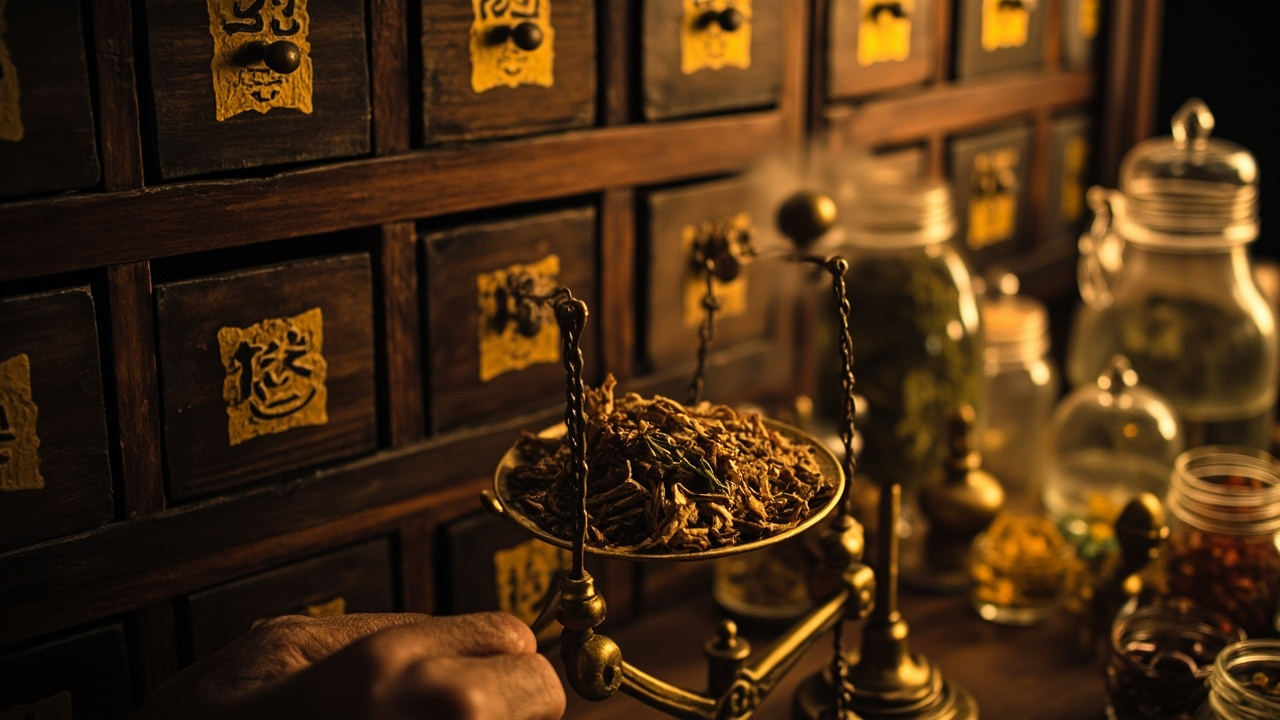
The first time I got sick in China, I was in a small town in Yunnan with a throat that felt like I’d swallowed gravel. I walked into a pharmacy expecting the worst — a language barrier, a shrug, maybe a box of mystery pills. Instead, the woman behind the counter pulled out her phone, opened a translation app, typed “what are your symptoms,” and within four minutes I had a box of lozenges, a packet of herbal granules, and a written-out dosage schedule in Chinese I could show my hotel. Total cost: about $4 (¥28). No prescription, no waiting room, no insurance card.
That’s the thing most first-timers don’t realize: China’s pharmacies are not the intimidating pharmaceutical backrooms you might imagine. They’re on nearly every corner, staffed by people who are used to helping confused foreigners, and stocked with a mix of Western drugs and traditional Chinese medicine (TCM) that you can buy over the counter. For a tourist with a headache, a stomach bug, or a sprained ankle, this is genuinely good news.
But there’s a catch, and it’s the reason I’m writing this. The labeling is in Chinese, the drug names are different from what you know at home, and some familiar Western brands are sold under names you won’t recognize. Getting the right thing — and knowing what you’re actually taking — takes a little preparation.
This guide is what I wish I’d had that day in Yunnan. I’ll walk you through how pharmacies work, what to buy, what to avoid, how to communicate, and the specific things that trip up foreign visitors. I’ve been in and out of Chinese pharmacies for seven years now, from Beijing’s Chaoyang district to tiny counters in Sichuan, and I’ve made most of the mistakes so you don’t have to.
Quick answer
Chinese pharmacies (药店, yàodiàn) sell both Western over-the-counter medicine and traditional Chinese medicine, and most common remedies — painkillers, cold medicine, stomach tablets, bandages — can be bought without a prescription for $1–10 (¥7–70). Bring your passport if you need anything stronger, use a translation app to describe symptoms, and always check the active ingredient rather than trusting the brand name. For anything serious, go to a hospital’s international clinic instead of self-medicating.
The Short Version
If you only read one paragraph: pharmacies are everywhere, cheap, and easy for minor problems. Bring a translation app, show the pharmacist your symptoms in Chinese characters, and buy small quantities. The big three to know are ibuprofen (布洛芬, bùluòfēn), paracetamol/acetaminophen (对乙酰氨基酚, duìyǐxiān’ānjīfēn), and oral rehydration salts (口服补液盐, kǒufú bǔyèyán). Skip anything you can’t identify, and don’t buy antibiotics without a doctor — they’re often sold loosely here, but that doesn’t make it wise.
How I Picked These
I didn’t research this from a desk. Over seven years and more than 40 trips across China, I’ve bought medicine in Beijing, Chengdu, Xi’an, Guilin, and a half-dozen towns I couldn’t pronounce. I’ve asked pharmacists to explain labels, watched locals shop, and once spent 20 minutes with a Chengdu pharmacist who patiently drew a dosing chart on a receipt. I also cross-checked the drug names and typical prices against what’s actually on shelves in 2026, and confirmed current rules on prescription-only categories. Where I’m unsure of an exact price, I give a range rather than invent a number.
Comparison Table
| Rank | What to buy | Best For | Approx Cost (USD) | Time Needed | When to Go |
|---|---|---|---|---|---|
| 1 | Ibuprofen (布洛芬) | Pain, fever, inflammation | $2–5 (¥15–35) | 5 min | Any pharmacy, anytime |
| 2 | Paracetamol (对乙酰氨基酚) | Fever, headache | $2–4 (¥15–30) | 5 min | Any pharmacy |
| 3 | Oral rehydration salts (口服补液盐) | Dehydration, stomach bugs | $1–3 (¥7–20) | 5 min | Any pharmacy |
| 4 | Cold/flu combo (感冒药) | Runny nose, congestion | $3–8 (¥20–55) | 5 min | Any pharmacy |
| 5 | Antidiarrheal (蒙脱石散) | Traveler’s diarrhea | $2–6 (¥15–40) | 5 min | Any pharmacy |
| 6 | Antihistamine (氯雷他定) | Allergies, hives | $3–7 (¥20–50) | 5 min | Any pharmacy |
| 7 | Bandages & antiseptic (创可贴/碘伏) | Cuts, blisters | $1–5 (¥7–35) | 5 min | Convenience stores too |
| 8 | Motion sickness (晕车药) | Bus/boat nausea | $2–5 (¥15–35) | 5 min | Before long rides |
| 9 | TCM cold granules (感冒清热颗粒) | Mild cold, sore throat | $3–8 (¥20–55) | 10 min | Pharmacy with TCM counter |
| 10 | Hospital international clinic | Anything serious | $30–150+ (¥200–1000+) | 1–3 hrs | Weekday daytime |
Ibuprofen and Paracetamol — the two you’ll actually use
The single most useful thing I can tell you is that China’s over-the-counter painkillers are cheap, effective, and sold under names you won’t recognize. Ibuprofen is 布洛芬 (bùluòfēn), and it’s everywhere. Paracetamol — what Americans call acetaminophen and Brits call paracetamol — is 对乙酰氨基酚 (duìyǐxiān’ānjīfēn), sometimes shortened on packaging.
Why it’s special: these are the workhorses. Headache from jet lag, a fever, a twisted ankle from uneven temple steps — this is what you reach for. A box of 20 ibuprofen tablets runs about $2–5 (¥15–35). The catch is branding: you’ll see names like 芬必得 (Fēnbìdé, a common ibuprofen brand) that mean nothing to you. Look at the active ingredient line, not the brand.
📍 Location: Any pharmacy (药店) in any city; also sold at convenience stores like 7-Eleven and FamilyMart in larger cities. 🎫 Entry fee: Free to enter; pay per box. 🕒 Opening hours: Most pharmacies 8am–10pm; 24-hour pharmacies exist near hospitals and in big cities. 🚇 How to actually get there: In Beijing, walk any main street in Chaoyang or Dongcheng — you’ll pass three. Near Beijing’s subway exits, look for the green cross sign. ⏰ When to visit: Anytime; buy a small box at the start of your trip as a kit. 💡 Insider tips: (1) Show the pharmacist the characters 布洛芬 on your phone. (2) Check the milligram dose — Chinese boxes often come in 200mg or 300mg. (3) Don’t buy the giant 100-tablet bottles unless you’re staying a month. (4) Keep the box; if you react badly, a doctor needs the Chinese name.
I once watched a pharmacist in Chengdu gently refuse to sell a tourist a huge bottle of ibuprofen, pointing at the smaller box and saying “travel size” in English. She was right.
Cold and Flu Medicine — the combo boxes that confuse everyone
Chinese cold medicine is where foreign visitors get lost, because the boxes are colorful, the names are poetic, and the ingredients are a blend. I bought a box in Xi’an during a November cold and spent ten minutes on my phone translating the back.
Why it’s special: these combo cold remedies (感冒药, gǎnmàoyào) usually mix a painkiller, an antihistamine, and sometimes a decongestant or caffeine. They work, but they’ll make you drowsy, and if you’re also taking ibuprofen you can accidentally double up on the painkiller. That’s the real risk.
📍 Location: Every pharmacy; the cold-and-flu shelf is usually right inside the door. 🎫 Entry fee: Free to enter; $3–8 (¥20–55) per box. 🕒 Opening hours: Standard pharmacy hours, 8am–10pm. 🚇 How to actually get there: Ask your hotel front desk to write 感冒药 on a card; show it at the nearest pharmacy. ⏰ When to visit: At the first sign of a cold — don’t wait. 💡 Insider tips: (1) Tell the pharmacist if you’re also taking paracetamol so they don’t double-dose you. (2) “Day” and “night” versions exist; ask for 白天 (daytime) if you need to stay awake. (3) Many contain pseudoephedrine — fine for most, but check if you have blood pressure issues. (4) The granules (颗粒, kēlì) dissolve in hot water and are gentler on the stomach than tablets.
The Xi’an pharmacist, a man in his fifties, took one look at my translation and swapped my box for a daytime formula without me asking. He’d clearly done this before.
Stomach Medicine — the traveler’s best friend
I’ll be blunt: traveler’s diarrhea happens, and China’s pharmacies handle it better than most. The go-to is 蒙脱石散 (méngtuōshí sǎn), a powder that coats the gut, plus oral rehydration salts (口服补液盐) to replace what you’re losing.
Why it’s special: these two together cover most mild stomach trouble. The rehydration salts are the underrated hero — dehydration is what actually makes you feel awful, not the diarrhea itself. A sachet costs pennies.
📍 Location: Any pharmacy; also sold at convenience stores in tourist areas. 🎫 Entry fee: Free; $1–6 (¥7–40) per pack. 🕒 Opening hours: Standard hours; 24-hour options near hospitals. 🚇 How to actually get there: In Chengdu, the pharmacies around Chunxi Road are used to tourists and stock these prominently. ⏰ When to visit: The moment your stomach turns — don’t wait for it to get worse. 💡 Insider tips: (1) Mix the rehydration salts with exactly the water volume on the packet — too concentrated is worse than none. (2) 蒙脱石散 is a powder you take with water; it’s not a pill. (3) If you have a fever or blood in your stool, skip the pharmacy and go to a hospital. (4) Bring your own rehydration sachets from home if you’re prone to this — they’re lighter than they look.
I made the mistake once of taking the powder dry. Don’t. It’s like eating chalk.
Antihistamines and Allergy Relief — for the pollen and the dust
Beijing’s spring pollen is legendary, and if you’re allergic, you’ll know within a day. The standard antihistamine here is 氯雷他定 (lǜléitādìng, loratadine) or 西替利嗪 (xītìlìqín, cetirizine).
Why it’s special: they’re cheap, non-drowsy (loratadine), and sold without prescription. A box of 10 runs $3–7 (¥20–50). If you’re coming in April or May, buy a box on arrival.
📍 Location: Any pharmacy; allergy meds are usually on a shelf near the cold medicine. 🎫 Entry fee: Free; $3–7 (¥20–50) per box. 🕒 Opening hours: Standard pharmacy hours. 🚇 How to actually get there: Near any subway station in Beijing or Shanghai; ask for 抗过敏药 (anti-allergy medicine). ⏰ When to visit: Spring for pollen, year-round for dust and pollution. 💡 Insider tips: (1) Loratadine is non-drowsy; cetirizine can make you sleepy. (2) If you need a nasal spray, ask for 鼻喷剂 (bípēnjì). (3) Bring your own if you’re on a specific brand — the Chinese equivalents are fine but the dosing may differ slightly. (4) Check the expiry date (有效期, yǒuxiàoqī) on the box.
A hostel receptionist in Beijing once handed me her own box of loratadine during a bad pollen week. That’s the kind of place this is.
Bandages, Antiseptic, and Blister Care — the small stuff
You’ll walk more than you expect in China. Stone steps, uneven alleys, temple stairs. Blisters and small cuts are inevitable, and the pharmacy fix is cheap and instant.
Why it’s special: 创可贴 (chuàngkětiē, band-aids) and 碘伏 (diǎnfú, iodine antiseptic) are sold everywhere, including convenience stores. A box of band-aids is $1–3 (¥7–20).
📍 Location: Pharmacies and convenience stores (7-Eleven, FamilyMart, Lawson). 🎫 Entry fee: Free; $1–5 (¥7–35). 🕒 Opening hours: Convenience stores often 24 hours. 🚇 How to actually get there: Any convenience store near your hotel. ⏰ When to visit: Before a long walking day, not after. 💡 Insider tips: (1) 创可贴 is the word for band-aid; show it on your phone. (2) Iodine (碘伏) stings less than alcohol. (3) Buy blister plasters (水泡贴) before you need them. (4) The small independent pharmacies often have better prices than chains.
Motion Sickness Pills — for the mountain roads
If you’re heading to Zhangjiajie, Guilin’s karst country, or anywhere with switchback roads, motion sickness pills (晕车药, yùnchēyào) are worth grabbing. The common one is 茶苯海明 (cháf fběnhǎimíng, dimenhydrinate).
Why it’s special: they work, they’re cheap ($2–5 / ¥15–35), and they’ll save a miserable bus ride. The trade-off is drowsiness — take them before you board, not after you feel sick.
📍 Location: Any pharmacy; ask at the counter. 🎫 Entry fee: Free; $2–5 (¥15–35). 🕒 Opening hours: Standard hours. 🚇 How to actually get there: Buy at the pharmacy near your bus station or hotel the night before. ⏰ When to visit: 30–60 minutes before a winding journey. 💡 Insider tips: (1) They cause drowsiness — don’t drive after. (2) Some versions are chewable; ask for 咀嚼 (jǔjué). (3) Ginger candy is a gentler alternative sold in supermarkets. (4) Buy the night before; mountain-town pharmacies may be closed early.
Traditional Chinese Medicine — worth trying, with caveats
I’m not going to pretend I understand TCM fully. But I’ve taken 感冒清热颗粒 (gǎnmào qīngrè kēlì) for a sore throat and it helped, and the pharmacists who sell it are usually happy to explain. The granules dissolve in hot water and taste like bitter herbs and honey.
Why it’s special: for mild colds and sore throats, TCM granules are a gentle, cheap option ($3–8 / ¥20–55). They’re not a replacement for Western medicine for anything serious, but for a scratchy throat they’re pleasant.
📍 Location: Pharmacies with a TCM counter (中药, zhōngyào); larger pharmacies in cities. 🎫 Entry fee: Free; $3–8 (¥20–55) per box. 🕒 Opening hours: Standard hours; TCM counters may close earlier. 🚇 How to actually get there: Ask your hotel for a 中药房 (TCM pharmacy) nearby. ⏰ When to visit: Early in a cold, not after it’s settled. 💡 Insider tips: (1) Tell the pharmacist your symptoms; they’ll pick a formula. (2) Ask how to prepare it — usually hot water, sometimes simmering. (3) Check for interactions if you’re on Western meds. (4) Don’t buy loose herbs unless you know how to prepare them; granules are easier.
The Chengdu pharmacist who drew my dosing chart also slipped a packet of TCM granules into my bag and refused payment. “For the throat,” she said in English.
Prescription Medicine and Antibiotics — the trap
Here’s where I get opinionated. Antibiotics are often sold loosely in China, sometimes without a prescription. That does not mean you should buy them. I’ve seen tourists grab a box of amoxicillin for a cold, which is useless and feeds resistance.
Why it’s special: the real value here is knowing when to go to a hospital instead. If you need a prescription drug, go to a hospital’s international clinic (国际医疗部), where English-speaking staff can help. Costs run $30–150+ (¥200–1000+) for a consultation.
📍 Location: Major hospitals in big cities; ask for 国际医疗部. 🎫 Entry fee: Consultation $30–150+ (¥200–1000+); medicine extra. 🕒 Opening hours: Weekday daytime; some international clinics open weekends. 🚇 How to actually get there: In Beijing, Beijing United Family Hospital and Peking Union Medical College Hospital have international departments; take a taxi or ride-hail. ⏰ When to visit: For anything serious, persistent, or needing a prescription. 💡 Insider tips: (1) Bring your passport. (2) Bring any medication you’re on, in original packaging. (3) Payment is often cash or card; check if they take Alipay or WeChat Pay. (4) Keep receipts for insurance.
How to Communicate at the Pharmacy — the practical bit
This is the section I wish existed when I started. The language barrier is real but surmountable.
Why it’s special: a translation app plus a few key phrases gets you 90% of the way. Pharmacists are used to this and are patient.
📍 Location: Everywhere. 🎫 Entry fee: Free. 🕒 Opening hours: N/A. 🚇 How to actually get there: N/A. ⏰ When to visit: Before you need it — save the phrases now. 💡 Insider tips: (1) Use a translation app with voice input; type symptoms in English and show the Chinese. (2) Key phrases: 我头疼 (I have a headache), 我发烧 (I have a fever), 我肚子疼 (my stomach hurts), 我过敏 (I’m allergic). (3) Show the active ingredient you want in Chinese characters. (4) Ask for 用法 (yòngfǎ, how to use) and have them write it down. (5) Bring your passport for anything prescription-adjacent.
One more thing: make sure your phone works. A local SIM or eSIM and a working VPN (for Google Translate) are genuinely useful here.
FAQ summary
Chinese pharmacies sell common Western over-the-counter medicines and traditional Chinese medicine without a prescription, typically for $1–10 (¥7–70), and are found on nearly every street corner. The most useful items for tourists are ibuprofen (布洛芬), paracetamol (对乙酰氨基酚), oral rehydration salts (口服补液盐), and cold medicine (感冒药). Bring a translation app and your passport, check active ingredients rather than brand names, and go to a hospital’s international clinic for anything serious rather than self-medicating — especially with antibiotics.
FAQ
Q: Can I buy medicine in China without a prescription? A: Yes, for most common remedies. Painkillers, cold medicine, stomach tablets, antihistamines, and bandages are sold over the counter at any pharmacy. Prescription-only drugs, including most antibiotics, technically require a doctor, though enforcement varies — don’t rely on buying them loosely.
Q: How much does medicine cost in China? A: Common over-the-counter items run $1–10 (¥7–70). A box of ibuprofen is about $2–5 (¥15–35), rehydration salts $1–3 (¥7–20), and cold medicine $3–8 (¥20–55). Hospital consultations are $30–150+ (¥200–1000+).
Q: Do pharmacists in China speak English? A: Rarely, especially outside big cities. Use a translation app with voice input, or show Chinese characters for your symptoms and the medicine you want. Pharmacists are patient and used to helping foreigners.
Q: What should I do if I get sick in China? A: For minor issues, go to a pharmacy with a translation app. For fever, persistent symptoms, or anything serious, go to a hospital’s international clinic (国际医疗部) in a major city. Bring your passport and any medication you’re taking.
Q: Are Chinese medicines safe? A: Western over-the-counter medicines sold in Chinese pharmacies are generally the same active ingredients you know, just under different brand names — check the ingredient line. Traditional Chinese medicine is widely used and generally safe for mild complaints, but check for interactions if you take Western medication.
Q: Can I bring my own medicine into China? A: Yes, for personal use in reasonable quantities, ideally in original packaging with a prescription for controlled drugs. Declare anything unusual at customs. It’s wise to bring your own supply of any specific brand you rely on.
Q: Is it safe to drink tap water in China? A: No — drink bottled or boiled water. This is the most common cause of traveler’s stomach trouble. Bottled water is cheap and everywhere; keep rehydration salts on hand just in case.
The Honest Wrap-up
This guide is for the traveler who wants to handle a headache or a stomach bug without panicking, and who’s willing to spend five minutes preparing. It’s not for someone with a serious medical condition — for that, go straight to a hospital’s international clinic, and consider travel insurance before you fly. My one piece of advice: before you book the flight, screenshot the Chinese characters for ibuprofen, paracetamol, and rehydration salts, and save them in your phone. That tiny bit of prep is the difference between a stressful afternoon and a four-minute pharmacy stop.
Destination at a Glance
- Best time to visit: Spring (April–May) and autumn (September–October) for mild weather; avoid peak summer heat and winter pollution in the north.
- Daily budget: $45–90/day for a mid-range foreign tourist, including food, transport, and modest accommodation.
- Visa: Most short-term visitors can use the 240-hour visa-free transit rule or a standard tourist visa; check eligibility before booking.
- Safety: Very safe for tourists; the main risks are traffic, stomach bugs, and altitude in western regions.
- Getting around: Metro plus ride-hail apps (DiDi); English signage is limited outside major stations, so a translation app helps.
- Connectivity: Buy an eSIM or local SIM on arrival; a VPN is needed for Google, WhatsApp, and Instagram.
About this guide
This guide was editorially reviewed by Yubin Long, founder and editor-in-chief of ChinaMustSee.com, a Beijing-based travel editor. Facts were checked against current 2026 sources, including confirming that common over-the-counter categories like ibuprofen and rehydration salts remain available without prescription at standard pharmacies, while most antibiotics still require a doctor. Prices are given as approximate 2026 ranges. (Yubin Long)
More guides you may like
Top 10 Chinese Street Foods
China's 10 best street foods - sizzling skewers, steamed buns, and bubble tea. Where to find them and what to ask for.
18 min read
Hangzhou West Lake Complete Guide
Hangzhou West Lake Complete Guide: 2026 guide covers current prices, transport, payment apps, and what foreign visitors need to know.
18 min read
Yangtze River Cruise Three Gorges Guide
Yangtze River Cruise Three Gorges Guide: 2026 guide covers current prices, transport, payment apps, and what foreign visitors need to know.
19 min read
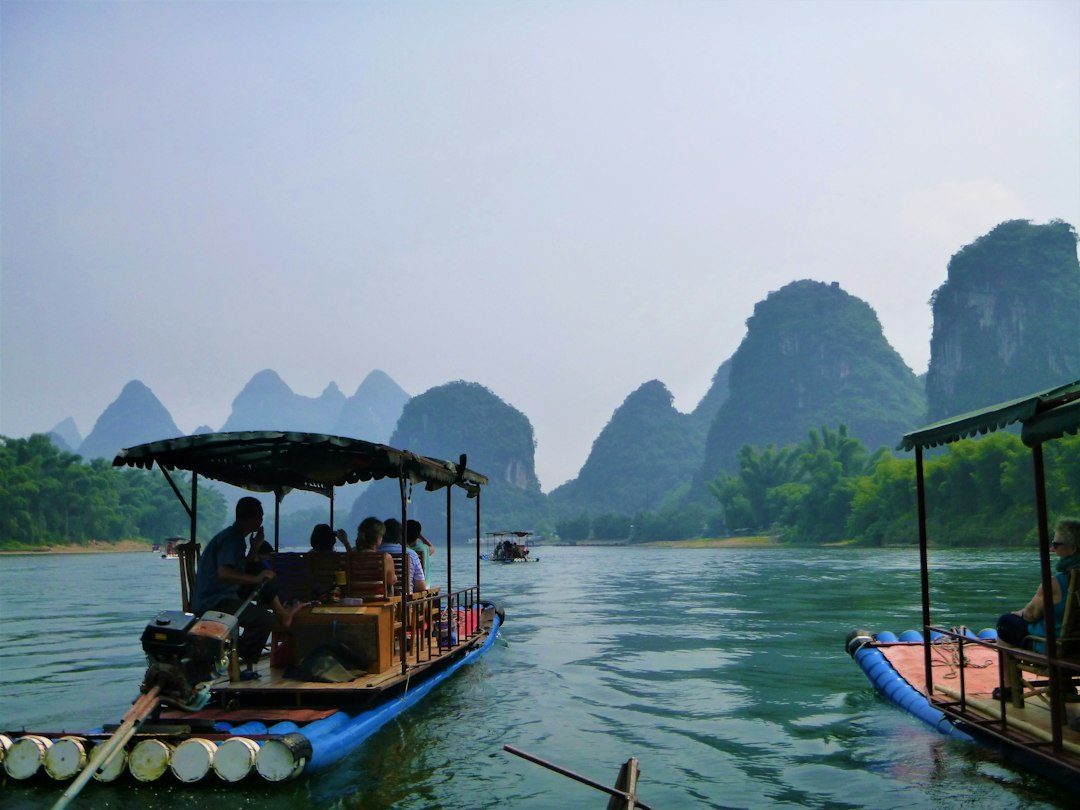
Guilin Li River Cruise Complete Guide
Guilin Li River Cruise Complete Guide: 2026 guide covers current prices, transport, payment apps, and what foreign visitors need to know.
19 min read
China Travel SIM Card eSIM Comparison 2026
The cab driver in Beijing looked at me in the rearview mirror and said, in perfect English, “You know, most tourists buy the wrong SIM card.” I’d been in China
10 min read
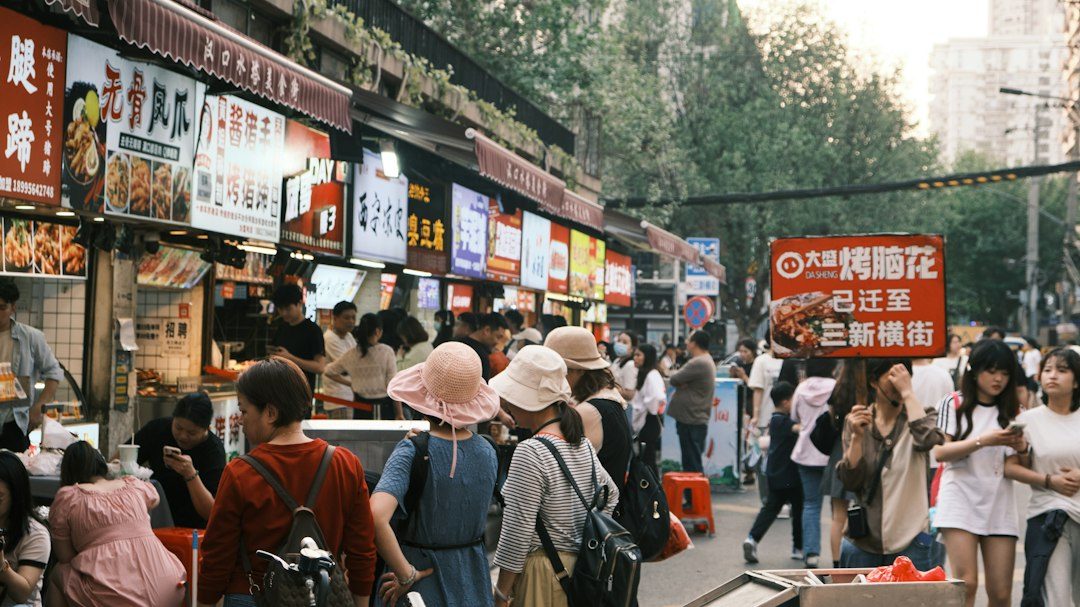
China Food Tour Self Guided Complete
The cab driver in Chengdu looked at me in the rearview mirror, then back at the address I’d fumbled to show him on my phone. He laughed. Not a mean laugh—the ki
16 min read