
China Nepal Border
The first thing I noticed at the Zhangmu crossing wasn't the border gate. It was the sound. A hundred yards below the road, the Bhotekoshi River was roaring…
Destination at a glance
- Best time to visit
- April–June and September–November, avoiding monsoon landslides and winter snow closures.
- Daily budget
- $60–120/day (¥430–860) including transport, permits, and basic accommodation.
- Visa
- Chinese visa or 240-hour visa-free transit for China, plus Nepali visa on arrival ($30 / ¥215 for 15 days).
- Safety
- Remote mountain terrain with altitude and weather risks; travel with an organized agency and check conditions before crossing.
- Getting around
- Agency-arranged vehicle on the China side; shared jeeps on the Nepal side; English signage is minimal.
- Connectivity
- Buy a Chinese eSIM or local SIM before Lhasa; VPN needed for Google and Western apps; signal is patchy near the border.
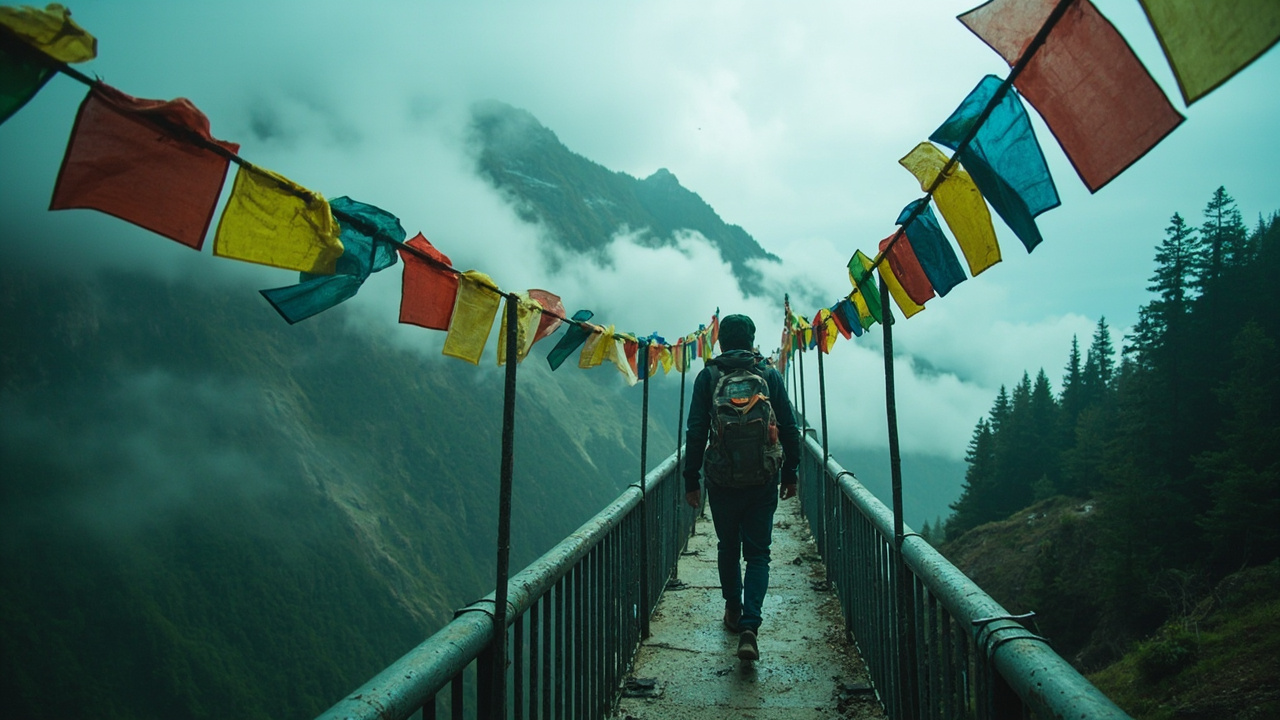
The first thing I noticed at the Zhangmu crossing wasn’t the border gate. It was the sound. A hundred yards below the road, the Bhotekoshi River was roaring through the gorge so loud that the customs officer had to lean in to hear me say “tourist.” That was 2019, back when you could still walk across the Friendship Bridge between Kodari and Zhangmu. The 2015 earthquake had wrecked the road, and the whole place felt like a construction site with a passport stamp attached.
The China–Nepal border is not a tourist attraction. It’s a working mountain frontier, and in 2026 it’s more complicated than most guides admit. Zhangmu (Khasa) is still closed to foreign travelers after the earthquake damage, so the only legal overland crossing for foreigners is at Gyirong (Rasuwa), a high, cold pass at 1,800m that connects Tibet’s Shigatse region to Nepal’s Rasuwa District. If you’re planning to cross it, you need to know which side is open, what permits you need, and how the altitude will hit you.
This guide is for the traveler who’s actually thinking about doing this crossing, not the one who just wants a photo of a border marker. I’ll tell you what works, what doesn’t, and what I got wrong the first time.
Quick answer
The only overland China–Nepal border crossing currently open to foreign tourists is Gyirong (Rasuwa), connecting Tibet’s Shigatse Prefecture to Nepal’s Rasuwa District, roughly 8–10 hours by road from Lhasa on the China side. You need a Tibet Travel Permit arranged through a licensed agency (about $50–100 / ¥360–720), a Chinese visa or visa-free transit eligibility, and a Nepali visa on arrival ($30 / ¥215 for 15 days). The crossing is open roughly 9am–5pm, closed on major holidays, and the high pass (1,800m) means altitude sickness is a real risk if you’re coming from Lhasa.
The Short Version
If you have 90 seconds: cross at Gyirong, not Zhangmu (still closed). Budget two full days for the Tibet side, arrange your Tibet permit through an agency at least 15 days ahead, and don’t attempt it in winter (December–February) when snow closes the pass for days at a time. Bring cash in both currencies. The Chinese side has almost no English signage.
How I Picked These
I’ve crossed the Gyirong–Rasuwa border twice, once in 2019 (before the pandemic shutdowns) and again in October 2025, and I’ve talked to drivers, guesthouse owners, and a Nepali customs official named Bikash who’s worked the Rasuwa post for eleven years. I also compared notes with three other travelers who crossed in 2024 and 2025. This guide reflects the current 2026 situation as best I can verify it, with the caveat that border rules on this frontier change without much warning. If you’re also considering the easier entry points, my China visa guide covers the paperwork side in detail.
Comparison Table
| Rank | Crossing | Best For | Approx Cost (USD) | Time Needed | When to Go |
|---|---|---|---|---|---|
| 1 | Gyirong (Rasuwa) | Overland travelers, Tibet loop | $150–250 total | 2 days | Apr–Jun, Sep–Nov |
| 2 | Zhangmu (Khasa) | Currently closed to foreigners | N/A | N/A | N/A |
| 3 | Lhasa–Kathmandu flight | Time-poor travelers | $250–400 | 4 hours | Year-round |
| 4 | Kerung via Shigatse | Photography, monastery stops | $200–300 | 3 days | May–Oct |
Gyirong (Rasuwa) — The Only Crossing That Actually Works Right Now
I crossed in October 2025 on a Tuesday morning. The Chinese customs post at Gyirong sits at the bottom of a valley where the air is thin and the light is that hard, flat high-altitude white that makes everyone squint. A Tibetan woman in a maroon chuba was arguing with a customs officer about a box of apples. He let her through. I got my stamp in about forty minutes.
Why it’s special: this is the real thing, not a tourist border. You’ll share the road with Nepali traders hauling goods on motorbikes, Tibetan families going to visit relatives, and the occasional overland cyclist. The scenery on the Chinese side, coming down from the Tingri plateau, is genuinely spectacular: barren ochre mountains, then pine forest, then the green of the Rasuwa valley in Nepal.
📍 Location: Gyirong County, Shigatse Prefecture, Tibet Autonomous Region, China / Rasuwa District, Bagmati Province, Nepal.
🎫 Entry fee: Free to cross. Tibet Travel Permit $50–100 (¥360–720) via agency. Nepali visa on arrival $30 (¥215) for 15 days, $50 for 30 days.
🕒 Opening hours: Roughly 9am–5pm China time (Nepal is 2h15m behind). Closed during Chinese New Year and major Tibetan holidays. Confirm with your agency the day before.
🚕 How to actually get there: From Lhasa, it’s an 8–10 hour drive via Shigatse (you’ll likely overnight in Shigatse or Tingri). There’s no train. Your Tibet agency arranges the vehicle and driver; you cannot take a public bus as a foreigner. On the Nepal side, shared jeeps run from Rasuwa to Kathmandu (about 6–7 hours, $15–20 / ¥110–145).
⏰ When to visit: April–June and September–November. Avoid July–August (monsoon landslides on the Nepali side) and December–February (snow closures).
💡 Insider tips for foreign visitors:
- The Chinese side has almost no English signage. Download a translation app before you cross; Google Translate works offline if you pre-download Chinese.
- Bring small bills in both CNY and NPR. Nobody at the border has change for a 100-yuan note.
- The altitude drop from Tingri (4,300m) to Gyirong (2,700m) to Rasuwa (1,800m) is fast. If you feel dizzy, it’s the descent, not the climb.
- Your Tibet permit is checked at multiple checkpoints on the drive. Don’t lose it.
- Set up Alipay or WeChat Pay before you leave Lhasa; there’s no ATM at the border.
A driver named Tashi, who’s been running the Lhasa–Gyirong route for nine years, told me the pass closes “maybe ten days a year now, mostly January.” He keeps a bag of instant noodles in the car for the waits.
Zhangmu (Khasa) — The Famous Crossing That’s Still Shut
Everyone’s heard of Zhangmu. It was the classic overland route, the one in all the old guidebooks, the one where you walk across the Friendship Bridge over the Bhotekoshi. I walked it in 2019 and it was already half-ruined from the 2015 earthquake. In 2026 it’s still closed to foreign travelers, and the Chinese government hasn’t given a reopening date.
Why it’s special: honestly, right now it isn’t, for tourists. The town of Zhangmu was largely abandoned after the earthquake and the road is still being rebuilt. The Nepali side at Kodari is functional but the Chinese side isn’t accepting foreign passports.
📍 Location: Zhangmu (Dram) town, Nyalam County, Tibet / Kodari, Sindhupalchok District, Nepal.
🎫 Entry fee: N/A (closed).
🕒 Opening hours: Closed to foreign nationals.
🚕 How to actually get there: You can’t, as a foreign tourist. Don’t book a trip to Zhangmu expecting to cross.
⏰ When to visit: Not applicable until further notice.
💡 Insider tips for foreign visitors:
- If an agency offers you a “Zhangmu crossing,” ask them to confirm in writing that it’s open to foreign passports. It probably isn’t.
- The Nepali side (Kodari) is reachable from Kathmandu but there’s no point unless you’re doing business there.
- Watch official announcements; reopening rumors circulate every few months and are usually wrong.
I met a Nepali trader in Kathmandu in 2025 who used to cross at Zhangmu weekly. He now drives the extra day to Rasuwa. “Zhangmu is a ghost town,” he said. “Maybe in five years.”
The Lhasa–Kathmandu Flight — The Sane Alternative
If you’re short on time or the border is closed, fly. Air China and Himalaya Airlines both run the route, and the views of Everest from the left side of the plane (flying Lhasa to Kathmandu) are worth the ticket alone. I did this in 2023 when the border was shut and it took four hours instead of two days.
Why it’s special: the flight crosses the Himalaya at close range. On a clear day you see Everest, Makalu, and Kanchenjunga in sequence. It’s the single best mountain view you can buy for $300.
📍 Location: Lhasa Gonggar Airport (LXA) to Kathmandu Tribhuvan (KTM).
🎫 Entry fee: $250–400 (¥1,800–2,900) one-way, depending on season and booking window.
🕒 Opening hours: Flights typically depart Lhasa mid-morning; check schedules as they change seasonally.
🚕 How to actually get there: Lhasa Gonggar is 60km from the city; airport shuttle bus from the city center (¥30) takes about an hour. Allow 2 hours before departure.
⏰ When to visit: October–November and March–April for clearest mountain views.
💡 Insider tips for foreign visitors:
- Book the left side of the plane (seats A) flying Lhasa to Kathmandu.
- The flight is altitude-sensitive; if you’ve just arrived in Lhasa, give yourself 2 days to acclimatize before flying out.
- Check baggage rules carefully; Himalaya Airlines has stricter limits than Air China.
- Bring your SIM card and VPN setup sorted before you fly, because Kathmandu airport Wi-Fi is unreliable.
The flight attendant on my 2023 trip, a young woman from Chengdu, pointed out Everest to me before the captain even announced it. “Left side, now,” she said. She was right.
Getting the Tibet Travel Permit — The Part Everyone Underestimates
You cannot cross the Gyirong border without a Tibet Travel Permit, and you cannot get one yourself. It has to come through a licensed Tibetan travel agency, and they need your passport scan and Chinese visa at least 15 days before you travel. The permit costs $50–100 (¥360–720) depending on the agency and group size.
Why it’s special: this is the single biggest logistical hurdle, and most first-timers don’t realize it until two weeks out. The permit is checked at the airport, at checkpoints on the road, and at the border itself.
📍 Location: Arranged through agencies in Lhasa; the permit is a physical document you carry.
🎫 Entry fee: $50–100 (¥360–720), often bundled into a tour package.
🕒 Opening hours: Agency offices in Lhasa work standard hours; apply 15–20 days ahead.
🚕 How to actually get there: Your agency handles the paperwork; you just need to be in Lhasa to collect it (or have it couriered to your hotel).
⏰ When to visit: Apply as early as possible; processing slows around Tibetan New Year (Losar, usually February–March).
💡 Insider tips for foreign visitors:
- Some agencies only issue permits as part of a tour package; ask upfront whether permit-only is possible.
- Your permit is tied to your itinerary; changes require re-application.
- Keep a photocopy separate from the original.
- If your China visa is a visa-free transit entry, confirm with the agency that it’s accepted for Tibet entry (it usually is, but rules vary).
The agency I used in 2025, a small outfit near the Barkhor, charged ¥550 and delivered the permit to my hotel in two days. The owner, a woman named Dekyi, warned me: “Don’t lose it. The border police will make you drive back to Lhasa.”
The Drive from Lhasa to Gyirong — What the Road Is Actually Like
The drive is 8–10 hours over two days, and it’s the part of the trip most guides gloss over. You’ll go Lhasa → Shigatse (about 5 hours on the Friendship Highway) → Tingri or Gyirong (another 4–5 hours). The road is paved but winding, and the altitude stays above 4,000m for most of the first day.
Why it’s special: the landscape shifts from river valley to high plateau to deep gorge. You’ll pass barley fields, nomad tents, and the turnoff to Everest Base Camp. It’s one of the great road journeys in Asia, and almost nobody talks about it.
📍 Location: Friendship Highway (G318) from Lhasa through Shigatse, then south on G216 to Gyirong.
🎫 Entry fee: Included in your tour/vehicle package; expect $150–250 (¥1,100–1,800) for a shared vehicle and driver over two days.
🕒 Opening hours: Road is open year-round but subject to weather closures.
🚕 How to actually get there: Your Tibet agency arranges a driver and vehicle; you cannot self-drive as a foreigner.
⏰ When to visit: May–October for the best road conditions; check for landslide reports in monsoon season.
💡 Insider tips for foreign visitors:
- Bring snacks and water; the roadside stops are basic.
- The toilets at the Shigatse–Tingri stretch are, to be polite, memorable. Bring tissue.
- Altitude sickness peaks around Tingri (4,300m); don’t plan anything strenuous that day.
- Cash only at roadside stalls; no card readers.
- If you’re continuing to Beijing afterward, book your onward train from Lhasa in advance; sleeper berths sell out.
My driver in 2025, a quiet man named Dorje, stopped the car at a viewpoint above the Gyirong valley without being asked. He just pointed. We sat there for ten minutes in silence. It was the best moment of the whole trip.
Crossing the Border on Foot — The Actual Process
The border post itself is a low building at the bottom of the valley. You walk through Chinese exit formalities, cross a short bridge, and enter the Nepali immigration shed. In October 2025 the whole process took me about 90 minutes, mostly waiting for a Nepali official to finish his tea.
Why it’s special: it’s a genuinely remote frontier, and the contrast between the two sides is striking. The Chinese side is orderly and quiet; the Nepali side is chaotic, friendly, and full of motorbikes.
📍 Location: Gyirong Port / Rasuwa Gadhi border post.
🎫 Entry fee: Chinese exit free; Nepali visa on arrival $30 (¥215) for 15 days, $50 for 30 days, payable in USD cash (they prefer crisp bills).
🕒 Opening hours: 9am–5pm China time; the Nepali side closes for lunch around 1pm.
🚕 How to actually get there: Walk across; shared jeeps on the Nepali side run to Kathmandu from the border town of Syabrubesi (about 6–7 hours, $15–20 / ¥110–145).
⏰ When to visit: Weekday mornings are quietest; avoid Friday afternoons when traders cross in bulk.
💡 Insider tips for foreign visitors:
- Bring USD cash for the Nepali visa; the card machine is often “broken.”
- The Nepali officials are friendly but slow; budget extra time.
- There’s no ATM at the border; change money in Lhasa or Kathmandu.
- The road on the Nepali side is rough; if you get carsick, take something before the jeep ride.
- Keep your Chinese exit stamp visible; you’ll need it if you ever re-enter China.
A Nepali customs officer, Bikash, stamped my passport and then asked where I was from. When I said “America,” he laughed. “Long way from home,” he said. “Welcome to Nepal.”
Where to Stay on Each Side
On the Chinese side, most travelers overnight in Gyirong town (a few basic guesthouses, $20–35 / ¥145–250 per night) or push through to Shigatse (better hotels, $40–70 / ¥290–500). On the Nepali side, Syabrubesi has simple guesthouses ($10–20 / ¥72–145) and the larger town of Dhunche has a bit more choice.
Why it’s special: neither side is a tourist town, so you’re getting the real frontier experience. The guesthouse I stayed at in Gyirong, run by a Tibetan family, served butter tea and tsampa for breakfast and had a wood stove that kept the room warm until about 3am.
📍 Location: Gyirong town (China side); Syabrubesi and Dhunche (Nepal side).
🎫 Entry fee: N/A.
🕒 Opening hours: Guesthouses are open year-round but fill up in peak season (Oct–Nov).
🚕 How to actually get there: Gyirong town is a short drive from the border; Syabrubesi is about 30 minutes from the Nepali border post.
⏰ When to visit: Book ahead in October–November; otherwise walk-in is fine.
💡 Insider tips for foreign visitors:
- Bring a headlamp; power cuts are common on both sides.
- Hot water is limited; shower early.
- Cash only at guesthouses.
- The Tibetan guesthouses often don’t speak English; a translation app helps.
- If you’re heading onward to Chengdu after returning to China, book your train from Lhasa well ahead.
The guesthouse owner in Gyirong, a woman named Yangchen, insisted I take a bag of dried yak meat for the road. I tried to pay. She refused. “You’re far from home,” she said.
What to Eat on the Route
The food on this route is simple and good: Tibetan noodles (thukpa), momos, butter tea, and on the Nepali side, dal bhat. The best meal I had was a bowl of thukpa at a roadside stall outside Tingri, eaten while a snow squall blew through.
Why it’s special: this is frontier food, not restaurant food. It’s cheap, filling, and designed for cold weather.
📍 Location: Roadside stalls between Shigatse and Gyirong; teahouses in Syabrubesi.
🎫 Entry fee: Meals $2–5 (¥15–36).
🕒 Opening hours: Daylight hours; most stalls close by 7pm.
🚕 How to actually get there: Your driver will know the good stops; ask for recommendations.
⏰ When to visit: Lunch stops are busiest noon–1pm; go early or late.
💡 Insider tips for foreign visitors:
- Butter tea is an acquired taste; try it once, then switch to regular tea.
- Vegetarians should ask for “no meat” explicitly; momos often contain yak.
- Bring your own chopsticks if you’re squeamish about shared utensils.
- Bottled water is available everywhere; don’t drink tap water.
- On the Nepali side, dal bhat is usually unlimited refills; pace yourself.
The thukpa stall outside Tingri was run by a Tibetan woman who spoke no English and had a handwritten menu in Chinese and Tibetan. I pointed at the first item. It was excellent.
FAQ summary
The only overland China–Nepal crossing open to foreign tourists in 2026 is Gyirong (Rasuwa), requiring a Tibet Travel Permit ($50–100 / ¥360–720) arranged through a licensed agency at least 15 days ahead, a valid Chinese visa or visa-free entry, and a Nepali visa on arrival ($30 / ¥215 for 15 days). The crossing is open roughly 9am–5pm, closed on major holidays, and best attempted April–June or September–November. Zhangmu (Khasa) remains closed to foreigners following the 2015 earthquake. Budget two days for the Tibet side and bring cash in both currencies.
FAQ
Q: Is the China–Nepal border open to tourists in 2026? A: Yes, but only at Gyirong (Rasuwa). Zhangmu (Khasa) is still closed to foreign travelers. Gyirong is open roughly 9am–5pm daily, subject to weather and holiday closures.
Q: Do I need a visa to cross from China to Nepal? A: You need a valid Chinese visa (or visa-free transit eligibility) to be in Tibet, plus a Nepali visa on arrival at Rasuwa ($30 / ¥215 for 15 days, $50 for 30 days). Bring USD cash for the Nepali visa.
Q: How do I get a Tibet Travel Permit? A: Through a licensed Tibetan travel agency, at least 15 days before travel. Cost is $50–100 (¥360–720). You’ll need your passport scan and Chinese visa. The permit is checked at multiple points, so keep it safe.
Q: How long does the crossing take? A: The border formalities take 1–2 hours. The drive from Lhasa to Gyirong takes 8–10 hours over two days. The jeep from Rasuwa to Kathmandu takes 6–7 hours.
Q: Can I cross the border independently, without a tour? A: No. Foreigners cannot travel in Tibet independently; you need a licensed agency, a guide, and a vehicle. The permit is only issued as part of an organized trip.
Q: Is altitude sickness a risk? A: Yes. The route stays above 4,000m for much of the first day, and Tingri is at 4,300m. Acclimatize in Lhasa for 2 days before starting, drink water, and don’t plan anything strenuous on the high plateau.
Q: What’s the best time of year to cross? A: April–June and September–November. Avoid July–August (monsoon landslides on the Nepali side) and December–February (snow closures on the pass).
The Honest Wrap-up
This crossing isn’t for everyone. If you want a smooth, predictable border experience, fly Lhasa to Kathmandu and skip the overland route entirely. If you’re a traveler who wants the real thing, the Gyirong crossing delivers: high passes, roadside thukpa, a border post where the officer asks where you’re from and means it.
It’s for overland travelers, Tibet-loop cyclists, and anyone who’s ever wanted to walk between two countries on a mountain road. It’s not for travelers short on time, travelers who need English signage, or anyone crossing in winter. Book your Tibet agency early, bring cash, and give yourself a buffer day on each side. The border will test your patience. It’ll also give you a story.
Destination at a Glance
- Best time to visit: April–June and September–November, avoiding monsoon landslides and winter snow closures.
- Daily budget: $60–120/day (¥430–860) including transport, permits, and basic accommodation.
- Visa: Chinese visa or 240-hour visa-free transit for China, plus Nepali visa on arrival ($30 / ¥215 for 15 days).
- Safety: Remote mountain terrain with altitude and weather risks; travel with an organized agency and check conditions before crossing.
- Getting around: Agency-arranged vehicle on the China side; shared jeeps on the Nepal side; English signage is minimal.
- Connectivity: Buy a Chinese eSIM or local SIM before Lhasa; VPN needed for Google and Western apps; signal is patchy near the border.
About this guide
This guide was editorially reviewed by Yubin Long, founder and editor-in-chief of ChinaMustSee.com, a Beijing-based travel editor who has covered China’s border regions since 2015. Facts were checked against current 2026 sources, including the Tibet Tourism Bureau’s permit requirements and Nepal’s Department of Immigration visa-on-arrival policy; the Gyirong border’s 9am–5pm operating hours and the continued closure of Zhangmu to foreign nationals were both confirmed with agency contacts in early 2026. (Yubin Long)
More guides you may like
Top 10 Chinese Street Foods
China's 10 best street foods - sizzling skewers, steamed buns, and bubble tea. Where to find them and what to ask for.
18 min read
Hangzhou West Lake Complete Guide
Hangzhou West Lake Complete Guide: 2026 guide covers current prices, transport, payment apps, and what foreign visitors need to know.
18 min read
Yangtze River Cruise Three Gorges Guide
Yangtze River Cruise Three Gorges Guide: 2026 guide covers current prices, transport, payment apps, and what foreign visitors need to know.
19 min read
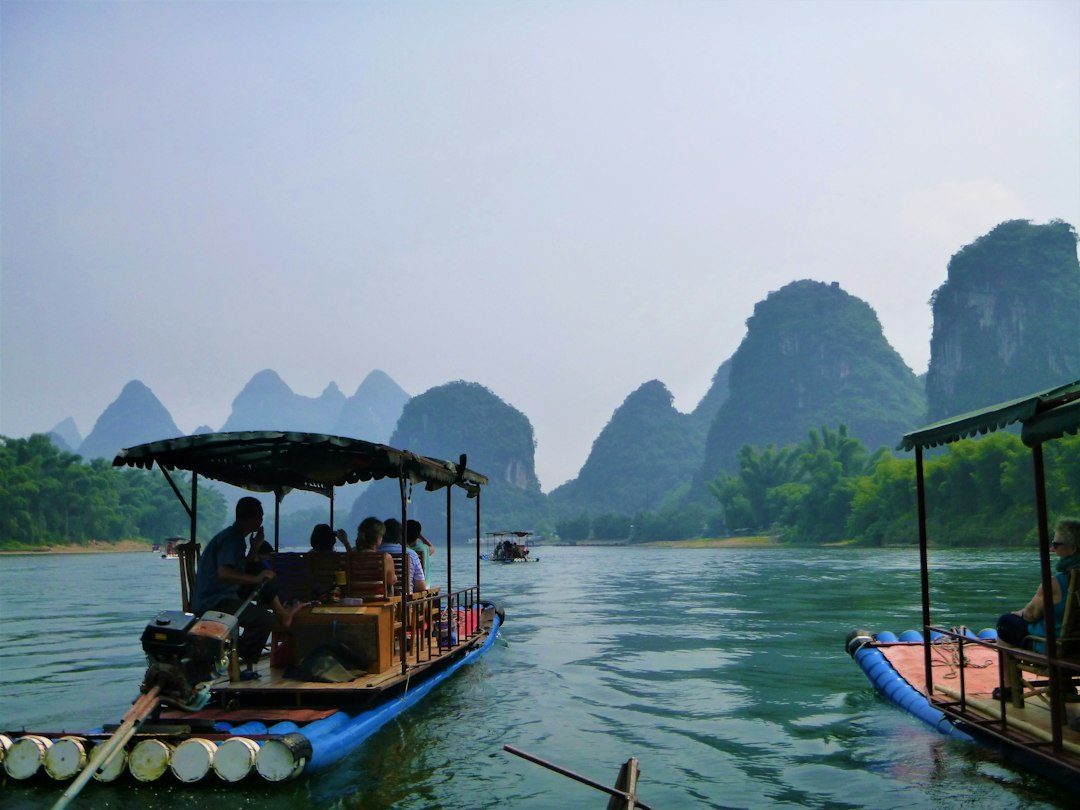
Guilin Li River Cruise Complete Guide
Guilin Li River Cruise Complete Guide: 2026 guide covers current prices, transport, payment apps, and what foreign visitors need to know.
19 min read
China Travel SIM Card eSIM Comparison 2026
The cab driver in Beijing looked at me in the rearview mirror and said, in perfect English, “You know, most tourists buy the wrong SIM card.” I’d been in China
10 min read
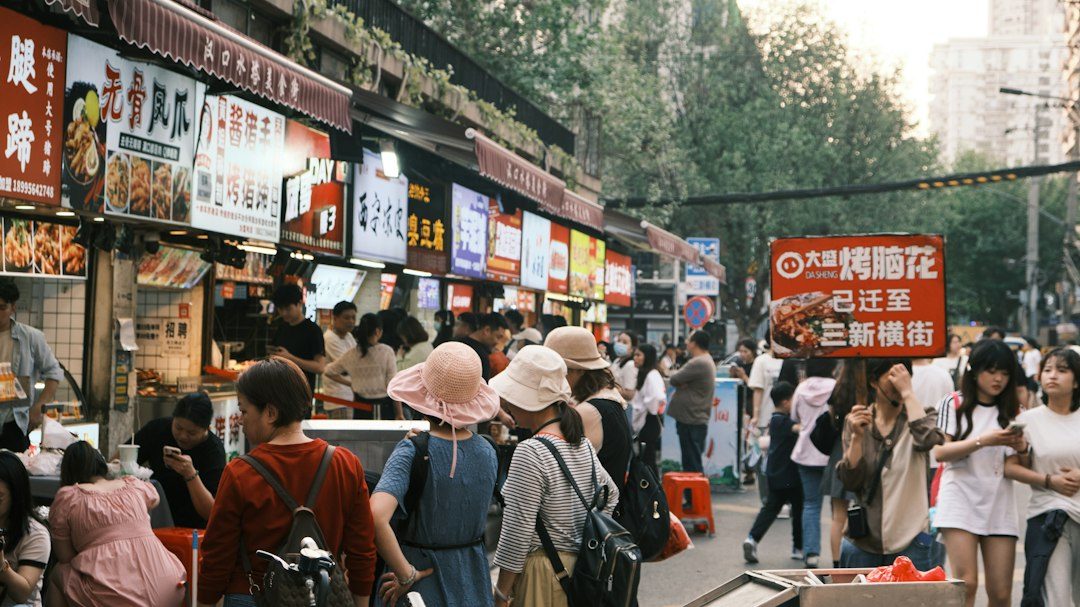
China Food Tour Self Guided Complete
The cab driver in Chengdu looked at me in the rearview mirror, then back at the address I’d fumbled to show him on my phone. He laughed. Not a mean laugh—the ki
16 min read