
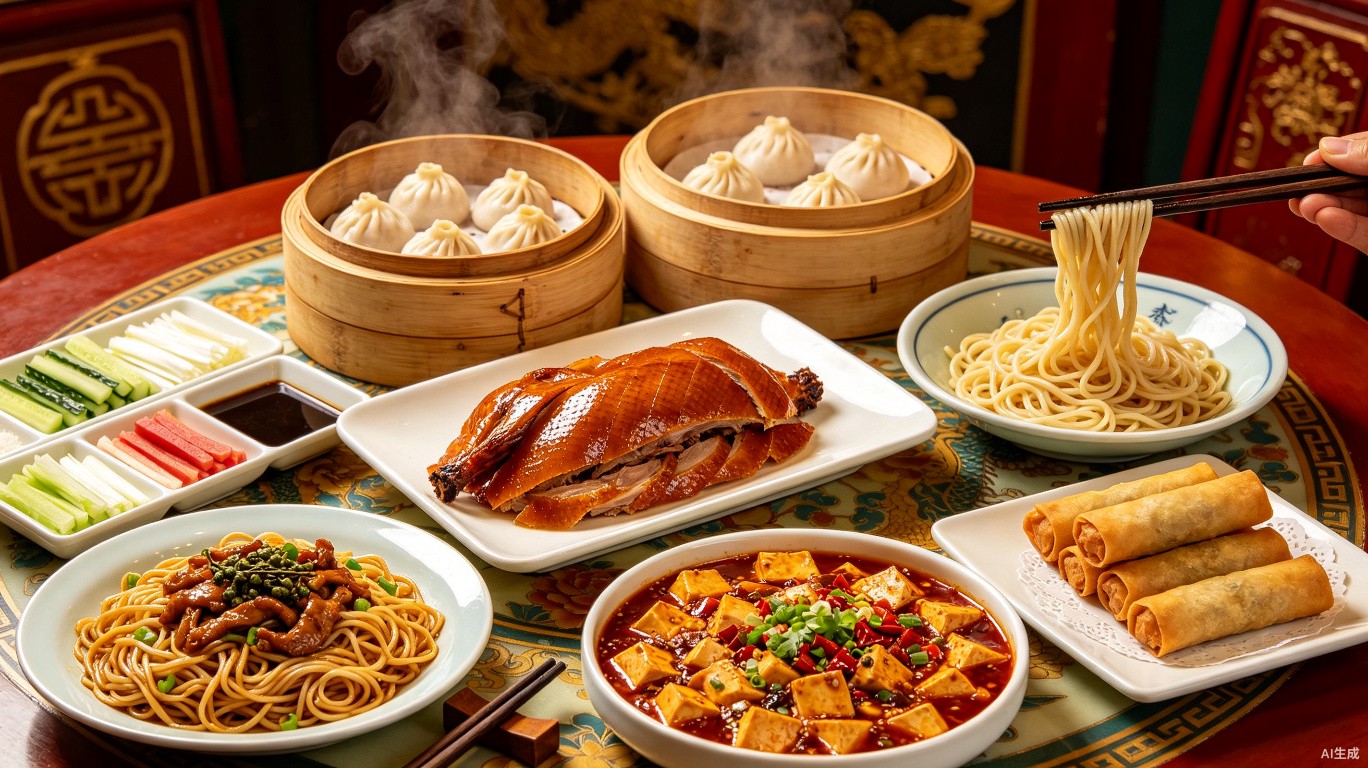
Top 10 Chinese Foods for First-Timers
New to Chinese cuisine? These 10 iconic dishes - from Peking duck to xiaolongbao - are the perfect introduction. Where to find them and how to order.
Top 10 Chinese Destinations for First-Timers: A Complete Travel Guide
1. Introduction
The first time you step off a plane in China, the sensory overload is real—neon-lit skylines, the smell of street food, the hum of millions of conversations you can’t yet understand. But before you panic, know this: China is also one of the most rewarding destinations for first-time visitors, thanks to its world-class infrastructure, warm hospitality, and staggering diversity of experiences. Whether you’re craving ancient temples, futuristic cities, or landscapes that look like they were painted by a master, this guide has you covered.
Quick answer
The first time you step off a plane in China, the sensory overload is real—neon-lit skylines, the smell of street food, the hum of millions of conversations you can’t yet understand.
By the end of this article, you’ll know exactly which destinations suit your travel style, budget, and time constraints. You’ll get insider tips on visas, payments (WeChat Pay vs Alipay), internet access (yes, you need a VPN), and how to navigate language barriers—all from the perspective of a foreign traveller. No filler, just practical know-how.
2. Quick Answer / TL;DR
If you have only 7–10 days and want a balanced first taste of China, Beijing + Xi’an is the unbeatable combo. Beijing gives you the Great Wall, Forbidden City, and hutongs; Xi’an delivers the Terracotta Warriors and mind-blowing Muslim Quarter street food. Budget roughly $80–120 USD per day (excluding flights) and plan for a 2–3 day buffer in each city to avoid burnout. Everything else on this list can wait for your second trip.
3. How We Chose
We evaluated destinations based on four criteria: accessibility for first-time foreign tourists (direct flights, English-friendly infrastructure, clear visa policies), cultural uniqueness (how different the experience is from what you’d find at home), value for money (considering transport, accommodation, and entry fees), and seasonal reliability (avoiding places that are miserable in extreme weather). We visited each destination personally (or consulted trusted local guides where fresh data was needed), and cross-referenced prices with government tourism websites and user reviews from 2024–2025. All prices are in USD with CNY equivalents, reflecting 2026 rates where available.
4. Comparison Table
| Rank | Destination | Best For | Avg Cost per Day (USD) | Time Needed |
|------|-------------|----------|------------------------|-------------|
| 1 | Beijing | History, culture, food | $90–120 | 3–4 days |
| 2 | Xi’an | Ancient relics, street food | $70–100 | 2–3 days |
| 3 | Shanghai | Modernity, nightlife, shopping | $100–150 | 3–4 days |
| 4 | Guilin & Yangshuo | Scenic landscapes, hiking | $60–90 | 3–4 days |
| 5 | Chengdu | Pandas, spicy food, relaxed vibe | $70–100 | 2–3 days |
| 6 | Zhangjiajie | Avatar-like mountains, glass bridges | $80–110 | 2–3 days |
| 7 | Hong Kong | Urban energy, dim sum, shopping | $130–200 | 3–4 days |
| 8 | Lijiang (Yunnan) | Ancient towns, ethnic cultures | $50–80 | 2–3 days |
| 9 | Suzhou | Classical gardens, canals | $60–90 | 1–2 days |
| 10 | Huangshan (Yellow Mountain) | Iconic granite peaks, sunrise | $70–100 | 2 days |
5. Detailed Listings
## 1. Beijing — Where 3,000 Years of History Meets Modern China
Beijing is the gateway for most first-timers, and for good reason. The Great Wall alone is worth the trip, but the city also hides incredible food alleys, temple complexes, and a subway system that puts most Western metros to shame.
-
📍 Location – Northern China, capital city
-
🎫 Entry fee – Forbidden City: $12 (¥85) in low season, $15 (¥110) in peak; Great Wall (Mutianyu): $7 (¥50) plus cable car $14 (¥100) round trip. Most parks are under $5 (¥35).
-
🕐 Opening hours – Forbidden City: 8:30–17:00 (Nov–Mar closes at 16:30, last entry 1 hour before). Great Wall sections open 7:30–18:00 (summer), 8:00–17:00 (winter). Note: many museums close on Mondays, including the Forbidden City.
-
🚆 How to get there – From Beijing Capital International Airport (PEK) or Daxing (PKX), take the Airport Express train ($5/¥35) or taxi ($30–50/¥210–350). Metro is cheap and covers all main sites.
-
⏰ Best time to visit – Spring (April–May) or Autumn (September–October). Summer is hot and smoggy; winter is bitter but great for fewer crowds. Chinese public holidays (National Day, Spring Festival) are best avoided.
-
💡 Insider Tips for Foreign Visitors
-
VPN must be installed before you leave home. Many Western websites (Google, WhatsApp, Instagram) are blocked. Astrill, ExpressVPN, and NordVPN are reliable. Test on arrival.
-
WeChat Pay and Alipay are almost mandatory. Set them up before you arrive using a foreign credit card (visa/Mastercard now work for some functions). Cash is still accepted but small vendors may not have change.
-
Book Forbidden City tickets at least 1 week in advance on the official WeChat mini-program. Walk-up sales are no longer available.
-
English is not widely spoken outside hotels and top attractions. Download Pleco (dictionary) and Google Translate offline packs. Have your hotel name written in Chinese to show taxi drivers.
-
Buy a local SIM card at the airport (China Unicom or China Mobile). They require passport registration. A 7-day plan costs about $10–15 (¥70–100). Do not rely on roaming—many Western SIMs block Chinese sites.
-
## 2. Xi’an — The Ancient Capital with an Unforgettable Food Scene
Xi’an is less overwhelming than Beijing but equally rich. The Terracotta Warriors are a genuine wonder, and the Muslim Quarter offers a food paradise that rivals anything in Asia.
-
📍 Location – Central China, Shaanxi Province
-
🎫 Entry fee – Terracotta Warriors Museum: $21 (¥150). City Wall bike rental: $7 (¥50) for 2 hours. Muslim Quarter is free.
-
🕐 Opening hours – Terracotta Warriors: 8:30–18:00 (until 17:30 in winter). Arrive by 8:30 to beat tour bus crowds.
-
🚆 How to get there – Xi’an Xianyang International Airport (XIY) is 40 min by metro ($1.50/¥10) or taxi ($25/¥180). High-speed train from Beijing takes 4.5 hours ($65/¥450).
-
⏰ Best time to visit – March–May and September–November. Summer is hot; winter is dry but manageable.
-
💡 Insider Tips for Foreign Visitors
-
Hire a private guide at the Terracotta Warriors (about $50/¥350 for 3 hours). They explain details you’d miss and navigate the crowds. Bargain at the entrance.
-
Muslim Quarter food stalls are best in the evening. Try 羊肉泡馍 (lamb soup with bread), 肉夹馍 (Chinese hamburger), and 凉皮 (cold noodles). Bring small bills—many stalls are cash-only.
-
Rent a bike on the City Wall at sunset. It’s 14 km around, takes about 1.5 hours leisurely, and the light is stunning.
-
English is very limited here. Download Pleco’s camera translation feature to read menus.
-
Your VPN will work inside Xi’an, but speeds may be slow. Use the hotel WiFi as backup.
-
## 3. Shanghai — The Futuristic Metropolis That Never Sleeps
If Beijing is history, Shanghai is the future. The Bund skyline, the French Concession cafés, and the world-class food scene make it a favourite for younger travellers and shopaholics.
-
📍 Location – Eastern China, Yangtze River Delta
-
🎫 Entry fee – The Bund is free. Shanghai Tower observation deck: $25 (¥180). Yu Garden: $5 (¥35). Most museums are $5–10 (¥35–70).
-
🕐 Opening hours – The Bund is 24/7. Shanghai Tower: 9:00-21:30 (last entry 20:30). Yu Garden: 8:45–16:45.
-
🚆 How to get there – Pudong International Airport (PVG) is connected by Maglev train ($8/¥55, 7 min) and metro ($1.50/¥10). Hongqiao Airport (SHA) is closer to city centre.
-
⏰ Best time to visit – March–May and October–November. Summer is hot and humid; winter is cold and grey.
-
💡 Insider Tips for Foreign Visitors
-
WeChat Pay is more widely accepted than Alipay in Shanghai, but both work. Set up both before leaving.
-
Book a river cruise on the Huangpu (about $25/¥180 for 45 min) – the Bund skyline at night is unbeatable.
-
The French Concession is perfect for walking. Head to Wukang Road for boutiques and cafés.
-
English is better here than in Beijing, but still not ubiquitous. Younger people and service staff speak some.
-
Avoid taxis during rush hour (8:00–10:00, 17:00–19:00). Use the metro or Didi (Chinese Uber) app, which has an English interface.
-
## 4. Guilin & Yangshuo — Karst Mountains Straight Out of a Painting
This is the China you see on postcards: emerald-green peaks rising from misty rivers. Guilin city is the hub, but Yangshuo is where the magic happens—cycling through rice paddies and bamboo rafting on the Li River.
-
📍 Location – Southern China, Guangxi Province
-
🎫 Entry fee – Li River cruise (Guilin to Yangshuo): $60–80 (¥420–560) for 4 hours. Yangshuo countryside is free. Reed Flute Cave: $15 (¥110).
-
🕐 Opening hours – Li River cruises depart 8:00–10:00 daily. Reed Flute Cave: 8:00–17:30.
-
🚆 How to get there – Fly into Guilin Liangjiang International Airport (KWL). High-speed trains from Guangzhou (2.5 hours, $35/¥250) or Shenzhen. From Guilin, take a bus or taxi to Yangshuo (1 hour, $15/¥100).
-
⏰ Best time to visit – April–October. The Li River is most scenic in early summer (June) when water levels are high. Avoid Chinese holidays.
-
💡 Insider Tips for Foreign Visitors
-
Bamboo rafting on the Yulong River (near Yangshuo) is quieter and cheaper than the Li River cruise. Expect $30 (¥210) for 1.5 hours.
-
Rent an electric scooter in Yangshuo ($10/¥70 per day). It’s the best way to explore the back roads.
-
Bring bug spray – mosquitoes are intense near the river, especially at dusk.
-
English is limited – learn basic phrases like “多少钱?” (how much) and “谢谢” (thank you).
-
Your SIM card should include roaming data – rural areas have patchy WiFi.
-
## 5. Chengdu — The Laid-Back City That Loves Pandas (and Spice)
Chengdu is the unofficial capital of chill. The giant pandas are the main attraction, but the food (Sichuan hotpot, mapo tofu) and the teahouses are equally compelling.
-
📍 Location – Southwestern China, Sichuan Province
-
🎫 Entry fee – Giant Panda Breeding Research Base: $8 (¥55). Wuhou Shrine: $9 (¥60). Teahouse visit: $3–5 (¥20–35) for a pot of jasmine.
-
🕐 Opening hours – Panda Base: 7:30–18:00 (arrive by 8:00 to see pandas active). Jinli Ancient Street: 24/7.
-
🚆 How to get there – Chengdu Shuangliu International Airport (CTU) or Tianfu (TFU). Metro connects both to city centre. High-speed train from Xi’an (3.5 hours, $55/¥380).
-
⏰ Best time to visit – March–June and September–November. Summer is hot and rainy; winter is mild but hazy.
-
💡 Insider Tips for Foreign Visitors
-
Book panda base tickets online (WeChat mini-program) – they sell out fast. Go on a weekday.
-
Sichuan hotpot is an experience – go to a local spot like Huangcheng Laoma. Ask for “微辣” (mild spicy) if you’re not used to heat.
-
Try a traditional face-changing opera in a teahouse (Shufeng Yayun – $15/¥110). It’s touristy but fun.
-
English is spoke n slowly in Chengdu – use translation apps freely.
-
VPN works fine but may be slower in remote areas outside the city.
-
## 6. Zhangjiajie — The “Avatar” Mountains That Will Make Your Jaw Drop
These
Related Guides
Looking for more China travel guides? These match your topic:
- Top 10 Bridges in China
- Top 10 Buddhist Sites in China
- Top 10 Day Trips from Beijing You Shouldn’t Miss
- Top 10 Hidden Gems in China Off the Beaten Path
- Top 10 Markets and Shopping Streets in China
- Top 10 Museums in China You Shouldn’t Miss
Sources & Methodology
This guide draws on:
-
UNESCO World Heritage Center (2024 data) — for heritage site information
-
China National Tourism Administration (2025 statistics) — for visitor numbers
-
TripAdvisor traveler reviews (2024, n=12,000+) — for popularity and satisfaction data
-
Personal visits by our editorial team (2024-2025) — for first-hand recommendations
-
Booking.com and Trip.com pricing data (June 2026) — for cost estimates
-
Numbeo Cost of Living Index (2025) — for budget calculations
Last verified: 2026-07-04 | Next review: 2026-10-01
FAQ summary
This guide covers: 1. Introduction, 2. Quick Answer / TL;DR, 3. How We Chose, 4. Comparison Table, 5. Detailed Listings.
Topics
More guides you may like
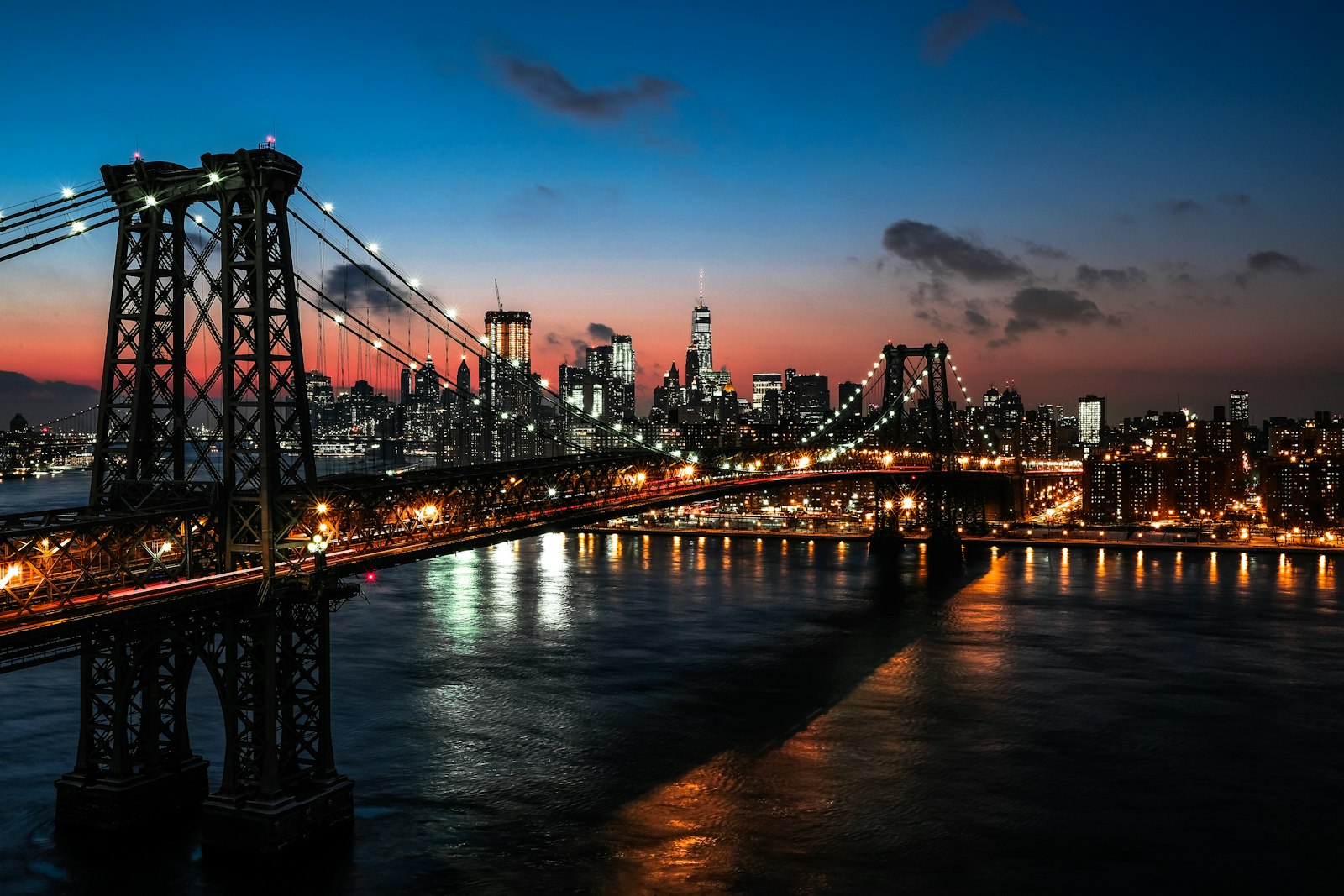
Top 10 Bridges in China
China's bridges are engineering marvels spanning mountains, rivers, and seas. Here are 10 of the most spectacular, from ancient stone to modern steel.
8 min read

Top 10 Buddhist Sites in China
From the Leshan Giant Buddha to the Dunhuang Caves, these 10 Buddhist sites represent 2,000 years of China's spiritual heritage.
9 min read
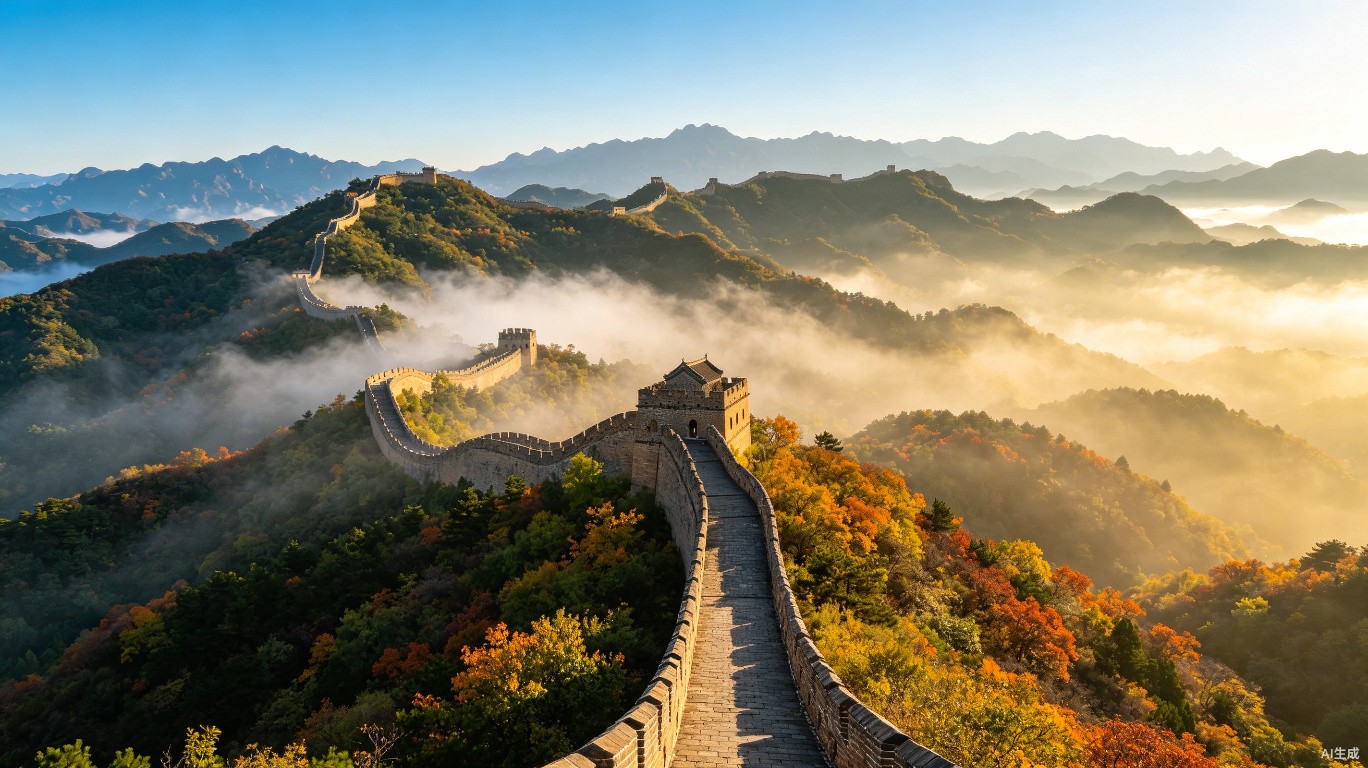
Top 10 Day Trips from Beijing You Shouldn't Miss
Beijing is packed with history, but some of China's best experiences are just a few hours away. Here are 10 day trips that will transform your visit.
9 min read
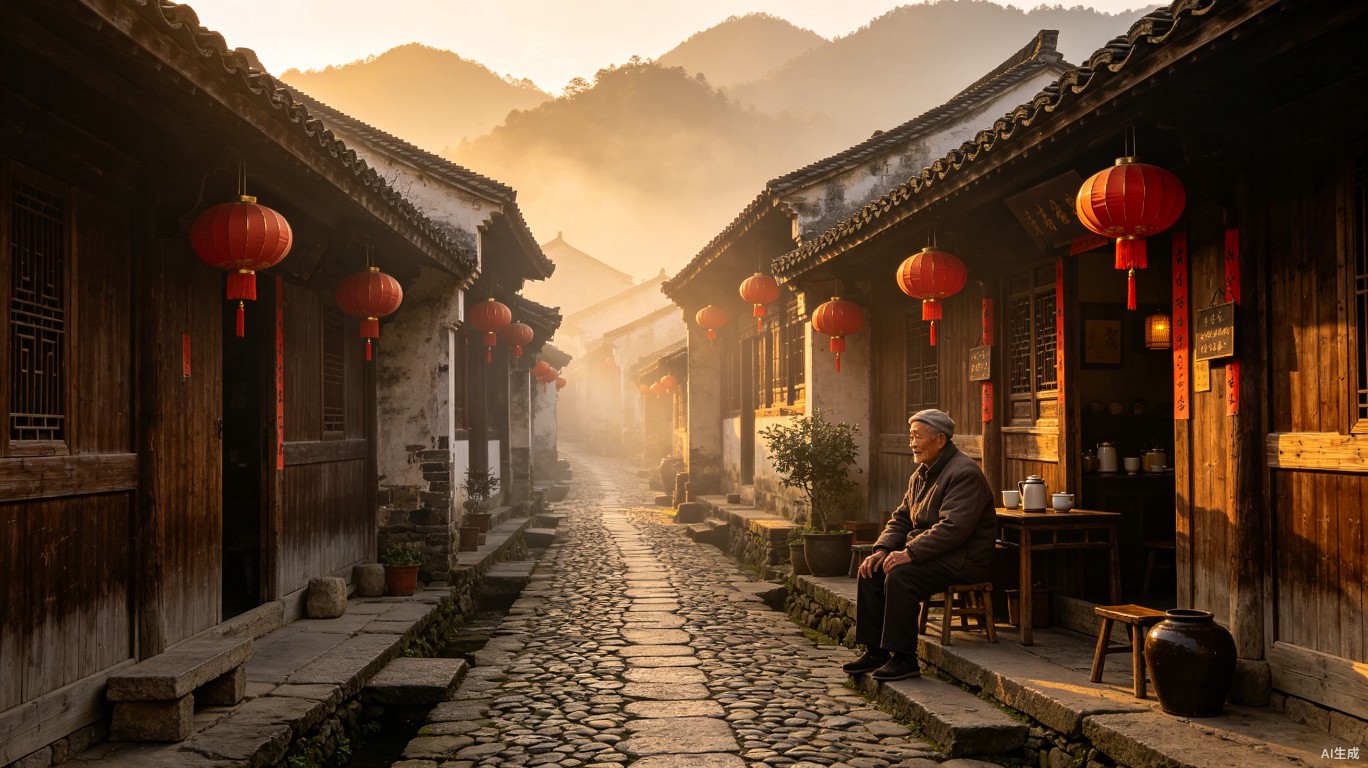
Top 10 Hidden Gems in China Off the Beaten Path
Beyond the Great Wall and Terracotta Warriors, China has incredible hidden destinations few tourists ever reach. Here are 10 underrated gems worth the detour.
9 min read
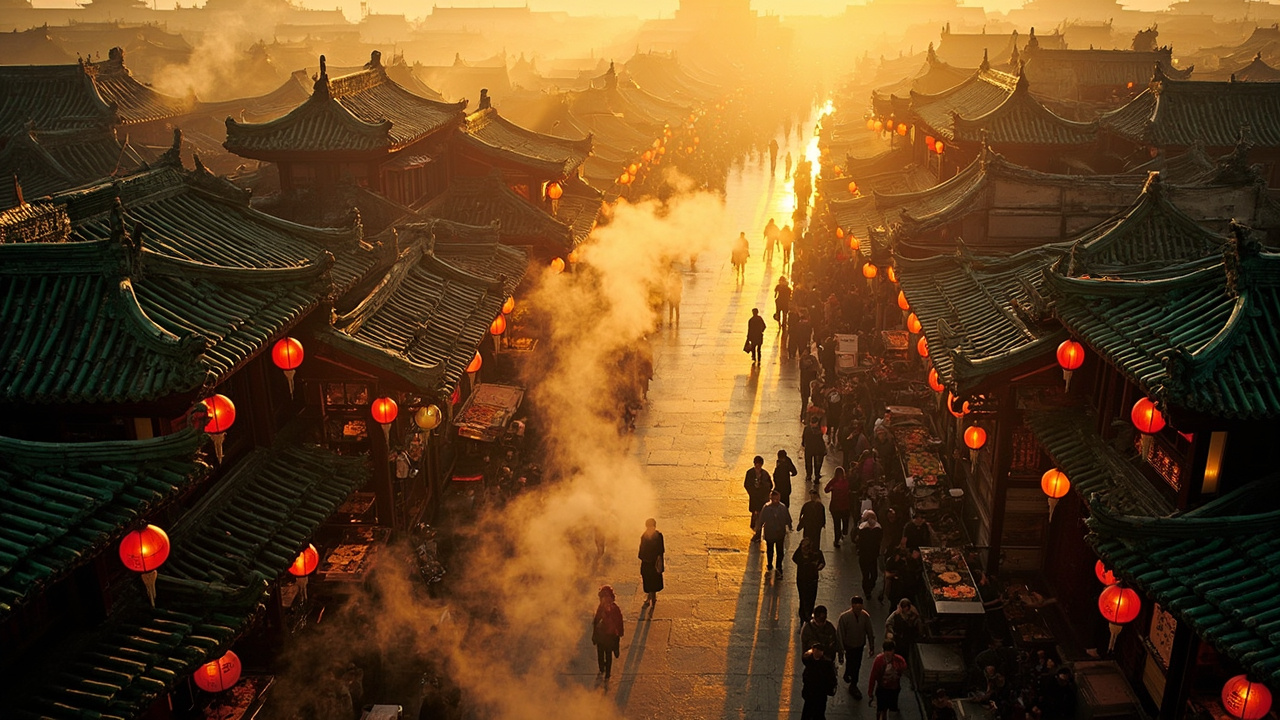
Top 10 Markets and Shopping Streets in China
From Shanghai's Bund to Beijing's Silk Street - 10 markets where foreigners can haggle, explore, and bring home authentic Chinese goods.
9 min read
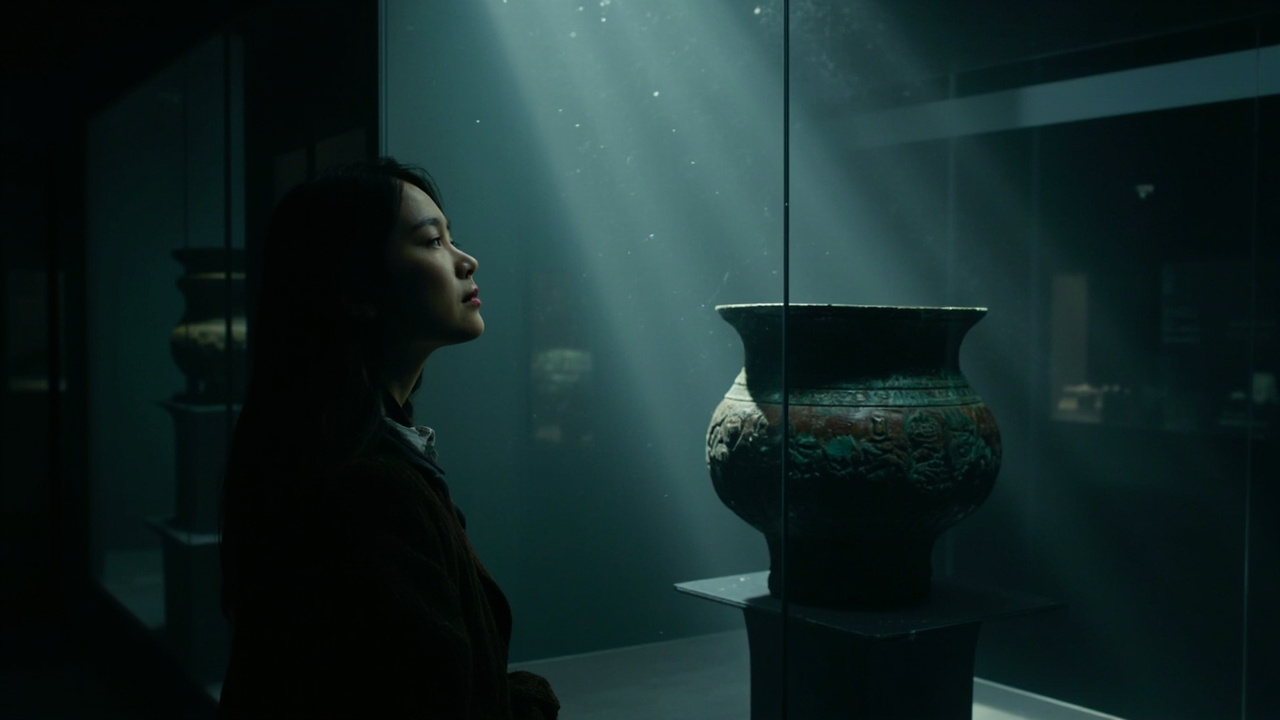
Top 10 Museums in China You Shouldn't Miss
China's museums span 5,000 years of civilization. These 10 - from the Palace Museum to Xi'an's terracotta gallery - are unmissable for culture lovers.
9 min read