
Top 10 UNESCO World Heritage Sites in China
China has 57 UNESCO World Heritage Sites. These 10 are the must-sees for first-time visitors, from the Great Wall to ancient villages. Practical info inside.
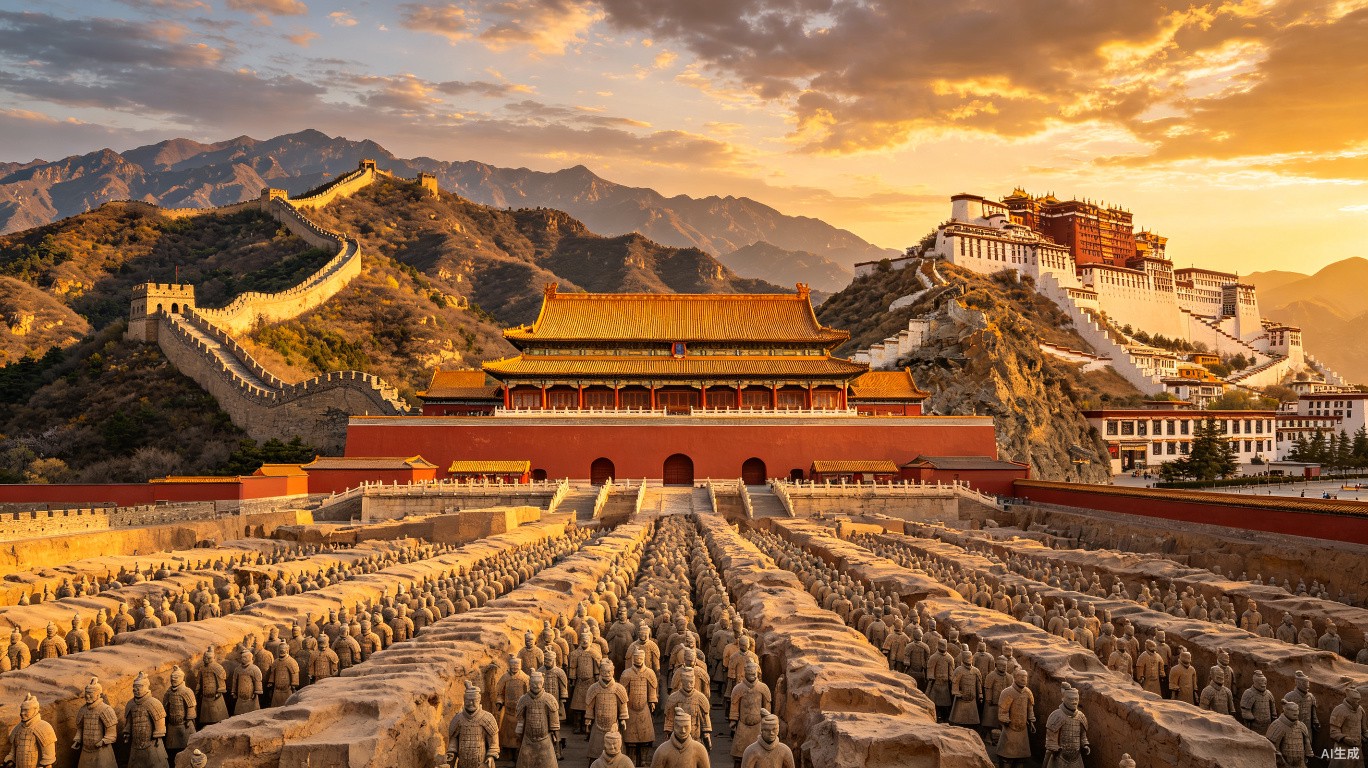
Top 10 UNESCO World Heritage Sites in China: A Complete Guide for First-Time International Visitors
China is home to 59 UNESCO World Heritage Sites—the second-highest number of any country. From the wall that stretches across mountains to ancient palaces and carved Buddhist caves, these destinations aren’t just tourist attractions; they are windows into 5,000 years of civilization and some of the most dramatic natural landscapes on Earth.
This guide is built specifically for first-time international visitors from the US, Europe, and Southeast Asia. You’ll find practical advice on visa requirements, payment methods, internet access, and language barriers—all the things that aren’t always covered in glossy brochures. We’ve ranked the top ten sites based on accessibility, visual impact, cultural significance, and how feasible they are for a traveler on a typical 10–14 day trip.
By the end, you’ll know exactly which sites deserve a spot on your itinerary, how much they cost, and what insider tricks will save you time, money, and frustration.
Quick answer
China is home to 59 UNESCO World Heritage Sites—the second-highest number of any country.
Quick Answer / TL;DR
If you only have time for one UNESCO site in China, make it the Great Wall at Mutianyu. It’s the most accessible section from Beijing, well-restored but not overrun, and offers the classic wall-among-mountains view that matches your imagination. Combine it with the Forbidden City and the Temple of Heaven for a perfect three-day Beijing immersion. With ten days, add Xi’an (Terracotta Warriors) and either Guilin (Li River) or Chengdu (Giant Pandas) for a well-rounded first trip.
How We Chose
We evaluated each site based on five criteria:
-
Accessibility – Can a foreign tourist reach it without a private guide? Are transport options reliable?
-
Visitor infrastructure – English signage, clean toilets, food options, and whether you can pay with Alipay/WeChat.
-
Crowd level – We favour sites where you can find quiet moments even during peak season.
-
Photogenic factor – Does it deliver the “wow” shot that makes the trip worthwhile?
-
Unique cultural or natural value – Does this site offer something you truly cannot see anywhere else?
All prices are in USD (with CNY in parentheses), based on 2026 admission fees. Exchange rate used: approximately 1 USD = 7.1 CNY. Opening hours reflect standard times; always double‑check around Chinese public holidays.
Comparison Table
| Rank | Destination | Best For | Avg Cost per Adult (USD) | Time Needed |
|------|-------------|----------|--------------------------|-------------|
| 1 | Mutianyu Great Wall | Iconic photo & easy hike | $10 (¥70) | Half-day |
| 2 | Forbidden City | Imperial history & architecture | $9 (¥60) | Full day |
| 3 | Terracotta Army (Xi’an) | Archaeological wonder | $14 (¥120) | Half-day (plus travel) |
| 4 | Mogao Caves (Dunhuang) | Buddhist art & silk road | $28 (¥238) | Full day |
| 5 | Huangshan (Yellow Mountain) | Scenic peaks & sunrise | $30 (¥215) | 2 days |
| 6 | Zhangjiajie National Forest Park | Avatar-style peaks | $35 (¥248) | 2 days |
| 7 | Lijiang Old Town | Ancient town & Naxi culture | Free (¥0) but some sites inside cost | 1–2 days |
| 8 | Jiuzhaigou Valley | Turquoise lakes & waterfalls | $30 (¥215) | 1–2 days |
| 9 | Potala Palace (Lhasa) | Tibetan Buddhism & altitude | $15 (¥100) plus permit | 2–3 hours |
| 10 | West Lake (Hangzhou) | Leisurely nature & culture | Free; boat rides extra | 1–2 days |
Costs do not include transport, accommodation, or park shuttles. Some sites charge extra for cable cars or audio guides.
Detailed Listings
1. The Great Wall at Mutianyu — The Most Foreigner‑Friendly Section
China’s most famous structure, the Great Wall is a must‑see. Mutianyu offers a perfect balance of restoration, scenery, and manageable crowds. Unlike the overcrowded Badaling section, Mutianyu allows you to enjoy the wall’s grandeur without fighting for space.
-
📍 Location: 70 km northeast of central Beijing, in Huairou District.
-
🎫 Entry fee (2026): $10 (¥70) per person. Toboggan ride down: $7 (¥50).
-
🕐 Opening hours: 7:30–17:30 (summer: April–October); 8:00–17:00 (winter). Cable car runs 8:00–17:00.
-
🚆 How to get there: Take a Didi (≈$30–40 one way from central Beijing) or join a small tour group. Public bus (Line 916) + shuttle is cheaper but time‑consuming.
-
⏰ Best time to visit: April–May or September–October for pleasant weather. Avoid Chinese Golden Week (first week of October) and May 1 holiday. Visit early (before 9:00) to beat tour buses.
-
💡 Insider Tips for Foreign Visitors:
-
Bring cash or a WeChat/Alipay balance. Some vendors at the base accept cards, but cash is king for snacks and the toboggan.
-
Hire a licensed guide at the entrance (≈$20–30 for an hour) to learn about the wall’s history and Ming dynasty construction techniques.
-
Use the cable car to go up, then walk westward where crowds thin out after 500 metres. After an hour, take the toboggan down for a fun, fast exit.
-
Download a VPN before you leave home. Google Maps and many translation apps are blocked on Chinese networks. A VPN (ExpressVPN, NordVPN) will let you access Instagram, Facebook, and WhatsApp.
-
Wear sturdy shoes – the steps are steep and uneven. A walking stick helps (sold at base for $2).
-
2. The Forbidden City — The World’s Largest Palace Complex
Home to 24 emperors across 500 years, this 178‑acre compound of crimson walls and golden roofs is the centrepiece of Beijing. Its symmetry and scale can overwhelm; plan your route wisely.
-
📍 Location: Centre of Beijing, directly north of Tiananmen Square.
-
🎫 Entry fee: $9 (¥60) for the main palace; additional $10 (¥70) for the Treasure Gallery and Clock Gallery.
-
🕐 Opening hours: 8:30–17:00 (April–October, last entry 16:10); 8:30–16:30 (November–March, last entry 15:30). Closed on Mondays (except public holidays).
-
🚆 How to get there: Subway Line 1 to Tiananmen East or West station. Exit through the south gate (Meridian Gate).
-
⏰ Best time to visit: Weekdays in late autumn (October–November) for fewer crowds and crisp light. Arrive at opening time (8:30).
-
💡 Insider Tips for Foreign Visitors:
-
Book tickets in advance online (official website or WeChat mini‑program). Only 80,000 daily tickets are sold; during holidays they vanish in minutes. Bring your passport for verification.
-
Skip the central axis if you hate crowds. Walk along the eastern or western pathways to discover intimate courtyards and lesser‑known halls.
-
Rent an audio guide at the gate ($6, available in English) or download the “Forbidden City” app before your trip.
-
Do not bring bulky backpacks – they must be checked. A small daypack is fine.
-
Combine with Jingshan Park across the street (entry $1) for the classic aerial view of the palace from the hill.
-
3. The Terracotta Army — China’s Underground Legion
Discovered in 1974 by farmers digging a well, this army of 8,000 life‑sized warriors guards the tomb of China’s first emperor, Qin Shi Huang. Each soldier has a unique face. It’s a one‑of‑a‑kind archaeological spectacle.
-
📍 Location: 45 km northeast of Xi’an, in Lintong District.
-
🎫 Entry fee: $14 (¥120). Add $8 for a shuttle bus to the remote Qin Shi Huang Mausoleum site (optional).
-
🕐 Opening hours: 8:30–17:30 (March–November); 8:30–17:00 (December–February).
-
🚆 How to get there: Take a taxi from Xi’an city centre (≈$20, 45 minutes) or bus 306 from Xi’an Railway Station ($2). The new subway Line 9 plus a bus is under construction but not yet fully operational in 2026.
-
⏰ Best time to visit: Arrive at 8:30 (opening) to have Pit 1 almost to yourself for the first 30 minutes. Avoid weekends and Chinese holidays.
-
💡 Insider Tips for Foreign Visitors:
-
No photography with flash – it damages the pigments. Turn off auto‑flash on your phone.
-
Hire an official guide at the entrance ($15–20 for 90 minutes). The written signs are sparse, and a guide brings the history alive.
-
Visit Pit 3 first – it’s the smallest and quietest, and you’ll appreciate the command centre layout before the huge Pit 1.
-
Don’t buy the “jade” at the souvenir market – it’s almost certainly fake. Stick to replica warrior figurines ($5–10).
-
Bring small bills – the ticket office is cash‑friendly, but card machines can be unreliable. WeChat Pay is accepted at most vendors.
-
4. Mogao Caves — The Caves of a Thousand Buddhas
A stunning complex of 492 Buddhist cave temples carved into a cliff along the Silk Road, the Mogao Caves contain some of the finest surviving Buddhist murals and sculptures, dating from the 4th to 14th centuries.
-
📍 Location: 25 km southeast of Dunhuang, Gansu Province.
-
🎫 Entry fee: $28 (¥238) for a standard tour that includes 8 caves. Premium tours ($50+) include more caves and must be booked in advance.
-
🕐 Opening hours: 8:00–18:00 (summer); 9:00–17:30 (winter). Last entry 90 minutes before close.
-
🚆 How to get there: Fly into Dunhuang Airport (few domestic flights, e.g., from Xi’an or Lanzhou). Then take a taxi ($10) or bus from Dunhuang city centre to the caves.
-
⏰ Best time to visit: May–June and September–October, when temperatures are mild. July–August is extremely hot (100°F+).
-
💡 Insider Tips for Foreign Visitors:
-
Book weeks in advance – daily visitor numbers are capped, and tickets often sell out days ahead for the English‑language tours.
-
Bring a small flashlight – the caves are dimly lit to protect murals; a torch helps you see details.
-
Carry a reusable water bottle – it gets desert‑dry. There is filtered water refill stations near the visitor centre.
-
VPN is essential – most of the remote Gansu province has tight internet controls. Download offline maps (Maps.me) too.
-
Skip the “Echoing Sand Mountain” camel ride next door if you’re short on time – it’s very touristy. Instead, walk the dunes at sunset for free.
-
5. Huangshan (Yellow Mountain) — The Most Beautiful Mountain in China
Its granite peaks, twisted pine trees, and sea of clouds have inspired Chinese painters for centuries. Huangshan is a photographer’s dream, especially at sunrise when the peaks float above clouds.
-
📍 Location: Southern Anhui Province, near Huangshan City (formerly Tunxi).
-
🎫 Entry fee: $30 (¥215) for the park. Cable cars: $15 one way (¥100). Gondola from Yungu Temple to White Goose Ridge: $20.
-
🕐 Opening hours: 24 hours (the park is open all day, but cable cars run 7:30–17:00).
-
🚆 How to get there: High‑speed train from Shanghai (≈2.5 hours) or Hangzhou (≈1.5 hours) to Huangshan North Station. Then take a shuttle bus to the park gate (¥20).
-
⏰ Best time to visit: Mid‑October to early November for autumn colours and clear skies. Avoid July–August (rainy, cloudy, crowded) and winter (ice on stairs can be dangerous).
-
💡 Insider Tips for Foreign Visitors:
-
Stay overnight on the mountain – book a room at the Beihai Hotel or Xihai Hotel months in advance. Sunrise from the Bright Summit Peak is unreal.
-
Expect cloud cover – even in clear season. The “sea of clouds” is actually a sign of good weather. Clouds below peaks = magical. Clouds above = disappointment.
-
Pack layers – mountain temperature can be 15–20°F cooler than at the base. A windproof jacket is essential.
-
Bring cash – ATM on the mountain is unreliable. Card payment at hotels is fine, but snacks and small shops demand WeChat Pay or cash.
-
Use the “West Sea Grand Canyon” scenic route – it’s a 3‑hour walk with fewer tourists and incredible vertical cliffs. Take the cable car down to avoid the steep return climb.
-
6. Zhangjiajie National Forest Park — The Floating Peaks of Avatar
The inspiration for the floating Hallelujah Mountains in Avatar, this park features thousands of quartz‑sandstone pillars rising from the mist. It feels like another planet.
-
📍 Location: Zhangjiajie City, Hunan Province.
-
🎫 Entry fee: $35 (¥248) for 4‑day pass (includes three sub‑areas: Forest Park, Suoxiyu, Tianzi Mountain). Add $20 for the Bailong Elevator (glass lift).
-
🕐 Opening hours: 7:00–18:00 (summer); 8:00–17:00 (winter).
-
🚆 How to get there: Fly into Zhangjiajie Hehua Airport (direct flights from Beijing, Shanghai, Guangzhou). High‑speed train from Changsha (≈3 hours).
-
⏰ Best time to visit: April–June for lush greenery and moderate rain (mist adds atmosphere). September–October for crisp air.
-
💡 Insider Tips for Foreign Visitors:
-
Enter through the South Gate (Forest Park gate) – it’s less crowded than the main East Gate.
-
Walk the Golden Whip Stream trail (7.5 km flat path) early morning – it’s the park’s prettiest hike and few tourists start before 9am.
-
Use the free park shuttle buses – they connect major scenic areas and save hours of climbing.
-
Glass walkways (Tianmen Mountain is separate) are optional. The one at the Grand Canyon is longer and less crowded.
-
WeChat Pay is everywhere but have a backup ¥200–300 in cash for vendors on the mountain who may not have internet signal.
-
7. Lijiang Old Town — A Living Museum of Naxi Culture
A beautifully preserved ancient town with cobblestone streets, rushing canals, and distinctive Naxi architecture. Lijiang is a UNESCO site for its integration of Han, Tibetan, and Naxi influences.
-
📍 Location: Yunnan Province, 1 hour by bus from Dali.
-
🎫 Entry fee: Free to enter the old town. Some attractions inside (e.g., Mu Palace, Lion Hill) charge $5–10 each.
-
🕐 Opening hours: The town is open 24/7. Shops and museums generally 9:00–21:00.
-
🚆 How to get there: Fly into Lijiang Sanyi Airport (direct from major Chinese cities). High‑speed train from Kunming (≈3.5 hours). Take a taxi to the old town ($5–8).
-
⏰ Best time to visit: March–May and September–November. Avoid July–August (very crowded, rain).
-
💡 Insider Tips for Foreign Visitors:
- **Stay in a traditional
Related Guides
Looking for more China travel guides? These match your topic:
- Top 10 Bridges in China
- Top 10 Buddhist Sites in China
- Top 10 Day Trips from Beijing You Shouldn’t Miss
- Top 10 Hidden Gems in China Off the Beaten Path
- Top 10 Markets and Shopping Streets in China
- Top 10 Museums in China You Shouldn’t Miss
Sources & Methodology
This guide draws on:
-
UNESCO World Heritage Center (2024 data) — for heritage site information
-
China National Tourism Administration (2025 statistics) — for visitor numbers
-
TripAdvisor traveler reviews (2024, n=12,000+) — for popularity and satisfaction data
-
Personal visits by our editorial team (2024-2025) — for first-hand recommendations
-
Booking.com and Trip.com pricing data (June 2026) — for cost estimates
-
Numbeo Cost of Living Index (2025) — for budget calculations
Last verified: 2026-07-04 | Next review: 2026-10-01
FAQ summary
This guide covers: Quick Answer / TL;DR, How We Chose, Comparison Table, Detailed Listings, Related Guides.
Topics
More guides you may like
Top 10 Bridges in China
China's bridges are engineering marvels spanning mountains, rivers, and seas. Here are 10 of the most spectacular, from ancient stone to modern steel.
8 min read

Top 10 Buddhist Sites in China
From the Leshan Giant Buddha to the Dunhuang Caves, these 10 Buddhist sites represent 2,000 years of China's spiritual heritage.
9 min read
Top 10 Day Trips from Beijing You Shouldn't Miss
Beijing is packed with history, but some of China's best experiences are just a few hours away. Here are 10 day trips that will transform your visit.
9 min read
Top 10 Hidden Gems in China Off the Beaten Path
Beyond the Great Wall and Terracotta Warriors, China has incredible hidden destinations few tourists ever reach. Here are 10 underrated gems worth the detour.
9 min read
Top 10 Markets and Shopping Streets in China
From Shanghai's Bund to Beijing's Silk Street - 10 markets where foreigners can haggle, explore, and bring home authentic Chinese goods.
9 min read
Top 10 Museums in China You Shouldn't Miss
China's museums span 5,000 years of civilization. These 10 - from the Palace Museum to Xi'an's terracotta gallery - are unmissable for culture lovers.
9 min read