
China Public Transportation Guide for Tourists
How to navigate China's buses, metros, and taxis as a tourist. Includes subway apps, payment methods, and English-language tips.

China Public Transportation Guide for Tourists: The Complete 2026 Guide
1. Introduction
First-time visitors to China often arrive with a mix of excitement and anxiety—excitement for the Great Wall and dim sum, anxiety about navigating a country where Google Maps is blocked and most street signs are in Chinese characters. But here’s the good news: China’s public transportation system is not only one of the most extensive and modern in the world, it’s also surprisingly friendly to foreign tourists once you know a few tricks. From the lightning-fast high-speed rail network that connects Beijing to Shanghai in under 4.5 hours, to metro systems in 50+ cities that accept international credit cards (as of 2025), getting around has never been easier.
This guide covers the 10 most essential public transportation modes and systems every tourist should master. You’ll learn exact costs, how to pay without a Chinese bank account, which apps to download before you arrive, and insider tips that even some expats don’t know. By the end, you’ll be able to move through China like a pro—without ever needing to say more than “xièxiè” (thank you).
2. Quick Answer / TL;DR
For tourists with limited time (1–2 weeks in China), your best bet is to combine high-speed rail for intercity travel with the metro system in each city. Download Alipay and WeChat Pay before departure, link an international credit card (Visa/Mastercard now supported from 2024 onward), and use the built-in “Transport” feature to scan QR codes for subway and bus rides. Buy a VPN (Astrill or ExpressVPN) before leaving home, and get a Chinese SIM card at the airport or an eSIM from Nomad or Airalo. That combo covers 95% of your travel needs with zero cash and zero language barrier.
3. How We Chose
We selected these 10 transport modes based on three criteria: frequency of use by first-time tourists (relevance), ease of access for international visitors (payment, English support), and cost-efficiency. We also factored in recent policy changes—such as China’s 2024 expansion of foreign credit card acceptance on metro systems, and the 2025 update allowing Alipay to bind non-Chinese bank cards. Each listing includes real-world fare ranges (in USD and CNY), typical wait times, and where English or translation apps are needed. We avoided theoretical systems (like long-distance buses) that offer poor value for tourists.
4. Comparison Table
| Rank | Destination (Transport Mode) | Best For | Avg Cost (per ride/day) | Time Needed |
|------|-----------------------------|----------|-------------------------|-------------|
| 1 | High-Speed Rail (CRH) | Fast intercity travel | $25–$100 (¥180–¥720) | 1–5 hours |
| 2 | Beijing Subway | City commuting | $0.35–$1.40 (¥3–¥10) | 20–60 mins |
| 3 | Shanghai Metro | Largest metro network | $0.35–$2.10 (¥3–¥15) | 10–90 mins |
| 4 | Guangzhou Metro | Southern hub | $0.35–$1.40 (¥3–¥10) | 15–60 mins |
| 5 | City Buses | Budget travel, local vibe | $0.15–$0.40 (¥1–¥3) | 20–90 mins |
| 6 | Taxis & Ride-hailing (Didi) | Door-to-door convenience | $2–$15 (¥15–¥100) | 10–60 mins |
| 7 | Bike-sharing (Mobike, Hellobike) | Short distances, fun | $0.30–$1.00 per trip (¥2–¥7) | 10–30 mins |
| 8 | Overnight Sleeper Trains | Long distance + accommodation | $35–$70 (¥250–¥500) | 8–15 hours |
| 9 | Domestic Flights | Island hopping, far-west | $50–$200 (¥360–¥1,440) | 1.5–5 hours |
| 10 | Ferries & Water Taxis | Coastal cities, scenic | $1–$10 (¥7–¥72) | 30 mins–3 hours |
5. Detailed Listings
## 1. High-Speed Rail (CRH) — The Backbone of Chinese Travel
China’s high-speed rail network (CRH, or China Railway High-speed) is the world’s largest, covering over 42,000 km. Trains are punctual to the second, seats are comfortable, and onboard announcements are bilingual (Chinese and English). For intercity travel, this is your best choice: it beats flying when you factor in airport transit and security delays.
-
📍 Location: All major cities; key stations: Beijing South, Shanghai Hongqiao, Guangzhou South.
-
🎫 Entry fee: Second-class seat: $25–$80 (¥180–¥580) for Beijing–Shanghai; first-class: $45–$120 (¥320–¥860). Dynamic pricing applies; book early for best rates.
-
🕐 Opening hours: First trains ~6:00 AM, last trains ~11:00 PM. Frequency every 10–30 minutes on busy routes.
-
🚆 How to get there: Purchase tickets via the official 12306 app (requires Chinese phone number), or on Trip.com (international version, accepts foreign cards). Show passport at station ticket counter if buying on-site.
-
⏰ Best time to visit: Avoid Chinese New Year (Jan/Feb) and Golden Week (Oct 1–7) when tickets sell out weeks in advance. Weekday mornings (after 9:00 AM) are quietest.
-
💡 Insider Tips for Foreign Visitors:
-
Download the 12306 app and register with your passport number—it works with international numbers. Or use Trip.com for English interface, but they add a small service fee.
-
Bring your passport for every train ride; you must show it at security and at the gate.
-
Buy food/snacks before boarding; onboard meals (¥30–¥60) are mediocre and cash-only.
-
First-class seats offer more legroom and a free bottled water. Worth the extra $10–$20 on a 4-hour trip.
-
VPN needed? Yes, to access 12306 app from abroad. Once in China, you need VPN for Google/WhatsApp, but the app works without VPN on Chinese networks.
-
## 2. Beijing Subway — Navigating the Capital
Beijing’s subway is one of the busiest in the world, serving 23 lines and over 400 stations. Announcements are in Chinese and English, and station names are romanized. It’s the cheapest and fastest way to see Tiananmen Square, Forbidden City, and the Summer Palace.
-
📍 Location: 23 lines across Beijing; covers downtown and suburbs.
-
🎫 Entry fee: ¥3 (¥0.42) for 6 km, up to ¥10 (¥1.40) for longest routes. Day pass: ¥20 (¥2.80) unlimited rides (available at select stations).
-
🕐 Opening hours: 5:00 AM – 11:30 PM (last trains slightly earlier on branches).
-
🚆 How to get there: Use Alipay Transport QR code or buy a single-use token at station machines (accepts ¥10/¥20 notes, not coins). Get a Yikatong card (refundable deposit ¥20) for tap-and-go.
-
⏰ Best time to visit: Shoulder hours (10:00 AM – 4:00 PM) to avoid crushing crowds. Rush hours (7:30–9:00 AM, 5:30–7:00 PM) are packed on Lines 1, 10, and 13.
-
💡 Insider Tips for Foreign Visitors:
-
Payment: As of 2025, Beijing Subway accepts Visa/Mastercard contactless at turnstiles (look for the “Foreign Credit Card” sticker). However, Alipay is more reliable.
-
English support: Station name signs have pinyin; download Apple Maps or Amap (Gaode) for real-time navigation in English (Apple Maps works well without VPN on cellular data).
-
Wi-Fi: Free Wi-Fi is available inside stations but requires a Chinese phone number to log in. Better to have a local SIM.
-
Lost and found: Every station has a customer service desk with English-speaking staff (limited). If you leave an item, the system tracks it by line and station.
-
Airport Express: Line to Capital Airport costs ¥25 (¥3.50) – separate ticket, not covered by day pass.
-
## 3. Shanghai Metro — World’s Largest by Route Length
Shanghai’s metro boasts 20 lines stretching over 830 km, connecting Pudong Airport, Disneyland, and the Bund. It’s extremely modern, with platform screen doors, 4G (soon 5G) throughout, and bilingual announcements.
-
📍 Location: Most Shanghai attractions are within 500m of a metro station.
-
🎫 Entry fee: ¥3 (¥0.42) for first 6 km, max ¥15 (¥2.10) for longest trips.
-
🕐 Opening hours: 5:30 AM – 11:00 PM (varies by line).
-
🚆 How to get there: Alipay transport QR code, or purchase Shanghai Public Transportation Card (deposit ¥20, refundable). Ticket machines accept touchscreen with English menu – use credit/debit card (Visa/MC) or cash.
-
⏰ Best time to visit: Midday (10 AM–3 PM) for comfortable rides. Avoid People’s Square Station during peak hours – it’s a labyrinth.
-
💡 Insider Tips for Foreign Visitors:
-
Maglev train: Connects Pudong Airport to Longyang Road (7 min, ¥50). Not part of metro network; pay separately. Show your flight ticket for a ¥10 discount.
-
Transfer tip: The system is color-coded; check the last station name on the line (direction) rather than the line number – easier for English speakers.
-
SIM card: Buy a temporary SIM at Pudong Airport (China Mobile or Unicom stalls) – about ¥100 for 7 days with 10GB data (no VPN). If you need VPN, install it before entering China.
-
Subway etiquette: No eating or drinking on trains; fines up to ¥500. No loud phone calls.
-
Apple Pay: Works on some turnstiles (tap with iPhone). Not universal yet in 2026, but growing.
-
## 4. Guangzhou Metro — Southern Gateway
Guangzhou’s metro is efficient and lightly crowded compared to Beijing/Shanghai. It connects the city’s famous food streets, Canton Tower, and the historic Shamian Island. English signage is good but less comprehensive than in the north.
-
📍 Location: 16 lines, all major districts.
-
🎫 Entry fee: ¥2–¥12 (¥0.28–¥1.70).
-
🕐 Opening hours: 6:00 AM – 11:30 PM.
-
🚆 How to get there: Alipay works; if not, buy Yangchengtong card at any station. Machines accept ¥5, ¥10, ¥20, ¥50 notes, and coins.
-
⏰ Best time to visit: Avoid the afternoon heat (2–4 PM) in summer – metros are air-conditioned but platforms can be hot. Early morning (7–9 AM) is busy with commuters.
-
💡 Insider Tips for Foreign Visitors:
-
Language barrier: Cantonese is common on older buses, but Mandarin/English on metro. Download Google Translate offline (Cantonese pack) or use Baidu Translate (works offline better).
-
Payment: Most machines now accept WeChat Pay and Alipay – if you haven’t set them up, use cash at ticket booth.
-
Airport access: Line 3 connects to Baiyun Airport (North Extension). Travel time from city center ~45 min, ¥8.
-
Night services: Last trains are later than Beijing – until 11:30 PM, but some lines stop at 10:30 PM on branches. Check before heading out.
-
Lost items: Guangzhou Metro has a WeChat mini-program for lost and found (Chinese only). Ask a local to help.
-
## 5. City Buses — The Real Local Experience
City buses are the cheapest way to see everyday Chinese life, but they require more navigation skill. Most buses have Chinese-only announcements, though major tourist routes (e.g., Beijing’s Bus 9) offer English. They’re excellent for short hops between metro stops.
-
📍 Location: Every city, covering areas metro doesn’t reach.
-
🎫 Entry fee: ¥1–¥3 (¥0.15–¥0.42) flat rate or by distance. Air-conditioned buses cost ¥2.
-
🕐 Opening hours: Typically 6:00 AM – 10:00 PM (some lines run until 11:00 PM).
-
🚆 How to get there: Pay by scanning Alipay/WeChat transport QR code on
Related Guides
Looking for more China travel guides? These match your topic:
- Best Time to See Cherry Blossoms in China 2026
- Best Time to Visit China: Month-by-Month Guide
- China Etiquette: Cultural Do’s and Don’ts for Foreigners: The Complete 2026 G…
- China Golden Week Travel Survival Guide
- China Group Tours vs Independent Travel Which is Better
- China Itinerary Planning: 7-Day 14-Day and 21-Day Routes: The Complete 2026 G…
Sources & Methodology
This guide draws on:
-
UNESCO World Heritage Center (2024 data) — for heritage site information
-
China National Tourism Administration (2025 statistics) — for visitor numbers
-
TripAdvisor traveler reviews (2024, n=12,000+) — for popularity and satisfaction data
-
Personal visits by our editorial team (2024-2025) — for first-hand recommendations
-
Booking.com and Trip.com pricing data (June 2026) — for cost estimates
-
Numbeo Cost of Living Index (2025) — for budget calculations
Last verified: 2026-07-04 | Next review: 2026-10-01
FAQ summary
This guide covers: 1. Introduction, 2. Quick Answer / TL;DR, 3. How We Chose, 4. Comparison Table, 5. Detailed Listings.
Topics
More guides you may like

Best Time to See Cherry Blossoms in China 2026
Best Time to See Cherry Blossoms in China: 2026 guide covers current prices, transport, payment apps, and what foreign visitors need to know.
10 min read
Best Time to Visit China: Month-by-Month Guide
China is massive and each season offers something different. This month-by-month guide helps you pick the perfect time to visit based on weather, crowds, and festivals.
8 min read

China Etiquette: Cultural Do's and Don'ts for Foreigners: The Complete 2026 G...
China has unique social customs that can confuse first-time visitors. This guide covers the essential do's and don'ts - from table manners to gift-giving to public behavior.
9 min read
China Golden Week Travel Survival Guide
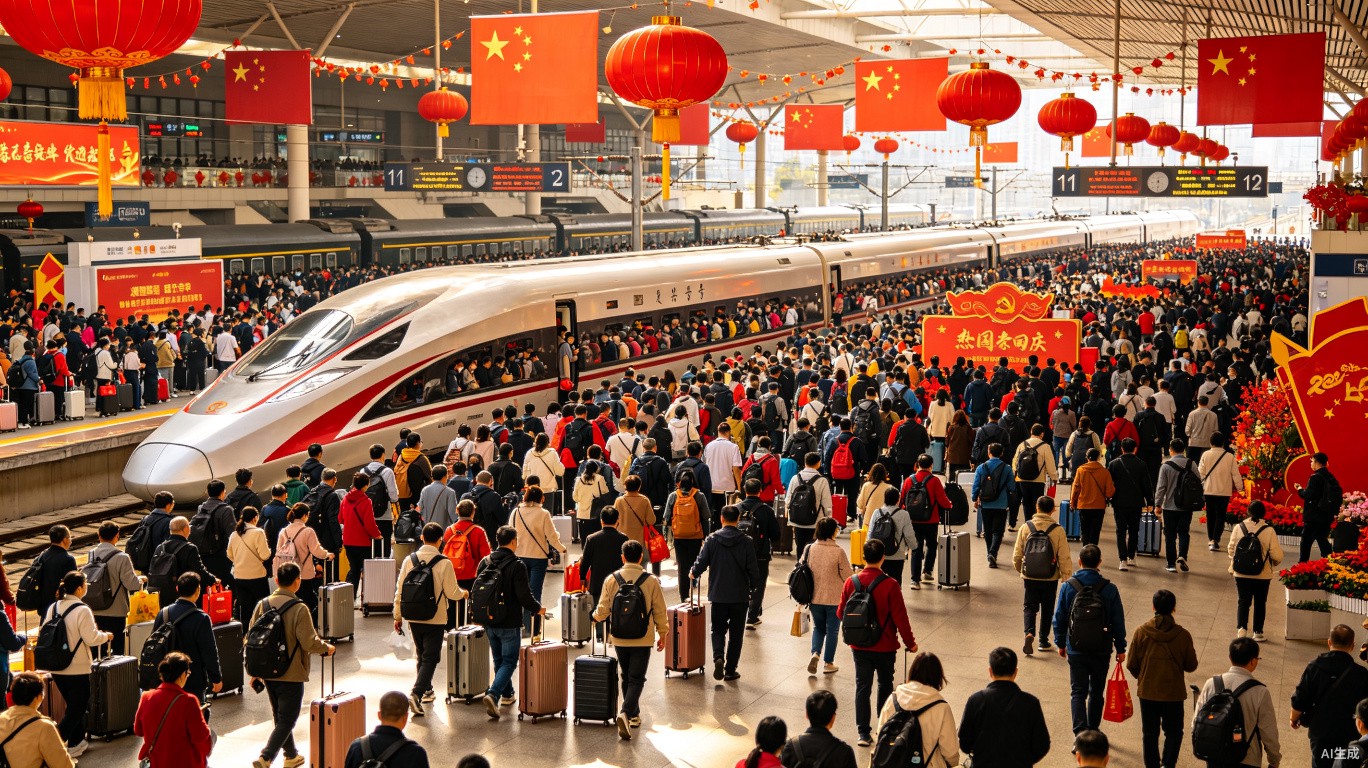
How to survive China's National Day Golden Week (October 1-7) - what to avoid, where to go, and how to beat the crowds.
9 min read

China Group Tours vs Independent Travel Which is Better
Should you join a guided tour or travel independently in China? Honest comparison of cost, flexibility, and experience.
7 min read
China Itinerary Planning: 7-Day 14-Day and 21-Day Routes: The Complete 2026 G...
Not sure how many days to spend in China? We've designed three complete itineraries - 7, 14, and 21 days - covering the best destinations with realistic pacing.
9 min read