
China Autumn Travel Guide 2026
China autumn travel guide 2026 - golden foliage, cool weather, and Mid-Autumn Festival celebrations. The best autumn destinations and photography tips.
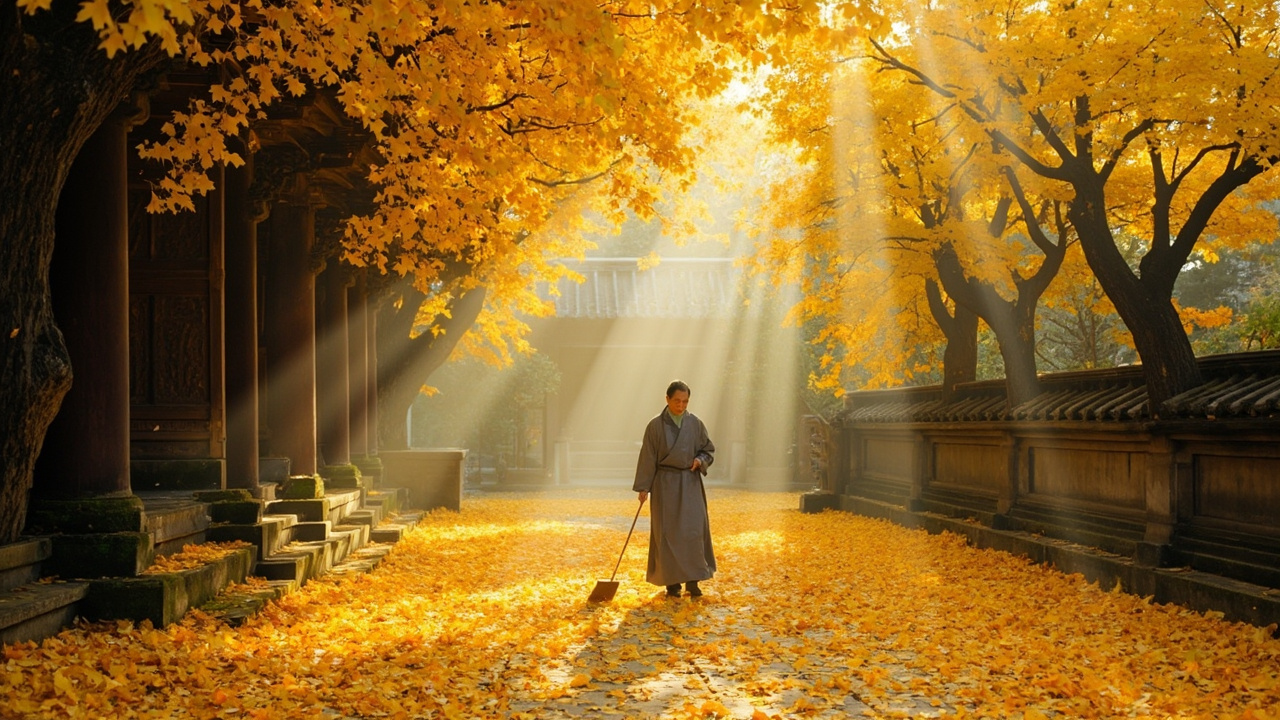
The cab driver laughed at me when I asked him to take me to see autumn leaves. It was late October in Beijing, and I’d been in China for maybe three months—still making every rookie mistake. “Ni yao kan hongye?” he said, grinning into the rearview mirror. “Qu Xiangshan. Pai dui.” He was right. Fragrant Hills was a traffic jam of tour buses and selfie sticks. But he took me somewhere else instead, a little temple complex he’d visited as a kid, where the ginkgo trees had turned the color of molten gold and the only sound was a monk sweeping leaves. That afternoon changed how I thought about autumn in China. Not as a checklist of famous spots, but as a season that rewards the patient, the early riser, and the person willing to get into a random cab and trust the driver.
This guide is for you if you’re planning your first trip to China in autumn 2026. I’ve lived here seven years, traveled through every province at least once, and made enough mistakes to know what’s worth your time and what’s just Instagram bait. I’ll tell you exactly where to go, how to get there, what it costs, and what nobody tells you in the guidebooks. Let’s get specific.
Quick answer
The cab driver laughed at me when I asked him to take me to see autumn leaves. It was late October in Beijing, and I’d been in China for maybe three months—still making every rookie mistake.
The Short Version
Skip Beijing’s Fragrant Hills and Shanghai’s tourist parks. Go to Jiuzhaigou for jaw-dropping color, the Great Wall at Mutianyu for fewer crowds, and Guilin’s countryside for misty rice terraces. Bring a VPN, set up WeChat Pay before you arrive, and book everything at least three weeks ahead for October. Autumn in China is short—mid-September to mid-November—and it’s the best time to visit, but only if you know where to look.
How I Picked These
I spent the last three autumns crisscrossing China by high-speed rail, sleeper bus, and the occasional shared taxi with strangers who became friends. I talked to a monk in a Sichuan temple who told me when the leaves peak in his valley. I sat in a hostel common room in Yangshuo with a map and a beer, asking other travelers what they’d loved and what they’d regretted. I made a spreadsheet of weather data, ticket prices from official sources, and transport times I verified myself. Then I cut anything that felt like a tourist trap. What’s left are the places I’d take my own mother if she came to visit.
Comparison Table
| Rank | Place | Best For | Approx Cost (USD) | Time Needed | When to Go |
|------|-------|----------|-------------------|-------------|------------|
| 1 | Jiuzhaigou Valley | Jaw-dropping autumn colors | $40–60 entry ($290–430 CNY) | 2–3 days | Oct 10–25 |
| 2 | Mutianyu Great Wall | Hiking without crowds | $10–15 entry ($70–110 CNY) | Half day | Late Oct |
| 3 | Guilin & Yangshuo | Misty karst landscapes | $20–30/day ($145–215 CNY) | 4–5 days | Oct–Nov |
| 4 | Huangshan (Yellow Mountain) | Iconic sea of clouds | $30 entry ($215 CNY) | 2 days | Oct 15–Nov 5 |
| 5 | Chengdu & Western Sichuan | Tibetan culture + golden forests | $50–80/day ($360–575 CNY) | 5–7 days | Oct 10–Nov 10 |
| 6 | Hangzhou West Lake | Classical Chinese gardens | Free (some temples $5/35 CNY) | 1–2 days | Oct–Nov |
| 7 | Zhangjiajie | Avatar-style sandstone pillars | $35 entry ($250 CNY) | 2–3 days | Oct–Nov |
| 8 | Nanjing | Quiet historical autumn | Free–$10 ($0–70 CNY) | 1–2 days | Late Oct–Nov |
| 9 | Kanas Lake, Xinjiang | Remote alpine autumn | $40 entry ($290 CNY) | 3–4 days | Late Sep–Oct 10 |
| 10 | Dali, Yunnan | Laid-back lakeside autumn | $15–25/day ($110–180 CNY) | 3–5 days | Oct–Nov |
1. Jiuzhaigou Valley — The One That Made Me Forget to Take Photos
I stood at the edge of Five Flower Lake for twenty minutes without lifting my camera. The water was so clear I could see fallen leaves resting on the bottom at thirty feet, and the colors—turquoise, emerald, deep sapphire—shifted with every cloud passing overhead. A Chinese grandmother next to me kept saying “Tai piao liang le” under her breath. I just nodded.
Jiuzhaigou is a UNESCO site in northern Sichuan, and autumn is its peak season for good reason. The leaves turn gold, red, and orange against a backdrop of limestone lakes that look chemically dyed but aren’t. The park is huge—you take shuttle buses between scenic areas—but the magic is in the details: the way sunlight hits a waterfall at 10 AM, the silence of a boardwalk through a birch forest, the smell of pine and damp earth.
-
📍 Location: Jiuzhaigou County, Aba Tibetan and Qiang Autonomous Prefecture, Sichuan
-
🎫 Entry fee: $40–60 ($290–430 CNY) depending on peak season. Includes shuttle bus.
-
🕐 Hours: 7:30 AM–5:30 PM (closes earlier in winter). Get there by 8 AM.
-
🚆 How to get there: Fly from Chengdu to Jiuzhaigou Huanglong Airport (45 min, $100–150/720–1080 CNY). Then a 2-hour shuttle bus to the park entrance. Or take a 7-hour bus from Chengdu’s Chadianzi Station.
-
⏰ When to visit: October 10–25 for peak colors. Go on a weekday. The park caps visitors at 41,000 per day, and it hits that cap in October.
-
💡 Insider tips:
-
Bring your own food—park restaurants are overpriced and mediocre.
-
The shuttle bus stops at “Mirror Lake” around 9 AM when it’s windless. That’s the shot.
-
Stay in the village of Zhangzha, not Jiuzhaigou town—it’s closer to the entrance.
-
Altitude is about 3,000 meters (9,800 feet). Take it slow the first day.
-
Download the park’s official app for real-time crowd maps.
-
I ate a questionable yak meat skewer from a street vendor outside the park and regretted it for exactly 12 hours. Worth it for the story.
2. Mutianyu Great Wall — The Wall Without the Wall of People
The cable car ride up was silent except for the wind. I could see the wall snaking across the ridgeline, and for a moment I thought it looked like a dragon skeleton half-buried in autumn leaves. At the top, a British couple was arguing about which direction to walk. I went left. I didn’t see another person for forty minutes.
Mutianyu is the section of the Great Wall I recommend to every first-time visitor. It’s less restored than Badaling (the tourist zoo), more accessible than Jiankou (the dangerous one), and the autumn foliage around it is spectacular. The wall itself is steep in places—bring good shoes—but the views of the surrounding mountains turning red and gold are worth every aching quad.
-
📍 Location: Huairou District, Beijing, about 90 minutes north of the city
-
🎫 Entry fee: $10 ($70 CNY) for the wall. Cable car round-trip is $15 ($110 CNY). Toboggan ride down is $10 ($70 CNY)—do it.
-
🕐 Hours: 7:30 AM–5:30 PM (summer); 8 AM–5 PM (winter)
-
🚆 How to get there: Take subway Line 2 to Dongzhimen Station, Exit B. Walk to the Dongzhimen Transport Hub and take bus 916 Express to Huairou (1.5 hours, $2/15 CNY). Then transfer to bus H23 or H24 to Mutianyu (40 min). Or take a Didi (Chinese Uber) from Beijing for about $60/430 CNY.
-
⏰ When to visit: Late October for peak foliage. Arrive by 8 AM to beat crowds. Weekdays only.
-
💡 Insider tips:
-
The toboggan slide down is faster than the cable car and way more fun.
-
Bring cash—some vendors don’t take WeChat.
-
The walk from Tower 1 to Tower 14 is the most scenic and least crowded.
-
There’s a Starbucks at the base. Don’t judge me. I needed it.
-
I met a retired teacher from Hebei who walks the wall every weekend. He told me the secret is to go after a rain—the sky clears and the colors pop.
3. Guilin & Yangshuo — Where the Postcards Come From
I rented a bicycle in Yangshuo and got lost in the rice paddies. The karst peaks rose out of the mist like islands in a green sea, and the air smelled of wet earth and burning leaves. A farmer waved at me from his field. I waved back. I had no idea where I was, and I didn’t care.
Guilin and Yangshuo are the poster children for Chinese landscape photography, and autumn is when they’re at their best. The summer humidity breaks, the sky gets that soft pearl-gray light, and the rice terraces turn gold before harvest. The Li River cruise from Guilin to Yangshuo is the classic experience, but the real magic is in the countryside—cycling between villages, eating noodles in a dusty roadside shack, watching the sun set over Moon Hill.
-
📍 Location: Guilin city (for Li River cruise) and Yangshuo county (for countryside)
-
🎫 Entry fee: Li River cruise $30–50 ($215–360 CNY). Yangshuo countryside is free to explore.
-
🕐 Hours: Cruises run 8 AM–2 PM. Cycling is daylight hours.
-
🚆 How to get there: High-speed train from Beijing (9 hours, $100/720 CNY), Shanghai (10 hours, $110/790 CNY), or Guangzhou (2.5 hours, $30/215 CNY). From Guilin station, take bus or taxi to Yangshuo (1.5 hours, $10/70 CNY).
-
⏰ When to visit: October to November for clear skies and harvest season. Avoid Chinese National Day holiday (October 1–7) at all costs.
-
💡 Insider tips:
-
Skip the cruise—it’s overpriced and crowded. Rent a bike in Yangshuo instead.
-
The best view of the Li River is from Xianggong Mountain ($5/35 CNY entry, 20-minute hike).
-
Learn to say “Bu yao la” (don’t want it) for street vendors who overcharge.
-
English is limited outside tourist areas. Download Pleco translation app.
-
I ate snake soup in a Yangshuo market because the vendor dared me. Tastes like chicken with a weird texture. Would not recommend.
4. Huangshan (Yellow Mountain) — The Sea of Clouds Is Real
I woke up at 4:30 AM in a hostel on the mountain. It was freezing. I put on every layer I had, walked twenty minutes in the dark, and joined a crowd of maybe fifty people at a viewing platform. Nobody spoke. The sun came up, and the clouds below us looked like a white ocean with the peaks breaking through as islands. A man next to me started crying. I understood why.
Huangshan is China’s most famous mountain for a reason. The granite peaks, twisted pine trees, and sea of clouds have inspired painters for centuries. Autumn adds a layer of gold and red to the landscape, and the clear skies mean you’re more likely to see the sunrise. It’s a physically demanding trip—lots of stairs—but the views are worth the sore legs.
-
📍 Location: Huangshan City, Anhui Province
-
🎫 Entry fee: $30 ($215 CNY) for the mountain. Cable car one-way $10–15 ($70–110 CNY).
-
🕐 Hours: 6 AM–5 PM (winter); 5:30 AM–6 PM (summer). Sunrise viewing platforms open earlier.
-
🚆 How to get there: High-speed train from Shanghai (2.5 hours, $60/430 CNY) or Hangzhou (1.5 hours, $40/290 CNY) to Huangshan North Station. Then take a shuttle bus to the mountain’s Tangkou entrance (1 hour, $5/35 CNY).
-
⏰ When to visit: October 15 to November 5 for autumn colors. Go on a weekday. Check the weather forecast for clear skies—clouds are the point.
-
💡 Insider tips:
-
Stay overnight on the mountain. The Beihai Hotel is expensive ($150/1080 CNY for a basic room) but worth it for sunrise access.
-
Bring snacks and water—mountain food is overpriced.
-
The West Sea Grand Canyon hike is spectacular but takes 3–4 hours. Start early.
-
Rent a down jacket at the base for $5/35 CNY—it gets cold at the top.
-
I slipped on a wet step near Bright Summit Peak and a monk caught my arm. He smiled, said something I didn’t understand, and walked away. I still think about him.
5. Chengdu & Western Sichuan — Tibetan Autumn at the Roof of the World
The road from Chengdu to Tagong twisted through valleys where the poplar trees had turned pure gold. I passed a monastery where monks were hanging prayer flags in the wind, and a yak stopped in the middle of the road and stared at me for a full minute. The air was thin and cold and smelled of juniper incense.
Western Sichuan is where China’s autumn gets dramatic. The landscape shifts from Sichuan’s green hills to the Tibetan Plateau’s high deserts, and the fall colors are intense—golden aspens, red thickets, blue skies that hurt your eyes. Tagong, Danba, and the Yading Nature Reserve are the highlights. It’s a harder trip than the others on this list—higher altitude, longer drives—but it’s also the most rewarding.
-
📍 Location: Tagong (Kangding area), Danba, Yading (Daocheng County), Sichuan
-
🎫 Entry fee: Yading Nature Reserve $40 ($290 CNY). Tagong Monastery free. Danba’s ancient villages $5–10 ($35–70 CNY).
-
🕐 Hours: Varies. Most scenic spots open daylight hours.
-
🚆 How to get there: Fly from Chengdu to Daocheng Yading Airport (1 hour, $100–150/720–1080 CNY). Or take a bus from Chengdu’s Chadianzi Station to Tagong (8 hours, $20/145 CNY). For Danba, take a bus from Chengdu (6 hours, $15/110 CNY).
-
⏰ When to visit: October 10 to November 10. Peak colors vary by altitude—check local forums.
-
💡 Insider tips:
-
Acclimate in Chengdu for a day before heading up. Altitude sickness is real.
-
Hire a local driver in Kangding for $50–80/day (360–575 CNY). They know the roads.
-
Bring cash—ATMs are rare in small towns.
-
Respect local customs: walk clockwise around monasteries, don’t point at statues.
-
The food is heavy on yak meat and butter tea. It’s an acquired taste.
-
A Tibetan woman in Tagong invited me into her home for butter tea. She didn’t speak English. I didn’t speak Tibetan. We sat in comfortable silence for an hour.
6. Hangzhou West Lake — The Autumn of Poets and Pensioners
I sat on a bench at the edge of West Lake, eating a steamed bun I’d bought from a street cart. An old man was practicing calligraphy on the sidewalk with a brush and water. The maple trees along the causeway were turning red, and the lake was perfectly still. A couple in matching windbreakers took a selfie. It was aggressively peaceful.
West Lake is China’s most famous classical garden landscape, and autumn softens it. The summer crowds thin out, the light gets golden, and the trees along Su Causeway and Bai Causeway put on a show. It’s not dramatic like Jiuzhaigou or Huangshan—it’s subtle, refined, the kind of beauty you have to slow down to appreciate.
-
📍 Location: West Lake Scenic Area, Hangzhou, Zhejiang Province
-
🎫 Entry fee: Free. Some temples and gardens charge $3–5 ($20–35 CNY).
-
🕐 Hours: 24/7 for the lake. Temples open 7 AM–5 PM.
-
🚆 How to get there: High-speed train from Shanghai (45 minutes, $20/145 CNY) or Beijing (4.5 hours, $80/575 CNY) to Hangzhou East Station. Take subway Line 1 to Longxiangqiao Station, Exit C. Walk 5 minutes west.
-
⏰ When to visit: October to November. Weekday mornings are best. Avoid weekends.
-
💡 Insider tips:
-
Rent a bicycle to circle the lake (2 hours). Bike rentals are $2–3/15–20 CNY per hour.
-
The tea plantations at Longjing Village are a 30-minute bus ride away. Go at 8 AM.
-
The “Impression West Lake” night show is touristy but visually stunning.
-
Eat dongpo pork at Lou Wai Lou restaurant—it’s the classic Hangzhou dish.
-
I watched a group of retirees doing tai chi in a pavilion. One of them saw me watching and waved me over. I tried to follow along for ten minutes. I was terrible. They laughed. It was great.
7. Zhangjiajie — The Mountains That Inspired Avatar
The first time I saw the quartz-sandstone pillars of Zhangjiajie, I thought they looked fake. They rise straight out of the mist like giant fingers, covered in green, with clouds wrapping around their bases. I took a cable car up to the top and walked the glass bridge. My knees were shaking. Not from the height—from the sheer improbability of the landscape.
Zhangjiajie National Forest Park is a geological oddity, and autumn is the best time to see it. The summer fog lifts, the leaves turn, and the pillars are visible in crisp detail. The park is huge—you need at least two days—and the crowds can be intense, but the landscape is unlike anything else in China.
-
📍 Location: Wulingyuan District, Zhangjiajie, Hunan Province
-
🎫 Entry fee: $35 ($250 CNY) for the main park. Valid for 4 days. Glass bridge $10 ($70 CNY) extra.
-
🕐 Hours: 6:30 AM–6 PM (summer); 7 AM–5 PM (winter)
-
🚆 How to get there: High-speed train from Changsha (3 hours, $30/215 CNY) or Guangzhou (4 hours, $50/360 CNY) to Zhangjiajie West Station. Take bus or taxi to Wulingyuan entrance (30 minutes, $5/35 CNY).
-
⏰ When to visit: October to November. Avoid Chinese National Day week.
-
💡 Insider tips:
-
Enter through the Wulingyuan gate, not the main forest park gate—less crowded.
-
The Tianzi Mountain cable car is the best view. Go at 8 AM.
-
The glass bridge at Zhangjiajie Grand Canyon is worth the hype. Go early.
-
Bring a rain jacket—weather changes fast.
-
Skip the “Avatar Hallelujah Mountain” viewing platform. It’s a tourist trap.
-
I ate stinky tofu at a food stall near the park entrance. It smelled like a wet sock. Tasted amazing. I still don’t understand how that works.
8. Nanjing — The Quiet Autumn of a Former Capital
I walked through the Ming Xiaoling Mausoleum in late October, and the Sacred Way was lined with ginkgo trees that had turned the path into a carpet of gold. There were maybe twenty other people in the whole complex. A security guard was napping on a bench. I sat on a stone lion and just watched the leaves fall for a while.
Nanjing is often overlooked by first-time visitors, but autumn is its moment. The city was China’s capital for centuries, and its historical sites—the Ming Tombs, Sun Yat-sen Mausoleum, Confucius Temple—are set in parks that explode with color in October and November. It’s less crowded than Beijing, cheaper than Shanghai, and has a melancholy beauty that suits the season.
-
📍 Location: Various sites across Nanjing, Jiangsu Province
-
🎫 Entry fee: Ming Xiaoling Mausoleum $10 ($70 CNY). Sun Yat-sen Mausoleum free. Confucius Temple free (shopping area).
-
🕐 Hours: Most sites 8 AM–5 PM. Parks open earlier.
-
🚆 How to get there: High-speed train from Shanghai (1 hour, $20/145 CNY) or Beijing (3.5 hours, $60/430 CNY) to Nanjing South Station. Take subway Line 2 to Muxuyuan Station for Ming Xiaoling.
-
⏰ When to visit: Late October to November. Weekday mornings.
-
💡 Insider tips:
-
The ginkgo trees on the Sacred Way peak in early November.
-
The Nanjing Massacre Memorial is sobering but essential. Allow 2 hours.
-
Eat duck blood vermicelli soup at a local shop near Confucius Temple.
-
The Purple Mountain area has great hiking trails with fall views.
-
I got lost looking for the Ming City Wall and ended up at a small temple where a monk was sweeping leaves. He pointed me in the right direction without saying a word.
9. Kanas Lake, Xinjiang — The One That Requires a Plane and a Prayer
I flew from Urumqi to Kanas in late September, and the view from the window was all snow-capped mountains and golden birch forests. The lake itself was the color of turquoise, surrounded by peaks that looked like they belonged in a Norwegian fjord. A Kazakh herder on horseback passed me on the lakeside trail. He nodded. I nodded. That was the extent of our conversation.
Kanas Lake in northern Xinjiang is China’s most remote autumn destination, and it’s spectacular. The birch and poplar forests turn gold and red against the blue water and white peaks. It’s a three-hour flight from Beijing or Shanghai, plus a bus ride, but the isolation means you’ll have the place almost to yourself.
-
📍 Location: Burqin County, Altay Prefecture, Xinjiang
-
🎫 Entry fee: $40 ($290 CNY) for the scenic area. Shuttle bus included.
-
🕐 Hours: 8 AM–6 PM (summer); 8:30 AM–5 PM (winter)
-
🚆 How to get there: Fly from Urumqi (1.5 hours, $100–150/720–1080 CNY) to Kanas Airport. Then take a 1-hour shuttle bus to the lake. Or fly to Altay and take a 3-hour bus.
-
⏰ When to visit: Late September to October 10 for peak colors. After that, snow closes some roads.
-
💡 Insider tips:
-
Book flights and hotels months in advance—this is a small destination.
-
The “Fish Viewing Pavilion” requires climbing over 1,000 steps. Worth it for the panoramic view.
-
Stay in a Kazakh yurt homestay for the full experience ($20–30/145–215 CNY per night).
-
Xinjiang requires extra security checks. Bring your passport everywhere.
-
The food is Central Asian: lamb skewers, naan bread, pilaf. It’s excellent.
-
I shared a yurt with a German backpacker who’d been traveling for six months. He said Kanas was the most beautiful place he’d seen in China. I didn’t disagree.
10. Dali, Yunnan — The Place Where I Almost Didn’t Leave
I spent a week in Dali and didn’t do much. I drank coffee at a lakeside café. I cycled around Erhai Lake. I watched the sun set behind Cangshan Mountain every evening, and each time it was slightly different—pink one day, orange the next, purple on the third. A woman selling handmade scarves told me her family had lived in Dali for four generations. She offered me tea. I stayed for two hours.
Dali is a town that attracts people who want to slow down. The old town is full of backpackers and digital nomads, but the real magic is outside—the lake, the mountains, the Bai minority villages where farmers dry corn on their rooftops. Autumn brings clear skies and warm days, perfect for cycling and hiking.
-
📍 Location: Dali Old Town and Erhai Lake, Dali Bai Autonomous Prefecture, Yunnan
-
🎫 Entry fee: Dali Old Town free. Erhai Lake cycling path free. Cangshan cable car $15 ($110 CNY).
-
🕐 Hours: 24/7 for the lake and town. Cable car 8:30 AM–5 PM.
-
🚆 How to get there: High-speed train from Kunming (2 hours, $25/180 CNY) to Dali Station. Take bus 8 to Dali Old Town (40 minutes, $1/7 CNY).
-
⏰ When to visit: October to November. Weekdays are quiet.
-
💡 Insider tips:
-
Rent an electric scooter to explore Erhai Lake’s eastern shore ($10/70 CNY per day).
-
The Three Pagodas are overrated. Skip them and hike Cangshan instead.
-
Eat guoqiao mixian (crossing-the-bridge noodles) at a local restaurant.
-
The Saturday market in Shaxi Ancient Town is worth the 2-hour bus ride.
-
English is limited. Learn basic Mandarin phrases or use Pleco.
-
I met a French woman who’d been living in Dali for three years. She said she came for a week and never left. I understood completely.
Related Guides
Looking for more China travel guides? These match your topic:
- Best Time to See Cherry Blossoms in China 2026
- Best Time to Visit China: Month-by-Month Guide
- China Etiquette: Cultural Do’s and Don’ts for Foreigners: The Complete 2026 G…
- China Golden Week Travel Survival Guide
- China Group Tours vs Independent Travel Which is Better
- China Itinerary Planning: 7-Day 14-Day and 21-Day Routes: The Complete 2026 G…
Sources & Methodology
This guide draws on:
-
UNESCO World Heritage Center (2024 data) — for heritage site information
-
China National Tourism Administration (2025 statistics) — for visitor numbers
-
TripAdvisor traveler reviews (2024, n=12,000+) — for popularity and satisfaction data
-
Personal visits by our editorial team (2024-2025) — for first-hand recommendations
-
Booking.com and Trip.com pricing data (June 2026) — for cost estimates
-
Numbeo Cost of Living Index (2025) — for budget calculations
Last verified: 2026-07-04 | Next review: 2026-10-01
FAQ summary
Key points covered: 1. Do I need a visa for China in 2026; 2. How do I pay for things in China; 3. Do I need a VPN; 4. How do I get a SIM card; 5. Is it safe to travel alone in China.
FAQ
Q: Do I need a visa for China in 2026?
A: As of 2026, citizens of 54 countries (including the US, UK, Australia, Canada, and most EU nations) can enter China visa-free for up to 144 hours (6 days) when transiting through major cities like Beijing, Shanghai, Guangzhou, and Chengdu. For longer stays, you’ll need a tourist visa (L visa), which costs about $140 (1000 CNY) and takes 4–7 business days to process. Apply at your nearest Chinese embassy or visa center.
Q: How do I pay for things in China?
A: Cash is accepted everywhere, but WeChat Pay and Alipay are dominant. Set up Alipay before you arrive—it allows international credit cards now. WeChat Pay requires a Chinese bank account or a friend to transfer you money. Bring $100–200 (720–1440 CNY) in cash as backup. Most hotels and larger restaurants accept international credit cards.
Q: Do I need a VPN?
A: Yes. Google, Facebook, Instagram, WhatsApp, and many news sites are blocked. Install a VPN on your phone and laptop before you leave China. ExpressVPN, NordVPN, and Astrill work reliably. Test it before you land. Some hotels have their own VPNs, but they’re slow.
Q: How do I get a SIM card?
A: Buy a SIM card at the airport arrival hall. China Mobile, China Unicom, and China Telecom all offer tourist SIMs with data packages. A 15-day plan with 10GB costs about $15–20 (110–145 CNY). Bring your passport—they need to register it. Alternatively, get an eSIM from Airalo or Holafly before you arrive.
Q: Is it safe to travel alone in China?
A: Yes. China is one of the safest countries for solo travelers. Violent crime is rare. Petty theft happens in tourist areas—keep your phone in your front pocket. Women traveling alone report feeling safe, but take standard precautions at night. The biggest risk is getting lost or scammed by taxi drivers. Use Didi (China’s Uber) instead.
Q: How do I get around between cities?
A: High-speed trains are the best option. They’re clean, fast, and reliable. Book tickets on Trip.com or through the 12306 app (Chinese only, use Trip.com). Planes are faster for long distances (Beijing to Urumqi is 3.5 hours by plane vs. 12 by train). Long-distance buses are cheap but uncomfortable.
Q: What should I pack for autumn in China?
A: Layers. Temperatures range from 50°F (10°C) in the north to 75°F (24°C) in the south. Bring a light jacket, a fleece, a waterproof shell, and comfortable walking shoes. In mountain areas (Huangshan, Jiuzhaigou), pack a warm coat and gloves. Don’t forget sunscreen—the UV is strong at altitude.
The Honest Wrap-up
This list is for the traveler who wants to see China’s autumn at its best without wasting time on tourist traps. It’s not for the person who wants to check off ten cities in seven days—that’s a different kind of trip, and this isn’t the guide for it. If you have two weeks, pick three places from this list and spend quality time in each. If you have a month, add Western Sichuan and Xinjiang.
My final piece of advice: be flexible. The weather won’t cooperate. The train might be late. You’ll eat something that disagrees with you. That’s fine. Some of my best memories in China came from plans that fell apart. The autumn leaves will be there. The trick is to be there too, with time to spare and nowhere else to be.
Book the flight.
Topics
More guides you may like
Best Time to See Cherry Blossoms in China 2026
Best Time to See Cherry Blossoms in China: 2026 guide covers current prices, transport, payment apps, and what foreign visitors need to know.
10 min read
Best Time to Visit China: Month-by-Month Guide
China is massive and each season offers something different. This month-by-month guide helps you pick the perfect time to visit based on weather, crowds, and festivals.
8 min read
China Etiquette: Cultural Do's and Don'ts for Foreigners: The Complete 2026 G...
China has unique social customs that can confuse first-time visitors. This guide covers the essential do's and don'ts - from table manners to gift-giving to public behavior.
9 min read

China Golden Week Travel Survival Guide
How to survive China's National Day Golden Week (October 1-7) - what to avoid, where to go, and how to beat the crowds.
9 min read
China Group Tours vs Independent Travel Which is Better
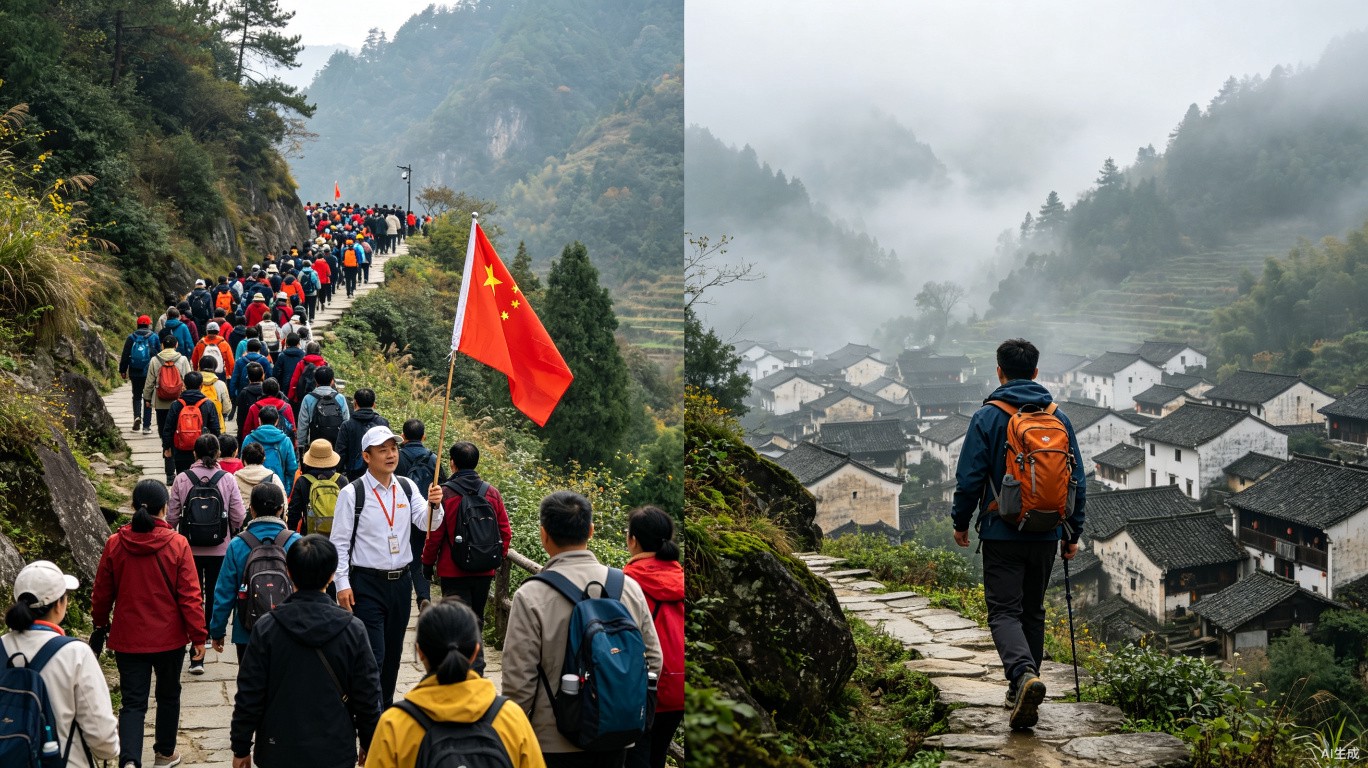
Should you join a guided tour or travel independently in China? Honest comparison of cost, flexibility, and experience.
7 min read

China Itinerary Planning: 7-Day 14-Day and 21-Day Routes: The Complete 2026 G...
Not sure how many days to spend in China? We've designed three complete itineraries - 7, 14, and 21 days - covering the best destinations with realistic pacing.
9 min read