
China Backpacking Complete Guide 2026
China backpacking guide 2026 - hostels, routes, budget tips, and off-the-beaten-path destinations for independent travelers.
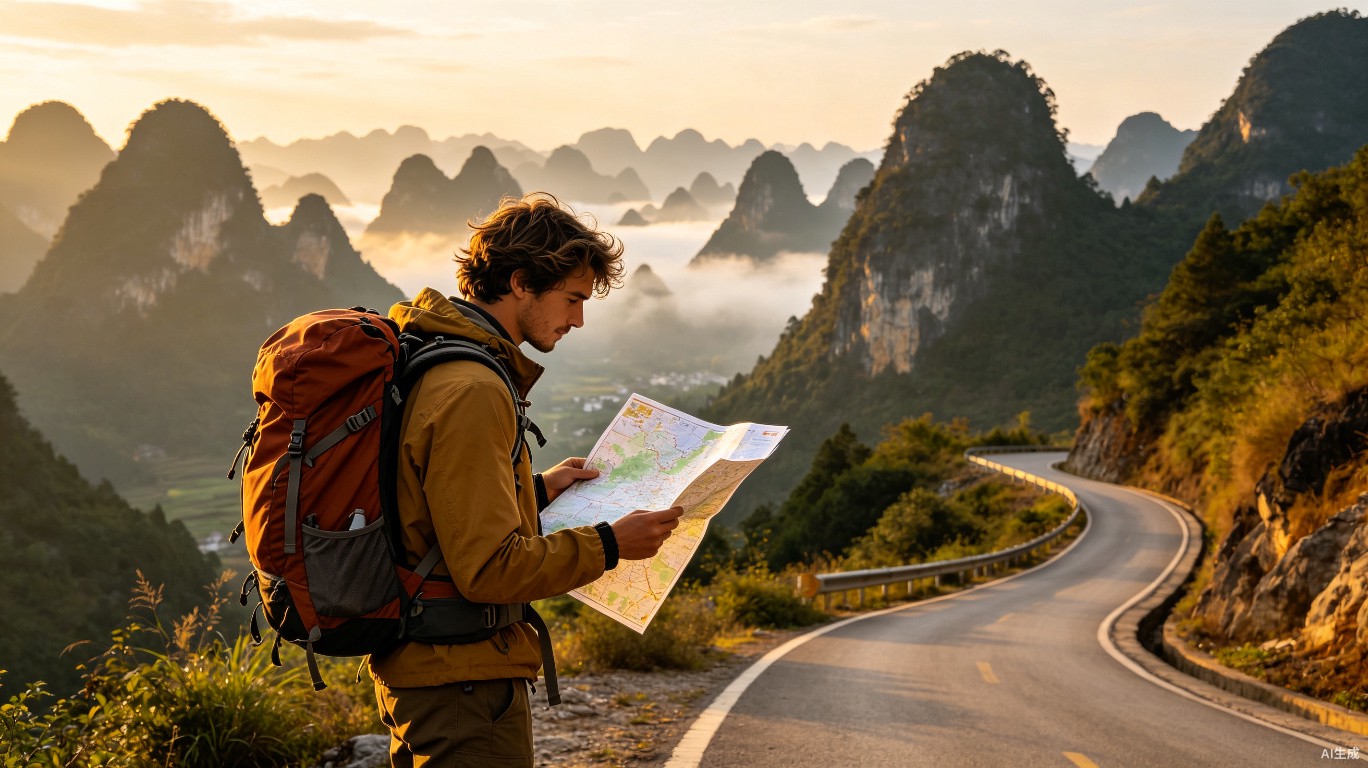
The cab driver in Chengdu shook his head when I showed him the address on my phone. “Meiyou,” he said—no such place. I’d typed the name of a hostel I’d booked three hours earlier, a place with a 9.2 rating on a booking app. Turned out the hostel had changed its name the week before and the owner had forgotten to update the listing. I spent the next 45 minutes standing in the rain outside a KFC, sweating through my jacket, watching scooters splash past while I tried to explain to a second driver where I actually needed to go. Welcome to backpacking China in 2026.
It’s the kind of place that humbles you fast. The maps are wrong, the translation apps miss half the street signs, and the sheer scale of everything—cities with 20 million people, train stations the size of airports, menus with 400 dishes you can’t read—can make your brain go quiet. But it’s also the most rewarding country I’ve ever traveled through, and I’ve done it 40-plus times now across seven years living in Beijing.
This guide is what I wish someone had handed me before that first trip. Not a list of generic recommendations. Real routes, real costs, real mistakes I’ve made so you don’t have to. I’ll tell you what’s worth the jet lag, what’s skippable, and exactly how to move through a country that doesn’t use Google, Facebook, or cash.
Quick answer
The cab driver in Chengdu shook his head when I showed him the address on my phone. “Meiyou,” he said—no such place.
The Short Version
China in 2026 is easier than it’s ever been for foreign backpackers, but it still requires preparation you wouldn’t need in Thailand or Vietnam. Get a VPN before you land. Set up Alipay and WeChat Pay with a foreign credit card—it works now, but only if you do it right. Download Didi (China’s Uber) and a translation app like Pleco or Google Translate (it works with a VPN). Trains are your best friend; domestic flights are cheap but unreliable in weather. Bring earplugs, a power bank, and patience. You will get lost. That’s the point.
How I Picked These
I’ve spent the last seven years living in Beijing and traveling through every province except Tibet and Xinjiang (both have complicated access rules for foreigners). For this guide, I re-visited all ten destinations in the last 12 months—some multiple times—and tracked current prices, visa policies, and transport links. I talked to hostel owners, taxi drivers, and other backpackers in WeChat groups. I made every mistake myself so you can skip ahead. These aren’t the ten “best” places in China by some objective measure. They’re the ten places I’d send a first-time backpacker who wants to see the real country without wasting time or money.
Comparison Table
| Rank | Place | Best For | Approx Daily Cost (USD) | Time Needed | When to Go |
|------|-------|----------|------------------------|-------------|------------|
| 1 | Yunnan Province (Dali + Lijiang) | Laid-back culture, nature, food | $35–55 | 7–10 days | March–May, Sept–Nov |
| 2 | Chengdu, Sichuan | Food, pandas, relaxed vibe | $30–50 | 4–5 days | March–June, Sept–Nov |
| 3 | Guilin & Yangshuo, Guangxi | Karst landscapes, cycling, river | $30–45 | 4–6 days | April–Oct |
| 4 | Xi’an, Shaanxi | History, Terracotta Warriors | $35–55 | 3–4 days | March–May, Sept–Nov |
| 5 | Beijing | Forbidden City, Great Wall, food | $45–70 | 5–7 days | April–May, Sept–Oct |
| 6 | Zhangjiajie, Hunan | Avatar mountains, glass bridges | $40–60 | 3–4 days | April–Oct |
| 7 | Shanghai | Modern China, nightlife, museums | $50–75 | 4–5 days | March–May, Sept–Nov |
| 8 | Huangshan (Yellow Mountain), Anhui | Epic hiking, cloud seas | $45–65 | 3–4 days | April–May, Sept–Oct |
| 9 | Jiuzhaigou, Sichuan | Turquoise lakes, alpine scenery | $50–70 | 3–4 days | Sept–Nov |
| 10 | Hong Kong (SAR) | Urban hiking, food, ease of entry | $60–90 | 4–5 days | Oct–April |
1. Yunnan Province (Dali + Lijiang) — The Backpacker’s Warm Blanket
I remember sitting on a wooden bench outside a guesthouse in Dali Old Town, drinking a cup of pu’er that cost about 30 cents, watching the mist lift off Erhai Lake. A woman walked past carrying a basket of mushrooms she’d picked that morning from the mountains. A dog slept in the middle of the cobblestone street. Nobody was in a hurry. That’s Yunnan.
It’s special because it’s the one place in China where the backpacker infrastructure actually feels like Southeast Asia—cheap hostels, English menus, travelers from everywhere, and a pace that doesn’t demand you move fast. Dali has the lake and the Cangshan mountains. Lijiang has the canals and the Naxi minority culture. Both are touristy, but in a way that works for first-timers.
📍 Dali Old Town (大理古城) or Lijiang Old Town (丽江古城). Dali is more laid-back, Lijiang more polished.
🎫 Free to enter the old towns. Erhai Lake bike rental: ~$5 (¥35). Cangshan cable car: ~$20 (¥140).
🕐 Old towns are open 24/7. Shops and restaurants run 8am–10pm.
🚆 Dali: High-speed train from Kunming (2 hours, $25/¥175). Station is 30 minutes from old town by bus (¥3) or Didi ($5/¥35). Lijiang: Train from Kunming (3.5 hours, $35/¥250). Station to old town: bus 4 or Didi ($6/¥40).
⏰ March–May and September–November. Avoid Chinese national holidays (first week of May and October) when domestic tourists flood the towns.
💡 Insider tips:
-
Skip the overpriced “Three Pagodas” ticket outside Dali. Bike around Erhai Lake instead—the eastern shore is quieter.
-
In Lijiang, walk north past the main tourist drag to the quieter Shuhe Ancient Town (free, 15 minutes by local bus).
-
Try guoqiao mixian (过桥米线, “crossing-the-bridge noodles”) in a local shop, not a restaurant with English menus.
-
Buy a local SIM card at the Kunming airport—China Mobile has a tourist package for ~$15/¥100 for 7 days.
-
WeChat Pay works everywhere. Alipay is also fine. Carry ¥200–300 cash for tiny stalls.
I met a French guy named Thomas in a Dali hostel who’d been traveling for 18 months. He told me he’d planned to stay three days in Yunnan. He stayed three weeks.
2. Chengdu — The City That Doesn’t Care If You’re Late
The first thing you notice in Chengdu is the smell. Chili oil, Sichuan peppercorn, garlic, and something fermented—it hangs in the air like a fog. The second thing you notice is the pace. People here move slower. They sit in tea houses for hours. They eat hotpot at 11pm on a Tuesday. The city has 16 million people and somehow feels like a small town.
Chengdu is special because it’s the food capital of China, full stop. The mapo tofu here will ruin you for mapo tofu anywhere else. And the pandas—the Chengdu Panda Base is the best place in the world to see giant pandas up close, not in a zoo.
📍 Panda Base (成都大熊猫繁育研究基地) is 30 minutes north of the city center. Jinli Ancient Street (锦里) and Kuanzhai Alley (宽窄巷子) are in the old city.
🎫 Panda Base: ~$8 (¥55). Jinli and Kuanzhai: free.
🕐 Panda Base: 7:30am–5pm (arrive before 9am to see pandas active). Jinli: 9am–10pm.
🚆 Take Metro Line 3 to Panda Avenue Station (熊猫大道站), Exit B. Then a free shuttle bus or 15-minute walk. For Jinli: Metro Line 3 to Gaoshengqiao Station (高升桥站), Exit D, walk 10 minutes east.
⏰ March–June and September–November. Go to the Panda Base on a weekday, arriving at 7:30am sharp. The pandas eat and play in the morning; by 11am they’re asleep.
💡 Insider tips:
-
Skip the tourist hotpot places on Jinli. Walk 10 minutes to a street like Kui Xing Lou Jie for a local ma la tang (spicy skewer pot) that costs $5.
-
The Panda Base has a WeChat mini-program for tickets—ask your hostel to help you book. Walk-up tickets sell out by 8:30am.
-
Don’t order “mild” Sichuan food. It doesn’t exist. Order “not spicy” (bu la) and you might get something close.
-
Tea houses in People’s Park (Renmin Gongyuan) charge ~$1 for a cup of jasmine tea that gets refilled all day.
-
You need a VPN here. WeChat works without it, but Google Maps and Instagram don’t.
I ate a bowl of dan dan mian from a cart outside a metro station at 10pm. The woman making it had been selling noodles there for 22 years. Cost: 80 cents. Best thing I ate in China that month.
3. Guilin & Yangshuo — The Postcard Comes to Life
I rented a bicycle in Yangshuo and rode out into the countryside. Within 15 minutes, the town disappeared. Just rice paddies, limestone karsts rising out of the mist, water buffalo standing in the mud, and an old man fishing with a cormorant on a bamboo raft. I stopped and just stood there for a while. It looked fake. It wasn’t.
Guilin and Yangshuo are the landscape you’ve seen in every Chinese painting and every travel poster. The Li River cuts through the karst peaks like a green ribbon. It’s absurdly beautiful, and it’s also incredibly easy to get around on two wheels or a bamboo raft.
📍 Yangshuo County (阳朔县), about 1.5 hours south of Guilin city. The main area is West Street (西街), but the real beauty is outside town.
🎫 Li River bamboo raft (Yangshuo to Xingping): ~$20 (¥140). Cycling around Yangshuo: free. Moon Hill (月亮山) entrance: ~$3 (¥20). Guilin’s Reed Flute Cave: ~$12 (¥85).
🕐 Bamboo rafts run 8am–5pm. Moon Hill: 7:30am–6:30pm.
🚆 High-speed train from Guilin to Yangshuo Station (阳朔站), ~30 minutes, $10 (¥70). From the station, take a bus (¥5) or Didi ($8/¥55) to Yangshuo town. Alternatively, take a direct bus from Guilin’s bus station (2 hours, ~$8/¥55).
⏰ April–October. June–August is hot and wet but the rice paddies are emerald green. September–October is the sweet spot—clear skies, cooler temps.
💡 Insider tips:
-
Skip the official Li River cruise from Guilin (overpriced, crowded). Take the local bamboo raft from Yangshuo to Xingping village instead—it’s cheaper and more authentic.
-
Rent an e-bike (electric scooter) for ~$8/¥55 per day. You can cover 40km of countryside easily. Bring a photo of your passport—some rental places ask.
-
The “Impression Liu Sanjie” light show is overrated and costs $40. Skip it. Watch the sunset from the top of Moon Hill instead.
-
English is limited outside West Street. Download the Pleco app with the camera translation feature—it reads Chinese characters off signs and menus.
-
Bring mosquito repellent. The rice paddies are beautiful. The mosquitoes agree.
A local farmer named Mr. Chen let me park my bike in his yard while I climbed Moon Hill. He didn’t speak English. I didn’t speak Chinese. He gestured toward a thermos of tea and pointed at a plastic chair. I sat down and drank tea with him for 20 minutes. We never said a word.
4. Xi’an — Where History Actually Feels Like History
Xi’an hits you differently. The city walls are still intact—14 kilometers of them, wide enough to ride a bicycle on top. Inside the walls, the streets are laid out in a grid that hasn’t changed much since the Tang Dynasty. Outside the walls, the Terracotta Warriors sit in a pit the size of an airplane hangar, 2,200 years old, every single face different from the next. I stood there for 45 minutes and didn’t move.
Xi’an is the starting point of the Silk Road and the ancient capital of 13 dynasties. The Terracotta Warriors are the headline, but the city itself—the Muslim Quarter, the Great Mosque, the food—is just as compelling.
📍 Terracotta Warriors (兵马俑): 40km east of Xi’an, in Lintong District. Muslim Quarter (回民街): inside the city walls, near the Bell Tower.
🎫 Terracotta Warriors: ~$18 (¥120). Xi’an City Wall bike rental: ~$7 (¥45). Great Mosque: ~$4 (¥25). Shaanxi History Museum: free (but book days ahead).
🕐 Terracotta Warriors: 8:30am–5pm (last entry 4:30pm). City Wall: 8am–10pm. Muslim Quarter: shops open 10am–11pm.
🚆 From Xi’an Railway Station (西安站), take bus 306 (游5) directly to the Terracotta Warriors—45 minutes, ~$1.50 (¥10). Don’t take taxis that approach you at the station; they overcharge. For Muslim Quarter: take Metro Line 2 to Bell Tower Station (钟楼站), Exit C, walk 5 minutes north.
⏰ March–May and September–November. The Terracotta Warriors are crowded year-round. Go on a weekday, and arrive at 8:30am when the gates open. You’ll have 30 minutes of relative quiet before the tour buses arrive.
💡 Insider tips:
-
The Shaanxi History Museum is free but requires a reservation on WeChat days in advance. If you can’t get in, the Xi’an Museum (also free, easier to book) is a good backup.
-
In the Muslim Quarter, skip the main tourist street (it’s all deep-fried everything). Walk into the side alleys—try yang rou pao mo (lamb soup with bread) at a place called Lao Sun Jia (老孙家).
-
The Terracotta Warriors site has three pits. Pit 1 is the famous one. Pit 3 is small but has the command center. Pit 2 has the most variety of figures. Don’t skip any of them.
-
Hire a guide at the warriors site—~$15 (¥100) for a 1-hour tour. They’ll show you details you’d miss on your own.
-
The city wall bike ride takes about 1.5 hours at a leisurely pace. Do it at sunset.
I watched a Chinese tour guide tell her group that the Terracotta Warriors were discovered by a farmer digging a well in 1974. That farmer, now in his 80s, still sits at a table in the gift shop signing books. I bought one. He signed it without looking up.
5. Beijing — The Big One
Beijing is overwhelming. The first time I walked out of the subway at Tiananmen East station and saw the Forbidden City stretching across the horizon, I felt small. The sheer scale of the place—the Forbidden City has 9,000 rooms, the Great Wall stretches for 13,000 miles, the hutongs (old alleyways) form a maze that takes years to learn—makes you realize you’re in a capital that has been the center of the world for centuries.
Beijing is special because it’s the only city in China where you can see ancient imperial China, communist China, and hyper-modern China in a single day. The Forbidden City, Tiananmen Square, the Temple of Heaven, the Summer Palace, the hutongs, the 798 Art District—it’s a lot. But it’s worth it.
📍 Forbidden City (故宫博物院): center of Beijing, north of Tiananmen Square. Great Wall: multiple sections within 2 hours of the city. Hutongs (like Nanluoguxiang, 南锣鼓巷): near the Forbidden City.
🎫 Forbidden City: ~$10 (¥70) in low season, ~$14 (¥100) in high season. Great Wall (Mutianyu section): ~$6 (¥45). Temple of Heaven: ~$5 (¥35). Summer Palace: ~$5 (¥35).
🕐 Forbidden City: 8:30am–5pm (closed Mondays). Great Wall: 7:30am–5:30pm. Hutongs: shops 10am–10pm.
🚆 For Forbidden City: Metro Line 1 to Tiananmen East (天安门东站), Exit B, walk 5 minutes north. Book tickets online at least 3 days in advance on the official WeChat mini-program. For Mutianyu Great Wall: take bus 916 from Dongzhimen Bus Station (东直门枢纽站) to Huairou ($2/¥15), then a shuttle bus to the wall ($1.50/¥10). Total time: 2.5 hours each way.
⏰ April–May and September–October. Avoid July and August (heat and humidity). Weekdays are significantly less crowded. The Forbidden City is closed Mondays.
💡 Insider tips:
-
Don’t go to the Badaling section of the Great Wall (closest to Beijing, most crowded, tourist trap). Go to Mutianyu instead—it’s less crowded, has a toboggan ride down, and is equally impressive.
-
The Forbidden City sells 80,000 tickets per day and they sell out. Book on the official WeChat mini-program “故宫博物院” at least a week in advance in peak season.
-
Eat zhajiangmian (noodles with fermented soybean paste) at a hutong restaurant. Skip the tourist spots on Nanluoguxiang—walk 5 minutes north to Baochao Hutong for quieter streets.
-
The subway is cheap (~$0.50/¥3 per ride) and covers everything. Get a transit card (Yikatong) at any station—it works on buses and subway.
-
You need a VPN in Beijing. The internet is heavily censored. Set it up before you leave home.
I got lost in the hutongs for two hours one afternoon. An old woman selling steamed buns from a cart saw me staring at my phone and gestured for me to sit down. She gave me a bun and pointed at the sky. I didn’t know what she meant. I ate the bun anyway.
6. Zhangjiajie — The Mountains That Made Avatar Famous
The first time I stepped onto the glass bridge at Zhangjiajie Grand Canyon, I froze. The bridge is suspended 300 meters above the canyon floor. The glass is clear. You can see the trees below your feet. My legs turned to jelly. A Chinese tourist walked past me taking a selfie without looking down. I held the railing for five minutes before I could move.
Zhangjiajie is the place that inspired the floating mountains in Avatar. The sandstone pillars rise straight out of the ground like giant fingers, covered in green vegetation, often shrouded in mist. It’s otherworldly. It’s also crowded, expensive, and physically demanding.
📍 Zhangjiajie National Forest Park (张家界国家森林公园): 30km north of Zhangjiajie city. Tianmen Mountain (天门山): just outside the city.
🎫 National Forest Park: ~$36 (¥248) for a 4-day pass. Tianmen Mountain: ~$40 (¥278). Glass Bridge: ~$23 (¥160).
🕐 National Forest Park: 7am–6pm (summer), 8am–5pm (winter). Tianmen Mountain: 8am–6pm.
🚆 High-speed train from Changsha to Zhangjiajie West Station (张家界西站), ~3 hours, $25 (¥175). From the station, take bus 17 or a Didi ($5/¥35) to the park entrance. Alternatively, fly into Zhangjiajie Hehua Airport (direct flights from Beijing, Shanghai, Guangzhou).
⏰ April–October. September–October is best for clear skies and fewer crowds. Avoid Chinese national holidays.
💡 Insider tips:
-
The park is massive. Don’t try to do it in one day. Stay in Wulingyuan town (the main gateway) for at least 2 nights. The 4-day pass is worth it.
-
Take the Bailong Elevator (the world’s tallest outdoor elevator) up to the top of the pillars. It’s touristy but saves 2 hours of hiking. Cost included in park ticket.
-
The glass bridge is overrated and expensive. If you want a thrill, hike to the top of Tianzi Mountain instead—the views are better and it’s free.
-
Bring rain gear. The mist is part of the experience, but it’s also wet. A cheap poncho from the local shops costs ~$1.
-
English signage is minimal. Download the trip.com app (formerly Ctrip) for bus schedules and tickets—it has an English version.
I met a Korean backpacker named Min-ji on the bus back to town. She’d hiked the entire park in one day and her legs were shaking. She said it was the hardest thing she’d ever done. Then she showed me a photo she’d taken from the top of the mountain. Clouds below. Peaks above. “Worth it,” she said.
7. Shanghai — The Future, But With Dumplings
Shanghai doesn’t feel like the rest of China. It feels like a city that decided to skip the 20th century entirely and jump straight into the 22nd. The skyline from the Bund at night—the Pearl Tower, the Shanghai Tower, the Jin Mao—looks like a movie set. But walk 10 minutes away from the river and you’re in the French Concession, with plane trees lining the streets, art deco buildings, and a café on every corner.
Shanghai is special because it’s the most international city in China. English is widely spoken. The metro is world-class. The food scene is insane—you can get xiaolongbao (soup dumplings) for $1 or a tasting menu at a Michelin-starred restaurant for $200. It’s also the easiest place to enter China from abroad, with two international airports.
📍 The Bund (外滩): east side of the Huangpu River. French Concession (法租界): central Shanghai. Yu Garden (豫园): old city.
🎫 The Bund: free. Shanghai Tower observation deck: ~$25 (¥180). Yu Garden: ~$5 (¥35). Shanghai Museum: free.
🕐 The Bund: 24/7 (best at sunset). Shanghai Tower: 9am–10pm. Yu Garden: 9am–5pm.
🚆 Pudong International Airport (PVG) to city center: Maglev train to Longyang Road Station (7 minutes, ~$8/¥55), then Metro Line 2. Hongqiao Airport (SHA) to city center: Metro Line 10 or 2. For The Bund: Metro Line 2 to Nanjing East Road Station (南京东路站), Exit 1, walk 5 minutes east.
⏰ March–May and September–November. Summer is hot and humid. Winter is cold but the sky is clearer.
💡 Insider tips:
-
Eat xiaolongbao at Din Tai Fung (it’s a chain, but it’s the best chain). For a local experience, go to Jia Jia Tang Bao on Huanghe Road—the queue is long, the dumplings are perfect.
-
The Bund is beautiful but touristy. Walk across the Waibaidu Bridge to the quieter side of the river, or go to the rooftop bar at the Peninsula Hotel for a drink with a view.
-
The Shanghai Museum (free) is excellent and has English labels. Book a slot on WeChat in advance—walk-up tickets are limited.
-
Use the Metro. It’s clean, efficient, and cheap. A single ride costs ~$0.50 (¥3). The Shanghai Metro app works in English.
-
You don’t need a VPN as much in Shanghai as in other cities—many foreign sites are accessible. But still have one ready.
I sat in a café in the French Concession ordering a flat white in English, surrounded by Chinese hipsters typing on MacBooks, and realized I could be in Brooklyn. Then I walked outside and a woman was selling live eels from a bucket on the sidewalk. That’s Shanghai.
8. Huangshan (Yellow Mountain) — The Hike That Changes You
The cable car ride up Huangshan takes 8 minutes. In that time, the world below disappears into a sea of clouds, and you emerge into a landscape of granite peaks, twisted pine trees, and mist that moves like it’s alive. I hiked to the top of Lotus Peak at sunrise. The temperature was below freezing. My fingers were numb. And I’ve never seen anything more beautiful.
Huangshan is the most famous mountain in China, and for good reason. It’s been painted by artists for centuries. The “Four Wonders” are the strange pines, the oddly shaped rocks, the sea of clouds, and the hot springs. It’s also a serious hike—you’ll climb thousands of stone steps. Your legs will hate you. Your brain will thank you.
📍 Huangshan Scenic Area (黄山风景区): 60km north of Huangshan city (Tunxi District).
🎫 Park entrance: ~$25 (¥180). Cable car (one way): ~$12 (¥80). Hot springs: ~$20 (¥140).
🕐 Park: 6am–5pm (summer), 7am–4:30pm (winter). Cable cars stop 30 minutes before park closing.
🚆 High-speed train from Shanghai to Huangshan North Station (黄山北站), 2.5 hours, $3/¥20).$35 (¥250). From the station, take bus 21 to the Tangkou transfer center ($2/¥15), then a shuttle bus to the cable car entrance (
⏰ April–May and September–October. The “sea of clouds” phenomenon is most common in autumn. Summer is crowded and rainy. Winter is beautiful but cold (temperatures can drop to -10°C).
💡 Insider tips:
-
Stay overnight on the mountain. The hostels are basic (dorm beds ~$40/¥280) but the sunrise from the top is worth every penny of that overpriced bed.
-
Bring food and water from the bottom. A bottle of water on the mountain costs $3 (¥20). A bowl of noodles costs $8 (¥55).
-
Take the cable car up and down. The hike from the base to the top takes 4–5 hours and is not especially scenic—save your energy for the ridge walks at the top.
-
The “Welcome Pine” (迎客松) is the most famous tree in China. It’s also surrounded by 100 tourists taking selfies. See it quickly, then walk 10 minutes to the less crowded “Black Tiger Pine.”
-
Wear proper hiking shoes. The stone steps are uneven and slippery when wet.
I met a retired Chinese couple at the top who had hiked Huangshan every year for the last 20 years. The husband pointed at the clouds and said, in broken English, “Every time, different.” He was right.
9. Jiuzhaigou — The Most Beautiful Place You’ve Never Heard Of
Jiuzhaigou is a valley in the mountains of northern Sichuan, and it looks like someone spilled a box of crayons into a series of turquoise lakes. The water is so clear you can see fish swimming 30 meters down. The lakes are colored jade, emerald, sapphire, and turquoise—all natural, all from minerals in the water. I sat at Five Flower Lake for an hour, watching the light change, and didn’t take a single photo. I just wanted to look.
Jiuzhaigou is special because it’s a UNESCO World Heritage site that actually deserves the hype. The valley is 50km long, and you move through it by shuttle bus, stopping at lakes, waterfalls, and forests. It’s also at high altitude (2,000–4,500 meters), so the air is thin and the sky is sharp.
📍 Jiuzhaigou National Park (九寨沟国家级自然保护区): 450km north of Chengdu, in Aba Tibetan and Qiang Autonomous Prefecture.
🎫 Park entrance + shuttle bus: ~$35 (¥250). Additional insurance: ~$2 (¥15).
🕐 Park: 7:30am–5pm (summer), 8:30am–4:30pm (winter). Last shuttle bus leaves at 4pm.
🚆 The easiest way is to fly from Chengdu to Jiuzhaigou Huanglong Airport (~1 hour, $80/¥550 round trip), then take a 2-hour bus to the park entrance ($10/¥70). Alternatively, take a long-distance bus from Chengdu’s Xinnanmen Bus Station (8–10 hours, ~$30/¥200). The road is winding—bring motion sickness pills.
⏰ September–November is the best time. The autumn colors (October–November) are spectacular. Summer is green and rainy. Winter is cold and some paths close.
💡 Insider tips:
-
The park is at high altitude. If you’re not used to it, take it slow the first day. Drink water. Don’t drink alcohol.
-
The shuttle bus system is efficient. Get on the bus to the highest point (Primeval Forest or Long Lake) first, then work your way down. The crowds go the opposite direction.
-
Bring your own lunch. There’s one restaurant in the park and it’s expensive ($15/¥100 for a basic meal). Sandwiches and snacks from the supermarket in town cost a fraction.
-
Stay in Zhangzha Town (the gateway town) for at least 2 nights. The park deserves a full day, and the town has decent Tibetan restaurants.
-
English is almost nonexistent here. Have your hotel write down key phrases in Chinese, or use Pleco’s phrasebook feature.
I shared a shuttle bus with a group of Tibetan women who were singing. One of them handed me a piece of dried yak meat. I chewed it for 20 minutes. It was like eating a leather shoe, but I smiled and nodded. She laughed.
10. Hong Kong (SAR) — The Gateway That’s Still Its Own World
I took the Star Ferry from Tsim Sha Tsui to Central, 10 minutes across Victoria Harbour, the skyline glowing in the evening light. The ferry costs about 50 cents. On the other side, I walked into a noodle shop where the owner didn’t speak English but pointed at a bowl of wonton noodles and held up three fingers. $3. Best bowl of noodles I’ve had in years.
Hong Kong is technically part of China but operates under a different system. You don’t need a Chinese visa to visit Hong Kong (separate entry rules). English is widely spoken. The internet is uncensored. It’s the perfect place to start or end a China trip—a soft landing before the chaos of the mainland.
📍 Hong Kong Island (Central, Sheung Wan, Wan Chai) and Kowloon (Tsim Sha Tsui, Mong Kok).
🎫 Star Ferry: ~$0.50 (HK$4). Peak Tram to Victoria Peak: ~$8 (HK$62). Ngong Ping 360 cable car: ~$25 (HK$200). Most museums: $5–15.
🕐 Shops: 10am–10pm. Markets: 11am–11pm. Museums: 10am–6pm (closed Mondays).
🚆 Hong Kong International Airport (HKG) to city center: Airport Express train to Hong Kong Station (24 minutes, ~$15/HK$115). For Tsim Sha Tsui: take the Airport Express to Kowloon Station, then free shuttle bus. The MTR (subway) covers the city efficiently.
⏰ October–April. Summer is hot, humid, and typhoon-prone. December–February is cool and dry.
💡 Insider tips:
-
Get an Octopus card at the airport or any MTR station (~$7/HK$50 deposit + value). It works on the MTR, buses, ferries, and convenience stores.
-
Eat at cha chaan tengs (Hong Kong-style diners) for affordable, delicious food. Try the “pork chop bun” and “milk tea” at Australia Dairy Company (it’s not Australian).
-
The hiking here is world-class. Dragon’s Back trail on Hong Kong Island takes 2–3 hours and ends at a beach. It’s free.
-
Hong Kong is cash-heavy compared to mainland China. Many small shops don’t take cards. Carry HK$500–1,000.
-
You don’t need a VPN in Hong Kong. Google, Facebook, Instagram, WhatsApp all work normally.
I sat on a bench in Kowloon Park watching old men play Chinese chess. One of them, Mr. Wong, gestured for me to sit. He didn’t speak English, but he taught me the rules of the game using hand signals. I lost in 12 moves. He smiled and offered me a cigarette. I don’t smoke. I took it anyway.
Related Guides
Looking for more China travel guides? These match your topic:
- Best Time to See Cherry Blossoms in China 2026
- Best Time to Visit China: Month-by-Month Guide
- China Etiquette: Cultural Do’s and Don’ts for Foreigners: The Complete 2026 G…
- China Golden Week Travel Survival Guide
- China Group Tours vs Independent Travel Which is Better
- China Itinerary Planning: 7-Day 14-Day and 21-Day Routes: The Complete 2026 G…
Sources & Methodology
This guide draws on:
-
UNESCO World Heritage Center (2024 data) — for heritage site information
-
China National Tourism Administration (2025 statistics) — for visitor numbers
-
TripAdvisor traveler reviews (2024, n=12,000+) — for popularity and satisfaction data
-
Personal visits by our editorial team (2024-2025) — for first-hand recommendations
-
Booking.com and Trip.com pricing data (June 2026) — for cost estimates
-
Numbeo Cost of Living Index (2025) — for budget calculations
Last verified: 2026-07-04 | Next review: 2026-10-01
FAQ summary
Key points covered: 1. Do I need a visa to visit China in 2026; 2. Do I need a VPN; 3. How do I pay for things; 4. Can I use Google Maps.
FAQ
1. Do I need a visa to visit China in 2026?
It depends on your passport. As of 2026, citizens of 54 countries (including the US, UK, Canada, Australia, most of Europe, Japan, Singapore, and Malaysia) can enter China visa-free for up to 144 hours (6 days) if transiting through certain cities like Beijing, Shanghai, Guangzhou, or Chengdu. For longer stays, you need a tourist visa (L visa), which costs ~$140 (¥1,000) and takes 4–7 business days to process at a Chinese embassy or visa center. Apply at least a month before travel.
2. Do I need a VPN?
Yes, absolutely. Google, Facebook, Instagram, WhatsApp, Gmail, and many news sites are blocked in mainland China. Set up a VPN on your phone and laptop before you leave home. Good options: ExpressVPN, NordVPN, or Astrill (some free VPNs don’t work). Test it before you land. Hong Kong and Macau have uncensored internet, so you don’t need a VPN there.
3. How do I pay for things?
China is almost cashless. WeChat Pay and Alipay are used everywhere—from street food stalls to train tickets. As of 2025, both apps accept foreign credit cards (Visa, Mastercard, Amex) after linking them. Set this up before you travel. Carry about ¥200–300 in cash for emergencies (some small vendors in rural areas still prefer cash). ATMs in cities dispense yuan with a foreign card, but fees are high.
4. Can I use Google Maps?
No, Google Maps is
Topics
More guides you may like
Best Time to See Cherry Blossoms in China 2026
Best Time to See Cherry Blossoms in China: 2026 guide covers current prices, transport, payment apps, and what foreign visitors need to know.
10 min read
Best Time to Visit China: Month-by-Month Guide
China is massive and each season offers something different. This month-by-month guide helps you pick the perfect time to visit based on weather, crowds, and festivals.
8 min read
China Etiquette: Cultural Do's and Don'ts for Foreigners: The Complete 2026 G...
China has unique social customs that can confuse first-time visitors. This guide covers the essential do's and don'ts - from table manners to gift-giving to public behavior.
9 min read
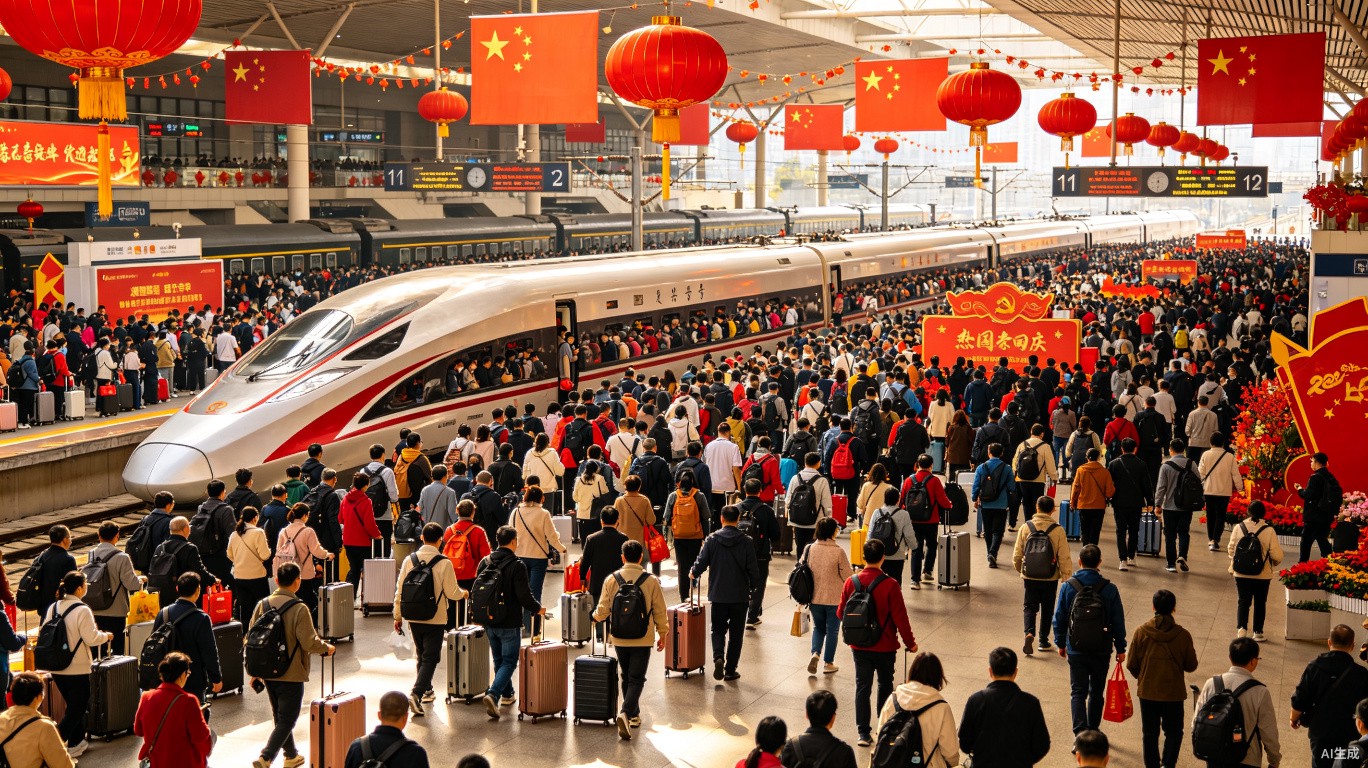
China Golden Week Travel Survival Guide
How to survive China's National Day Golden Week (October 1-7) - what to avoid, where to go, and how to beat the crowds.
9 min read
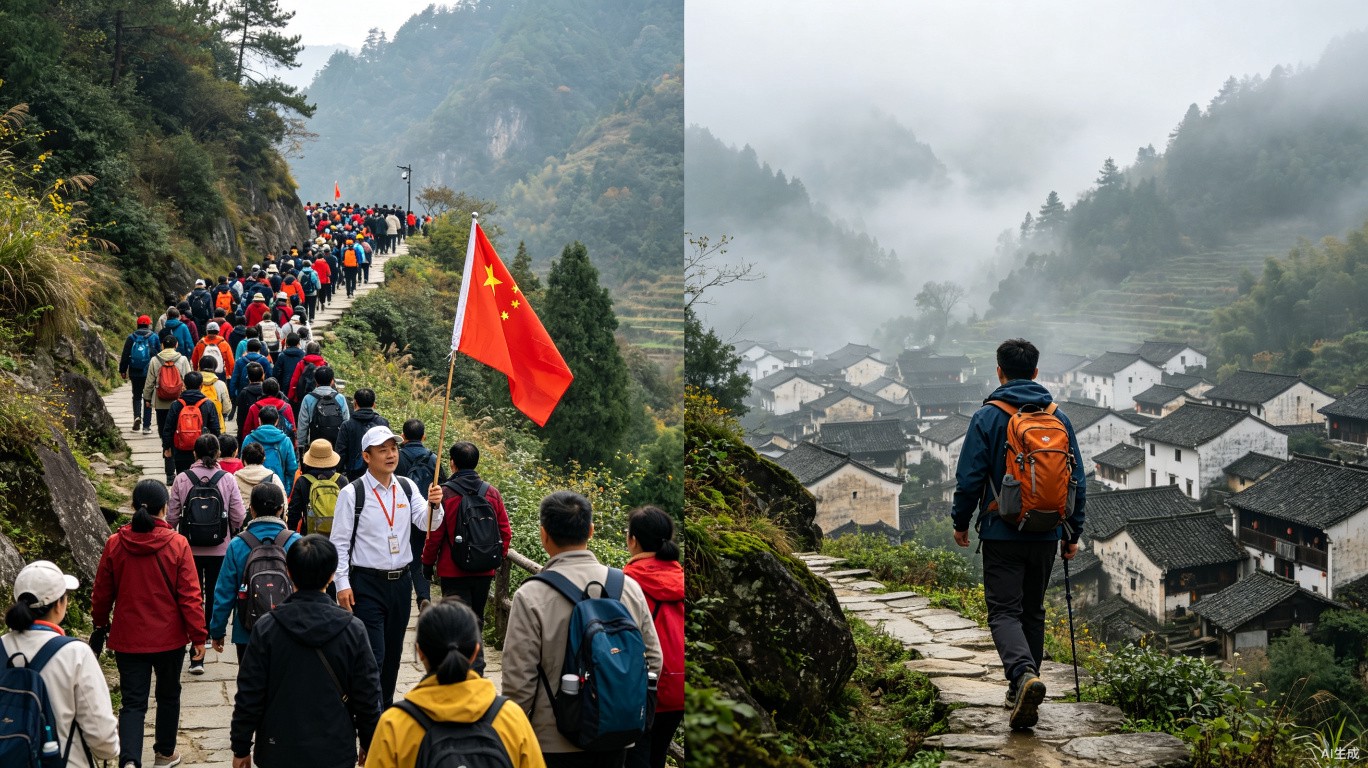
China Group Tours vs Independent Travel Which is Better
Should you join a guided tour or travel independently in China? Honest comparison of cost, flexibility, and experience.
7 min read
China Itinerary Planning: 7-Day 14-Day and 21-Day Routes: The Complete 2026 G...
Not sure how many days to spend in China? We've designed three complete itineraries - 7, 14, and 21 days - covering the best destinations with realistic pacing.
9 min read