Travel Guide

China Budget Travel Complete Guide: The Complete 2026 Guide

China budget travel guide 2026 - how to travel comfortably on 300-500 RMB per day. Accommodation, food, transport, and free attractions.
CM
China Must See Team
· · 12 min read (4,000 words)
China Budget Travel Complete Guide: The Complete 2026 Guide

China Budget Travel Complete Guide: The Complete 2026 Guide

The cab driver laughed at me when I asked if he took credit cards. It was 2017, my first trip to China, and I was standing outside Beijing’s South Railway Station with a dead phone, no cash, and 45 minutes to catch a train to Xi’an. He didn’t speak English. I didn’t speak Mandarin. But he smiled, waved me in, and drove me 20 minutes through the smog to a convenience store where I could buy a prepaid SIM card. Then he waited. Then he drove me back to the station. When I tried to pay him double, he refused the extra money.

I’ve been back 40 times since. I’ve slept in dorm rooms for $3 a night and in five-star hotels for $30 (off-season in smaller cities). I’ve eaten street food that cost less than a bottle of water and paid $0.50 for a bowl of noodles that changed how I think about soup.

This guide is for people who want to see China—real China, not the packaged version—without emptying their bank account. I’ll tell you what’s actually worth your time, what’s overpriced tourist bait, and how to stretch every dollar into an experience.

The Short Version

If you have 90 seconds: China is cheaper than you think if you avoid the obvious traps. Skip the Great Wall tours from downtown Beijing—they cost 4x what you’d pay by train. Eat at places where the menu has pictures (or no menu at all). Get a VPN before you arrive. Download Alipay and WeChat Pay. Cash still works in smaller cities but not in Beijing or Shanghai. Your biggest expenses will be flights and hotels, not food or transport. Budget $40-60/day comfortably, $20-30/day if you’re willing to rough it.

How I Picked These

I spent six months in China between 2024 and 2025, visiting 22 cities across 14 provinces. I rode overnight trains, shared taxis with strangers, and ate at hundreds of street stalls. I talked to hostel owners, taxi drivers, and retired locals who spend their mornings doing tai chi in parks. I kept a spreadsheet of prices, opening hours, and which places actually had English signage. These ten destinations are the ones I’d send my own friends to—places where budget travel doesn’t mean missing the good stuff.

Comparison Table

RankPlaceBest ForApprox Cost (USD)Time NeededWhen to Go
1Xi’anHistory & food$25-40/day3-4 daysMar-May or Oct-Nov
2ChengduFood & pandas$30-45/day3-5 daysMar-Jun or Sep-Nov
3Guilin/YangshuoScenery$20-35/day4-5 daysApr-Oct
4BeijingCulture & history$35-55/day4-6 daysSep-Oct or Apr-May
5LijiangOld town vibes$25-40/day3-4 daysMar-May or Sep-Nov
6ShanghaiModern China$40-60/day3-5 daysMar-May or Oct-Nov
7ZhangjiajieHiking & views$25-40/day3-4 daysApr-Oct
8HangzhouLakes & tea$30-45/day2-3 daysMar-May or Sep-Oct
9KunmingGateway to south$20-30/day2-3 daysYear-round
10DunhuangSilk Road history$30-45/day2-3 daysMay-Oct

1. Xi’an — The City That Made Me Believe in History Again

The first time I saw the Terracotta Warriors, I cried. Not because they’re impressive—which they are—but because I’d spent the morning eating a $0.80 bowl of lamb noodles at a shop that’s been open since 1998, and the contrast between that everyday life and this 2,200-year-old army was too much to process.

Xi’an is the most underrated budget destination in China. The Muslim Quarter feels like a different country—narrow alleys, lamb skewers smoking on charcoal grills, and the smell of cumin so thick you can taste it. The city wall is the only one in China you can bike on, and it costs $8 (¥55) to rent a bike for two hours.

📍 Muslim Quarter / City Center
🎫 Terracotta Warriors: $23 (¥160). Everything else: free to $8
🕐 Terracotta Warriors: 8:30-17:30. Muslim Quarter stalls: 10:00-23:00
🚆 Xi’an North Station (high-speed from Beijing, 4.5 hours, $60/¥420). Take Line 2 to Bell Tower Station, Exit D, walk 5 minutes west
⏰ Visit Terracotta Warriors at 8:00 AM on a weekday. The tour buses arrive at 9:30. You’ll have the place almost to yourself for an hour
💡 Insider tips: (1) The Muslim Quarter is best at night—go hungry. (2) Don’t pay for a guide at the Terracotta Warriors; the audio guide is $4 (¥30) and better. (3) Eat at “Lao Sun Jia” for the best lamb paomo—a bread soup you tear apart yourself. (4) The city wall is worth the bike rental, but go on a weekday morning to avoid crowds. (5) Skip the Big Wild Goose Pagoda—it’s a tourist trap with a light show that costs $15 (¥100)

I met a retired English teacher named Mr. Wang who spent an hour showing me how to properly eat biangbiang noodles. He refused to let me pay for his lunch.

2. Chengdu — Where Eating Is a Competitive Sport

I watched a woman eat 47 skewers of spicy rabbit head at a single meal. Forty-seven. She weighed maybe 110 pounds. This is the energy of Chengdu.

The food here is the best in China, and I will fight anyone who disagrees. The street food culture is unreal—you can eat for $5 a day if you stick to the stalls. The pandas at the breeding center are a bonus, not the main attraction. Go to the base at 7:30 AM (opens at 7:30, pandas are most active in the morning), and you’ll see them eating bamboo before the heat makes them sleepy.

📍 Jinjiang District / Wuhou area
🎫 Panda Base: $8 (¥55). Jinli Ancient Street: free
🕐 Panda Base: 7:30-18:00 (winter), 7:30-18:30 (summer). Jinli: 24 hours
🚆 Chengdu East Station (high-speed from Xi’an, 3.5 hours, $45/¥315). Take Line 3 to Panda Avenue Station, Exit B, then bus 87 or taxi ($3/¥20)
⏰ Go to the Panda Base on a weekday, arrive by 7:30 AM. The pandas are fed at 8:00-9:00 and then they sleep
💡 Insider tips: (1) The “hot pot” restaurants in the tourist areas are overpriced—walk 10 minutes into any residential neighborhood. (2) Try “dan dan noodles” at a stall, not a restaurant. (3) The teahouses in People’s Park are $1.50 (¥10) for a pot of jasmine tea and unlimited refills. (4) Bring tissues—many public bathrooms don’t have toilet paper. (5) Learn to say “bu la” (no spicy) if you can’t handle heat, but honestly, you’re missing the point

I ate at a stall in a back alley where the owner didn’t speak a word of English but kept refilling my bowl of noodles because I kept saying “hao chi” (delicious).

3. Guilin and Yangshuo — The Pictures Are Real

The first time I saw the karst mountains rising out of the mist, I thought someone had photoshopped reality. They hadn’t. These are real, and they look exactly like the postcards.

Guilin city itself is fine—not great, just fine. The real magic is Yangshuo, an hour away by bus ($3/¥20). The Li River cruise from Guilin to Yangshuo costs $50 (¥350) and is worth every cent, but the budget option is the bus and then renting a bicycle in Yangshuo for $4 (¥28) a day.

📍 Yangshuo County
🎫 Li River cruise: $50 (¥350). Bicycle rental: $4 (¥28) per day. Moon Hill: $3 (¥20)
🕐 Most attractions: 8:00-18:00. Yangshuo West Street: until midnight
🚆 Guilin Station (high-speed from Chengdu, 5 hours, $55/¥385). Then bus from Guilin bus station to Yangshuo ($3/¥20, 1 hour)
⏰ Visit in April-May or September-October. Summer is hot and crowded. Winter is cold and misty
💡 Insider tips: (1) Skip the Li River cruise and take the bus to Yangshuo—it’s cheaper and you can bike along the river instead. (2) Rent an electric scooter ($8/¥55 per day) instead of a bicycle if you’re not fit—the hills are brutal. (3) Watch the sunset from Moon Hill—the climb takes 30 minutes and the view is free after the entry fee. (4) Don’t eat at West Street—it’s overpriced tourist food. Walk to the local market instead. (5) The “Impression Liu Sanjie” show is $30 (¥200) and overrated—skip it

I got caught in a monsoon rainstorm on a bicycle 10km from Yangshuo and a farmer named Auntie Chen let me shelter in her house. She served me tea and wouldn’t let me leave until the rain stopped.

4. Beijing — The City That Broke My Stereotypes

I expected Beijing to be overwhelming. It is. But not in the way I thought. The pollution is better than it was—blue sky days are common now, especially in autumn. The city is massive but the subway system is the best I’ve ever used. You can get from the Forbidden City to the Great Wall for $5 (¥35) by train.

The Forbidden City is worth the hype. The Great Wall is worth the hype. But the real Beijing is in the hutongs—narrow alley neighborhoods where old men play chess and grandmothers hang laundry on bamboo poles. I spent an entire day walking from hutong to hutong and spent $12 total on food and tea.

📍 Various districts—hutongs in Dongcheng and Xicheng
🎫 Forbidden City: $8 (¥60) in low season, $12 (¥80) in high season. Great Wall (Mutianyu): $6 (¥45)
🕐 Forbidden City: 8:30-17:00 (Apr-Oct), 8:30-16:30 (Nov-Mar). Closed Mondays
🚆 Beijing Station or Beijing West Station. Subway: Line 1 to Tiananmen East Station for Forbidden City. Line 2 to Jishuitan Station, then bus 877 to Mutianyu Great Wall
⏰ Visit the Forbidden City on a Wednesday or Thursday. The Great Wall is best in October—crisp air, fewer crowds
💡 Insider tips: (1) Book the Forbidden City online at least 3 days in advance—they sell out daily. (2) The Mutianyu section of the Great Wall is less crowded than Badaling. (3) Eat at a hutong restaurant, not a tourist spot. Try “Dadong” for Peking duck but go for lunch when it’s cheaper. (4) The Temple of Heaven at 6 AM is free—locals do tai chi there. (5) Get a Beijing subway card—it costs $3 (¥20) deposit and you can return it at the end

A taxi driver named Liu spent 20 minutes teaching me how to properly order Peking duck. He said most tourists “ruin it” by asking for it sliced too thick.

5. Lijiang — The Old Town That’s Both Fake and Real

Lijiang is complicated. The Old Town is beautiful—UNESCO World Heritage site, canals running through cobblestone streets, Naxi minority culture everywhere. But it’s also been Disneyfied. Every shop sells the same scarves, the same tea, the same “traditional” music CDs.

The magic is in the parts the tourists don’t see. Walk 10 minutes off the main streets and you’ll find actual Naxi families living their lives. Go to the Black Dragon Pool at sunrise—it’s free before 8 AM and the reflection of Jade Dragon Snow Mountain in the water is worth waking up for.

📍 Old Town (Dayan) / Shuhe (quieter alternative)
🎫 Old Town: free. Black Dragon Pool: free before 8 AM, $8 (¥55) after. Jade Dragon Snow Mountain: $15 (¥100)
🕐 Most attractions: 8:00-18:00. Old Town: 24 hours
🚆 Lijiang Station (high-speed from Kunming, 3 hours, $30/¥210). Then taxi or bus 4 to Old Town ($2/¥15)
⏰ Visit in spring (March-May) or autumn (September-November). Summer is rainy, winter is cold
💡 Insider tips: (1) Stay in Shuhe instead of Dayan—it’s quieter, cheaper, and more authentic. (2) Don’t buy tea from the shops on the main street—they’re overpriced. Go to the local market. (3) The Naxi “Dongba” culture is fascinating—visit the Dongba Culture Museum ($3/¥20). (4) Hike to the top of Lion Hill for sunset—free, and the view is better than any paid viewpoint. (5) Try “baba” (a Naxi flatbread) from a street stall—$0.50 (¥3)

I got lost in the back alleys of Shuhe and an elderly Naxi woman invited me into her courtyard for tea. She showed me photos of her grandchildren in Beijing and told me she missed them.

6. Shanghai — The City That Feels Like Another Planet

Shanghai is not cheap compared to the rest of China. But compared to New York, London, or Tokyo? It’s a steal. A bowl of soup dumplings at a local shop costs $1.50 (¥10). A cocktail at a rooftop bar costs $12 (¥85)—expensive for China, cheap for the view.

The Bund is worth seeing once. The French Concession is worth spending a week in. Tree-lined streets, art deco buildings, and the best coffee in China. I spent three days just walking through the former French Concession, stopping at bakeries and bookstores, and spent maybe $40 total.

📍 Various—French Concession (Xuhui), Bund (Huangpu)
🎫 The Bund: free. Oriental Pearl Tower: $15 (¥100). Shanghai Museum: free
🕐 The Bund: 24 hours. Shanghai Museum: 9:00-17:00, closed Mondays
🚆 Shanghai Hongqiao Station (high-speed from Beijing, 4.5 hours, $70/¥490). Subway: Line 2 to East Nanjing Road Station for Bund
⏰ Visit on weekdays. The Bund is packed on weekends. Autumn (October) has the best weather
💡 Insider tips: (1) The Shanghai Museum is world-class and free—go on a weekday morning. (2) Eat soup dumplings (xiaolongbao) at Din Tai Fung or a local shop in the Old City. (3) The view from the top of the Shanghai Tower costs $25 (¥180)—skip it and go to the bar at the Waldorf Astoria instead. (4) The French Concession is best explored by bicycle—rent one for $2 (¥15) per hour. (5) Don’t buy fake goods at the markets—they’re overpriced and the police sometimes raid

I sat next to a retired French woman at a bakery in the French Concession. She’d lived in Shanghai since 1985 and said the city had changed more in those 40 years than Paris had in 200.

7. Zhangjiajie — The Mountains That Made Avatar Famous

The first time I saw the quartz-sandstone pillars rising out of the fog, I understood why James Cameron used this place as inspiration for Pandora. But the movie doesn’t do it justice. The scale is impossible to capture on camera.

The national park is huge—you need at least two days. The glass bridge at Zhangjiajie Grand Canyon is terrifying and worth it. The Bailong Elevator (the highest outdoor elevator in the world) is $10 (¥70) and saves you a 2-hour hike up the mountain.

📍 Wulingyuan District
🎫 National Park: $30 (¥210) for 4-day pass. Glass Bridge: $25 (¥180)
🕐 Park: 6:30-18:00 (summer), 7:30-17:00 (winter). Glass Bridge: 8:00-17:00
🚆 Zhangjiajie Station (high-speed from Changsha, 3 hours, $25/¥175). Then bus to Wulingyuan entrance ($2/¥15, 45 minutes)
⏰ Visit in April-May or September-October. Summer is crowded and humid. Winter is cold but the fog makes it magical
💡 Insider tips: (1) Enter through the Wulingyuan gate, not the Forest Park gate—less crowded. (2) Take the cable car up ($8/¥55) and walk down—the views are better from above. (3) The “Avatar Hallelujah Mountain” is a specific pillar—ask a local to point it out. (4) Stay in Wulingyuan town, not Zhangjiajie city—closer to the park. (5) Bring rain gear—the weather changes every 20 minutes

I got stuck in a cable car for 15 minutes during a thunderstorm. The woman next to me was from Guangzhou and had been coming to Zhangjiajie every year for 20 years. She told me the best time to see the pillars is after rain, when the mist rises.

8. Hangzhou — The Lake That Inspired Poets for 1,000 Years

I didn’t believe the hype about West Lake. It’s just a lake, I thought. Then I rented a bicycle at 6 AM, rode along the Su Causeway as the sun rose over the water, and understood why every Chinese poet for the last millennium has written about this place.

Hangzhou is expensive by Chinese standards but still cheap by international ones. The tea plantations in Longjing Village are free to visit, and you can buy fresh Longjing tea for $10 (¥70) per 100g—a fraction of what you’d pay in stores.

📍 West Lake District / Xihu
🎫 West Lake: free. Lingyin Temple: $6 (¥45). Longjing Village: free
🕐 West Lake: 24 hours. Lingyin Temple: 7:00-17:30
🚆 Hangzhou East Station (high-speed from Shanghai, 1 hour, $12/¥85). Subway: Line 1 to Ding’an Road Station
⏰ Visit in spring (March-April) when the peach blossoms are blooming. Weekdays are much quieter
💡 Insider tips: (1) Rent a bicycle for $3 (¥20) per day—the lake is 10km around and walking takes hours. (2) The “Impression West Lake” show is $25 (¥180) and actually worth it—better than the one in Yangshuo. (3) Longjing Village is a 20-minute bus ride from the city center—go early before the tour groups arrive. (4) Skip the restaurants on the lakefront—walk 5 minutes inland for better food at half the price. (5) The tea houses in Longjing Village will try to sell you expensive tea—negotiate

I sat next to a university student named Mei at a tea house. She was studying English literature and wanted to know if I’d read any Chinese poetry. I hadn’t. She recited a Tang dynasty poem about West Lake from memory.

9. Kunming — The City of Eternal Spring (and Cheap Food)

Kunming is the most livable city in China. The weather is perfect year-round—never too hot, never too cold. The food is a blend of Yunnan’s ethnic minority cuisines, which means it’s different from anything else in China.

The Stone Forest is the main attraction, but I preferred just walking around Kunming itself. The Green Lake Park is free and full of locals doing tai chi, singing opera, and playing mahjong. The Flower Market is the largest in China and costs nothing to wander through.

📍 Wuhua District / Green Lake area
🎫 Green Lake Park: free. Stone Forest: $20 (¥140)
🕐 Green Lake Park: 24 hours. Flower Market: 24 hours (best in morning)
🚆 Kunming South Station (high-speed from Chengdu, 4 hours, $40/¥280). Subway: Line 2 to Tuodong Stadium Station for Green Lake
⏰ Visit any time of year—the weather is always good. Avoid Chinese New Year when everything is crowded
💡 Insider tips: (1) The “Crossing the Bridge” noodles (guoqiao mixian) are the local specialty—try them at a place called “Qiaoxiangyuan” for $3 (¥20). (2) The Flower Market is best at 5 AM when the fresh flowers arrive. (3) Yunnan coffee is surprisingly good—try a pour-over at a local café for $2 (¥15). (4) The Stone Forest is 90 minutes from Kunming by bus ($4/¥28)—go on a weekday. (5) Learn to say “zhe ge duo shao qian” (how much is this)—haggling is expected at markets

I met a flower farmer named Zhang at the market who’d been selling roses for 30 years. He showed me how to tell fresh flowers from old ones by looking at the stem color.

10. Dunhuang — The Silk Road City That Time Forgot

Dunhuang is not easy to get to. It’s in the Gobi Desert, hours from anywhere. But the Mogao Caves are one of the most important archaeological sites in the world, and the sand dunes at Mingsha Mountain are surreal.

I took an overnight train from Lanzhou—12 hours, $15 (¥105) for a hard sleeper. It was uncomfortable but worth it. The caves are strictly regulated—you can only see 8-10 caves per visit, and no photos allowed. But the murals are 1,500 years old and look like they were painted yesterday.

📍 Dunhuang City
🎫 Mogao Caves: $35 (¥240). Mingsha Mountain: $15 (¥100)
🕐 Mogao Caves: 8:00-18:00 (summer), 9:00-17:00 (winter). Mingsha Mountain: 6:00-20:00
🚆 Dunhuang Station (train from Lanzhou, 12 hours, $15/¥105 hard sleeper). Or fly from Beijing/Shanghai ($100-200/¥700-1400)
⏰ Visit in May-June or September-October. Summer is scorching (40°C/104°F). Winter is freezing
💡 Insider tips: (1) Book Mogao Caves tickets online at least a week in advance—they sell out. (2) The “Crescent Lake” at Mingsha Mountain is a natural spring in the desert—go at sunset for the best light. (3) Camel rides cost $15 (¥100) for 30 minutes—negotiate. (4) The night market in Dunhuang has good food but overpriced souvenirs. (5) Bring a scarf and sunglasses—the sand gets everywhere

I shared a camel with a German backpacker named Klaus who’d been traveling the Silk Road for three months. He said Dunhuang was the only place that felt like the ancient world was still alive.

FAQ

1. Do I need a visa for China in 2026? It depends. As of 2026, citizens from 15 countries (including France, Germany, Italy, Netherlands, Spain, Malaysia, and Singapore) can enter visa-free for up to 15 days. Americans, Brits, and Australians still need a visa—apply at least 4 weeks before travel. The visa costs $140 (¥980) for a 10-year tourist visa.

2. Can I use my phone in China? Your regular SIM won’t work unless you have international roaming (expensive). Buy a local SIM at the airport—China Mobile or China Unicom. A 30-day plan with 20GB costs about $15 (¥105). You’ll need a VPN to access Google, Instagram, WhatsApp, and Facebook. Set it up before you leave home.

3. How do I pay for things? Alipay and WeChat Pay are the standard. Almost no one uses cash in big cities. Set up Alipay before you go—it accepts foreign credit cards now (Visa, Mastercard). Keep some cash ($50-100/¥350-700) for small towns and street food.

4. Is it safe for solo travelers? Extremely. China is one of the safest countries I’ve ever traveled in. Violent crime is rare. Petty theft happens in tourist areas but not more than anywhere else. Women traveling alone should take normal precautions but I’ve met dozens of solo female travelers who had no issues.

5. Can I get by with only English? In big cities and tourist areas, yes. In smaller towns, no. Download Google Translate (with offline packs) and Pleco (a Chinese dictionary app). Learn to say “hello” (ni hao), “thank you” (xie xie), and “how much” (duo shao qian). Most young people in cities speak basic English.

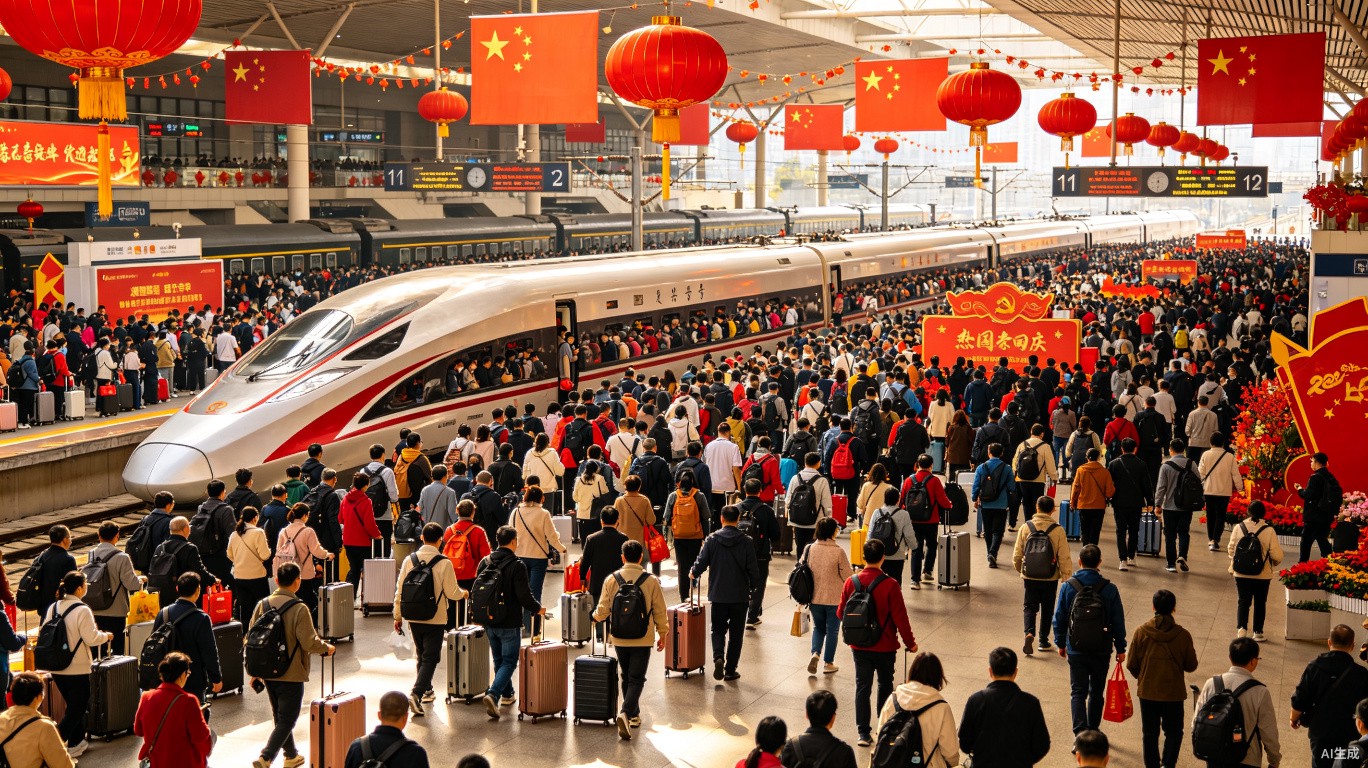
6. What’s the best way to get around? High-speed trains are the best value—fast, clean, and reliable. Book tickets on Trip.com or at the station. Overnight trains are cheaper but less comfortable. Domestic flights are cheap ($50-100/¥350-700 for most routes) but factor in airport time. Subways in big cities cost $0.30-0.80 (¥2-5) per ride.

7. What should I pack? Comfortable walking shoes (you’ll walk 10-15km/day), a reusable water bottle (tap water isn’t drinkable but hotels have filtered water), toilet paper (public bathrooms rarely have it), a power bank, and a scarf (for temples and conservative areas). Pack light—laundry services are cheap ($3-5/¥20-35 per load).

The Honest Wrap-Up

This list is for people who want to see China with their eyes, not through a tour bus window. It’s for travelers who don’t mind getting lost, who eat at places with no English menus, who take overnight trains because they’re cheaper than hotels.

It’s not for everyone. If you want luxury, book a tour. If you want predictability, stay in Shanghai. If you want to eat Western food every meal, don’t come to China.

But if you’re willing to be uncomfortable for five minutes to have an experience that stays with you for five years—take the train, eat the street food, talk to the old man in the park. China will change you.

One last thing: bring patience. Things will go wrong. The train will be delayed. You’ll order the wrong food. You’ll get on the wrong bus. That’s the point. That’s where the stories come from.

Book the flight. You’ll figure out the rest.

Topics

#china travel cost #china budget travel #china trip cost #cheap china travel