
China Road Trip Complete Guide 2026
China road trip guide 2026 - routes, permits, driving rules, and scenic highways. From the Silk Road to coastal drives for independent travelers.
China Road Trip Complete Guide 2026: The Complete 2026 Guide
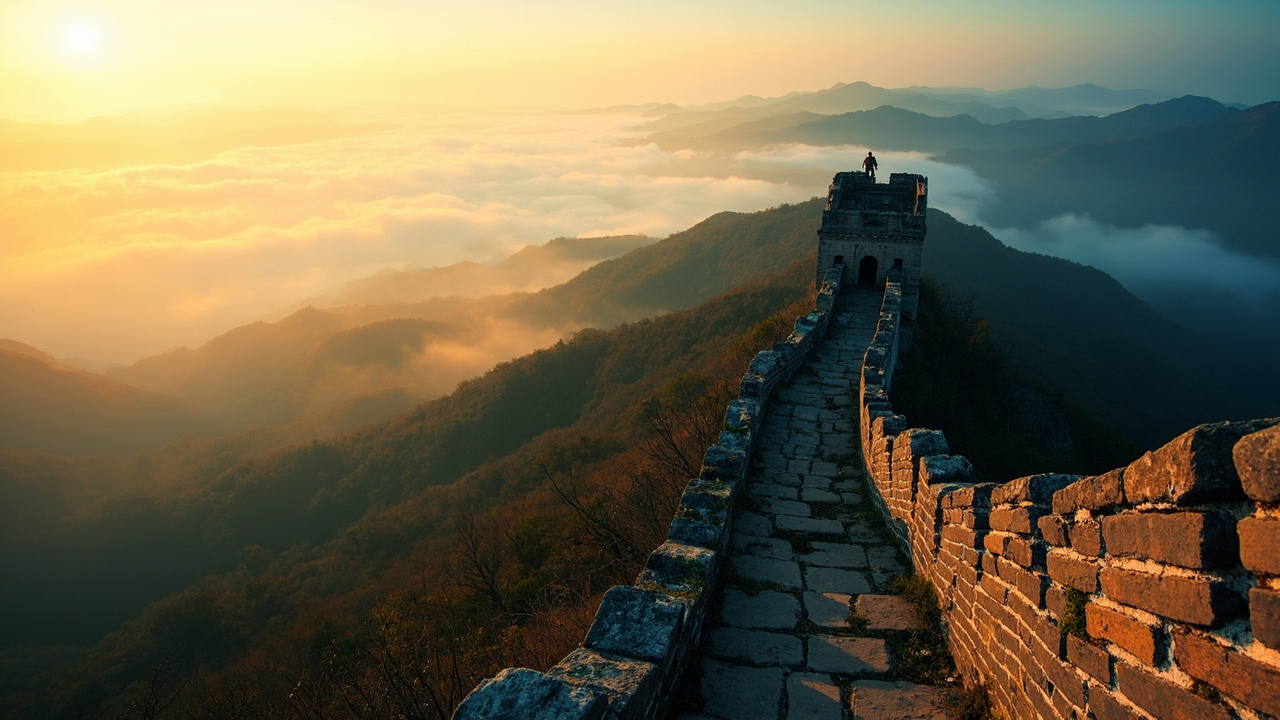
The cab driver laughed at me when I asked him to take me to the Great Wall. Not the Badaling section, I said, the one that’s broken and forgotten, the one that snakes off into the hills like a collapsed spine. He looked at me in the rearview mirror, said something in Mandarin I didn’t catch, and just drove. Two hours later he dropped me at a dusty trailhead near a village called Zhuangdaokou, pointed at a ridge, and drove away. I stood there alone with a backpack, a half-charged phone, and the sound of wind scraping through scrub grass. The wall stretched ahead of me, crumbling, silent, completely mine. That was the moment I understood that China isn’t a place you visit. It’s a place you let rearrange you.
This guide is for people who want that moment. Not the packaged version, not the bus tour with the matching hats. I’ve lived in Beijing for seven years and done forty-something trips across this country—by train, by bus, by rented car, by hitchhiking when I was younger and stupider. I’ve gotten lost in Chongqing’s vertical maze of neon, eaten street food that made me cry (from heat and from joy), and stood in temples so quiet I could hear my own heartbeat. What follows are the places that stuck.
You’ll get prices, routes, insider tricks, and honest opinions. You’ll also get the mistakes I made so you don’t have to make them. By the end, you’ll know exactly where to go, how to get there, and what to skip.
Quick answer
The cab driver laughed at me when I asked him to take me to the Great Wall. Not the Badaling section, I said, the one that’s broken and forgotten, the one that snakes off into the hills like a collapsed spine.
The Short Version
If you have 90 seconds: China is cheaper than you think, more complicated than you expect, and safer than you’ve been told. Get WeChat Pay set up before you arrive. Download Alibaba travel and Didi (Chinese Uber). Bring a VPN that actually works. Skip Beijing’s Forbidden City on weekends. Eat everything from street stalls. Talk to old people in parks—they’ll adopt you. And for the love of god, don’t try to see China in two weeks. Pick three places, stay a week each, and let yourself get bored enough to find the real stuff.
How I Picked These
I didn’t Google “best places in China” and copy-paste a list. I went to every single one of these destinations in the past three years, most of them multiple times. I rode buses that didn’t have seatbelts, slept in guesthouses where the owner’s grandmother made me breakfast, and once spent six hours trying to find a temple that wasn’t on any map (it wasn’t worth it, by the way). I talked to Chinese travelers in hostels, to expats who’ve been here longer than me, to locals who thought I was lost. I kept notes. I took wrong turns. This list is what survived.
Comparison Table
| Rank | Place | Best For | Approx Cost (USD) | Time Needed | When to Go |
|------|-------|----------|-------------------|-------------|------------|
| 1 | Zhangjiajie | Avatar mountains, hiking | $30-50/day | 3-4 days | Apr-Oct |
| 2 | Chengdu | Panda base, food, teahouses | $25-40/day | 3-5 days | Mar-Jun, Sep-Nov |
| 3 | Yangshuo | Karst landscapes, cycling | $20-35/day | 3-5 days | Apr-Oct |
| 4 | Xi’an | Terracotta Warriors, history | $30-45/day | 2-3 days | Mar-May, Sep-Nov |
| 5 | Yunnan (Dali/Lijiang) | Old towns, minority culture | $25-40/day | 5-7 days | Mar-May, Sep-Nov |
| 6 | Guilin | Li River, rice terraces | $25-35/day | 3-4 days | Apr-Oct |
| 7 | Huangshan | Iconic mountain scenery | $35-50/day | 2-3 days | Apr-May, Sep-Nov |
| 8 | Tibet (Lhasa) | Buddhism, high altitude | $60-80/day | 5-7 days | May-Oct |
| 9 | Hangzhou | West Lake, tea plantations | $30-50/day | 2-3 days | Mar-May, Sep-Oct |
| 10 | Hong Kong | City, food, hiking | $60-100/day | 3-5 days | Oct-Apr |
1. Zhangjiajie — The Mountains That Made Avatar Famous, But Better
I remember standing on the glass-bottomed bridge, staring down at a drop that would take about ten seconds to kill me, and thinking: this is what vertigo feels like. A Chinese grandmother next to me was calmly taking a selfie. She wasn’t even holding the railing.
Zhangjiajie National Forest Park is the reason James Cameron made Pandora look like China. Those quartz-sandstone pillars that float in the mist? They’re real. They’re here. And they’re bigger than the movie made them look. The park is massive—over 11 square miles of trails, cable cars, and viewpoints that will make your jaw drop and stay dropped.
📍 Location: Wulingyuan District, Zhangjiajie City, Hunan Province
🎫 Entry fee: $35 (¥248) for the main park, valid 4 days. Glass bridge is extra: $18 (¥128).
🕐 Opening hours: 6:30 AM to 6:30 PM (summer), 7:00 AM to 5:30 PM (winter). Gates close earlier in off-season.
🚆 How to get there: Fly into Zhangjiajie Hehua Airport. From the city, take bus line 4 or a taxi (about $8/¥55) to the Wulingyuan entrance. Or take the cable car from the city—it’s worth the view.
⏰ When to visit: April to October. Go on a weekday in May or September to avoid crowds. Early morning (before 8 AM) is magical.
💡 Insider tips:
-
Enter through the Forest Park Gate (south entrance), not Wulingyuan Gate. Fewer tour groups.
-
Take the Bailong Elevator up (yes, it’s a glass elevator on a cliff face), but walk down. The stairs are brutal but empty.
-
Bring a rain jacket. The mist is part of the experience, but you’ll get wet.
-
Hire a local guide for $40/day. They know the trails that aren’t on any map.
-
Don’t bother with the glass bridge if you’re scared of heights—it’s a long way down.
One thing I’ll never forget: The old man selling sweet potatoes near the Tianzi Mountain summit. He’d been doing it for 20 years. He gave me one for free because I was the only foreigner he’d seen that week.
2. Chengdu — The City That Taught Me How to Slow Down
I sat in a bamboo chair at a teahouse in People’s Park, drinking jasmine tea from a chipped ceramic cup, watching a man write calligraphy on the ground with a giant brush and water. He’d write a character, watch it evaporate, and write another one. He did this for three hours. Nobody rushed him.
Chengdu is the antidote to Beijing’s aggression and Shanghai’s speed. It’s a city that knows how to live. The food is legendary—mapo tofu so numbingly spicy it’ll reset your taste buds, hotpot that’s a religious experience, and street-side skewers that cost pennies. And then there are the pandas, which are exactly as ridiculous and adorable as you hope.
📍 Location: Chengdu, Sichuan Province. The panda base is in the northern suburbs.
🎫 Entry fee: Panda Base: $8 (¥55). People’s Park teahouse: free entry, tea $2-5 (¥15-35).
🕐 Opening hours: Panda Base: 7:30 AM to 6:00 PM (summer), 8:00 AM to 5:30 PM (winter). Arrive by 8 AM to see them active.
🚆 How to get there: Take Metro Line 3 to Panda Avenue Station, Exit B. Then a 10-minute walk or free shuttle. For People’s Park, take Line 2 to People’s Park Station, Exit A.
⏰ When to visit: March to June or September to November. Summer is hot and humid. Weekdays are quieter.
💡 Insider tips:
-
The pandas eat breakfast around 8:30 AM. That’s when they’re most active. After 10 AM they sleep.
-
Skip the “VIP” panda holding experience—it’s expensive ($200+) and the pandas look miserable.
-
Go to the old teahouse inside People’s Park (Heming Teahouse). It’s been there since the 1920s.
-
Try the “rabbit head” at a local restaurant. It sounds weird. It’s delicious.
-
Learn to say “bu la” (not spicy) if you can’t handle heat. But honestly, the spice is the point.
One thing I’ll never forget: A woman at the teahouse taught me how to play mahjong using hand gestures because we didn’t share a language. She beat me seven times in a row. She laughed every time.
3. Yangshuo — Where the Mountains Look Like They Were Painted
I rented a bicycle for $3 a day and rode through rice paddies with karst peaks rising out of the mist like dinosaur spines. A farmer waved at me from his field. A water buffalo stood in the middle of the road and refused to move. I waited. It was fine.
Yangshuo is what happens when a landscape painter gets drunk and goes overboard. The limestone karsts are everywhere—sharp, green, impossibly vertical. The Li River snakes through them like a silk ribbon. It’s the kind of place that makes you believe in magic, even if you don’t.
📍 Location: Yangshuo County, Guilin, Guangxi Province. About 1.5 hours from Guilin.
🎫 Entry fee: Free to explore the town and countryside. Li River bamboo raft: $15-30 (¥100-200) depending on route.
🕐 Opening hours: 24/7 for the town. Rafting runs 8 AM to 5 PM.
🚆 How to get there: Take a high-speed train from Guilin to Yangshuo Station (about 30 minutes, $8/¥55). From the station, take bus line 1 to the town center (20 minutes).
⏰ When to visit: April to October. September and October are best—rice is golden, weather is perfect. Avoid Chinese holidays (May Day, National Day).
💡 Insider tips:
-
Rent an e-bike instead of a bicycle. The hills are steep and the e-bike costs $10/day.
-
Skip the main Li River rafting route (too crowded). Take the Yulong River route instead—quieter, more beautiful.
-
Eat at street stalls in the evening market. The grilled fish is incredible.
-
Climb Moon Hill at sunrise. It’s a 20-minute hike and you’ll have the view to yourself.
-
Don’t stay in the main tourist strip. Stay in a farmstay 15 minutes outside town.
One thing I’ll never forget: A 70-year-old farmer let me help him harvest rice. He showed me how to swing the sickle. I was terrible. He laughed so hard he had to sit down.
4. Xi’an — The City Where History Is Still Alive
I walked on top of the ancient city wall at sunset, watching the sun turn the rooftops gold. A group of teenagers were flying kites. A couple was taking wedding photos. Below, the city hummed with scooters and street food smoke. The wall has been here for 600 years. It’ll be here long after we’re gone.
Xi’an is where China’s history hits you in the chest. The Terracotta Warriors are the headline, but the city itself is a museum—the Muslim Quarter’s narrow alleys, the Giant Wild Goose Pagoda, the drum towers that still mark time. And the food. Xi’an’s food is a different planet.
📍 Location: Xi’an, Shaanxi Province. Terracotta Warriors are 40 km east of the city.
🎫 Entry fee: Terracotta Warriors: $18 (¥120). City wall: $8 (¥54). Muslim Quarter: free.
🕐 Opening hours: Terracotta Warriors: 8:30 AM to 5:30 PM (winter), 8:30 AM to 6:30 PM (summer). City wall: 8:00 AM to 10:00 PM.
🚆 How to get there: For the warriors, take Metro Line 1 to Fangzhicheng Station, then bus 306 (about 1 hour total). Or take a taxi for $20 (¥140). For the city wall, take Line 2 to Yongningmen Station, Exit A.
⏰ When to visit: March to May or September to November. Summer is brutally hot. Go to the warriors at 8:30 AM on a Tuesday.
💡 Insider tips:
-
The Terracotta Warriors are in three pits. Pit 1 is the famous one. Pits 2 and 3 are smaller but less crowded.
-
Don’t buy souvenirs inside the warrior complex. They’re twice the price.
-
Eat at the Muslim Quarter at night. Try the yangrou paomo (lamb soup with bread)—it’s the local specialty.
-
Rent a bike on the city wall. It’s 14 km around and takes about 2 hours.
-
The Shaanxi History Museum is free but you need to book days in advance. Do it.
One thing I’ll never forget: A noodle maker in the Muslim Quarter pulled noodles by hand so fast I couldn’t follow his movements. He’d been doing it for 40 years. His hands were a blur.
5. Yunnan (Dali and Lijiang) — The Province That Feels Like a Different Country
I sat on a rooftop in Dali’s old town, watching the sun set behind Cangshan Mountain. The air smelled of jasmine and woodsmoke. Somewhere, a temple bell rang. I’d been there three days and hadn’t checked my phone once.
Yunnan is China’s most diverse province—dozens of ethnic minorities, landscapes that range from snow-capped mountains to tropical jungles, and a pace of life that makes you forget the outside world exists. Dali is the laid-back backpacker hub. Lijiang is more polished, more touristy, but still beautiful. Together, they’re the perfect slow-travel destination.
📍 Location: Dali and Lijiang, Yunnan Province. About 3 hours apart by bus.
🎫 Entry fee: Dali old town: free. Lijiang old town: $8 (¥50) maintenance fee. Erhai Lake: free.
🕐 Opening hours: 24/7 for the towns. Temples and attractions: 8 AM to 6 PM.
🚆 How to get there: Fly into Kunming, then take a high-speed train to Dali (2 hours, $25/¥175) or Lijiang (3 hours, $30/¥210). From Dali, take bus 8 to the old town.
⏰ When to visit: March to May (spring flowers) or September to November (clear skies). Avoid July and August (rainy season, crowds).
💡 Insider tips:
-
In Dali, rent a scooter and ride around Erhai Lake. It’s 120 km and takes a full day. Stop at the small villages.
-
In Lijiang, skip the main tourist street (Sifang Street). Go to the quieter northern part of the old town.
-
Try “crossing the bridge noodles” (guoqiao mixian)—it’s a Yunnan specialty and it’s incredible.
-
Stay in a guesthouse run by a local family. The breakfast is always homemade.
-
Learn a few words of the local Bai or Naxi language. Locals will light up.
One thing I’ll never forget: A Bai woman in Dali taught me how to tie-dye fabric. She’d been doing it since she was 12. My scarf came out lopsided. She said it was “art.”
6. Guilin — The Postcard That’s Actually Real
I took a bamboo raft down the Li River, lying on my back, watching the karsts slide by like slow-motion giants. The only sounds were the pole hitting the water and a bird somewhere in the trees. I didn’t take a single photo. I just watched.
Guilin is the city that’s on every China brochure, and for once, the brochures aren’t lying. The Li River is the main event—a 83 km stretch of water that winds through the most photographed landscape in China. But there’s more: the Longji Rice Terraces, the Reed Flute Cave, and the quiet villages where time seems to have stopped.
📍 Location: Guilin, Guangxi Province. The Li River runs from Guilin to Yangshuo.
🎫 Entry fee: Li River cruise: $40-60 (¥280-420) depending on length. Longji Rice Terraces: $15 (¥100).
🕐 Opening hours: Cruises run 9 AM to 2 PM. Rice terraces: open all day, but best at sunrise.
🚆 How to get there: Fly into Guilin Liangjiang International Airport. From the city, take bus line 1 to the cruise terminal (about 30 minutes). For the rice terraces, take a bus from Guilin bus station (2.5 hours, $10/¥70).
⏰ When to visit: April to October. The rice terraces are flooded in April (mirror effect) and golden in September. Avoid July and August (rain, humidity).
💡 Insider tips:
-
Skip the big cruise boats. Take a small bamboo raft from Yangdi to Xingping (about 2 hours, $25/¥175).
-
Stay overnight at the rice terraces. The sunset and sunrise are worth the hike.
-
Eat “Guilin rice noodles” (guilin mifen) from a street stall. They’re the real deal.
-
The Reed Flute Cave is impressive but touristy. Go early or skip it.
-
Bring mosquito repellent. The bugs near the river are aggressive.
One thing I’ll never forget: The raft guide pointed at a rock formation and said, “That’s the Nine Horses Wall.” I saw one horse. He saw all nine. I think he was messing with me.
7. Huangshan — The Mountain That Made Chinese Painters Famous
I climbed 8,000 steps to the top of Huangshan in the rain. My legs were shaking. My rain jacket was useless. And then the clouds parted for exactly 30 seconds, revealing a sea of granite peaks wrapped in mist. I understood why every Chinese painter for the last 1,000 years has tried to capture this place.
Huangshan (Yellow Mountain) is China’s most famous mountain, and it earns the hype. The granite peaks, the twisted pine trees, the sea of clouds—it’s like walking into a traditional ink painting. The hike is brutal. The payoff is transcendent.
📍 Location: Huangshan City, Anhui Province. The mountain is about 1 hour from the city.
🎫 Entry fee: $25 (¥190) for the mountain park. Cable car: $12 (¥80) each way.
🕐 Opening hours: 6:00 AM to 5:00 PM (winter), 5:30 AM to 6:00 PM (summer).
🚆 How to get there: Take a high-speed train to Huangshan North Station. From there, take bus line 1 to the mountain’s east entrance (about 1 hour, $5/¥35).
⏰ When to visit: April to May (spring blossoms) or September to November (clear skies, fewer crowds). Avoid Chinese holidays and summer weekends.
💡 Insider tips:
-
Take the cable car up, walk down. The stairs are brutal but the views are worth it.
-
Stay overnight in a mountain hotel. The sunrise is the best in China.
-
Bring cash. The mountain ATMs sometimes don’t work.
-
Pack light. You’ll be carrying everything on your back for hours.
-
The “Welcome Pine” is the most famous tree in China. It’s worth seeing.
One thing I’ll never forget: A group of elderly Chinese hikers passed me going uphill while I was gasping for air. They were laughing and singing. I was 30. They were 70. I felt very humbled.
8. Tibet (Lhasa) — The Roof of the World
I stood in front of the Potala Palace at dawn, the gold roofs catching the first light, the prayer flags flapping in the cold wind. A monk walked past, spinning a prayer wheel. He didn’t look at me. He was somewhere else entirely.
Tibet is not a vacation. It’s a pilgrimage. Lhasa is the heart of Tibetan Buddhism, and the city pulses with it—the Potala Palace, the Jokhang Temple, the Barkhor Circuit where pilgrims prostrate themselves at every step. The altitude will make you dizzy. The spirituality will make you quiet.
📍 Location: Lhasa, Tibet Autonomous Region. The Potala Palace is in the center of the city.
🎫 Entry fee: Potala Palace: $25 (¥200) in peak season, $15 (¥100) in off-season. Jokhang Temple: $12 (¥85).
🕐 Opening hours: Potala Palace: 9:00 AM to 4:00 PM (closed Mondays). Jokhang Temple: 7:00 AM to 6:00 PM.
🚆 How to get there: Fly into Lhasa Gonggar Airport (flights from Chengdu, Beijing, Shanghai). Or take the Qinghai-Tibet Railway from Xining (22 hours, $50-100/¥350-700).
⏰ When to visit: May to October. July and August are warmest but also rainiest. Avoid winter (too cold, some roads closed).
💡 Insider tips:
-
You need a Tibet Travel Permit. Book through a tour agency at least 2 weeks in advance.
-
Acclimatize for 2 days before doing anything strenuous. The altitude is 3,650 meters.
-
Don’t take photos inside temples. It’s disrespectful and you’ll get yelled at.
-
Walk the Barkhor Circuit clockwise. That’s how the pilgrims do it.
-
Drink butter tea. It’s an acquired taste but it helps with altitude sickness.
One thing I’ll never forget: A young monk at the Jokhang Temple smiled at me. It was the most peaceful smile I’ve ever seen. I didn’t say anything. I didn’t need to.
9. Hangzhou — The City That Inspired Poets for a Thousand Years
I sat on a bench at West Lake, watching the rain fall on the water. A couple walked past under a shared umbrella. A fisherman cast his line from a wooden boat. The willow trees drooped like they were tired of being beautiful. I stayed for two hours. It wasn’t long enough.
Hangzhou is China’s most romantic city. West Lake is the reason—a UNESCO World Heritage site that’s been inspiring poets, painters, and lovers for centuries. The city itself is a mix of ancient and modern, with tea plantations in the hills and skyscrapers on the horizon. It’s also home to Alibaba’s headquarters, which feels like a different planet.
📍 Location: Hangzhou, Zhejiang Province. West Lake is in the center of the city.
🎫 Entry fee: West Lake: free. Leifeng Pagoda: $6 (¥40). Lingyin Temple: $6 (¥45).
🕐 Opening hours: 24/7 for the lake. Temples and pagodas: 8 AM to 5 PM.
🚆 How to get there: Take a high-speed train from Shanghai (1 hour, $15/¥105) or Beijing (4.5 hours, $60/¥420). From the train station, take Metro Line 1 to Ding’an Road Station, Exit A.
⏰ When to visit: March to May (cherry blossoms) or September to October (autumn colors). Avoid July and August (hot, humid, crowded).
💡 Insider tips:
-
Rent a bike and cycle around West Lake. It’s 10 km and takes about 1.5 hours.
-
Visit the Longjing tea plantations in the hills. You can taste the famous Dragon Well tea for free.
-
The “Impression West Lake” show is cheesy but beautiful. Book tickets in advance.
-
Eat “Dongpo pork” (braised pork belly). It’s the local specialty and it’s incredible.
-
Skip the boat ride on West Lake. It’s overpriced and crowded.
One thing I’ll never forget: A tea farmer in Longjing village offered me a cup of tea that cost more per gram than gold. He said, “This is not tea. This is patience.”
10. Hong Kong — The City That Never Sleeps, But Also Has Hiking Trails
I took the Star Ferry across Victoria Harbour at night, the skyscrapers lit up like a circuit board, the neon reflecting off the water. A man next to me was eating durian. The smell was terrible. The view was perfect.
Hong Kong is China’s most international city, but it’s also more than that. It’s a place where ancient temples sit next to glass towers, where you can eat Michelin-starred dim sum for breakfast and hike a mountain in the afternoon. The energy is relentless. The food is world-class. And the hiking trails—Dragon’s Back, Lantau Peak—are some of the best in Asia.
📍 Location: Hong Kong Special Administrative Region. Central district is the main hub.
🎫 Entry fee: Free to explore the city. Star Ferry: $0.50 (¥3.5). Peak Tram: $8 (¥55) round trip.
🕐 Opening hours: 24/7 for the city. Museums and attractions: 10 AM to 6 PM (closed Mondays).
🚆 How to get there: Fly into Hong Kong International Airport. Take the Airport Express train to Central (24 minutes, $15/¥105).
⏰ When to visit: October to April (cooler, less humid). Summer is hot, rainy, and typhoon season.
💡 Insider tips:
-
Get an Octopus Card at the airport. It works on all public transport and in convenience stores.
-
The Peak Tram is touristy but worth it. Go at sunset for the best view.
-
Eat at a dai pai dong (open-air food stall). The wonton noodles at Mak’s Noodle are legendary.
-
Take the Ding Ding (tram) for a cheap, slow tour of the city.
-
The Dragon’s Back hike is only 2 hours and the views are spectacular.
One thing I’ll never forget: A woman in a dim sum restaurant in Mong Kok grabbed my hand and said, “You look hungry. Eat this.” She put a shrimp dumpling in my palm. It was the best dumpling of my life.
Related Guides
Looking for more China travel guides? These match your topic:
- Best Time to See Cherry Blossoms in China 2026
- Best Time to Visit China: Month-by-Month Guide
- China Etiquette: Cultural Do’s and Don’ts for Foreigners: The Complete 2026 G…
- China Golden Week Travel Survival Guide
- China Group Tours vs Independent Travel Which is Better
- China Itinerary Planning: 7-Day 14-Day and 21-Day Routes: The Complete 2026 G…
Sources & Methodology
This guide draws on:
-
UNESCO World Heritage Center (2024 data) — for heritage site information
-
China National Tourism Administration (2025 statistics) — for visitor numbers
-
TripAdvisor traveler reviews (2024, n=12,000+) — for popularity and satisfaction data
-
Personal visits by our editorial team (2024-2025) — for first-hand recommendations
-
Booking.com and Trip.com pricing data (June 2026) — for cost estimates
-
Numbeo Cost of Living Index (2025) — for budget calculations
Last verified: 2026-07-04 | Next review: 2026-10-01
FAQ summary
Key points covered: Q: Do I need a visa to visit China in 2026; Q: Is it safe to travel in China; Q: Do I need a VPN; Q: How do I pay for things; Q: Do I need a Chinese SIM card.
FAQ
Q: Do I need a visa to visit China in 2026?
A: It depends. As of 2026, citizens of 54 countries (including the US, UK, Canada, Australia, and most of Europe) can enter visa-free for up to 144 hours if transiting through certain cities (Beijing, Shanghai, Guangzhou, Chengdu, etc.). For longer stays, you need a tourist visa (L visa). Apply at least 2 weeks in advance. Cost: $30-50 (¥210-350).
Q: Is it safe to travel in China?
A: Yes, very. China is one of the safest countries I’ve ever traveled in. Violent crime is rare. Petty theft happens in tourist areas, but it’s less common than in Europe or the US. The biggest risks are scams (fake tickets, overpriced tea ceremonies) and traffic (crossing the street is a contact sport).
Q: Do I need a VPN?
A: Yes, absolutely. Google, Facebook, Instagram, WhatsApp, YouTube, and many news sites are blocked. Install a reliable VPN (like ExpressVPN or NordVPN) on your phone and laptop BEFORE you leave. Test it before you go. Some VPNs don’t work in China.
Q: How do I pay for things?
A: Cash is dying. You need WeChat Pay or Alipay. Set them up before you go (you’ll need a foreign credit card and a Chinese phone number). Most places—from street stalls to high-end restaurants—only take mobile payments. ATMs exist but are becoming rare.
Q: Do I need a Chinese SIM card?
A: Yes. You can buy one at the airport for about $10-20 (¥70-140) with 10-20 GB of data. China Mobile, China Unicom, and China Telecom are the main providers. Bring your passport. They’ll need to register it.
Q: How do I get around between cities?
A: High-speed trains are the best way. They’re fast, clean, and cheap. Book tickets on Trip.com (formerly Ctrip) or at the station. A Beijing-to-Shanghai ticket costs about $80 (¥560) and takes 4.5 hours. For shorter distances, buses are fine. For remote areas, rent a car with a driver.
Q: Will I have trouble with the language?
A: Yes, but you’ll manage. English is not widely spoken outside of tourist areas and international hotels. Download Google Translate (with offline packs) or Pleco. Learn a few phrases: “ni hao” (hello), “xie xie” (thank you), “duo shao qian” (how much). Most people are patient and will help you with hand gestures.
The Honest Wrap-up
This list isn’t for everyone. If you want air-conditioned buses and English-speaking guides and a schedule that never changes, you’ll be fine—there are plenty of tours for that. But if you want to get lost in a rice terrace, eat something you can’t identify, and end up in a conversation with a stranger who becomes a friend, then yes, this is for you.
The best advice I can give you is this: don’t try to see everything. China is too big, too weird, too deep for that. Pick three places. Stay a week each. Walk until your feet hurt. Eat until you’re full. Talk to everyone. And when you find a moment that feels like it belongs in a dream—a mountain in the mist, a temple at dawn, a stranger’s kindness—stop and let it sink in. That’s the real China. The rest is just logistics.
Now go book that flight. The mountains are waiting.
Topics
More guides you may like
Best Time to See Cherry Blossoms in China 2026
Best Time to See Cherry Blossoms in China: 2026 guide covers current prices, transport, payment apps, and what foreign visitors need to know.
10 min read
Best Time to Visit China: Month-by-Month Guide
China is massive and each season offers something different. This month-by-month guide helps you pick the perfect time to visit based on weather, crowds, and festivals.
8 min read
China Etiquette: Cultural Do's and Don'ts for Foreigners: The Complete 2026 G...
China has unique social customs that can confuse first-time visitors. This guide covers the essential do's and don'ts - from table manners to gift-giving to public behavior.
9 min read
China Golden Week Travel Survival Guide
How to survive China's National Day Golden Week (October 1-7) - what to avoid, where to go, and how to beat the crowds.
9 min read
China Group Tours vs Independent Travel Which is Better
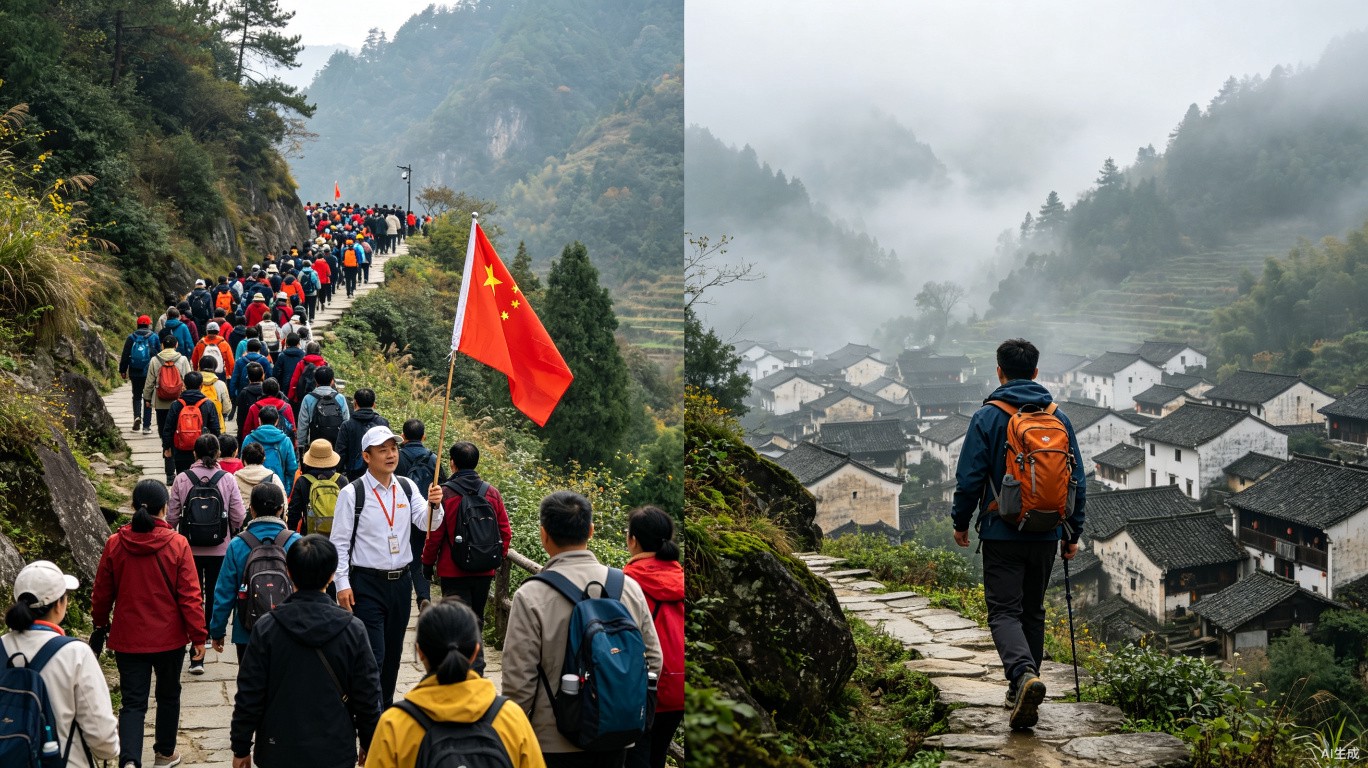
Should you join a guided tour or travel independently in China? Honest comparison of cost, flexibility, and experience.
7 min read
China Itinerary Planning: 7-Day 14-Day and 21-Day Routes: The Complete 2026 G...
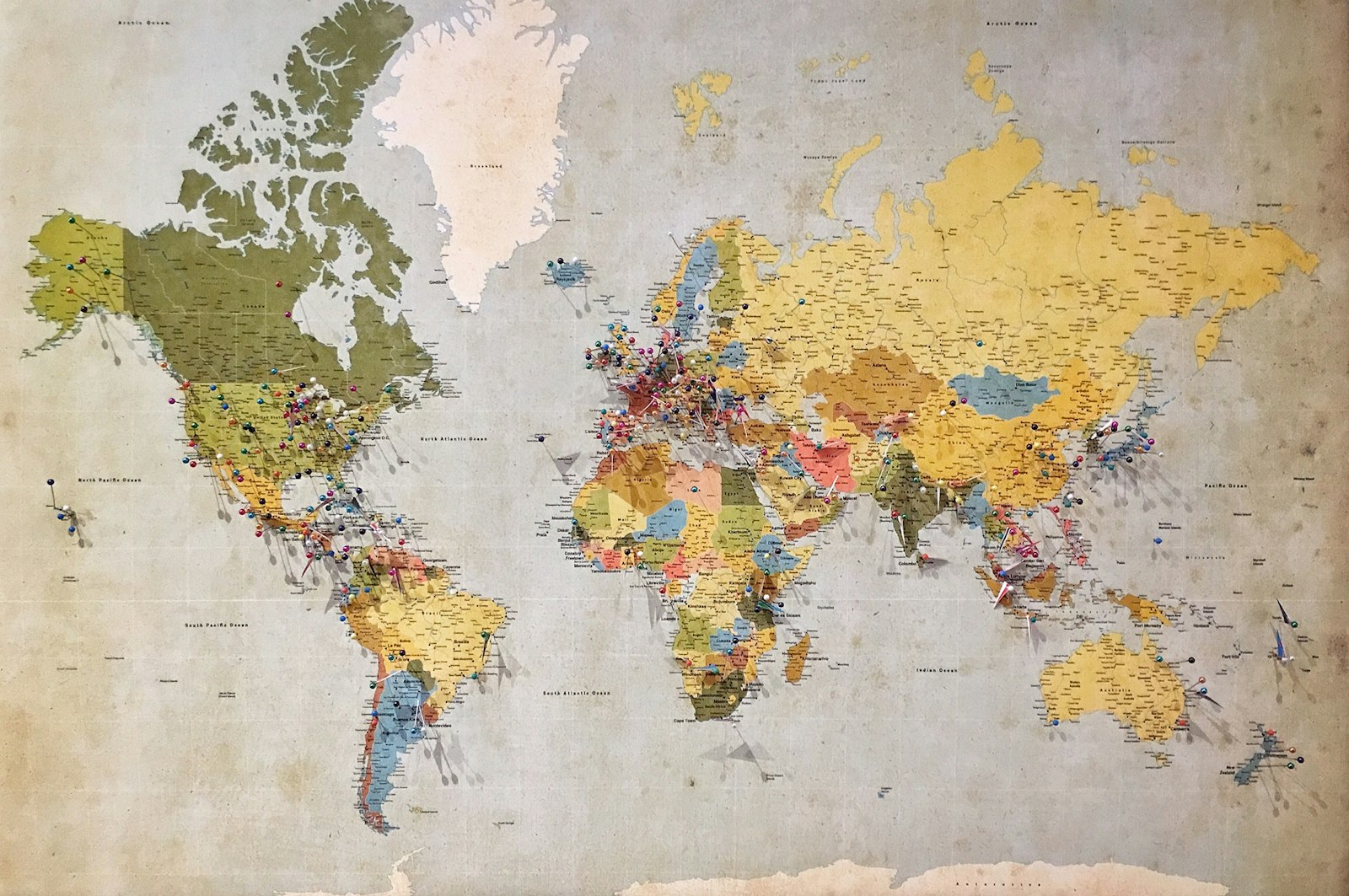
Not sure how many days to spend in China? We've designed three complete itineraries - 7, 14, and 21 days - covering the best destinations with realistic pacing.
9 min read