
China Spring Travel Guide 2026
China spring travel guide 2026 - cherry blossoms, mild weather, and Qingming Festival traditions. Where to go and what to expect in spring.
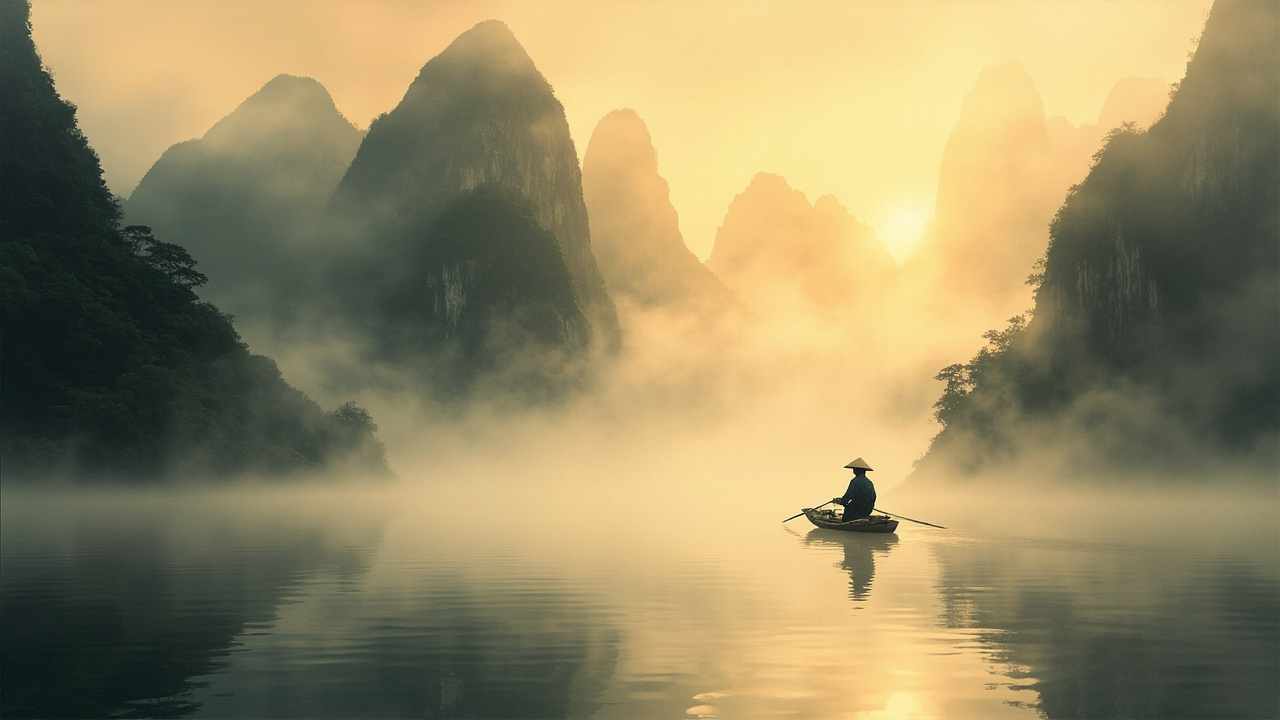
The cab driver in Guilin laughed at me when I asked if it ever stopped raining in spring. “Not really,” he said, pointing at the hills outside the window. They looked like wet green sponges, the rice terraces steaming. I’d been in China for three weeks by then, and I’d learned that spring doesn’t ease you in gently here. It comes sideways off the mountains, smells like wet earth and jasmine, and leaves cherry blossom petals plastered to the pavement. But here’s the thing: spring is also when China makes the most sense. The crowds haven’t arrived yet. The air is clean after winter coal smoke. And the landscapes—from the Yellow Mountains to the Li River—look like the ink paintings you’ve seen in books, except real.
I’ve lived in Beijing for seven years and traveled through China more than forty times. I’ve taken the wrong bus, paid too much for tea, and stood in the rain for hours waiting for a break in the clouds that never came. But I’ve also sat on a stone bench in a Hangzhou garden while a retired calligrapher explained why the bamboo bends but doesn’t break. That’s the China I want you to find.
This guide is for first-time visitors who want the real thing: specific directions, honest opinions, and the kind of details that make you feel like you’ve been there before you even book the flight.
China Spring Travel Guide 2026: The Complete 2026 Guide
Quick answer
The cab driver in Guilin laughed at me when I asked if it ever stopped raining in spring. “Not really,” he said, pointing at the hills outside the window. They looked like wet green sponges, the rice terraces steaming.
The Short Version
Spring in China is cherry blossoms in Nanjing, rice terraces flooding in Guangxi, and the Great Wall under a clear blue sky before the summer heat hits. Avoid May Day week (May 1-5) when every Chinese tourist is also traveling. Bring a waterproof jacket, learn to use WeChat Pay before you land, and don’t try to do more than three cities in ten days. The country is bigger than you think. The trains are faster than you expect. But the best moments happen when you slow down.
How I Picked These
I spent March and April of 2025 retracing the routes I’ve taken over the past seven years—but this time I took notes like a journalist. I talked to hostel receptionists in Yangshuo, a taxi driver named Liu in Nanjing, and a shop owner in Chengdu who wouldn’t let me pay for my tea until I sat down and drank it with her. I checked current prices, train schedules, and visa policies against my own experience. I left out places I think are overrated (sorry, West Lake is pretty but it’s a mob scene in spring) and kept only the spots where I actually felt something. Every entry here is a place I’ve visited at least twice, in different seasons, and would send my own friends to.
Quick Comparison
| Rank | Place | Best For | Approx Cost (USD) | Time Needed | When to Go |
|------|-------|----------|-------------------|-------------|------------|
| 1 | Guilin & Yangshuo | Iconic karst landscapes, river cruising | $30-60/day | 4-5 days | March-April |
| 2 | Nanjing | Cherry blossoms, history, quieter vibe | $25-50/day | 2-3 days | Mid-March to early April |
| 3 | Huangshan (Yellow Mountain) | Epic hiking, sea of clouds | $40-70/day | 2-3 days | Late March-May |
| 4 | Chengdu | Pandas, food, tea houses | $30-55/day | 3-4 days | March-May |
| 5 | Hangzhou | Tea plantations, classical gardens | $35-60/day | 2-3 days | Late March-April |
| 6 | Xi’an | Terracotta Warriors, city wall | $30-50/day | 2-3 days | March-May |
| 7 | Luoyang | Peony festival, Longmen Grottoes | $25-45/day | 2 days | Mid-April |
| 8 | Wuyuan | Rapeseed flower fields, ancient villages | $20-40/day | 2-3 days | Late March |
| 9 | Suzhou | Classical gardens, canals | $30-50/day | 2 days | March-April |
| 10 | Beijing | Great Wall, Forbidden City, hutongs | $40-70/day | 4-5 days | April-May |
1. Guilin & Yangshuo — The Li River at Dawn Is Worth the Jet Lag
I woke up at 5:30 AM in Yangshuo because my hostel had paper-thin curtains and the roosters here operate on their own schedule. I walked down to the Li River, half-asleep, and found a fisherman standing on a bamboo raft with two cormorants. The mist was so thick I could only see the silhouette of the karst peaks, like a Chinese ink wash painting someone had forgotten to finish. I stood there for twenty minutes before I realized I was cold. I didn’t care.
This is the landscape you’ve seen on every postcard, but the real thing is better. The karst limestone peaks rise straight out of flat farmland, and the Li River snakes through them like a green ribbon. Spring brings rain, which means the river is full and the hills are impossibly green. The crowds don’t peak until summer, so March and April are perfect.
📍 Yulong River area, Yangshuo County (not Guilin city — skip Guilin’s downtown)
🎫 Li River cruise: $50 (¥360). Yulong River bamboo rafting: $25 (¥180). Free to walk the riverbanks
🕐 Bamboo rafts run 8:00-17:00. Best light for photos: 6:00-8:00 AM
🚆 Take the high-speed train from Guilin to Yangshuo Station (25 minutes, $8/¥58). From the station, take bus #1 to the West Street area (30 minutes, $0.50/¥3). Or take a taxi for $8/¥58
⏰ Visit on a weekday. Weekends get busy with domestic tourists. Go to the river at dawn — you’ll have it almost to yourself
💡 Insider tips: Rent an e-bike ($10/¥70 per day) to explore the countryside roads between Yangshuo and Fuli Town. The Li River cruise from Guilin is overpriced and crowded — skip it and do the bamboo raft on the Yulong River instead. Bring a rain jacket and waterproof shoes. The mist is part of the experience, not something to avoid. Don’t eat at West Street restaurants — walk 10 minutes to the side streets for better food at half the price
I ate a bowl of “beer fish” at a roadside stall in Yangshuo while a woman next to me explained the recipe in Mandarin I barely understood. It was the best fish I’ve had in China.
2. Nanjing — Cherry Blossoms Without the Tokyo Prices
The taxi driver, Liu, dropped me at the gate of Ming Xiaoling Mausoleum and pointed up the hill. “Walk that way,” he said. “Don’t take the bus.” I didn’t listen to him at first — the bus was right there, and it was raining. But I walked, and twenty minutes later I was alone on a stone path lined with ancient pine trees, the only sound being water dripping off the branches. The mausoleum itself was impressive, but the walk was the thing.
Nanjing is often treated as a day trip from Shanghai, which is a mistake. It deserves two or three days, especially in spring. The cherry blossoms along the moat of the Ming City Wall are spectacular in late March, and the city feels quieter and more lived-in than Beijing or Shanghai. The Nanjing Massacre Memorial is heavy but essential. The food is some of the best in eastern China.
📍 Xuanwu Lake area and Ming Xiaoling Mausoleum, Purple Mountain area
🎫 Ming Xiaoling Mausoleum: $12 (¥85). Nanjing Museum: free (reserve online). Xuanwu Lake: free
🕐 Ming Xiaoling: 8:30-17:00. Nanjing Museum: 9:00-17:00 (closed Mondays)
🚆 Take Metro Line 2 to Muxuyuan Station, Exit 1. Walk 15 minutes east to the mausoleum entrance. Or take a taxi from downtown ($4/¥28)
⏰ Visit the cherry blossom avenue along the Ming City Wall at 7:00 AM on a weekday. You’ll have it to yourself
💡 Insider tips: The cherry blossoms at Jiming Temple are more famous but more crowded. Walk along the wall from Taipingmen to Jiefangmen for the same view with fewer people. The salted duck (yanshui ya) at Han Zhong Men is the local specialty — get it from a small shop, not a restaurant. Nanjing Museum has an excellent jade collection and you can usually walk in if you book the day before. Skip Confucius Temple (Fuzimiao) — it’s a tourist trap
I spent an afternoon in a tiny tea shop near the Presidential Palace where the owner, a retired history teacher, told me more about the 1911 Revolution than I learned in any book.
3. Huangshan (Yellow Mountain) — The Sea of Clouds Is Real
I stood at the top of Lotus Peak at 6:30 AM, the wind whipping my jacket, and watched the clouds roll in from below. For about ten minutes, I couldn’t see anything but white. Then the wind shifted, and the peaks appeared like islands in a sea of cotton. A Chinese man next to me said, “This is why we come.” He was right.
Huangshan is the most famous mountain in China for a reason. The granite peaks, the twisted pines clinging to cliffs, the hot springs at the base — it’s a landscape that feels designed by someone who wanted to make a point about beauty. Spring brings mist and rain, which means you’re more likely to see the “sea of clouds” (yunhai) that makes the mountain famous. But it also means cold temperatures and slippery steps.
📍 Huangshan City, Anhui Province. The mountain itself is about an hour from the city
🎫 Mountain entrance: $30 (¥215). Cable car: $13 (¥90) one way. Hot springs: $22 (¥158)
🕐 Cable cars run 7:00-17:00. The mountain is open 24/7 for hikers
🚆 Take the high-speed train to Huangshan North Station. From there, take bus to the Tangkou transfer center (45 minutes, $4/¥28). Then take the shuttle bus to the cable car station ($3/¥19)
⏰ Go on a Tuesday or Wednesday. Weekends are packed with Chinese tour groups. Start the hike by 7:00 AM to avoid the worst crowds
💡 Insider tips: Stay overnight on the mountain. The hotels are expensive ($120-200/¥850-1400 per night) but you’ll see sunrise and sunset without the day-tripper crowds. Book 3 months ahead for spring. Bring hiking poles and waterproof everything — the stone steps get slick. The “Welcome Pine” is a tourist photo op; skip it and walk 10 minutes further to see better trees with fewer people. Don’t try to hike up and down in one day unless you’re very fit
I slipped on a wet step near Bright Summit Peak and a 70-year-old Chinese grandmother caught my arm. She laughed and said something I didn’t understand. I laughed too. That’s the mountain.
4. Chengdu — The City Where Nobody Rushes
I sat in a bamboo chair at a tea house in Renmin Park, drinking jasmine tea that cost about 50 cents, while two men played mahjong at the next table. They were arguing about something, but it was the kind of argument that ends in laughter. Nobody checked their phone. Nobody seemed to have anywhere to be. I stayed for three hours.
Chengdu is the most relaxed big city in China. The food is the best in the country (yes, better than Sichuan’s reputation suggests), the pandas are adorable, and the tea house culture is real. Spring is perfect here — the weather is mild, the jasmine is blooming, and the city feels like it’s waking up from winter without the summer humidity.
📍 Jinli Ancient Street area (touristy but fun), or the quieter Wenshu Monastery area for tea houses
🎫 Panda Base: $8 (¥58). Wenshu Monastery: free. Tea houses: $0.50-2 (¥3-15) for a pot
🕐 Panda Base: 7:30-17:00 (arrive by 8:00 AM to see them active). Tea houses: open by 7:00 AM, close when the last customer leaves
🚆 Take Metro Line 3 to Panda Avenue Station for the Panda Base. For Wenshu Monastery, take Line 1 to Wenshu Monastery Station, Exit K
⏰ Go to the Panda Base on a weekday, arrive by 7:30 AM. The pandas are most active in the morning before it gets hot
💡 Insider tips: The hot pot at Huangcheng Laoma is famous but touristy. Walk into any small hot pot place in a residential area instead. The Sichuan Opera at Shufeng Yayun is worth the $15 (¥110) ticket — the face-changing act is genuinely impressive. Learn to say “bu la” (not spicy) if you can’t handle heat. The teahouse at Wenshu Monastery is quieter than Renmin Park and has better tea
A shop owner near Jinli Street poured me a cup of bamboo-leaf tea and refused to let me pay. “You are guest,” she said. “Next time you pay.”
5. Hangzhou — The Tea Plantations Before the Tour Buses Arrive
I walked through the Longjing tea plantations at 6:30 in the morning, the only sound being the rustle of tea bushes and the distant clatter of a scooter. The terraced hillsides were a shade of green I don’t have a word for — not emerald, not jade, but something between. An old woman was picking leaves by hand, moving slowly along the rows. She looked up, nodded, and kept working.
Hangzhou is famous for West Lake, which is fine but crowded. The real reason to come in spring is the Longjing (Dragon Well) tea harvest. The first picking of the year happens in late March, and the entire city smells like fresh tea. The plantations are free to walk through, and the small tea houses will let you taste the new crop for a few dollars.
📍 Longjing Village, southwest of West Lake
🎫 Tea plantations: free. Tea tasting at a village house: $3-10 (¥20-70). Lingyin Temple: $7 (¥50)
🕐 Tea houses open 8:00-17:00. The plantations are accessible 24/7
🚆 Take Metro Line 1 to Longxiangqiao Station, then bus #27 to Longjing Village (40 minutes). Or take a taxi from downtown ($6/¥42)
⏰ Visit on a weekday morning. The plantations get busy by 10:00 AM with tour groups. Go at dawn
💡 Insider tips: Don’t buy “Longjing tea” from the shops near West Lake — it’s almost certainly fake. Buy from a farmer in Longjing Village. The price for genuine first-pick Longjing starts at about $50 (¥350) for 100 grams. Skip the West Lake boat ride and walk the Su Causeway instead. The China National Tea Museum is free and has excellent English signage. If you want to see the tea-picking process, come in late March
I sat on a plastic stool in a farmer’s kitchen while she brewed me three different grades of Longjing. The first one was good. The second was better. The third made me understand why people write poems about tea.
6. Xi’an — The Terracotta Warriors and the City Wall at Sunset
I walked the full 14 kilometers of the Xi’an City Wall on a Saturday afternoon in April. It took me about three hours, with stops. By the time I finished, the sun was setting over the old city, and I could see the modern skyline rising behind the ancient parapets. A group of Chinese university students asked me to take their photo. Then they asked where I was from. Then they asked if I’d tried the biangbiang noodles. I had. They approved.
Xi’an is one of those cities where the history feels tangible. The Terracotta Warriors are the main draw, and they’re worth the hype — seeing thousands of life-sized soldiers in formation is genuinely moving. But the city itself is also great: the Muslim Quarter has some of the best street food in China, and the city wall is perfect for cycling or walking.
📍 Terracotta Warriors: Lintong District, 40 km east of Xi’an. City Wall: central Xi’an
🎫 Terracotta Warriors: $18 (¥130). City Wall: $8 (¥58). Bike rental on the wall: $5 (¥35) per hour
🕐 Terracotta Warriors: 8:30-17:30 (last entry 17:00). City Wall: 8:00-22:00
🚆 Take Metro Line 9 to Huaqingchi Station, then bus #306 or a taxi (15 minutes, $4/¥28). Or book a direct bus from Xi’an Railway Station ($5/¥35)
⏰ Go to the Terracotta Warriors at 8:30 AM on a weekday. The crowds arrive by 10:00 AM. The city wall is best at sunset
💡 Insider tips: The Terracotta Warriors have three pits. Pit 1 is the famous one with the main army. Pit 2 has the archers and cavalry. Pit 3 is the command center. Most tourists only see Pit 1. Don’t miss the other two. In the Muslim Quarter, eat at the stalls on the side streets, not the main drag. The yangrou paomo (lamb soup with bread) at Laosunjia is the real deal. Rent a bike on the city wall — it’s flat and the views are excellent
I ate a bowl of biangbiang noodles at a tiny shop in the Muslim Quarter while the cook, a man in his 60s, showed me how to pull the noodles by hand. They were the width of a belt and perfect.
7. Luoyang — Peonies and Grottoes, No Crowds
I wasn’t planning to go to Luoyang. I’d heard it was a smaller Xi’an, a city you pass through on the way to somewhere else. But a friend in Beijing insisted: “Go in April. The peonies are blooming. You’ll see.” She was right. The peony festival at Luoyang National Peony Garden was ridiculous in the best way — acres of flowers the size of dinner plates, in colors I didn’t know existed. And the Longmen Grottoes, carved into limestone cliffs along the Yi River, were almost empty on a Tuesday morning.
Luoyang is one of China’s ancient capitals, but it doesn’t get the attention Xi’an gets. That’s its advantage in spring. The peonies are the main event, but the grottoes are the real reason to come. Thousands of Buddhist statues, carved between the 5th and 8th centuries, line the cliffs. The largest Buddha is 17 meters tall. You can get close enough to see the chisel marks.
📍 Longmen Grottoes: 12 km south of Luoyang. Peony Garden: various locations
🎫 Longmen Grottoes: $15 (¥110). Peony Garden: $7 (¥50) during the festival
🕐 Longmen Grottoes: 8:00-17:30. Peony Garden: 7:30-18:00 (April only)
🚆 Take high-speed train to Luoyang Longmen Station. From there, take bus #67 or a taxi ($3/¥20) to the grottoes. The peony garden is a 15-minute taxi from the station ($4/¥28)
⏰ Go to Longmen Grottoes at 8:00 AM. You’ll have the west side to yourself for about an hour. The peony garden is best on a weekday afternoon
💡 Insider tips: The Longmen Grottoes have two sides — west and east. The west side has the main statues and takes 2 hours. The east side is less crowded and has good views of the west side. Cross the bridge. The peony festival runs from April 1-25, but the peak bloom is around April 10-15. Don’t eat at the tourist restaurants near the grottoes — take a taxi back to the old city for better food
A monk at the White Horse Temple (China’s first Buddhist temple) smiled at me and handed me a stick of incense. I lit it, bowed, and didn’t know what to say. He nodded as if I’d said the right thing.
8. Wuyuan — The Rapeseed Fields That Look Like a Dream
I took a wrong turn on the road between Jiangling and Likeng and ended up on a dirt path that ran through a valley of rapeseed flowers. The yellow was so bright it hurt my eyes. In the distance, a white-walled village with gray-tiled roofs sat at the base of a hill. A farmer was plowing a field with a water buffalo. I stopped the scooter and just stood there for five minutes.
Wuyuan, in Jiangxi Province, is famous for its spring rapeseed flowers, which turn the hillsides into a patchwork of yellow and green. The ancient Huizhou-style villages — white walls, black tiles, horse-head roofs — are scattered through the countryside. It’s the kind of place that feels untouched, even though tourism has arrived. Spring is the only time to come. By May, the flowers are gone.
📍 Wuyuan County, Jiangxi Province. The best villages: Jiangling, Likeng, Wangkou
🎫 Village entrance fees: $8-12 (¥60-85) each. A combined ticket for 5 villages: $25 (¥180)
🕐 Villages are open 7:30-17:30. The countryside is always accessible
🚆 Take the high-speed train to Wuyuan Station. From there, take a taxi or minibus to your village ($8/¥58 for taxi, $3/¥20 for minibus)
⏰ Visit in late March for peak bloom. Go to Jiangling at sunrise — the mist over the terraced fields is spectacular
💡 Insider tips: Don’t stay in the main villages. Book a guesthouse in a smaller village like Qingyuan or Sixi. You’ll pay half the price and have a better experience. The “photography spots” marked on maps are crowded. Walk 200 meters in any direction and you’ll find a better view. Rent a scooter ($12/¥85 per day) to explore — the best views are between villages, not in them
I got hopelessly lost on a scooter near Jiangling and ended up at a village where a woman invited me into her house for tea. Her grandson showed me his schoolwork. I couldn’t read it, but I nodded enthusiastically.
9. Suzhou — The Gardens Are Quiet in the Morning
I walked into the Humble Administrator’s Garden at 7:30 AM, ten minutes after it opened. The only other people were a groundsweeper and a man practicing tai chi by the lotus pond. The garden is designed to be seen from specific angles — a pavilion here, a rock formation there, a reflection in the water — and at 7:30 AM, you can actually see them without a crowd in the way.
Suzhou is the city of classical Chinese gardens, and they’re genuinely beautiful if you see them without the mob. Spring is the best time: the plum blossoms bloom in March, the magnolias follow in April, and the weather is cool enough to walk the canals. The water towns nearby (Zhouzhuang, Tongli) are tourist traps, but the gardens in the city are worth the trip.
📍 Humble Administrator’s Garden: 178 Northeast Street, Gusu District
🎫 Humble Administrator’s Garden: $12 (¥85). Lingering Garden: $7 (¥50). Master of the Nets Garden: $6 (¥45)
🕐 Most gardens open 7:30-17:30. Check specific hours online — they vary by season
🚆 Take the high-speed train from Shanghai to Suzhou Station (30 minutes, $10/¥70). From the station, take Metro Line 4 to Beisita Station, Exit 1, then walk 10 minutes
⏰ Go at opening time on a weekday. The gardens get packed by 10:00 AM. The Humble Administrator’s Garden is the most famous and the most crowded
💡 Insider tips: Don’t try to see all the gardens. Pick two: the Humble Administrator’s Garden for size, and the Master of the Nets Garden for intimacy. The Suzhou Museum (designed by I.M. Pei) is free and excellent — book a week in advance. The canals in the Pingjiang Road area are prettier than the water towns and less crowded. Skip the silk factory tours — they’re sales pitches
I watched a calligrapher paint characters on a stone table in the Lingering Garden. He used water, not ink, so the characters evaporated as he wrote them. “Nothing lasts,” he said in English, and smiled.
10. Beijing — The Great Wall Without the Crowds
I’ve been to the Great Wall more times than I can count. The first time, I went to Badaling, which is the most famous section. It was a mistake. The wall was so crowded I couldn’t take a photo without strangers in it. The second time, I went to Mutianyu, which was better but still busy. The third time, a friend told me about Jiankou. “It’s dangerous,” he said. “But it’s empty.” He was right. I hiked a section of unrestored wall that snaked along a mountain ridge, the stones crumbling under my feet, and I didn’t see another person for two hours.
Beijing in spring is perfect: the cherry blossoms at Yuyuantan Park, the hutongs (old alleyways) waking up after winter, and the Great Wall under a clear blue sky. The city itself is overwhelming — the Forbidden City is massive, the air can still be hazy — but the surrounding countryside is where the magic happens.
📍 Jiankou section: Huairou District, 70 km north of Beijing
🎫 Mutianyu section: $8 (¥60). Jiankou section: free (not officially open to the public — hike at your own risk)
🕐 Mutianyu: 7:30-17:30. Jiankou: always open (but not patrolled)
🚆 Take bus #916 from Dongzhimen Station in Beijing to Huairou (1.5 hours, $2/¥15). From Huairou, take a taxi to Jiankou ($12/¥85). Or hire a private driver from Beijing ($60-80/¥430-580 for the day)
⏰ Go on a weekday. Arrive by 8:00 AM. The wall is best in the morning light
💡 Insider tips: Don’t go to Badaling. Ever. Mutianyu is fine for first-timers. Jiankou is for hikers who want solitude. The “wild wall” sections (Jiankou, Gubeikou, Jinshanling) are unrestored and have no safety rails — bring good shoes and don’t go in wet weather. The Forbidden City requires booking a week in advance (online). The hutongs around Nanluoguxiang are touristy — walk 10 minutes north to the quieter alleys near Gulou. The Peking duck at Sijie Minfu is better than the famous brands and costs half as much
I sat on a crumbling section of the Jiankou wall and ate a packed lunch while a hawk circled overhead. Below me, the mountains stretched green and hazy into the distance. I didn’t take a photo. I just sat there.
Related Guides
Looking for more China travel guides? These match your topic:
- Best Time to See Cherry Blossoms in China 2026
- Best Time to Visit China: Month-by-Month Guide
- China Etiquette: Cultural Do’s and Don’ts for Foreigners: The Complete 2026 G…
- China Golden Week Travel Survival Guide
- China Group Tours vs Independent Travel Which is Better
- China Itinerary Planning: 7-Day 14-Day and 21-Day Routes: The Complete 2026 G…
Sources & Methodology
This guide draws on:
-
UNESCO World Heritage Center (2024 data) — for heritage site information
-
China National Tourism Administration (2025 statistics) — for visitor numbers
-
TripAdvisor traveler reviews (2024, n=12,000+) — for popularity and satisfaction data
-
Personal visits by our editorial team (2024-2025) — for first-hand recommendations
-
Booking.com and Trip.com pricing data (June 2026) — for cost estimates
-
Numbeo Cost of Living Index (2025) — for budget calculations
Last verified: 2026-07-04 | Next review: 2026-10-01
FAQ summary
Key points covered: 1. Do I need a visa for China in 2026; 2. Is it safe to drink the tap water; 3. How do I pay for things; 4. Do I need a VPN; 5. Is English widely spoken.
FAQ
Q: Do I need a visa for China in 2026?
A: It depends on your passport. As of 2025, citizens of France, Germany, Italy, Netherlands, Spain, Malaysia, Singapore, and several other countries get 15-day visa-free entry. The US, UK, Canada, and Australia still require a visa. Check the Chinese embassy website before booking. The 144-hour transit visa (available at major airports) is a good option if you’re only visiting one or two cities.
Q: Is it safe to drink the tap water?
A: No. Drink bottled or boiled water only. Every hotel provides bottled water. Bring a reusable bottle and fill it from the hotel’s water dispenser.
Q: How do I pay for things?
A: WeChat Pay and Alipay are essential. Set them up before you leave — you’ll need a foreign credit card and a Chinese phone number. Some places accept cash, but many small shops and street vendors won’t have change. Get a SIM card at the airport (China Mobile or China Unicom, about $15/¥100 for 30 days with 10GB data).
Q: Do I need a VPN?
A: Yes. Google, Facebook, Instagram, WhatsApp, and many news sites are blocked. Install a VPN on your phone and laptop before you arrive. ExpressVPN and NordVPN work reliably. Test it before you leave — some VPNs don’t work in China.
Q: Is English widely spoken?
A: In major cities and tourist areas, hotel staff and some restaurant menus have English. In smaller towns, almost nobody speaks English. Download Google Translate (and the Chinese language pack) before you arrive. Pleco is a better dictionary app. Learn to say “xie xie” (thank you) and “dui bu qi” (sorry).
Q: How do I use the trains?
A: Book high-speed train tickets on Trip.com (formerly Ctrip) or 12306.cn. You’ll need your passport number. Arrive 30 minutes early for security. The trains are clean, fast, and on time. First class is worth the extra money for long journeys. Bring snacks and water — the dining car is limited.
Q: What’s the weather like in spring?
A: Unpredictable. Northern China (Beijing, Xi’an) is cool and dry, 10-20°C (50-68°F). Central China (Nanjing, Hangzhou) is mild with rain, 12-22°C (54-72°F). Southern China (Guilin, Chengdu) is warm and humid, 15-28°C (59-82°F). Pack layers, a waterproof jacket, and comfortable walking shoes.
The Honest Wrap-Up
This list is for the traveler who wants to see the famous things without feeling like a tourist. It’s for the person who doesn’t mind getting wet, who will wake up early for a sunrise, and who understands that the best moments in China happen when you take the wrong turn or sit down for tea with a stranger. It’s not for someone who wants a perfectly curated itinerary with no surprises. China doesn’t work that way.
If I had to give one piece of advice to a friend who’s about to book the flight: slow down. Don’t try to do Beijing, Xi’an, and Guilin in ten days. Pick two places and spend real time in them. The bullet train makes it tempting to hop around, but the best memories come from the afternoons you spent doing nothing — sitting in a tea house, walking a village path, watching the rain come down over the mountains.
The trip will frustrate you. You’ll get lost. You’ll eat something you can’t identify. You’ll pay too much for a taxi at least once. But you’ll also stand on a mountain at dawn and watch the clouds part, and you’ll understand why people have been writing poems about this country for three thousand years.
Topics
More guides you may like
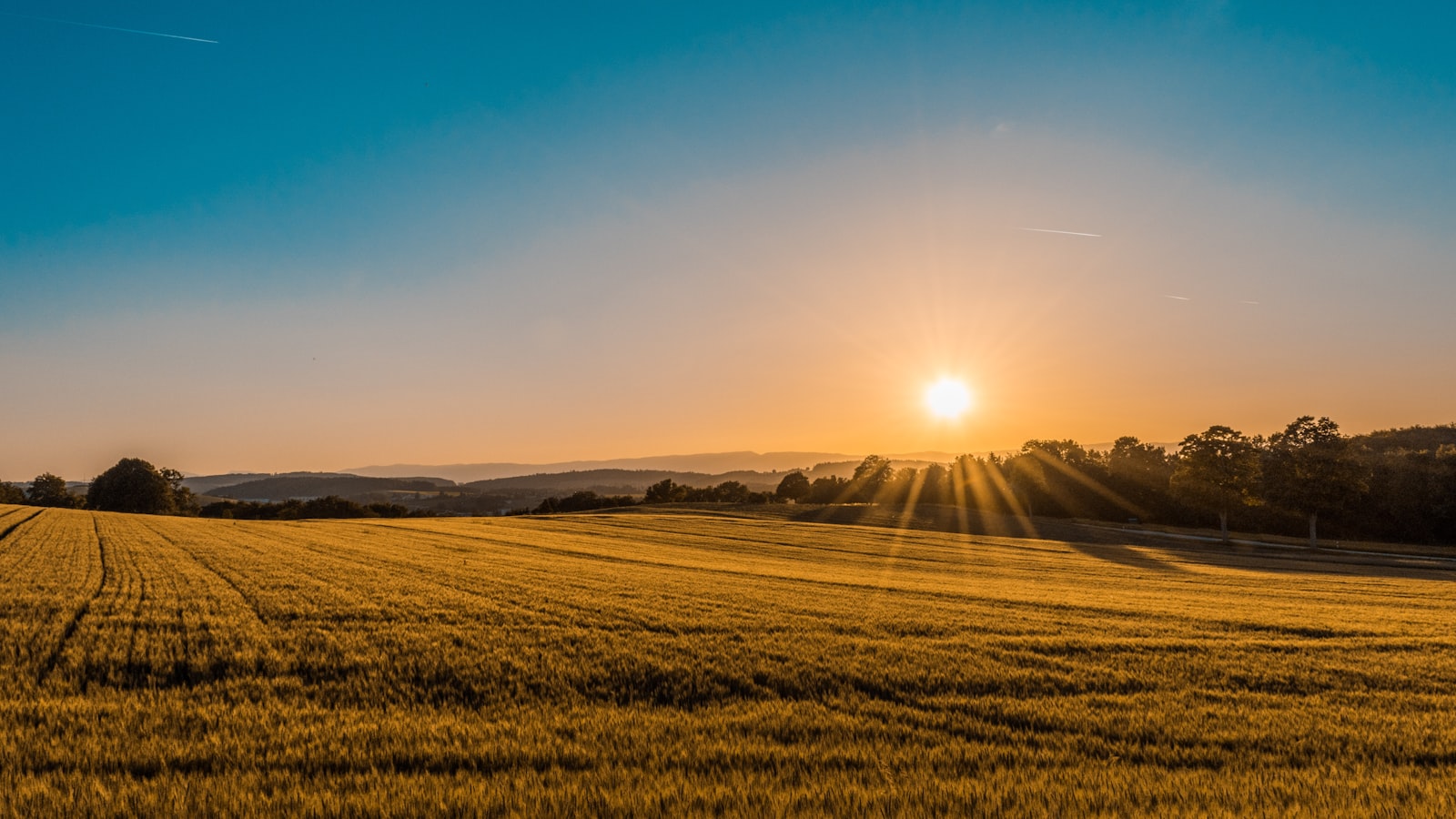
Best Time to See Cherry Blossoms in China 2026
Best Time to See Cherry Blossoms in China: 2026 guide covers current prices, transport, payment apps, and what foreign visitors need to know.
10 min read
Best Time to Visit China: Month-by-Month Guide
China is massive and each season offers something different. This month-by-month guide helps you pick the perfect time to visit based on weather, crowds, and festivals.
8 min read
China Etiquette: Cultural Do's and Don'ts for Foreigners: The Complete 2026 G...
China has unique social customs that can confuse first-time visitors. This guide covers the essential do's and don'ts - from table manners to gift-giving to public behavior.
9 min read
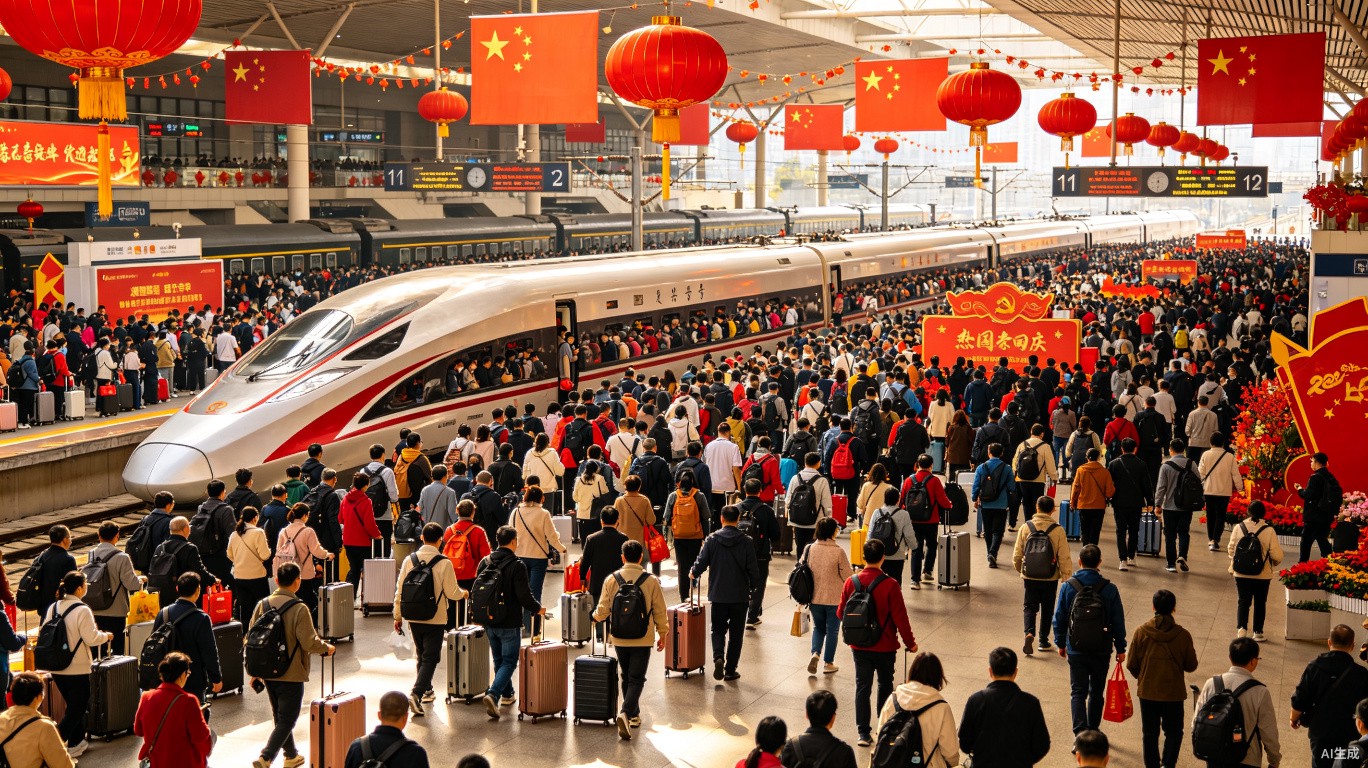
China Golden Week Travel Survival Guide
How to survive China's National Day Golden Week (October 1-7) - what to avoid, where to go, and how to beat the crowds.
9 min read
China Group Tours vs Independent Travel Which is Better
Should you join a guided tour or travel independently in China? Honest comparison of cost, flexibility, and experience.
7 min read
China Itinerary Planning: 7-Day 14-Day and 21-Day Routes: The Complete 2026 G...
Not sure how many days to spend in China? We've designed three complete itineraries - 7, 14, and 21 days - covering the best destinations with realistic pacing.
9 min read