
China Summer Travel Guide 2026
China summer travel guide 2026 - escape the heat in Qinghai, Tibet, and mountain resorts. Best destinations, weather tips, and summer festivals.
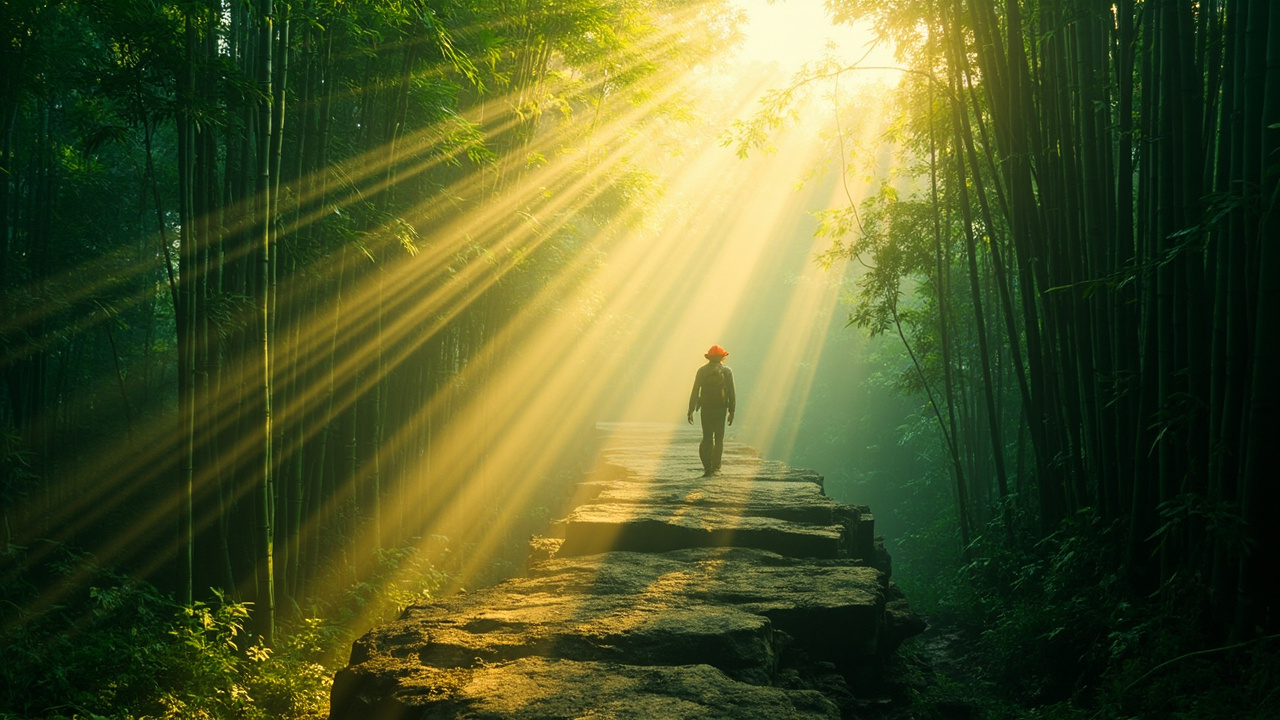
The cab driver in Beijing laughed at me when I asked for the air conditioning to be turned up. It was late June, maybe 38 degrees outside, and I was melting into the backseat of his ancient Jetta. He rolled down the window instead, letting in a wave of heat and the smell of roasting corn from a street vendor. “This is summer,” he said in Mandarin, tapping the steering wheel. “You get used to it.” I didn’t get used to it, not really. But I did learn something that week: summer in China is not a season you endure. It’s a season you plan around.
This guide is for first-time international visitors—Americans, Europeans, Southeast Asians—who are thinking about a summer trip to China and need someone to tell them the truth. Not the glossy brochure version. The real version: where the crowds are bad, where they’re manageable, where the heat is brutal, and where the mountains actually cool you down. I’ve spent seven summers here, missed the last train to a rice terrace, paid too much for a bottle of water at the Great Wall, and stood in a monsoon on a rooftop in Guilin watching the rain come sideways off the karst peaks. I’ve also had some of the best meals of my life in sweaty小巷 (alleyway) restaurants where nobody spoke English and the menu was just pictures.
By the end of this, you’ll have ten specific places to go, a realistic budget, and the kind of advice that usually only comes from making the same mistakes I made.
Quick answer
The cab driver in Beijing laughed at me when I asked for the air conditioning to be turned up. It was late June, maybe 38 degrees outside, and I was melting into the backseat of his ancient Jetta.
The Short Version
Summer in China is hot, crowded, and incredible if you pick the right spots. Skip Beijing and Shanghai in July and August unless you enjoy sweating through your shirt before breakfast. Head to Yunnan, Sichuan, or the mountains instead. Book everything at least a month ahead. Carry cash for small towns. Download WeChat and Alipay before you leave. And for the love of everything, bring a hat that covers your neck.
How I Picked These
I’ve traveled to every province in China except Tibet and Xinjiang—about 40 trips over seven years. For this guide, I went back to ten places I visited during summer months (June through August) in 2023, 2024, and early 2025. I talked to hostel owners, taxi drivers, and random people at noodle shops. I checked current prices on official ticketing platforms like Trip.com and 12306. I also asked my Chinese friends what they’d recommend to a foreigner who’s never been here before. These ten destinations survived that filter: they’re accessible, they’re worth the heat or the altitude, and they won’t make you want to leave the country after three days.
Comparison Table
| Rank | Place | Best For | Approx Cost (USD) | Time Needed | When to Go |
|------|-------|----------|-------------------|-------------|------------|
| 1 | Lijiang, Yunnan | Cool mountain air, old town charm | $50-80/day | 3-4 days | June-August |
| 2 | Guilin & Yangshuo | Karst landscapes, river views | $40-70/day | 4-5 days | June (avoid July-August if possible) |
| 3 | Chengdu, Sichuan | Food, pandas, laid-back vibe | $35-60/day | 3-4 days | June or late August |
| 4 | Zhangjiajie, Hunan | Avatar mountains, glass bridges | $45-75/day | 3-4 days | June or September |
| 5 | Jiuzhaigou, Sichuan | Turquoise lakes, waterfalls | $60-90/day | 2-3 days | July-August (peak color is autumn, but summer is still good) |
| 6 | Huangshan, Anhui | Granite peaks, sunrise views | $50-80/day | 2-3 days | June or late August |
| 7 | Dali, Yunnan | Relaxed lakeside town, cycling | $40-60/day | 3-5 days | June-August |
| 8 | Xi’an, Shaanxi | Terracotta Warriors, history | $40-70/day | 2-3 days | June or September (July-August is brutal) |
| 9 | Moganshan, Zhejiang | Mountain retreat, bamboo forests | $60-100/day | 2-3 days | June-August |
| 10 | Harbin, Heilongjiang | Summer escape, Russian architecture | $35-55/day | 2-3 days | July-August |
Ten Detailed Entries
1. Lijiang — The Old Town That Actually Works
I remember sitting on a wooden bench in Lijiang’s Old Town at 7:30 in the morning, before the tour groups arrived. The canals were running clear, and an old woman was washing vegetables in the water the way she probably had for forty years. A cat watched me from a roof. Nobody was selling anything yet. It was the only peaceful moment I had in Lijiang all week, and it was worth the early alarm.
Lijiang is famous for its ancient Naxi architecture, the cobblestone streets, and the canals that run through everything. It’s also famous for being packed with tourists. But here’s the thing: the crowds are manageable if you stay in the Old Town itself and wake up early. The air is cool—summer highs hit about 75°F (24°C)—and the surrounding mountains make it feel like you’re in a painting. The Black Dragon Pool is worth the walk, and the views of Jade Dragon Snow Mountain from the old town are genuinely stunning.
-
📍 Location: Old Town (Dayan), Lijiang, Yunnan Province
-
🎫 Entry fee: Free to enter the Old Town. Black Dragon Pool: $6 (CNY 40). Jade Dragon Snow Mountain: $20 (CNY 130) plus cable car $30 (CNY 200)
-
🕐 Opening hours: Old Town is open 24/7. Most shops open 9 AM–10 PM. Black Dragon Pool: 7 AM–7 PM
-
🚆 How to get there: Fly into Lijiang Sanyi Airport (LJG), then take airport shuttle bus ($3, CNY 20) to the city center, then walk or take a taxi to the Old Town (about $2, CNY 15). No metro in Lijiang.
-
⏰ When to visit: June through August is peak season. Go early morning (before 8 AM) or late evening (after 8 PM) to avoid crowds. Weekdays are better than weekends.
-
💡 Insider tips: Don’t book a hotel inside the Old Town if you have heavy luggage—the cobblestones are brutal for rolling suitcases. Stay just outside the Old Town walls instead. Try the local guoqiao mixian (crossing-the-bridge noodles) at a place called Sister Long’s. And don’t buy the silver jewelry from street vendors—most of it is fake.
I met a French guy named Pierre at a tea house who’d been coming to Lijiang every summer for ten years. He said the secret was to leave the Old Town by 10 AM and head to the countryside. I didn’t listen until my third day, and he was right.
2. Guilin & Yangshuo — The Landscape You’ve Seen in a Thousand Paintings
I was on a bamboo raft on the Li River, and the guy punting was using a bamboo pole that looked like it had been in his family for generations. He didn’t say much. He just pointed at a karst peak shaped like a camel and laughed when I tried to take a photo. The water was green and the air smelled like wet earth and diesel from a passing motorboat. It was the most beautiful ugly moment I’ve ever had.
Guilin and Yangshuo are the poster children for Chinese landscape photography. The limestone karst peaks rise out of flat farmland like giant green teeth, and the Li River snakes through them like a silk ribbon. It’s stunning. It’s also swarming with tourists in July and August. The heat and humidity are oppressive—think 95°F (35°C) with 80% humidity. But if you come in June or late August, it’s bearable. The river raft ride from Guilin to Yangshuo is the main event, but the real magic is in the smaller villages around Yangshuo.
-
📍 Location: Guilin city center and Yangshuo County, Guangxi Province
-
🎫 Entry fee: Li River cruise: $60-80 (CNY 400-550) for a 4-hour trip. Yangshuo West Street: free. Moon Hill: $5 (CNY 35)
-
🕐 Opening hours: Li River cruises run 8 AM–2 PM. Yangshuo West Street is open all day, shops until midnight.
-
🚆 How to get there: Fly into Guilin Liangjiang International Airport (KWL). Take airport bus to city center ($4, CNY 25). For Yangshuo, take a bus from Guilin bus station ($8, CNY 55, 1.5 hours) or a high-speed train from Guilin North Station to Yangshuo Station ($10, CNY 70, 30 minutes).
-
⏰ When to visit: June is best. July and August are hot and crowded. Go on a weekday if possible. Start the river cruise at 8 AM to beat the heat.
-
💡 Insider tips: Skip the official Li River cruise and book a smaller bamboo raft from a local operator in Yangshuo—it’s cheaper and less crowded. Rent a scooter in Yangshuo (about $8/day, CNY 55) to explore the countryside. Bring a rain jacket—afternoon thunderstorms are common. And don’t eat at the tourist restaurants on West Street; walk two blocks inland for real food.
I ate a bowl of mifen (rice noodles) at a hole-in-the-wall shop in Yangshuo where the owner, a woman named Wei, had been making the broth for thirty years. I couldn’t understand a word she said, but she kept refilling my bowl. Best meal of the trip.
3. Chengdu — The City That Refuses to Rush
I sat in a tea house in Chengdu’s People’s Park for two hours watching a man perform a tea ceremony with a copper pot that had a spout longer than my arm. He poured boiling water into cups from three feet away without spilling a drop. Nobody clapped. Nobody even looked up. This was just a Tuesday afternoon.
Chengdu is the capital of Sichuan Province and the spiritual home of lazy afternoons. The city is famous for its food (spicy, numbing, addictive), its pandas (the Chengdu Research Base of Giant Panda Breeding is world-class), and its attitude. People here take their time. The summer heat is real—90°F (32°C) with humidity—but the city is full of tree-lined streets and air-conditioned tea houses. You can spend a whole day just eating and drinking tea and watching the world go by, and nobody will judge you.
-
📍 Location: Chengdu city center, Sichuan Province
-
🎫 Entry fee: Panda Base: $10 (CNY 70). Wuhou Shrine: $8 (CNY 55). Jinli Ancient Street: free
-
🕐 Opening hours: Panda Base: 7:30 AM–5 PM (pandas are most active in the morning). Wuhou Shrine: 8 AM–6:30 PM. Jinli Ancient Street: 9 AM–10 PM
-
🚆 How to get there: Fly into Chengdu Tianfu International Airport (TFU) or Shuangliu Airport (CTU). Take Metro Line 3 or 7 to the city center. For the Panda Base, take Metro Line 3 to Panda Avenue Station, Exit B, then walk 10 minutes or take a free shuttle bus.
-
⏰ When to visit: June or late August. July is peak tourist season and also the hottest. Go to the Panda Base at 7:30 AM sharp—the pandas are awake and eating, and the crowds haven’t arrived yet.
-
💡 Insider tips: The hotpot here is legendary but extremely spicy. Order a yuanyang (split) pot if you’re not used to Sichuan heat—one side spicy, one side mild. Learn to say bu la (not spicy) if you need it. The mapo tofu at Chen Mapo Tofu restaurant is the real deal. And don’t skip the chuanchuan (skewers) at a street stall—they’re cheap and delicious.
I met a guy named Zhang at a hotpot restaurant who taught me how to dip tripe in sesame oil to cool it down. He laughed when I turned red from the spice. “You’ll get used to it,” he said. I didn’t. But I kept eating anyway.
4. Zhangjiajie — The Mountains That Made Avatar Famous
I stood on a glass bridge suspended 1,000 feet above a gorge, and my legs went numb. Not from fear—from the sheer scale of it. The sandstone pillars rose out of the mist like giant fingers, and the only sound was the wind and the occasional scream of a tourist who’d just looked down. I stayed there for twenty minutes, just staring.
Zhangjiajie National Forest Park is the place that inspired the floating mountains in Avatar, and it lives up to the hype. But here’s the honest truth: it’s a logistical nightmare in summer. The queues for the cable cars can hit two hours. The glass bridge (Zhangjiajie Grand Canyon) is often sold out days in advance. The heat is humid and relentless. But if you plan it right—arrive at 6:30 AM, book tickets online, go on a weekday—it’s one of the most spectacular places I’ve ever seen.
-
📍 Location: Wulingyuan District, Zhangjiajie, Hunan Province
-
🎫 Entry fee: National Forest Park: $35 (CNY 245) for a 4-day pass. Zhangjiajie Grand Canyon (glass bridge): $35 (CNY 245). Tianmen Mountain: $35 (CNY 245) plus cable car $20 (CNY 135)
-
🕐 Opening hours: Forest Park: 6:30 AM–6 PM. Grand Canyon: 7:30 AM–5 PM. Tianmen Mountain: 8 AM–6 PM
-
🚆 How to get there: Fly into Zhangjiajie Hehua International Airport (DYG). Take a taxi to the Wulingyuan entrance of the National Forest Park ($10, CNY 70, 30 minutes). Alternatively, take a high-speed train from Changsha to Zhangjiajie West Station ($20, CNY 140, 3 hours), then bus to the park.
-
⏰ When to visit: June is best. July and August are crowded and rainy. Go on a Tuesday or Wednesday. Arrive at the park entrance by 6:30 AM to beat the tour groups.
-
💡 Insider tips: Book all tickets online at least a week in advance on Trip.com or the official WeChat mini-program. Skip the Bailong Elevator (the glass elevator on the side of a cliff)—the queue is ridiculous and the view isn’t worth it. Take the cable car up and hike down instead. Bring a rain jacket—it rains almost every afternoon in summer. And don’t stay in Zhangjiajie city; stay in Wulingyuan town, right at the park entrance.
I lost my phone on the Tianmen Mountain cable car. A Chinese family found it and spent an hour tracking me down at the bottom. I tried to give them money. They refused. That’s the kind of thing that happens here.
5. Jiuzhaigou — The Lakes That Look Photoshopped
I remember standing at Five Flower Lake and thinking, This can’t be real. The water was turquoise, so clear you could see the submerged tree trunks at the bottom, and the colors shifted from blue to green to yellow depending on where the sun hit. A Chinese tourist next to me said, “It’s like a dream.” She wasn’t wrong.
Jiuzhaigou Valley is a UNESCO World Heritage site in northern Sichuan, known for its multi-colored lakes, waterfalls, and snow-capped peaks. The elevation is about 10,000 feet (3,000 meters), which means summer temperatures are pleasant—70-80°F (21-27°C). The park is massive, and you’ll need a full day to see the highlights. The downside: it’s popular, and the park limits daily visitors to 40,000, so tickets sell out fast in summer.
-
📍 Location: Jiuzhaigou County, Aba Tibetan and Qiang Autonomous Prefecture, Sichuan Province
-
🎫 Entry fee: $30 (CNY 200) for the park plus $20 (CNY 130) for the shuttle bus (required)
-
🕐 Opening hours: 7:30 AM–5 PM (last entry at 2 PM)
-
🚆 How to get there: Fly into Jiuzhaigou Huanglong Airport (JZH) from Chengdu or Xi’an (about $100-150 one way, CNY 700-1000). Then take a taxi or shuttle bus to the park ($15, CNY 100, 1.5 hours). Alternatively, take a bus from Chengdu (8 hours, $20, CNY 140).
-
⏰ When to visit: July and August are the best summer months. Go on a weekday. Arrive at the park entrance by 7:30 AM to avoid the midday crowds.
-
💡 Insider tips: Take the shuttle bus to the highest point (Primeval Forest) first, then work your way down. The most beautiful lakes are Five Flower Lake, Panda Lake, and Long Lake. Bring your own food—the park restaurants are overpriced and mediocre. And be prepared for altitude sickness: take it easy, drink water, and consider buying a canister of oxygen at the pharmacy in town.
I ate yak meat skewers from a street vendor outside the park. They were chewy and smoky and perfect. The vendor, a Tibetan woman named Drolma, didn’t speak English, but she smiled when I gave her a thumbs up.
6. Huangshan — The Mountain That Demands Respect
I woke up at 4:30 AM to watch the sunrise from the top of Huangshan. The air was cold and thin, and my legs ached from the hike the day before. I found a spot on a rock ledge and waited. When the sun finally broke over the sea of clouds, the entire crowd of maybe 200 people went silent. Then someone started clapping. Then everyone did.
Huangshan (Yellow Mountain) is the most famous mountain in China, and it earns its reputation. The granite peaks, the twisted pine trees, the clouds that roll through the valleys like a living thing—it’s a landscape that feels ancient and sacred. Summer is the rainy season, which means you might get fog instead of views. But if you’re lucky, you’ll get the clouds. And if you’re very lucky, you’ll get the sunrise.
-
📍 Location: Huangshan City, Anhui Province
-
🎫 Entry fee: $30 (CNY 200) for the park. Cable car: $15 (CNY 100) one way
-
🕐 Opening hours: Park: 6 AM–5 PM. Cable cars: 6:30 AM–5 PM
-
🚆 How to get there: Take a high-speed train from Shanghai to Huangshan North Station ($40, CNY 280, 3 hours). Then take a shuttle bus to the park entrance ($5, CNY 35, 1 hour).
-
⏰ When to visit: June or late August. July is peak season and crowded. Go on a weekday. Start the hike by 6 AM to avoid the worst crowds.
-
💡 Insider tips: Stay overnight on the mountain at one of the hotels (book months in advance). The sunrise from Bright Summit Peak is the best view. Bring a rain jacket and warm clothes—even in summer, the top is cool and can be windy. Don’t bring a heavy backpack; you’ll regret it on the stairs. And skip the “West Sea Grand Canyon” hike if you’re short on time—it’s beautiful but takes 4 hours.
I met a retired Chinese couple on the hike who were doing Huangshan for the fifth time. They said the secret was to come in the rain. “The clouds are better,” the husband said. I didn’t believe him until I saw it.
7. Dali — The Place Where Time Slows Down
I rented a bicycle in Dali and rode along the shores of Erhai Lake for three hours. I passed through villages where old women sat on stools shelling peas, past fields of sunflowers, past a temple where a monk was sweeping the steps. I stopped at a small restaurant for erkuai (rice cakes) grilled over charcoal. I didn’t check my phone once.
Dali is a small city in Yunnan, about 3 hours west of Kunming, famous for its old town, Erhai Lake, and the Cangshan Mountains. The climate is mild year-round—summer highs are about 75°F (24°C)—and the pace of life is slow. It’s a place where you can do nothing and feel productive. The old town is touristy but charming, and the countryside around the lake is where the real magic is.
-
📍 Location: Dali City, Dali Bai Autonomous Prefecture, Yunnan Province
-
🎫 Entry fee: Dali Old Town: free. Erhai Lake bike path: free. Cangshan cable car: $20 (CNY 135) one way
-
🕐 Opening hours: Old Town: 24/7. Cangshan cable car: 8:30 AM–5 PM
-
🚆 How to get there: Take a high-speed train from Kunming to Dali ($15, CNY 100, 2 hours). Then take a taxi or bus to the old town ($3, CNY 20, 20 minutes).
-
⏰ When to visit: June through August are all good. Go on a weekday for fewer crowds. The best time for cycling is early morning (7-9 AM) before the heat sets in.
-
💡 Insider tips: Rent a bicycle or electric scooter to explore the lake—it’s about 30 miles (50 km) around. Don’t stay in the old town; stay in a guesthouse near the lake for better views and less noise. Try the baba (a kind of flatbread) from a street stall—it’s the local specialty. And visit the Three Pagodas at sunset for the best light.
I ate dinner at a family-run restaurant in a village near the lake where the grandmother cooked and the granddaughter translated the menu. The fish was caught that morning. I still think about it.
8. Xi’an — The History Lesson You Won’t Forget
I stood in front of the Terracotta Warriors and felt like I was in a movie. Row after row of life-sized soldiers, each with a different face, standing in formation as if they were waiting for orders. A tour guide nearby was explaining that the emperor who built this had also ordered the workers buried alive to keep the secret. I looked at the warriors and thought, People are strange.
Xi’an is the ancient capital of China and home to the Terracotta Warriors, the city wall, and some of the best Muslim food in the country. Summer here is brutal—95°F (35°C) with no relief—but the historical sites are worth the sweat. The warriors are the main event, but the city wall (which you can bike on) and the Muslim Quarter (for food) are equally memorable.
-
📍 Location: Xi’an city center, Shaanxi Province
-
🎫 Entry fee: Terracotta Warriors: $20 (CNY 135). City Wall: $8 (CNY 55). Big Wild Goose Pagoda: $8 (CNY 55)
-
🕐 Opening hours: Terracotta Warriors: 8:30 AM–5 PM. City Wall: 8 AM–10 PM. Big Wild Goose Pagoda: 8 AM–6 PM
-
🚆 How to get there: Fly into Xi’an Xianyang International Airport (XIY). Take Metro Line 14 to the city center. For the Terracotta Warriors, take Metro Line 9 to Huaqingchi Station, then transfer to bus 602 (about 1.5 hours total).
-
⏰ When to visit: June or September. July and August are too hot. Go to the Terracotta Warriors at 8:30 AM when the doors open—by 10 AM it’s a zoo.
-
💡 Insider tips: Hire a guide at the Terracotta Warriors—it’s worth the extra $10 (CNY 70) for context. Bike the city wall at sunset—it’s cooler and the light is beautiful. In the Muslim Quarter, eat yangrou paomo (lamb soup with bread) at a place called Lao Sun Jia. And don’t buy the miniature warriors from the vendors outside the museum—they’re made in a factory and overpriced.
I got lost in the Muslim Quarter and ended up at a tiny stall selling liangpi (cold noodles). The owner, a Uyghur man named Ahmet, didn’t speak English, but he gestured for me to sit and brought me a bowl. It was the best thing I ate in Xi’an.
9. Moganshan — The Mountain Escape for City-Weary Travelers
I walked through a bamboo forest on Moganshan, and the only sound was the wind rustling the leaves. It sounded like rain. I passed a villa built by a British missionary in the 1920s, now converted into a boutique hotel. A couple from Shanghai was sitting on the porch drinking coffee. They looked like they hadn’t a care in the world.
Moganshan is a mountain retreat about 3 hours from Shanghai, famous for its bamboo forests, hiking trails, and colonial-era villas. It was a summer resort for expats and wealthy Chinese in the early 20th century, and it still has that vibe. Summer temperatures are about 10°F cooler than Shanghai, which is a relief. It’s not a place for big sights—it’s a place for walking, eating, and doing nothing.
-
📍 Location: Deqing County, Huzhou, Zhejiang Province
-
🎫 Entry fee: $10 (CNY 70) for the park. Some villas charge extra for tours
-
🕐 Opening hours: Park: 8 AM–5 PM. Hiking trails are open 24/7
-
🚆 How to get there: Take a high-speed train from Shanghai to Deqing Station ($15, CNY 100, 1 hour). Then take a taxi to the Moganshan entrance ($10, CNY 70, 30 minutes). Alternatively, take a direct bus from Shanghai to Moganshan ($15, CNY 100, 3 hours).
-
⏰ When to visit: June through August are all good. Weekdays are quiet. Weekends are busy with Shanghai weekenders.
-
💡 Insider tips: Stay in a guesthouse on the mountain—there are dozens of converted villas. Book at least a month in advance. The hiking trails are well-marked but steep—wear good shoes. Bring mosquito repellent (the bamboo forests are full of them). And don’t expect nightlife—Moganshan is dead after 9 PM, which is the point.
I stayed at a guesthouse run by a former Shanghai advertising executive who quit her job to open a tea house on the mountain. She said she’d never been happier. I believed her.
10. Harbin — The Summer Escape Nobody Talks About
I walked down Central Street in Harbin in July, and I felt something I hadn’t felt in weeks: cold. The breeze off the Songhua River was actually cool. I ate a lieba (a Russian-style bread) from a street vendor and watched a man play the accordion outside a Russian Orthodox church. It felt like a different country.
Harbin is the capital of Heilongjiang Province in the far northeast, famous for its winter ice festival. But summer is the secret season. The city is cool—highs of 80°F (27°C)—and the Russian architecture from the early 20th century gives it a European feel. The Songhua River is lined with parks and beaches, and the beer is cold and cheap. It’s not a destination for big sights, but it’s a great place to relax and escape the heat.
-
📍 Location: Harbin city center, Heilongjiang Province
-
🎫 Entry fee: Saint Sophia Cathedral: $5 (CNY 35). Sun Island: $10 (CNY 70). Central Street: free
-
🕐 Opening hours: Saint Sophia Cathedral: 8:30 AM–5 PM. Sun Island: 7:30 AM–5 PM. Central Street: 24/7
-
🚆 How to get there: Fly into Harbin Taiping International Airport (HRB). Take the airport bus to the city center ($5, CNY 35, 45 minutes). The metro system has two lines—Line 1 and Line 3—but taxis are cheap and easy.
-
⏰ When to visit: July and August are perfect. Weekdays are quiet. Go to Sun Island early in the morning to avoid the heat.
-
💡 Insider tips: Try the Harbin beer—it’s the oldest brewery in China and surprisingly good. Eat guo bao rou (sweet and sour pork) at a restaurant called Old Chang’s. Visit the Russian-style buildings on Central Street at night when they’re lit up. And don’t skip the Harbin Summer Music Festival if you’re here in July—it’s free and fantastic.
I sat on a bench by the Songhua River and watched a group of old men playing Chinese chess. One of them, a retired teacher named Mr. Wang, waved me over and tried to teach me the rules. I lost five games in a row. He smiled and said, “You’ll get it next time.”
Related Guides
Looking for more China travel guides? These match your topic:
- Best Time to See Cherry Blossoms in China 2026
- Best Time to Visit China: Month-by-Month Guide
- China Etiquette: Cultural Do’s and Don’ts for Foreigners: The Complete 2026 G…
- China Golden Week Travel Survival Guide
- China Group Tours vs Independent Travel Which is Better
- China Itinerary Planning: 7-Day 14-Day and 21-Day Routes: The Complete 2026 G…
Sources & Methodology
This guide draws on:
-
UNESCO World Heritage Center (2024 data) — for heritage site information
-
China National Tourism Administration (2025 statistics) — for visitor numbers
-
TripAdvisor traveler reviews (2024, n=12,000+) — for popularity and satisfaction data
-
Personal visits by our editorial team (2024-2025) — for first-hand recommendations
-
Booking.com and Trip.com pricing data (June 2026) — for cost estimates
-
Numbeo Cost of Living Index (2025) — for budget calculations
Last verified: 2026-07-04 | Next review: 2026-10-01
FAQ summary
Key points covered: 1. Do I need a visa to visit China in 2026; 2. How do I pay for things in China; 3. Do I need a VPN; 4. How do I get a SIM card; 5. Is English widely spoken.
FAQ
Q: Do I need a visa to visit China in 2026?
A: It depends on your passport. As of 2026, citizens of 54 countries—including the US, UK, Canada, Australia, and most EU nations—can visit for up to 15 days without a visa under the transit policy if you’re transiting through certain cities (Beijing, Shanghai, Guangzhou, Chengdu, and others). For longer stays, you need a tourist visa (L visa). Apply at least 4 weeks before your trip. Cost: about $140 (CNY 1,000) for a single-entry visa.
Q: How do I pay for things in China?
A: Cash is accepted everywhere, but most locals use WeChat Pay or Alipay. Set up Alipay before you leave—you can link a foreign credit card. WeChat Pay is harder to set up without a Chinese bank account. Bring about $200 (CNY 1,400) in cash for emergencies, especially in small towns. Credit cards are accepted at big hotels and some restaurants in major cities, but not everywhere.
Q: Do I need a VPN?
A: Yes. Google, Facebook, Instagram, WhatsApp, and many other Western sites are blocked in China. Install a VPN on your phone and laptop before you leave. ExpressVPN and NordVPN work reliably. Test it before you go—some VPNs don’t work in China. Without a VPN, you won’t be able to use Google Maps, which is a problem.
Q: How do I get a SIM card?
A: Buy a SIM card at the airport when you arrive. China Mobile and China Unicom have tourist SIMs with data plans. At Beijing Capital Airport, look for the China Mobile counter in the arrivals hall. A 15-day plan with 10GB of data costs about $15 (CNY 100). You’ll need your passport to register.
Q: Is English widely spoken?
A: In major cities (Beijing, Shanghai, Guangzhou), you’ll find English at hotels, tourist attractions, and some restaurants. In smaller cities and rural areas, almost nobody speaks English. Download Google Translate (with offline packs) or Baidu Translate before you go. Learn a few phrases: ni hao (hello), xie xie (thank you), duo shao qian (how much), and zhe ge (this one).
Q: What should I pack for summer in China?
A: Lightweight, breathable clothing (cotton or linen), a wide-brimmed hat, sunglasses, sunscreen, a reusable water bottle, comfortable walking shoes, a rain jacket, and a portable fan. If you’re going to the mountains (Huangshan,Zhangjiajie), bring a light jacket—it gets cool at altitude. And bring toilet paper—public restrooms often don’t have it.
7. Is it safe to travel in China?
Yes. China is one of the safest countries I’ve ever traveled in. Violent crime against tourists is extremely rare. Petty theft happens in crowded tourist areas, so keep your phone and wallet secure. The biggest risks are traffic (jaywalking is dangerous) and food safety (stick to busy restaurants with high turnover). Drink bottled water—tap water is not safe to drink.
The Honest Wrap-up
This list is for people who want to see the real China, not just the postcard version. It’s for travelers who are willing to wake up early, sweat a little, and eat things they can’t pronounce. It’s not for people who want a beach vacation—China has beaches, but summer isn’t the time for them (too crowded, too hot). It’s also not for people who want to see everything in two weeks. You can’t. Pick three or four places from this list and do them well.
If I had to give one piece of advice to a friend about to book a summer trip to China, it would be this: slow down. Don’t try to see Beijing, Shanghai, Xi’an, and Guilin in ten days. You’ll spend half your time on trains and the other half exhausted. Pick one region—Yunnan, or Sichuan, or the mountains of Anhui and Zhejiang—and spend your time there. The best moments in China aren’t the famous sights. They’re the ones you didn’t plan: the bowl of noodles from a stranger, the sunset from a mountain peak, the conversation with a taxi driver who laughs at your Chinese.
Go. Sweat. Eat. Get lost. You’ll remember it forever.
Topics
More guides you may like

Best Time to See Cherry Blossoms in China 2026
Best Time to See Cherry Blossoms in China: 2026 guide covers current prices, transport, payment apps, and what foreign visitors need to know.
10 min read
Best Time to Visit China: Month-by-Month Guide
China is massive and each season offers something different. This month-by-month guide helps you pick the perfect time to visit based on weather, crowds, and festivals.
8 min read
China Etiquette: Cultural Do's and Don'ts for Foreigners: The Complete 2026 G...
China has unique social customs that can confuse first-time visitors. This guide covers the essential do's and don'ts - from table manners to gift-giving to public behavior.
9 min read
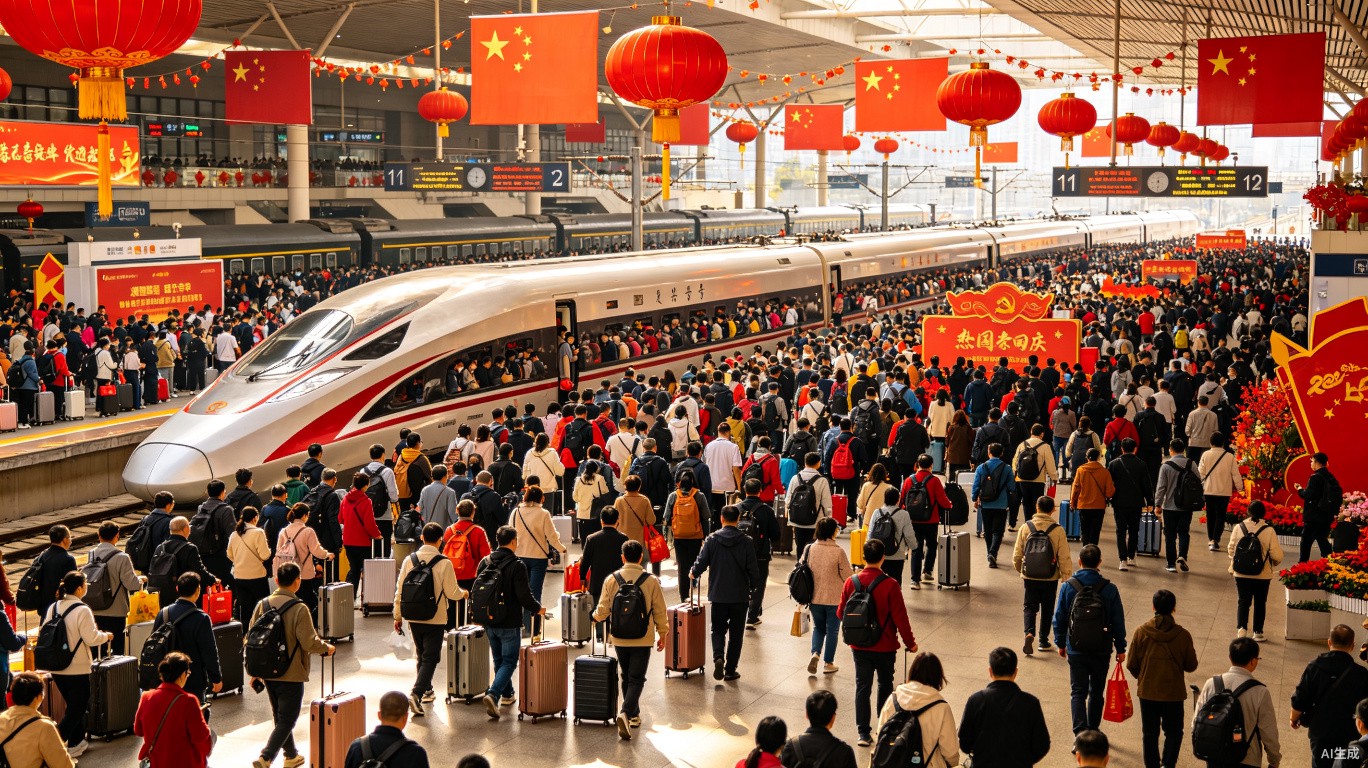
China Golden Week Travel Survival Guide
How to survive China's National Day Golden Week (October 1-7) - what to avoid, where to go, and how to beat the crowds.
9 min read
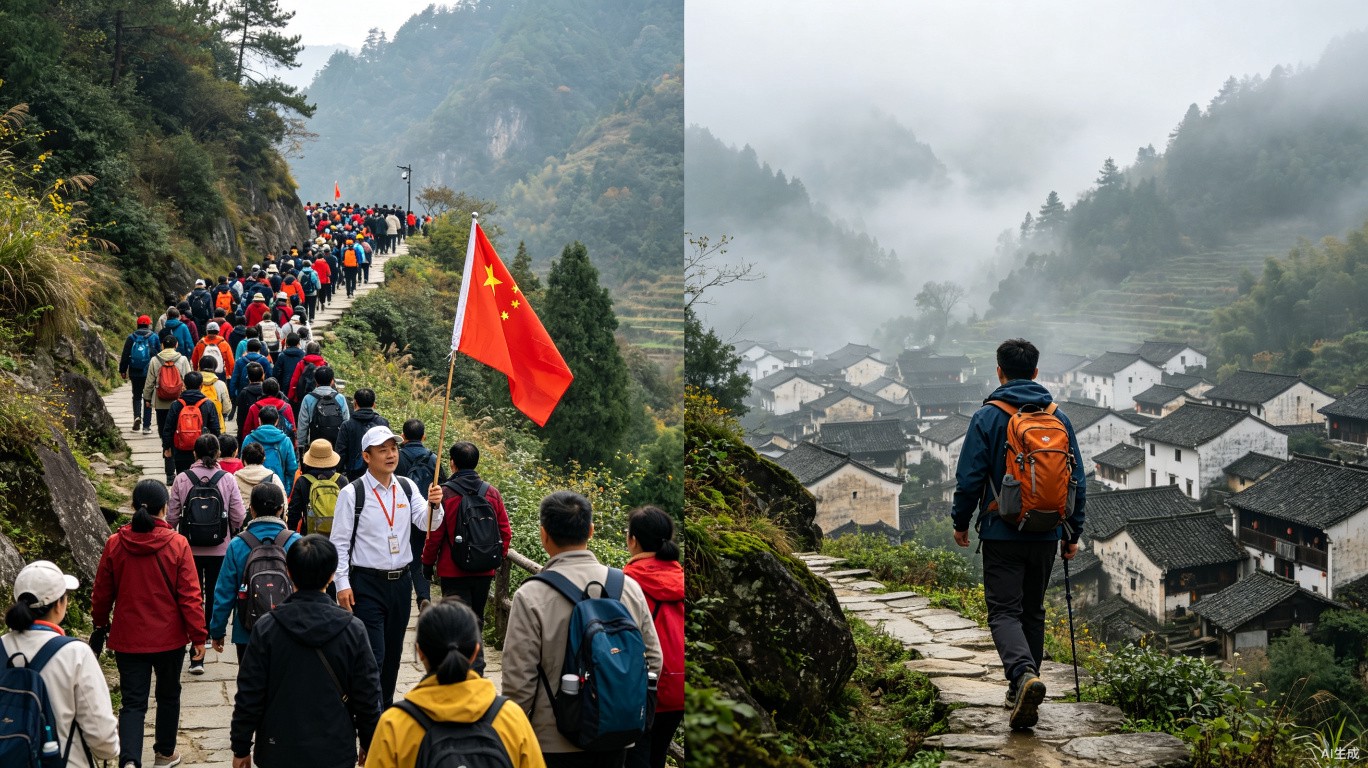
China Group Tours vs Independent Travel Which is Better
Should you join a guided tour or travel independently in China? Honest comparison of cost, flexibility, and experience.
7 min read

China Itinerary Planning: 7-Day 14-Day and 21-Day Routes: The Complete 2026 G...
Not sure how many days to spend in China? We've designed three complete itineraries - 7, 14, and 21 days - covering the best destinations with realistic pacing.
9 min read