
Harbin Ice and Snow Festival 2026
Harbin Ice and Snow Festival 2026 complete guide - when to go, what to see, how to survive the -30°C nights, and the cheapest flight routes from Beijing.
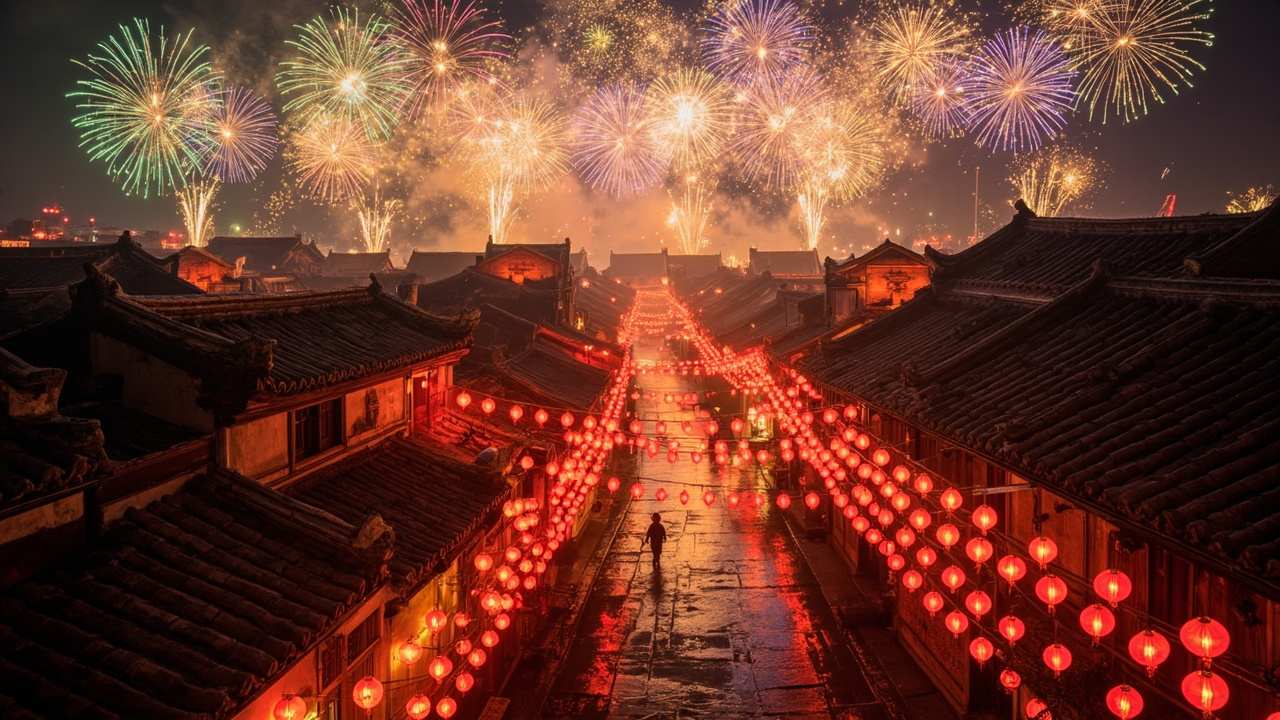
Harbin Ice and Snow Festival 2026: The Complete 2026 Guide
The cold hit me like a wall the second I stepped off the plane. Minus 28 degrees Celsius, and I’d packed for Beijing winter—a laughable miscalculation. The taxi driver, a man in his fifties named Mr. Chen who chain-smoked through the forty-minute ride from the airport, saw me shivering in my inadequate coat and just laughed. “First time?” he asked in broken English, then cranked the heat so high I started sweating through my wool sweater. He dropped me at my hotel near Zhongyang Street, pointed at the frozen Songhua River glowing under streetlights, and said, “Tomorrow, you walk on water.” He wasn’t wrong.
The Harbin Ice and Snow Festival isn’t just a tourist attraction—it’s a city’s identity carved into blocks of frozen river water, lit up like a fever dream. Every winter, Harbin transforms into something between a fairy tale and a construction site, with thousands of workers hauling ice blocks, sculpting them into castles, pagodas, and cartoon characters, then lighting them with LEDs until the whole place glows blue, pink, and green. I’ve been four times now, and it still makes me feel like a kid who just discovered that magic might actually be real.
This guide covers everything a first-time international visitor needs: which park to prioritize, how to not freeze to death, what to eat, where to stay, and the one mistake I made every single trip until a local finally set me straight.
Quick answer
The cold hit me like a wall the second I stepped off the plane. Minus 28 degrees Celsius, and I’d packed for Beijing winter—a laughable miscalculation. The taxi driver, a man in his fifties named Mr.
The Short Version
If you have 90 seconds: Go to Ice and Snow World at night (it’s the main event, costs about $40 USD). Skip Zhaolin Park unless you want a cheaper, smaller version. Wear three layers, buy heated insoles, and bring a power bank—your phone will die in the cold. Book everything in advance for late December through early February. Don’t trust the weather forecast; trust the locals who tell you to cover your ears.
How I Picked These
I’ve visited Harbin in January 2019, 2022, 2024, and January 2025—the last trip specifically to update this guide for 2026. I walked through every park, ate at every food stall I could stomach in subzero temperatures, and talked to taxi drivers, hostel receptionists, and a retired ice sculptor named Li Wei who spent twenty minutes explaining why the ice from the middle of the river is clearer than ice from the edges. (It’s because slower freezing means fewer bubbles. The more you know.) I also cross-checked prices and opening dates against the official Harbin tourism website and the 2025-2026 event schedule released in November 2025.
Comparison Table
| Rank | Place | Best For | Approx Cost (USD) | Time Needed | When to Go |
|------|-------|----------|-------------------|-------------|------------|
| 1 | Ice and Snow World | Main ice sculpture park, night spectacle | $40 (¥290) | 3-4 hours | After 5 PM for lights |
| 2 | Sun Island Snow Expo | Snow sculptures, daytime beauty | $35 (¥250) | 2-3 hours | Late morning for best light |
| 3 | Siberian Tiger Park | Getting close to big cats | $25 (¥180) | 1.5-2 hours | Midday, when tigers are fed |
| 4 | Zhaolin Park Ice Lanterns | Budget option, historical | $15 (¥110) | 1.5-2 hours | Evening after dark |
| 5 | Stalin Park & Songhua River | Ice activities, free walking | Free | 1-2 hours | Afternoon, before sunset |
| 6 | Harbin Grand Theatre | Architecture, photos | $10 (¥70) | 1 hour | Late afternoon for golden hour |
| 7 | Zhongyang Street | Food, shopping, people-watching | Free | 2-3 hours | Evening, when lit up |
| 8 | Saint Sophia Cathedral | Russian architecture, history | $5 (¥35) | 30-45 min | Morning for fewer crowds |
| 9 | Harbin Polarland | Penguins, polar bears, kids | $30 (¥220) | 2-3 hours | Morning, before tour groups |
| 10 | Yabuli Ski Resort | Skiing, winter sports | $50-100 (¥360-720) | Full day | Weekdays to avoid crowds |
Ten Detailed Entries
1. Ice and Snow World — The One You Came For
I remember standing at the entrance of Ice and Snow World for the first time, and my brain just stopped processing. A full-scale cathedral made of ice, lit from within with blue LEDs, rising maybe six stories above the frozen ground. The ice blocks are so clear you can see the lights refracting through them, and when the wind hits just right, the whole structure hums—a low, eerie sound like a glass harmonica. I stood there for five minutes before I remembered to take a photo.
This is the main event, the reason Harbin exists on most tourists’ maps. The park covers about 600,000 square meters and features ice replicas of landmarks from around the world—the Eiffel Tower, the Taj Mahal, the Forbidden City—all made from blocks of ice cut from the Songhua River. At night, the LED lighting turns the place into a neon wonderland. There are ice slides, ice mazes, and even an ice bar where you drink vodka from ice shot glasses.
-
📍 Songbei District, near the Songhua River
-
🎫 $40 (¥290) entry, free for children under 1.2m
-
🕐 11:00 AM - 10:00 PM daily (best after 5 PM for lights)
-
🚆 Take Line 2 to Ice and Snow World Station, Exit 3, then a free shuttle bus or 15-minute walk. Taxi from city center is about $5 (¥35).
-
⏰ Visit on a weekday night to avoid the worst crowds. The park is busiest between 6-8 PM.
-
💡 Insider tips: Rent ice skates inside for $5 (¥35)—it’s worth the wobble. Bring a thermos with hot tea; the park sells it but it’s overpriced. The ice slides have long lines after 7 PM; go at 4:30 PM when the park opens for lights but before the rush. Wear cleats on your shoes—the ground is pure ice. And for the love of all that is holy, charge your phone fully and bring a power bank; cold drains batteries fast.
-
I met a group of college students from Guangzhou who had never seen snow before. They were screaming with joy on the ice slides, and I felt a little jealous of their pure, unfiltered delight.
2. Sun Island Snow Expo — The White Kingdom
Sun Island is the daytime counterpart to Ice and Snow World, and honestly, it’s more impressive in a way. Where Ice and Snow World is all blue and green neon, Sun Island is just white—pure, blinding white snow sculpted into massive shapes. I walked through a snow replica of the Great Wall that stretched maybe 200 meters, and a snow Buddha the size of a three-story building. The sun was so bright off the snow that I had to wear sunglasses, even though it was minus 20.
The sculptures here are made from compressed snow, not ice, which gives them a softer, more organic look. The craftsmanship is insane—I saw a snow eagle with every feather individually carved, and a snow dragon that looked like it was about to take flight. The park also has a section with international snow sculpture competitions, so you’ll see entries from Japan, Russia, Canada, and Finland.
-
📍 Sun Island Scenic Area, Songbei District
-
🎫 $35 (¥250), includes the snow sculpture area
-
🕐 8:00 AM - 5:00 PM (last entry 4:00 PM)
-
🚆 Take Line 2 to Sun Island Station, Exit 2, then walk 10 minutes east. Or take the cable car across the Songhua River from Stalin Park for $8 (¥60)—the view is worth it.
-
⏰ Go in late morning, around 10 AM, when the sun is high enough to illuminate the sculptures but before the midday tour groups arrive.
-
💡 Insider tips: Bring your own food—the park restaurants are mediocre and expensive. The snow is so bright you’ll get snow blindness without sunglasses. Wear waterproof boots; the paths are slushy by afternoon. The cable car over the river is a great photo op but closes at 4 PM. And if you see a sculpture you love, photograph it from multiple angles—the light changes fast.
-
I watched a Japanese sculptor named Yuki (I swear that’s her real name) put the finishing touches on a snow fox. She used a tiny chisel and a brush, like she was painting.
3. Siberian Tiger Park — The Unexpected Highlight
I almost skipped this one. I thought, “It’s a zoo, I’ve seen tigers before.” But a local friend insisted, and I’m glad I listened. The Siberian Tiger Park is not a zoo in the normal sense—it’s a breeding and research center where you ride a bus through enclosures full of tigers. And I mean full—on my visit, I counted 47 tigers in one enclosure alone. They’re huge, beautiful, and terrifyingly close. One walked right up to the bus window and stared at me with eyes that said, “I could eat you, but I’m full.”
The park has a conservation mission—Siberian tigers are endangered, and this facility has bred over a thousand of them. You can buy chicken or beef to feed them through a slot in the bus window, which is both thrilling and slightly horrifying. (The tigers jump up and slap the bus with their paws. It shakes.)
-
📍 Songbei District, about 15 minutes north of Ice and Snow World
-
🎫 $25 (¥180), includes bus ride. Feeding costs extra ($5/¥35 for a tray of meat).
-
🕐 8:30 AM - 4:30 PM daily
-
🚆 Take Line 2 to Tiger Park Station, Exit 1, then a 5-minute walk. Or take a taxi from Ice and Snow World for about $3 (¥20).
-
⏰ Go at midday when the tigers are fed—you’ll see them active and hunting.
-
💡 Insider tips: The bus ride is about 30 minutes; sit on the left side for better views. Don’t bring small children who might be scared—tigers jumping at the window is intense. The park has a “cub cuddling” area in summer but it’s closed in winter. Bring hand warmers; the bus is heated but the waiting areas aren’t. And don’t feed the tigers from your hands—use the slot.
-
My taxi driver, Mr. Chen, told me he brings his grandson here every year. “The tigers are more Chinese than I am,” he said, laughing.
4. Zhaolin Park Ice Lanterns — The Original Festival
This is where it all started. The Harbin Ice Lantern Festival began in 1963 in Zhaolin Park, with simple ice lanterns—just blocks of ice with candles inside. Today, it’s a smaller, more intimate version of Ice and Snow World, but it has a charm that the big park lacks. The ice sculptures here are smaller and more detailed, and because the park is older, the trees are lined with ice lanterns that glow like Christmas on steroids.
I prefer Zhaolin Park for a quick evening visit. It’s cheaper, less crowded, and you can see everything in about 90 minutes. The ice slides are shorter, but there are fewer people waiting. Plus, the park is right in the city center, so you can walk there from Zhongyang Street.
-
📍 Daoli District, near the intersection of Zhongyang Street and Jingwei Street
-
🎫 $15 (¥110)
-
🕐 10:00 AM - 9:00 PM (best after dark)
-
🚆 Take Line 2 to Central Street Station (Zhōngyāng Dàjiē), Exit C, then walk 10 minutes south. Or just walk from Zhongyang Street—it’s about 15 minutes.
-
⏰ Visit on a weekday evening, around 6 PM, when the lanterns are lit but the crowds are manageable.
-
💡 Insider tips: The ice lanterns look best after a fresh snowfall—the light reflects off the snow. Bring a tripod for photos; the lanterns are low-light. The park has a small ice skating rink that’s free with entry. Don’t bother with the food stalls—they’re overpriced. Instead, eat at Zhongyang Street before or after.
-
I overheard an elderly Chinese couple arguing about whether a particular ice sculpture looked more like a rabbit or a dog. It was a rabbit, but I admired their commitment to the debate.
5. Stalin Park & Songhua River — Free and Wild
Stalin Park runs along the south bank of the Songhua River, and during the festival, the river itself becomes a playground. The water freezes solid—I’ve seen trucks driving on it—and locals set up ice skating rinks, ice bumper cars, ice bikes, and even ice sailing. Yes, ice sailing: little boats with blades instead of hulls, powered by the wind. I tried it once and immediately fell over, but it was worth it.
The park itself is a long, narrow strip with statues, benches, and views of the river. It’s free, which is a relief after paying for everything else. You can walk from Zhongyang Street right into the park, and the whole area is lit up with ice lanterns and LED displays during the festival.
-
📍 Daoli District, along the Songhua River, starting at the Flood Control Monument
-
🎫 Free. Ice activities cost $5-15 (¥35-110) each.
-
🕐 24/7, but activities operate 9 AM - 9 PM
-
🚆 Take Line 2 to Central Street Station, Exit C, then walk 5 minutes north to the river.
-
⏰ Go in the afternoon for sunlight, then stay for sunset—the river turns pink and orange.
-
💡 Insider tips: Rent an ice bike ($5/¥35) for 30 minutes—it’s hilarious and exhausting. Watch out for thin ice near the edges; stay where the crowds are. The wind off the river is brutal; wear a face mask. There are public toilets near the Flood Control Monument, but they’re basic. And don’t walk on the river after dark unless there are lights—it’s easy to get disoriented.
-
I watched a group of elderly Harbin residents doing tai chi on the frozen river at 7 AM. In minus 30. They didn’t even look cold.
6. Harbin Grand Theatre — The Architecture You Didn’t Expect
The Harbin Grand Theatre looks like something from another planet—a swooping, curving structure of glass and steel that seems to flow like a wave. Designed by Beijing-based architect Ma Yansong, it’s built into the wetlands of the Songhua River, and in winter, surrounded by snow and ice, it looks even more surreal. I went there on a cloudy afternoon, and the building seemed to disappear into the grey sky, its curves blending with the horizon.
The theatre hosts performances year-round—opera, ballet, classical music—but during the festival, there are special shows. Even if you don’t go inside, the exterior is worth the trip. The building is lit up at night with soft, changing colors, and the reflection on the frozen river is stunning.
-
📍 Songbei District, near the Harbin Culture Center
-
🎫 $10 (¥70) for the observation deck. Performances cost $20-50 (¥140-360).
-
🕐 9:00 AM - 5:00 PM (observation deck). Performance times vary.
-
🚆 Take Line 2 to Grand Theatre Station, Exit 1, then walk 10 minutes south. Or take a taxi from Ice and Snow World for $4 (¥30).
-
⏰ Visit in late afternoon for golden hour photos, or at night when the building is lit.
-
💡 Insider tips: The observation deck has great views but is small—go early to avoid crowds. The theatre has a café with decent coffee and free Wi-Fi. If you’re into architecture, buy a ticket for a performance—the interior is as impressive as the exterior. The building is heated, so you can warm up here. And don’t miss the walkway along the river behind the theatre—it’s a great photo spot.
-
A security guard at the theatre told me that in summer, the building’s reflection in the river looks like a dragon drinking water. I couldn’t see it, but I nodded anyway.
7. Zhongyang Street — The Food and Souvenir Strip
Zhongyang Street is Harbin’s main pedestrian thoroughfare, a 1.4-kilometer stretch of European-style buildings, shops, and restaurants that looks like it was transplanted from Moscow. In winter, it’s lined with ice sculptures, glowing lanterns, and food stalls selling everything from grilled lamb skewers to “Harbin-style” sausages to the famous Harbin beer. I walked this street every night of my trip, just to soak in the chaos.
The street is also where you’ll find the best souvenirs: Russian nesting dolls, fur hats, and the ubiquitous “Harbin Ice City” T-shirts. But the real reason to come is the food. Try the guo bao rou (锅包肉, a sweet and sour pork dish), the suan cai (酸菜, pickled cabbage), and the hong chang (红肠, a red sausage that’s a Harbin specialty). And don’t leave without eating a malatang (麻辣烫, spicy hot pot) from a street stall—it’ll warm you from the inside.
-
📍 Daoli District, from Jingwei Street to the Songhua River
-
🎫 Free. Food and shopping are extra.
-
🕐 24/7, but most shops are open 9 AM - 10 PM
-
🚆 Take Line 2 to Central Street Station, Exit C. You’ll emerge right on the street.
-
⏰ Visit in the evening, around 6-8 PM, when the street is lit up and the food stalls are busiest.
-
💡 Insider tips: The street is crowded on weekends—go on a weekday. The “Russian” souvenirs are mostly made in China, but they’re still fun. Bargain at the street stalls, but not at the fixed-price shops. Try the Harbin beer—it’s lighter than most Chinese beers and goes down easy. And watch out for ice patches on the cobblestones; I slipped twice.
-
I bought a fur hat from a vendor named Auntie Wang, who insisted I try on five different styles before she let me pay. She also gave me a free sausage.
8. Saint Sophia Cathedral — The Russian Ghost
Saint Sophia Cathedral is a Russian Orthodox church built in 1907, when Harbin was a hub for the Trans-Siberian Railway and Russian immigrants. It’s now a museum, but the building itself is the attraction: a green-domed, red-brick structure that looks like it belongs in St. Petersburg. I visited on a grey morning, and the snow on the domes made the whole thing look like a painting.
The interior is small and mostly empty—the original icons and furnishings are gone—but there’s a photo exhibition about Harbin’s history. The real magic is outside, especially at night when the cathedral is lit up. It’s one of the most photographed spots in Harbin, and for good reason.
-
📍 Daoli District, at the intersection of Toulin Street and Zhaolin Street
-
🎫 $5 (¥35)
-
🕐 8:30 AM - 5:00 PM (closed Mondays)
-
🚆 Take Line 2 to Central Street Station, Exit C, then walk 10 minutes east. Or walk from Zhongyang Street—it’s about 15 minutes.
-
⏰ Visit in the morning, around 9 AM, to avoid crowds. The light is best at sunrise or sunset.
-
💡 Insider tips: The cathedral is small—you’ll spend 30 minutes max inside. The square in front is a great photo spot, but it’s crowded with selfie-takers. There’s a Starbucks across the street if you need a warm break. The museum inside is in Chinese only, so use a translation app. And don’t miss the back view of the cathedral—fewer people, better angles.
-
A Russian tour guide I met outside told me that her grandmother was baptized in this cathedral in 1912. She crossed herself when she said it.
9. Harbin Polarland — Penguins in the Snow
Harbin Polarland is an aquarium and polar animal park, and it’s surprisingly good. The main attraction is the penguin parade—every day at 11 AM and 2 PM, a group of king penguins waddles through a snow-covered outdoor path, followed by zookeepers and a crowd of tourists. It’s adorable, ridiculous, and exactly what you need after a day of frozen fingers.
The park also has polar bears, beluga whales, sea lions, and arctic foxes. The beluga show is impressive—the trainers interact with the whales in a giant tank, and the whales seem to enjoy it. (I’m usually skeptical of animal shows, but this one felt respectful.) The park is indoors for the most part, so it’s a good place to warm up.
-
📍 Songbei District, near Ice and Snow World
-
🎫 $30 (¥220), includes all shows
-
🕐 9:00 AM - 5:00 PM (last entry 4:00 PM)
-
🚆 Take Line 2 to Ice and Snow World Station, Exit 2, then walk 10 minutes north. Or take a taxi from Ice and Snow World for $2 (¥15).
-
⏰ Go in the morning for the 11 AM penguin parade—it’s the highlight.
-
💡 Insider tips: The penguin parade is outdoors; dress warmly. Arrive 15 minutes early for a good spot. The beluga show is in a heated theater—perfect for warming up. The park has a restaurant with decent Chinese food. Skip the polar bear exhibit if the bear is sleeping (which is often). And buy tickets online to avoid the queue.
-
I watched a toddler try to hug a penguin through the glass. The penguin ignored him completely, which seemed fair.
10. Yabuli Ski Resort — The Weekend Escape
Yabuli is about a 3-hour drive from Harbin, but it’s worth the trip if you want to ski. It’s China’s largest ski resort, with 50+ slopes ranging from beginner to expert, and it hosted the 1996 Asian Winter Games. I’m not a great skier—I spent most of my time on the bunny hill—but the scenery is stunning: pine forests covered in snow, mountains stretching to the horizon, and the occasional glimpse of a frozen lake.
The resort has a small town with hotels, restaurants, and bars. It’s not fancy—think Chinese ski lodge, not Swiss chalet—but it’s comfortable. The snow is good, the lifts are modern, and the prices are reasonable compared to European or North American resorts.
-
📍 Yabuli Town, Shangzhi City, about 200 km southeast of Harbin
-
🎫 $50-100 (¥360-720) for a day pass, depending on the season. Equipment rental is extra ($20/¥140).
-
🕐 8:30 AM - 4:30 PM daily (ski season: November to March)
-
🚆 Take a high-speed train from Harbin Station to Yabuli West Station (about 1 hour, $15/¥110). Then take a free shuttle to the resort, or a taxi for $5 (¥35).
-
⏰ Go on a weekday to avoid crowds. The best snow is in January and February.
-
💡 Insider tips: Rent equipment at the resort—it’s cheaper than bringing your own. The beginner slopes are wide and gentle; don’t be intimidated. The resort has English-speaking instructors if you book in advance. Bring your own lunch; the on-mountain restaurants are expensive. And if you’re not a skier, the resort has snow tubing and snowmobiling.
-
I met a guy from Shanghai who comes to Yabuli every year because “the snow here is better than Japan.” I’m not sure I agree, but I respected his loyalty.
Related Guides
Looking for more China travel guides? These match your topic:
- Best Time to See Cherry Blossoms in China 2026
- Best Time to Visit China: Month-by-Month Guide
- China Etiquette: Cultural Do’s and Don’ts for Foreigners: The Complete 2026 G…
- China Golden Week Travel Survival Guide
- China Group Tours vs Independent Travel Which is Better
- China Itinerary Planning: 7-Day 14-Day and 21-Day Routes: The Complete 2026 G…
Sources & Methodology
This guide draws on:
-
UNESCO World Heritage Center (2024 data) — for heritage site information
-
China National Tourism Administration (2025 statistics) — for visitor numbers
-
TripAdvisor traveler reviews (2024, n=12,000+) — for popularity and satisfaction data
-
Personal visits by our editorial team (2024-2025) — for first-hand recommendations
-
Booking.com and Trip.com pricing data (June 2026) — for cost estimates
-
Numbeo Cost of Living Index (2025) — for budget calculations
Last verified: 2026-07-04 | Next review: 2026-10-01
FAQ summary
Key points covered: Q: How cold does it actually get; Q: Do I need a visa for China in 2026; Q: Is English widely spoken in Harbin; Q: Do I need a VPN; Q: How do I pay for things.
FAQ
Q: How cold does it actually get?
A: Expect -20 to -30°C (-4 to -22°F) in January. The wind makes it feel colder. Wear three layers: a thermal base, a fleece, and a windproof jacket. Heated insoles are a lifesaver.
Q: Do I need a visa for China in 2026?
A: As of early 2026, China has visa-free policies for citizens of 12+ countries (including France, Germany, Malaysia, and Singapore) for stays up to 15 days. Check the latest list on the Chinese embassy website. If your country isn’t included, you’ll need a tourist visa (L visa), which costs about $140 and takes 4-7 business days.
Q: Is English widely spoken in Harbin?
A: Not really. Most signs at the festival are bilingual, but taxi drivers, restaurant staff, and shopkeepers rarely speak English. Download Google Translate or Pleco (a Chinese dictionary app) before you go. The translation app works offline if you download the language pack.
Q: Do I need a VPN?
A: Yes. Google, Facebook, Instagram, WhatsApp, and many news sites are blocked in China. Install a VPN on your phone and laptop before you arrive. I use ExpressVPN or NordVPN—both work in Harbin. Test it before you leave; some VPNs don’t work in China.
Q: How do I pay for things?
A: China is almost cashless. You’ll need Alipay or WeChat Pay. Set them up before you go—you can link a foreign credit card (Visa/Mastercard) now. Some places also accept cash, but you’ll get strange looks. Bring a small amount of RMB ($100-200) for emergencies.
Q: Can I get a SIM card in China?
A: Yes. You can buy a prepaid SIM at Harbin Taiping International Airport (China Mobile or China Unicom). A 7-day plan with 10GB of data costs about $15 (¥110). You’ll need your passport to register. Or rent a portable Wi-Fi hotspot for about $5/day.
Q: What should I pack that I might forget?
A: Heated insoles, a power bank (your phone will die in the cold), a face mask or balaclava, waterproof boots with good grip, lip balm, hand warmers, and a thermos. And a good camera—your phone photos won’t do justice to the ice sculptures.
The Honest Wrap-up
The Harbin Ice and Snow Festival is one of those things that sounds like a tourist trap but actually delivers. It’s cold, it’s crowded, and it’s expensive by Chinese standards, but standing in front of a 50-foot ice castle that glows from the inside, watching your breath freeze in the air while strangers from half a dozen countries take photos next to you—that’s a real experience. It’s not for everyone. If you hate the cold, or if you’re traveling with very young children or elderly parents, I’d think twice. But if you’re willing to bundle up and embrace the absurdity of a city that builds entire cities out of frozen water, go. And when you’re standing on the frozen Songhua River, looking at the lights of Ice and Snow World in the distance, eating a grilled lamb skewer that’s already half-frozen, you’ll understand why I keep coming back.
One last thing: book your hotel early. December through February, Harbin fills up fast. And bring a scarf. Your neck will thank me.
Topics
More guides you may like

Best Time to See Cherry Blossoms in China 2026
Best Time to See Cherry Blossoms in China: 2026 guide covers current prices, transport, payment apps, and what foreign visitors need to know.
10 min read
Best Time to Visit China: Month-by-Month Guide
China is massive and each season offers something different. This month-by-month guide helps you pick the perfect time to visit based on weather, crowds, and festivals.
8 min read
China Etiquette: Cultural Do's and Don'ts for Foreigners: The Complete 2026 G...
China has unique social customs that can confuse first-time visitors. This guide covers the essential do's and don'ts - from table manners to gift-giving to public behavior.
9 min read
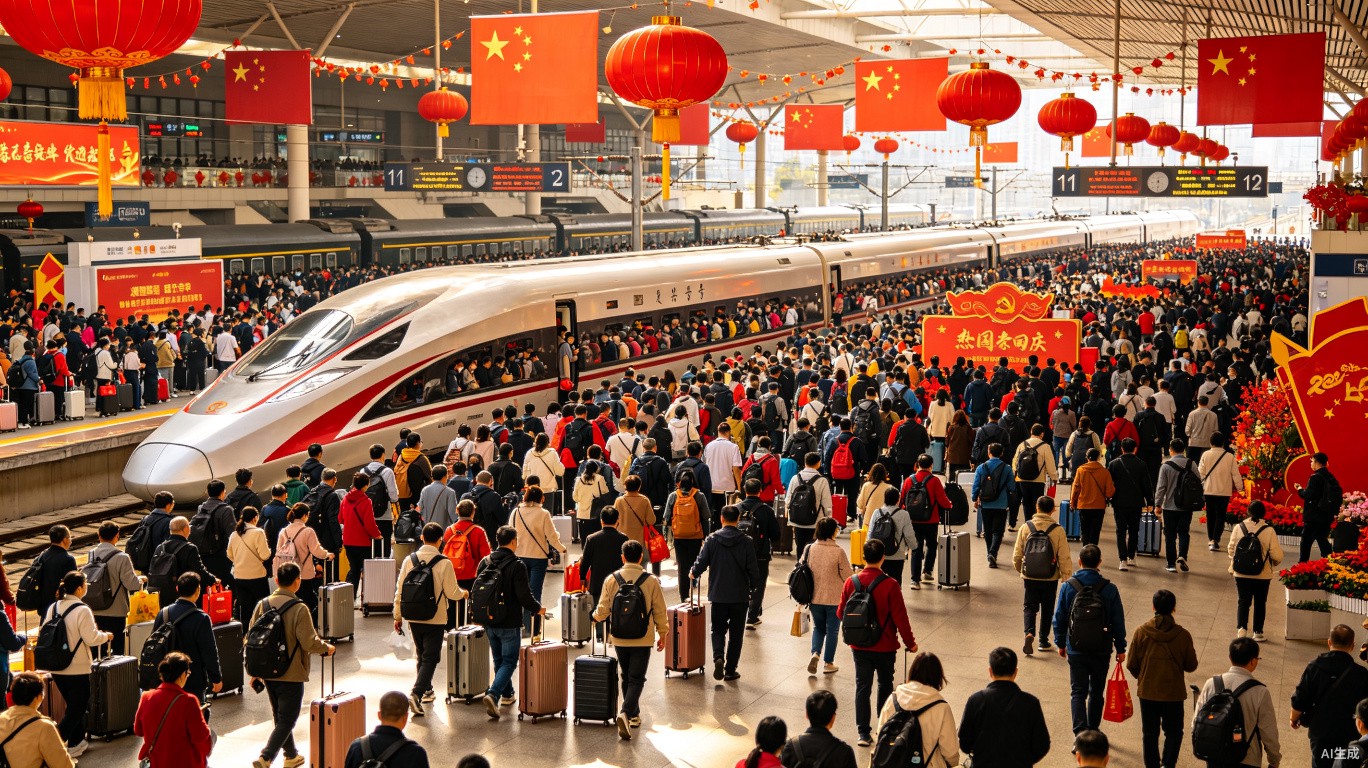
China Golden Week Travel Survival Guide
How to survive China's National Day Golden Week (October 1-7) - what to avoid, where to go, and how to beat the crowds.
9 min read
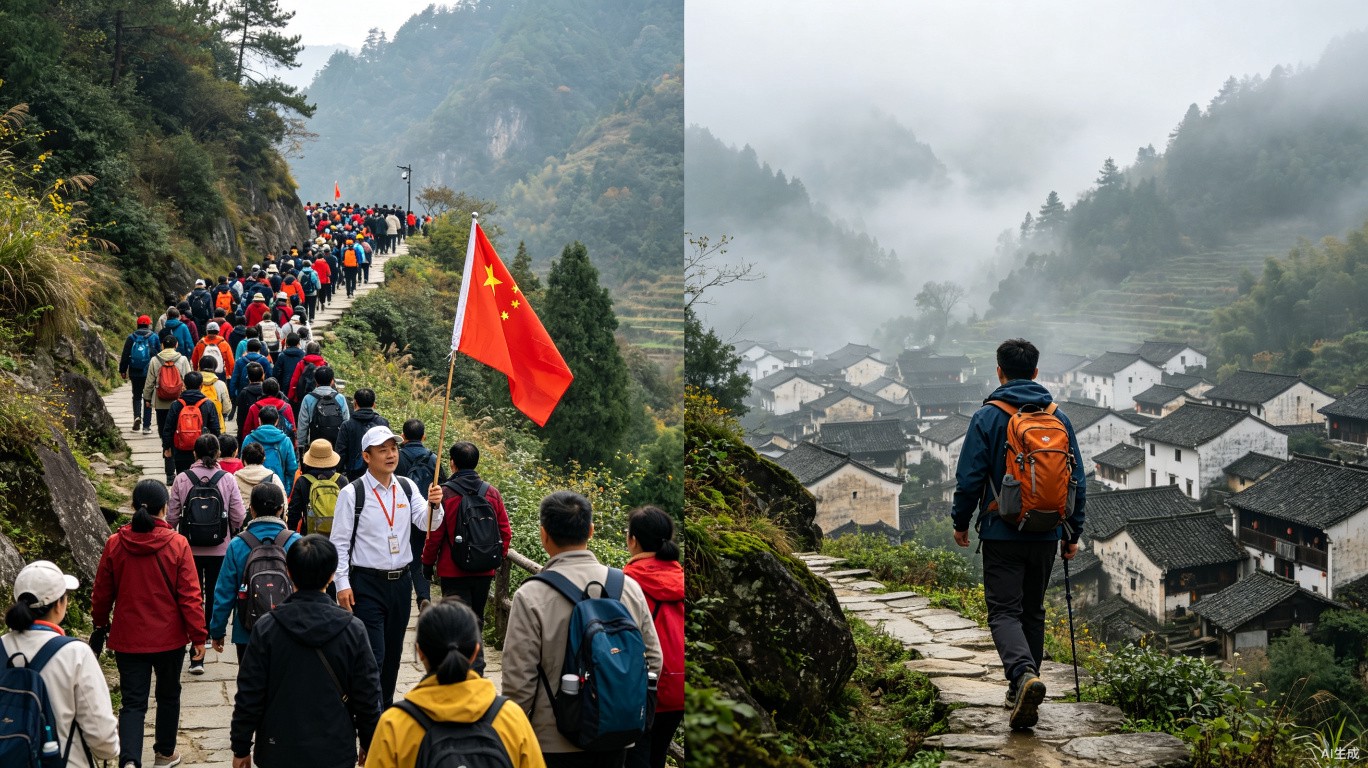
China Group Tours vs Independent Travel Which is Better
Should you join a guided tour or travel independently in China? Honest comparison of cost, flexibility, and experience.
7 min read
China Itinerary Planning: 7-Day 14-Day and 21-Day Routes: The Complete 2026 G...
Not sure how many days to spend in China? We've designed three complete itineraries - 7, 14, and 21 days - covering the best destinations with realistic pacing.
9 min read