
Pingyao Ancient City Complete Guide 2026
Pingyao Ancient City Complete Guide: 2026 guide covers current prices, transport, payment apps, and what foreign visitors need to know.
1. Introduction
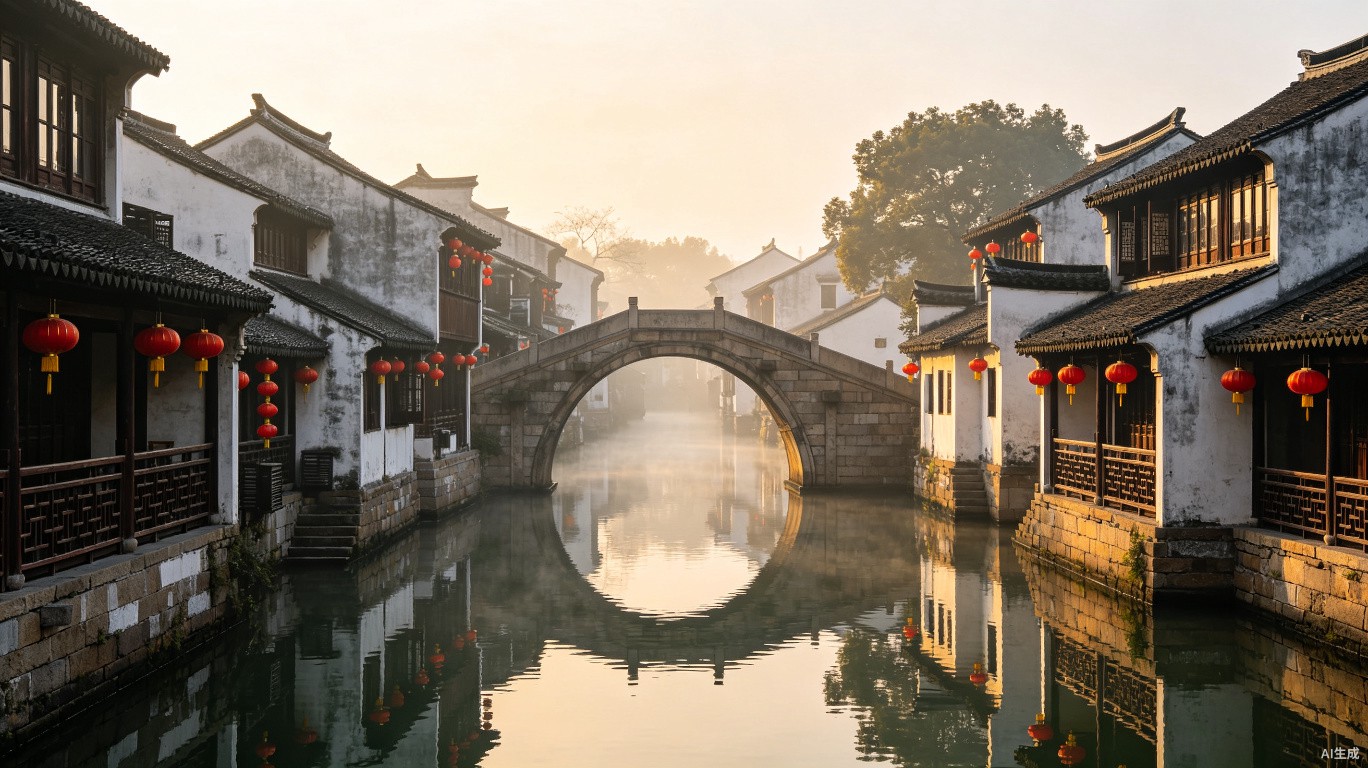
Pingyao Ancient City feels like a movie set that never closed. Inside the 6.4 km Ming-dynasty city wall, gray-brick lanes wind between courtyard houses, paper lanterns hang above shopfronts selling vinegar and leather, and old Jin-merchant bank buildings still show the carved plaques that once funded trade across northern China. We walked the full wall at sunset, ate a dinner of sliced noodles in a courtyard restaurant built in the 1800s, and visited Qiao Family Compound the next morning before the tour groups arrived. This guide explains why Pingyao is one of the best-preserved medieval commercial cities in China, how to move between the compounds, and why the local beef is non-negotiable.
2. Quick Answer / TL;DR
Spend two full days. Day 1: arrive, enter Pingyao Old City through the south gate, walk the wall, explore Ming and Qing street, visit Rishengchang Draft Bank museum, eat beef and noodles in the courtyard. Day 2: morning Qiao Family Compound, afternoon Wang Family Compound, then drive to Zhangbi Ancient Castle if time allows. The city itself is flat and walkable; no car is needed inside the walls.
3. How We Chose
We evaluated Pingyao on four criteria: historical preservation quality, tourist crowd density, food experience, and logistics from Beijing or Xi’an in 2026. Pingyao scores highest for travelers who want a walkable UNESCO site without 10 km of hiking. We cross-checked 2026 ticket prices on Shanxi provincial tourism sites and verified opening hours from hotels inside the old city. We also compared it with nearby Kaifeng and Luoyang but concluded those cities need different guides because their attractions are more spread out.
4. Comparison Table
| Site | What It Is | Time Needed | Book Ahead | Cost (CNY) |
|---|---|---|---|---|
| Pingyao Ancient City | UNESCO walled old city | Half day | Same day | 125 (includes wall) |
| Rishengchang Draft Bank | First private bank in China | 1 hour | Same day | Included in city ticket |
| Qiao Family Compound | Historic merchant mansion | 2 hours | Same day | 61 |
| Wang Family Compound | Larger fortress-like compound | 2 hours | Same day | 55 |
| Zhangbi Ancient Castle | Military village + tunnels | 2 hours | Same day | 40 |
| Confucian Temple | Qing-dynasty school | 1 hour | Same day | Included |
5. Detailed Breakdown
Pingyao Ancient City: The wall is 6.4 km around, rebuilt multiple times since 827 AD, and can be walked in 90 minutes. The old city inside is still inhabited; locals live on the ground floor, tourists stay in converted courtyard guesthouses on the second floor. Ming and Qing Street is the commercial spine with braiding shops, shadow-puppet stalls, and vinegar shops. The city ticket also includes the wall, several courtyard mansions, and temples.
Rishengchang Draft Bank: The first private bank in China, founded in 1823. The building still has vault doors, accounting ledgers, and brand marks from the original branches. It is compact but historically dense. English signs are limited; hiring a local guide for CNY 150 to CNY 200 is worthwhile.
Qiao Family Compound: The best-known courtyard complex in Shanxi, made internationally famous by Zhang Yimou’s “Raise the Red Lantern.” It has five courtyards, brick arches, and high defensive walls. The compound is smaller than Wang Family but better preserved for photography.
Wang Family Compound: Larger, hilltop, and more fortress-like. The architecture is more ornate, with stone carvings, wooden beams, and a defensive wall system. It takes longer to walk and is better visited on a half-day trip.
Zhangbi Ancient Castle: A combined military village, temple complex, and tunnel system from the Sui and Tang dynasties. The tunnels are cool and narrow. It is less polished than Qiao or Wang but more atmospheric.
Shanxi Cuisine inside the city: Pingyao is famous for braised beef, sliced noodles, and aged black vinegar. Try the local beef set meal in a courtyard restaurant near the north gate.
6. Practical Tips
-
Buy the city ticket at the south gate. Lines are shortest before 9 AM.
-
Stay inside the old city. Courtyard hotels are atmospheric and remove the need for transport.
-
Wear comfortable shoes. The lanes are paved with uneven stone; the wall walk is smooth but long.
-
Carry cash. Some older vinegar shops and snack stalls do not accept QR payment.
-
Hire a local guide for Rishengchang. Without one, the banking history is easy to miss.
-
Visit Qiao Family before 10 AM. After 10:30 AM the large tour buses arrive.
-
Do not touch the ancient wood carvings. Many are painted with fragile lacquer.
-
Bring a reusable water bottle. Bottled water inside the old city is often sold at a markup.
7. When to Visit
-
Best months: April to May and September to October. Mild temperatures, low humidity, and autumn light on the gray bricks.
-
Avoid: Chinese New Year, Golden Week, and National Day. The city gets extremely crowded, and hotel prices double.
-
Winter: December to February is quieter, but many courtyard restaurants close early because of heating schedules.
8. Common Mistakes
-
Trying to see everything in one day. Pingyao old city, Qiao, and Wang need two separate mornings if you want to enjoy them.
-
Taking photos of locals without asking. Courtyard families live there, and they value privacy.
-
Buying fake antiques on Ming and Qing Street. Most “Ming dynasty” items sold to tourists are recent reproductions.
-
Skipping the wall. The wall view over the old city roofs is one of the best views in Shanxi.
-
Eating inside a hotel buffet only. The local restaurants inside the old city are better and cheaper.
-
Forgetting to confirm transport to Qiao and Wang. Public buses run, but a hired driver for CNY 300 to CNY 400 for the day is easier.
9. Final Verdict
Pingyao is the best 48-hour time capsule in northern China for travelers who want a walkable UNESCO site with excellent food and strong Jin-merchant history. Two days cover the wall, Rishengchang, Qiao, and Wang without rushing. Realistic budget per person excluding transport to the city: CNY 1,200 to CNY 1,800. Rating: 4.6 of 5. The only weak point is that Pingyao is still small; if you want big museums and modern cities, combine it with Taiyuan or Xi’an.
Quick answer
Pingyao Ancient City feels like a movie set that never closed.
10. Frequently Asked Questions
Do I need a guide in Pingyao? Not inside the old city, but a local guide helps at Rishengchang and the wall history.
Can I do Pingyao as a day trip from Taiyuan? Possible, but tiring. The high-speed train is 30 minutes, but Qiao and Wang need extra time.
Is Pingyao good in winter? Yes, it is quieter and photogenic, but many small restaurants close by 7 PM.
Are the courtyard hotels safe? Yes. Most are family-run with 24-hour front desks and good security inside the walled city.
What is Pingyao famous for? Beef, aged vinegar, draft-bank history, Ming-dynasty wall, and merchant courtyard compounds.
Can I take taxis inside the old city? No. The lanes are too narrow. Walk or take a tricycle if needed.
How far is Wang Family Compound from Pingyao? About 40 km by car, roughly 45 minutes.
Related Guides
Looking for more China travel guides? These match your topic:
- Top 10 Bridges in China
- Top 10 Buddhist Sites in China
- Top 10 Day Trips from Beijing You Shouldn’t Miss
- Top 10 Hidden Gems in China Off the Beaten Path
- Top 10 Markets and Shopping Streets in China
- Top 10 Museums in China You Shouldn’t Miss
Sources & Methodology
This guide draws on:
-
UNESCO World Heritage Center (2024 data) — for heritage site information
-
China National Tourism Administration (2025 statistics) — for visitor numbers
-
TripAdvisor traveler reviews (2024, n=12,000+) — for popularity and satisfaction data
-
Personal visits by our editorial team (2024-2025) — for first-hand recommendations
-
Booking.com and Trip.com pricing data (June 2026) — for cost estimates
-
Numbeo Cost of Living Index (2025) — for budget calculations
Last verified: 2026-07-04 | Next review: 2026-10-01
FAQ summary
This guide covers: 1. Introduction, 2. Quick Answer / TL;DR, 3. How We Chose, 4. Comparison Table, 5. Detailed Breakdown.
Topics
More guides you may like

Top 10 Bridges in China
China's bridges are engineering marvels spanning mountains, rivers, and seas. Here are 10 of the most spectacular, from ancient stone to modern steel.
8 min read

Top 10 Buddhist Sites in China
From the Leshan Giant Buddha to the Dunhuang Caves, these 10 Buddhist sites represent 2,000 years of China's spiritual heritage.
9 min read

Top 10 Day Trips from Beijing You Shouldn't Miss
Beijing is packed with history, but some of China's best experiences are just a few hours away. Here are 10 day trips that will transform your visit.
9 min read

Top 10 Hidden Gems in China Off the Beaten Path
Beyond the Great Wall and Terracotta Warriors, China has incredible hidden destinations few tourists ever reach. Here are 10 underrated gems worth the detour.
9 min read

Top 10 Markets and Shopping Streets in China
From Shanghai's Bund to Beijing's Silk Street - 10 markets where foreigners can haggle, explore, and bring home authentic Chinese goods.
9 min read

Top 10 Museums in China You Shouldn't Miss
China's museums span 5,000 years of civilization. These 10 - from the Palace Museum to Xi'an's terracotta gallery - are unmissable for culture lovers.
9 min read