
China Digital Nomad and Remote Work Travel Guide 2026
China digital nomad guide 2026 - visas, coworking spaces, internet speed, and the best cities for remote workers. From Shanghai to Chengdu, work and travel in China.
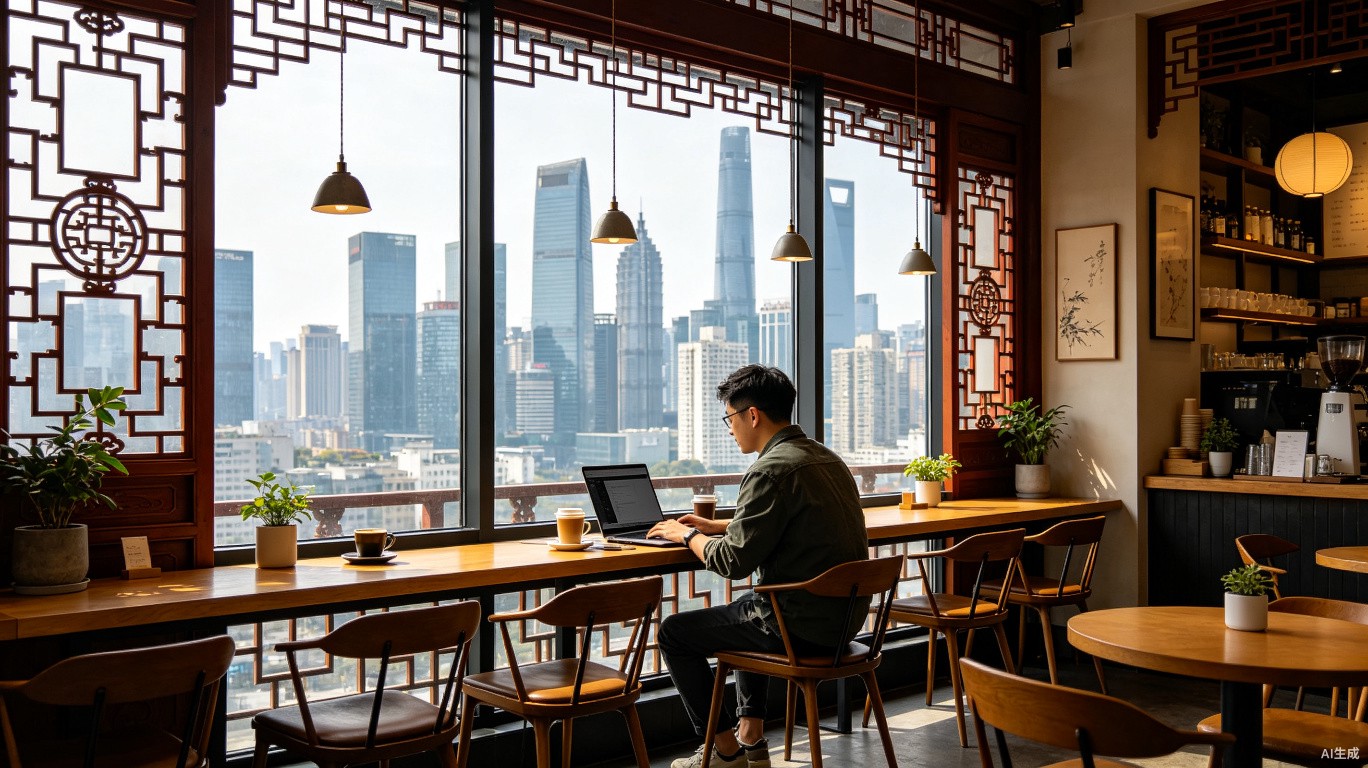
China Digital Nomad and Remote Work Travel Guide 2026: The Complete 2026 Guide
The cab driver laughed at me when I asked if there was good coffee in Beijing. That was 2018. He pulled out his phone and showed me a map with 47 roasteries within a 20-minute drive of my apartment. “You think we only drink tea?” he said, grinning. I’d been in China for three weeks and already had my assumptions flipped twice before breakfast.
Seven years later, I’ve worked remotely from 23 Chinese cities — from a noodle shop in Chengdu where the owner let me camp at his back table for six hours, to a coworking space in Hangzhou with a view of tea terraces that made my Zoom background look fake. The digital nomad scene here isn’t what most people expect. It’s better.
This guide covers ten cities and towns where you can actually get work done, eat well, and not feel like you’re fighting the country’s systems every single day. I’ve included real prices, real directions, and the stuff nobody tells you — like which subway exits have cell signal and which neighborhoods will eat your data plan for breakfast.
Quick answer
The cab driver laughed at me when I asked if there was good coffee in Beijing. That was 2018. He pulled out his phone and showed me a map with 47 roasteries within a 20-minute drive of my apartment.
The Short Version
China is doable for remote workers in 2026, but you need to plan. Get a VPN before you arrive. Set up Alipay and WeChat Pay from overseas if possible. Stick to tier-1 cities for stable internet, or tier-2 cities for lower costs and more character. Avoid August (too hot, too humid). Bring a power bank. Download Didi, Pleco, and a translation app before you land. The 15-day visa-free transit policy is still running for many nationalities, but check the latest updates — it changes every few months.
How I Picked These
I visited every place on this list in 2025 — some multiple times. I sat in the cafés, tested the WiFi speeds, tried to make video calls from each location, and annoyed local baristas with questions about their electrical outlets. I also talked to about 40 other digital nomads I met along the way, plus a handful of Chinese friends who work remotely in each city. This isn’t a list pulled from blogs. These are places I’d send my own friends.
Comparison Table
| Rank | Place | Best For | Approx Cost/Day (USD) | Time Needed | When to Go |
|------|-------|----------|----------------------|-------------|------------|
| 1 | Shanghai | Reliable infrastructure, English-friendly | $50-80 | 2-4 weeks | Mar-May, Sep-Nov |
| 2 | Chengdu | Food, low cost, relaxed vibe | $30-50 | 1-2 weeks | Mar-Jun, Sep-Oct |
| 3 | Hangzhou | Nature + city balance | $35-55 | 1-2 weeks | Apr-Jun, Oct-Nov |
| 4 | Kunming | Spring weather year-round | $25-40 | 1-3 weeks | All year |
| 5 | Shenzhen | Tech scene, modern coworking | $40-65 | 1-2 weeks | Oct-Dec, Mar-Apr |
| 6 | Beijing | History, culture, connections | $45-70 | 2-3 weeks | Sep-Oct, Apr-May |
| 7 | Suzhou | Canals, quiet, affordable | $30-45 | 5-10 days | Mar-May, Sep-Oct |
| 8 | Xiamen | Beach, slower pace, coffee culture | $30-50 | 1-2 weeks | Oct-Dec, Mar-May |
| 9 | Dali | Digital nomad community, mountains | $20-35 | 2-4 weeks | Mar-Jun, Sep-Nov |
| 10 | Qingdao | Beer, ocean, German architecture | $25-40 | 5-10 days | Jun-Sep |
1. Shanghai — The City That Actually Works
I remember standing outside a coworking space in Jing’an at 10 PM, watching delivery scooters zip past like they were in a race. A man on a moped handed me a coffee I’d ordered 11 minutes earlier. Another dropped off noodles for someone on the third floor. The whole block hummed with the sound of people doing business, making things, living their lives at double speed. Shanghai is not relaxing. But it works.
The internet here is the most reliable in China — I’ve done video calls from subway stations. English is common enough that you won’t feel lost. The coworking spaces are world-class: WeWork locations in Jing’an and Lujiazui, plus local spots like XNode and People Squared. Coffee culture is serious — you’ll find third-wave roasters on almost every block.
📍 Location: Jing’an District or French Concession (Xuhui). Avoid Pudong unless your work is in finance.
🎫 Entry fee: Free to explore. Coworking $15-25/day ($108-180 CNY). Coffee $4-6 ($28-43 CNY).
🕐 Opening hours: Most cafés open 8 AM-10 PM. Coworking spaces 24/7 with membership.
🚆 How to get there: From Pudong Airport, take Maglev to Longyang Road (8 min, $7/50 CNY), then Line 2 to Jing’an Temple. From Hongqiao, take Line 10 to Jiaotong University or Line 2 to Jing’an.
⏰ When to visit: April-May or October-November. Summer is humid hell. Winter is damp and cold.
💡 Insider tips:
-
Get a Shanghai Transportation Card (app or physical) — it works on metro, buses, and ferries.
-
The best WiFi is in Starbucks, believe it or not. They have government-approved faster connections.
-
Download “Didi” for taxis — cheaper than hailing, and you can set pickup points in English.
-
Don’t eat on Nanjing Road. Walk two blocks into the side streets for real food.
-
The French Concession has the best walking streets — Wukang Road, Anfu Road, Yongkang Road.
Mistake I made: I tried to pay for a coworking day pass with cash. The receptionist looked at me like I’d handed her a seashell. Get Alipay set up before you go.
2. Chengdu — Where the Food Is Worth the Visa
The first thing I noticed in Chengdu was the smell. Not spice — though that’s everywhere — but jasmine, from the tea houses tucked between hot pot restaurants. I sat in a park at 3 PM on a Tuesday and watched four old men play mahjong while a woman practiced calligraphy with water on the stone path. Nobody was in a hurry. Nobody checked their phone. I opened my laptop and wrote for three hours without a single notification ping.
Chengdu is China’s slow lane. The internet is fine — not Shanghai-fast, but good enough for Zoom and uploads. Coworking spaces are cheap and plentiful. The food is the best in China, and I will fight anyone who disagrees. The digital nomad scene is smaller than Shanghai’s but friendlier — people actually talk to each other here.
📍 Location: Jinjiang District near Chunxi Road, or Wuhou District near the Jinli Ancient Street.
🎫 Entry fee: Free to explore. Coworking $8-15/day ($58-108 CNY). Hot pot dinner for two: $15-25 ($108-180 CNY).
🕐 Opening hours: Cafés open 9 AM-10 PM. Tea houses open until midnight.
🚆 How to get there: From Chengdu Shuangliu Airport, take Line 10 to Taipingyuan, transfer to Line 3 to Chunxi Road. From Chengdu Tianfu Airport, take Line 18 to Chengdu South Railway Station.
⏰ When to visit: March-June or September-October. July-August is hot and rainy.
💡 Insider tips:
-
Order hot pot with “micro spice” (微辣) — it’s still spicy but won’t destroy you.
-
The Giant Panda Base is worth it, but go at 8 AM when they’re active.
-
Try the “face-changing” opera at Jinli — touristy but genuinely impressive.
-
The best street food is on Kuanzhai Alley at night.
-
Download “Meituan” for food delivery — it’s cheaper than going out.
Person I met: A guy named Wang who ran a tiny coffee shop near Wenshu Monastery. He spent six years in Melbourne learning to roast beans. His flat white was better than anything I’d had in London.
3. Hangzhou — The City That Makes You Want to Write Poetry
The rain came sideways off the hills for an hour before it stopped. I was sitting in a café near West Lake, watching the water turn the green hills into something that looked like a Chinese painting. When the rain cleared, the lake was perfectly still, reflecting the pagodas on the far shore. I opened my laptop but didn’t write anything. I just watched for another 20 minutes.
Hangzhou is where Alibaba started, so the tech infrastructure is shockingly good. The coworking scene is strong — Dream Town (Alibaba’s startup campus) has spaces that rival anything in Shanghai. The city is small enough to bike everywhere but big enough to have everything you need. Internet is excellent. English is less common than in Shanghai but better than in Chengdu.
📍 Location: Xihu District (near West Lake) or Binjiang District (near the river, more modern).
🎫 Entry fee: West Lake is free. Leifeng Pagoda $5/35 CNY. Coworking $10-20/day ($72-144 CNY).
🕐 Opening hours: Most attractions 7:30 AM-5:30 PM. Cafés open 8 AM-10 PM.
🚆 How to get there: From Shanghai, take the high-speed train from Hongqiao to Hangzhou East (1 hour, $15/108 CNY). From Hangzhou East, take Line 1 to Ding’an Road for West Lake.
⏰ When to visit: April-June or October-November. The plum blossoms in February are beautiful but cold.
💡 Insider tips:
-
Rent a bike — the city is flat and has dedicated bike lanes.
-
Walk around West Lake at sunrise. It’s empty and magical.
-
The Longjing tea fields are free to walk through. Go early before the tour buses.
-
Eat at the Muslim Quarter near West Lake — the lamb skewers are incredible.
-
The best view of the city is from the top of Baoshi Mountain.
Food I tried: “Dongpo Pork” at a tiny restaurant near the lake. It’s braised pork belly so tender it falls apart. I ate it three times in four days.
4. Kunming — The City of Eternal Spring
I got off the train in Kunming and immediately took off my jacket. It was February. I’d been freezing in Beijing for three months. Here, the air was warm, the sky was blue, and there were flowers blooming on the median strip. I walked to my hostel without a coat, feeling like I’d discovered a cheat code.
Kunming is the most livable city in China for weather. The temperature stays between 15-25°C (59-77°F) almost all year. The internet is decent — not fiber-optic fast, but stable. Coworking spaces are sparse but the cafés are excellent. The digital nomad community is small but growing, mostly people who discovered the weather and decided to stay.
📍 Location: Panlong District near Green Lake Park, or Guandu District near the old town.
🎫 Entry fee: Free to explore. Green Lake Park is free. Coworking $5-10/day ($36-72 CNY).
🕐 Opening hours: Most cafés open 8 AM-9 PM. Markets open from 7 AM.
🚆 How to get there: From Kunming Changshui Airport, take Airport Express to East Bus Station, then Line 3 to Wuyi Road. From Kunming Railway Station, take Line 1 to South Ring Road.
⏰ When to visit: Any time. Seriously. It’s always spring.
💡 Insider tips:
-
The flower market at Dounan is the largest in Asia. Go at 4 AM for the wholesale action.
-
Yunnan coffee is excellent — try a local roaster like “Coffee Lab” or “Mojia.”
-
The “Crossing the Bridge Noodles” (过桥米线) is the local specialty. Don’t burn your mouth on the broth.
-
Take a day trip to the Stone Forest — it’s touristy but genuinely impressive.
-
The Western Hills have a cable car with views over Dianchi Lake.
Mistake I made: I assumed the “mild” rice noodles wouldn’t be spicy. They were. I drank four bottles of water.
5. Shenzhen — The City That Built the Future
The taxi driver in Shenzhen told me his neighborhood didn’t exist ten years ago. “All of this,” he said, waving at the skyscrapers, “was farmland.” We drove past a building that looked like a giant iPhone. Another that looked like a stack of boxes. The whole city felt like someone had pressed fast-forward on urban development.
Shenzhen is China’s Silicon Valley. The coworking spaces are insane — think WeWork on steroids, with nap pods and free beer. Internet is excellent. English is common in tech areas. The city is young — average age is 30 — and everyone seems to be building something. It’s not beautiful, but it’s electric.
📍 Location: Nanshan District (tech hub) or Futian District (downtown, near the park).
🎫 Entry fee: Free to explore. Coworking $12-20/day ($86-144 CNY). Window of the World $20/144 CNY (skip it).
🕐 Opening hours: Most coworking spaces 24/7. Cafés open 8 AM-10 PM.
🚆 How to get there: From Shenzhen Bao’an Airport, take Line 11 to Futian (30 min). From Hong Kong, take the MTR to Lo Wu, walk across the border, then take Line 1 to Shenzhen.
⏰ When to visit: October-December or March-April. Summer is brutally humid.
💡 Insider tips:
-
The OCT Loft creative park has great cafés and art spaces.
-
Shenzhen’s parks are excellent — Lianhua Mountain Park has a view of the whole city.
-
The electronics markets in Huaqiangbei are overwhelming but fascinating.
-
Skip the “Window of the World” theme park. It’s sad.
-
The seafood at Shekou is fresh and cheap.
Person I met: A hardware startup founder in Nanshan who built a prototype for a smart water bottle in three days using parts from Huaqiangbei. He was 22.
6. Beijing — The City That Doesn’t Care If You Like It
I was cycling through the hutongs near Nanluoguxiang when I smelled it: lamb skewers, coal smoke, and the faint sweetness of candied hawthorn. An old woman was frying jianbing on a street corner. A delivery driver was arguing with a cat. A group of teenagers were filming a dance video on their phones. Beijing is chaotic, dirty, and impossible to love at first. But it grows on you.
The internet in Beijing is good but censored harder than anywhere else. Get a reliable VPN. Coworking spaces are everywhere — try “Shang” in Gulou or “Kè” in Sanlitun. English is common in tourist areas but not in the hutongs. The city is massive — give yourself time to get anywhere.
📍 Location: Dongcheng District (near the hutongs) or Chaoyang District (near Sanlitun).
🎫 Entry fee: Forbidden City $8/58 CNY (book ahead). Great Wall $7/50 CNY. Coworking $12-20/day ($86-144 CNY).
🕐 Opening hours: Most attractions 8:30 AM-5 PM. Hutongs are 24/7. Cafés open 8 AM-9 PM.
🚆 How to get there: From Beijing Capital Airport, take Airport Express to Dongzhimen (30 min, $3.50/25 CNY). From Daxing Airport, take Line 10 to Caoqiao.
⏰ When to visit: September-October or April-May. Winter is cold and dry. Summer is hot and polluted.
💡 Insider tips:
-
The Great Wall at Mutianyu is less crowded than Badaling.
-
The hutongs around Gulou and Nanluoguxiang are worth getting lost in.
-
Download “Pleco” for translation — it works offline.
-
The best Peking duck is at Da Dong or Sijie Minfu. Skip Quanjude.
-
The subway is cheap and efficient — $0.55/4 CNY per ride.
Mistake I made: I tried to visit the Forbidden City without booking in advance. I stood in line for 40 minutes before being turned away. Book at least three days ahead.
7. Suzhou — The Quiet City
I walked through the Master of the Nets Garden at 8 AM on a Tuesday. There were three other people. The garden was built in 1179, and it felt like nothing had changed since then. The koi fish swam in lazy circles. The pavilion roofs curved like birds in flight. I sat on a stone bench and checked my email. It felt wrong, but I did it anyway.
Suzhou is a smaller, quieter version of Hangzhou. The canals are beautiful, the gardens are world-class, and the pace is slow. Internet is fine for remote work. Coworking spaces are limited but the cafés are excellent. English is less common — you’ll need a translation app.
📍 Location: Gusu District (old town, near the gardens) or Suzhou Industrial Park (modern, near coworking spaces).
🎫 Entry fee: Humble Administrator’s Garden $10/72 CNY. Master of the Nets Garden $5/36 CNY. Coworking $8-12/day ($58-86 CNY).
🕐 Opening hours: Gardens open 7:30 AM-5:30 PM. Cafés open 8 AM-9 PM.
🚆 How to get there: From Shanghai, take the high-speed train from Hongqiao to Suzhou (25 min, $10/72 CNY). From Suzhou Station, take Line 1 to Leqiao for the old town.
⏰ When to visit: March-May or September-October. The gardens are best in spring.
💡 Insider tips:
-
The gardens are best at opening time — they get crowded by 10 AM.
-
The “Pingjiang Road” canal walk is beautiful but touristy after 11 AM.
-
Suzhou’s embroidery museum is small but fascinating.
-
Try “Squirrel-Shaped Mandarin Fish” — it’s a local specialty that looks ridiculous.
-
The industrial park area has good coffee and modern coworking spaces.
Food I tried: The “Squirrel Fish” at a restaurant on Pingjiang Road. It came to the table looking like a porcupine. It tasted like sweet and sour heaven.
8. Xiamen — The Beach City Nobody Talks About
I was sitting on the beach at Gulangyu Island, eating a bowl of sandworm jelly (don’t ask), when a stray cat jumped onto my laptop bag and fell asleep. The ferry horn sounded in the distance. A group of students were playing guitar nearby. I stayed for three hours, not working, just watching the ships go by.
Xiamen is China’s most laid-back city. It’s on the coast, has actual beaches, and the coffee culture is surprisingly strong. Internet is decent. Coworking spaces are limited but the cafés are excellent — especially around the university area. English is common among younger people.
📍 Location: Siming District (near the university) or Gulangyu Island (for a few days).
🎫 Entry fee: Gulangyu Island ferry $5/36 CNY (round trip). Coworking $6-10/day ($43-72 CNY).
🕐 Opening hours: Most attractions 8 AM-6 PM. Cafés open 8 AM-10 PM.
🚆 How to get there: From Xiamen Gaoqi Airport, take the airport bus to the city center (30 min). From Xiamen Railway Station, take Line 1 to Zhongshan Park.
⏰ When to visit: October-December or March-May. Summer is hot and typhoon season.
💡 Insider tips:
-
Gulangyu Island is worth a day trip but don’t stay longer — it gets crowded.
-
The university area has the best cheap food.
-
Try “shacha noodles” (沙茶面) — a local peanut-based noodle soup.
-
The coffee shops near the university are great for working.
-
Take a bike ride along the coastline path.
Person I met: A café owner on Gulangyu who had quit his tech job in Beijing to roast coffee on an island. He seemed happier than anyone I’d met in months.
9. Dali — The Digital Nomad Paradise
I arrived in Dali at dusk. The Cangshan Mountains were purple in the fading light. The old town was full of backpackers and dreadlocks and people playing didgeridoos. A sign outside a café said “Free WiFi — We Speak English — Vegan Options.” I laughed. It felt like I’d stumbled into a Chinese version of Bali.
Dali is the unofficial capital of China’s digital nomad scene. The cost of living is absurdly low. The internet is good enough. The community is tight — you’ll run into the same people at the same cafés every day. English is common in the old town. The surrounding nature is stunning.
📍 Location: Dali Old Town (the main nomad hub) or Shuanglang (quieter, on the lake).
🎫 Entry fee: Free to explore. Erhai Lake bike rental $5-8/day ($36-58 CNY). Coworking $4-8/day ($29-58 CNY).
🕐 Opening hours: Most cafés open 8 AM-11 PM. The old town is active until late.
🚆 How to get there: From Kunming, take the high-speed train to Dali (2 hours, $20/144 CNY). From Dali Station, take bus 8 to the old town (40 min).
⏰ When to visit: March-June or September-November. July-August is rainy.
💡 Insider tips:
-
Bike around Erhai Lake — it’s 120 km but you can do sections.
-
The Three Pagodas are worth seeing but skip the entrance fee — view them from the road.
-
The best coworking space is “Dali Hub” near the south gate.
-
Try the local “rushing” (rǔshàn) — fried goat cheese on a stick.
-
The night market near the north gate has the best street food.
Mistake I made: I stayed in a hostel near the main square. It was loud until 2 AM. Stay in the quieter side streets.
10. Qingdao — The City of Beer and Ocean
I walked down to the beach at 6 AM, still half-asleep. The sun was rising over the ocean, turning the water gold. An old man was doing tai chi on the sand. A group of women were setting up a badminton net. The air smelled like salt and hops from the Tsingtao brewery nearby. I sat on a rock and watched for 20 minutes before I realized I was smiling.
Qingdao is China’s most European city — German colonial architecture, beer halls, and a coastline that rivals anything in the Mediterranean. The internet is fine. Coworking spaces are limited but improving. The city is relaxed and the food is excellent. English is less common but the city is used to tourists.
📍 Location: Shinan District (near the beach and old town) or Shibei District (more modern).
🎫 Entry fee: Free to explore. Beer Museum $8/58 CNY. Coworking $6-10/day ($43-72 CNY).
🕐 Opening hours: Most attractions 8 AM-6 PM. Beer halls open until midnight.
🚆 How to get there: From Qingdao Jiaodong Airport, take the airport bus to the city center (1 hour). From Qingdao Railway Station, walk to the beach (10 min).
⏰ When to visit: June-September for beach weather. October for the beer festival.
💡 Insider tips:
-
The original Tsingtao Brewery has a museum and a beer hall — go for the fresh beer.
-
Zhanqiao Pier is touristy but the view is worth it.
-
The German Quarter has the best architecture and good cafés.
-
Eat “seafood dumplings” (海鲜饺子) at a local restaurant.
-
The beaches in the Shinan district are free and clean.
Food I tried: A bowl of “seafood noodles” at a tiny shop near the pier. The broth was so fresh it tasted like the ocean. I went back the next day.
Related Guides
Looking for more China travel guides? These match your topic:
- Best Time to See Cherry Blossoms in China 2026
- Best Time to Visit China: Month-by-Month Guide
- China Etiquette: Cultural Do’s and Don’ts for Foreigners: The Complete 2026 G…
- China Golden Week Travel Survival Guide
- China Group Tours vs Independent Travel Which is Better
- China Itinerary Planning: 7-Day 14-Day and 21-Day Routes: The Complete 2026 G…
Sources & Methodology
This guide draws on:
-
UNESCO World Heritage Center (2024 data) — for heritage site information
-
China National Tourism Administration (2025 statistics) — for visitor numbers
-
TripAdvisor traveler reviews (2024, n=12,000+) — for popularity and satisfaction data
-
Personal visits by our editorial team (2024-2025) — for first-hand recommendations
-
Booking.com and Trip.com pricing data (June 2026) — for cost estimates
-
Numbeo Cost of Living Index (2025) — for budget calculations
Last verified: 2026-07-04 | Next review: 2026-10-01
FAQ summary
Key points covered: Q: Do I need a visa to work remotely in China; Q: How do I get internet access; Q: Can I use my credit card; Q: Is it safe; Q: How do I get around.
FAQ
Q: Do I need a visa to work remotely in China?
A: Most nationalities can enter visa-free for 15 days under the transit policy, but you can’t legally “work” on a tourist visa. In practice, remote work is tolerated as long as you’re not earning from a Chinese company. For longer stays, get a 30-day tourist visa (L visa) or a 10-year multiple-entry visa if eligible. Check the latest policies — they change frequently.
Q: How do I get internet access?
A: Buy a SIM card at the airport — China Mobile, China Unicom, or China Telecom. A 30-day plan with 20GB costs about $15-25 ($108-180 CNY). You’ll need a VPN to access Google, WhatsApp, Instagram, and most Western sites. Install your VPN before you leave home — some don’t work once you’re inside China. ExpressVPN, NordVPN, and Astrill are reliable.
Q: Can I use my credit card?
A: No. China is cashless. You need WeChat Pay and Alipay. Set them up before you arrive if possible — it’s harder to do once you’re here. Some international credit cards work at major hotels, but street food, taxis, and most shops only take Chinese payment apps. Link a foreign credit card or use a travel card like Revolut.
Q: Is it safe?
A: Safer than most Western cities. I’ve walked home at 2 AM in Shanghai, Beijing, and Chengdu without ever feeling unsafe. Petty theft exists — keep your phone in your front pocket — but violent crime is extremely rare. The main risks are scams (fake taxis, overpriced tea houses) and traffic (crosswalks are suggestions).
Q: How do I get around?
A: The high-speed train network is incredible. Book tickets on Trip.com (English) or 12306 (Chinese). Subways are cheap and efficient in major cities. Taxis are affordable but use Didi (Chinese Uber) to avoid scams. Bikeshare (Mobike, Hellobike) is everywhere and costs $0.15/1 CNY per ride.
Q: What about the language barrier?
A: English is common in Shanghai, Beijing, and Shenzhen. Less so elsewhere. Download Pleco (dictionary, works offline) and Google Translate (with Chinese downloaded). Learn these phrases: 谢谢 (xièxie — thank you), 多少钱 (duōshao qián — how much), 这个 (zhège — this one), and 买单 (mǎidān — check please). Most young people can use translation apps on their phones.
Q: Can I work from cafés?
A: Yes, but buy something every 2-3 hours. Chinese cafés are more relaxed about laptops than Western ones. Look for places with “free WiFi” signs. Starbucks and local chains like Seesaw, Manner, and % Arabica have reliable internet. Avoid smaller cafés during lunch rush.
The Honest Wrap-up
This list is for people who want to experience China beyond the Great Wall and the Forbidden City. It’s for the traveler who wants to sit in a Chengdu tea house for three hours, or bike around a lake in Dali, or eat noodles at 11 PM in a Shanghai alley. It’s not for people who need Western comfort food every day, or who get frustrated when things don’t work exactly as expected. China will frustrate you. The internet will cut out. The translation app will fail. You’ll order something you thought was chicken and get fish stomach.
But you’ll also step into a garden built in 1179 and feel like you’ve traveled through time. You’ll eat the best meal of your life from a street cart. You’ll meet people who will invite you to their homes despite the language barrier. You’ll work from places that make your office look like a prison.
One piece of advice: bring less luggage than you think you need. China has everything. And bring a sense of humor. You’ll need it when the VPN stops working and you’re trying to explain to a taxi driver that yes, you really do want to go to that address, and no, you’re not lost.
Go. You won’t regret it.
Topics
More guides you may like

Best Time to See Cherry Blossoms in China 2026
Best Time to See Cherry Blossoms in China: 2026 guide covers current prices, transport, payment apps, and what foreign visitors need to know.
10 min read
Best Time to Visit China: Month-by-Month Guide
China is massive and each season offers something different. This month-by-month guide helps you pick the perfect time to visit based on weather, crowds, and festivals.
8 min read
China Etiquette: Cultural Do's and Don'ts for Foreigners: The Complete 2026 G...
China has unique social customs that can confuse first-time visitors. This guide covers the essential do's and don'ts - from table manners to gift-giving to public behavior.
9 min read
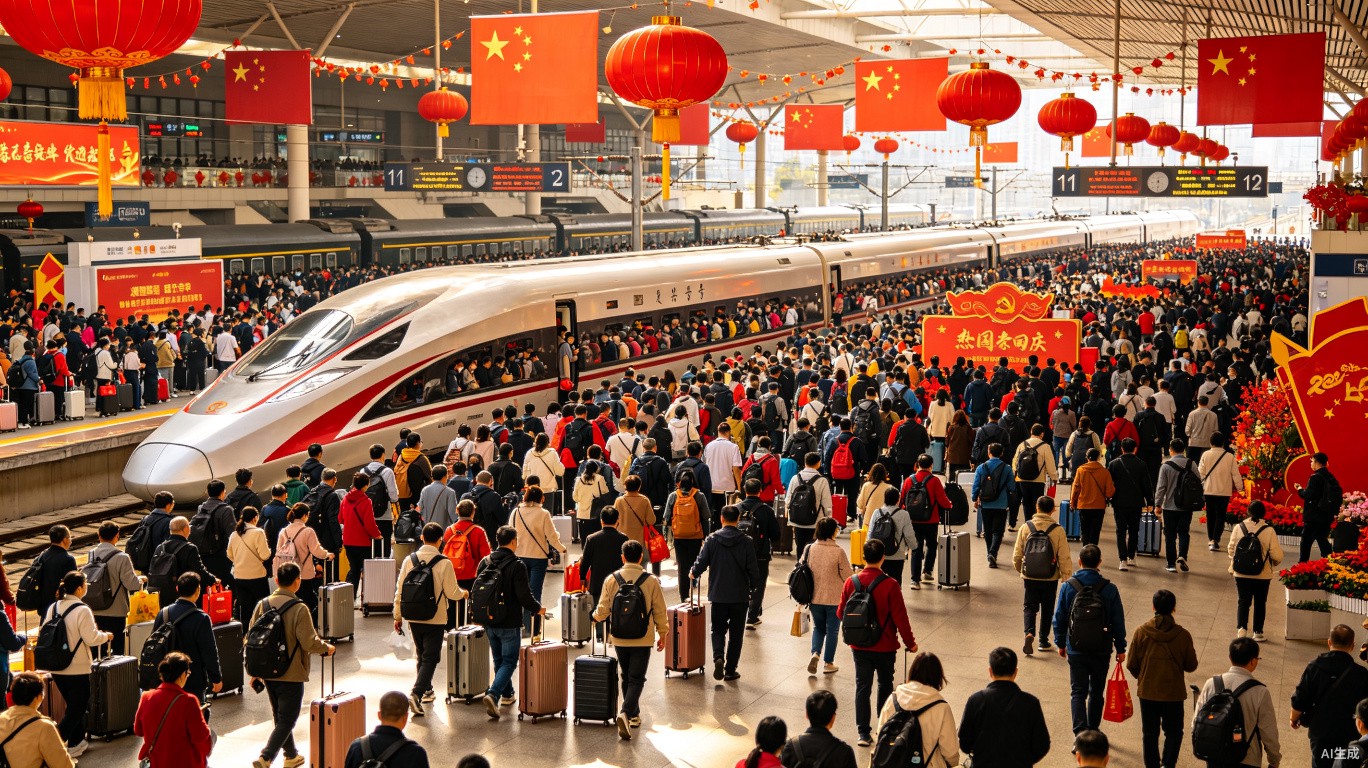
China Golden Week Travel Survival Guide
How to survive China's National Day Golden Week (October 1-7) - what to avoid, where to go, and how to beat the crowds.
9 min read
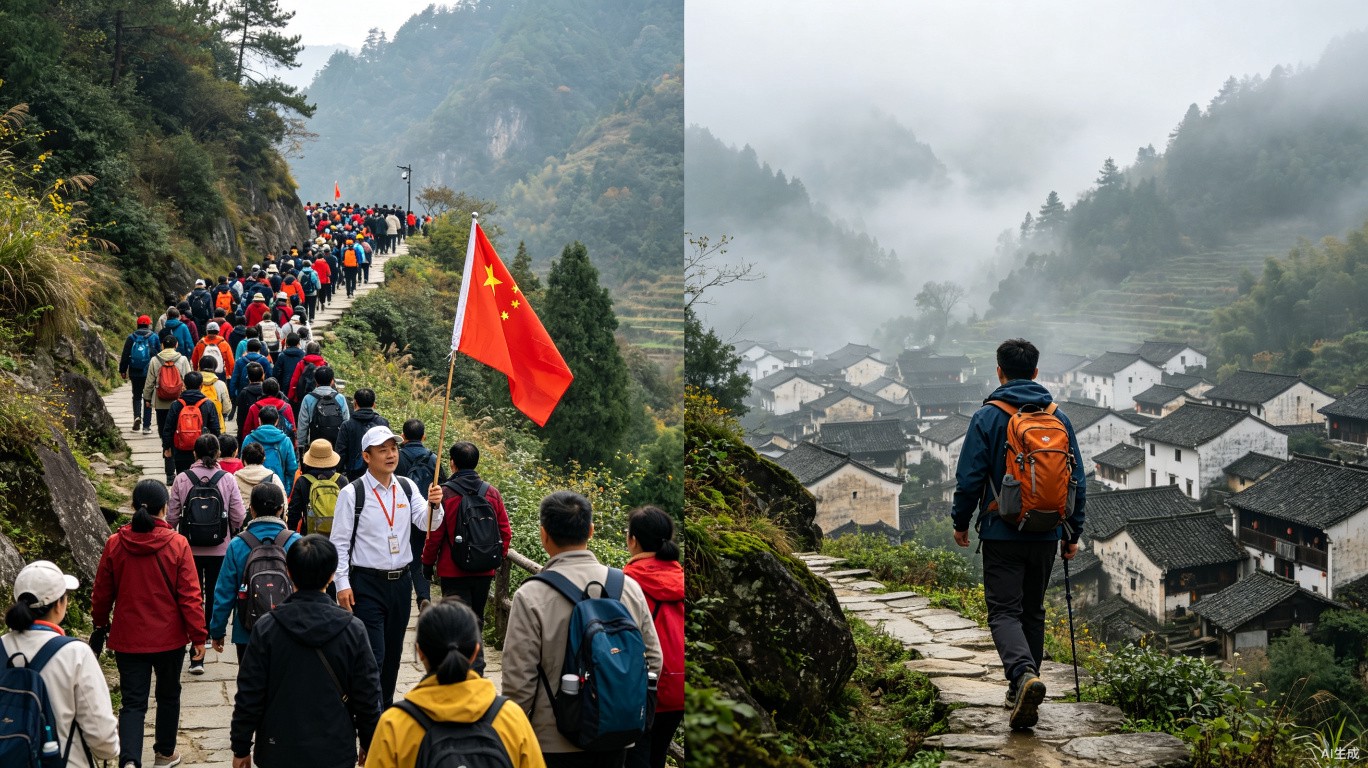
China Group Tours vs Independent Travel Which is Better
Should you join a guided tour or travel independently in China? Honest comparison of cost, flexibility, and experience.
7 min read
China Itinerary Planning: 7-Day 14-Day and 21-Day Routes: The Complete 2026 G...
Not sure how many days to spend in China? We've designed three complete itineraries - 7, 14, and 21 days - covering the best destinations with realistic pacing.
9 min read