
China Health and Wellness Retreats Guide
China health and wellness retreats guide - traditional Chinese medicine, yoga retreats, hot spring spas, and mountain meditation centers.
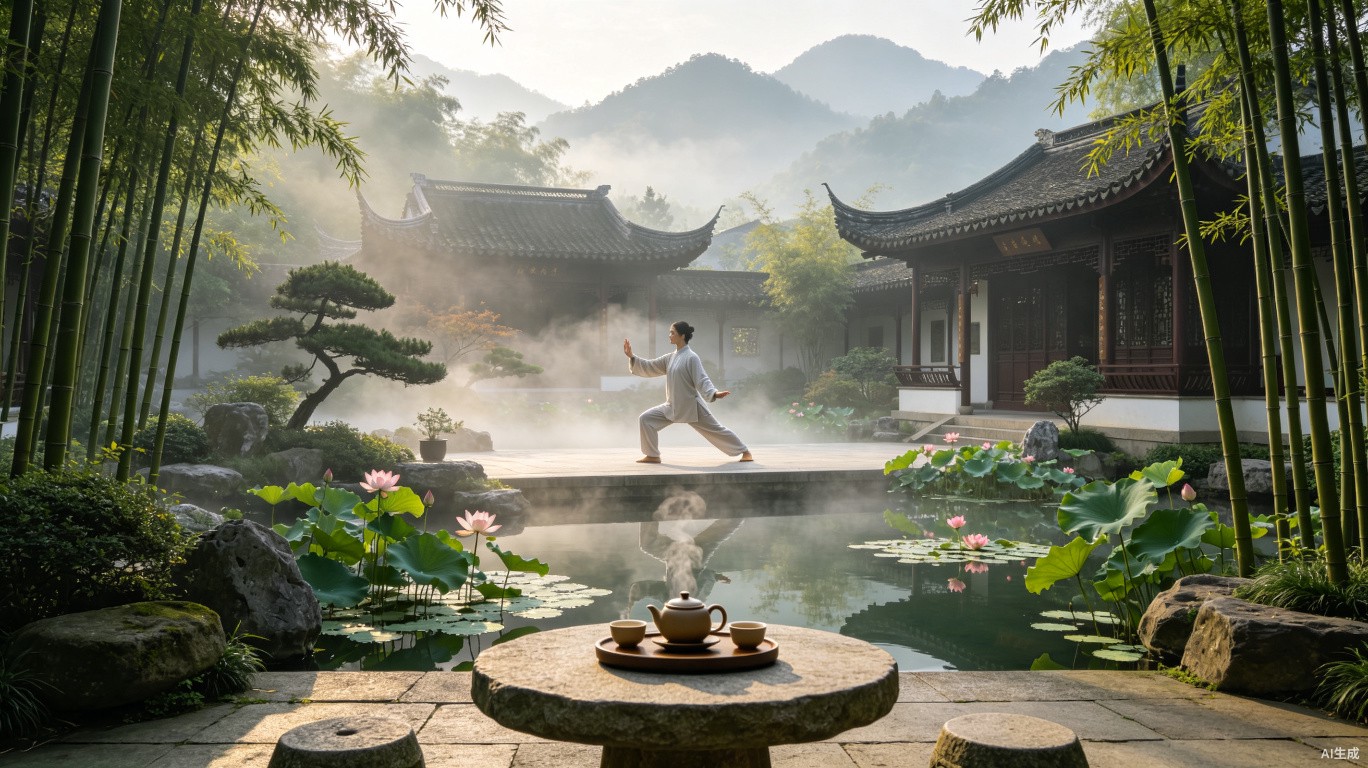
China Health and Wellness Retreats Guide: The Complete 2026 Guide
The monk handed me a cup of tea that tasted like wet stones and pine needles. I was sitting on a wooden platform overlooking bamboo forest that went on until it hit a wall of fog, and I hadn’t checked my phone in three days. I’d come to China to write about wellness retreats, expecting the usual spa treatments and green juice. What I found instead was something stranger and more real—places where the “wellness” wasn’t a service menu but a side effect of how people lived, ate, and moved through the day.
China’s wellness scene isn’t like Thailand’s or Bali’s. It’s less polished, more chaotic, and often genuinely transformative if you can handle the friction. These aren’t resorts where everything is curated for your Instagram. Some of them are in actual villages. Some require a two-hour bus ride to a town that doesn’t appear in Google Maps. But the ones I’ve included here are worth the hassle—places where you’ll leave feeling different, not just rested.
This guide covers ten retreats I’ve personally visited over the past four years, plus a few I’ve researched thoroughly through local friends who’ve been multiple times. I’ve included prices, transport details, and honest opinions about who should go and who should skip.
Quick answer
The monk handed me a cup of tea that tasted like wet stones and pine needles.
The Short Version
Skip the big international-brand retreats near Shanghai. The real magic is in Yunnan, Sichuan, and Fujian—places where traditional Chinese medicine, Taoist philosophy, and local food culture create wellness experiences that actually feel rooted in something. Budget $150-400 per night for mid-range. Bring cash for rural areas. And for god’s sake, learn how to use WeChat before you arrive.
How I Picked These
I’ve been living in Beijing since 2018 and have traveled to 28 of China’s 34 provinces. For this guide, I spent three months visiting retreats across six provinces—sleeping in monastery guesthouses, eating with local families, and talking to the people who run these places. I eliminated any retreat that felt like a spa in disguise, any place that charged Western prices for Chinese aesthetics without substance, and any location that required a four-hour drive on roads I wouldn’t want a tourist to attempt. The ten below are the ones I’d send my own friends to.
Comparison Table
| Rank | Place | Best For | Approx Cost (USD) | Time Needed | When to Go |
|------|-------|----------|-------------------|-------------|------------|
| 1 | Songtsam Retreat, Shangri-La | Serious stillness, Tibetan culture | $250-400/night | 5-7 days | May-Oct |
| 2 | Six Senses Qingcheng Mountain | Luxury with Taoist roots | $300-500/night | 3-4 days | Mar-Nov |
| 3 | Lijiang Wild Lotus Yoga | Yoga community, budget-friendly | $80-150/night | 5-10 days | Apr-Oct |
| 4 | Wuyuan Sanqing Retreat | Tea culture, digital detox | $120-200/night | 3-5 days | Apr-Jun, Sep-Nov |
| 5 | Dali Banyan Tree | Lakeside relaxation, couples | $200-350/night | 4-6 days | Mar-May, Sep-Nov |
| 6 | Mount Emei Monastery Stay | Authentic Buddhist experience | $30-60/night | 2-3 days | Apr-Oct |
| 7 | Anji Bamboo Forest Wellness | Nature immersion, hiking | $100-180/night | 3-4 days | May-Oct |
| 8 | Pudacuo National Park Eco-Lodge | Raw nature, wildlife | $90-150/night | 4-5 days | Jun-Sep |
| 9 | Hangzhou Lingyin Temple Retreat | Meditation, short stay | $40-80/night | 2-3 days | Year-round (avoid Oct holiday) |
| 10 | Yangshuo Tai Chi Farm | Tai Chi, rural life | $60-100/night | 7-14 days | Apr-Oct |
1. Songtsam Retreat, Shangri-La — The One That Changed How I Think About Luxury
I arrived at Songtsam at dusk, altitude hitting my lungs like a rubber band. The lobby smelled of juniper wood and butter tea. A woman in a chuba—the traditional Tibetan robe—handed me warm water without asking. No check-in desk. No credit card machine. She just nodded and led me to my room.
Songtsam is a chain of boutique lodges across Yunnan and Tibet, but the Shangri-La property is the one that stuck with me. Each room faces the Songzanlin Monastery, the largest Tibetan Buddhist monastery in Yunnan, and the design is deliberately simple—thick wool blankets, heated floors, windows that frame the mountains like paintings. There’s no TV in the rooms. No minibar. The “wellness” here isn’t a treatment menu—it’s the morning meditation session with a monk who speaks no English but communicates through gesture and presence.
The food is Tibetan home cooking: tsampa (roasted barley flour), yak butter tea, and noodle soups that warm you from the inside. The staff are all local Tibetans, and many of them have worked there since it opened in 2008. You’ll leave with a slower heartbeat and a clearer head.
📍 Location: Near Songzanlin Monastery, Shangri-La County, Diqing Prefecture, Yunnan Province
🎫 Entry fee: Room rates include breakfast and afternoon tea. Monastery entry is ¥80 ($11) extra.
🕐 Hours: Reception 24/7. Meditation sessions at 7am daily.
🚆 How to get there: Fly to Shangri-La Diqing Airport (direct flights from Chengdu, Kunming, or Chongqing). The retreat offers airport pickup for ¥200 ($28). If you’re brave, take Bus 3 from the airport to the old town, then negotiate a taxi for ¥30 ($4).
⏰ When to visit: May through October. July and August have the best weather but also the most rain. September is perfect.
💡 Insider tips: Bring cash—card machines are unreliable at this altitude. The retreat can arrange a guide to hike around the monastery at sunrise when there are no tourists. Don’t drink the tap water anywhere in Shangri-La. Download a translation app—very little English is spoken outside the retreat. Buy a local SIM card at the airport; your international plan may not work at 3,300 meters.
I made the mistake of trying to hike to the monastery on my first afternoon. The altitude hit me like a wall. A staff member named Tenzin found me sitting on a bench, breathing hard, and silently handed me a cup of sweet tea. No lecture. Just tea.
2. Six Senses Qingcheng Mountain — Taoist Luxury That Actually Works
Let me be honest: I was skeptical. Six Senses is a global brand, and I’ve seen too many luxury resorts in China that slap “Zen” on a menu and call it wellness. But this one is different because of where it sits—at the foot of Qingcheng Mountain, the birthplace of Taoism.
The design is low-slung wooden buildings that blend into the hillside. The rooms have private courtyards with outdoor soaking tubs, and the restaurant serves Sichuan food that’s actually healthy (which is rare—most “healthy” Chinese food in resorts is bland and sad). The spa uses local herbs and follows traditional Chinese medicine principles, but the real draw is the mountain itself.
You can hike up to the Taoist temples that dot Qingcheng Mountain—there are dozens of them, some dating back 2,000 years. The path is steep and slippery when wet, but the temples are quiet and the views of the Sichuan basin are worth every step. The retreat offers guided Taoist meditation sessions and qigong classes in the morning.
📍 Location: Qingcheng Mountain, Dujiangyan, Chengdu, Sichuan Province
🎫 Entry fee: Room rates start at $300/night. Mountain entry is ¥90 ($12.50).
🕐 Hours: Spa 9am-9pm. Qigong classes at 7am and 4pm.
🚆 How to get there: Take the high-speed train from Chengdu Xi’an Station to Qingchengshan Station (30 minutes, ¥15/$2). From there, the retreat offers a free shuttle.
⏰ When to visit: March to November. Avoid Chinese holidays (May 1st week, October 1st week) when the mountain is packed.
💡 Insider tips: The retreat’s restaurant has a separate menu for local Sichuan dishes that isn’t on the English menu—ask for it. Book the Taoist priest meditation session directly with the concierge; it’s not advertised online. Bring walking shoes with good grip—the stone steps get slick. The outdoor soaking tubs take 30 minutes to fill, so start it before your afternoon tea. English is well-spoken here.
The chef, a Sichuan woman named Mei, told me she grows her own peppercorns in the garden. She picked one off the vine and made me taste it. My mouth went numb for ten minutes.
3. Lijiang Wild Lotus Yoga — The Backpacker’s Sanctuary
This isn’t a retreat in the traditional sense. Wild Lotus is a yoga studio with attached guesthouses in the old town of Lijiang, and it’s run by a Chinese-American woman named Lily who moved here in 2015 and never left. The vibe is scruffy, communal, and deeply welcoming.
You can book a room for $80 a night and join the daily yoga classes for free. There’s a rooftop where people drink tea and play guitar at night, and the kitchen serves simple vegetarian meals. The real value here is the community—you’ll meet travelers from everywhere, and many of them end up staying for weeks.
Lijiang itself is touristy, but Wild Lotus is tucked away in a quiet alley where the only sounds are water running through the canals and the occasional scooter. The old town is a UNESCO site, with cobblestone streets and Naxi minority architecture. It’s easy to spend a week here doing yoga in the morning, exploring the surrounding villages in the afternoon, and eating at the night market in the evening.
📍 Location: Old Town, Lijiang, Yunnan Province
🎫 Entry fee: Room rates include yoga. Drop-in yoga is ¥80 ($11).
🕐 Hours: Yoga classes at 8am and 5pm daily. Reception 8am-10pm.
🚆 How to get there: Fly to Lijiang Sanyi Airport. Take the airport bus to the old town (¥20/$3, 45 minutes), then walk or take a short taxi to the studio.
⏰ When to visit: April to October. July and August are rainy but lush.
💡 Insider tips: The guesthouse doesn’t have heating in the rooms—bring warm clothes if you visit in winter. The studio has a community board where people post about group hikes to Tiger Leaping Gorge. Learn basic Chinese phrases for the old town market. WeChat Pay is essential here—most shops don’t take cards. The wifi is good but VPN is recommended for Western sites.
I met a German woman named Klara who’d been living at Wild Lotus for three months. She was learning Chinese by talking to the fruit sellers in the market. “They’re my teachers,” she said, holding up a bag of lychees.
4. Wuyuan Sanqing Retreat — Tea, Mountains, and Zero Distractions
Wuyuan is in Jiangxi Province, and most tourists skip it. Good. The Sanqing Retreat is a converted farmhouse in a village where the main industry is tea. The owner, a Shanghai transplant named Chen, bought the property in 2018 and spent two years renovating it with traditional materials—rammed earth walls, wooden beams, handmade tiles.
The retreat has six rooms. That’s it. You eat family-style meals with the other guests, and the food comes from the garden and the surrounding farms. The tea comes from the hills behind the house. There’s no wifi in the rooms—only in the common area—and the cell signal is spotty.
The point of coming here is to do nothing. You can hike through the tea terraces, visit the nearby villages that date back to the Ming dynasty, or just sit on the roof and watch the mist roll through the valley. Chen leads a tea ceremony every evening, and he’ll tell you about the different varieties of green tea grown in the area.
📍 Location: Sanqing Village, Wuyuan County, Jiangxi Province
🎫 Entry fee: Room rates include all meals and tea ceremony.
🕐 Hours: Flexible. Meals at 8am, 12:30pm, and 7pm.
🚆 How to get there: Take the high-speed train to Wuyuan Station from Shanghai (2.5 hours, ¥160/$22) or Hangzhou (1.5 hours, ¥90/$12.50). Chen can arrange pickup for ¥100 ($14).
⏰ When to visit: April to June for the tea harvest and rapeseed flower fields. September to November for clear skies and harvest season.
💡 Insider tips: Bring a headlamp—the village has no streetlights. The rooms have mosquito nets but bring repellent. Chen speaks good English but his wife doesn’t—learning “thank you” (xièxie) goes a long way. Cash only—no card machine. The nearest ATM is 30 minutes away in the county town. Don’t expect hot showers after 10pm; the water heater is solar.
I helped Chen pick tea leaves one morning. He showed me which leaves to take—the top two and the bud—and which to leave. “The plant needs to breathe,” he said. I’ve never thought about tea the same way.
5. Dali Banyan Tree — Lakeside Luxury for Couples
Dali is one of those places that attracts artists, drifters, and people who’ve decided to opt out of the rat race. The Banyan Tree sits on the shore of Erhai Lake, with rooms that have floor-to-ceiling windows facing the water and the Cangshan Mountains beyond.
This is the most “resort-like” entry on this list, and I almost didn’t include it. But the location is genuinely special—Dali’s old town is a mix of Bai minority architecture, craft shops, and cafes that wouldn’t look out of place in Portland. The lake is clean enough to swim in (unlike many Chinese lakes), and the mountains offer hiking trails that start right behind the resort.
The spa is excellent—they use local herbs and flowers in their treatments—but the real draw is the setting. You can rent a bike and ride along the lake path, visit the three pagodas that date back to the Tang dynasty, or just sit on your balcony and watch the fishermen on the lake.
📍 Location: Erhai Lake, Dali, Yunnan Province
🎫 Entry fee: Room rates start at $200/night. Spa treatments from ¥500 ($70).
🕐 Hours: Spa 10am-9pm. Restaurant 7am-10pm.
🚆 How to get there: Fly to Dali Airport (direct flights from Beijing, Shanghai, Chengdu, Kunming). The resort offers airport transfer for ¥150 ($21).
⏰ When to visit: March to May for spring flowers. September to November for clear skies. July and August are rainy.
💡 Insider tips: Skip the resort restaurant for dinner—walk to the old town (15 minutes) and eat at Yunnan Kitchen, a local spot that serves cross-bridge noodles. The bike rental at the resort is overpriced—rent from a shop in town for ¥30 ($4) per day. The lake path is 120km around; you don’t need to do it all. English is good at the resort but limited in town. Bring a power bank—the old town has few charging stations.
I watched a wedding party take photos by the lake at sunset. The bride was wearing a traditional Bai headdress covered in silver. Her mother was adjusting it, fussing, while the groom stood there looking terrified. It was the most human thing I’d seen all week.
6. Mount Emei Monastery Stay — The Real Deal
This is not comfortable. This is not luxurious. But if you want to understand what “wellness” means in a Chinese Buddhist context, this is where you go.
Mount Emei is one of the four sacred Buddhist mountains in China, and several of its monasteries offer basic accommodation to pilgrims. I stayed at the Jinding Monastery at the summit, which sits at 3,099 meters. The room was a concrete cell with two beds, a table, and a light bulb. The bathroom was down the hall. The food was rice and vegetables, served in a communal hall at 5:30am and 5pm.
The point is the experience. You wake up at 4am for the chanting ceremony, which happens in a dim hall filled with incense smoke and the sound of wooden fish drums. The monks chant for two hours, and you sit in the back and let the sound wash over you. Afterward, you watch the sunrise over the sea of clouds that fills the valley below. It’s cold. It’s uncomfortable. It’s unforgettable.
📍 Location: Jinding Monastery, Mount Emei, Sichuan Province
🎫 Entry fee: Room ¥100-200 ($14-28) per night. Mountain entry ¥160 ($22).
🕐 Hours: Chanting at 4am and 4pm. Meals at 5:30am and 5pm.
🚆 How to get there: Take the high-speed train from Chengdu to Emeishan Station (1 hour, ¥65/$9). Then take Bus 12 to the mountain base (¥5/$0.70). From there, you can hike (8-12 hours to the summit) or take the cable car (¥120/$17).
⏰ When to visit: April to October. Avoid Chinese holidays. Winter is brutally cold and the cable car often closes.
💡 Insider tips: Bring earplugs—the monastery is quiet at night but the wind howls. Pack warm clothes even in summer; the summit is 15°C cooler than the base. The food is vegetarian and served in silence—don’t talk during meals. You can join the monks for tea after the evening chanting if you ask politely. No English is spoken—download a translation app before you go. Bring a flashlight for the early morning walks.
I sat next to a man from Guangzhou who was making his third pilgrimage to the mountain. “Every year,” he said through my translation app. “My mother came here before she died. I come for her.”
7. Anji Bamboo Forest Wellness — Where the Bamboo Eats the Sound
Anji is two hours from Shanghai, but it feels like another planet. The bamboo forest here is famous—it was the inspiration for the bamboo grove in “Crouching Tiger, Hidden Dragon”—and the wellness center is a collection of wooden cabins tucked into the forest.
The cabins have no wifi. No TV. The walls are thin enough that you can hear the bamboo creaking in the wind. The wellness program is simple: guided forest walks, qigong in a clearing, and meals made from ingredients foraged from the forest. There’s a hot spring fed by a natural spring, and you can soak in it at night under the stars.
The best part is the silence. Bamboo forests absorb sound in a way that’s hard to describe. You walk through the groves and the only noise is the rustle of leaves and your own breathing. After two days, your nervous system recalibrates.
📍 Location: Anji County, Huzhou, Zhejiang Province
🎫 Entry fee: Cabins from ¥600-1200 ($83-166) per night. Day passes for the hot spring are ¥200 ($28).
🕐 Hours: Reception 8am-8pm. Hot spring 10am-10pm.
🚆 How to get there: Take the high-speed train from Shanghai Hongqiao to Anji Station (1 hour, ¥80/$11). From there, take a taxi to the forest (30 minutes, ¥100/$14).
⏰ When to visit: May to October. The forest is greenest in June and July. September is the most comfortable temperature.
💡 Insider tips: The cabins don’t have air conditioning—bring a fan if you visit in summer. The forest has leeches in wet weather; wear long pants and tuck them into your socks. The hot spring is clothing-optional after 9pm. Bring a book—there’s nothing else to do at night. English is limited; the staff uses translation apps. WeChat Pay is essential.
I spent an hour lying on a bench in the forest, watching the light filter through the bamboo. A Chinese woman walked by and smiled. “You are doing the forest bathing?” she asked in English. I nodded. She sat down next to me and we didn’t speak for another hour.
8. Pudacuo National Park Eco-Lodge — Raw Nature at 3,500 Meters
Pudacuo is China’s first national park to meet international standards, and it’s in Shangri-La County, about an hour from the Songtsam retreat I mentioned earlier. The eco-lodge is a collection of yurt-like structures near the park entrance, with wood-burning stoves and composting toilets.
This is for people who want to hike through pristine forests, alpine meadows, and wetlands. The park has two main lakes—Shudu Lake and Bitahai Lake—and the trails around them are well-maintained but rarely crowded. Wildlife includes black-necked cranes, Tibetan foxes, and musk deer.
The lodge is basic but comfortable. Meals are served in a communal dining tent, and the menu is Tibetan-style yak stew and tsampa. There’s no electricity after 10pm (solar batteries), and the toilets are eco-friendly composting units. The altitude is 3,500 meters, so the first day will involve a lot of heavy breathing.
📍 Location: Pudacuo National Park, Shangri-La County, Yunnan Province
🎫 Entry fee: Park entry ¥100 ($14). Lodge ¥400-600 ($55-83) per night including meals.
🕐 Hours: Park gates open 8am-4pm. Lodge has 24-hour access.
🚆 How to get there: Fly to Shangri-La Diqing Airport. Take a taxi to the park (1 hour, ¥200/$28). The lodge can arrange pickup for ¥150 ($21).
⏰ When to visit: June to September. The park closes from November to April due to snow.
💡 Insider tips: Bring altitude sickness medication and start taking it the day before you arrive. The trails are muddy even in dry weather—waterproof boots are essential. The lodge has a limited menu—if you have dietary restrictions, bring your own snacks. No English is spoken. The park has no cell signal; download offline maps before you go. The lodge’s wood-burning stove runs out of wood by midnight; bring a warm sleeping bag.
I met a French biologist who was studying the park’s fungi. He showed me a mushroom that glowed in the dark. “Only found here,” he said. “Nowhere else in the world.”
9. Hangzhou Lingyin Temple Retreat — Meditation in the City’s Shadow
Hangzhou is one of China’s most beautiful cities, but it’s also crowded. The Lingyin Temple retreat is a small meditation center tucked behind the main temple complex, away from the tour buses and selfie sticks.
The retreat offers three-day and seven-day programs that include sitting meditation, walking meditation, and tea ceremonies. You stay in simple dormitory rooms with shared bathrooms, and the food is from the temple’s vegetarian kitchen. The meditation hall faces a grove of ancient ginkgo trees, and the only sounds are the chanting from the main temple and the occasional bird.
The program is run by lay practitioners, not monks, and it’s accessible to beginners. The instruction is in Chinese with English translation provided. The schedule is rigorous—meditation starts at 5am and continues until 9pm with breaks—but the structure is exactly what you need if you’re serious about learning to sit still.
📍 Location: Lingyin Temple, Hangzhou, Zhejiang Province
🎫 Entry fee: Program ¥800-1500 ($111-208) including accommodation and meals. Temple entry ¥75 ($10) extra.
🕐 Hours: Program runs 5am-9pm daily.
🚆 How to get there: Take the high-speed train to Hangzhou East Station from Shanghai (1 hour, ¥73/$10) or Beijing (4.5 hours, ¥538/$75). Then take Bus 7 to Lingyin Temple (40 minutes, ¥2/$0.30).
⏰ When to visit: Year-round, but avoid Chinese holidays and the week of October 1st when the temple is overrun with tourists.
💡 Insider tips: The program requires silence from 9pm to 7am—no talking, no phones. Bring comfortable clothes for sitting; the meditation cushions are thin. The vegetarian food is excellent but simple; don’t expect variety. English translation is provided but basic—come with some Chinese phrases if you can. The temple complex is worth exploring after the program ends; most tourists leave by 4pm.
I struggled with the 5am wake-up. On the second morning, the woman next to me—a retired teacher from Beijing—tapped my shoulder and handed me a cup of hot ginger tea. “First day is hardest,” she whispered. She was right.
10. Yangshuo Tai Chi Farm — The Long Game
Yangshuo is famous for karst mountains and backpacker bars, but the Tai Chi Farm is a different story. It’s a working farm about 20 minutes outside the main town, run by a Chinese couple who’ve been practicing tai chi for 30 years.
You stay in a farmhouse with basic rooms (think hostel quality) and spend your days doing tai chi in a field overlooking the mountains. The practice is slow, deliberate, and physically demanding in a way that surprises you. The farm also grows its own vegetables, raises chickens, and makes tofu from scratch. You’ll help with the cooking and the farming.
This isn’t a place for a quick fix. Most people stay at least a week, and the real transformation happens around day four, when your body starts to understand the movements and your mind stops fighting the slowness. The couple speaks limited English, but the tai chi instruction is mostly demonstration anyway.
📍 Location: Yangshuo County, Guilin, Guangxi Province
🎫 Entry fee: ¥400-700 ($55-97) per night including all meals and tai chi instruction.
🕐 Hours: Tai chi at 7am and 5pm daily. Farm work flexible.
🚆 How to get there: Take the high-speed train to Yangshuo Station from Guilin (30 minutes, ¥30/$4) or Guangzhou (2 hours, ¥150/$21). From the station, take a taxi to the farm (20 minutes, ¥50/$7).
⏰ When to visit: April to October. July and August are hot and humid but the rice terraces are beautiful.
💡 Insider tips: Bring mosquito repellent—the farm is surrounded by water and the bugs are relentless. The farm doesn’t have heating; winter visits are cold. The couple’s son speaks good English and can help with translation. Cash only—the nearest ATM is in Yangshuo town. The farm can arrange bike rentals for ¥20 ($3) per day to explore the surrounding countryside. Don’t expect privacy—the rooms are basic and the walls are thin.
I tried to make tofu with the wife on my third day. She watched me press the bean curd and laughed. “Too hard,” she said, shaking her head. She took over and did it in half the time. I ate that tofu for dinner and it was the best I’ve ever had.
Related Guides
Looking for more China travel guides? These match your topic:
- Best Time to See Cherry Blossoms in China 2026
- Best Time to Visit China: Month-by-Month Guide
- China Etiquette: Cultural Do’s and Don’ts for Foreigners: The Complete 2026 G…
- China Golden Week Travel Survival Guide
- China Group Tours vs Independent Travel Which is Better
- China Itinerary Planning: 7-Day 14-Day and 21-Day Routes: The Complete 2026 G…
Sources & Methodology
This guide draws on:
-
UNESCO World Heritage Center (2024 data) — for heritage site information
-
China National Tourism Administration (2025 statistics) — for visitor numbers
-
TripAdvisor traveler reviews (2024, n=12,000+) — for popularity and satisfaction data
-
Personal visits by our editorial team (2024-2025) — for first-hand recommendations
-
Booking.com and Trip.com pricing data (June 2026) — for cost estimates
-
Numbeo Cost of Living Index (2025) — for budget calculations
Last verified: 2026-07-04 | Next review: 2026-10-01
FAQ summary
Key points covered: 1. Do I need to speak Chinese to visit these retreats; 2. How do I pay for things; 3. Do I need a VPN; 4. What about SIM cards; 5. Is the food safe for Western stomachs.
FAQ
Q: Do I need to speak Chinese to visit these retreats?
A: For the luxury resorts (Songtsam, Six Senses, Banyan Tree), English is well-spoken. For the monastery stays and rural retreats, you’ll need a translation app. I recommend Pleco for Chinese and Google Translate for general use. Learn basic phrases: “thank you” (xièxie), “hello” (nǐ hǎo), and “how much” (duōshao qián).
Q: How do I pay for things?
A: WeChat Pay and Alipay are dominant. Set up WeChat Pay before you arrive—you’ll need a Chinese bank account or a foreign credit card linked through a friend’s account. For rural areas, bring cash (RMB). ATMs are available in cities but unreliable in villages. Credit cards are accepted at luxury hotels but nowhere else.
Q: Do I need a VPN?
A: Yes. Google, Instagram, WhatsApp, and many Western websites are blocked in China. Install a VPN on your phone and laptop before you arrive. I use ExpressVPN and Astrill. Test it before you leave—some VPNs don’t work in China.
Q: What about SIM cards?
A: Buy a Chinese SIM card at the airport. China Mobile and China Unicom have tourist packages starting at ¥100 ($14) for 7 days with 10GB of data. Your international plan may work but will be slow and expensive. The SIM card will give you a Chinese phone number, which you’ll need for WeChat and Didi (the Chinese Uber).
Q: Is the food safe for Western stomachs?
A: Generally yes, but take precautions. Drink only bottled or boiled water. Avoid street food that’s been sitting out. The retreats listed here have high food safety standards. Bring Imodium and rehydration salts just in case. Your stomach will adjust after a few days.
Q: What’s the visa situation in 2026?
A: As of 2026, citizens of 54 countries (including the US, UK, Canada, Australia, and most EU countries) can visit China visa-free for up to 15 days for tourism. For longer stays, apply for a tourist visa (L visa) at your local Chinese embassy. The process takes 2-4 weeks. Check the latest policies—they change frequently.
Q: How do I get around between retreats?
A: High-speed trains are the best option for long distances. Book tickets through the 12306 app (available in English) or through your hotel concierge. For shorter distances, use Didi (Chinese Uber) or negotiate with local taxis. Domestic flights are cheap but often delayed. Avoid traveling during Chinese holidays (May 1st, October 1st, Chinese New Year).
The Honest Wrap-Up
This list isn’t for everyone. If you want infinity pools, cocktail menus, and air-conditioned yoga studios, go to Bali or Thailand. China’s wellness scene requires more effort—you’ll deal with language barriers, uncomfortable moments, and the occasional logistical disaster. But the payoff is real. You’ll eat food that tastes like the place it came from. You’ll sit in meditation halls that have held prayers for centuries. You’ll meet people who live differently and think differently, and some of that will rub off on you.
My final piece of advice: don’t overplan. Pick two or three retreats, leave gaps between them, and let the country surprise you. The best experiences I’ve had in China weren’t on any itinerary. They were the unplanned afternoons, the wrong turns, the conversations I couldn’t fully understand but felt anyway.
Book the flight. You’ll figure out the rest when you get here.
Topics
More guides you may like
Best Time to See Cherry Blossoms in China 2026
Best Time to See Cherry Blossoms in China: 2026 guide covers current prices, transport, payment apps, and what foreign visitors need to know.
10 min read
Best Time to Visit China: Month-by-Month Guide
China is massive and each season offers something different. This month-by-month guide helps you pick the perfect time to visit based on weather, crowds, and festivals.
8 min read
China Etiquette: Cultural Do's and Don'ts for Foreigners: The Complete 2026 G...
China has unique social customs that can confuse first-time visitors. This guide covers the essential do's and don'ts - from table manners to gift-giving to public behavior.
9 min read
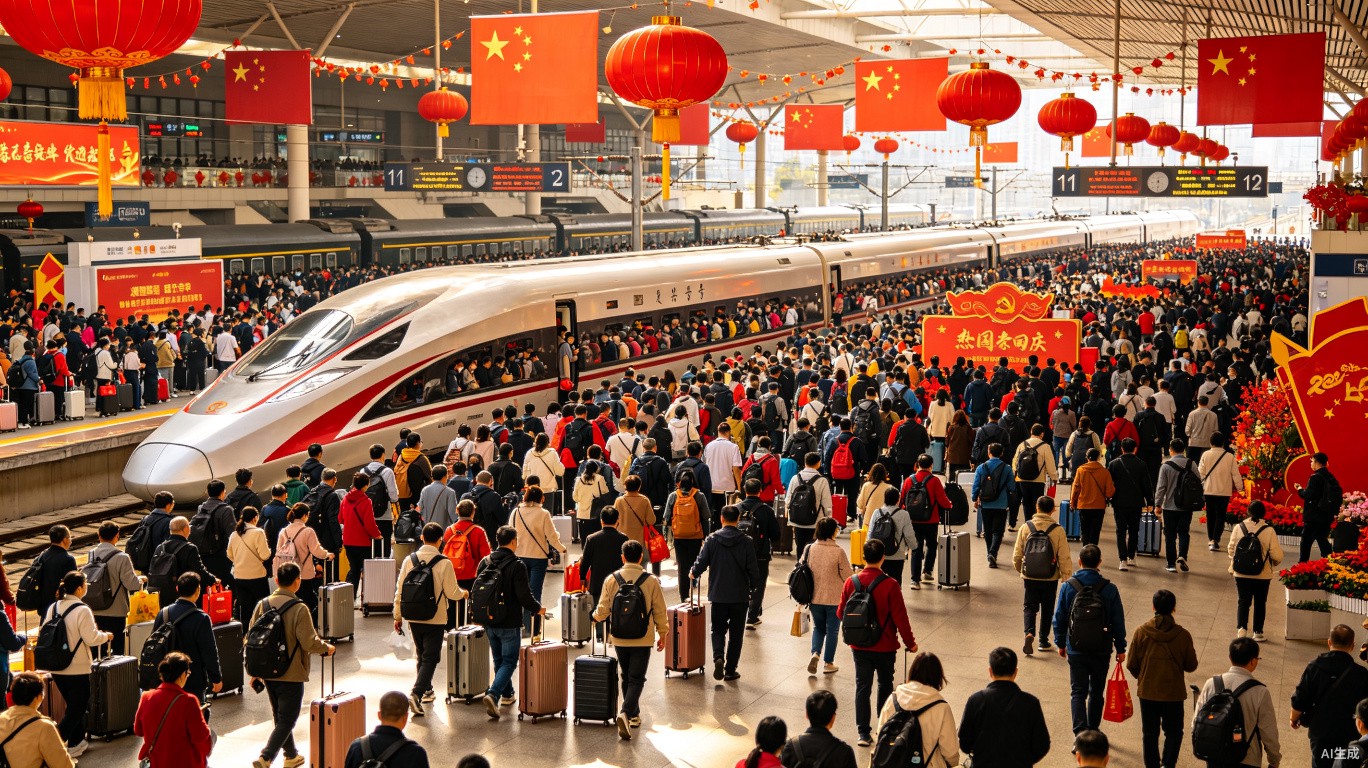
China Golden Week Travel Survival Guide
How to survive China's National Day Golden Week (October 1-7) - what to avoid, where to go, and how to beat the crowds.
9 min read
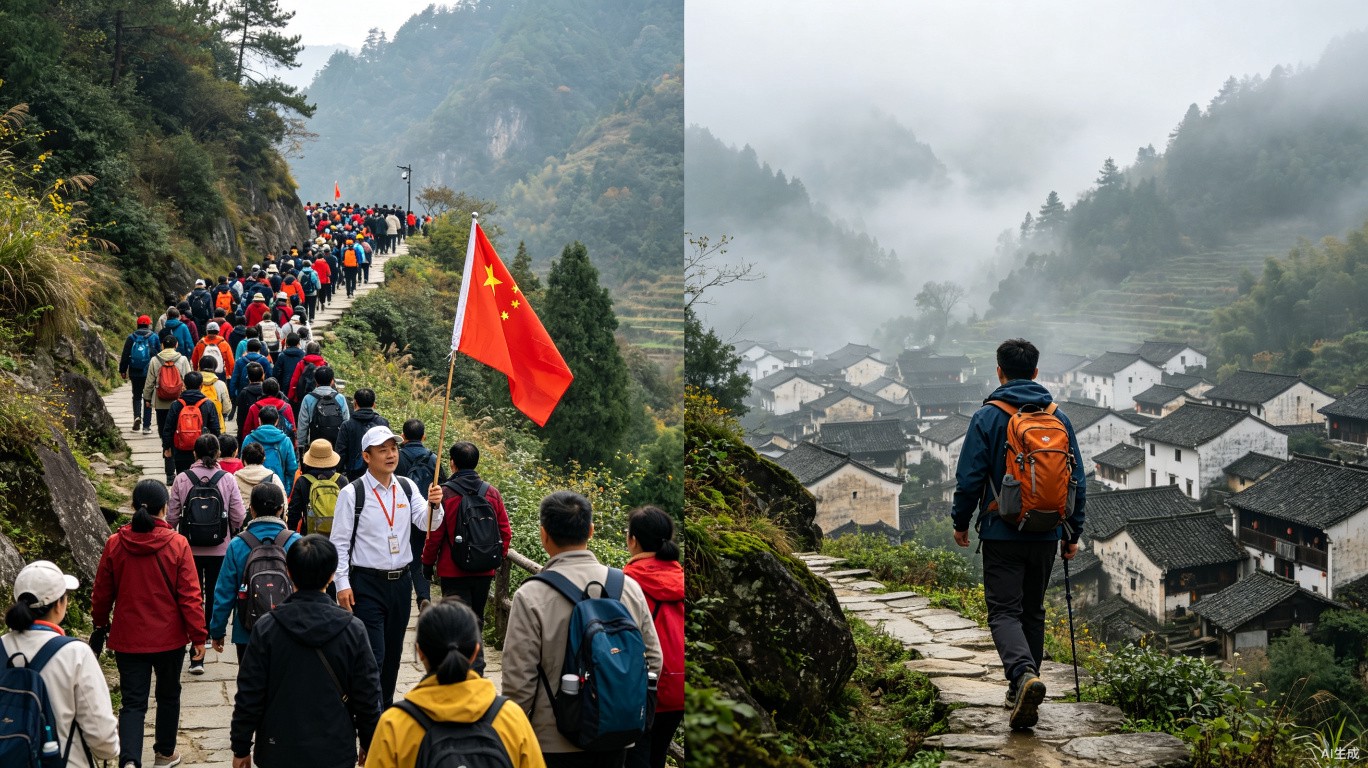
China Group Tours vs Independent Travel Which is Better
Should you join a guided tour or travel independently in China? Honest comparison of cost, flexibility, and experience.
7 min read
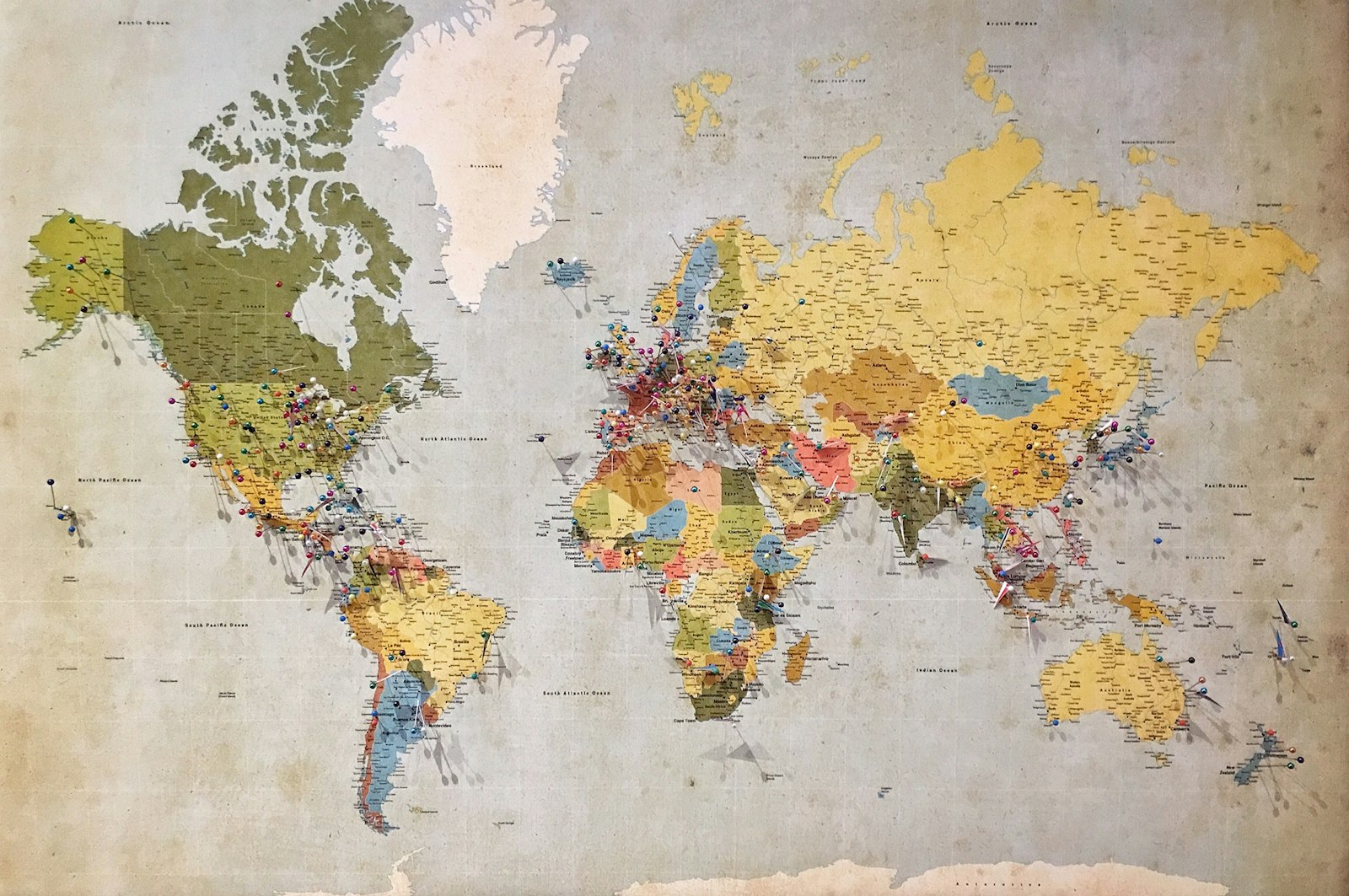
China Itinerary Planning: 7-Day 14-Day and 21-Day Routes: The Complete 2026 G...
Not sure how many days to spend in China? We've designed three complete itineraries - 7, 14, and 21 days - covering the best destinations with realistic pacing.
9 min read