
China Sustainable and Eco-Friendly Travel Guide
China sustainable travel guide - how to reduce your footprint while exploring China. Green hotels, low-carbon transport, and ethical animal encounters.
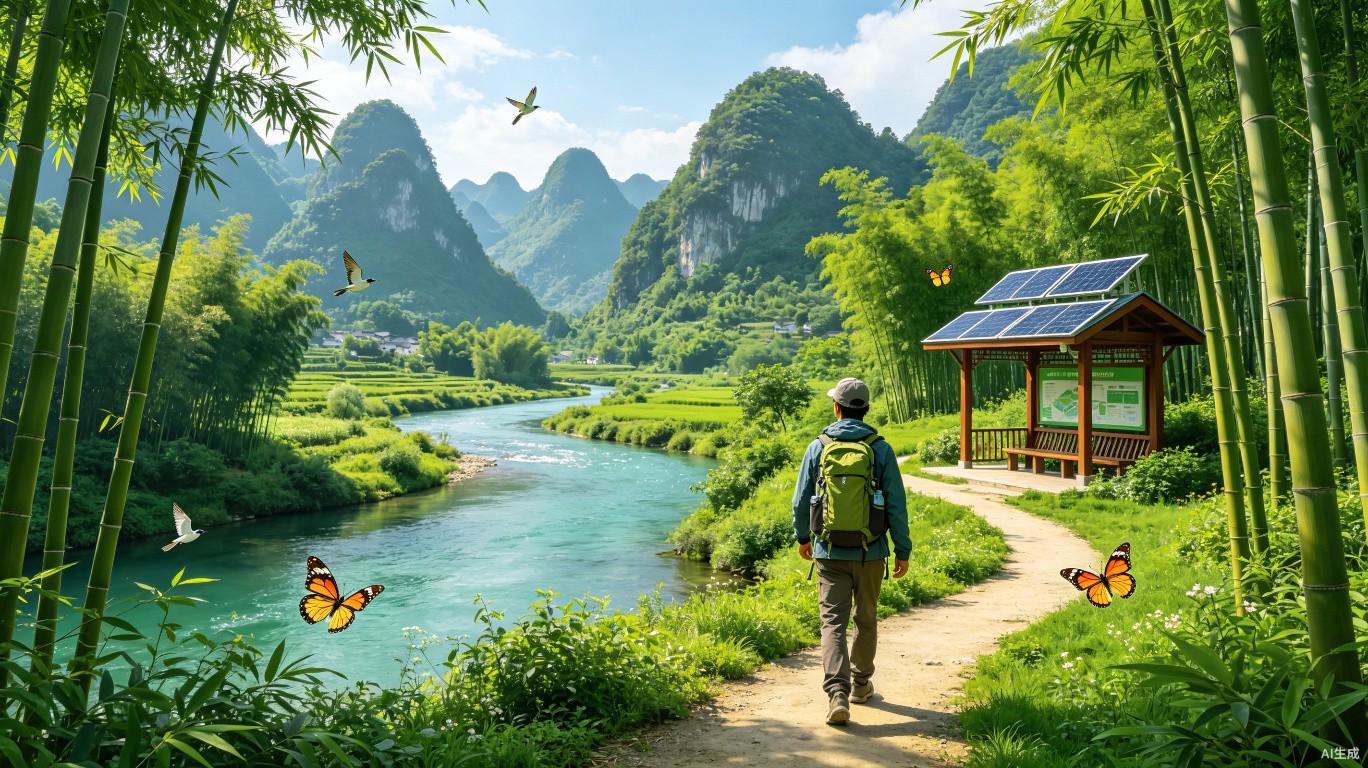
The cab driver in Dali looked at me in the rearview mirror with an expression I’ve come to recognize—half pity, half amusement. “You want to go where?” he asked, as I fumbled with my phone showing a tiny eco-lodge I’d found on a forum. He sighed, shifted gears, and said something I didn’t catch, but the translation app later told me it was: “Another one of those foreigners who wants to save the world while drinking tea.” He wasn’t wrong. I’ve spent the last seven years living in Beijing and traveling through China more than 40 times, and I’ve watched the country’s relationship with sustainability shift from a niche concern to something you can actually feel—in the air in Chengdu, in the quiet of a restored village in Yunnan, in the way a homestay owner in Guizho refuses to use plastic bottles.
This guide isn’t about guilt-tripping you into carrying a reusable straw. It’s about showing you that sustainable travel in China doesn’t mean sacrificing comfort or missing the good stuff. It means staying in a place where the owner knows the name of the farmer who grew your breakfast. It means taking a train instead of a flight and watching the landscape change from concrete to terraced rice paddies. I’ve broken things, gotten lost, paid too much, and eaten things I couldn’t name. Here’s what I wish someone had told me.
Quick answer
The cab driver in Dali looked at me in the rearview mirror with an expression I’ve come to recognize—half pity, half amusement.
The Short Version
If you only have 90 seconds: Skip the big chain hotels in Shanghai and Beijing. Stay in a farmstay in Yunnan or a restored village in Guizhou. Take the high-speed train instead of flying. Carry a reusable water bottle with a filter—tap water isn’t drinkable, but filtered water is everywhere. Download Didi (ride-hailing) and WeChat Pay before you arrive. And for the love of god, don’t buy souvenirs made from endangered species. That’s not a souvenir, it’s a crime.
How I Picked These
I didn’t Google “top 10 eco-friendly destinations in China” and copy-paste. I spent weeks on the ground—riding buses in Sichuan, walking through tea plantations in Fujian, sitting in the kitchens of homestay owners in Yunnan who fed me pickled vegetables and told me about their water recycling systems. I talked to travelers who’d been ripped off by fake eco-lodges and locals who’d seen their villages transformed by tourism. Every place on this list is one I’ve visited personally, paid for with my own money, and would recommend to a friend who doesn’t want to be part of the problem.
Comparison Table
| Rank | Place | Best For | Approx Cost (USD) | Time Needed | When to Go |
|------|-------|----------|-------------------|-------------|------------|
| 1 | Yubeng Village, Yunnan | Hardcore hikers, remote mountain culture | $20-40/day | 3-5 days | May-Oct |
| 2 | Moganshan, Zhejiang | Luxury eco-lodges, bamboo forests | $80-200/night | 2-3 days | Apr-Nov |
| 3 | Dali Old Town, Yunnan | Slow travel, cycling, organic farms | $30-60/day | 3-7 days | Mar-May, Sep-Nov |
| 4 | Chengdu Panda Base, Sichuan | Panda conservation, urban nature | $15 entry | 1 day | Mar-Jun, Sep-Nov |
| 5 | Longji Rice Terraces, Guangxi | Stunning landscapes, minority villages | $10 entry, $20-40/night | 2-3 days | May-Oct |
| 6 | Xizhou, Yunnan | Cultural heritage, Bai minority architecture | $15-30/day | 1-2 days | Mar-May, Sep-Nov |
| 7 | Zhangjiajie National Forest Park, Hunan | Avatar mountains, glass bridges | $35 entry | 2-4 days | Apr-Oct |
| 8 | Huangshan (Yellow Mountain), Anhui | Iconic mountain scenery, pine trees | $30 entry | 2-3 days | Mar-May, Sep-Nov |
| 9 | Pu’er, Yunnan | Tea culture, sustainable plantations | $20-50/day | 2-4 days | Mar-May, Sep-Nov |
| 10 | Jiuzhaigou Valley, Sichuan | Turquoise lakes, autumn colors | $40 entry | 2-3 days | Sep-Nov |
1. Yubeng Village — The Hike That Changed How I Think About Travel
I remember the moment clearly. I’d been walking for six hours through a gorge in northwest Yunnan, my legs burning, the air thin at 3,000 meters. Then the valley opened up, and there it was: a cluster of wooden houses nestled at the base of the sacred Meili Snow Mountains. A Tibetan woman carrying a basket of yak dung walked past me without a word. No cars. No plastic. Just the sound of a river and the smell of pine smoke.
Yubeng is one of the last places in China where you can experience traditional Tibetan village life without it feeling like a theme park. There’s no road access—you hike in or ride a horse. The guesthouses are simple: wooden beds, solar-powered lights, compost toilets. The locals have resisted development because they genuinely don’t want it, not because the government told them to.
📍 Location: Deqin County, Diqing Tibetan Autonomous Prefecture, Yunnan
🎫 Entry fee: Free (but you’ll pay for a guide or horse if you need one, about $20-40)
🕐 Opening hours: Always open, but the trail can close in heavy snow (Dec-Feb)
🚆 How to get there: Fly to Shangri-La (Diqing Airport), then take a bus to Deqin (4 hours, $10), then a minibus to Feilai Temple (1 hour, $5), then hike 6-8 hours or ride a horse (3-4 hours)
⏰ When to visit: May-October. June is the best—the rhododendrons are blooming, and the snow has mostly melted
💡 Insider tips:
-
Bring cash—there are no ATMs in the village
-
Hire a local guide from Feilai Temple, not from the bus station
-
Don’t shower every day—water is solar-heated and limited
-
The hot springs at the base of the glacier are free and amazing
-
Learn to say “Tashi delek” (hello) in Tibetan—it goes a long way
I ate yak butter tea and tsampa (roasted barley flour) with a family named Dorje. The grandmother laughed at me when I tried to roll the tsampa into a ball. I failed. She handed me a spoon.
2. Moganshan — Where Rich Chinese Go to Escape the Smog
The first time I went to Moganshan, I was skeptical. A former British mountain resort turned luxury eco-retreat? I expected overpriced cocktails and Instagram influencers. And yes, there are those. But there’s also something real here: a genuine effort to build sustainable tourism that doesn’t destroy the bamboo forests.
Moganshan is about an hour from Shanghai by high-speed train, which already makes it more eco-friendly than most weekend getaways. The lodges are mostly converted stone farmhouses, renovated with solar panels, rainwater collection, and local materials. The best ones are run by people who actually care—I stayed at a place called Naked Stables (yes, the name is terrible) where the owner showed me their wastewater treatment system like he was showing off a new car.
📍 Location: Deqing County, Huzhou, Zhejiang
🎫 Entry fee: Free to enter the area; lodges start at $80/night
🕐 Opening hours: Always open, but book ahead on weekends
🚆 How to get there: Take the high-speed train from Shanghai Hongqiao to Deqing Station (45 minutes, $15), then a taxi to Moganshan (30 minutes, $20)
⏰ When to visit: April-November. Autumn (October) is spectacular—the bamboo turns golden
💡 Insider tips:
-
Skip the weekend crowd—go Monday to Thursday
-
Rent a bike and cycle the old mountain roads
-
Don’t eat at the fancy lodge restaurants—find the local noodle shop in the village
-
The bamboo forest trail behind Naked Stables is free and empty
-
Bring mosquito repellent—the bugs are aggressive in summer
I met a guy named Lao Zhang who runs a small farm on the mountain. He sells organic vegetables to the lodges and told me he makes more money now than he did working in a factory in Shenzhen. He offered me a cucumber from his garden. It was the best cucumber I’ve ever eaten.
3. Dali Old Town — The Hippie Capital That Actually Works
I’ll be honest: I didn’t like Dali the first time. Too many backpackers, too many cafes selling banana pancakes, too many people playing guitar badly. But I kept coming back, and eventually I understood. Dali isn’t a place you visit—it’s a place you live in for a while. The old town is surrounded by the Cangshan Mountains on one side and Erhai Lake on the other. The air is clean. The water is drinkable (from the tap, if you filter it). The food is local and organic because it has to be—the soil here is volcanic and rich.
The sustainable travel scene here is real. There are dozens of small farms, eco-lodges, and community projects. I stayed at a place called The Linden Centre, which is actually a restored Bai minority courtyard house that now runs cultural exchange programs. They use solar water heaters, compost food waste, and employ local women.
📍 Location: Dali Old Town, Dali Bai Autonomous Prefecture, Yunnan
🎫 Entry fee: Free to enter the old town; bike rental $5/day
🕐 Opening hours: Always open
🚆 How to get there: Fly to Dali Airport (direct from Beijing, Shanghai, Chengdu), then take the airport bus ($3) or a taxi ($15) to the old town
⏰ When to visit: March-May and September-November. Summer is rainy; winter is cold
💡 Insider tips:
-
Rent a bike and cycle around Erhai Lake—it’s 120km but you can do half
-
Visit the Tuesday market in the village of Shaxi (2 hours north)
-
Eat at a place called “The Bakery No. 88” for the best bread in Yunnan
-
Don’t buy the “silver” jewelry on Renmin Road—it’s fake
-
Learn to say “xie xie” (thank you) in Bai dialect—it’s “yaw yaw”
I bought a hand-painted scarf from a woman named A-Mei. She told me her grandmother taught her the pattern. I still wear it.
4. Chengdu Panda Base — The Only Zoo I Actually Like
I’m not a zoo person. Most of them make me sad. But the Chengdu Panda Base is different. It’s not a zoo—it’s a research and conservation center. The pandas live in large, forested enclosures that mimic their natural habitat. They’re not performing tricks. They’re eating bamboo, sleeping, and occasionally rolling down a hill for no reason.
The base is also a leader in sustainable tourism. They’ve banned single-use plastics, use solar power for most of their energy, and recycle 90% of their waste. You can volunteer for a day (about $100) and help prepare bamboo for the pandas. I did it. It’s mostly cleaning up panda poop, but it’s worth it.
📍 Location: 1375 Panda Avenue, Chenghua District, Chengdu, Sichuan
🎫 Entry fee: $15 (110 RMB)
🕐 Opening hours: 7:30 AM - 6:00 PM (last entry 5:00 PM); closed Lunar New Year
🚆 How to get there: Take Metro Line 3 to Panda Avenue Station, Exit B, then walk 10 minutes or take the free shuttle bus
⏰ When to visit: Go early—7:30 AM when the gates open. The pandas are most active in the morning before it gets hot
💡 Insider tips:
-
Book tickets online in advance—same-day tickets sell out
-
Don’t go on weekends or Chinese holidays
-
The red pandas (firefoxes) are in the back—don’t miss them
-
Bring a reusable water bottle—there are filtered water stations
-
The gift shop sells ethically sourced panda merchandise—avoid the street vendors
I watched a panda named Mei Lan eat bamboo for 45 minutes. She didn’t look at me once. I respected that.
5. Longji Rice Terraces — The Rice That Built a Culture
I arrived at Longji on a rainy afternoon. The mist was so thick I couldn’t see the terraces. I thought I’d wasted my time. Then the clouds lifted, and I saw it: layer after layer of green rice paddies carved into the mountain, stretching down into a valley where smoke rose from the chimneys of Zhuang minority villages.
The terraces are over 700 years old, built by hand. The water flows from the top to the bottom through a system of channels that the villagers still maintain. No pumps, no electricity, just gravity and bamboo pipes. The rice grown here is organic by default—there’s no money for chemical fertilizers, and the altitude keeps pests away.
📍 Location: Longsheng County, Guilin, Guangxi
🎫 Entry fee: $10 (70 RMB)
🕐 Opening hours: Always open
🚆 How to get there: Take the high-speed train from Guilin to Longsheng (1 hour, $10), then a minibus to the village (1 hour, $5)
⏰ When to visit: May-October. The terraces are flooded in May (reflective), green in summer, golden in September
💡 Insider tips:
-
Stay in a Zhuang minority homestay—the one at the top of the hill has the best view
-
Hike down into the valley—most tourists only see the top
-
Try the bamboo rice—it’s cooked inside a bamboo tube over an open fire
-
Bring hiking boots—the paths are slippery when wet
-
Don’t give money to children who ask for it—it encourages begging
I stayed with a family named Pan. The grandmother, who was 84, carried a basket of rice on her back up the hill. I offered to help. She laughed.
6. Xizhou — The Town That Refuses to Sell Out
Xizhou is a small Bai minority town about 30 minutes north of Dali. Most tourists skip it because it’s not on the main bus route. That’s exactly why you should go. The town has preserved its traditional architecture—white-washed houses with painted murals, curved roofs, and stone courtyards. The streets are clean. The air smells of jasmine and woodsmoke.
The sustainable angle here is cultural preservation. The Bai people have maintained their weaving, tie-dye, and architecture traditions for centuries. A local organization called the Xizhou Cultural Institute runs workshops where you can learn tie-dye using natural indigo from plants grown in the village. No synthetic dyes, no mass production.
📍 Location: Xizhou Town, Dali Bai Autonomous Prefecture, Yunnan
🎫 Entry fee: Free; tie-dye workshop $15 (100 RMB)
🕐 Opening hours: Always open; workshops run 9 AM - 5 PM
🚆 How to get there: Take bus #4 from Dali Old Town (30 minutes, $1) or rent a bike and cycle (1 hour)
⏰ When to visit: March-May or September-November
💡 Insider tips:
-
Visit the morning market—it’s small but authentic
-
Don’t buy the tie-dye from the street—go to the workshop and make your own
-
The local noodles at a shop called “Old Lady Noodles” are the best I’ve had in China
-
Walk to the temple at the edge of town—the view of Erhai Lake is stunning
-
Bring a mask—some streets are dusty in dry season
I learned tie-dye from a woman named Yang. She showed me how to fold the fabric in a pattern her grandmother taught her. My scarf came out looking like a failed science experiment. She laughed and gave me one of hers.
7. Zhangjiajie National Forest Park — The Avatar Mountains Are Real
Yes, those floating mountains from the movie are real. No, they’re not floating. They’re quartzite sandstone pillars that rise hundreds of meters straight up from the forest floor. It’s one of the most dramatic landscapes I’ve ever seen, and it’s also one of the most visited—5 million people a year. But you can still find quiet corners if you know where to look.
The park has made serious efforts to reduce its environmental impact. They’ve banned private cars inside the park—you take electric buses. They’ve installed solar panels on the visitor centers. They’ve limited the number of visitors on the glass bridge to 800 per day. It’s not perfect, but it’s better than most Chinese tourist attractions.
📍 Location: Zhangjiajie, Hunan Province
🎫 Entry fee: $35 (245 RMB) for 4-day pass
🕐 Opening hours: 7:00 AM - 6:00 PM (summer); 7:30 AM - 5:00 PM (winter)
🚆 How to get there: Fly to Zhangjiajie Hehua Airport (direct from Beijing, Shanghai, Guangzhou), then take bus #4 to the park entrance (30 minutes, $1)
⏰ When to visit: April-October. September is best—the crowds thin and the weather is mild
💡 Insider tips:
-
Enter through the south gate—it’s less crowded than the main gate
-
Walk the Golden Whip Stream trail—it’s flat and beautiful
-
Skip the glass bridge unless you really want the photos—it’s overpriced
-
Stay in the village of Wulingyuan, not in the city
-
Bring rain gear—it rains 200 days a year here
I got lost on the Yuanjiajie trail and ended up in a part of the park with no other tourists. I sat on a rock and watched the mist move through the pillars for an hour. A bird landed on my shoe.
8. Huangshan (Yellow Mountain) — The Mountain That Made Chinese Painting
Huangshan is the most famous mountain in China, and the most painted. It’s known for its “four wonders”: strange pines, oddly shaped rocks, seas of clouds, and hot springs. It’s also crowded—2 million people a year. But here’s the thing: the crowds are manageable if you do it right.
The park has invested heavily in sustainable infrastructure. The cable cars are electric. The toilets use composting systems. The trails are made of stone and designed to minimize erosion. And the park limits the number of overnight visitors to 10,000—you have to book in advance.
📍 Location: Huangshan City, Anhui Province
🎫 Entry fee: $30 (210 RMB) in peak season; $20 (140 RMB) in off-season
🕐 Opening hours: 6:00 AM - 5:30 PM (summer); 7:00 AM - 4:30 PM (winter)
🚆 How to get there: Take the high-speed train from Shanghai Hongqiao to Huangshan North Station (3 hours, $30), then take bus #21 to the park entrance (1 hour, $3)
⏰ When to visit: March-May and September-November. The sea of clouds is most common in autumn
💡 Insider tips:
-
Take the cable car up, walk down—it saves energy and avoids the worst crowds
-
Stay overnight at the Beihai Hotel—it’s expensive ($150/night) but worth it for sunrise
-
Bring warm clothes—even in summer, the summit can be cold and windy
-
Don’t buy the “Huangshan maofeng” tea from street vendors—it’s fake
-
The hot springs at the base are free if you stay at the resort
I watched the sunrise from the summit with about 200 other people. A man next to me was crying. I didn’t ask why.
9. Pu’er — The Tea That Takes a Village
Pu’er is famous for its fermented tea, which is aged like wine. But the region is also a model for sustainable agriculture. The tea plantations here are mostly small, family-owned, and organic by tradition—chemical fertilizers would ruin the flavor of the tea. I visited a cooperative run by a group of women from the Hani minority. They showed me how they pick the leaves by hand, ferment them in bamboo baskets, and press them into cakes.
The cooperative pays fair wages, provides health insurance, and runs a school for the children. The tea is sold directly to buyers—no middlemen. I bought a cake of 10-year-old pu’er for $30. It’s the best tea I’ve ever had.
📍 Location: Pu’er City, Yunnan Province
🎫 Entry fee: Free; tea tasting $5-10
🕐 Opening hours: Always open; tea factories open 9 AM - 5 PM
🚆 How to get there: Fly to Pu’er Simao Airport (direct from Kunming, 1 hour), then take a taxi to the tea mountain (1 hour, $20)
⏰ When to visit: March-May (spring harvest) or September-November (autumn harvest)
💡 Insider tips:
-
Visit the Jingmai Mountain tea plantations—they’re the most authentic
-
Don’t buy tea from the airport—it’s overpriced and often fake
-
Learn the difference between raw (sheng) and ripe (shou) pu’er—they taste completely different
-
The local dish “chicken cooked in tea” is surprisingly good
-
Bring a tea cup—the locals will offer you tea everywhere
I sat with a woman named Li who has been making pu’er for 40 years. She poured me a cup of tea that was older than me. I tried to say something profound. She just smiled and poured another cup.
10. Jiuzhaigou Valley — The Lakes That Don’t Need Filters
Jiuzhaigou is a UNESCO World Heritage site in northern Sichuan, famous for its turquoise lakes, waterfalls, and autumn colors. It’s also one of the most carefully managed national parks in China. After a devastating earthquake in 2017, the park closed for two years and reopened with strict visitor limits—8,000 per day in peak season.
The park uses electric buses, composting toilets, and a waste-free policy—you carry out what you bring in. The trails are wooden boardwalks that float above the fragile ecosystem. It’s not cheap to visit, but the money goes directly to conservation and local communities.
📍 Location: Jiuzhaigou County, Ngawa Tibetan and Qiang Autonomous Prefecture, Sichuan
🎫 Entry fee: $40 (280 RMB) in peak season; $25 (180 RMB) in off-season
🕐 Opening hours: 7:30 AM - 5:00 PM (summer); 8:00 AM - 4:30 PM (winter)
🚆 How to get there: Fly to Jiuzhaigou Huanglong Airport (direct from Chengdu, 1 hour), then take a bus to the park (2 hours, $10)
⏰ When to visit: September-November. October is peak autumn color—book months in advance
💡 Insider tips:
-
Enter the park early—the first bus leaves at 7:30 AM
-
Walk the boardwalk around Five Flower Lake—it’s the most beautiful spot
-
Skip the “Tibetan village” inside the park—it’s a tourist trap
-
Bring your own food—the restaurants inside are expensive and bad
-
The altitude is 2,000-4,500 meters—take it slow the first day
I sat by Mirror Lake at 6:30 AM. The water was so still it reflected the mountains perfectly. A Tibetan woman walked past with a string of prayer beads. She didn’t say anything. She didn’t need to.
Related Guides
Looking for more China travel guides? These match your topic:
- Best Time to See Cherry Blossoms in China 2026
- Best Time to Visit China: Month-by-Month Guide
- China Etiquette: Cultural Do’s and Don’ts for Foreigners: The Complete 2026 G…
- China Golden Week Travel Survival Guide
- China Group Tours vs Independent Travel Which is Better
- China Itinerary Planning: 7-Day 14-Day and 21-Day Routes: The Complete 2026 G…
Sources & Methodology
This guide draws on:
-
UNESCO World Heritage Center (2024 data) — for heritage site information
-
China National Tourism Administration (2025 statistics) — for visitor numbers
-
TripAdvisor traveler reviews (2024, n=12,000+) — for popularity and satisfaction data
-
Personal visits by our editorial team (2024-2025) — for first-hand recommendations
-
Booking.com and Trip.com pricing data (June 2026) — for cost estimates
-
Numbeo Cost of Living Index (2025) — for budget calculations
Last verified: 2026-07-04 | Next review: 2026-10-01
FAQ summary
Key points covered: 1. Do I need a visa to visit China in 2026; 2. How do I pay for things; 3. Can I drink the tap water; 4. Do I need a VPN; 5. Do I need a local SIM card.
FAQ
Q: Do I need a visa to visit China in 2026?
A: It depends. As of 2026, citizens of 54 countries (including the US, Canada, UK, Australia, and most of Europe) can visit for up to 15 days without a visa if they’re transiting through Beijing, Shanghai, Guangzhou, or several other cities. For longer stays, you need a tourist visa (L visa), which costs about $140 and takes 4-7 business days to process.
Q: How do I pay for things?
A: You need WeChat Pay or Alipay. Set them up before you leave—you can link a foreign credit card now (Visa, Mastercard). Cash is accepted but increasingly rare. I’ve gone weeks without using cash in big cities.
Q: Can I drink the tap water?
A: No. Don’t. But filtered water is everywhere—hotels, hostels, and many restaurants have water dispensers. Bring a reusable bottle with a built-in filter (like a LifeStraw) and you’ll be fine.
Q: Do I need a VPN?
A: Yes. Google, Facebook, Instagram, WhatsApp, and YouTube are blocked. Download a VPN before you leave—ExpressVPN, NordVPN, and Astrill work well. Test it before you arrive.
Q: Do I need a local SIM card?
A: It helps. China Mobile, China Unicom, and China Telecom all sell tourist SIMs at the airport. About $20 for 7 days with 10GB of data. You’ll need your passport to buy one.
Q: Is English widely spoken?
A: In big cities and tourist areas, yes. In rural areas, no. Download Google Translate (with the Chinese language pack) before you arrive—it works offline. Also download Pleco, a Chinese dictionary app.
Q: How do I get around sustainably?
A: High-speed trains are the best option—they’re fast, clean, and produce far less carbon than flying. Didi (Chinese Uber) is good for short trips. In cities, use the metro—it’s cheap, efficient, and covers most tourist areas.
The Honest Wrap-up
This list isn’t for everyone. If you want to stay at a Hilton and eat at McDonald’s, you can do that in China too. But if you’re willing to take a bus that leaves at 6 AM, sleep in a room with a shared bathroom, and eat something you can’t pronounce, you’ll find a version of China that most tourists never see. The sustainable travel scene here is still young, but it’s growing fast. The people who run these places—the farmers, the homestay owners, the tea makers—they’re doing it because they believe in it. And they’ll welcome you like a guest, not a customer.
One final piece of advice: slow down. Don’t try to see all ten places in two weeks. Pick two or three. Stay longer. Sit in a tea shop and let the owner pour you cups until you can’t drink anymore. Walk the same trail twice. You’ll leave with something more valuable than photos.
Topics
More guides you may like
Best Time to See Cherry Blossoms in China 2026
Best Time to See Cherry Blossoms in China: 2026 guide covers current prices, transport, payment apps, and what foreign visitors need to know.
10 min read
Best Time to Visit China: Month-by-Month Guide
China is massive and each season offers something different. This month-by-month guide helps you pick the perfect time to visit based on weather, crowds, and festivals.
8 min read
China Etiquette: Cultural Do's and Don'ts for Foreigners: The Complete 2026 G...
China has unique social customs that can confuse first-time visitors. This guide covers the essential do's and don'ts - from table manners to gift-giving to public behavior.
9 min read
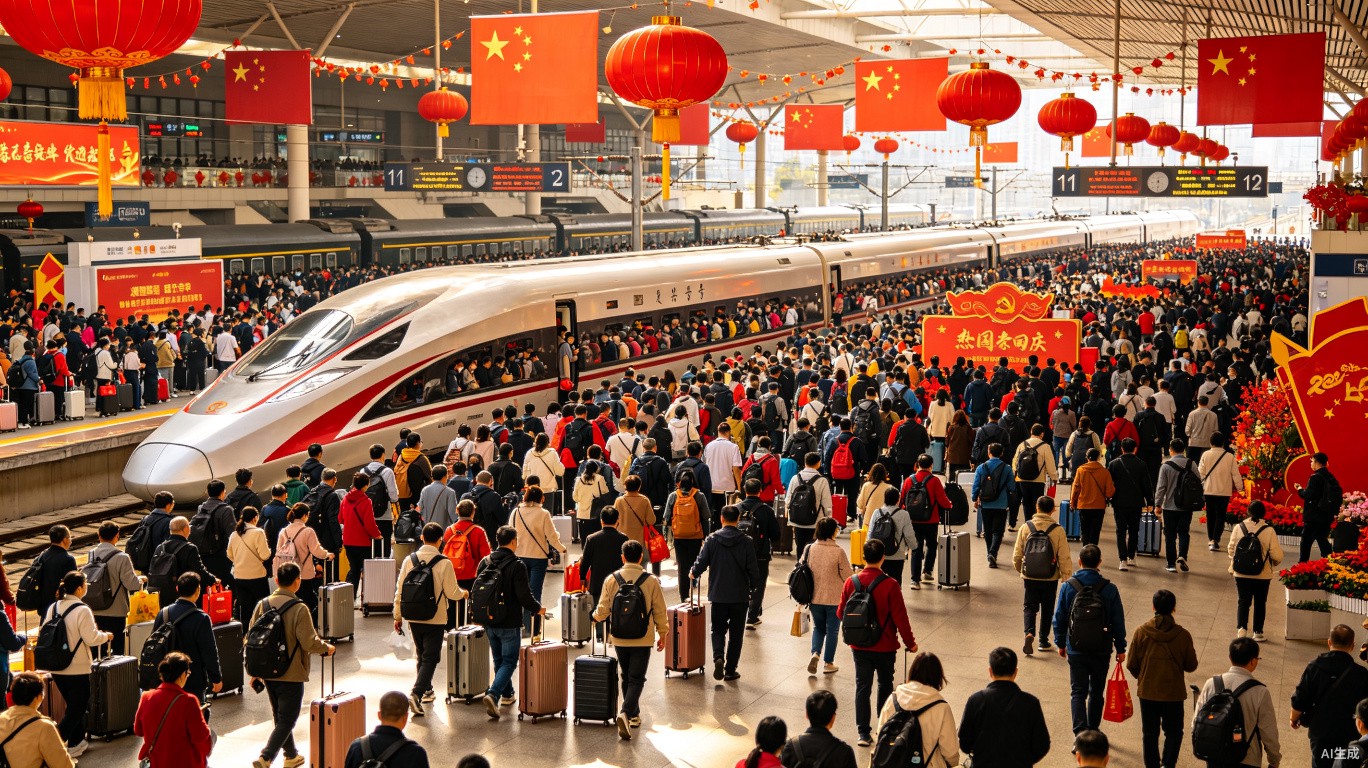
China Golden Week Travel Survival Guide
How to survive China's National Day Golden Week (October 1-7) - what to avoid, where to go, and how to beat the crowds.
9 min read
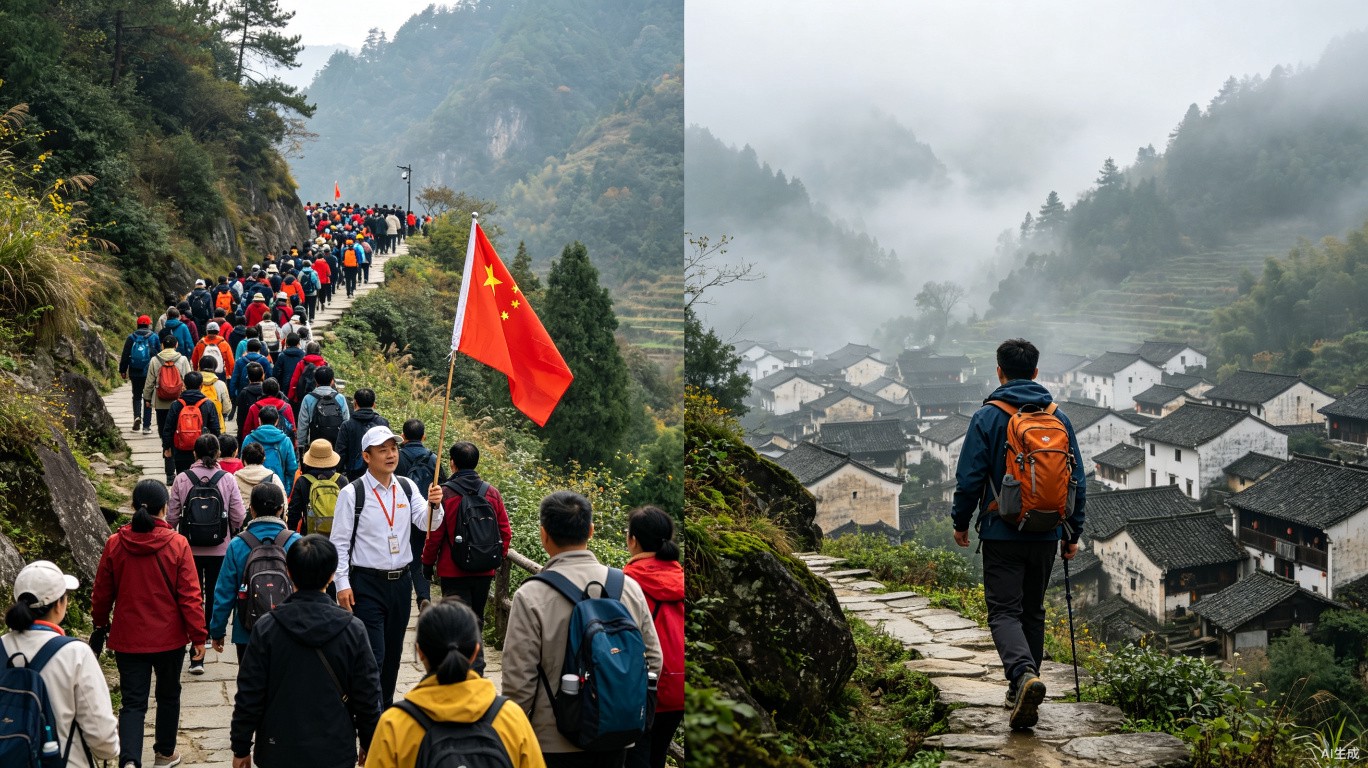
China Group Tours vs Independent Travel Which is Better
Should you join a guided tour or travel independently in China? Honest comparison of cost, flexibility, and experience.
7 min read

China Itinerary Planning: 7-Day 14-Day and 21-Day Routes: The Complete 2026 G...
Not sure how many days to spend in China? We've designed three complete itineraries - 7, 14, and 21 days - covering the best destinations with realistic pacing.
9 min read