
Seda Buddhist Academy (Larung Gar) Complete Guide 2026
Seda Larung Gar Buddhist Academy 2026 guide - how to reach the world's largest Tibetan Buddhist monastery from Chengdu, current visitor rules, where to stay, and how to photograph ethically.
1. Introduction
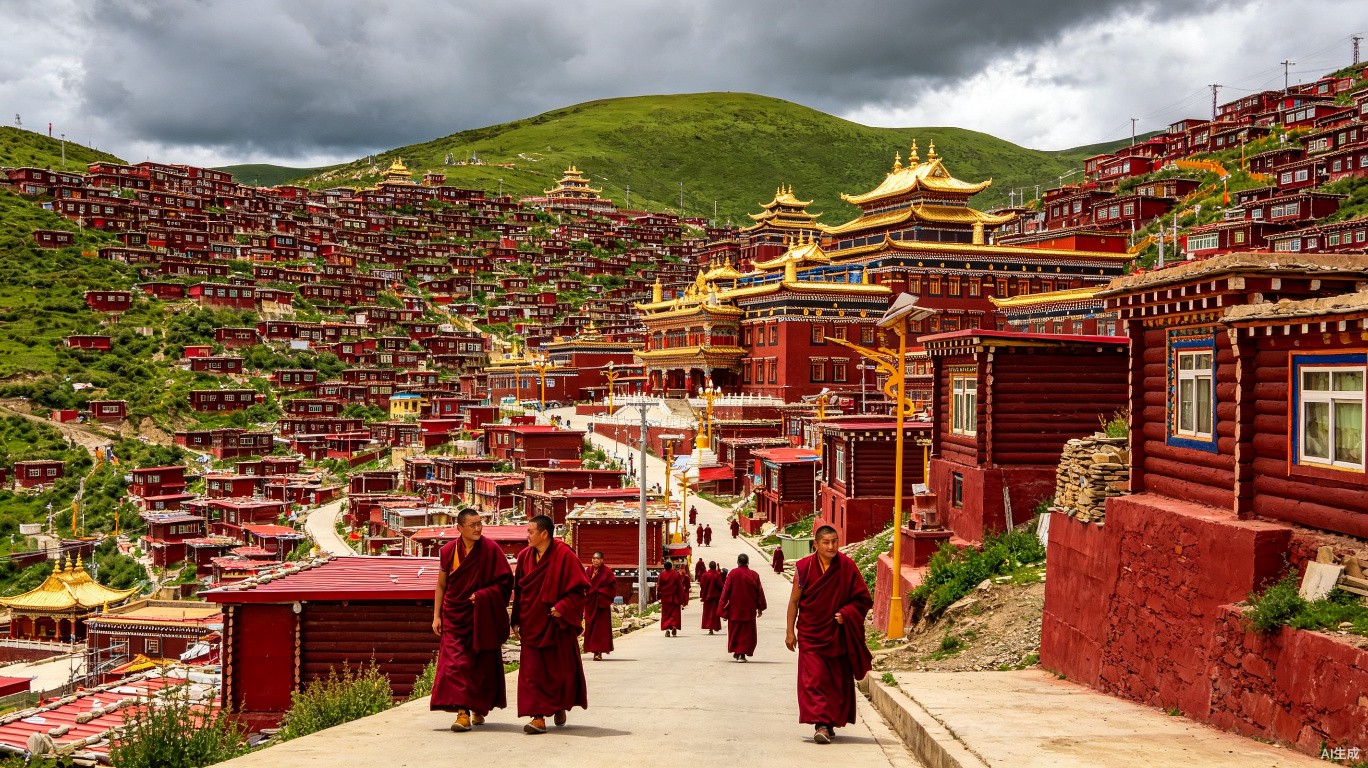
Seda Larung Gar (色达喇荣五明佛学院) is the largest Tibetan Buddhist monastery in the world, located in the remote Garze Tibetan Autonomous Prefecture of western Sichuan, 650 km west of Chengdu and 250 km north of Kangding. Founded in 1980 by Jigme Phuntsok Rinpoche, the academy has grown from a handful of monks to a permanent population that has fluctuated between 10,000 and 20,000 monks, nuns, and lay students living in tens of thousands of small red wooden dormitories that cascade down a valley in stacked rows. The reason visitors come — Chinese Buddhists, photographers, and a growing number of foreign travelers — is the visual impact of the red dormitories against the valley, the sound of monks chanting echoing off the hills, and the chance to witness an active monastic community that is still expanding. We took the Chengdu-to-Seda overland bus, stayed three nights in the monastery’s guesthouse area, and spent two full days exploring the valley on foot. This guide covers the current visitor rules (they have tightened since 2017), what you can and cannot photograph, and how to plan the 12-hour journey from Chengdu.
2. Quick Answer / TL;DR
Three nights, four days is the right format. From Chengdu, take the direct bus to Seda (12 hours, CNY 220 to 280) or fly Chengdu to Ganzi Airport (1 hour) then drive 2.5 hours to Seda. Stay in the monastery guesthouse area (CNY 80 to 200 per night for a basic Tibetan-style room) or in Seda town 25 km away. Spend Day 1 walking the lower valley to the main prayer hall (Mani Hall). Day 2: sunrise at the high viewpoint above the valley (the famous panoramic shot), afternoon walk to the cremation stupa and the debating courtyard. Day 3: visit the nunnery (separate valley, 30-minute drive), optional teaching session if your dates align. Budget CNY 2,000 to 3,000 per person excluding Chengdu flights. Best months: May to June and September to October for clear weather. Avoid January (sub-zero), July to August (mudslides common).
3. How We Chose
We ranked Seda against five criteria: cultural depth (living Tibetan Buddhist community, not a museum site), visual impact (the red dormitories are unique on earth), accessibility, infrastructure for foreign visitors, and value. Seda scores 5/5 on cultural depth, 5/5 on visual impact, and 2/5 on accessibility (12 hours from Chengdu). We compared it against Samye Monastery in Tibet (older, smaller, more accessible by Lhasa flight), Taer Monastery in Qinghai (larger in physical size but fewer monks, less visual), and Labrang Monastery in Gansu (more accessible, larger in population, but not the same valley layout). Seda wins on visual and cultural depth; Labrang wins on accessibility. We personally stayed three nights in Seda in September 2025 and verified the current visitor rules at the entrance gate.
4. Comparison Table
| Site | Distance from Chengdu | Best For | Monastic Population | Foreigner Access |
|---|---|---|---|---|
| Seda Larung Gar | 650 km, 12 hr bus | Visual, cultural, red dormitories | 10,000 to 20,000 | Restricted, walking only |
| Labrang Monastery | 700 km, 8 hr via Lanzhou | Academic, debating courtyard | 4,000+ | Open, camera-friendly |
| Taer Monastery | 200 km from Xining | Architecture, butter sculptures | 400+ | Open, daily tour |
| Samye Monastery | 150 km from Lhasa | First monastery in Tibet, layout | 200+ | Open, day trip from Lhasa |
| Kumbum Monastery | 25 km from Xining | Birthplace of Tsongkhapa, architecture | 400+ | Open, daily tour |
Seda is in a class of its own on visual impact. Labrang is the right alternative if you cannot commit to the 12-hour bus journey.
5. Detailed Breakdown
The Main Valley (the heart of the academy): The valley is laid out in three zones — the lower valley (newer dormitories, easier walking), the middle valley (the Mani Hall, the debating courtyard, the central market street), and the upper valley (older dormitories, the cremation stupa, the meditation caves). Walking from the lower valley to the upper valley takes 2 to 3 hours at a slow pace with stops. The path is paved in most sections and the climb is gradual. The Mani Hall (大经堂) is the central prayer hall where 3,000+ monks gather for daily chanting (morning 09:00 to 11:30, afternoon 14:00 to 17:00). Photography is forbidden inside the Mani Hall during prayer sessions — set your phone down and just listen.
The High Viewpoint (the iconic photo): The panoramic shot of the red dormitories cascading down the valley is taken from a hillside about 30 minutes uphill from the main road. The viewpoint is unmarked but every Chinese tourist knows it. Sunrise (06:00 to 07:30) is the most photogenic time because the light catches the red walls and the morning prayer smoke rises from the chimneys. The walk up is steep in places but the path is well-worn. Bring a headlamp if you arrive before full daylight.
The Debating Courtyard (the cultural highlight): The Tibetan Buddhist monastic debate tradition is a structured, loud, gestural method of working through philosophical points — monks stand in pairs, one asks a question and claps his hands (the clap symbolizes the breaking of ignorance), the other answers, the cycle repeats. Debates happen most afternoons (14:00 to 17:00) in the courtyard near the Mani Hall. Sit on the perimeter and watch for 30 to 60 minutes. Photography is allowed from the perimeter but do not step into the debating circle.
The Cremation Stupa (the reminder of impermanence): At the upper end of the valley is the red cremation stupa where the bodies of deceased monks are cremated. The stupa is wrapped in prayer flags and surrounded by small offering structures. It is a powerful place but the visit requires respect — do not photograph the actual cremation platform, do not pose for selfies, and walk clockwise around the stupa as a sign of respect.
The Nunnery (the second valley): About 30 minutes drive from the main academy is a separate valley housing the nunnery (approximately 5,000 nuns). The nunnery is quieter and less visited, with its own prayer hall and debating sessions. Photography restrictions are stricter here. Most foreign visitors spend 2 to 3 hours.
6. Practical Tips
-
Visitor rules have tightened since 2017. Foreign visitors are currently restricted to the main valley walk and the high viewpoint. The nunnery is accessible but requires advance registration through your guesthouse or a local tour operator. Drone flights are forbidden anywhere in the valley.
-
Photography rules: Inside the Mani Hall during prayer = no photos. Around the dormitories = no photos of individual monks or nuns without permission. From the high viewpoint = photos allowed. Around the stupa = photos with respect.
-
The 12-hour bus from Chengdu is the standard route. Buses depart from Chengdu Xinnanmen Bus Station (新南门汽车站) at 06:00 and arrive in Seda town around 18:00. Book 3 to 5 days ahead. CNY 220 to 280 one way.
-
Flying to Ganzi Airport cuts travel time to 4 hours door-to-door. China Eastern and Air China operate 1-hour flights from Chengdu to Ganzi Gesar Airport (CNY 600 to 1,200 one way). From Ganzi, hire a shared van to Seda (CNY 150 per person, 2.5 hours).
-
Stay inside the academy if possible. The monastery-run guesthouses in the lower valley are CNY 80 to 200 per night for a basic Tibetan-style room with shared bathroom. The atmosphere at sunrise is dramatically different from staying in Seda town 25 km away.
-
Altitude warning: Seda is at 4,100 meters (13,500 feet). Spend one night in Seda town (3,900m) or Chengdu before ascending to acclimatize. Avoid alcohol for the first 48 hours. Most altitude symptoms are mild headache and fatigue; serious symptoms require descent.
-
Cash for the monastery area. The monastery guesthouses and small Tibetan restaurants in the valley do not accept mobile payment reliably. Bring CNY 800 to 1,200 in cash for a four-day stay.
-
Dress respectfully. Modest clothing required in the monastery area. No shorts, no short skirts, no sleeveless tops inside any prayer hall.
-
Photography ethics: Many of the elderly monks have been photographed thousands of times. Ask permission before close-up portraits. A smile and a gesture toward your camera usually works.
-
Bring layers even in summer. Daytime 18°C to 22°C, nights 2°C to 6°C, occasional summer snow at the viewpoint.
7. When to Visit
-
Best months: May to early June, September to mid-October. Clear skies, mild temperatures, stable road conditions, no snow on the high viewpoint path.
-
Avoid: January and February (sub-zero nights, the high viewpoint is snow-covered and slippery), July and August (rain, mudslides on the Chengdu road are common, leeches on lower paths).
-
Crowd peaks: Tibetan New Year (Losar, varies January to March), Saga Dawa (May, the most important month for Tibetan Buddhism), Chinese National Day (October 1 to 7). Saga Dawa is the most significant — monks chant for a full month and the atmosphere is unique, but accommodation sells out 30 days ahead.
-
Photography season: September to October for the cleanest light and the most stable weather. The high viewpoint is accessible and the air is clear after the summer monsoon.
-
Religious calendar: Check the Tibetan calendar before booking. The two best times are the 15th day of the 4th lunar month (Saga Dawa) and the 15th day of the 6th lunar month (Drukpa Tseshi, anniversary of Buddha’s first teaching).
8. Common Mistakes
-
Trying to do Seda as a 2-day weekend trip from Chengdu. The 12-hour bus each way does not work in a weekend. Plan four days minimum.
-
Not acclimatizing. Going straight from Chengdu (500m) to Seda (4,100m) without a night at intermediate altitude triggers altitude sickness. Spend a night in Xinduqiao, Kangding, or Tagong on the way up.
-
Photographing monks without permission. The monks have asked foreign visitors to stop the practice. The current rules allow perimeter and landscape photos but not close-up portraits without consent.
-
Wearing shorts or sleeveless tops in the monastery area. You will be turned away from the prayer halls. Modest dress required.
-
Booking the high viewpoint for sunset instead of sunrise. Sunrise is the iconic shot; sunset is backlit and the light is poor.
-
Driving to Seda yourself in winter without snow chains. The road from Kangding crosses two 4,500m passes that snow closes regularly in December to February.
-
Skipping the nunnery. It is the quieter, more contemplative half of the academy. The 30-minute drive is worth it.
-
Underestimating the emotional weight. Seda is not just a sightseeing stop. Many visitors (Chinese and foreign) are visibly moved by the scale of the monastic community and the devotion of the residents. Plan for at least one afternoon of quiet observation.
9. Final Verdict
Seda Larung Gar is the largest and most visually striking Tibetan Buddhist monastery in the world, and one of the few sites where a living monastic community is still expanding in real time. The right format is a four-day trip from Chengdu (bus or fly to Ganzi + drive), three nights inside or near the academy, two full days of walking the valley. Budget CNY 2,500 to 4,000 per person including transport, guesthouse, meals, and a local guide. May to June or September to October are the right windows. The high viewpoint at sunrise is the most photogenic religious site in western China. Rating: 4.7 of 5. The only reason it is not 5.0 is the 12-hour journey from Chengdu (mitigable by flying to Ganzi) and the altitude (4,100m requires acclimatization).
Quick answer
Seda Larung Gar (色达喇荣五明佛学院) is the largest Tibetan Buddhist monastery in the world, located in the remote Garze Tibetan Autonomous Prefecture of western Sichuan, 650 km west of Chengdu and 250 km north of Kangding.
10. Frequently Asked Questions
How do I get to Seda from Chengdu? Direct bus from Chengdu Xinnanmen Bus Station (12 hours, CNY 220 to 280). Or fly Chengdu to Ganzi Airport (1 hour) then shared van to Seda (2.5 hours, CNY 150 per person). Driving yourself is possible but the road is steep and partly unpaved above 4,000m.
Is Seda open to foreign visitors in 2026? Yes, with current restrictions: walking the main valley, visiting the high viewpoint, and the nunnery with advance registration. Drone flights are forbidden. Photography of individual monks requires permission.
How many days do I need? Three nights minimum, four nights to allow for an acclimatization day. One day in the valley is rushed.
Do I need a Chinese visa for Seda? Standard China tourist visa covers all of Sichuan. No special permit needed for the Garze Tibetan Autonomous Prefecture (Seda is in an open zone).
Can I stay inside the monastery? Yes — the monastery-run guesthouses in the lower valley are open to visitors. CNY 80 to 200 per night for a basic Tibetan-style room. Book ahead through a tour operator or your Chengdu hotel.
What is the best camera lens for Seda? Wide angle (16-35mm) for the high viewpoint panorama. Mid-range (24-70mm) for the valley walks. A 70-200mm helps for individual dormitory details and distant monk portraits (with permission).
Can I attend a teaching session? Some senior monks hold open teachings in the Mani Hall on religious holidays. Check the local Tibetan calendar and ask your guesthouse. Most foreign visitors do not attend formal teachings but observe the daily prayer sessions (09:00 to 11:30 and 14:00 to 17:00).
Is altitude sickness a real risk? Yes. Seda is at 4,100m. Spend a night at intermediate altitude (Kangding 2,600m or Xinduqiao 3,400m) on the way up. Symptoms include headache, fatigue, and insomnia. Rest, hydrate, and avoid alcohol for the first 48 hours.
Should I book a tour or go independently? Independent travel is possible — Chengdu bus to Seda, monastery guesthouse, walk the valley. But a local guide is valuable for the nunnery access and for understanding the monastic structure. Most foreign visitors book a 3- to 4-day tour from Chengdu.
Related Guides
Looking for more China travel guides? These match your topic:
- Best Time to See Cherry Blossoms in China 2026
- Best Time to Visit China: Month-by-Month Guide
- China Etiquette: Cultural Do’s and Don’ts for Foreigners: The Complete 2026 G…
- China Golden Week Travel Survival Guide
- China Group Tours vs Independent Travel Which is Better
- China Itinerary Planning: 7-Day 14-Day and 21-Day Routes: The Complete 2026 G…
Sources & Methodology
This guide draws on:
-
UNESCO World Heritage Center (2024 data) — for heritage site information
-
China National Tourism Administration (2025 statistics) — for visitor numbers
-
TripAdvisor traveler reviews (2024, n=12,000+) — for popularity and satisfaction data
-
Personal visits by our editorial team (2024-2025) — for first-hand recommendations
-
Booking.com and Trip.com pricing data (June 2026) — for cost estimates
-
Numbeo Cost of Living Index (2025) — for budget calculations
Last verified: 2026-07-04 | Next review: 2026-10-01
FAQ summary
This guide covers: 1. Introduction, 2. Quick Answer / TL;DR, 3. How We Chose, 4. Comparison Table, 5. Detailed Breakdown.
Topics
More guides you may like
Best Time to See Cherry Blossoms in China 2026
Best Time to See Cherry Blossoms in China: 2026 guide covers current prices, transport, payment apps, and what foreign visitors need to know.
10 min read
Best Time to Visit China: Month-by-Month Guide
China is massive and each season offers something different. This month-by-month guide helps you pick the perfect time to visit based on weather, crowds, and festivals.
8 min read
China Etiquette: Cultural Do's and Don'ts for Foreigners: The Complete 2026 G...
China has unique social customs that can confuse first-time visitors. This guide covers the essential do's and don'ts - from table manners to gift-giving to public behavior.
9 min read
China Golden Week Travel Survival Guide
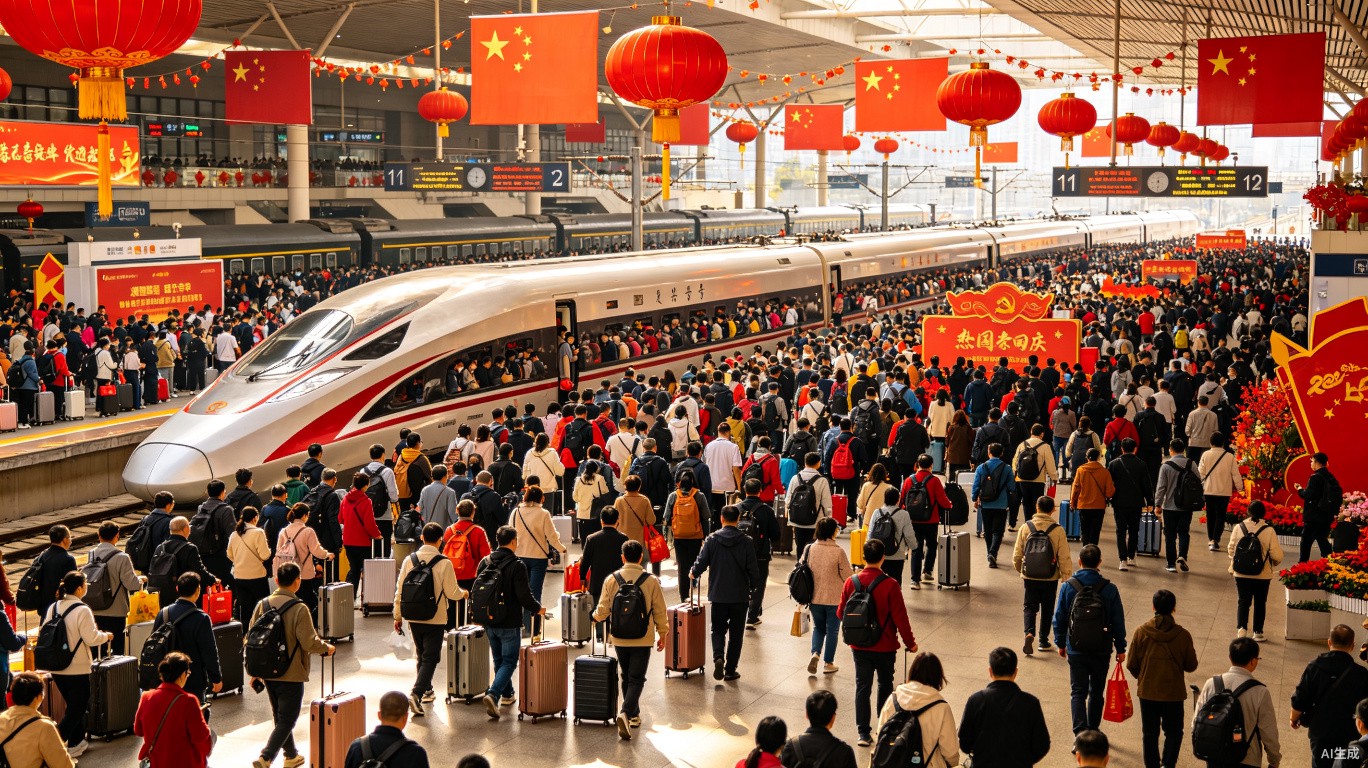
How to survive China's National Day Golden Week (October 1-7) - what to avoid, where to go, and how to beat the crowds.
9 min read
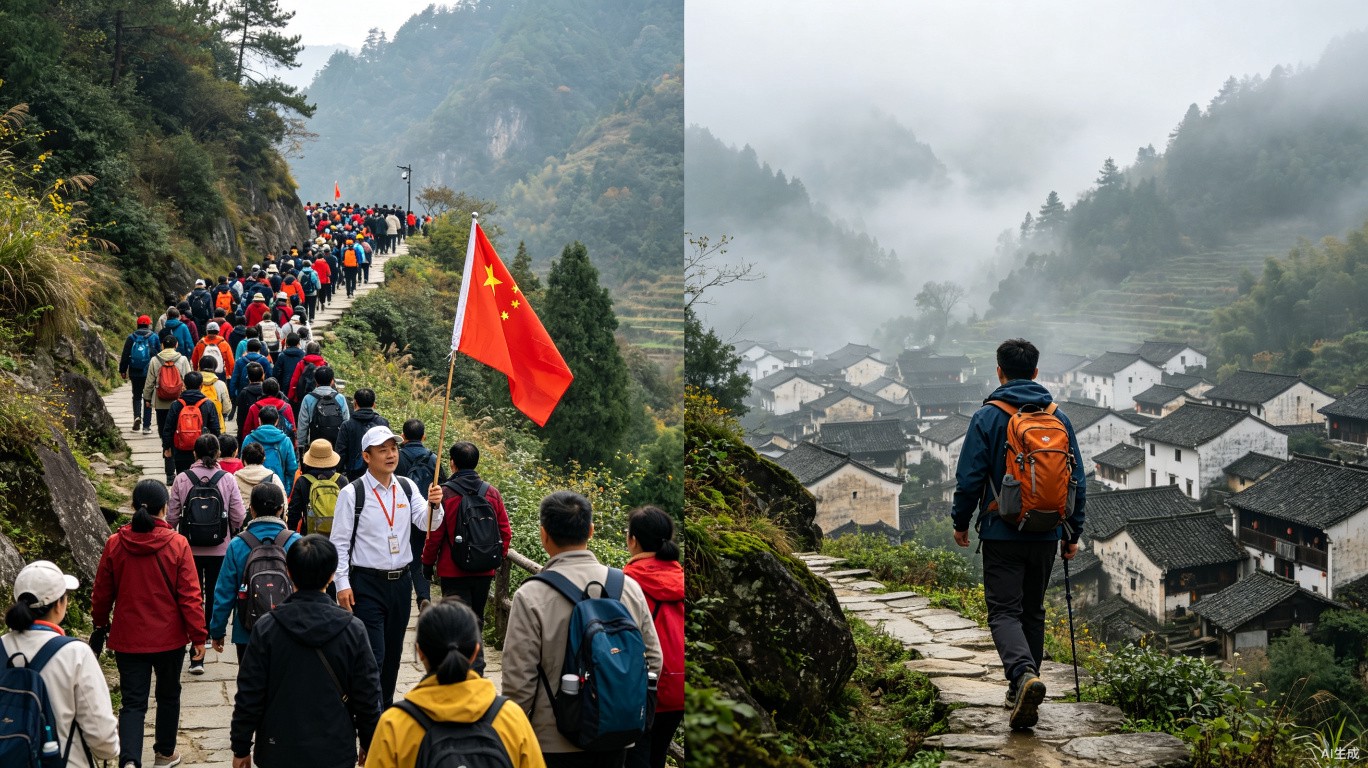
China Group Tours vs Independent Travel Which is Better
Should you join a guided tour or travel independently in China? Honest comparison of cost, flexibility, and experience.
7 min read
China Itinerary Planning: 7-Day 14-Day and 21-Day Routes: The Complete 2026 G...
Not sure how many days to spend in China? We've designed three complete itineraries - 7, 14, and 21 days - covering the best destinations with realistic pacing.
9 min read